How to catch bass on a jig
There's nothing quite as frustrating as watching a big Texas bass ignore every lure you throw its way, especially when you know they're there, hunkered down, just waiting for the right presentation. If you've been struggling to entice those finicky lunkers, particularly when they're hiding deep in cover or playing hard to get, then this comprehensive guide is for you. We're going to dive deep into the art and science of how to catch bass on a jig, transforming those frustrating days into triumphant ones.
Why Jigs Are So Effective for Texas Bass
When it comes to consistently catching big bass in Texas, jigs often get overlooked by anglers who are perhaps more drawn to the flash and speed of crankbaits or spinnerbaits. But let me tell you, a well-fished jig is an absolute powerhouse, especially when bass are playing coy. It's not just another lure; it's a strategic weapon designed to mimic prime forage and penetrate the thickest cover where the biggest bass often reside.
The Imitation Game: Matching Forage
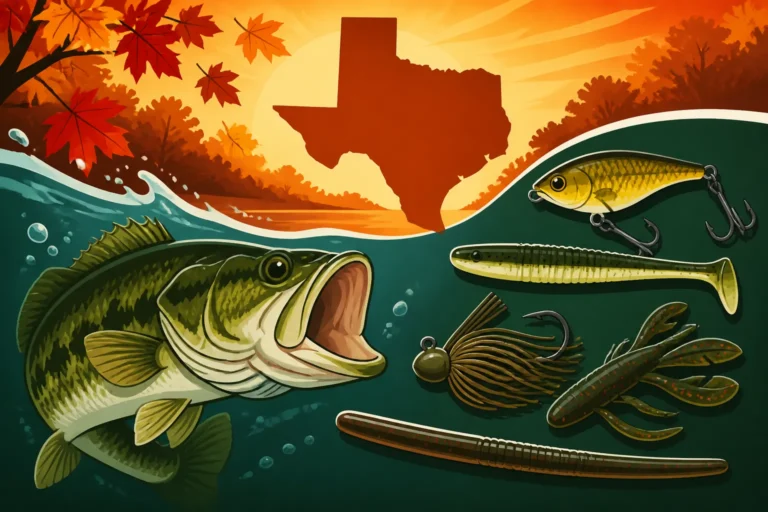
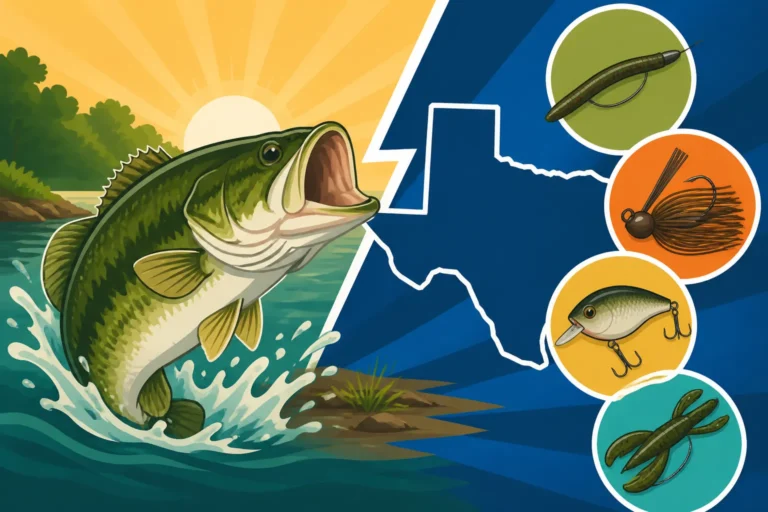
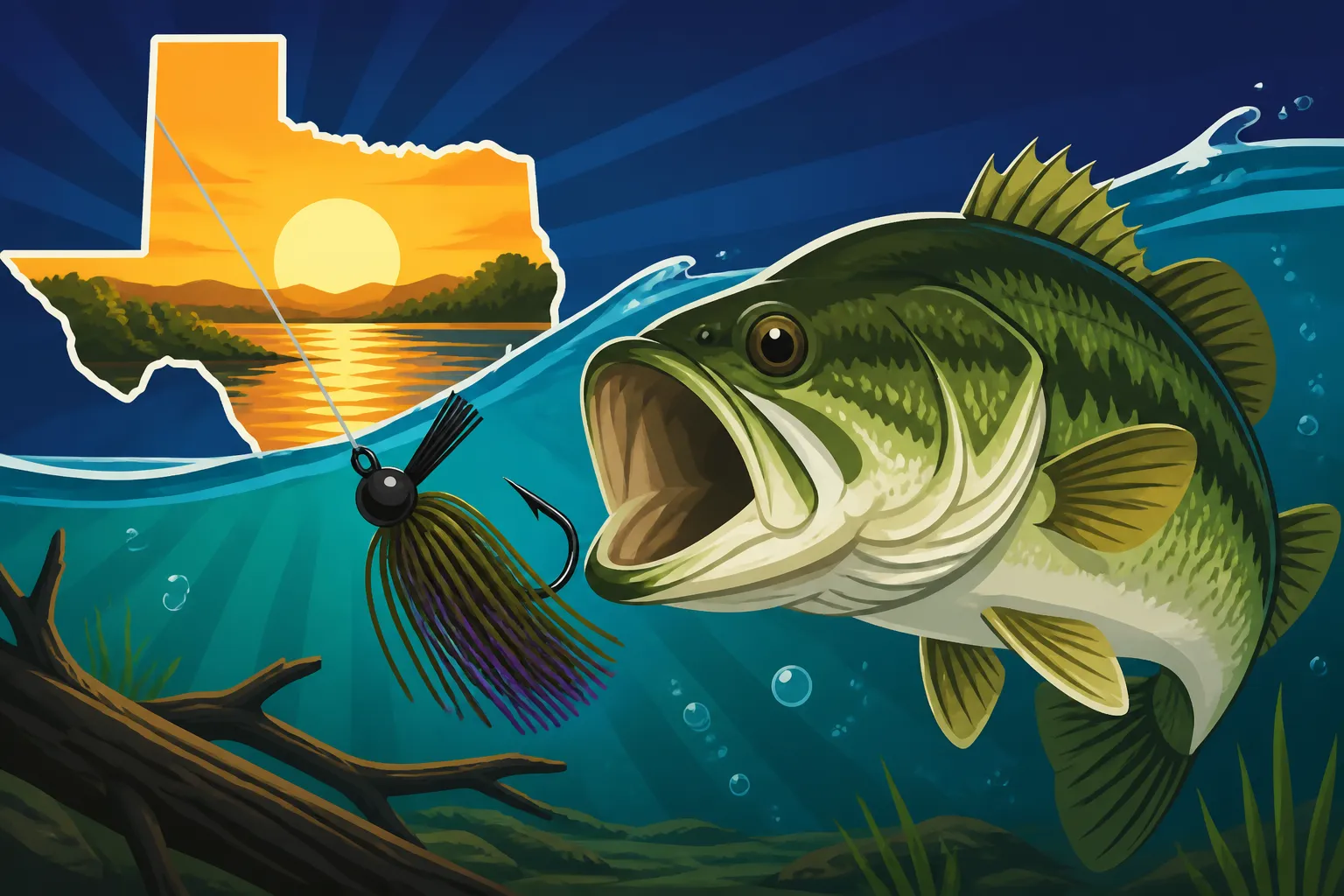
One of the biggest reasons jigs shine is their incredible ability to mimic a bass's natural diet. Think about it: a jig, especially with a soft plastic trailer, perfectly imitates a crawfish scuttling along the bottom, or even a bluegill or shad struggling through submerged vegetation. Bass are opportunistic predators, and these are high-protein meals they can't often resist.
Consider a massive largemouth bass tucked under a submerged tree on Lake Fork. That fish isn't going to chase a fast-moving bait in its sanctuary. What it will do is ambush a slow-moving, vulnerable-looking meal. A jig, worked subtly, looks exactly like that—a crawfish trying to hide or a small baitfish disoriented by cover. By focusing on natural movements and profiles, you're tapping into the bass's instinctual feeding patterns, which is why a well-presented jig can be so deadly, particularly during the cooler months or when bass are sluggish.
Versatility in All Conditions
Another incredible advantage of jigs is their sheer versatility. Unlike many lures that have specific optimal conditions, jigs can be effective year-round and in almost any water condition or depth. This makes them an indispensable tool in any Texas angler's tackle box.
Whether you're fishing the deep, clear ledges of Canyon Lake during the dog days of summer or probing the stained, timber-filled waters of Sam Rayburn after a cold front has pushed fish deep, there's a jig and a presentation for it. When the water temperatures drop, and bass become less active, a slow-crawled jig can still trigger bites. Conversely, during the spawn, flipping jigs into shallow cover can be incredibly productive. This adaptability means you can stick with a confidence bait through changing weather patterns and fish behavior, rather than constantly re-tying.
Essential Jig Types and When to Use Them in Texas
Navigating the world of bass jigs can feel a bit overwhelming with all the shapes, sizes, and styles out there. But trust me, understanding a few key types and their applications will make a huge difference in your success on Texas lakes and rivers. Each jig is designed with a specific purpose in mind, and knowing when to deploy which one is key to presenting it effectively.
Flipping and Pitching Jigs
If you're targeting bass buried deep within heavy cover—think dense hydrilla mats on Lake Conroe, submerged brush piles in Richland Chambers, or flooded timber in Toledo Bend—the flipping and pitching jig is your best friend. These jigs typically feature a compact head design, often pointed or bullet-shaped, and a stout, weedless hook.
The compact head allows them to penetrate dense cover without getting hung up constantly, which is a common frustration with other lures in these scenarios. Their weed guard is crucial for navigating through sticks, reeds, and grass. A good flipping jig, often in weights from 3/8 oz to 3/4 oz, will get into those tight spots where the biggest bass are hiding, often ambushing prey. Pair them with a bulky soft plastic trailer that mimics a crawfish or creature bait to maximize their appeal. When you're fishing these, remember that precision is paramount; you're not casting broadly but rather "flipping" or "pitching" your lure with a pendulum motion into very specific, small targets. Learning to properly execute these casts can dramatically increase your hook-up ratio in heavy cover.
Football Jigs
When the bass are holding deeper, particularly around rocky bottoms, ledges, or shell beds in lakes like Amistad Reservoir or Lake Whitney, the football jig is the star of the show. Its unique football-shaped head design helps it maintain bottom contact and resist snagging as it rolls over rocks and structure.
The wider profile of the football jig ensures that when it hits an obstacle, it tends to roll over it rather than wedge into it, giving you a better feel for the bottom. This bottom-hugging characteristic also makes it excellent for imitating a crawfish foraging along the substrate. You'll often find these in heavier weights, from 1/2 oz up to 1 oz or more, which helps them sink quickly and stay down in deeper water or strong currents. Work them with a slow drag or a series of short hops to trigger bites from bass that are often positioned right on the edge of a drop-off or a rock pile. Don't be afraid to experiment with different trailer styles, from twin-tail grubs to craw-imitating plastics, to find what the fish are keying in on. For more insights on how to fish deep structure in Texas reservoirs, you might find this guide helpful.
Finesse Jigs and Swim Jigs
Not all bass fishing involves brute force. Sometimes, especially in clear, highly pressured waters or during tough conditions, a more subtle approach is needed. That's where finesse jigs and swim jigs come into play.
- Finesse Jigs: These are typically lighter, smaller versions of flipping or football jigs, often 1/4 oz or less. They shine when fish are finicky, the water is super clear (think parts of Canyon Lake), or post-frontal conditions have made bass lethargic. Their smaller profile mimics smaller prey and offers a more delicate presentation. You'll often fish these on lighter line and tackle, allowing for a more natural fall and subtle action. They're excellent for targeting individual fish you might spot on beds or for working sparse cover where a heavier jig would be overkill.
- Swim Jigs: Unlike their bottom-bouncing counterparts, swim jigs are designed to be retrieved through the water column, imitating a swimming baitfish or a bluegill. They have a sleek, often wedge-shaped head that allows them to move smoothly through grass and cover. When paired with a paddletail swimbait or grub trailer, they create an enticing swimming action. You can burn them, slow roll them, or yo-yo them through submerged vegetation, lily pads, or open water around bait schools. They're particularly effective when bass are actively chasing bait, especially around the edges of grass lines or sparse cover. Consider how to catch bass in summer in Texas using these methods.
Here's a quick comparison of common jig types for Texas bass fishing:
| Jig Type | Primary Application | Typical Weight Range | Key Features | Ideal Trailer Pairing |
|---|---|---|---|---|
| Flipping/Pitching | Heavy cover (mats, timber, brush) | 3/8 – 3/4 oz | Compact head, stout weedguard, heavy hook | Craws, creature baits |
| Football | Deep structure (rocky ledges, shell beds, humps) | 1/2 – 1 oz+ | Football-shaped head, good bottom contact | Craws, large grubs |
| Finesse | Clear water, pressured fish, sparse cover, tough bites | 1/8 – 3/8 oz | Small profile, lighter wire hook, subtle action | Small craws, grubs, tiny creature baits |
| Swim Jig | Swimming through water column, sparse grass, open water | 1/4 – 1/2 oz | Sleek head, often wedge-shaped, weedless | Paddletail swimbaits, grubs |
Mastering the Retrieve: Techniques for Texas Jigs
Knowing which jig to use is only half the battle; knowing how to work it effectively is where the real magic happens. Each type of jig, and the situation you're fishing, calls for a slightly different retrieve. The goal is always to make your jig look as natural and appealing as possible to a hungry bass. It’s all about feel, patience, and adapting to what the fish want on any given day.
The Classic Hop and Drag
This is arguably the most common and often most effective way to fish a bottom-oriented jig, especially football jigs and heavier flipping jigs. The "hop and drag" retrieve mimics a crawfish scuttling and then pausing, or a bottom-dwelling baitfish pecking along the substrate.
To execute this, cast your jig to your target and let it sink to the bottom. Once it hits, engage your reel and retrieve any slack line until you can feel the weight of the jig. Then, use your rod tip to pull or "drag" the jig a foot or two along the bottom. Don't reel during this pull; just use your rod. After the drag, drop your rod tip back down to the starting position while simultaneously reeling in the slack. This creates a brief moment where the jig "hops" or lifts off the bottom, then settles back down, often just as a bass strikes. The key is to pay close attention to your line and rod tip for any subtle ticks or resistance, which might indicate a bite. Many times, a bass will pick up the jig on the fall or when it's stationary, so a keen sense of touch is vital. This technique is particularly deadly when bass are holding on deep drop-offs or rocky points.
Slow Rolling and Swimming
While many jigs are designed for bottom contact, swim jigs, as discussed, are meant to be kept moving. The "slow roll" is a foundational technique for swim jigs, allowing the lure to enticingly weave through the water column or just above the cover.
With a swim jig, cast it out and let it sink to your desired depth – often just above submerged grass, timber, or shell beds. Then, simply reel it in at a slow, steady pace, just fast enough to keep the trailer kicking and the jig swimming smoothly. The goal is to imitate a nonchalant baitfish. You can vary the retrieve speed, add subtle twitches with your rod tip, or occasionally pause the retrieve to let the jig flutter down a bit, often triggering a reaction strike. This is a fantastic technique for covering water quickly, especially around grass lines or sparse cover. It’s also very effective when bass are actively feeding on shad or other small baitfish. For those interested in different bass presentations, you might also look into how to fish a Texas Carolina rig.
Flipping and Pitching Precision
Flipping and pitching aren't just casting methods; they're precise presentation techniques for putting your jig exactly where you want it in heavy cover. The retrieve is less about covering water and more about systematically working a small, high-percentage area.
Once you've accurately flipped or pitched your jig into a bush, under a dock, or into a mat of hydrilla, let it sink on a semi-slack line. This allows the jig to fall naturally. Many bites occur on this initial fall. Once it hits bottom, gently shake your rod tip to make the jig "dance" in place or crawl it a few inches. Then, lift it out of the cover and either repeat the fall in the same spot or gently move it a few inches to a new pocket in the cover. The idea is to keep the bait in the strike zone for as long as possible and trigger a reaction from a bass that is likely ambushing prey. Pay extreme attention to any line movement, as these bites can be very subtle. A strong rod and heavy line are essential here, not just for casting but for pulling big bass out of dense vegetation.
Pairing Jigs with the Right Tackle and Trailers
Even the best jig won't perform optimally if it's not matched with the right equipment. Choosing the correct rod, reel, line, and especially the trailer, can significantly impact your presentation, sensitivity, and ability to land fish. Think of it as building a perfectly balanced system where every component works together.
Rod, Reel, and Line Selection
The heavy-duty nature of many jig fishing scenarios, especially in Texas's dense cover, demands specific tackle.
- Rods: For flipping and pitching jigs, you'll want a heavy-power, fast-action casting rod, typically 7' to 7'6" in length. This power is crucial for driving stout hooks through tough bass mouths and for muscling fish out of heavy cover. The fast action provides sensitivity and allows for quick, accurate hook sets. For football jigs in deeper, more open water, a medium-heavy to heavy power rod with a fast to moderate-fast action, around 7' to 7'4", offers a good balance of casting distance and backbone. Finesse jigs, on the other hand, benefit from lighter gear – a medium to medium-heavy spinning rod with a fast action, around 6'8" to 7', will give you the sensitivity for those subtle bites.
- Reels: A high-speed baitcasting reel (7.1:1 gear ratio or higher) is ideal for flipping and pitching. This allows you to quickly reel in slack after a cast, make multiple presentations, and efficiently bring fish to the boat. For football jigs, a versatile 6.4:1 or 7.1:1 gear ratio is usually fine. For finesse jigs, a quality spinning reel with a smooth drag is paramount.
- Line: Heavy fluorocarbon or braided line is almost universally preferred for jig fishing. For flipping and pitching, 17-25 lb fluorocarbon or 50-65 lb braided line is standard. Fluorocarbon offers excellent sensitivity and abrasion resistance, while braid is incredibly strong and excels in super thick cover. If using braid, consider a 2-3 foot fluorocarbon leader for added stealth. For football jigs, 15-20 lb fluorocarbon is common. For finesse jigs, 8-12 lb fluorocarbon or braided line with a fluorocarbon leader is best. Braided line vs fluorocarbon for Texas lakes is a great discussion to have with fellow anglers. You can find a wide selection of these lines on Amazon.
Choosing the Perfect Trailer
The trailer is not just an accessory; it's a critical component that adds bulk, action, and profile to your jig, making it irresistible to bass. The right trailer can truly make or break your jig's effectiveness.
- Action: Do you want a lot of flapping and kicking, like a crawfish in distress, or something more subtle? Trailers come in various forms: twin-tail grubs, crawfish imitations, chunks, and creature baits. Twin-tail grubs offer a lot of swimming action, while crawfish profiles provide a more natural, subtle movement.
- Bulk: A bulkier trailer can slow down the jig's fall, giving bass more time to react, and also provide a larger profile for bigger bites. A more streamlined trailer will allow the jig to penetrate cover better and fall faster.
- Color: Match the hatch! If bass are feeding on crawfish, go for greens, browns, and oranges. If they're keying on shad, whites, grays, and silvers are good choices. Don't be afraid to experiment with brighter "attractor" colors like black and blue, especially in stained water or on overcast days. A classic black and blue jig with a matching trailer is often a go-to for Texas anglers.
- Scent: Some trailers come pre-impregnated with scent, or you can add your own. In tough conditions, an extra scent boost can sometimes make all the difference. Check out the best soft plastics for Texas bass fishing for more trailer ideas.
Hooking Up and Fighting Bass
Jig bites can range from a subtle "tick" to your line suddenly jumping sideways. Being ready for the hook set is crucial, as you often have minimal time to react.
When you feel anything out of the ordinary—a tap, mushy weight, or your line moving—don't hesitate. Drop your rod tip slightly towards the fish and then set the hook with a powerful, sweeping motion, often overhead or to the side, driving that heavy hook home. Don't just "lift" into the fish; you need to generate force. Once hooked, especially in heavy cover, it's a battle to get the fish out. Keep constant pressure on the fish, reel quickly to gain line, and try to steer it away from snags. If it buries itself in cover, maintain tension, and sometimes the fish will swim itself out. Patience and a strong, well-tied knot are your best friends here. Knowing how to tie a Texas rig knot can also be beneficial for secure bait presentation.
Disclaimer
Fishing conditions and regulations in Texas can change. Always consult the latest Texas Parks and Wildlife Department (TPWD) regulations before heading out. This guide is for informational purposes only and does not supersede official rules or professional advice. Tight lines and stay safe out there!