How to gig flounder legally in Texas
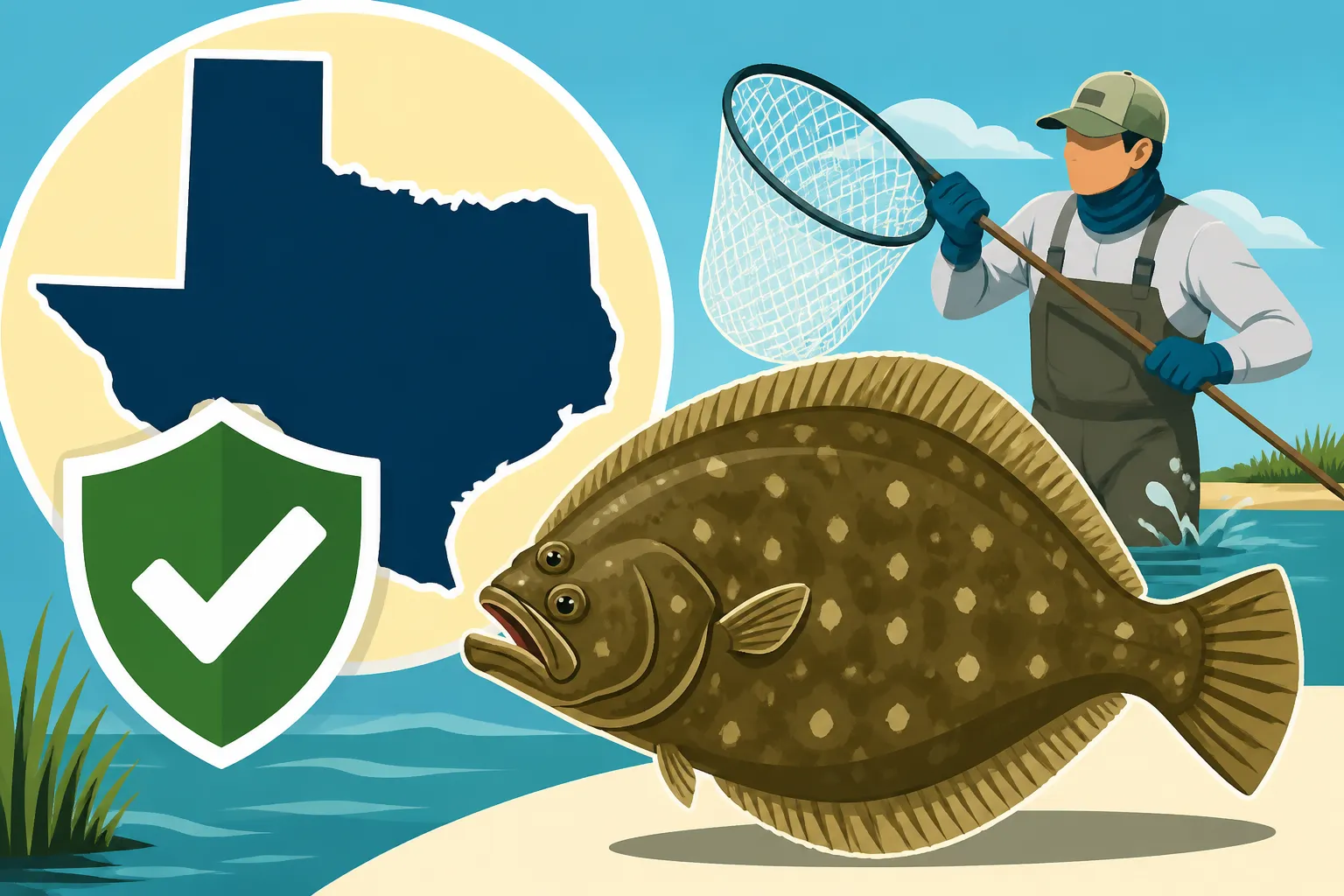
There's a special kind of thrill that comes with wading the shallow flats at night, lantern in hand, scanning for the tell-tale outline of a flounder camouflaged against the seabed. But if you're like many Texas anglers, the thought of trying to figure out all the specific rules and regulations for gigging can feel a bit overwhelming, making you second-guess if you're even doing it legally. It's totally understandable to be cautious, especially with all the nuances around season closures and gear restrictions. This guide is here to cut through that confusion, helping you understand exactly how to gig flounder legally in Texas, so you can enjoy this unique and productive fishing method with confidence.
Understanding Texas Flounder Gigging Regulations
Gigging for flounder in Texas is a cherished tradition for many, a true blend of hunting and fishing that requires keen eyesight and stealth. However, it’s not as simple as just heading out with a pointy stick. The Texas Parks and Wildlife Department (TPWD) has specific rules to ensure the sustainability of our flounder populations, and these rules are especially important for gigging, given its effectiveness.
The Legalities of Gigging vs. Rod and Reel
First off, it's crucial to understand that gigging is treated differently from traditional rod and reel fishing. While both are methods of harvesting fish, gigging is generally more efficient at night, especially for a bottom-dweller like flounder. Because of this, regulators often place stricter time and seasonal limits on gigging to protect the species during critical periods, such as their spawning migration. When you're out there, remember you're engaging in a specialized form of harvest, and the rules reflect that. Ignoring these distinctions can lead to significant penalties, which no one wants on a peaceful night out on the water. It’s always a good idea to refresh your knowledge of Texas Saltwater Fishing Regulations before any trip to the coast, regardless of your fishing method.
Flounder Season and Gigging Restrictions
The most significant regulation impacting flounder gigging is the annual closure, particularly in November. This specific month is a critical time for Southern Flounder as they migrate from the bays and estuaries into the Gulf of Mexico to spawn. To protect these migrating fish and allow them to reproduce undisturbed, the TPWD closes flounder fishing and gigging throughout the state's coastal waters for the entire month. This means no gigging, no rod and reel fishing for flounder, during November. Outside of this closure, gigging is generally permitted from the shoreline out to nine nautical miles in the Gulf. Always double-check the current Texas Flounder Season and Limits to ensure you're compliant, as these dates are subject to change based on biological data and management needs. It's truly a critical time to give these fish a break so we can enjoy them for years to come. Many anglers often ask Why is Texas flounder season closed in November, and it all boils down to conservation.
Bag and Length Limits for Gigged Flounder
Even when flounder gigging is open, you’re not allowed to just gig every fish you see. Just like with rod and reel fishing, there are strict daily bag and length limits in place. These limits are designed to allow enough fish to escape and continue the breeding cycle, while still providing ample opportunity for anglers to harvest a meal. Typically, the daily bag limit for flounder is quite conservative, often just a few fish per person. There's also a minimum length limit, meaning any flounder you gig must be at least a certain size from the tip of its snout to the end of its tail. If you gig a flounder that's too small, you must release it immediately and unharmed, which can be tricky with a gig, highlighting the importance of careful identification before you strike. Familiarize yourself with Texas Saltwater Bag Limits by Species to avoid any legal issues.
Here's a quick reference for typical flounder gigging regulations, though you should always verify current rules with TPWD:
| Regulation Type | Details | Notes |
|---|---|---|
| Fishing License | Required for all anglers 17 years of age and older. Includes a saltwater endorsement if gigging in coastal waters. | No exemptions for gigging specifically. Check Texas Fishing License Requirements Explained for full details. |
| Season | Open year-round except for the annual November closure. | November is typically closed for flounder harvest by any method (gigging, rod and reel). |
| Daily Bag Limit | Typically 5 flounder per person per day. | This limit applies to all methods of take combined. |
| Minimum Length | Typically 15 inches. | Any flounder less than 15 inches must be immediately released. This is often referred to as the Texas flounder minimum length limit. |
| Gigging Time | Legal any time during open season. Most effective at night. | Check local ordinances for any specific access restrictions in certain areas (e.g., city parks). |
| Location | Coastal waters (bays, estuaries, Gulf out to 9 nautical miles). | Private waters may have different rules, but a license is generally still required unless fully enclosed. |
Essential Gear for Legal Flounder Gigging
Once you've got the rules down, it's time to think about the right tools for the job. Flounder gigging isn't complicated, but having the proper gear makes all the difference for a safe, enjoyable, and legal experience. You can find a lot of this equipment pretty easily, with online retailers like Amazon offering a wide selection that can be delivered right to your door.
Choosing the Right Flounder Gig
The star of the show, of course, is the gig itself. A legal flounder gig typically consists of a long handle, usually made of wood, aluminum, or fiberglass, with a metal head featuring multiple sharp prongs. The number of prongs can vary, from a single spear to five or more. For most Texas gigging, a three- or four-prong gig is very common and effective. You want something sturdy enough to penetrate the flounder quickly and hold it securely, but not so heavy that it's cumbersome to wield in the water. The handle length is important too; you need it long enough to reach fish in water up to your waist or chest without bending over too much, which can be exhausting. Many anglers find durable, corrosion-resistant gigs on Amazon, perfect for the saltwater environment.
When selecting a gig, consider the material of the head and prongs. Stainless steel is often preferred for its resistance to rust in saltwater, though galvanized steel is also common and more budget-friendly. Make sure the prongs are sharp and have small barbs or a good taper to prevent the fish from slipping off. Some gigs also come with rubber grips on the handle for better purchase, which is a small detail that makes a big difference when your hands are wet or cold.
Lighting the Way: Headlamps and Underwater Lights
Flounder gigging is almost exclusively a nighttime activity because flounder are nocturnal predators, and their excellent camouflage becomes less effective under artificial light. This means lighting is absolutely critical. You'll need at least one reliable light source, and often more. A powerful waterproof headlamp is a must-have, allowing you to keep your hands free for the gig. Look for one with a wide beam and high lumens to cut through the water effectively.
Beyond headlamps, many giggers use specialized underwater lights. These can be battery-powered LED lights on poles that you push ahead of you, or even larger lights mounted on the bow of a shallow-draft boat. The goal is to illuminate the bottom clearly, revealing the flounder's outline, eyes, or distinct lateral line. Good underwater lighting minimizes disturbance and helps you identify fish size before taking a shot, which is important for staying within Texas flounder bag and length limits. You can find a fantastic array of waterproof lights, from basic headlamps to more advanced submersible LEDs, on Amazon. Choosing a light with a warm, yellowish tint can sometimes help cut through murkier water better than a bright white light, as it reduces glare.
Waders, Boats, and Safety Gear
Depending on where you plan to gig, you might be wading or using a boat. If wading, a good pair of chest waders is essential to stay dry and warm, especially in cooler months. Look for durable, puncture-resistant waders, as you’ll be walking over shell, mud, and sometimes unseen debris. Combine them with wading boots that offer good grip on slippery bottoms.
For those venturing further, a shallow-draft boat like a jon boat or a flat-bottom skiff is ideal. These boats can navigate the skinny waters where flounder hide. You'll often see them rigged with elevated platforms for better visibility and mounting for powerful gigging lights. Regardless of whether you’re on foot or in a boat, safety should be paramount. Always carry a first-aid kit, a whistle or horn, and personal flotation devices (PFDs). Even in shallow water, accidents can happen, and having basic safety gear, much of which is available on Amazon, can make all the difference. Don't forget bug repellent too; coastal nights can be brutal with mosquitoes and no-see-ums!
Best Practices for Ethical and Successful Flounder Gigging
Getting out there and actually gigging a flounder is an incredibly rewarding experience, but doing it successfully and responsibly takes a bit more than just having the right gear and knowing the rules. It's about understanding the environment, the fish, and practicing good stewardship.
Ideal Conditions and Locations for Gigging
Flounder gigging success is heavily influenced by conditions. Clear, calm water is your best friend. Turbid or choppy water makes it incredibly difficult to spot flounder on the bottom. So, picking a night with minimal wind and no recent heavy rainfall is key. Tides also play a role; a falling tide can sometimes concentrate flounder in channels or near deeper edges, making them easier to find. Many experienced giggers prefer outgoing tides as water recedes, exposing more of the flats and funneling fish.
As for locations, look for shallow bay flats, especially those with a mix of mud, sand, and scattered shell or grass. Flounder love to lie in depressions or near subtle structure, perfectly camouflaged. Areas near bayous, tidal creeks, and oyster reefs are often productive. Popular Texas gigging spots include the vast flats of Galveston Bay, Matagorda Bay, and Aransas Bay, but local knowledge is often the best guide. Always be aware of your surroundings and any local property restrictions; don't trespass on private land, even if it looks like a prime spot. Knowing Best Texas Gulf Coast Fishing Spots can give you a head start in finding general areas, then narrow down to specific flats.
Approaching and Spotting Flounder
This is where the art of gigging comes in. When wading, move slowly and deliberately, shuffling your feet to avoid stepping on stingrays (a common hazard in Texas bay waters). Keep your light pointed slightly ahead of you, scanning the bottom. Flounder are masters of camouflage, often burying themselves with only their eyes exposed, or lying perfectly flat, mimicking the texture of the bottom. Look for any slight disturbance in the pattern of the bottom, a faint outline, or sometimes, the two distinct eyes peeking up.
Once you spot a flounder, approach it slowly and silently. Don't cast a shadow over it, as this can spook the fish. Position your gig directly over the flounder, aiming for the head or just behind it for a quick, humane strike. A firm, decisive jab is usually all it takes. Hesitation can result in a missed fish or, worse, a wounded fish that gets away. It takes practice to distinguish a flounder from a piece of shell or a rock, but with experience, you'll develop an eye for it.
Responsible Harvesting and Conservation
As enjoyable as flounder gigging is, it's vital to practice responsible harvesting. Only gig what you intend to keep and eat, respecting the daily bag limits. Release any undersized flounder as gently and quickly as possible, minimizing stress. If a fish is badly injured, it's often best to keep it if it's legal size, rather than releasing it to die slowly.
Beyond individual actions, supporting conservation efforts is important. The annual November closure, for instance, is a critical component of Texas Flounder Fishing Guide and helps ensure a healthy flounder population for future generations. Respect all regulations, educate new giggers on best practices, and leave no trace behind when you're done. Properly dispose of any trash, and if you're using a boat, be mindful of seagrass beds, which are vital habitats for flounder and other marine life. By being a responsible angler, you help preserve this unique Texas tradition for everyone. You want to make sure the flounder run keeps happening year after year, so understanding How to Fish the Texas Flounder Run also means understanding how to protect it.
Disclaimer
This article is for general informational purposes only and does not constitute professional advice. Laws, prices and regulations vary by location and change over time. Consult a qualified professional for guidance on your specific situation.