How to catch alligator gar in Texas
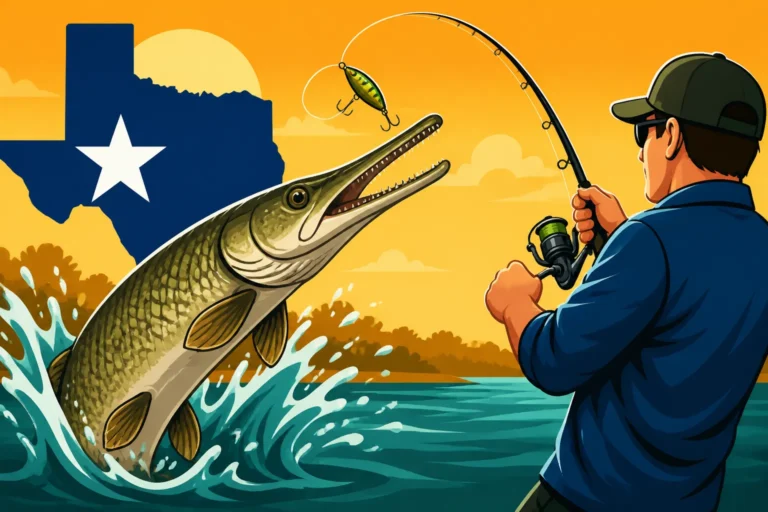
For many Texas anglers, the pursuit of alligator gar isn't just fishing; it's an ancient challenge, a primal hunt against one of North America's most formidable freshwater predators. Their prehistoric appearance, immense size, and tenacious fighting spirit make them a bucket-list species, but catching one is rarely simple. This comprehensive guide will equip you with the knowledge, gear, and techniques you need to successfully target these incredible fish across the Lone Star State.
Understanding the Alligator Gar: A Prehistoric Predator
Before you even think about casting a line, it's crucial to understand the creature you're after. Alligator gar are living fossils, virtually unchanged for millions of years, and their biology dictates how and where you'll find them. They aren't your typical bass or catfish; they require a different approach and a healthy respect for their power.
Anatomy and Behavior of Alligator Gar
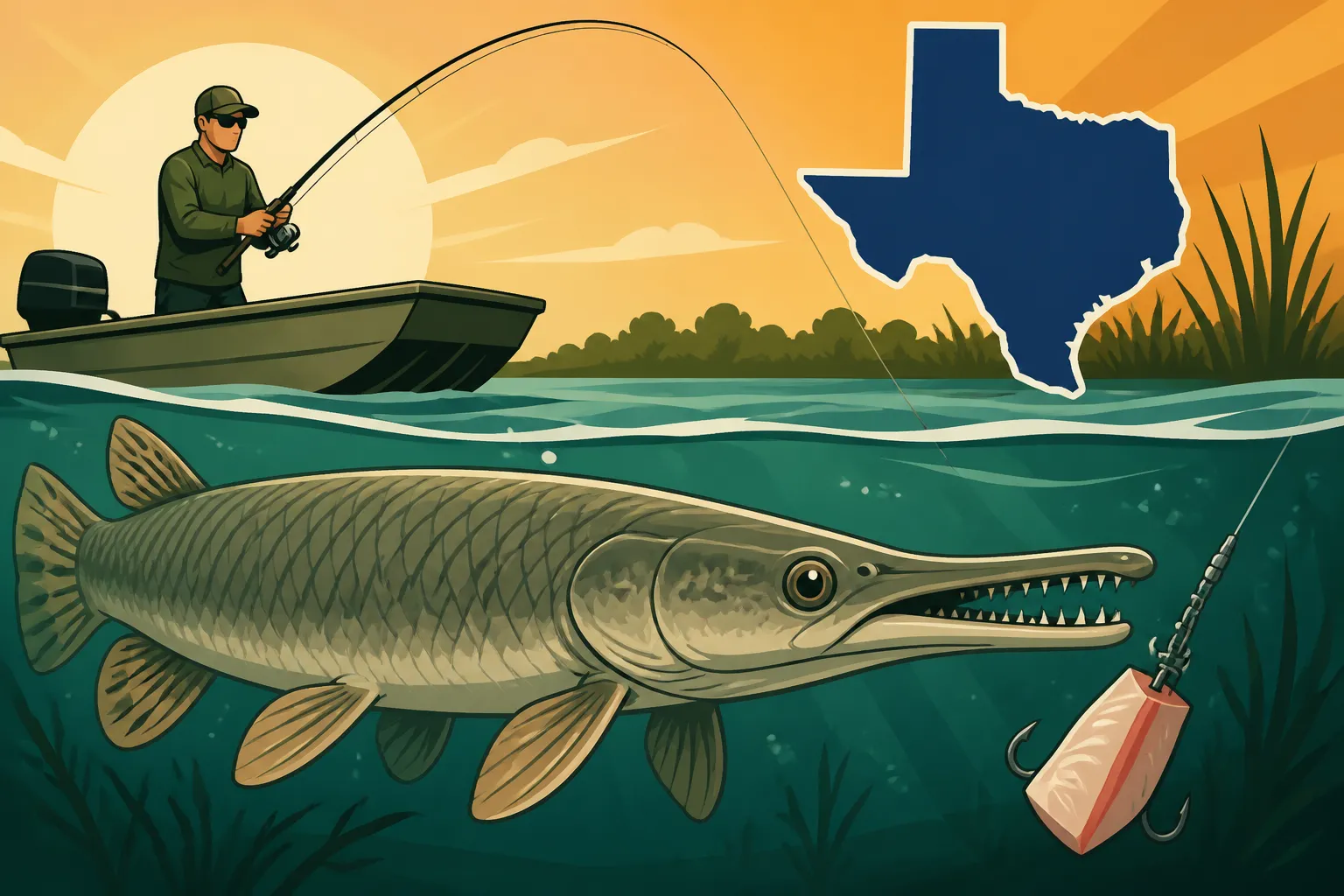
Alligator gar possess a long, cylindrical body covered in thick, diamond-shaped ganoid scales that are almost impenetrable, making them difficult to injure and even harder to clean. Their most striking feature is their long, broad snout lined with two rows of razor-sharp teeth on the upper jaw, perfect for ambushing and holding prey. These teeth are why heavy leaders and careful handling are non-negotiable.
Behaviorally, gar are primarily ambush predators. They often lurk in slow-moving or stagnant waters, camouflaged by their olive-green to brown coloration. While they can breathe both in and out of water thanks to a primitive lung, they are still reliant on water for survival. They are opportunistic feeders, eating fish, turtles, waterfowl, and anything else they can overpower. Their strikes can be surprisingly subtle, or explosive, depending on their mood and the bait presentation. They don't typically "hunt" in the conventional sense of actively chasing down prey over long distances; rather, they wait for an unsuspecting meal to come within striking distance.
Where to Find Alligator Gar in Texas
Texas is one of the best places in the world to target alligator gar, with healthy populations throughout its major river systems and associated backwaters. You'll primarily find them in:
- Large Rivers and Tributaries: The Trinity River, especially the lower stretches, is legendary for its gargantuan gar. Other significant rivers include the Brazos, Colorado, Neches, and Sabine. They prefer slow-moving sections, deep holes, and areas with submerged timber or dense vegetation where they can hide and ambush prey.
- Bayous and Oxbow Lakes: These calmer, often nutrient-rich waters provide ideal habitat for juvenile and adult gar. Look for areas with minimal current, plenty of cover, and an abundant forage base.
- Estuaries and Coastal Bays: While often associated with freshwater, alligator gar are highly tolerant of brackish and even saltwater, and can be found in bays like Galveston Bay, Matagorda Bay, and Sabine Lake, particularly near river mouths where salinity fluctuates. They often follow baitfish movements into these areas.
When scouting for gar, keep an eye out for tell-tale signs. On hot summer days, you might see them "gulping" air at the surface – a sign they're active and in the area. Look for large swirls or wakes, especially near submerged structure or the edges of dense aquatic grass. Knowing their preferred habitat means you're already halfway to putting a hook in one. For more general information on Texas Alligator Gar Fishing Guide, check out our comprehensive article.
Essential Gear for Alligator Gar Fishing
Successfully landing an alligator gar requires gear that's up to the task. These fish are powerful, heavy, and possess formidable defenses. Trying to tackle a truly large gar with inadequate equipment will almost certainly lead to frustration, lost fish, and potentially damaged gear. Think heavy-duty, robust, and reliable.
Rods, Reels, and Line
Forget your finesse bass setup; gar demand serious hardware.
- Rods: You'll want a heavy to extra-heavy action rod, typically 7 to 9 feet in length. Many anglers opt for conventional boat rods, surf rods, or even dedicated catfish rods. The rod needs a strong backbone to handle the immense weight and powerful runs of a large gar, especially when trying to turn its head. A softer tip can sometimes help detect subtle bites, but the real power should be in the blank.
- Reels: Large, high-capacity baitcasting reels (often star drag or lever drag offshore reels) are a popular choice due to their brute strength and line capacity. Look for models designed for saltwater or large freshwater species like catfish. Alternatively, robust spinning reels in the 8000-14000 size range can work, but ensure they have a smooth, powerful drag system. A good reel will allow you to lay down serious pressure without fatiguing the angler or risking a blown drag.
- Line: This is not the place for monofilament. Heavy braided line is essential. Think 80 lb test at a minimum, with many experienced gar anglers opting for 100-150 lb test. Braid offers superior strength-to-diameter ratio, zero stretch for solid hooksets, and excellent abrasion resistance. Given the thick scales and sharp teeth of a gar, a heavy leader is absolutely crucial. A 2-3 foot section of heavy cable leader (steel or heavy braided wire) or extremely stout monofilament (200-300 lb test) should be tied to your main line. Even with a wire leader, a gar's rolling and thrashing can sometimes cut through softer materials, so regularly check for fraying. You can find a great selection of these heavy-duty fishing lines and leaders on Amazon.
Hooks and Bait Selection
The right hook and bait are paramount for enticing and landing alligator gar.
- Hooks: Circle hooks are highly recommended, often in large sizes like 10/0 to 16/0. The design of a circle hook minimizes gut-hooking, which is crucial for ethical release and compliance with regulations if you're not planning to harvest. When a gar takes a bait with a circle hook, simply let the line tighten; the hook will typically rotate into the corner of its mouth. Avoid aggressively setting the hook as you would with other species. Some anglers also use treble hooks, but these significantly increase the chance of deeply hooking the fish, making removal difficult and potentially fatal, so check your local regulations and consider conservation.
- Bait: Alligator gar are scavengers and predators, so oily, smelly, fresh cut bait is king.
- Cut Bait: Common choices include carp, buffalo, drum, shad, and mullet. The fresher, the better, but some anglers swear by slightly "aged" bait. Use large chunks—a foot-long strip or a half-fish is not uncommon, especially for larger gar.
- Live Bait: Large live bait, such as carp, buffalo, or large sunfish, can also be effective. The struggling of a live baitfish often draws the gar's attention. Just ensure the size of your live bait is appropriate for the gar you're targeting. When using live bait, make sure to check local regulations regarding the use of live "non-game" fish, as rules can vary. For tips on specific species regulations, consult our article on Texas Fish Bag and Length Limits.
Essential Accessories for Safety and Success
Beyond the basic gear, a few accessories can make your gar fishing experience safer and more successful:
- Heavy-Duty Gloves: Leather or cut-resistant gloves are a must for handling a gar's rough scales and to protect your hands from potential bites or hook accidents.
- Lip Grippers/Boga Grips: A sturdy set of lip grippers is invaluable for controlling a gar while you remove the hook. These allow you to secure the fish without directly touching its teeth.
- Bolt Cutters or Pliers: If a hook is deeply embedded or difficult to remove, bolt cutters can be used to snip the hook, making release easier and safer for both you and the fish. Large, heavy-duty pliers are also useful for working with hooks.
- Measuring Tape and Scale: If you plan on documenting your catch or if there are length/weight regulations, a durable measuring tape and a reliable scale are essential.
- Net or Gaff: A large, strong landing net or a gaff can assist in bringing a heavy gar into the boat, but ensure your chosen method aligns with conservation efforts if you intend to release the fish. A tail rope can also be very effective for controlling large gar once they are alongside the boat.
Alligator Gar Fishing Techniques
Catching an alligator gar is often a waiting game, but knowing how to present your bait and how to react when a gar strikes can make all the difference. There are several popular methods, each with its own nuances.
Rod and Reel Techniques
Fishing for alligator gar with a rod and reel is arguably the most challenging and rewarding method. Patience is your best friend here.
- Bottom Fishing: This is a common and effective technique. Use a heavy lead weight (2-8 ounces, depending on current) to keep your bait on the bottom. A Carolina rig with a heavy leader is ideal. Cast your bait out into known gar holding areas – deep channels, submerged structure, or along current breaks. Once cast, place your rod in a sturdy rod holder and engage the clicker (if your reel has one) or set your drag light enough to allow the gar to run.
- The Strike: Gar often pick up bait and move off slowly. Resist the urge to set the hook immediately. Let the gar swim off with the bait for a good minute or two, allowing it to fully swallow the bait and for the circle hook to do its job. Once the line is peeling steadily, slowly reel down, letting the rod load up, and then apply steady pressure. The gar's boney mouth makes traditional hooksets ineffective and often results in pulled hooks.
- Float Fishing: Suspending a large cut or live bait under a sturdy, oversized float (like a jugline float or even a small pool noodle) can be effective, especially in areas where gar are cruising near the surface or in shallower water. The float keeps your bait at a desired depth and visually indicates a strike. This method allows you to cover more water by letting the bait drift with the current.
- Float Indications: When a gar takes the bait, the float will often start moving erratically, then slowly disappear or move purposefully away. Again, resist the immediate hookset. Give the gar time to take the bait fully. Once the float is submerged and moving steadily, begin applying pressure.
Non-Rod and Reel Methods
While rod and reel fishing is popular, other methods are also used for alligator gar in Texas, each with its own set of regulations.
- Trotlines and Juglines: These are passive fishing methods where multiple baited hooks are set and left to soak.
- Trotlines: A trotline consists of a main line stretched across a body of water or tied between two points, with multiple baited hooks (droplines) attached at intervals.
- Juglines: Juglines are individual lines, each with a hook, attached to a floating device (a jug). These are typically deployed and allowed to drift, or anchored.
- Regulations: Texas has strict rules regarding the use of trotlines and juglines, including the number of hooks allowed, mandatory tagging with the angler's name and address, and required check intervals. For a deep dive into these rules, you'll want to read our article on Texas Trotline and Jugline Rules. These methods can be highly effective for catching large gar, but require constant vigilance to ensure compliance and ethical harvest. You can often find heavy-duty rope and large hooks suitable for trotlines and juglines on Amazon.
- Bowfishing: This is a highly specialized and exciting method for targeting alligator gar. It involves shooting the fish with a specialized bowfishing rig, which consists of a bow, a reel mounted to the bow, and a heavy, barbed arrow attached to a line.
- Technique: Bowfishing for gar is often done at night from a boat equipped with powerful lights, allowing anglers to spot gar cruising in shallow waters. It's an active pursuit that requires good aim and quick reflexes.
- Regulations: Bowfishing for gar falls under specific regulations in Texas, and a special license or endorsement might be required. It's important to understand these before heading out. Our guide on Texas Bowfishing License Requirements provides all the details you'll need.
Handling and Releasing Alligator Gar Safely
Landing a large alligator gar is a battle, but the fight isn't over until the fish is safely handled and, if desired, released. Gar are incredibly strong, and their teeth are no joke. Safety for both you and the fish should be your top priority.
The Landing Process
Once you've hooked a gar, the real work begins. Bring the fish to the boat or shore slowly and steadily, applying consistent pressure. Don't try to horse it in, especially a big one, as this can lead to pulled hooks or broken gear. Let the rod and reel do the work.
- At the boat/shore: When the gar is alongside the boat or brought into shallow water, maintain control. Do not attempt to grab a large gar by hand without proper lip grippers. These fish can thrash violently, and their rough scales can cause severe abrasions, not to mention the danger from their teeth. A sturdy pair of lip grippers or a tail rope (for larger specimens) will give you the control you need. If you're on the bank, try to slide the fish onto a soft, wet surface, like grass or a tarp, to minimize injury. Never drag a large fish on concrete or rough ground.
Safe Hook Removal
Removing a hook from an alligator gar requires caution and the right tools.
- Accessing the hook: With the gar secured by lip grippers, carefully assess where the hook is located. If using circle hooks as recommended, they are often in the corner of the mouth, making removal relatively straightforward with a good pair of long-nosed pliers.
- Dealing with difficult hooks: If the hook is deeply embedded or in a hard-to-reach spot, do not force it. This is where bolt cutters come in handy. Snip the hook as close to the bend as possible, then remove the remaining pieces. This causes less trauma to the fish than trying to wrench out a stubborn hook. Always work quickly and efficiently to minimize the fish's stress.
Releasing Alligator Gar
Texas Parks and Wildlife Department (TPWD) encourages the release of large alligator gar, particularly those over certain sizes, to protect the breeding stock and maintain healthy populations.
- Support and revive: If you plan to release the gar, handle it as little as possible. Keep it in the water if feasible. If you must bring it onto the bank or into the boat for a quick photo, do so gently and quickly.
- When releasing, support the gar horizontally in the water. For larger fish, cradle its belly and hold its tail, moving it gently back and forth to force water over its gills until it regains strength and swims off under its own power. Never drop a large gar back into the water from a height, as this can cause internal damage.
- Regulations on harvest: Currently, the daily bag limit for alligator gar is one per person statewide, with no length limit on that one fish. However, specific lakes or river segments may have special regulations, so always check the latest TPWD Outdoor Annual before your trip. For example, some areas might have restricted seasons or require a harvest tag for alligator gar over a certain length. Knowing Texas Fishing License Requirements Explained will also ensure you're compliant before you even start fishing. Remember, respecting the regulations helps ensure these magnificent fish continue to thrive for future generations of anglers.
Best Time to Catch Alligator Gar in Texas
Timing can play a significant role in your success when targeting alligator gar. While they can be caught year-round, certain seasons and conditions tend to be more productive. Understanding these patterns can greatly increase your chances of hooking into one of these prehistoric giants.
Seasonal Considerations
Alligator gar are influenced by water temperature and levels, which vary throughout the year in Texas.
- Spring (March – May): As water temperatures rise into the 60s and 70s, gar become more active after a cooler winter. This is also a crucial time for their spawning activities, which typically occur in shallow, vegetated areas when water levels are high. While gar are catchable, anglers often exercise extra caution during the spawn to avoid disturbing breeding fish. High water levels can spread fish out, making them harder to locate, but also offer new feeding grounds.
- Summer (June – August): This is often considered prime time for alligator gar fishing, especially in the evening and at night when temperatures are a bit cooler. During the heat of the day, gar are frequently seen gulping air at the surface, indicating their presence. They become highly active feeders, taking advantage of abundant baitfish. Low water levels, common in late summer, can concentrate gar in deeper holes and channels, making them easier to locate. However, the extreme heat means extra care must be taken when handling and releasing fish. For more tips on How to Fish in Hot Texas Summers, check out our specialized guide.
- Fall (September – November): As temperatures begin to drop, gar continue to feed actively, often putting on weight before winter. This can be an excellent time to target them, particularly during stable weather patterns. Baitfish schools are plentiful, and gar will gorge themselves. The cooler weather also makes for more comfortable fishing conditions for anglers.
- Winter (December – February): Gar activity slows down significantly in colder water. They are still catchable, but bites will be much less frequent and often very subtle. They tend to retreat to deeper, more stable water. If targeting gar in winter, focus on the warmest parts of the day and deep holes in rivers and lakes. For a detailed breakdown of fishing opportunities throughout the year, our Texas Fishing Seasons Month by Month article can be a valuable resource.
Optimal Weather and Water Conditions
Beyond the seasons, specific weather and water conditions can trigger gar activity.
- Stable Weather: Consistent weather patterns, without dramatic cold fronts or severe storms, generally lead to more predictable gar behavior and better fishing. Sudden drops in temperature or barometric pressure can make gar less active.
- Warm, Sunny Days (with a caveat): On warm, sunny days, especially in summer, gar are often seen "basking" near the surface or gulping air. While this indicates their presence, they might not be actively feeding aggressively. Targeting them at dawn, dusk, or night during these periods can be more productive, as they move into shallower water to feed under the cover of darkness or reduced light.
- Water Clarity: Alligator gar are not overly sensitive to water clarity, and can be caught in both clear and murky conditions. However, in extremely muddy post-rain conditions, fishing can be tougher as it might be harder for them to locate bait by scent. Slightly stained water, where visibility is reduced but not eliminated, often provides good camouflage for the gar while still allowing bait scent to travel.
- Water Levels: As mentioned, high water in spring can spread them out, while lower water in summer/fall can concentrate them. Paying attention to river flow rates and lake levels from local authorities or apps can give you a significant edge in pinpointing their locations. For instance, areas with converging currents or eddies around structure often become hotspots when water levels drop, as these areas concentrate both gar and their prey.
Understanding these conditions, combined with proper gear and technique, will greatly improve your odds of experiencing the thrill of catching an alligator gar in Texas.
Alligator Gar Fishing Comparison Table
Here's a quick comparison of the primary methods for targeting alligator gar in Texas, to help you decide which approach might be best for your next adventure.
| Feature | Rod and Reel Fishing | Trotline/Jugline Fishing | Bowfishing |
|---|---|---|---|
| Primary Appeal | Sporting challenge, direct fight, active engagement | Passive, can target multiple fish, efficient for harvest | Visual hunt, precision, adrenaline-ppumping |
| Gear Required | Heavy rod/reel, heavy braid, wire leader, circle hooks, large cut bait | Heavy line, multiple hooks, floats/anchors, mandatory tags, large cut bait | Bow, specialized reel, barbed arrows, bright lights (for night) |
| Skill Level | Moderate to Advanced (requires patience and proper technique) | Moderate (requires setup knowledge and regulatory understanding) | Moderate to Advanced (requires aim and stealth) |
| Best Conditions | Year-round, especially active periods (summer nights, stable weather) | Year-round, especially in slow-moving or stagnant waters | Nighttime, shallow clear water, calm conditions |
| Time Investment | Active fishing, can be hours for one bite | Set and check periodically (regulatory requirements apply) | Active hunting, often done in concentrated bursts |
| Regulations | One per day bag limit, no length limit | State-specific limits on hooks, tagging, checking frequency; one per day bag limit | Specific bowfishing rules, one per day bag limit |
| Ethical Release | Generally high (especially with circle hooks) | Lower (fish can be on hooks for longer, higher mortality) | Very low (fish is typically harvested immediately) |
| Key Advantage | Direct control, exciting fight, minimal harm if released correctly | Can cover large areas, good for multiple fish, less active supervision | Visually thrilling, selective harvest |
| Key Disadvantage | Can be slow, requires significant patience | Higher potential for fish mortality, strict regulations | Requires specialized equipment and skills, fish are harvested |
This table provides a snapshot, but remember to always consult the current TPWD Outdoor Annual for the most up-to-date and specific regulations for each method and location.
Disclaimer
This article is for general informational purposes only and does not constitute professional advice. Laws, prices and regulations vary by location and change over time. Consult a qualified professional for guidance on your specific situation.