Best time of year to catch alligator gar
Trying to figure out the perfect time to go after one of Texas' most ancient and intimidating fish – the alligator gar – can feel like a riddle. These prehistoric giants are legendary, but landing one often depends on knowing exactly when and where they're most active. It’s not like targeting a bass or a trout, where patterns are often more predictable. Alligator gar have their own rhythm, deeply tied to the environment, and understanding it is key to a successful outing. This guide is here to unravel that mystery, breaking down the optimal times of year to target these incredible creatures, helping you plan your next big adventure.
Understanding the Alligator Gar's Seasonal Calendar in Texas
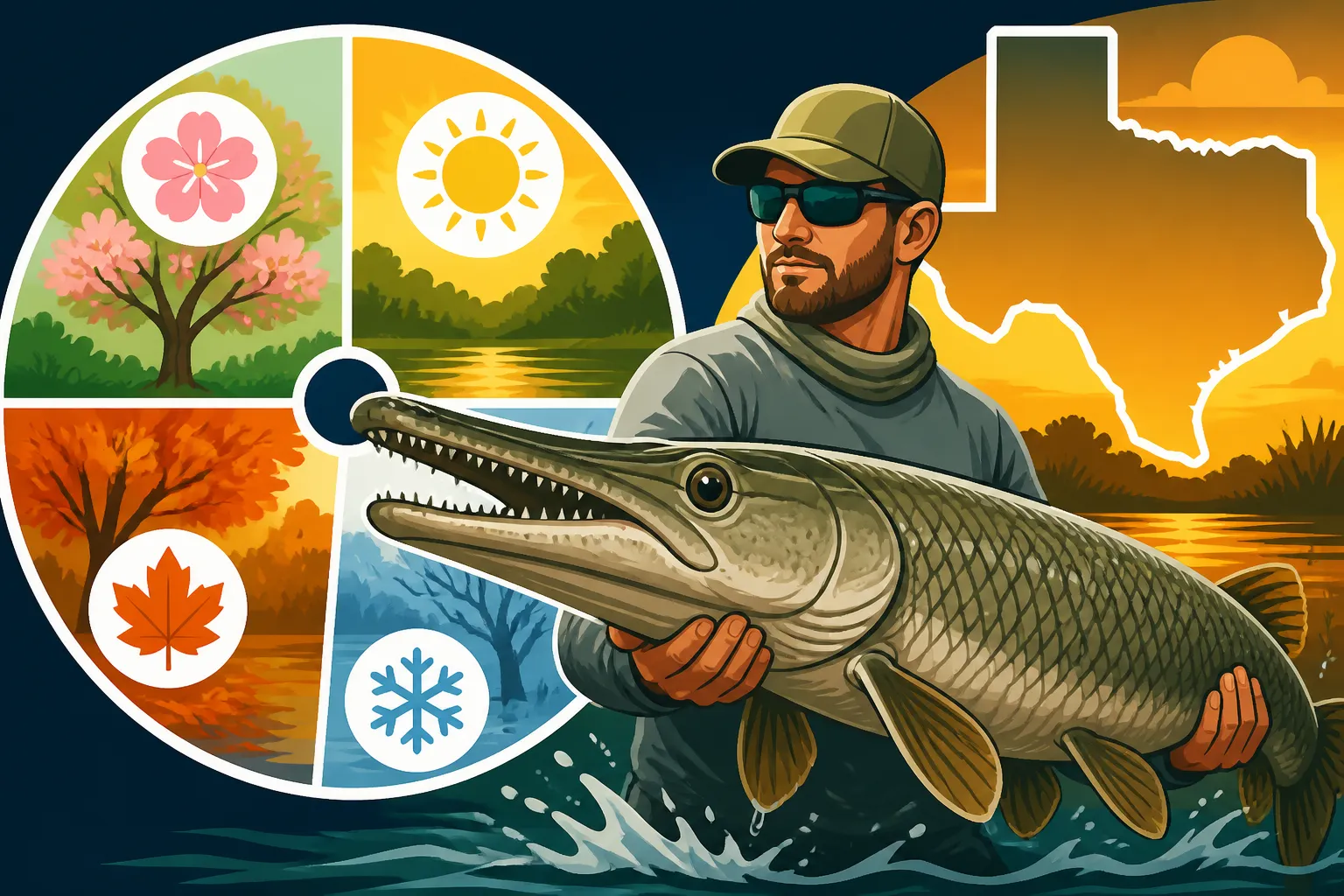
Alligator gar are survivors, and their behavior is intimately linked to the changing seasons in Texas. Unlike some fish that have very narrow windows of activity, gar are present year-round, but their catchability fluctuates dramatically. Knowing their general patterns through spring, summer, fall, and winter can significantly improve your chances.
Spring: The Pre-Spawn Feast and Spawning Activity
Ah, spring! The air warms up, the trees start budding, and for many anglers, thoughts turn to chasing big fish. For alligator gar, spring in Texas is a period of awakening and preparation. As water temperatures begin to steadily climb into the 70s Fahrenheit, these massive fish shake off their winter lethargy.
In early spring, before the water gets too warm, gar will often engage in a serious pre-spawn feeding frenzy. They're trying to pack on weight and energy for the rigors of spawning. This can be an excellent time to target them, as they're actively hunting and more willing to take a bait. You might find them cruising shallower flats, especially those with some emerging vegetation, soaking up the sun's warmth and looking for an easy meal. Rivers and bayous that connect to larger lake systems are also prime spots as gar begin to stage for their reproductive journey. If you're looking to catch a true monster, this period can offer some of the year's best opportunities before they get completely preoccupied.
As spring progresses and water temperatures continue to rise, the gar move into their spawning phase. This usually happens when temperatures hit a sustained sweet spot, often in the high 70s to low 80s, and is heavily influenced by water levels. Alligator gar are known to be broadcast spawners, often moving into flooded, grassy areas or backwaters where they can lay their eggs. During this intense period, their focus shifts entirely to reproduction. While they might still be present in large numbers in these shallow spawning grounds, they often become much harder to entice with a hook and bait. They might be aggressive towards anything that comes near their spawning areas, but not necessarily in a feeding sense. Many seasoned gar anglers find it more challenging to get a bite during the peak of the spawn. Respecting this natural cycle and perhaps shifting your focus to other species for a week or two is often the best approach.
Summer: Heat, Low Oxygen, and Nighttime Opportunities
Texas summers are legendary for their heat, and these scorching conditions fundamentally change how alligator gar behave and how you need to approach fishing for them. The surface water temperatures can climb well into the 90s, and this has a direct impact on the water's dissolved oxygen levels.
One of the most noticeable effects of hot summer weather is the drop in dissolved oxygen (DO), especially in stagnant or slow-moving water. Alligator gar, being air-breathing fish, are incredibly well-adapted to these conditions. When DO levels plummet, they will frequently surface to "gulp" atmospheric air into their primitive lungs (a modified swim bladder). This behavior can actually make them more visible to anglers, as you'll see their snouts break the surface, often with a distinctive splash or gulping sound. While seeing them is exciting, it doesn't always mean they're actively feeding. Often, they are simply trying to survive the oppressive conditions, becoming lethargic and less inclined to chase a meal.
However, summer isn't a lost cause for gar fishing; it just shifts to different times and tactics. Many experienced anglers find that summer nights offer some of the best opportunities. As the sun sets and temperatures drop, even slightly, the gar can become more active. They'll move into shallower areas to hunt under the cover of darkness. This means gearing up with good headlamps (you can find robust, waterproof options on Amazon) and planning your trips for after dusk. Deep holes in rivers or reservoirs can also hold concentrations of gar during the hottest parts of the day, as these areas tend to maintain more stable, slightly cooler temperatures and better oxygen levels. Fishing these deeper zones with heavy baits can sometimes produce results. The challenge is often patience and being able to withstand the heat and humidity yourself!
Fall: Cooling Waters and Renewed Activity
After the long, sweltering Texas summer, fall brings a welcome change of pace for both anglers and fish. As air temperatures cool and days shorten, the water temperatures begin a slow, steady descent. This transition often triggers a renewed burst of activity for alligator gar.
The cooling trend in fall signals to gar that winter is coming, and they need to build up their fat reserves. This often leads to another significant feeding period, mirroring some of the activity seen in spring. Gar become more active, less sluggish than in summer, and more willing to chase prey. You'll find them moving more freely throughout their habitats, searching for abundant baitfish that are also preparing for the colder months. Stable weather patterns, common in many parts of the Texas fall, can create fantastic fishing conditions. A gradual cooldown, without dramatic cold fronts, is ideal.
Look for gar to congregate around traditional ambush points like creek mouths, points, bends in rivers, and channel edges. They'll be positioning themselves where baitfish are likely to pass. This season allows for a wider range of fishing times compared to summer, with both daytime and nighttime fishing being productive, although early morning and late evening often remain prime. Fall can also be a more comfortable time for anglers, making those long waits for a bite much more enjoyable. It's a fantastic season to target not just gar, but many other species as well, making it a great time for a general fishing trip. You might even find yourself landing a trophy bass alongside a gar if you're in the right spot! For more insights on the season, check out our guide on Best fall fishing spots in Texas.
Winter: Slower Metabolism and Deep Water Retreats
Winter in Texas is generally milder than in many other states, but it still brings significant changes to water temperatures and, consequently, to alligator gar behavior. These cold-blooded creatures respond directly to the drop in water temperature by slowing down their metabolism.
As water temperatures fall below 60 degrees Fahrenheit and even into the 50s, alligator gar become significantly more sluggish. They don't actively hibernate, but their feeding activity decreases dramatically, and they tend to seek out deeper, more stable water where temperatures fluctuate less. This could be deep holes in rivers, main lake channels, or reservoir basins. They will often school up in these areas, conserving energy. While they might still feed occasionally, it's typically with much less intensity.
Catching gar in winter requires a lot more patience and a more refined approach. You'll need to present baits slowly and directly to them. Live bait, presented subtly, often works best, as a sluggish gar might not bother to chase a fast-moving lure. Your chances are often better on warmer, sunny winter days when the water might warm up a few degrees, potentially spurring a brief feeding window. Otherwise, expect long waits between bites. It's definitely not the easiest time to target them, but if you're determined to brave the cold, you can still find them. Just be prepared for a slower pace and potentially fewer hookups than in the warmer months.
Key Environmental Triggers: What Makes Gar Bite (or Not)?
Beyond the general seasons, several specific environmental factors act as critical triggers for alligator gar activity. Understanding these can help you pinpoint the best windows within each season.
Water Temperature and Oxygen Levels
These two factors are arguably the most important drivers of alligator gar behavior. As we touched on, gar are cold-blooded, meaning their body temperature, and thus their metabolism, directly mirrors the water temperature.
When water temperatures are in their optimal range (generally 70-85°F), gar are more active, their digestive systems work more efficiently, and they're more inclined to hunt. This aligns perfectly with the spring and fall feeding frenzies. However, once temperatures dip too low in winter, or climb too high in the peak of summer, their activity drops. Too cold, and their bodies slow down to conserve energy. Too hot, and the associated low dissolved oxygen levels become the primary concern.
Low dissolved oxygen (DO) is a huge factor, particularly in stagnant, shallow, or overly vegetated waters during summer. Gar’s ability to gulp air is a survival mechanism. When you see gar frequently rolling and gulping, it's a clear sign of low DO. While it makes them visible, it also means they are stressed. A stressed fish is generally not a hungry fish. They are spending their energy breathing, not hunting. So, while you might see a lot of gar, getting them to bite can be extremely difficult. In these conditions, focusing on areas with better water circulation or deeper, cooler pockets that might hold more oxygen is a smarter move. Knowing how to fish in hot Texas summers can make a big difference.
Water Levels and Flow Rates
Texas is no stranger to dramatic changes in water levels, from the feast of a flood to the famine of a drought. Alligator gar are highly adaptable to these shifts, and their behavior changes accordingly.
Rising water levels, often from spring rains or hurricane remnants, can be a fantastic trigger for gar. As floodwaters push into previously dry areas, they inundate vegetation, creating new feeding grounds where baitfish, frogs, and other small creatures seek refuge. Gar will follow this new food source into these shallow, flooded areas. This can create unique opportunities for sight-fishing for these giants as they patrol the newly accessible territories. However, extremely rapid rises can also scatter fish and make them harder to locate.
Conversely, falling or low water levels can concentrate gar. During periods of drought, rivers might shrink, and reservoirs might recede, forcing fish into smaller, deeper pools or main river channels. This concentration can make them easier to find, but it can also stress them due to increased competition and potentially poorer water quality. Fishing during these times often requires finding those specific deep holes or pinch points where gar are forced to hold. Always be mindful of local conditions and regulations, especially in extreme low-water scenarios.
Weather Patterns and Barometric Pressure
While less dramatic than temperature or water levels, general weather patterns and changes in barometric pressure can also influence alligator gar activity, much like they do for many other fish.
Stable, consistent weather, especially during spring and fall, often leads to more predictable and aggressive feeding patterns. A few days of consistent warm, sunny weather in spring or a steady cooling trend in fall can really turn the bite on. Rapidly changing weather, on the other hand, can shut them down. A sudden cold front pushing through, even in warmer months, can cause gar to retreat to deeper water or simply become lethargic. You might find them less willing to move for a bait, even if they are present.
Barometric pressure is a more subtle factor, but many experienced anglers swear by its influence. A steady or rising barometer is often associated with stable, fair weather and can encourage fish activity. A rapidly falling barometer, indicative of an approaching storm, can sometimes trigger a pre-front feeding frenzy, but after the front passes and the barometer stabilizes at a lower pressure, fishing often slows considerably. Pay attention to the forecast, not just for your comfort, but for the gar's mood as well.
Seasonal Tactics: Tailoring Your Approach for Texas Alligator Gar
Successful alligator gar fishing isn't just about knowing when they're active; it's also about adjusting your how. Each season demands a slightly different approach in terms of where you fish, what bait you use, and how you present it. If you're new to this, a good place to start is our comprehensive Texas Alligator Gar Fishing Guide.
Spring Strategies: Where and What to Use
When spring hits, and those water temperatures start climbing into the sweet spot, it's time to get active. Gar are often shallower than you might expect, especially during the pre-spawn.
- Location, Location, Location: Focus on shallow, vegetated flats near deeper channels or river bends. Look for areas where the sun can warm the water quickly. Flooded backwaters, sloughs, and the mouths of creeks feeding into larger bodies of water are prime spots. Think about where baitfish would be staging. You're looking for that convergence of warmth and food.
- Bait of Choice: Cut bait is king for alligator gar, and it's especially effective in spring when they're actively hunting. Fresh, oily fish like carp, buffalo, or even larger shad are excellent. Cut them into sizable chunks – remember, you're targeting a fish with a huge mouth and a serious appetite. Some anglers prefer live bait, like a small carp or gizzard shad, especially if the gar are being finicky. The movement of live bait can be irresistible to a pre-spawn gar. For more detailed bait advice, see our guide on Best Bait and Lures for Texas Fishing.
- Rigging and Gear: You’ll need heavy-duty gear. A strong, stout rod (medium-heavy to heavy action) paired with a robust baitcasting reel spooled with at least 50-80 lb braided line is essential. Forget your bass gear; gar will destroy it. You can find a wide selection of durable braided line and heavy-duty reels on Amazon to get you started. A wire leader is non-negotiable for their toothy mouths, or at least a very heavy monofilament leader (200 lb test or more). A circle hook, sized appropriately for your bait (often 10/0 to 16/0), is generally recommended to ensure a solid hookset in their bony mouths and for fish safety.
Summer Strategies: Overcoming the Heat
Summer gar fishing is all about adapting to the extreme conditions. It requires patience, persistence, and often a willingness to fish when others are home in the air conditioning.
- Go Nocturnal or Go Deep: As mentioned, night fishing is often the most productive summer strategy. The gar move shallower to hunt when the water cools even slightly and human activity is minimal. Target those same shallow flats, creek mouths, and bends, but do so under the stars. During the day, if you insist on fishing, you'll need to focus on the deepest holes and channels available. These areas offer thermal refuge and slightly better oxygen.
- Bait Presentation: Again, cut bait is a solid choice. If fishing at night, you might find that gar are a bit more aggressive and willing to move for a well-placed bait. If you're targeting deep holes during the day, a slower, more deliberate presentation is key. Let your bait soak on the bottom right in their strike zone. Sometimes, dead bait on a bottom rig is more effective than live bait if the gar are lethargic.
- Safety and Gear: Night fishing means good lighting is crucial – a powerful headlamp is a must, and a spotlight for landing fish is invaluable. When dealing with extreme heat, staying hydrated is vital. Bring plenty of water and perhaps some electrolyte drinks. You might also want to invest in a good quality cooler, easily found on Amazon, to keep your baits fresh and your drinks cold. For more tips, check out How to fish in hot Texas summers.
Fall Strategies: Capitalizing on the Feeding Frenzy
Fall fishing for alligator gar can be one of the most rewarding times of the year, combining active fish with more comfortable weather.
- Broadening Your Search: Gar will be more spread out and active, so you can explore a wider range of habitats. Creek mouths, river channels, points, and even some main lake areas can hold fish. Look for concentrations of baitfish – where the bait is, the gar will follow. This is a great time to cover water and scout new areas.
- Active Presentation and Bait: Gar in fall are often more willing to chase, so don't be afraid to try slightly more active presentations if bank fishing (e.g., casting and retrieving cut bait slowly). However, traditional soak-and-wait methods with large cut baits are still highly effective. Consider using a larger variety of cut baits, experimenting with what the local gar are keying in on.
- Comfort and Readiness: With cooler temperatures, you might find yourself fishing longer hours. Ensure you have comfortable clothing and rain gear if necessary. This season can also be a great time to target other species, so having a multi-species tackle box is a smart move.
Winter Strategies: Patience and Deep Water Access
Winter is definitely the toughest season for alligator gar, but it's not impossible. It demands a shift in mindset and tactics.
- Locating Deep Holds: Your primary goal in winter is to find those deep, stable pockets of water where gar congregate. This might be deep river channels, the base of dams (observing the 600-foot restriction, of course, as detailed in Texas 600-foot dam fishing restriction explained), or the deepest parts of reservoirs. Fish finders and sonar can be incredibly helpful here.
- Subtle and Slow: Forget aggressive retrieves. Winter gar require a patient, subtle approach. Present your cut bait or live bait directly to them and let it sit. Their metabolism is slow, so they won't expend much energy to chase. A small, live baitfish allowed to swim naturally can sometimes entice a bite when nothing else will.
- Warmth for You: Dress in layers, bring a thermos of hot coffee or tea, and be prepared for long stretches without action. A comfortable chair and a good book might be your best companions. Don't underestimate the cold, even in Texas.
Remember, alligator gar can grow to incredible sizes, often exceeding 100 pounds. Landing such a powerful fish requires not just the right timing and bait, but also appropriate heavy-duty gear to manage the fight and ensure a safe release if you're not planning to keep it. Always be prepared for a tough battle!
Alligator Gar Activity by Season: A Quick Glance
To help you visualize the general trends, here’s a quick overview of alligator gar activity throughout the year in Texas. Keep in mind that local conditions (like a mild winter or an exceptionally hot spring) can always shift these patterns.
| Season | Typical Water Temp Range (F) | Gar Activity Level | Primary Focus | Best Time of Day | Challenges | Opportunities |
|---|---|---|---|---|---|---|
| Spring | 65-80° | High (Pre-spawn), Moderate (Spawn) | Pre-spawn feeding, Spawning | Daytime, Early Morning/Late Evening | Hard to bite during peak spawn | Aggressive feeding, Large fish potential |
| Summer | 85-95°+ | Low to Moderate | Survival, Low O2 surfacing | Nighttime | Extreme heat, Lethargy, Low DO | Night fishing can be excellent, Visible gulping |
| Fall | 65-85° | High | Post-summer feeding, Winter prep | Daytime, Early Morning/Late Evening | Can be affected by sudden cold fronts | Active hunting, Comfortable weather |
| Winter | 45-60° | Low | Energy conservation, Deep water retreat | Mid-day (warmer periods) | Sluggish fish, Deep water required, Cold weather | Targeted deep-water fishing possible |
This table provides a snapshot, but as any seasoned Texas angler will tell you, the fish didn't read the manual. Always pay attention to real-time conditions on the water, observe fish behavior, and adjust your tactics accordingly. Happy gar hunting!
Disclaimer
This article is for general informational purposes only and does not constitute professional advice. Laws, prices and regulations vary by location and change over time. Consult a qualified professional for guidance on your specific situation.