Texas Flounder Fishing Guide
The elusive Texas flounder, with its unique flat shape and keen ability to camouflage, can be one of the most rewarding and frustrating fish to pursue in our coastal waters. Many anglers find themselves scratching their heads trying to pinpoint these bottom-dwelling ambush predators, often missing out on the thrill of a solid flounder bite or the delicious fillets they provide. This comprehensive guide is dedicated to demystifying Texas flounder fishing, equipping you with the knowledge and tactics to consistently find and catch these highly sought-after fish, whether you prefer traditional rod and reel or the excitement of gigging.
Understanding Texas Flounder: Species and Behavior
Before you can consistently catch flounder, it's crucial to understand who you're dealing with. In Texas, when we talk about flounder, we're primarily referring to the Southern Flounder, though other species like Gulf flounder and bay and fringed flounders can also be found. Their unique biology and behaviors dictate when, where, and how you should target them. They're masters of disguise, incredibly patient, and move with a purpose dictated by their life cycle and the seasons.
Southern Flounder Identification
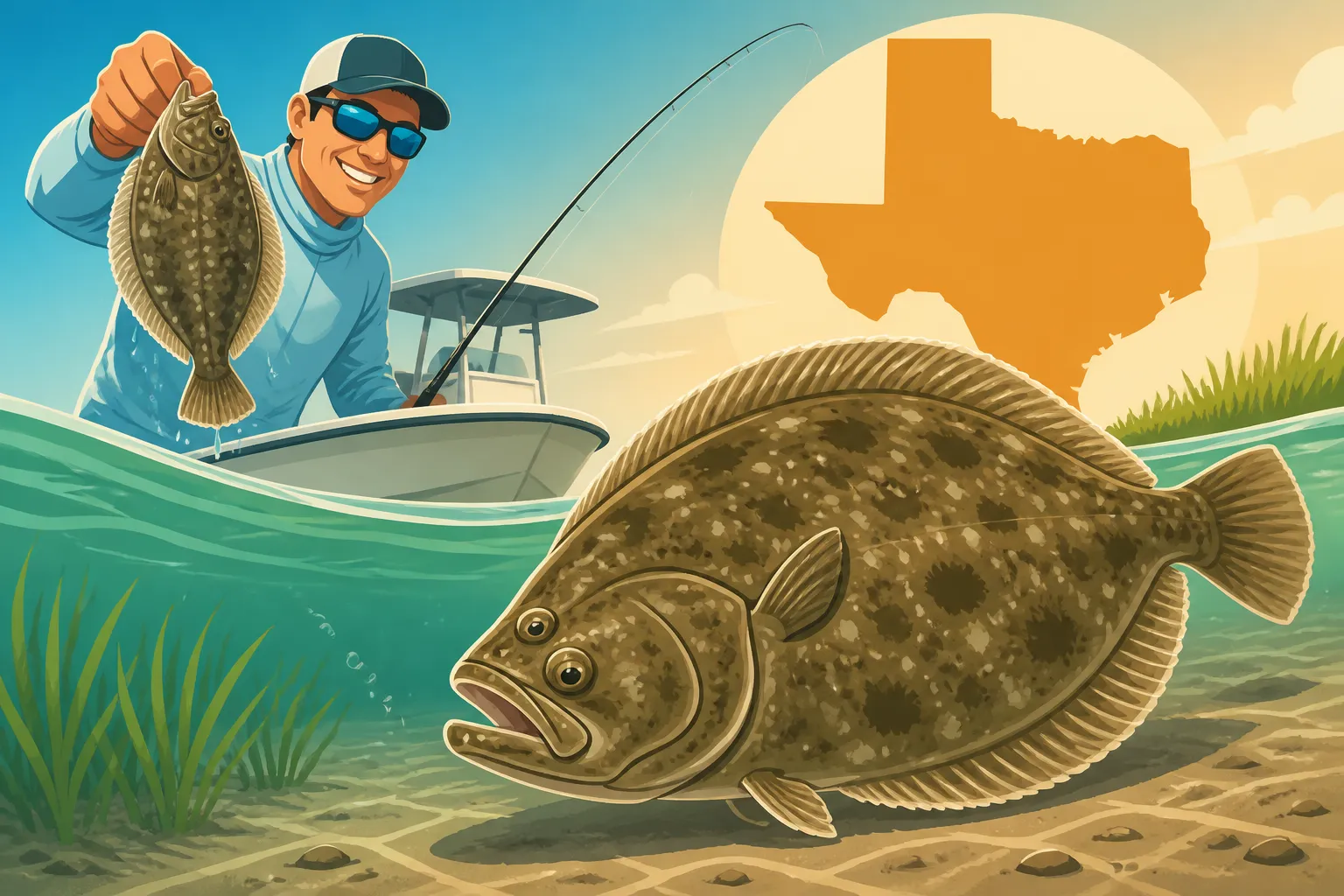
The Southern Flounder (Paralichthys lethostigma) is the main star of the show along the Texas coast. These fascinating fish are born with eyes on opposite sides of their head, just like most fish. However, as they mature, one eye migrates to the other side, resulting in both eyes being on one side of their flattened body. For Southern Flounder, the eyes are typically on the left side of their body when viewed from above with the head pointing away from you. This is a key identifier, though occasional "reversed" flounder can occur. Their coloration is also a major clue: they have the incredible ability to change their skin patterns and shades to perfectly blend in with their surroundings, whether it's sandy bottom, muddy flats, or shell hash. You'll notice subtle spots and blotches that allow them to virtually disappear against the seabed, waiting patiently for an unsuspecting meal to swim by. This chameleon-like ability is not just a cool trick; it's their primary hunting strategy.
Beyond their eye placement and camouflage, Southern Flounder have a diamond or oval body shape, typically growing larger than some of their flounder cousins. Their mouth is fairly large, extending back under the eye, and armed with sharp, conical teeth — perfect for snatching up shrimp and baitfish. Knowing these characteristics helps immensely when you're sorting through your catch, especially when regulations for various flounder species might differ slightly, or you're trying to quickly identify a legal keeper. Familiarizing yourself with these traits will not only make you a more informed angler but also help ensure you're in compliance with Texas Flounder Minimum Length Limit.
Flounder Life Cycle and Habitat Preferences
The life of a Southern Flounder is a journey from offshore depths to the shallowest estuaries and back again, driven by spawning and feeding instincts. They begin their lives as tiny larvae offshore, eventually migrating into the bays and estuaries where they spend their juvenile years growing rapidly in the nutrient-rich waters. These shallow, protected areas, with their abundance of baitfish, shrimp, and crabs, are ideal nurseries. As they mature, they continue to inhabit these bays, often seeking out specific types of structure that offer both ambush points and cover. Think sandy or muddy bottoms adjacent to oyster reefs, grass beds, jetties, bulkheads, and even dock pilings. They're not just anywhere; they're somewhere.
Throughout their time in the bays, they are masters of ambush, lying flat on the bottom, often partially buried in the sediment, with only their eyes protruding. They wait for shrimp, mullet, or other small fish to swim within striking distance before exploding from the bottom with surprising speed. Understanding this ambush predator behavior is fundamental to successful flounder fishing. You're not looking for a chase; you're looking for where they'd set up an ambush. Key habitats include edges of channels, drop-offs, areas with subtle current breaks, and places where baitfish naturally congregate. The subtle changes in depth or bottom composition that might go unnoticed by other species are exactly what a flounder is looking for.
Seasonal Movements: Why They Disappear
Perhaps the most talked-about aspect of Texas flounder fishing is their seasonal migration, particularly the famous "Flounder Run" in the fall. This is when the vast majority of adult Southern Flounder that have spent the spring and summer fattening up in our bays begin their journey offshore to spawn. As water temperatures start to drop, usually around October and peaking in November, they move through passes, inlets, and jetties, heading towards deeper Gulf waters. This concentrated movement makes them a prime target for anglers, leading to some of the most exciting fishing of the year. It's also the reason Texas Flounder Season and Limits often includes special regulations or closures during this period.
Once they've completed their spawning ritual offshore, many flounder will eventually make their way back into the bays in the late winter and early spring, though this return migration is far less dramatic and concentrated than the fall run. During the summer, they disperse throughout the bay systems, seeking out cooler, deeper pockets or areas with good current and forage. This pattern of offshore spawning and inshore feeding and growth is a crucial part of their life cycle and directly impacts fishing success. Understanding these movements, especially the fall migration, is like having a secret map to where the flounder will be and when they'll be most active. This is precisely How to fish the Texas Flounder Run.
Prime Flounder Fishing Spots in Texas
Knowing where flounder like to hang out is half the battle. They're not randomly distributed; they have preferred structures and depths based on the season, tide, and available food. Texas' diverse coastline offers a variety of excellent habitats for flounder, from the expansive bay systems to the Gulf's surf and passes. Pinpointing these areas will significantly increase your chances of success.
Bay Systems and Estuaries: The Nursery Grounds
Texas' extensive bay systems, like Galveston Bay, Matagorda Bay, Aransas Bay, and Corpus Christi Bay, are quintessential flounder territory. These brackish waters provide the perfect mix of freshwater inflow and saltwater influence, creating a rich ecosystem that supports a bounty of shrimp, crabs, and baitfish — all favorite flounder meals. Within these bays, flounder often hug the bottom along channel edges, particularly where a flat drops off into a deeper channel. These drop-offs act as natural ambush points, allowing flounder to lie in wait as baitfish are swept past by the current.
Oyster reefs are another hotspot. Flounder will often position themselves on the sandy or muddy perimeter of a reef, waiting for a crab or shrimp to scuttle off the reef's protection. Grass beds also offer excellent cover and forage. Look for the edges of these beds, where they transition to open sand or mud, or cuts within the grass itself. Structures like pier pilings, jetties, and rock formations inside the bays can also hold flounder, especially if there's a current sweeping bait past them. Matagorda Bay Flounder Fishing Spots are a prime example of these productive bay habitats.
Passes and Jetties: Migration Funnels
As the fall migration approaches, passes and jetties become absolute magnets for flounder. These are the highways the fish use to travel between the bays and the open Gulf. The strong currents around jetties and passes churn up bait and create natural ambush points along the rock structures and adjacent sand flats. Anglers often target the jetty rocks themselves, working baits slowly along the bottom, or the channels and sandy areas right next to the jetties. The mouths of bayous and smaller inlets leading into the main passes are also crucial transition zones.
Fishing the passes during the fall run is an exhilarating experience. You'll often find a concentration of flounder, sometimes even a "flounder run within the run" as schools move through. It's essential to pay attention to the tides here, as flounder will often stage on the downcurrent side of structure, waiting for food to be delivered. The changing water levels and currents around these areas provide dynamic fishing opportunities, and knowing how to read the water movement is key to positioning your bait correctly.
Surf and Nearshore Waters: Fall Run Hotspots
While bays and passes are primary targets, don't overlook the surf and nearshore waters, especially during the peak of the fall flounder run. As flounder exit the passes, many will cruise the shallow Gulf beachfront, often in the first and second guts (the depressions parallel to the shore). These areas provide excellent opportunities for anglers willing to wade or fish from the beach. The strong wave action can disorient baitfish and crabs, making them easy targets for waiting flounder.
Look for subtle depressions, sand bars, and areas where the water clarity changes. Structure like submerged pilings, rock jetties extending into the surf, or even subtle changes in bottom contour can hold fish. Fishing near the mouths of passes from the beach can be incredibly productive, as flounder are still concentrated in these outflow areas. This offers a different kind of challenge and reward compared to bay fishing, with the added bonus of cooler temperatures and usually fewer crowds during the fall.
Essential Gear for Texas Flounder Fishing
Having the right tools for the job can make a world of difference when chasing flounder. While you don't need a boatload of specialized equipment, understanding what works best for their unique behaviors will greatly enhance your success. Whether you're a seasoned angler or just starting out, a well-chosen rod, reel, and tackle will put you ahead of the game. You can find a vast array of quality fishing gear suitable for flounder on platforms like Amazon, from basic setups to more advanced electronics.
Rods, Reels, and Line for Flounder
For rod and reel fishing, a medium-light to medium-action spinning or baitcasting rod, typically 6'6" to 7'6" in length, is ideal. You want a rod with enough backbone to handle a decent-sized flounder but sensitive enough to detect their notoriously subtle bite. A sensitive tip is crucial, as flounder often "thump" a bait lightly or simply add weight to your line before fully committing. Paired with this, a reliable 2500-4000 series spinning reel or a low-profile baitcasting reel spooled with 10-20 lb braided line is perfect. Braided line offers superior sensitivity and casting distance, which are both assets when feeling for subtle bites or covering expansive flats.
Many anglers then tie a 2-3 foot leader of 15-25 lb fluorocarbon to their braided main line. Fluorocarbon is nearly invisible underwater, more abrasion-resistant around oyster shells and rocks, and provides a bit of stretch that braided line lacks, acting as a shock absorber. This setup gives you the best of both worlds: the sensitivity and strength of braid, combined with the stealth and resilience of fluorocarbon. For those looking for a versatile setup, searching "flounder fishing combo" on Amazon can yield some excellent ready-to-go options that cover most scenarios.
Baits and Lures That Flounder Can't Resist
Flounder are opportunistic predators, but they definitely have their favorites. When it comes to natural baits, live finger mullet and live shrimp are hard to beat. A lively mullet, hooked through the lips or just behind the dorsal fin, swimming erratically near the bottom is often irresistible to a hungry flounder. Similarly, live shrimp, fished on a Carolina rig, can entice even the most finicky flounder. For those who prefer dead bait, fresh cut mullet or pogies (menhaden) can also be effective, especially when fished on the bottom.
Artificial lures can be incredibly productive as well, especially when you're covering a lot of water. Soft plastic jerkbaits or paddle tail swimbaits rigged on a jig head are top performers. Colors like chartreuse, white, "new penny" (copper/brown), and glow are popular choices. The key is to work these lures slowly along the bottom, mimicking an injured baitfish or a scuttling shrimp. Best rigs for flounder fishing often include some variation of a jig head or a weedless hook. Also, try bucktail jigs tipped with a piece of shrimp or a scented soft plastic trailer. The scent can be a major attractor for flounder, which often rely on their sense of smell. You'll find a wide selection of these lures, often in multi-packs, when you browse fishing tackle on Amazon.
Specialized Gear for Gigging and Wade Fishing
Flounder gigging is a unique and thrilling way to target these fish, especially during the fall. It involves wading shallow flats at night, often with a powerful light, to spot flounder lying on the bottom and then "gigging" them with a multi-pronged spear. For gigging, essential gear includes a sturdy flounder gig (usually a 3-5 prong spear on a long handle), a powerful waterproof headlamp or floating gig light, a pair of chest waders (even in warm weather, they protect against stingrays and cold water), and a mesh game stringer or cooler to hold your catch. A good pair of wading boots with sturdy soles is also a must to protect your feet.
For wade fishing during the day, whether with rod and reel or just exploring, a comfortable pair of wading boots, a quality wading belt for support and carrying essentials, and a durable stringer are indispensable. Polarized sunglasses are also critical for spotting flounder camouflaged against the bottom or identifying subtle changes in structure. These specialized items, particularly high-quality waders and gigging lights, are often highly reviewed on Amazon by experienced Texas anglers.
| Technique/Gear | Pros | Cons | Best Conditions | Target Flounder Size |
|---|---|---|---|---|
| Live Bait | Highly effective, natural presentation | Can be harder to source, less active | Slow current, patient fishing | All sizes |
| Artificial Lures | Covers more water, diverse options | Requires active presentation, technique-dependent | Moderate current, aggressive fish | Medium to Large |
| Flounder Gigging | Exciting, visual, effective at night | Requires specific conditions (clear, calm, shallow) | Night, clear shallow water, calm wind | All sizes, often larger keepers |
| Wade Fishing | Access to shallow areas, stealthy | Limited range, exposed to elements | Day or night, shallow flats, favorable tides | All sizes |
Effective Flounder Fishing Techniques
Now that you know where they are and what gear to use, let's dive into the "how." Flounder fishing isn't about casting and reeling; it's a nuanced game of patience, subtle presentation, and understanding their ambush nature. Different techniques shine in different situations, so having a versatile playbook will set you up for success.
Live Bait Techniques: The Gold Standard
When it comes to consistency, it's tough to beat live bait for flounder. The natural movement and scent of a live finger mullet or shrimp are often too enticing for a flounder to ignore. The most common and effective rig is the Carolina rig. This involves threading an egg sinker (usually 1/2 to 1 ounce, depending on current and depth) onto your main line, followed by a small bead to protect the knot, and then tying on a swivel. To the other end of the swivel, you'll attach a 12-24 inch fluorocarbon leader, ending with a 1/0 to 3/0 circle hook or Kahle hook. This rig allows your bait to swim freely just above the bottom, where flounder are lying in wait, while the weight keeps it in the strike zone.
When fishing live bait, the key is a slow, methodical retrieve. Cast your bait out, let it sink to the bottom, and then slowly drag it along, making short hops or pauses. Think of it as a methodical sweep, allowing the bait to present itself naturally. Flounder will often "thump" the bait or simply feel like a bit of added weight on your line. Resist the urge to set the hook immediately. Instead, lower your rod tip, reel down slightly to remove slack, and wait for the flounder to fully engulf the bait and begin moving away. Then, gently lift the rod to set the circle hook in the corner of its mouth. This patient approach is crucial; a premature hookset will often pull the bait right out of their mouth.
Artificial Lure Strategies: Jigging and Dragging
While live bait is a classic, artificial lures can be incredibly effective, especially when you want to cover a lot of water or when live bait is scarce. Soft plastics, particularly those with paddle tails or curl tails, rigged on a jig head are among the most versatile. A 1/8 to 1/2 ounce jig head, matched with a 3-5 inch soft plastic, is a great starting point. Colors like white, chartreuse, glow, new penny, and motor oil are perennial favorites. The weight of the jig head should be enough to keep consistent bottom contact but light enough to allow for a slow, natural fall.
The retrieve for artificials mirrors that of live bait: slow and deliberate. Cast your lure out and let it sink. Once it hits the bottom, impart small hops, drags, or sweeps with your rod tip, always allowing the lure to settle back to the bottom between movements. The idea is to kick up a little puff of sand or mud, attracting attention, then let the lure "rest" on the bottom, mimicking an easy meal. This is where flounder often strike. Another effective technique is a slow, steady drag, keeping the lure constantly in contact with the bottom. This works well with a Carolina-rigged soft plastic or even a bucktail jig. If you're wade fishing, fan-casting and working these lures across different bottom types can help you quickly locate productive areas. These lures are widely available, and you can stock up on a variety of colors and sizes by looking for "Texas flounder lures" on Amazon.
Flounder Gigging: A Texas Tradition
Flounder gigging offers a distinctly different, yet incredibly exciting, experience. It's an active hunt, typically done at night when flounder are less wary and move into extremely shallow water to feed. The technique is simple in concept: walk slowly through shallow flats with a powerful light, looking for the tell-tale outline of a flounder on the bottom. Their flattened shape and camouflage make them surprisingly hard to spot, but once you train your eye, you'll start seeing their distinctive diamond shape or the subtle disruption they create in the sediment.
When you spot a flounder, position your gig directly over it, aim for the center of the body, and thrust down firmly and quickly. The goal is a clean, ethical kill. Safety is paramount when gigging. Always shuffle your feet to avoid stingrays, and never gig a fish unless you are 100% sure it's a flounder and of legal size. Visibility is key, so choose nights with calm winds and clear water. New moon phases often provide the darkest skies, enhancing the effectiveness of your gigging lights. Check How to gig flounder legally in Texas for specific regulations, as some areas or times may have restrictions.
Navigating Texas Flounder Regulations
Texas Parks and Wildlife Department (TPWD) sets specific regulations to ensure the sustainability of our flounder populations. These rules cover bag limits, length limits, and crucial seasonal closures, particularly for gigging. Staying informed and compliant is not just about avoiding fines; it's about being a responsible angler and contributing to the health of the fishery for future generations.
Bag and Length Limits: What You Can Keep
Currently, the daily bag limit for Southern Flounder in Texas is quite conservative outside of the special fall season. During most of the year, you are generally allowed to keep a small number of flounder per person per day. It’s critical to remember that these limits can change, so always consult the most current TPWD Outdoor Annual before heading out. The minimum length limit for Southern Flounder is usually a specific number of inches. This means any flounder you catch that is shorter than this length must be immediately released unharmed.
Measuring your fish accurately is important. Lay the fish flat on a measuring device, with its mouth closed and touching the stop, and measure to the tip of the tail. If there's any doubt about whether a fish meets the minimum length, it's always best to release it. These regulations are in place to allow flounder to reach maturity and contribute to spawning, helping to maintain healthy stocks. Keeping undersized fish can result in significant penalties, so know your numbers before you wet a line. For precise figures, always refer to the official Texas Flounder Minimum Length Limit.
Flounder Season Closures: The November Embargo
One of the most significant regulations for Texas flounder anglers is the annual season closure, particularly for gigging, during a specific month in the fall. This closure is almost always in November. Why is Texas flounder season closed in November? It's directly tied to the highly concentrated fall spawning migration when flounder move en masse from the bays to the Gulf. This closure protects the species during its most vulnerable reproductive period, allowing a maximum number of fish to spawn successfully without fishing pressure.
During this closure, all means of taking flounder (both by rod and reel and by gigging) may be restricted or prohibited, or the bag limit drastically reduced. It's a critical conservation measure, and adherence to it is non-negotiable. Many anglers consider this month a quiet period for flounder fishing, gearing up for the season reopening with renewed anticipation. Always double-check the exact dates for the closure in the current year's regulations, as they can sometimes vary slightly. It is crucial for anglers to respect this period and plan their fishing trips around it.
Gigging Regulations and Restrictions
While gigging is a time-honored tradition in Texas, it comes with its own set of specific rules beyond just bag and length limits. As mentioned, gigging is usually prohibited entirely during the November spawning closure. Additionally, there might be restrictions on the type of lights used, the number of gigs an individual can possess, or even specific areas where gigging is not allowed. For instance, certain navigation channels or protected areas might be off-limits to gigging due to safety concerns or ecological protection.
It’s also important to consider the ethical aspects of gigging. Only gig what you intend to keep and consume, and always be mindful of other species that might be mistaken for flounder, such as stingrays or other flatfish. Proper identification is key to avoid harming non-target species. Always ensure your gig is sharp and clean for an efficient take. For a full breakdown of specific rules, including any gear requirements or time restrictions, consult How to gig flounder legally in Texas in the TPWD Outdoor Annual. Responsible gigging helps ensure this exciting tradition can continue for generations.
Tips for Success: Timing, Tides, and Presentation
Catching flounder consistently isn't just about showing up with the right gear; it's about understanding the subtle nuances of their behavior and how environmental factors influence their activity. Mastering these elements will elevate your flounder game from occasional luck to consistent success.
Best Times to Target Flounder
Flounder are primarily ambush predators, and their activity levels are often linked to feeding opportunities. While they can be caught throughout the day, certain times tend to be more productive. Early morning and late evening, when light levels are lower, can be excellent. These low-light conditions often make baitfish and shrimp more active and less wary, creating prime feeding times for flounder. During the hotter summer months, fishing during these cooler parts of the day can also find flounder more active before they retreat to deeper, cooler water.
However, the most critical "best time" is undoubtedly during the fall migration, often referred to as the Texas Flounder Run. From October through December (with November typically being the closure month for gigging and heavily restricted for rod & reel), flounder are moving and feeding aggressively before their offshore journey. During this period, you can often find them stacked up in passes, channels, and along the surf. Beyond the seasonal run, specific tidal movements are even more important for daily success.
Understanding Tidal Influences
Tides are arguably the single most important factor for consistent flounder fishing. Flounder are heavily influenced by moving water, which brings food to them and helps them migrate. A strong, steady moving tide — either incoming or outgoing — is generally better than slack tide. As the tide moves, it washes baitfish, shrimp, and crabs out of grass beds, oyster reefs, and shallow flats, concentrating them in channels, guts, and along drop-offs where flounder are waiting to ambush.
Outgoing tides, especially during the fall, can be particularly productive as flounder are often found staging at the mouths of bayous and secondary channels, waiting for shrimp and baitfish to be flushed out into the main bay or pass. Incoming tides can also be good, pushing bait into shallow areas where flounder will move to capitalize on the new feeding grounds. Learning to "read" the tide charts for your specific fishing location and understanding how the current will flow around different structures is a huge asset. Focus your efforts an hour or two on either side of a strong tide change for maximum effectiveness. You can also monitor Best tides for fishing Texas bays for local forecasts.
Mastering the Flounder "Strike" and Hookset
One of the biggest frustrations for new flounder anglers is detecting their subtle bite and achieving a successful hookset. Unlike aggressive species that hit a lure hard, a flounder's strike often feels like a gentle "thump," a sudden heaviness on the line, or simply like your bait got caught on a piece of bottom structure. They will often grab a bait and hold it in their mouth for a few seconds before fully swallowing it or moving away. This is where patience is key.
When you feel that initial tap or added weight, resist the instinct to yank the rod. Instead, lower your rod tip, reel in any slack in your line, and wait. You're giving the flounder time to fully commit to the bait. Often, you'll feel a second, more definitive pull or the line will start moving steadily away. That is your cue. If using a circle hook with live bait, a slow, steady lift of the rod is all that's needed – the hook will do the work. If using a J-hook or artificial lure, a firm but controlled sweep or pop of the rod will set the hook. Practice this patient approach, and you'll dramatically improve your hookup ratio. It can be unnerving at first, but trust the process!
Disclaimer
This article is for general informational purposes only and does not constitute professional advice. Laws, prices and regulations vary by location and change over time. Consult a qualified professional for guidance on your specific situation.