What is the most caught fish in Texas
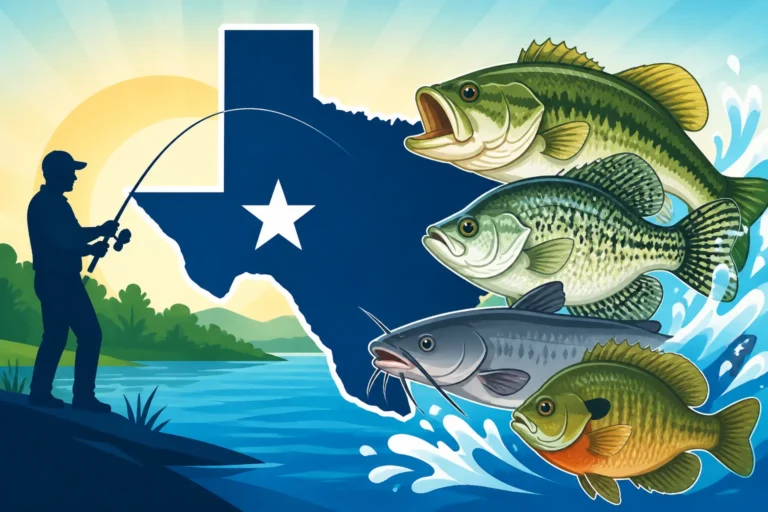
It's a question every Texas angler, from the seasoned veteran to the curious newcomer, eventually asks: "What fish do people actually catch the most around here?" Given the sheer diversity of our waterways, from vast freshwater reservoirs to the expansive Gulf Coast, it's easy to feel overwhelmed by the possibilities. This guide is dedicated to shedding light on the most frequently reeled-in species across the Lone Star State, helping you understand their appeal and how you can join in the fun.
The Freshwater Favorites: Our Inland Angling Stars
When you think about fishing in Texas, especially inland, certain species immediately come to mind because of their sheer popularity and widespread distribution. These are the fish that keep our lakes, rivers, and ponds buzzing with activity year-round, offering something for every type of angler.
Channel Catfish: The People's Choice
If there's one fish that epitomizes accessible, family-friendly fishing across Texas, it's undoubtedly the channel catfish. These whiskered beauties are found in virtually every body of freshwater, from major reservoirs like Lake Livingston and Richland Chambers to smaller community ponds and sprawling river systems like the Trinity and Brazos. Their abundance, willingness to bite, and excellent table fare make them a top target for countless Texans.
Picture this: a warm summer evening, sitting on the bank of a quiet lake with a simple rod and reel, perhaps with some eager kids by your side. You’re using a classic setup – a basic bottom rig with a weight and a hook, baited with anything from prepared stink bait to simple hot dogs or cut bait. That sudden thump on the line, followed by the steady pull, is often a channel cat. They’re not necessarily the flashiest fighters, but they provide consistent action, which is a huge draw for new anglers and those looking for a relaxing day out. Many folks also enjoy the challenge of trotline and jugline fishing for larger channels, especially in the deeper parts of our big lakes. Finding the right bait is key, and you can always scout out new options on Amazon to see what other anglers are trying. For more on targeting these prevalent fish, check out our guide on How to Catch Catfish in Texas.
Largemouth Bass: The Undisputed Sport Fishing King
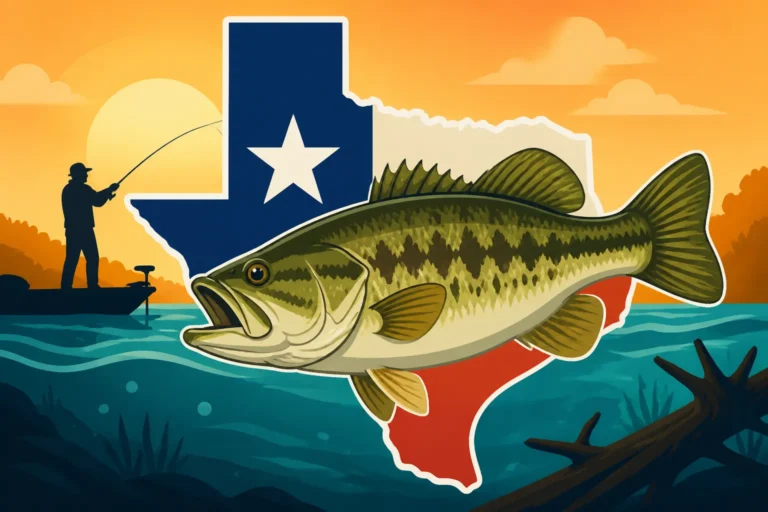
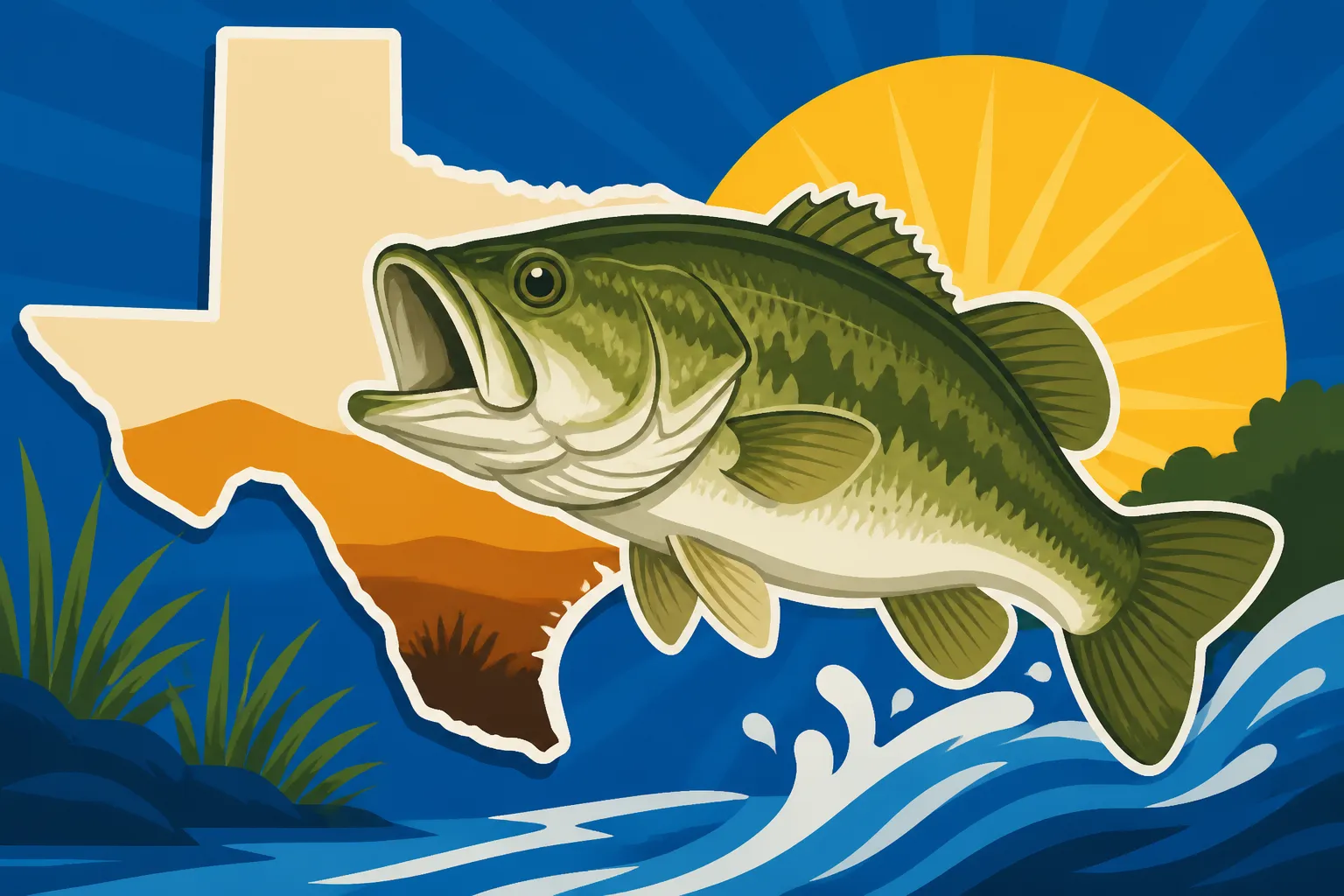
While channel cats might win on sheer numbers for casual anglers, largemouth bass hold an almost legendary status in Texas fishing, particularly among sport fishermen. Texas is renowned for producing some of the biggest bass in the world, leading to intense interest and dedicated efforts to catch them. Lakes like Lake Fork, Sam Rayburn Reservoir, and Toledo Bend are world-class destinations for trophy bass, drawing anglers from all corners of the globe.
The pursuit of largemouth bass is often a more technical affair, involving a vast array of lures, sophisticated electronics, and specialized techniques. Anglers spend hours studying lake maps, understanding seasonal patterns, and perfecting their presentations. There's a thrill in the explosive strike of a big bass, the powerful runs, and the sheer challenge of coaxing a wary lunker out of heavy cover. Bass fishing here isn't just a hobby; it's a culture, complete with tournaments, specialized gear (which you can often find great deals on through retailers like Amazon), and passionate communities. Even for those not chasing records, catching a respectable largemouth is a rite of passage. If you're looking to dive deeper into the world of our most famous game fish, explore our Texas Largemouth Bass Fishing Guide.
Crappie and White Bass: Panfish Perfection and Run-Time Excitement
Beyond the headline acts of catfish and bass, crappie and white bass round out the top tier of freshwater catches, each for distinct reasons.
Crappie, both white and black species, are highly sought after for their delicate, flaky white meat. They're often called "papermouths" due to their fragile mouths, which makes landing them a gentle art. Crappie tend to school in brush piles, submerged timber, and around bridge pilings, making them a favorite for those who enjoy precise jigging or minnow fishing. They offer consistent action, especially during spring and fall, and their schooling behavior means that when you find one, you've often found a whole mess of them. This makes them fantastic for filling a cooler quickly. Learn more about catching these delicious fish in our How to Fish for Crappie article.
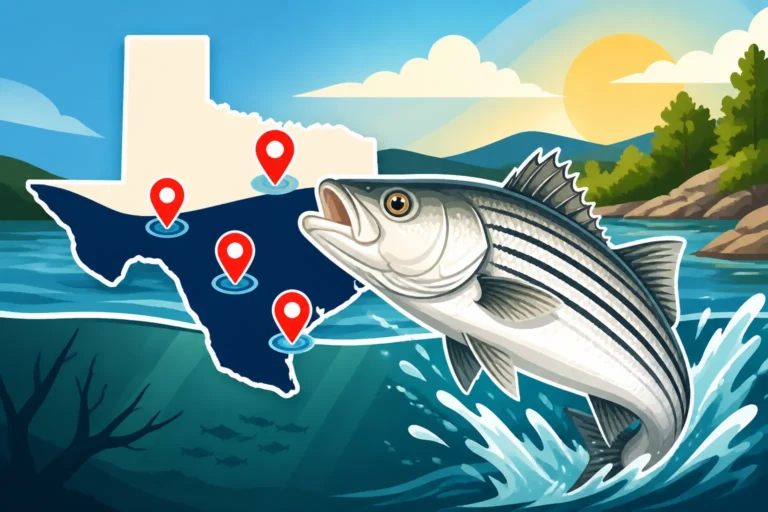
White bass, on the other hand, are celebrated for their incredible spawning runs. Every spring, these feisty fighters migrate upstream into rivers and creeks that feed major lakes, creating a phenomenon that draws thousands of anglers. They're aggressive, readily strike a variety of small lures and jigs, and put up a surprisingly strong fight for their size. Catching white bass during a run is often a fast-paced, high-volume affair, perfect for anglers looking for non-stop action and a freezer full of tasty fillets. Identifying the peak of the Texas White Bass Run Timing is a yearly ritual for many.
The Coastal Kings: Texas' Saltwater Superstars
Texas boasts over 360 miles of coastline along the Gulf of Mexico, featuring expansive bay systems, barrier islands, and offshore waters teeming with marine life. While many species are caught, two stand out as perennial favorites that dominate the saltwater scene.
Redfish: The Lone Star Drum
Redfish, also known as red drum, are arguably the most iconic saltwater game fish in Texas. Their striking bronze color, distinctive tail spot, and powerful fight make them a premier target for both recreational and tournament anglers along the entire coast, from Sabine Lake to the Lower Laguna Madre.
What makes redfish so popular? First, their accessibility. You can catch them wade fishing shallow flats, casting from piers and jetties, or fishing from a boat in the open bays. They're opportunistic feeders, hitting everything from live shrimp and mullet to an impressive array of artificial lures, including spoons, soft plastics, and topwaters. Second, their fight is legendary. Even a medium-sized slot red (usually 20-28 inches) will pull hard and make blistering runs, providing an exhilarating challenge. Trophy "bull reds" caught in the surf or near passes offer an even more incredible battle. For those aiming to land one of these powerful fish, knowing the Texas Redfish Size and Bag Limits is crucial. We have a comprehensive Texas Redfish Fishing Guide that can help you master the techniques needed to target them.
Speckled Trout: The Gulf's Gracious Fighter
Close on the heels of the redfish in terms of popularity is the speckled trout, or "speck" as they're affectionately called. These beautiful fish are highly prized for their delicate white meat and their aggressive feeding habits, especially when targeting topwater lures during prime conditions.
Speckled trout thrive in our bay systems, often congregating in grass beds, around oyster reefs, and near guts and channels. They can be caught year-round, but spring and fall are particularly productive. Wade fishing for specks, slowly working an artificial lure across a shallow flat, is a quintessential Texas coastal experience. The distinct "thump" of a trout hitting a lure, followed by sharp head shakes, is a sensation many anglers live for. Like redfish, they readily take live bait, but many anglers prefer the challenge and reward of fooling them with artificials. Understanding their habits, especially How to Catch Speckled Trout in Winter, can significantly increase your success. Our full Texas Speckled Trout Fishing Guide offers even more insights into these sought-after fish.
Why These Species Dominate the Texas Fishing Scene
It's no accident that these particular species are caught most often. Several factors contribute to their widespread popularity and consistent presence on angler's lines.
Abundance and Accessibility
One of the primary reasons these fish are so frequently caught is simply that there are so many of them, and they are relatively easy to find. The Texas Parks and Wildlife Department (TPWD) does an incredible job managing fisheries, including extensive stocking programs for many freshwater species like bass, catfish, and crappie, as well as maintaining robust populations of our saltwater favorites.
Furthermore, these species inhabit a wide range of habitats that are easily accessible to the public. You don't always need a fancy boat to target them. Miles of public shoreline, numerous state parks with fishing access, and countless piers and jetties mean that almost anyone can get a line in the water. For instance, you can often fish for free from the shoreline at many Texas State Parks for Shore Fishing. This accessibility ensures that people from all walks of life, regardless of their budget or gear, have a fair shot at catching fish.
Willingness to Bite and Versatility
Another key factor is their general eagerness to strike a bait or lure. While some fish can be incredibly finicky, species like channel catfish, crappie, white bass, redfish, and speckled trout are often aggressive feeders. This increases the chances of success, especially for beginners or children, making for a more rewarding fishing experience.
Their versatility in terms of bait and tackle also contributes to their popularity. You can catch a channel catfish on anything from a worm to a piece of hot dog. Largemouth bass will hit dozens of different lure types, depending on the season and conditions. Redfish and speckled trout will readily take shrimp, mullet, or a variety of artificials. This means anglers aren't confined to highly specialized gear or techniques, allowing for a broader appeal. Many of these versatile baits and lures are readily available online through stores like Amazon.
Excellent Table Fare and Sporting Challenge
Let's be honest, a big part of why we fish is often for the delicious reward! Almost all of these commonly caught species are fantastic to eat. Freshly caught channel catfish, crispy fried crappie fillets, grilled redfish, or blackened speckled trout are culinary delights that keep anglers coming back for more. The ability to bring home a healthy, delicious meal from your day on the water is a powerful motivator.
At the same time, each of these species offers a distinct sporting challenge. The powerful runs of a redfish, the acrobatic jumps of a largemouth bass, the steady pull of a big blue catfish, or the rapid-fire action of a white bass school all provide unique thrills. This combination of culinary reward and sporting excitement creates a compelling reason to target these specific fish over and over again.
Tips for Hooking Up With Texas' Most Caught Fish
So, you're ready to get out there and catch some of these popular Texas fish? Great! Here are a few general tips and a quick look at how to increase your chances with each species.
General Angling Advice for Texas Waters
No matter what you're targeting, some fundamental principles apply across the board:
- Location, Location, Location: Fish are creatures of habit. They need food, cover, and comfortable water temperatures. Look for structure (rock piles, timber, weed lines, drop-offs, oyster reefs) where baitfish might hide. Use resources like the Texas Online License Purchase Fees portal for permits, and then get out and explore!
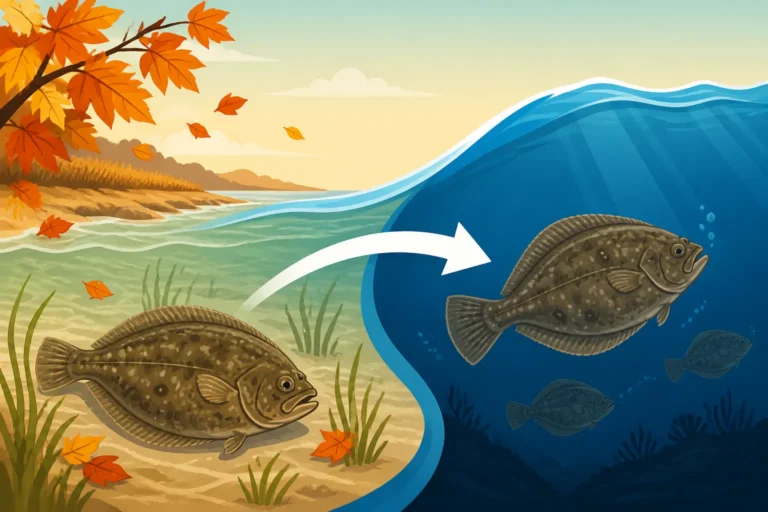
- Time of Day and Season: While some fish, like catfish, bite well at night, many species are most active during dawn and dusk, especially in the hot Texas summers. Seasons also play a huge role; bass spawn in spring, white bass make their runs then too, and flounder move offshore in the fall. Knowing the Best Time of Year to Fish in Texas is invaluable.
- Observe and Adapt: Pay attention to what's happening around you. Are birds diving? Are baitfish jumping? Is the wind picking up? Fish behavior changes with conditions, so be ready to adjust your lures, depth, or location.
Species-Specific Strategies
Here’s a quick rundown on boosting your success for each of our most caught fish:
For Channel Catfish
- Bait is Key: Stick baits, chicken livers, cut shad, and nightcrawlers are consistent producers. For a fun twist, even hot dogs or punch baits can work.
- Bottom Fishing: Most often, you'll be fishing on the bottom. A simple Carolina rig or a three-way swivel rig with a weight and a hook are effective.
- Patience: Catfish often take their time. Give them a chance to find and commit to the bait.
- Consider Best Catfish Bait for Texas Lakes for more ideas.
For Largemouth Bass
- Match the Hatch: Try to use lures that imitate the local baitfish (shad, sunfish) or crawfish.
- Structure is Everything: Focus on submerged timber, brush piles, rock formations, ledges, and docks. Bass love to ambush prey from cover.
- Vary Your Presentation: If they're not hitting a fast-moving crankbait, try a slow-fished plastic worm or jig. Be ready to change your Best Bait and Lures for Texas Fishing often.
- Don't forget to check our How to Fish for Bass in Texas guide for in-depth strategies.
For Crappie
- Light Tackle: Use ultra-light spinning gear with light line (4-6 lb test) for the best feel and presentation.
- Small Jigs and Minnows: Tiny jigs (1/16 to 1/32 ounce) tipped with a small plastic body or a live minnow are irresistible to crappie.
- Brush Piles and Structure: Use your fish finder to locate submerged brush piles or focus on visible structure like bridge pilings and standing timber.
- For more specific lure advice, check out Best Crappie Jigs for Texas Lakes.
For White Bass
- Follow the Run: During spring, find the river and creek mouths leading into major reservoirs. The fish will be stacked up.
- Small, Shiny Lures: Small inline spinners, spoons, and white or chartreuse jigs are highly effective.
- Look for Birds: Diving birds often indicate schools of white bass pushing baitfish to the surface.
- Knowing Where does the white bass run happen in Texas will put you on the fish.
For Redfish
- Wade Fishing: In the bays, slowly wade across shallow grass flats, casting soft plastics, spoons, or topwater lures.
- Cut Bait in the Surf/Jetties: Fresh cut mullet, shad, or shrimp fished on the bottom with a Carolina rig are deadly for bull reds.
- Read the Water: Look for nervous baitfish, subtle wakes, or "pushing" water that indicates a redfish is cruising.
- Our guide on How to Wade Fish for Redfish in Texas can get you started.
For Speckled Trout
- Topwater Action: Early morning and late evening, especially in calm conditions, topwater lures can be incredibly effective and exciting.
- Soft Plastics: Work a soft plastic jig slowly along grass beds or oyster reefs.
- Live Shrimp: Under a popping cork, live shrimp are almost guaranteed to catch speckled trout.
- Consider investing in quality polarized sunglasses, like those you can find on Amazon, to help you spot these fish in shallow water. You can find out more in our Best Tackle for Texas Saltwater Wade Fishing article.
Most Caught Fish in Texas: A Quick Reference
To help you visualize the popularity and characteristics of these top Texas species, here's a quick comparison:
| Species | Primary Habitat | Typical Lure/Bait | Fight Level | Table Fare Rating | General Accessibility |
|---|---|---|---|---|---|
| Channel Catfish | Freshwater Lakes, Rivers, Ponds | Stink bait, cut bait, worms, hot dogs | Moderate | Excellent | Very High |
| Largemouth Bass | Freshwater Lakes, Rivers, Ponds | Soft plastics, crankbaits, jigs, spinnerbaits | High | Good | High |
| Crappie (White/Black) | Freshwater Lakes, Rivers, Ponds | Small jigs, live minnows | Light | Excellent | High |
| White Bass | Freshwater Lakes, Rivers, Ponds | Small spoons, inline spinners, jigs | Moderate | Good | High (seasonal) |
| Redfish (Red Drum) | Saltwater Bays, Surf, Jetties | Live/cut bait (shrimp, mullet), soft plastics, spoons | High | Excellent | High |
| Speckled Trout | Saltwater Bays, Estuaries | Live shrimp, soft plastics, topwater lures | Moderate | Excellent | High |
This table provides a snapshot, but remember that specific conditions, locations, and personal preferences will always influence your fishing success. The most important thing is to get out there, enjoy the incredible fishing opportunities Texas offers, and make some memories!
Disclaimer
This article is for general informational purposes only and does not constitute professional advice. Laws, prices and regulations vary by location and change over time. Consult a qualified professional for guidance on your specific situation.