How big do alligator gar get in Texas
It's a question that sparks awe and sometimes a little bit of fear in the hearts of Texas anglers: just how colossal can an alligator gar truly get in our waters? These prehistoric giants are legendary, and for good reason. They can grow to absolutely mind-boggling proportions, making them one of the most incredible freshwater challenges and sights in the state. This guide will dive deep into the impressive size these ancient fish can reach right here in Texas.
The Jaw-Dropping Reality of Alligator Gar Size in Texas
When you talk about alligator gar in Texas, you're not just talking about big fish; you're talking about true freshwater monsters. These aren't your average panfish! Their sheer size is what makes them so iconic and, for many, the ultimate angling prize. They represent a living fossil, a powerful predator that has roamed our waters for millions of years, growing to dimensions that defy belief for a freshwater species.
Average vs. Trophy Sizes: What to Expect
Most anglers hoping to land an alligator gar might encounter fish that are several feet long, often in the range of three to five feet. These are formidable opponents on the end of a line, offering a fight you won't soon forget. These "average" gar are already impressive, typically weighing in the dozens of pounds, sometimes pushing into the lower hundreds. They are thick-bodied, muscular, and possess an undeniable primal power.
However, it's the trophy alligator gar that truly captures the imagination. These are the fish that push the boundaries of what's possible, reaching lengths that can exceed a grown human's height and weights that can make your jaw drop. We're talking about fish that are over six feet long, often seven, eight, or even pushing nine feet in some rare instances. Imagine a fish that long, with a girth like a small barrel! These truly massive specimens can weigh hundreds of pounds. It takes a specialized approach and often heavy-duty gear to even stand a chance of landing one. If you're looking for gear, you might browse robust rod and reel combos on platforms like Amazon that are designed for offshore fishing, as many freshwater setups simply aren't built for this kind of power.
Record-Breaking Catches and Their Legacy
Texas has a rich history of producing some of the largest alligator gar ever recorded. While specific numbers for current records are always subject to change and best verified through official sources, it's well-known that Texas waters have yielded fish that are legendary. These record-breakers are often pushing or exceeding eight feet in length and can weigh in at over two hundred and fifty pounds. Some historical accounts even hint at fish that were much larger.
The pursuit of these record-breaking fish is a serious endeavor, attracting dedicated anglers from all over the world. Catching one is not just about strength; it's about skill, patience, and a deep understanding of these creatures. Each time a new colossal gar is caught and documented, it reinforces the incredible potential of Texas's aquatic ecosystems and the enduring mystery of these ancient predators. It also serves as a reminder of their long lifespan; these giants have been alive for many, many years to reach such a size.
Factors Influencing Alligator Gar Growth and Longevity
The incredible size that alligator gar can achieve isn't just a matter of luck; it's a combination of their biological makeup, their environment, and the sheer amount of time they have to grow. These fish are perfectly adapted to thrive in Texas's diverse aquatic landscapes, allowing them to become the apex predators we know them to be.
Habitat and Abundant Food Sources
Texas offers a perfect storm of conditions for alligator gar to grow to immense sizes. Our vast river systems, like the Trinity River, and large reservoirs provide extensive habitats with plenty of deep holes, slow-moving backwaters, and dense cover where these ambush predators can thrive. Crucially, these environments are teeming with a wide variety of prey fish, from carp and buffalo to various sunfish and even waterfowl, particularly in their younger stages. A gar's diet is diverse, and the sheer abundance of food in many Texas waterways allows them to consume massive amounts of protein, fueling their impressive growth.
Think about a river like the Trinity – it's a huge system, connecting many different water bodies and offering a constant supply of nutrients and fish life. A gar doesn't have to work too hard to find its next meal in such a rich environment. This consistent access to food, coupled with relatively warm waters that boost their metabolism, allows them to pack on pounds year after year. For those interested in their specific diets, checking out nature documentaries or books on Amazon about freshwater ecosystems can provide fascinating insights.
The Role of Age and Genetics in Reaching Giant Proportions
One of the most significant factors contributing to the alligator gar's gargantuan size is its incredibly long lifespan. Unlike many fish that might live for a few years, alligator gar can live for decades, often exceeding 50 years, and some estimates even push that closer to 70 years! Imagine a fish that has been alive longer than most people. Each year, they continue to grow, albeit at a slower rate as they get older, but that cumulative growth over such an extended period is what results in truly colossal specimens.
Beyond longevity, genetics play a vital role. Some individual gar are simply predisposed to grow larger and faster than others. Just like in any species, there's a natural variation in genetic potential. Those gar with the "big fish" genes, coupled with a pristine environment and ample food, are the ones that become the giants of our rivers and lakes. This combination of a long life and inherent genetic potential makes the Texas alligator gar a truly unique and awe-inspiring creature. Understanding the Texas Alligator Gar Size and Growth helps appreciate this unique biological phenomenon.
Encountering a Giant: What to Expect When Targeting Big Gar
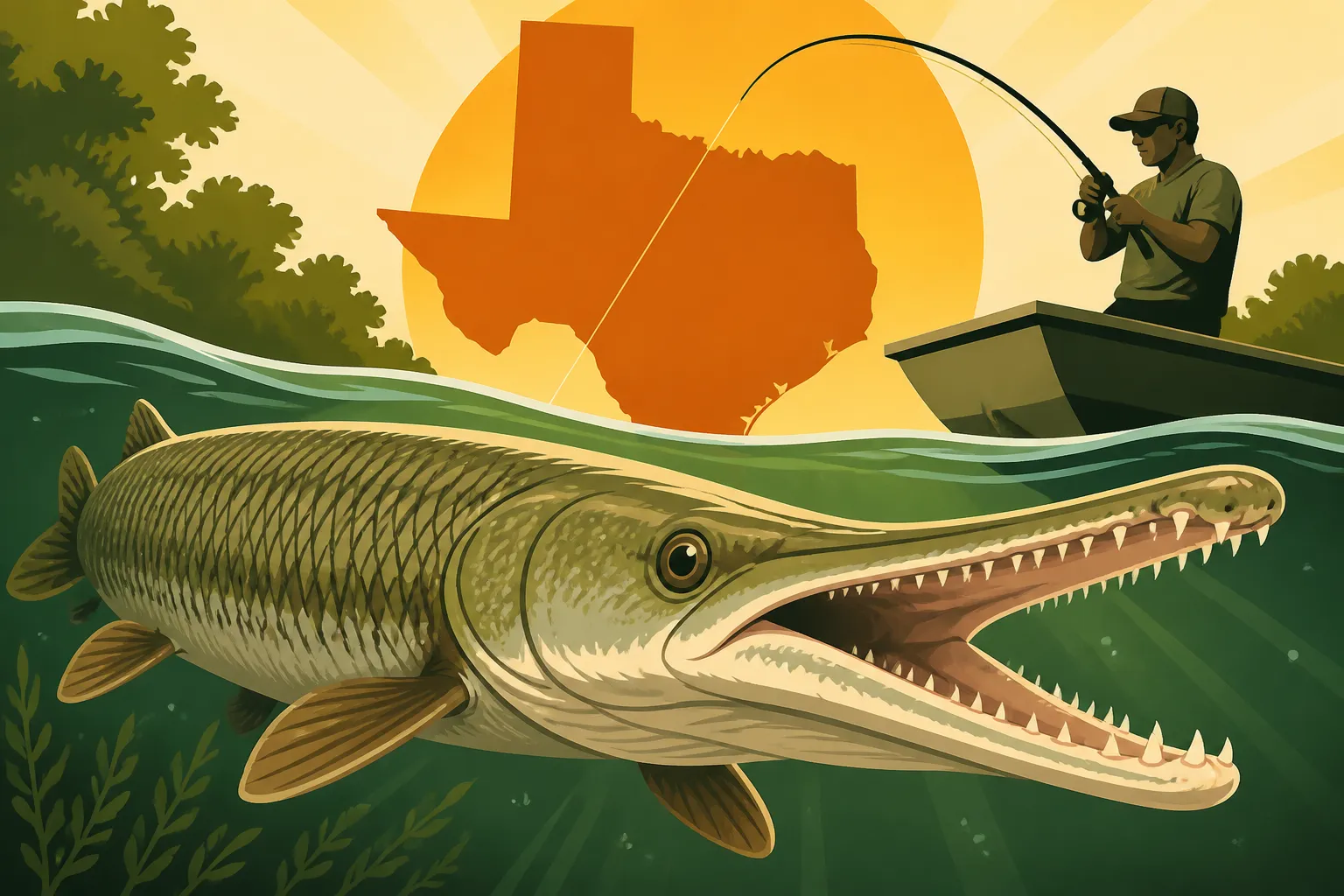
Targeting alligator gar, especially the truly massive ones, is an entirely different ballgame than typical freshwater fishing. It requires specialized gear, immense patience, and a respect for these powerful, ancient creatures. It's not just about catching a fish; it's about connecting with a part of Texas's wild heritage.
Essential Gear for Battling Giants
When you're chasing an alligator gar that could weigh more than you do, your standard bass or catfish setup simply won't cut it. You need heavy-duty equipment built for serious strain. This means robust rods, often rated for offshore use, capable of handling line tests in the hundreds of pounds. Your reel needs to have a powerful drag system and enough line capacity to withstand long, powerful runs. Braided line is almost a necessity due to its strength and minimal stretch.
Hooks need to be exceptionally strong, large, and sharp. Many anglers use specialized "gar rigs" designed to hold up to their bony mouths and powerful jaws. Wire leaders are often used to prevent their razor-sharp teeth from cutting the line. If you're just starting, researching How to Catch Gar in Texas can give you a better idea of the specific tackle. Even small details, like heavy-duty gloves for handling the fish and a large net or tail rope for landing, become critical. You can find many of these specialized items, from heavy-duty braided lines to robust leaders, on online marketplaces like Amazon, often with reviews from experienced anglers.
| Gear Item | Standard Freshwater Fishing | Alligator Gar Fishing |
|---|---|---|
| Rod | Medium-heavy to heavy | Heavy to Extra-Heavy (often offshore rated) |
| Reel | Moderate drag, 100-200 yd capacity | High drag, 200+ yd capacity, robust gears |
| Line | Monofilament/Fluorocarbon 10-30lb | Braided line 80-200lb+ |
| Leader | Fluorocarbon/Monofilament | Heavy wire or heavy mono/fluoro leaders |
| Hooks | Standard J-hooks, treble hooks | Large, super strong circle hooks or specialized gar hooks |
| Bait | Worms, lures, small live bait | Large live or cut bait (carp, buffalo, mullet) |
| Landing Tools | Small net | Large net, tail rope, heavy gloves |
The Patience and Persistence Required
Successfully targeting and landing a giant alligator gar is a testament to an angler's patience and persistence. These fish aren't always easy to find, and even when you do, convincing them to bite can be a challenge. They are wary predators, and getting a good hookset on their bony mouths requires finesse and timing.
Once hooked, the battle can be long and grueling. A truly massive gar will make powerful runs, testing every piece of your gear and every fiber of your being. It's not uncommon for fights to last an hour or more, especially with the biggest fish. It's a mental game as much as a physical one, demanding that you stay focused, keep the pressure on, and patiently work the fish towards the boat or shore. This isn't a quick gratification kind of fishing; it's a pursuit that builds character and offers an unparalleled sense of accomplishment when you finally get to witness one of these ancient giants up close. Anglers often spend days, even weeks, in pursuit of that one special fish.
Identifying and Conserving Texas's Alligator Gar
Understanding the sheer size of alligator gar in Texas naturally leads to questions about their unique characteristics and the importance of their preservation. These fish are not only giants but also vital components of our state's aquatic ecosystems. Learning to distinguish them from other gar species and understanding their conservation status is key for any responsible angler.
Distinguishing the Alligator Gar from its Cousins
Texas is home to several species of gar, but the alligator gar stands out due to its impressive size and distinct physical features. While other gar species like the longnose, shortnose, and spotted gar also inhabit our waters, none reach the monumental proportions of the alligator gar. The most obvious distinguishing characteristic, besides size, is their broad, alligator-like snout with two rows of teeth in the upper jaw, contrasting sharply with the narrower, more elongated snouts of other gar species which typically have only one prominent row of teeth. If you're ever unsure, an illustrated field guide or even a good online resource like those found by searching on Amazon for "Texas fish identification guide" can be incredibly helpful. Understanding Texas Longnose Gar vs Alligator Gar can highlight these differences further.
For instance, a longnose gar, while still a respectable fish, rarely exceeds five feet in length and has a distinctly slender snout. Spotted gar are much smaller, typically only reaching two to three feet, and are easily identified by their spots all over their body and fins. When you see an alligator gar, particularly a large one, there's often no mistaking it – its sheer bulk and distinctive head shape are dead giveaways.
The Importance of Protecting Our Ancient Fish
Despite their intimidating appearance and impressive size, alligator gar are often misunderstood. For many years, they were unfortunately considered "trash fish" or nuisances, leading to overharvesting and habitat destruction in some areas. However, scientific understanding has evolved, and we now recognize them as crucial apex predators that play a vital role in maintaining the health and balance of their ecosystems. They help control populations of rough fish and contribute to the overall biodiversity of Texas waters.
Today, there are regulations in place to help conserve alligator gar populations, especially the larger, older individuals that are critical for breeding. These regulations often include specific bag limits, length limits, and sometimes even specific seasons or reporting requirements for trophy fish. It's crucial for every angler to be aware of and adhere to these rules, which can be found in the Texas Fish Bag and Length Limits and Texas Freshwater Fishing Regulations guides provided by the state. Responsible angling practices, such as careful handling and prompt release of fish not intended for harvest, are essential to ensure these magnificent ancient fish continue to thrive in Texas for generations to come.
Disclaimer
This article is for general informational purposes only and does not constitute professional advice. Laws, prices and regulations vary by location and change over time. Consult a qualified professional for guidance on your specific situation.