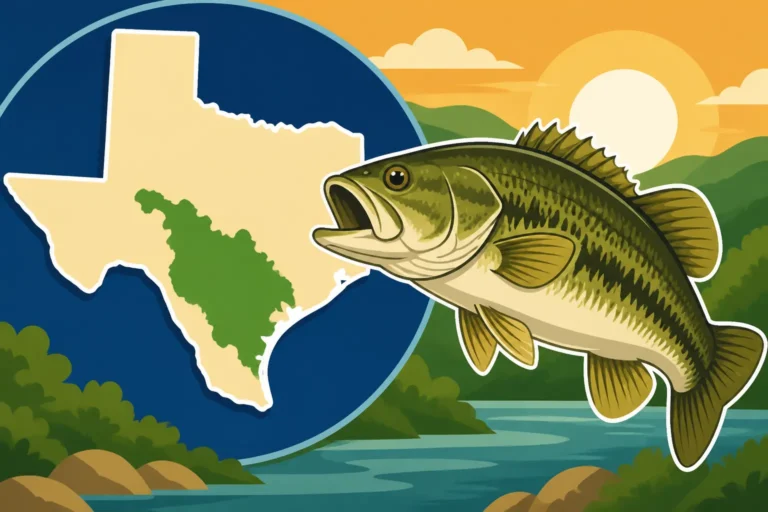
How big do largemouth bass get in Texas
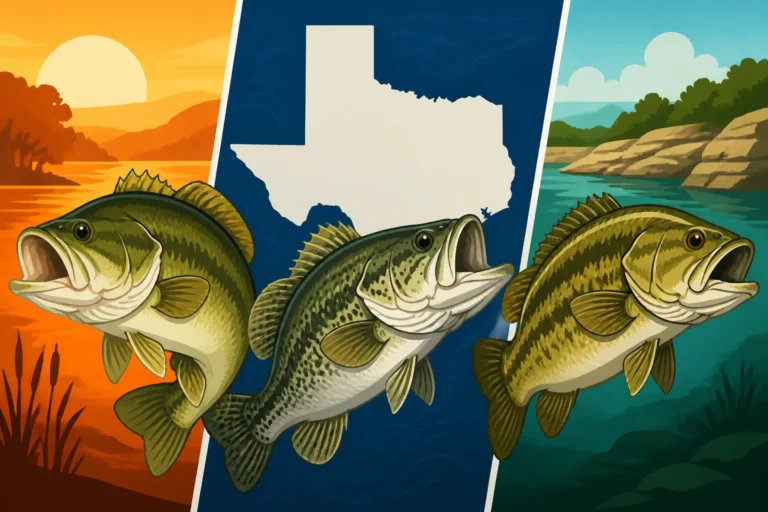
Every angler who wets a line in Texas has that burning question: just how big do largemouth bass really get here? It’s not just about bragging rights; it's about understanding the potential of our incredible fisheries and setting your sights on a truly memorable catch. This guide will walk you through the realistic size expectations for Texas largemouth bass, from your everyday catches to the giants that have etched themselves into state history, giving you a full picture of what to expect and what fuels these amazing fish.
The Typical Texas Largemouth Bass: What Most Anglers Encounter
Let's be real, most of the bass you're going to catch on a typical outing across the vast lakes and rivers of Texas won't be world-beaters. And that's perfectly okay! A "keeper" or a "good sized fish" for many anglers might fall into the 1 to 3-pound range. These are your healthy, actively feeding bass that make for a fantastic day on the water, offering plenty of fight and excitement. They’re plentiful in most Texas reservoirs, from Lake Ray Roberts to Lake Conroe, and are the backbone of our thriving bass population.
Think of those fun days out on a smaller community lake or a less pressured stretch of a larger reservoir. You'll likely encounter numerous bass in this size bracket. They're often aggressive, willing to hit a variety of lures, and fantastic for honing your skills. These fish represent the bread and butter of Texas bass fishing, providing consistent action for both seasoned pros and those just starting their angling journey. While they might not shatter records, they certainly make for an unforgettable experience.
As you gain experience or target specific areas, you'll start consistently landing fish in the 3 to 5-pound class. These are solid, chunky bass that really put a bend in your rod and make for some great photos. Catching several 4-pounders in a day is considered a highly successful outing for many, demonstrating good technique and an understanding of the fishery. These medium-sized bass are often more mature, have established territories, and require a bit more finesse or specific lure choices to entice a strike.
Texas's Reputation for Trophy Bass and Record-Breaking Giants
Now, let's talk about the real reason Texas is legendary: the sheer potential for absolute giants. Texas isn't just known for good fishing; it's famous for producing some of the largest largemouth bass on the planet. This reputation is largely thanks to the introduction of Florida-strain largemouth bass into our reservoirs decades ago, which allowed our native bass populations to grow significantly larger than they naturally would. These Florida genes, combined with rich forage and ideal growing conditions, created a perfect storm for monster bass.
The pinnacle of this trophy potential is encapsulated by the ShareLunker Program, run by the Texas Parks and Wildlife Department. This program encourages anglers to donate largemouth bass weighing 13 pounds or more during a specific spawning season window. These "Legacy Class" fish are then used for selective breeding to enhance the genetics of future generations of trophy bass in Texas lakes. Just imagining pulling a fish that qualifies for this program is enough to make any angler's heart pound! You can learn more about this incredible initiative in our guide, Texas ShareLunker Program Explained. The program really highlights how much we value and promote the growth of these extraordinary fish.
Historically, the state record largemouth bass has been a point of immense pride and fascination for Texas anglers. The current state record stands at an astonishing weight, a true testament to the exceptional conditions found in some of our premier lakes. This fish didn't just happen by chance; it was the result of incredible genetics, a perfect environment, and likely a very dedicated angler. If you're curious about the history and details of these behemoths, check out Texas Largemouth Bass World Record History and What is the Texas state record largemouth bass. These records aren't just numbers; they tell a story of dedication, conservation, and the sheer power of nature.
Here’s a look at what generally constitutes different classes of largemouth bass in Texas:
| Weight Range | Classification | Commonality | Notes |
|---|---|---|---|
| Up to 3 lbs | Average | Very Common | Regular catches, good action, often younger fish. |
| 3-5 lbs | Good Catch | Common | Solid fish, strong fight, indicates healthy populations. |
| 5-8 lbs | Quality/Big Bass | Less Common | Highly sought after, often targeted specifically by anglers. |
| 8-10 lbs | Double-Digit | Rare | True trophy, a lifetime catch for many, often found in specific lakes. |
| 10-12.99 lbs | Elite Trophy | Very Rare | On the cusp of ShareLunker, highly coveted. |
| 13 lbs or more | ShareLunker | Extremely Rare | Legacy fish for TPWD breeding program. |
| 18 lbs+ | State Record Class | Nearly Impossible | The stuff of legends, requires perfect conditions. |
Knowing What is the ShareLunker weight cutoff for Legacy Class can really help you understand the scale of what's considered a true giant here. While catching a fish over 13 pounds is an exceptionally rare feat, the fact that it's possible at all in Texas is what keeps so many anglers coming back, hoping for that once-in-a-lifetime bite.
Factors Influencing Largemouth Bass Growth in Texas
So, what makes a largemouth bass in Texas get so huge? It's a combination of several crucial factors working in harmony, creating an environment that encourages rapid and sustained growth. It's not just luck; it's a finely tuned ecological system.
Genetics: The Florida-Strain Advantage
As mentioned, the introduction of Florida-strain largemouth bass genetics has been a game-changer for Texas. These specific strains are known for their potential to grow much larger than their native Northern-strain cousins, given the right conditions. When these robust genetics are blended with existing Texas bass populations, you get fish with an incredible capacity for size. Our state has actively managed this genetic resource for decades, ensuring that the trophy potential remains high. When you catch a massive bass in a Texas lake, there's a good chance it carries some of that prized Florida-strain DNA, which is a testament to the foresight in fisheries management.
Abundant Forage: Fueling the Growth Machine
Think of a growing bass like an athlete in training – they need a lot of high-quality food to bulk up! Texas lakes are often teeming with an abundance of prey species, providing a consistent and rich diet for largemouth bass. Key forage includes threadfin and gizzard shad, various sunfish species, and crayfish. In some lakes, even small catfish or other game fish can become a meal for a truly giant bass. The availability of this protein-rich diet, year-round in our mild climate, is absolutely critical. For example, a bass that can consistently find large schools of shad doesn't have to expend as much energy hunting, allowing more of its metabolic resources to go into growth. Curious about their dining habits? Dive into What do largemouth bass eat in Texas lakes for more details.
Climate and Growing Season: More Time to Get Big
Texas boasts a long, warm growing season. Unlike states further north where bass might only actively feed and grow for 6-8 months out of the year, Texas bass can feed and grow almost year-round. This extended period of activity means they accumulate more biomass over their lifespan. A mild winter often means less energy expended just trying to survive, allowing for more sustained growth. This continuous feeding window is a huge advantage for bass to reach truly epic proportions. Our longer summers and relatively short, mild winters contribute significantly to How old was the Texas record largemouth bass got to its massive size, as it had more years of prime growth than bass in colder climates.
Habitat and Water Quality: A Comfortable Home
Large reservoirs with diverse underwater structure provide bass with ample hiding spots, ambush points, and safe areas from predators. Submerged timber, rocky outcroppings, aquatic vegetation, and creek channels all offer prime real estate for bass. Good water quality, with sufficient oxygen levels and healthy aquatic ecosystems, ensures that both the bass and their food sources thrive. Lakes with stable water levels and minimal pollution are often the ones that consistently produce larger bass. Fisheries management also plays a huge role in maintaining these conditions, ensuring our lakes remain productive. This balance of natural features and careful management creates the perfect conditions for a robust bass population. Many of the Best Bass Lakes in Texas are prime examples of this excellent habitat.
Setting Realistic Expectations and Targeting Giants
It's easy to get caught up in the dream of landing a ShareLunker, and while that dream is absolutely valid and possible in Texas, it's also important to set realistic expectations for your fishing trips. Consistent 5-8 pound bass are phenomenal catches that will test your skills and provide immense satisfaction. These are the fish that dedicated anglers often spend years pursuing. Catching fish of this caliber requires a deeper understanding of bass behavior, seasonal patterns, and strategic lure presentation.
To consistently target these larger bass, you'll need to focus on certain techniques and locations. This might involve fishing deeper structure, using larger baits, or employing specialized tactics like fishing a How to fish a Texas rig for bass in heavy cover. Researching specific lakes known for producing trophy bass, like Lake Fork, O.H. Ivie, or Sam Rayburn, is a great starting point. These lakes are managed specifically for big bass and offer the best odds. You can find excellent resources, including maps and fishing reports, on platforms like Amazon if you're looking for detailed guides to specific lakes or advanced fishing tactics.
Understanding the bass spawning season, for instance, can be crucial for targeting larger, heavier fish. During certain times of the year, especially around the spawn, bass are often at their heaviest and can be more predictable in their locations. Our guide on the Texas Bass Spawning Season Guide can give you insights into when these prime opportunities arise. Beyond that, having the right gear is paramount. A sturdy rod and reel, quality line, and a selection of proven big-bass lures are essential. You can often find great deals on these items through retailers like Amazon, which offers a wide array of fishing equipment for all budgets.
Remember, patience and persistence are key. Trophy bass are often solitary, cunning, and have survived many encounters with anglers. It might take many hours, many casts, and even many blank trips before that truly special fish bites. But when it does, whether it's an 8-pounder that makes your day or a legitimate 13-pound ShareLunker, the effort and dedication will be incredibly rewarding. The journey of becoming a successful Texas bass angler is a continuous learning process, and every fish, big or small, contributes to that invaluable experience. For a general overview of how to approach these fantastic fish, our comprehensive Texas Largemouth Bass Fishing Guide is a great resource.
Disclaimer
This article is for general informational purposes only and does not constitute professional advice. Laws, prices and regulations vary by location and change over time. Consult a qualified professional for guidance on your specific situation.