Is a gar considered a trash fish or a game fish
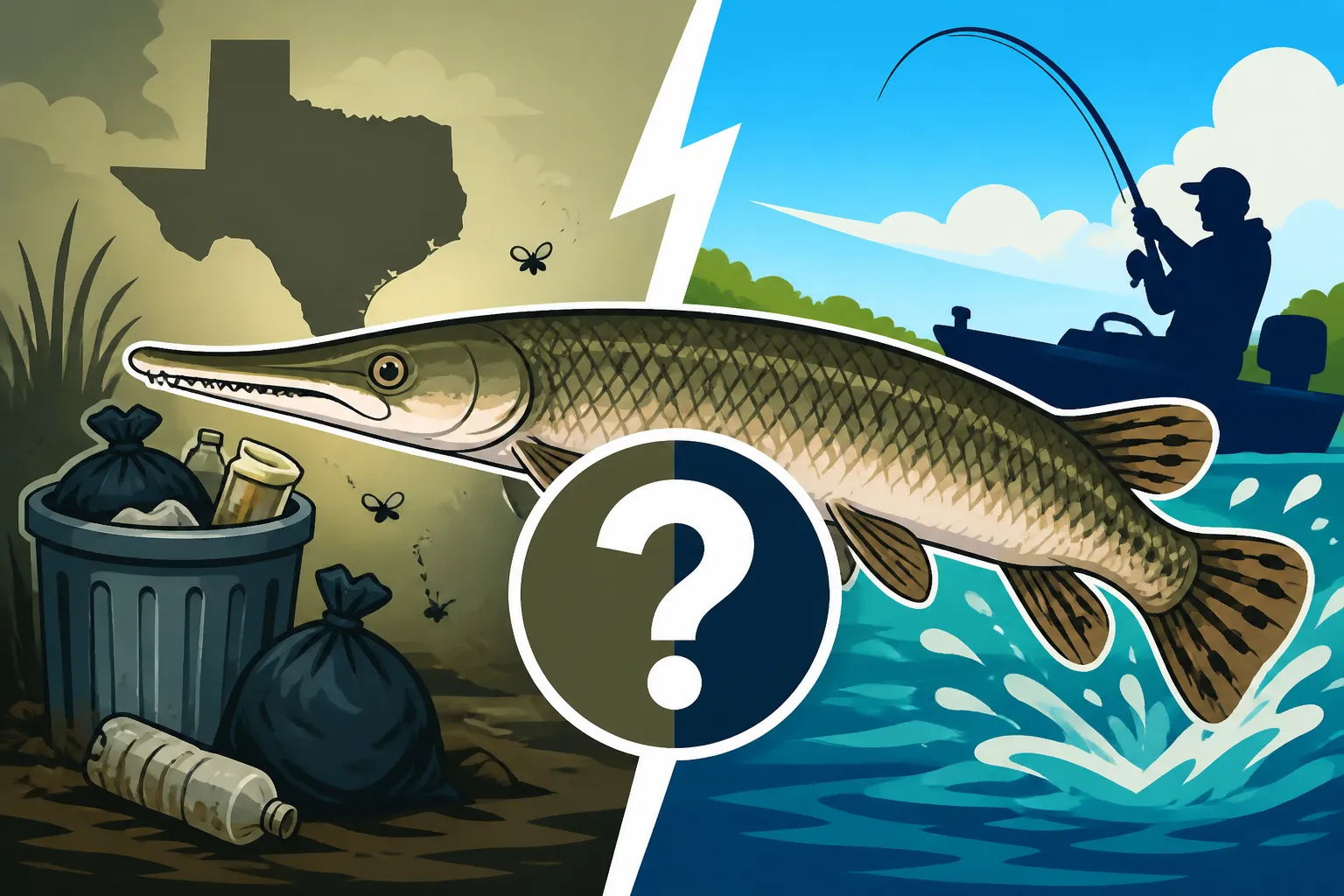
For years, Texas anglers have wrestled with the question of whether the formidable gar is a prize catch or just a nuisance. You hear whispers at the boat ramp, conflicting stories, and often, a dismissive wave of the hand regarding these ancient, toothy fish. This guide is here to cut through the confusion, lay out the facts, and help you understand why gar are, without a doubt, a significant part of the Texas fishing landscape, deserving of respect and recognition.
Dispelling the "Trash Fish" Myth Around Texas Gar
Let's be honest, the term "trash fish" is often flung around unfairly, usually at species that don't fit the traditional mold of a "game fish" like a largemouth bass or a speckled trout. Gar, with their prehistoric appearance and bony armor, have often been victims of this unfair labeling. It's a perception rooted in old beliefs and a lack of understanding about these incredible creatures.
The Root of the Misconception: Appearance and Old Beliefs
When you first see an alligator gar, with its long, powerful body and broad, toothy snout reminiscent of its reptilian namesake, it's easy to see how some might be intimidated or even repulsed. They look like something out of a dinosaur movie, a stark contrast to the sleek, silvery game fish many anglers are accustomed to pursuing. This unique, ancient aesthetic, coupled with tales of their tough, bony scales and powerful jaws, often led to them being considered undesirable.
Historically, gar were often viewed as competitors for more "desirable" game fish. People wrongly assumed that gar decimated populations of bass, crappie, or catfish, leading to concerted efforts to eradicate them in some areas decades ago. This misconception, passed down through generations, solidified the "trash fish" label for many. The truth, however, is far more complex and interesting. Many anglers simply didn't know what to do with them once caught, or how to properly prepare them, further cementing the idea that they weren't worth the effort.
Gar's Vital Role in the Ecosystem
Far from being a detrimental presence, gar play an absolutely crucial role in maintaining healthy aquatic ecosystems across Texas. As apex predators, especially the mighty alligator gar, they help to keep populations of other fish in check, often preying on slower, weaker, or diseased individuals. This natural selection process is vital for the overall health and vigor of a fish population, preventing overpopulation and the spread of illness. Think of them as the natural clean-up crew, ensuring a balanced environment.
Their ancient lineage is a testament to their evolutionary success. Gar have been around for millions of years, adapting and thriving in diverse aquatic habitats, from the murky backwaters of East Texas rivers to the clearer impoundments of Central Texas. They are incredibly resilient, able to survive in waters with low oxygen levels thanks to their unique ability to breathe air using a specialized swim bladder. This makes them survivors, a tough and enduring part of our natural heritage, and certainly not "trash." To understand more about their kind, you can read about Texas Longnose Gar vs Alligator Gar.
The Undeniable "Game Fish" Qualities of Texas Gar
If you've ever hooked into a solid gar, especially a larger one, you know instantly that the "trash fish" label couldn't be further from the truth. These are powerful, challenging, and incredibly rewarding fish to target, offering a unique thrill that sets them apart from almost any other species in Texas waters.
The Thrill of the Fight: A True Angler's Challenge
Catching a gar, particularly an alligator gar, is an experience that most anglers never forget. When you hook one, it's not a subtle nibble; it's often a sudden, brutal strike followed by a relentless, powerful fight. They'll make long, drag-screaming runs, shaking their heads violently in an attempt to dislodge the hook. Their sheer power and endurance are astonishing. Hooking a medium-sized longnose gar on appropriate tackle will give you a fight comparable to a decent redfish or a large striped bass. When you step up to an alligator gar, you're talking about a tug-of-war with an animal that can weigh over 200 pounds and stretch over seven feet long, demanding every ounce of strength and skill you possess. It's a true test of tackle and technique, a fight that leaves your arms aching and your adrenaline pumping.
Diverse Species, Diverse Challenges: Target Texas Gar
Texas is home to several species of gar, each offering its own unique challenge and appeal to anglers. The Alligator Gar is, of course, the king. These majestic creatures are the largest freshwater fish in North America, growing to truly immense sizes. Pursuing them requires heavy-duty gear, patience, and often specialized techniques. Many anglers travel from all over the world to try their hand at catching one of these giants, a testament to their game fish status. You can learn more about targeting them in our Texas Alligator Gar Fishing Guide.
Then there's the Longnose Gar, identifiable by its distinctly long, slender snout. While not reaching the behemoth sizes of the alligator gar, longnose gar are still powerful fighters and can grow quite large, providing an excellent sportfishing experience on lighter, but still robust, tackle. Spotted Gar are smaller and often found in more vegetated areas, offering a feisty fight on medium tackle. Lastly, the Shortnose Gar are the smallest and most widespread, making them accessible even for newer anglers looking to experience the thrill of gar fishing. Each species demands slightly different approaches, adding to the richness of gar fishing in Texas. To give you an idea of the amazing potential, be sure to check out What is the Texas record alligator gar.
Growing Popularity and Dedicated Anglers
Over recent years, the perception of gar has undergone a significant shift, especially among dedicated sport fishermen. What was once dismissed is now celebrated. A passionate and growing community of anglers actively targets gar, recognizing their incredible sportfishing value. Tournaments are held, records are chased, and specialized guides offer trips specifically for these powerful fish. Bowfishing for gar, in particular, has seen a huge surge in popularity, offering a unique and exciting way to hunt these fish. This renewed appreciation highlights that gar are indeed game fish, offering unparalleled excitement and a connection to ancient wildness. If you're considering this method, it's important to understand Texas bowfishing license requirements and Do you need a license for bowfishing in Texas?.
Gar on the Plate and in the Water: Culinary and Conservation Perspectives
Beyond the thrilling fight, gar also offer surprising culinary delights and hold significant ecological importance that underscores their value far beyond any "trash fish" label.
Is Gar Good to Eat? Separating Fact from Fiction
One of the oldest myths surrounding gar is that their meat is inedible or tastes bad. This couldn't be further from the truth! While the preparation can be a bit more involved due to their tough, bony scales (which are more like armor than fish scales), the meat of a gar is actually quite delicious. It's firm, white, and flaky, with a mild, sweet flavor often compared to crab, alligator, or even chicken.
The key to good gar meat is proper cleaning and preparation. Many anglers will tell you to cut a strip down their back, essentially filleting them off the bone, or using heavy-duty shears to cut through their armor. The "backstrap" of a gar is highly prized, and many Texans enjoy it fried, grilled, or made into gar balls. The darker, muddier vein that runs along the lateral line should be removed, just like with many other fish species, to ensure the best flavor. Once you try it, you'll understand why asking Are gar good to eat can often lead to a surprising "yes!" from those in the know.
Responsible Angling and Conservation for Texas Gar
Because gar grow slowly and live for many years, especially the large alligator gar, responsible angling practices are paramount. Conservation-minded anglers understand the importance of managing these populations wisely. For many, the thrill of catching an immense alligator gar is enough, and they practice careful catch-and-release to ensure these magnificent fish can continue to thrive and grow. If you do plan to harvest a gar, it's critical to be aware of and adhere to current regulations, including Texas Fish Bag and Length Limits and specific rules like Is it legal to keep an alligator gar in Texas.
Texas Parks and Wildlife Department (TPWD) has done extensive research and implemented regulations to protect gar, particularly the large alligator gar, recognizing their value as both a sport fish and an integral part of the ecosystem. Understanding these rules helps ensure that future generations can also experience the unique challenge and reward of pursuing these incredible ancient fish.
Essential Gear and Tactics for Pursuing Texas Gar
So, if you're convinced that gar are worthy adversaries and want to try your hand at catching one, you'll need the right tools and knowledge. Gar fishing is a unique pursuit that often requires specialized gear.
Rod & Reel vs. Bowfishing: Choosing Your Weapon
The method you choose largely depends on the experience you're after and the type of gar you're targeting.
- Bowfishing: This is a popular and exciting way to target gar, particularly in shallower waters or at night with lights. It involves using a specialized bow with a fishing reel attached, shooting an arrow tied to a line directly into the fish. Bowfishing offers a visceral, active hunting experience. However, it requires different skills and equipment than traditional rod and reel fishing, including specific permits and understanding of local regulations.
- Rod and Reel: For traditional anglers, pursuing gar with a rod and reel is a true test of strength and tackle. You'll need heavy-duty gear to handle their power and tough mouths. A sturdy saltwater spinning or baitcasting combo with a robust drag system is essential. Many gar anglers spool their reels with braided line, often 50-80 pound test or heavier, for its incredible strength and abrasion resistance. Look for quality braided line on platforms like Amazon if you're gearing up. The main challenge with a rod and reel is getting a hook to penetrate their bony mouths, so heavy-duty, super-sharp hooks are a must. Using a steel leader is also highly recommended to prevent their sharp teeth from cutting your line. You can find excellent quality steel leaders, swivels, and heavy-duty snaps on Amazon that will stand up to these tough fish. Learning How to catch gar on rod and reel will prepare you for this thrilling challenge.
Baits, Lures, and Rigs for Success
Gar are primarily predators, and their diet consists mainly of other fish. This means live or cut bait is often the most effective choice.
- Live Bait: Live perch, sunfish, or carp are excellent choices for larger gar, especially alligator gar. Presenting a live bait under a float or free-lined can be highly effective. The gar will often grab the bait and run with it for a while before attempting to swallow it.
- Cut Bait: Fresh cut bait, such as pieces of carp, mullet, or even shad, can also be very productive. The scent trails they leave in the water can attract gar from a distance. Rigging cut bait on a strong circle hook with a steel leader is a common setup.
- Specialized Lures: While less common, some anglers successfully target gar with artificial lures, particularly large, tough soft plastics or swimbaits. These often need to be retrieved slowly near submerged structure or along weed lines. Another popular method involves using a frayed nylon rope lure, which entangles their teeth rather than piercing their mouths.
Understanding the best times to target these fish can also increase your success, so consider looking into Best time of year to catch alligator gar. No matter your chosen method, always remember that you'll also need a valid fishing license. You can find all the details on Texas Fishing License Requirements Explained.
It's clear that the "trash fish" label for gar is an outdated and inaccurate one. These are magnificent, ancient predators that offer a challenging and rewarding experience for anglers who seek them out. They are a vital part of the Texas ecosystem, capable of providing delicious table fare, and deserve our respect and conservation efforts.
Disclaimer
This article is for general informational purposes only and does not constitute professional advice. Laws, prices and regulations vary by location and change over time. Consult a qualified professional for guidance on your specific situation.