Is it legal to keep an alligator gar in Texas
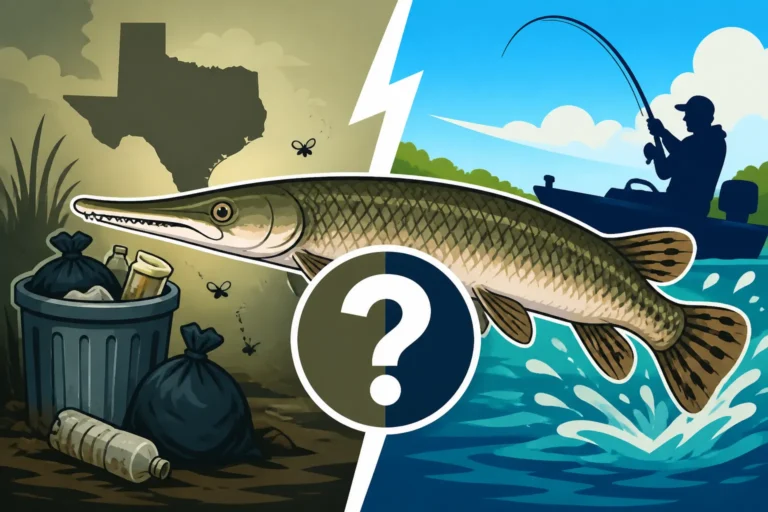
Few fish species in Texas spark as much awe and, let's be honest, as much confusion about the rules as the magnificent alligator gar. It's easy to get overwhelmed trying to figure out if you can actually keep one of these prehistoric giants if you're lucky enough to hook one. This guide is here to clear up all that mystery, diving deep into the specific regulations so you can enjoy your gar fishing trips without worry.
The Alligator Gar: A Texas Icon with Strict Rules
When you talk about alligator gar in Texas, you're talking about a fish that's truly one-of-a-kind. These ancient leviathans have been cruising our waters for millions of years, and their sheer size and distinctive look make them a prized catch for many anglers. But their unique status means they also come with a very specific set of regulations designed to protect their populations while still allowing responsible harvest. It's not as simple as catching a bass or a catfish, and many anglers get caught off guard by the differences.
Understanding the "One-Per-Year" Rule
The most significant and often misunderstood regulation for alligator gar in Texas revolves around what's commonly known as the "one-per-year" rule. This rule states that you are allowed to harvest only one alligator gar over 48 inches in length per license year. That's right, just one. This isn't a daily bag limit like for other species; it's an annual limit on those truly trophy-sized fish.
This special allowance requires you to obtain a specific "alligator gar harvest tag" which is often part of your fishing license purchase. Think of it as a special permit for that one exceptional catch. You'll need to physically attach this tag to your gar immediately after harvest. This stringent rule underscores the importance of large, mature gar to the overall health of the species, as they are the primary breeders and essential for maintaining genetic diversity. It’s a conservation measure, plain and simple, and it's vital for anglers to respect it.
This rule can certainly lead to some head-scratching moments out on the water. Imagine you've just battled a massive alligator gar for what feels like an hour, finally bringing it to the boat, only to realize it's over 48 inches, and you haven't bought your special tag yet, or worse, you've already used it. It’s a frustrating situation that highlights the need for anglers to be prepared and understand these nuances before they even cast a line. For more on the general rules, check out Texas Freshwater Fishing Regulations.
Daily Bag and Possession Limits for Smaller Gar
Now, what about the alligator gar that aren't quite so massive? The regulations for alligator gar under 48 inches are a bit different, and often where the confusion really starts to kick in. For alligator gar less than 48 inches, there is a daily bag limit of five fish. This means you can keep up to five of these smaller alligator gar in a single day.
It's crucial to understand that these five smaller gar do not require the special harvest tag. The annual one-fish, over 48-inch rule is separate from this daily bag limit. So, in theory, you could catch and keep five alligator gar under 48 inches in a day, and if you had your special tag, you could also keep one over 48 inches, as long as it's your first for the license year. But you definitely wouldn't want to get those mixed up.
Anglers often confuse alligator gar regulations with those for other gar species, like longnose gar or spotted gar, which have different limits and no special tag requirements. This distinction is vital, as misidentifying your catch or misinterpreting the rules can lead to serious penalties. Always double-check the species and length before making a decision to harvest. A good guide or a quick check of the regulations on your phone can save a lot of heartache. For an overview of how all these limits work, take a look at Texas Fish Bag and Length Limits.
Navigating the Specifics: Size Limits and Harvest Tags
The alligator gar is a powerful fish, and correctly identifying and measuring your catch is paramount to staying within the law. There's no room for "close enough" when it comes to these regulations, especially with a species that draws so much attention from conservation efforts. You definitely don't want to be caught on the wrong side of the rules, particularly when it involves such a unique and protected creature.
The Critical 48-Inch Length Limit
The 48-inch mark is the magic number for alligator gar in Texas, and understanding it fully is key. When the regulations refer to "alligator gar over 48 inches," they mean any fish that measures 48.001 inches or longer from the tip of its snout to the tip of its tail. It's not 48 inches or more; it's strictly over that length for the special tag to apply. Correct measurement is crucial, especially with a powerful, wriggling fish. You'll need a reliable measuring tape or board that can handle the length and weight of a gar. Many anglers find robust, roll-out measuring tapes on platforms like Amazon incredibly useful for this, as they can be laid flat next to the fish.
If you are fortunate enough to catch an alligator gar over 48 inches and decide to harvest it, you must have that specific harvest tag. This tag is then physically attached to the fish, usually through a gill plate or fin, immediately upon harvest. This acts as proof that you are legally keeping this specific trophy fish and have accounted for your annual limit. Without that tag, even if you paid for it, that over-48-inch gar is technically an illegal possession, and that’s a situation no angler wants to be in. The entire process is designed to ensure accountability and track the harvest of these significant fish.
Consider a hypothetical scenario: You're out on the Trinity River, a known hotspot for big gar, and after a thrilling fight, you land a monster that tapes out at 55 inches. This is where your preparedness comes in. Do you have your alligator gar harvest tag? Is it unused? If the answer is yes, then congratulations, you've harvested your one trophy gar for the year. If not, then despite the excitement, that magnificent fish must be released unharmed. This is where the emphasis on "know before you go" really pays off. For more details on the species itself, see Texas Alligator Gar Size and Growth.
Where to Obtain Your Alligator Gar Harvest Tag
The good news is that obtaining your alligator gar harvest tag isn't a separate, complicated process outside of getting your regular fishing license. In Texas, the alligator gar harvest tag is typically included as an optional purchase when you acquire your annual fishing license from the Texas Parks and Wildlife Department (TPWD). This means when you're buying your Texas Fishing License Requirements Explained—whether it's online, at a local sporting goods store, or through a license vendor—you'll have the option to add this specialized tag.
It’s important to specifically request or select the alligator gar harvest tag. It’s not automatically bundled with every fishing license, especially if you're buying a simple freshwater-only or saltwater-only license. This subtle detail is often missed by anglers who are simply used to picking up their usual license. Always confirm that the alligator gar harvest tag is explicitly listed on your license document or receipt. You can typically find it as an add-on item, much like an endorsement for certain fishing activities.
The ease of obtaining the tag often leads people to think less about its importance. However, just because it's easy to get doesn't mean the rules surrounding its use are relaxed. The cost for the tag is usually a nominal fee on top of your standard license price, but the value it represents in terms of conservation and legal compliance is immense. Always ensure you have your physical license and any purchased tags on your person, or accessible on a mobile device via the official app, when you're out fishing. Losing it or leaving it at home is not an excuse if you're checked by a game warden.
Reporting Your Alligator Gar Catch: It's Mandatory!
Catching an alligator gar, especially a large one, is an unforgettable experience. But the adventure doesn't end when you land the fish. If you harvest an alligator gar over 48 inches using your special harvest tag, you have a crucial, mandatory responsibility to report that catch to the Texas Parks and Wildlife Department. This isn't just a suggestion; it's a critical part of the management strategy for this incredible species. Many anglers might overlook this step, thinking their part is done once the tag is on the fish, but that's a common misconception.
Why Reporting Matters for Conservation
The mandatory reporting of harvested alligator gar over 48 inches plays an absolutely vital role in the ongoing conservation efforts for this species. Without accurate data on how many large gar are being removed from the system each year, TPWD would be flying blind when it comes to managing the population. This information allows biologists to monitor harvest rates, assess population health, track growth trends, and make informed decisions about future regulations. It’s a powerful feedback loop that ensures the long-term sustainability of alligator gar fishing in Texas.
By reporting your catch, you're not just complying with a rule; you're actively contributing to the scientific understanding and protection of alligator gar. Every piece of data helps paint a clearer picture of their health across different river systems and reservoirs. When anglers fail to report, it creates gaps in this data, making it harder for conservationists to accurately gauge the impact of fishing pressure. It’s a collective responsibility that falls on every angler who chooses to harvest one of these unique fish. Your small action truly has a big impact on the bigger picture of wildlife management.
This kind of data-driven approach is essential for species like the alligator gar, which grow slowly and live for many decades. Large, mature fish are the most prolific breeders, so understanding their harvest rates is critical to ensure enough individuals remain to reproduce and sustain future generations. It’s a way of giving back to the resource that provides us with such thrilling fishing opportunities. For more on the fishing experience, check out Texas Alligator Gar Fishing Guide.
The Step-by-Step Reporting Process
Reporting your alligator gar catch (if it's over 48 inches and harvested with a tag) is a straightforward process, but it requires prompt action. The most common and convenient way to report your catch is through the TPWD website or by calling a dedicated toll-free number. You usually need to report the catch within 24 hours of harvest. This quick turnaround is important for data accuracy.
When you make your report, you'll typically need to provide several key pieces of information. This includes your customer ID number (found on your fishing license), the date and time of the catch, the approximate length of the gar (this is where accurate measurement comes in!), and the county or specific body of water where the gar was harvested. The TPWD online reporting system is usually quite user-friendly, guiding you through each required field. Having your license handy and having measured your fish accurately right after the catch will make this process seamless.
Failing to report a legally tagged and harvested alligator gar over 48 inches can lead to penalties, even if you had the tag and followed the size limit. The reporting itself is a mandatory part of the regulation. It's a clear reminder that these specific rules exist for a reason, and compliance across all steps is expected. Make it a habit to report your catch as soon as you can, perhaps even using a reliable waterproof notepad to jot down the details while on the water, or utilizing a mobile app if available. Many anglers carry laminated cards of regulations or use apps to make sure they don't miss any steps, and these can often be found on Amazon.
Methods of Capture and Regulatory Nuances
Catching an alligator gar is not for the faint of heart, and anglers employ a variety of methods to land these powerful fish. Whether you're a traditional rod and reel enthusiast, a bowfishing pro, or a trotline setter, understanding how the gar regulations intertwine with your preferred method is critical. Each approach has its own set of rules, and when you add the alligator gar's specific limits, things can get intricate quickly. Always ensure your gear and technique comply with all state laws.
Rod and Reel, Bowfishing, and Trotlines
For many, battling an alligator gar on a heavy-duty rod and reel is the ultimate challenge. Using strong lines, large hooks, and robust tackle is essential for these powerful fighters. The general rules for rod and reel fishing apply, but if you're specifically targeting alligator gar, you'll need to be hyper-aware of the length limits and the harvest tag requirement discussed earlier. It’s important to have a suitable measuring device on hand, readily available to quickly gauge your catch's length for proper adherence to regulations. These measuring tools, especially ones designed for large fish, are widely available, including on Amazon.
Bowfishing for alligator gar is a popular and thrilling method, but it comes with its own detailed set of regulations. In Texas, you'll need a valid fishing license, and if you intend to harvest an alligator gar over 48 inches, you'll also need that special harvest tag. Additionally, Texas Bowfishing License Requirements often include restrictions on where and when bowfishing is permitted, especially at night or in certain public waters. The use of gaffs or other implements to land a gar, while common, must also be done in compliance with humane and legal practices.
Trotlines and juglines are traditional methods for catching catfish and gar in Texas, and they can be highly effective for alligator gar. However, these methods are heavily regulated, with specific rules regarding the number of hooks, material, deployment, and identification tags. If you plan to use these, you absolutely must be familiar with Texas Trotline and Jugline Rules. The alligator gar harvest tag applies here too for any fish over 48 inches. Imagine setting a trotline overnight and pulling up a record-breaking gar—that adrenaline rush is quickly tempered by the need to ensure you're legally equipped to keep it.
Protected Waters and Special Regulations
While alligator gar can be found throughout many freshwater and brackish systems in Texas, there are specific waters where regulations are even more stringent or where specific rules apply to their harvest. The most prominent example is often parts of the Trinity River, which has historically been a stronghold for alligator gar. In some segments of the Trinity River and its tributaries, all harvest of alligator gar is prohibited at certain times of the year, or there may be complete bans on harvest in specific areas to protect spawning populations.
It is absolutely crucial for any angler targeting alligator gar to check the most current and specific regulations for the particular body of water they plan to fish. These specific regulations are typically outlined in the TPWD Outdoor Annual, both in print and online. A general knowledge of state-wide rules isn't always enough; local nuances can be significant. Failing to check these localized rules could inadvertently lead to a violation, even with the best intentions.
These special regulations are often implemented in response to local population studies, environmental factors, or critical spawning periods. They reflect a proactive approach to managing a sensitive and ecologically important species. Therefore, before you embark on your next alligator gar adventure, make sure you know exactly where you're fishing and what the rules are for that specific location. Sometimes, what's perfectly legal on one lake might be strictly forbidden on a river just a few miles away.
| Alligator Gar Regulation Type | General Alligator Gar (<48 inches) | Trophy Alligator Gar (>48 inches) |
|---|---|---|
| Daily Bag Limit | 5 fish per day | 0 fish per day |
| Annual Harvest Limit | N/A (unlimited within daily limit) | 1 fish per license year |
| Special Harvest Tag Req. | No | Yes |
| Mandatory Reporting | No | Yes (within 24 hours) |
| Legal Methods | Rod & Reel, Bowfishing, Trotline | Rod & Reel, Bowfishing, Trotline |
| Specific Water Exceptions | Yes, check local regulations | Yes, check local regulations |
Understanding Penalties and the Bigger Picture
Nobody wants to get a ticket or face legal trouble while enjoying a day on the water. Unfortunately, the unique regulations surrounding alligator gar mean that violations, often unintentional, can occur. Understanding the potential consequences of not following the rules is just as important as knowing the rules themselves. It reinforces the importance of diligence and respect for wildlife management, especially for a creature as significant as the alligator gar.
Consequences of Illegal Harvest
The penalties for illegally harvesting an alligator gar in Texas can be quite significant, serving as a serious deterrent. If you're caught keeping an alligator gar over 48 inches without the proper harvest tag, or if you exceed the daily bag limit for smaller gar, you could face hefty fines. These fines can range from hundreds to thousands of dollars, depending on the severity of the violation and whether it's a repeat offense. It's not just a slap on the wrist; game wardens take these violations seriously because of the gar's unique conservation status. For more on what happens if you don't follow the rules, refer to Penalties for Fishing Without a Texas License.
Beyond financial penalties, you could also face the forfeiture of your fishing equipment, including your rod and reel, boat, or other gear used in the violation. In some cases, illegal harvest could even lead to the suspension or revocation of your fishing license, meaning you wouldn't be able to legally fish in Texas for a period of time. Imagine losing the privilege to enjoy your passion because of a misunderstanding or a lapse in judgment. It's a harsh reminder that ignorance of the law is generally not considered an excuse.
Furthermore, any illegally harvested fish will likely be confiscated. This isn't just about losing a meal; it's about the broader message that conservation laws are in place for a reason. Game wardens are highly trained and vigilant, so attempting to skirt the rules is rarely successful and certainly not worth the risk. It's always better to err on the side of caution, confirm the regulations, and release a fish if you're unsure.
The Conservation Imperative of Alligator Gar
Why all the fuss over alligator gar, you might ask? Well, these creatures are far more than just big, toothy fish. They are living fossils, an apex predator in many freshwater ecosystems, playing a crucial role in maintaining balance by preying on rough fish and sometimes even overpopulated smaller species. Their slow growth rate and long lifespan mean that each mature individual is incredibly valuable to the population's stability, making them particularly vulnerable to overharvest.
In many parts of their historical range outside of Texas, alligator gar populations have faced significant declines due to habitat loss, overfishing, and negative perceptions. Texas has been a leader in gar conservation, implementing these protective measures to ensure that our state remains a sanctuary for these magnificent fish. Anglers in Texas have a unique opportunity to interact with a species that is truly special, and with that opportunity comes the responsibility to contribute to its preservation. It's a privilege to fish for them, not just a right.
By understanding and adhering to the regulations, anglers become active participants in the conservation story of the alligator gar. We ensure that future generations can experience the thrill of seeing and, perhaps, catching one of these incredible ancient fish. It's about respecting the fish, the ecosystem, and the legacy of Texas's natural heritage. This shared commitment helps maintain a healthy balance, allowing both the fish and the fishing tradition to thrive. To learn more about this unique fish, consider reading up on Texas Alligator Gar Fishing Guide.
Disclaimer
This article is for general informational purposes only and does not constitute professional advice. Laws, prices and regulations vary by location and change over time. Consult a qualified professional for guidance on your specific situation.