What is a longnose gar
Few fish in Texas waters stir up as much curiosity and sometimes confusion as the gar. You see that long, toothy snout break the surface, and your mind immediately races: "What was that?" Often, people lump all gars into one intimidating category, but Texas is home to several distinct species, each with its own quirks. This guide is all about shining a spotlight on one particular fascinating member of this ancient family: the longnose gar. We’ll unravel its mysteries, help you tell it apart from its brethren, and equip you with the knowledge to appreciate—and perhaps even target—this incredible native Texan.
Unpacking the Longnose Gar: A True Texas Native
The longnose gar is a marvel of evolution, a living fossil that has patrolled the waters of Texas for millions of years. It's a fish that commands respect, not just for its appearance, but for its tenacity and its important role in our aquatic ecosystems. Understanding what makes it unique begins with recognizing its distinct features and knowing where it calls home.
Physical Characteristics and Identification
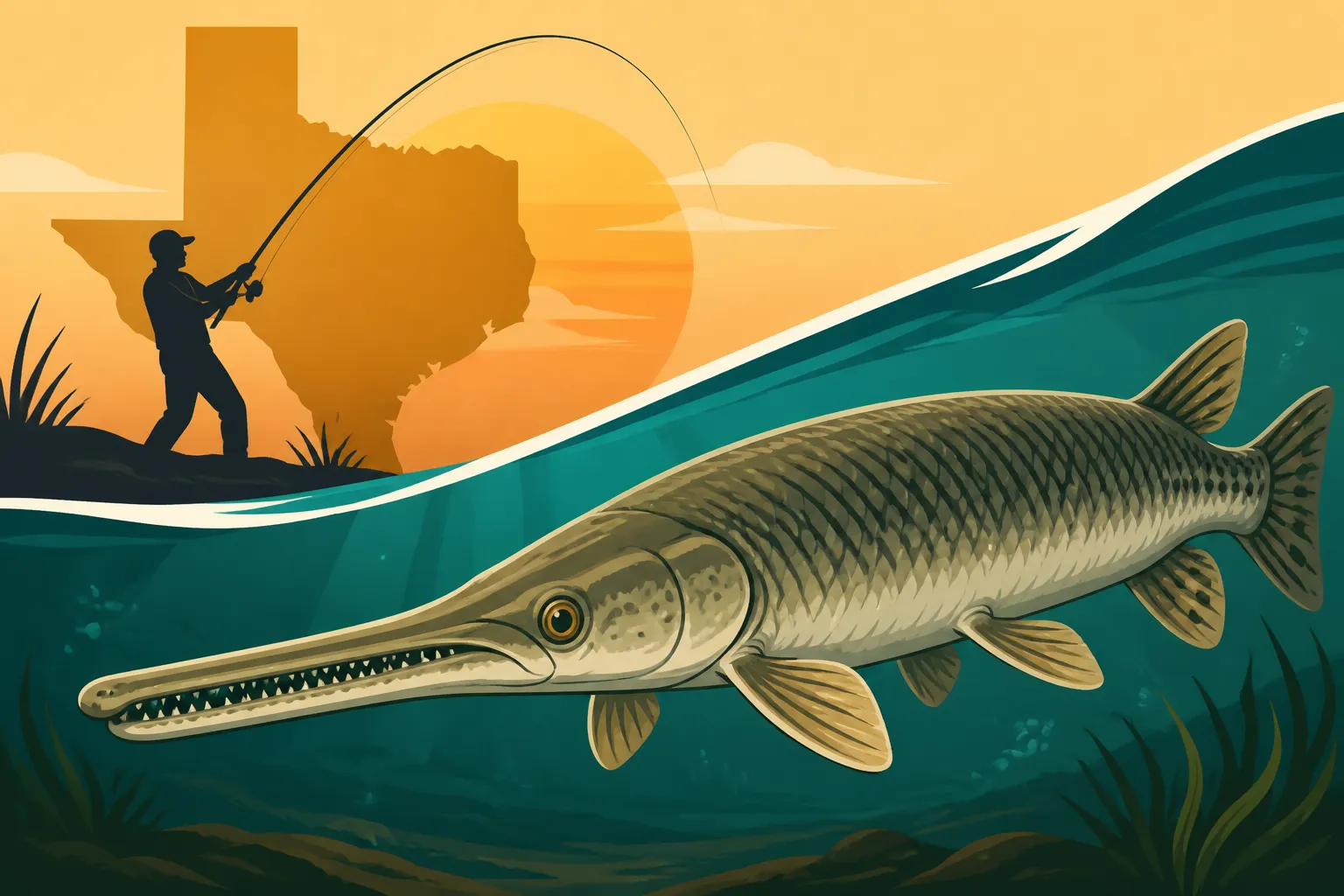
When you first encounter a longnose gar, its most striking feature is, predictably, its nose! This isn't just a slightly elongated snout; it's a very long, narrow, and cylindrical beak-like jaw, often twice the length of the rest of its head. This is your primary giveaway when trying to identify it in the wild. Unlike the broader, duck-bill-like snout of an alligator gar or the shorter, somewhat stubbier snout of a spotted gar, the longnose gar’s rostrum is distinctly slender and packed with a formidable array of needle-sharp teeth. These aren't fangs for tearing flesh, but rather perfect implements for impaling smaller, slippery prey.
Beyond the impressive snout, the longnose gar has a torpedo-shaped body that is perfectly camouflaged for its environment. Its back is typically an olive-brown to dark green, fading into a lighter, often silvery-white belly. You’ll also notice distinct black spots, particularly on its fins and often along its sides, though these can vary in intensity. Its body is covered in tough, diamond-shaped ganoid scales—a truly ancient armor that makes them incredibly resilient and difficult to injure. Trying to remove a hook from one of these can be quite the task, so having the right tools on hand, perhaps some sturdy long-nose pliers you might find on Amazon, is always a good idea.
Most longnose gars you encounter will likely be in the two to three-foot range, but they can certainly grow larger. It's not uncommon to hear tales of four to five-foot specimens, true river monsters that put up a serious fight. While they don't reach the colossal sizes of their alligator gar cousins, a large longnose gar is still an impressive catch and a testament to the robust health of its habitat. Pay close attention to that snout-to-head ratio, and you'll quickly become adept at telling them apart from other gar species.
Native Habitat and Range in Texas
Longnose gars are incredibly widespread throughout Texas, making them one of the most commonly encountered gar species in our state's freshwater systems. You'll find them in a vast array of habitats, from the slow-moving rivers and their oxbows to large reservoirs, creeks, and even the brackish waters of coastal marshes and bayous. They are quite adaptable, thriving in places where many other fish might struggle. Their ability to gulp air, thanks to a modified swim bladder that acts like a primitive lung, allows them to survive in oxygen-depleted environments, which can be common in stagnant backwaters or during hot summer droughts.
Their preferred haunts often include areas with abundant submerged vegetation, fallen timber, or other structure where they can lie in ambush. Think about those lazy bends in the Trinity River, the brushy shores of Lake Livingston, or the quiet backwaters of the Sabine River – these are prime longnose gar territory. They are particularly fond of clear to moderately stained water, using their camouflage and patience to blend in with their surroundings, waiting for an unsuspecting baitfish to swim by. They might not be as concentrated in specific locations as some other fish, but if you're fishing any major river or reservoir in East or Central Texas, you're almost certainly sharing the water with plenty of longnose gar.
It’s this widespread distribution that makes them such an accessible species for anglers interested in primitive fishing techniques or just looking for a unique challenge. From the cypress-lined shores of Caddo Lake to the vast expanse of Toledo Bend, the longnose gar is a common, though often overlooked, resident. How to Catch Gar in Texas will give you some excellent starting points if you're ready to target these fascinating fish.
The Longnose Gar's Role in the Ecosystem and Behavior
These ancient fish aren't just fascinating to look at; they play a vital, if often misunderstood, role in the diverse ecosystems of Texas. Far from being "trash fish," longnose gars are important predators that help maintain the balance of fish populations. Their unique behaviors and adaptations are a testament to their long evolutionary history.
Diet and Hunting Strategies
The longnose gar is an opportunistic predator, and its diet primarily consists of other fish. They are not particularly picky, feasting on whatever smaller, readily available fish populate their habitat, including minnows, sunfish, shad, and even smaller catfish. They are visual hunters, relying on their keen eyesight and incredible patience to secure a meal. You won't see a longnose gar chasing down prey over long distances; instead, they are masters of ambush.
They will position themselves perfectly, often blending seamlessly with submerged logs or thick vegetation, sometimes even hanging motionless just below the surface with only their snout exposed. When an unsuspecting fish swims within striking distance, the gar executes a lightning-fast sideways snap of its head, impaling the prey on its needle-like teeth. Once caught, the prey is then manipulated and swallowed headfirst. This distinct hunting method, perfectly adapted to their long, slender jaws, is a testament to their efficiency as predators. They embody the phrase "patience is a virtue" in the aquatic world.
Unique Adaptations and Survival
The longnose gar is often referred to as a "living fossil," and for good reason. Their physical form has changed very little over millions of years, a testament to the effectiveness of their design. One of their most incredible adaptations is their ability to breathe both in and out of water. They possess a highly vascularized swim bladder that functions much like a primitive lung. You'll often see them gulping air at the surface, especially on hot summer days or in stagnant waters where oxygen levels are low. This allows them to survive conditions that would be lethal to most other fish species.
Their formidable armor of ganoid scales also offers incredible protection against predators, though adult longnose gars have few natural enemies other than larger alligator gar or, occasionally, alligators themselves. This tough, bony hide is so resilient that early Texas pioneers would sometimes use gar scales for arrowheads or for covering plowshares. These ancient survival mechanisms have allowed them to persist and thrive in Texas waters for an incredible length of time, long before humans ever cast a line.
Spawning Habits and Reproduction
Longnose gars typically begin their spawning rituals in late spring and early summer when water temperatures rise. They often seek out shallow, heavily vegetated areas of rivers, creeks, and lake coves to lay their eggs. Unlike some fish that build nests, gar eggs are typically broadcast over aquatic vegetation, where they stick and develop. The female longnose gar can lay thousands of eggs, which are distinctive for being dark green and toxic to many other animals, including humans. This toxicity is a natural defense mechanism, deterring most predators from feasting on the vulnerable eggs.
The eggs will hatch after a relatively short incubation period, and the larval gar often have an adhesive disc on their snout that allows them to attach to vegetation while they absorb their yolk sac and grow. This early life stage is crucial, as it allows them to develop rapidly in a sheltered environment before venturing out into more open waters. The abundance of longnose gar in Texas waters is a clear indication of their successful reproductive strategies and their ability to find suitable spawning grounds across the state. Understanding these behaviors helps us appreciate their life cycle and their enduring presence in our waterways.
Fishing for Longnose Gar in Texas
While not always the target species for every angler, fishing for longnose gar can be an incredibly rewarding and exciting experience. Their strength and unique fight make them a worthy adversary, and they offer a different kind of challenge compared to chasing bass or catfish. Plus, with their widespread presence, you don't have to travel far to find them!
Best Techniques and Gear for Longnose Gar
Anglers employ a variety of methods to catch longnose gar, each with its own appeal. For those who prefer a traditional rod and reel, heavy tackle is paramount. Their tough, bony mouths make conventional hook sets notoriously difficult. Many anglers find success using strong braided line, a medium-heavy to heavy action rod, and a sturdy reel. When it comes to bait, live baitfish like minnows, shad, or sunfish are often highly effective, drifted under a bobber or fished on the bottom. Cut bait can also work, especially if you're targeting multiple species.
A unique and very effective method for gar is using a "rope lure" or "frayed nylon lure." These aren't hooks in the traditional sense. Instead, they are made of frayed nylon strands tied to a line, creating a tangle of fibers. When a gar strikes, its needle-like teeth get hopelessly entangled in the fibers, allowing you to reel it in without a hook. This method minimizes harm to the fish if you plan on releasing it. You can often find kits or materials for making these unique lures on platforms like Amazon if you want to try something different.
Beyond rod and reel, longnose gar are popular targets for primitive fishing methods. Trotlines and juglines, when deployed legally and responsibly, can be very effective, especially with cut bait or larger live baits. Texas Trotline and Jugline Rules outlines the specific regulations you need to follow. Bowfishing is another incredibly popular way to target gar, offering a high-action, visual hunting experience. If you're interested in this method, be sure to check Texas Bowfishing License Requirements to ensure you're compliant. No matter your chosen method, prepare for a tenacious fight; a longnose gar on the end of your line will test your gear and your angling skills!
Regulations and Bag Limits
One of the great things about longnose gar, from a recreational fishing perspective, is that they generally have very liberal regulations in Texas. Unlike the more strictly managed alligator gar, which often has specific harvest tags and length limits, longnose gar typically fall under the general statewide regulations for "other fish species." This often means no daily bag limit and no minimum length limit in most public waters.
However, and this is crucial, regulations can change, and specific water bodies might have unique rules. It is absolutely essential to always consult the current Texas Parks and Wildlife Department (TPWD) Outdoor Annual before you head out. This annual guide, available online and at license retailers, is your bible for all fishing regulations, including general Texas Freshwater Fishing Regulations and any specific rules for particular lakes or rivers. Never assume; always check! Ignoring regulations can lead to hefty fines, ruining an otherwise perfect day on the water. Penalties for Fishing Without a Texas License can be quite severe, so make sure you also have your Texas Fishing License Requirements Explained sorted before you even think about casting a line.
| Gar Species | Typical Snout Shape | Average Adult Length (Texas) | Harvest Regulations (General Texas) | Notes |
|---|---|---|---|---|
| Longnose Gar | Very long, narrow, cylindrical; needle-like teeth | 2-4 feet, sometimes larger | No bag or length limits (generally) | Most common gar in Texas; adaptable to various freshwater habitats. Excellent table fare if cleaned properly, though often overlooked. |
| Alligator Gar | Broad, flattened, duck-bill shaped; large fangs | 5-8 feet, can exceed 10 feet | Often 1 fish per year tag, specific length limits | Largest gar species; highly regulated due to conservation efforts. Requires specialized tackle and knowledge. Primarily found in large rivers and coastal areas. Texas Alligator Gar Fishing Guide has more details. |
| Spotted Gar | Moderately short, wider than longnose, distinct spots | 2-3 feet | No bag or length limits (generally) | Similar to longnose but with a shorter, broader snout and very pronounced spots on body and fins. Often found in vegetated backwaters. |
| Shortnose Gar | Short, relatively blunt, no spots | 1.5-2.5 feet | No bag or length limits (generally) | Least common gar in Texas, often confused with spotted gar. Lacks distinct spots of spotted gar. Primarily found in East Texas rivers. |
Always consult the current TPWD Outdoor Annual for specific, up-to-date regulations before fishing.
Handling and Releasing Longnose Gar
Catching a longnose gar is a blast, but handling them requires a bit of caution and respect. Their mouths are literally full of sharp teeth, and a thrashing gar can easily injure an unprepared angler. When you land one, try to control its head immediately. A pair of heavy-duty gloves can provide some protection. If you plan to release the fish, minimize its time out of water.
De-hooking can be challenging due to their bony jaws. Long, strong needle-nose pliers are essential. Some anglers even use small bolt cutters to snip the hook if it's deeply embedded, especially if the hook is barbed and difficult to extract. If you're using rope lures, simply disentangling the fibers can take a moment. Always be mindful of their thrashing, and keep them away from your body. After a successful fight, ensure the fish is revived and swims away strongly. They are incredibly hardy, but proper handling increases their chances of survival. Knowing how to safely release them, whether you intend to keep them or not, is part of being a responsible angler.
Longnose Gar vs. Alligator Gar: Key Differences
For many people, "gar" just means "that big, toothy fish." But in Texas, differentiating between the various gar species, especially longnose and alligator gar, isn't just an academic exercise—it's critical for legal compliance and successful fishing. Misidentifying an alligator gar as a longnose gar could lead to serious legal trouble due to the very different regulations for each.
Distinguishing Features Side-by-Side
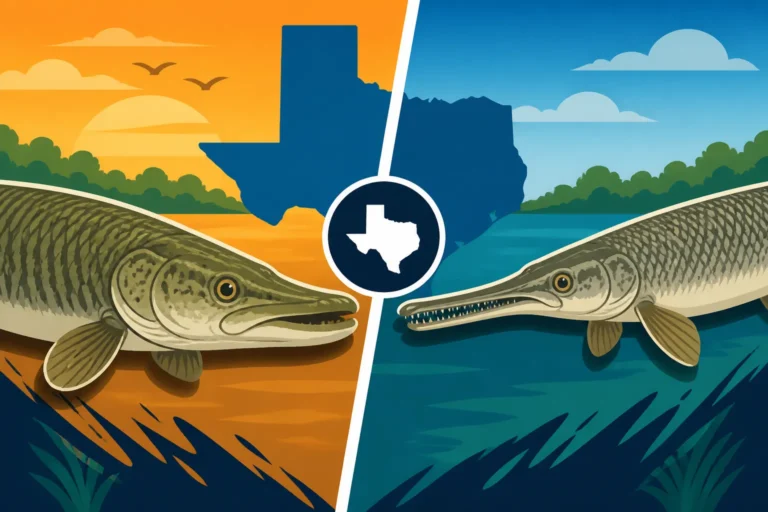
The most common point of confusion, and the most important to clarify, is the difference between a longnose gar and an alligator gar. While both are impressive and prehistoric-looking, they have very distinct features. The primary difference lies in their snouts. The longnose gar, as its name suggests, has a remarkably long, narrow, and cylindrical snout. Think of it like a thin, elongated beak, packed with many small, needle-sharp teeth. Its head tapers gracefully to this point.
In contrast, the alligator gar boasts a much broader, flattened, and duck-bill-like snout. This broad head transitions directly into a powerful, often wider body. Instead of many tiny teeth, the alligator gar has two rows of large, canine-like fangs in its upper jaw, designed for grabbing and holding larger prey. If you see a gar with a wide, blunt snout and big, intimidating fangs, you're almost certainly looking at an alligator gar. The coloration also often differs, with alligator gar having a more mottled, splotchy pattern, while longnose gar typically have more distinct spots on a smoother background. Texas Longnose Gar vs Alligator Gar dives deeper into these distinctions.
Habitat and Size Disparities
Beyond physical appearance, there are notable differences in where you'll typically find these two giants and how large they grow. Longnose gars are incredibly adaptable and common throughout most Texas freshwater systems, often preferring vegetated, slow-moving waters in rivers, creeks, and smaller to medium-sized lakes. While they can grow to be quite large for a fish, generally topping out around five feet, they are dwarfed by their alligator gar cousins.
Alligator gar, on the other hand, are the true giants of Texas's freshwater. They prefer larger, often deeper river systems and coastal bays, though they can be found in big reservoirs too. These are the fish that regularly grow over six feet and can exceed eight or even nine feet, weighing hundreds of pounds. The sheer size difference at maturity is usually the easiest way to tell them apart once they get big. If you're looking at a fish that could easily be mistaken for a small log with teeth, it's probably an alligator gar. Given the strict regulations for alligator gar, including a specific annual tag in many cases, accurately identifying these species is not just helpful—it's a legal necessity. For more on the bigger species, check out the Texas Alligator Gar Size and Growth guide.
Disclaimer
This article is for general informational purposes only and does not constitute professional advice. Laws, prices and regulations vary by location and change over time. Consult a qualified professional for guidance on your specific situation.