How long do crappie live
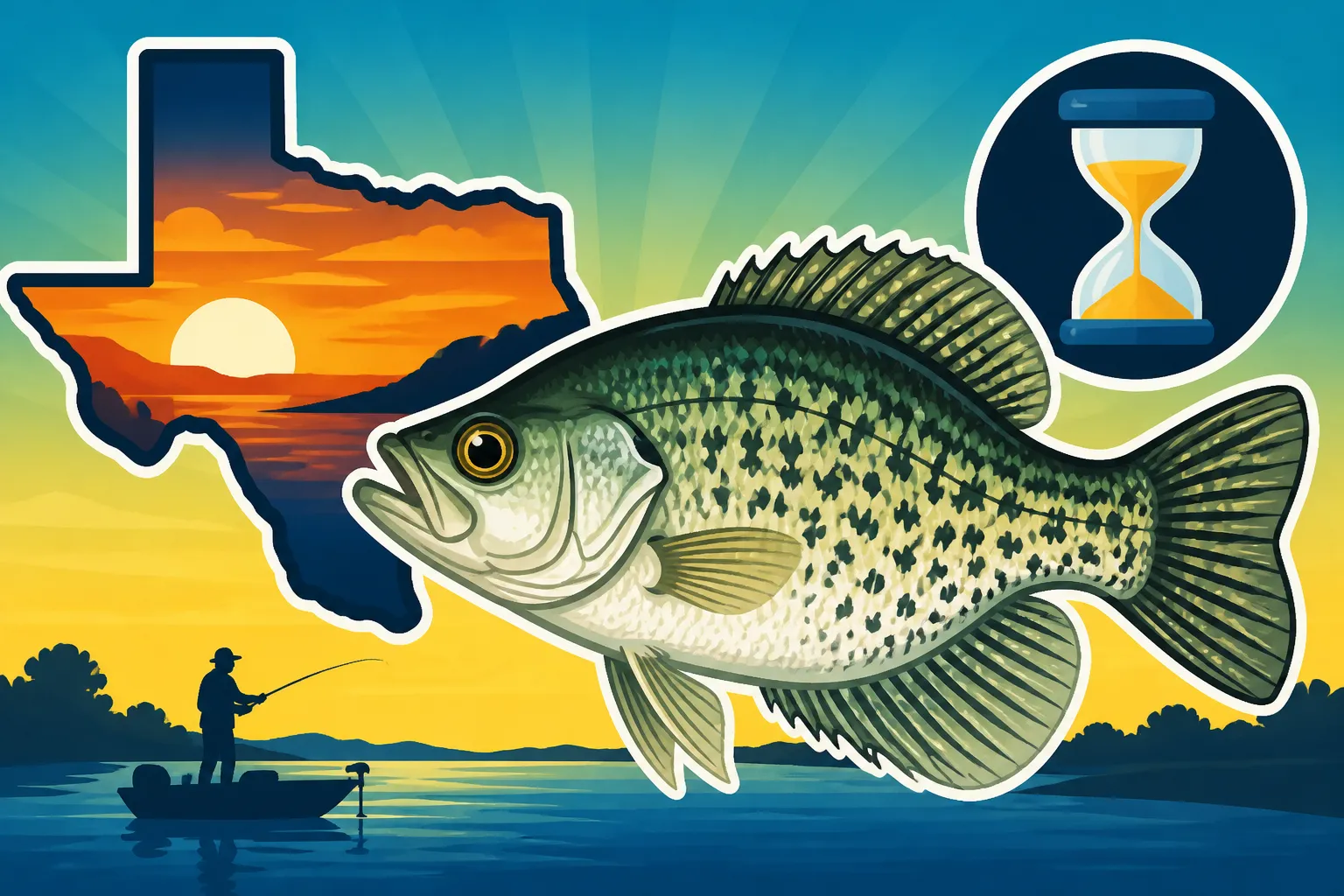
You're out there on a serene Texas lake, the sun is just starting to warm your face, and suddenly, your ultralight rod bends hard. You reel in a beautiful crappie, a true slab! As you admire its size and vibrant markings, a question might pop into your head: just how old is this fish, and how long do crappie typically live anyway? It’s a common thought for many anglers, wondering about the life cycle of the fish they pursue. This comprehensive guide will dive deep into the lifespan of crappie in Texas waters, exploring the many factors that contribute to how long these beloved panfish survive and thrive.
The Crappie Lifespan: A Realistic Expectation in Texas Waters
Crappie, whether white or black, are truly a joy to catch. They're often abundant, put up a fun fight, and are absolutely delicious on the dinner table. But unlike some of the longer-lived game fish like a giant catfish or an ancient alligator gar, crappie generally have a more rapid life cycle. Understanding their typical lifespan isn't just a curious fact; it can actually help you become a more effective and responsible angler. You'll begin to understand why certain lakes produce bigger crappie or why populations might fluctuate.
Average Lifespan: What to Expect in the Wild
In the wild, particularly in the diverse aquatic environments found across Texas, crappie typically live for a relatively short period. Most crappie you catch will likely be in the 2 to 5-year-old range. It's quite common for them to reach sexual maturity and reproduce within their first year or two, and then their lives are often a fast-paced journey of eating, growing, and avoiding predators.
Think about it: from the moment a crappie hatches, it's a constant battle for survival. They face an array of threats, including larger predatory fish like Texas Largemouth Bass Fishing Guide, various birds, and even other crappie. On top of that, disease can sweep through a population, and the ever-present challenge of finding enough food to sustain growth is real. A healthy crappie needs a consistent diet of small fish, insects, and crustaceans to thrive. If food sources are scarce, their growth can be stunted, and their overall health can decline, directly impacting their ability to fight off illness or escape predators. So, while you might hope every fish lives a long, peaceful life, the reality in the wild is often a much tougher existence.
Record-Breaking Crappie: The Exception, Not the Rule
While most crappie have a relatively short life, there are always exceptions that capture our imaginations. It’s not unheard of for crappie to reach ages of 6, 7, or even occasionally 8 years old in exceptionally stable and productive environments. These are often the "slab" crappie that become the stuff of legend on local fishing forums and generate excited chatter at the boat ramp. They've managed to evade predators, overcome food scarcity, and avoid the angler's hook year after year.
These truly old, large crappie are almost always found in waters with perfect conditions: abundant food, excellent habitat with plenty of submerged cover, stable water levels, and perhaps less intense fishing pressure than other popular spots. For example, a crappie growing up in a secluded cypresses-laden backwater of Caddo Lake might have a better chance at longevity than one in a heavily fished urban pond. Catching one of these older, larger fish is a special achievement and a testament to its incredible resilience. However, it's crucial to remember that these are truly the outliers. The vast majority of the crappie you encounter in Texas will fall squarely within that younger age bracket. If you're looking for strategies to target these older, larger fish, our How to Fish for Crappie guide might offer some helpful insights.
Factors Influencing Crappie Longevity in Texas
Texas is a massive state with incredibly diverse aquatic habitats, from the piney woods lakes of East Texas to the arid reservoirs of the west, and the sprawling coastal bays. It stands to reason that the lifespan of a crappie can vary significantly depending on where it calls home. Several key environmental and biological factors play a huge role in determining how long these fish will live. Understanding these can give you a better appreciation for the complexities of crappie management and even influence your own fishing success.
Environmental Conditions: Water Quality, Habitat, and Climate
The very water a crappie swims in is perhaps the most significant factor in its survival. Texas, with its often hot summers, can present unique challenges.
- Water Temperature: Crappie are sensitive to extreme temperatures. While they tolerate a range, prolonged periods of very hot water, especially common in shallow Texas lakes during summer, can stress fish, reduce oxygen levels, and make them more susceptible to disease. Conversely, understanding how they react to colder temperatures, as detailed in our guide How to Catch Crappie in Cold Water, can reveal how they conserve energy during less favorable times.
- Oxygen Levels: Healthy aquatic environments require ample dissolved oxygen. In stagnant or overly warm waters, oxygen can deplete rapidly, leading to fish kills. This is a very real threat in some Texas waters, particularly during droughts or extreme heat.
- Habitat and Cover: Crappie are structure-oriented fish. They love submerged timber, brush piles, docks, and aquatic vegetation. These areas provide crucial cover for protection from predators and ambush points for foraging. Lakes with abundant, healthy habitat tend to support more robust and potentially longer-lived crappie populations. Without adequate cover, younger crappie are easy prey, dramatically shortening their potential lifespan.
- Water Fluctuations: Texas lakes are often subject to significant water level changes due to rainfall patterns and human usage. Extreme droughts can reduce available habitat and concentrate fish, making them more vulnerable. Floods can wash away essential cover or introduce pollutants. Stable water levels generally contribute to healthier, more stable crappie populations.
For example, a crappie living in a sprawling, deep reservoir with consistent water levels and plenty of timber like Sam Rayburn might have a better shot at a longer life than one in a smaller, shallower pond that experiences drastic temperature swings and low oxygen levels during a brutal August drought.
Food Availability and Competition
You know how good you feel after a great meal? Crappie are no different. Abundant food is absolutely essential for their growth, health, and ultimately, their longevity.
- Plentiful Forage: Crappie are opportunistic feeders, primarily consuming zooplankton when young, and then moving on to small shad, minnows, insect larvae, and small crustaceans as they grow. Lakes with a robust forage base, especially threadfin and gizzard shad populations, tend to produce larger, healthier, and potentially older crappie. When food is easy to find, crappie can grow quickly and maintain good body condition, which helps them survive winters and recover from spawning.
- Competition: Crappie don't live in a vacuum. They compete for food with many other species, including other panfish like bluegill, juvenile bass, and even some catfish species. If a lake is overpopulated with crappie themselves, or if there's intense competition from other species, the available food might not be enough for all. This can lead to stunted growth, where crappie remain small even at an older age, and their overall health suffers, making them less likely to reach their maximum potential lifespan. It's a delicate balance that fishery managers constantly monitor.
- Overpopulation: Paradoxically, too many crappie can be a bad thing. In some lakes, crappie populations can explode, leading to intense competition for food. The result is often a lake full of small, unhealthy crappie that never grow to a desirable size and have shorter lifespans due to poor nutrition and higher stress levels. This is why proper Texas Crappie Bag Limits are in place, to help manage populations for overall health.
Predation and Fishing Pressure
The "circle of life" is very real for crappie, and two major forces constantly work to reduce their numbers: natural predators and human anglers.
- Natural Predators: Even a trophy crappie still has to watch its back. Largemouth bass, flathead catfish, and even some species of gar will readily prey on crappie. Birds like ospreys and cormorants also take their toll, especially on shallower waters. The more successful crappie are at hiding and evading these natural threats, the longer they stand a chance of living. This is why choosing fishing spots with ample submerged timber or brush piles is often key to finding crappie, as these areas offer crucial refuge.
- Angler Harvest: Let's be honest, crappie are delicious, and many of us love to take some home for a fish fry! However, fishing pressure is a significant factor in crappie longevity. In heavily fished lakes, crappie may simply not have the opportunity to live a long life before being caught. While regulated harvest is a healthy part of fishery management, it does mean that older, larger fish become rarer.
- Catch and Release: For many anglers, particularly those targeting trophy-sized crappie, catch-and-release is a common practice. Releasing larger, older fish back into the system can help ensure they continue to reproduce and contribute to the gene pool, potentially leading to future generations of big crappie. Ensuring a clean release with minimal stress, using tools like a good quality landing net and de-hooker (which you can find on sites like Amazon), helps these fish survive and continue their journey.
Growth Rates and Their Relation to Lifespan
When we talk about how long crappie live, we can't ignore how fast they grow. There's a fascinating interplay between growth rates and overall lifespan that often depends on the specific conditions of a Texas lake. It's not always as simple as "faster growth equals shorter life," but it's a good starting point for understanding.
Fast Growth vs. Long Life: A Balancing Act
In general, crappie in productive Texas waters, with abundant food and optimal temperatures, will grow quickly. A crappie might reach a desirable "keeper" size of 10-12 inches in just 2-3 years. This rapid growth can lead to a healthy, robust population. However, living fast can sometimes mean dying young. These fish are burning a lot of energy, reproducing, and growing quickly, which can take a toll on their bodies.
On the other hand, crappie in less fertile waters, or those with less abundant forage, might grow more slowly. It could take them 4-5 years to reach that same 10-12 inch mark. Sometimes, these slower-growing fish can actually live a little longer, simply because their metabolism isn't running quite as high, and they might not experience the same reproductive stress as their faster-growing counterparts. It's a delicate balance within the ecosystem. A prime example is how different lakes are managed; some are known for producing consistent numbers of medium-sized crappie, while others are renowned for fewer, but much larger, "slab" crappie.
Here's a simplified look at crappie growth stages and their correlation with lifespan:
| Age (Years) | Typical Length Range (Inches) | Growth Rate | Longevity Potential |
|---|---|---|---|
| 1 | 4-7 | Very Fast | High Risk / Early Life |
| 2 | 7-10 | Fast | Moderate Risk |
| 3-4 | 10-13 | Moderate | Peak Reproductive / Harvest Age |
| 5-6 | 13-16+ | Slow | Lower Survival Odds / Trophy Size |
| 7+ | 16+ | Very Slow | Very Rare / Exceptional |
Keep in mind these are general ranges, and individual fish can vary wildly! When you're trying to figure out the age of a fish you've caught, it's not an exact science unless you have scales or ear bones (otoliths) analyzed, but the length can give you a pretty good clue.
Regional Differences in Texas Lakes
Texas lakes are like snowflakes—no two are exactly alike, and this directly impacts crappie growth and longevity. What makes a good crappie lake in East Texas might be completely different from one in Central or North Texas.
- East Texas Lakes: Many East Texas lakes, such as Toledo Bend and Sam Rayburn, are known for being highly fertile with vast amounts of timber and abundant forage. Crappie here often exhibit fast growth rates, reaching large sizes relatively quickly due to the rich environment. However, they also face significant fishing pressure. Our Texas Crappie Fishing Guide goes into more depth on these regional variations.
- Central Texas & Hill Country Reservoirs: Lakes like Canyon Lake or Lake Buchanan in the Hill Country tend to be clearer, deeper, and often less fertile than their eastern counterparts. Crappie here might grow a bit slower, but the clarity can also make them more challenging to catch. While you might not see the sheer numbers of huge crappie as often, the fish that do thrive here are incredibly resilient.
- North Texas Lakes: Lakes near major metropolitan areas like Lake Ray Roberts or Lake Grapevine can experience high fishing pressure. Managers here often work hard to balance good crappie populations with angler demand. Understanding when and where crappie concentrate, for example, by consulting a guide on How to find crappie in the winter, can also reveal insights into where they might be able to live longer due to less accessibility.
- Panhandle and West Texas: Reservoirs in more arid regions often depend heavily on rainfall for water levels. Crappie populations in these areas can fluctuate more dramatically with environmental conditions, leading to boom-and-bust cycles in both growth and lifespan.
These regional differences mean that while the average lifespan might be consistent across the state, the specific factors contributing to an individual crappie's age can be wildly different. That's part of the fun and challenge of crappie fishing in Texas!
Angler's Role in Crappie Population Health and Longevity
As anglers, we play a surprisingly significant role in the health and future of crappie populations. Our actions on and off the water can influence how long these fish live, how big they get, and how abundant they remain for future generations. It’s all about being a responsible steward of the resource, something every Texas angler should strive for.
Responsible Harvest and Conservation
Fishing is a privilege, and with that comes the responsibility to manage our natural resources wisely. Crappie are a popular target, which means they can experience heavy fishing pressure, particularly in easily accessible lakes.
- Understanding Regulations: The Texas Parks and Wildlife Department (TPWD) sets Texas Crappie Bag Limits and length limits for a reason: to ensure sustainable populations. These limits are based on scientific data about crappie growth rates, reproductive cycles, and mortality rates in specific lakes. For example, some lakes might have an 8-inch minimum length limit and a 25-fish daily bag, while others might have slot limits designed to protect larger breeding fish. Knowing and following these rules is paramount.
- Avoiding Over-Harvest: While it's perfectly fine to keep a legal limit of crappie for a meal, continuously removing a disproportionate number of larger, older breeding fish can negatively impact the genetic quality and overall health of the population over time. These larger fish have proven their ability to survive and reproduce, passing on those resilient genes.
- Licensing and Fees: Purchasing your fishing license, whether it's a Texas Fishing License Requirements Explained or specifically a Texas Fishing License Cost for Residents and Nonresidents, directly contributes to the conservation efforts of the TPWD. Your dollars go towards stocking programs, habitat restoration, scientific research, and enforcement, all of which benefit crappie and other fish species. It's a small price to pay for the incredible fishing opportunities we have in Texas.
Best Practices for Handling and Release
Not every crappie you catch needs to go into the cooler. Many anglers practice catch and release, especially with smaller fish or those that fall within protected slot limits. When you decide to release a crappie, doing so properly is crucial to ensure its survival and give it the best chance at a long life.
- Minimize Handling Time: The less time a crappie is out of the water and in your hands, the better. Try to handle them gently and get them back into the water as quickly as possible.
- Wet Hands: Always wet your hands before touching a fish. Dry hands can remove the crappie's protective slime coat, making it vulnerable to disease.
- Proper De-hooking: If the fish is deeply hooked, consider cutting the line rather than trying to rip the hook out, especially if it's a small fish. For shallower hooks, a pair of long-nose pliers or a de-hooking tool (available on Amazon, often labeled for fly fishing or finesse fishing, but works great for crappie) can make removal quick and minimize damage.
- Support the Fish: When holding a crappie for a quick photo, support its body horizontally, especially if it's a larger "slab." Avoid holding it vertically by the jaw alone, as this can damage its internal organs or jaw structure.
- Gentle Release: Gently place the crappie back into the water, allowing it to swim away on its own power. If it seems sluggish, hold it upright and slowly move it back and forth to force water over its gills until it regains strength and kicks away.
- Appropriate Gear: Using the right gear can also contribute to responsible handling. A quality ultralight rod, such as those recommended in our Best Rods for Texas Crappie Fishing guide, combined with appropriate line and Best Crappie Jigs for Texas Lakes, can help you land fish quickly without overtiring them. A good quality rubber-coated landing net (you can find various sizes on Amazon) is also a fantastic investment, as it's gentler on a fish's fins and slime coat than traditional nylon nets. If you're really serious about documenting your catches for weight and length, a quality digital scale and measuring board, often found through online retailers like Amazon, can help you get accurate data quickly without unnecessary stress on the fish.
By being mindful of crappie lifespans, understanding the factors that influence them, and practicing responsible angling, we can all help ensure that these fantastic fish continue to thrive in Texas waters for years to come.
Disclaimer
This article is for general informational purposes only and does not constitute professional advice. Laws, prices and regulations vary by location and change over time. Consult a qualified professional for guidance on your specific situation.