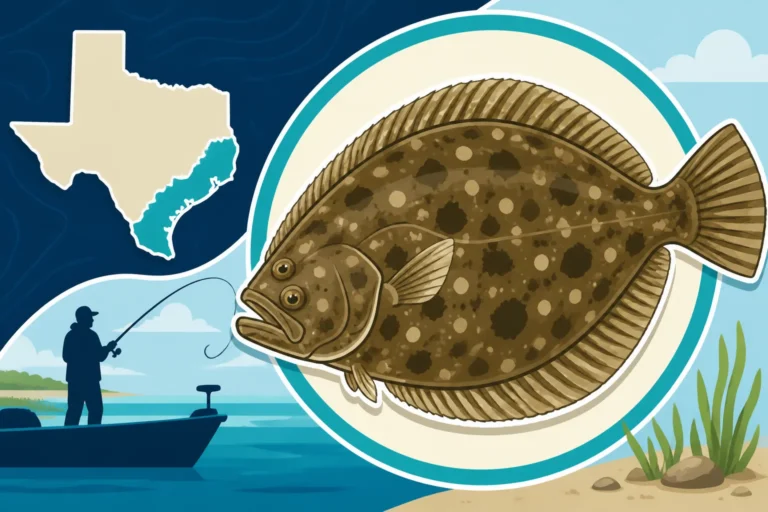
What is a redfish also called
Have you ever been talking about fishing, and someone calls a "redfish" something else entirely, leaving you scratching your head? It's a common frustration when discussing saltwater species, especially here on the Texas coast, where local lingo and official terms can get a little mixed up. This guide is here to untangle the web of names for one of our most beloved game fish, helping you understand all the common aliases for a redfish and why they're used.
The Common Name Conundrum: What Exactly is a Redfish?
When we talk about "redfish" in Texas, we're usually referring to a specific, iconic species that graces our bays and nearshore waters. But step onto a pier, strike up a conversation at the bait shop, or scroll through fishing forums, and you'll quickly discover a whole lexicon of alternative names for this popular fish. This can be genuinely confusing, especially for new anglers or those visiting from out of state. You might hear different terms thrown around, and it's easy to wonder if everyone is even talking about the same creature! The truth is, they often are, but with varying degrees of formality and regional flavor.
Scientific Name vs. Common Aliases
Let's start with the official, no-doubt-about-it name: Sciaenops ocellatus. That's the scientific moniker for the fish we commonly call a redfish. Knowing this name is incredibly helpful if you ever need to look up very specific information, perhaps in a scientific study or when communicating with marine biologists. It’s the universal identifier that cuts through all the slang and local terms.
However, in everyday fishing conversations and even in some official capacities, the most widely accepted alternative name for Sciaenops ocellatus is "red drum." This name perfectly captures two key characteristics: their reddish hue and the drumming sound they make, which we'll dive into more later. It’s a very descriptive name, and in many places, it’s just as common, if not more so, than "redfish." You might even see fishing gear and lures on platforms like Amazon marketed specifically for "red drum" or "redfish," indicating that the terms are largely interchangeable in the angling world. For a complete overview of this incredible fish, check out our Texas Redfish Fishing Guide.
Regional Dialects of the Texas Coast
Just like how different parts of Texas have their own unique accents and slang, different regions along our vast coastline can have subtle preferences for what they call a redfish. While "redfish" and "red drum" are broadly understood, you might hear variations. For instance, down in the Lower Laguna Madre, anglers might lean towards "red drum" a bit more, while those fishing Galveston Bay might just stick with "redfish." It's mostly a matter of habit and local tradition, rather than any real distinction between the fish themselves.
Sometimes, the names also reflect the size of the fish. A small redfish might be called a "rat red" in one area, while a massive one could be a "bull red" everywhere. These aren't distinct species, but rather affectionate, descriptive terms that have become ingrained in our local fishing culture. It's part of the charm and the rich history of Texas fishing, even if it adds a layer of complexity for newcomers. Understanding these nuances helps you feel more at home on the water, no matter which pier or jetties you're fishing from.
Why So Many Monikers? Understanding Redfish Identity
It's not just a random assortment of names; many of the aliases for redfish are rooted in observable characteristics of the fish itself. From its distinctive coloring to the sounds it makes, these traits have given rise to the various terms used by anglers and scientists alike. It speaks to how much we observe and interact with these fish, so much so that their very nature influences their common names.
The "Red Drum" Identity: A Deep Dive
As mentioned, "red drum" is probably the most prevalent alternative name for redfish. The "red" part is obvious, referring to the coppery-red to bronze coloration that can vary slightly depending on the water clarity and diet of the fish. But what about the "drum"? This fascinating aspect refers to the sound male redfish produce during spawning season. They contract special muscles against their swim bladder, creating a distinct drumming or croaking sound. It's a low-frequency vibration that can sometimes even be felt through the hull of a boat!
This drumming is a crucial part of their reproductive cycle, used to attract mates. The scientific family name, Sciaenidae, which includes redfish, is often referred to as the "drum and croaker" family, a testament to this unique sonic ability. So, when someone calls it a "red drum," they're not just being different; they're highlighting a truly remarkable biological feature of the fish. It's a reminder that beneath the surface, there's always more to learn about the creatures we pursue. If you’re looking to stock up on gear for targeting these drum-makers, you can find a wide selection of suitable tackle on Amazon, often labeled for "redfish" or "red drum."
Puppy Drum, Bull Red, and Rat Red: Age and Size Dictate Terms
Anglers love to categorize their catches, and redfish are no exception. The size and age of a redfish often determine a whole new set of colloquial names. This is where it can get really fun – and sometimes even more confusing if you're not in on the lingo!
- Rat Reds: These are the smallest redfish, typically young fish under the legal slot limit. They might be just a few inches long, often caught by accident by anglers targeting smaller species or just starting out. The term implies they're small and feisty, like a "rat."
- Puppy Drum: This term usually refers to juvenile redfish that are still relatively small but approaching or within the lower end of the legal slot limit (typically between 15-20 inches). They're big enough to be fun to catch and sometimes keep, but not yet mature giants. They’re called "puppies" because they're young versions of the bigger "drum."
- Slot Reds: These are the ideal fish for harvest, falling within the legal length limits set by the Texas Parks and Wildlife Department. They're often strong fighters and excellent table fare.
- Bull Reds: Ah, the legendary "bull red"! This term is reserved for the largest, most mature redfish, often exceeding the upper end of the slot limit (over 28 inches). These fish are typically caught in the surf, around jetties, or offshore. They are powerful, strong, and put up an incredible fight. Catching a bull red is a bucket-list item for many Texas anglers. They are usually released due to regulations designed to protect these breeding-size fish.
Understanding these size-based names helps you quickly grasp the kind of fish an angler is describing. If someone says they caught a "puppy drum" in the back lakes, you know they're talking about a smaller, younger fish. If they're battling a "bull red" in the surf, you can picture a massive, hard-fighting monster. It’s all part of the shared language that binds our fishing community together. For specific rules about size, make sure to check Texas Redfish Size and Bag Limits.
Navigating Regulations: Does the Name Matter?
When it comes to the law, precision is paramount. While you might casually use "redfish" or "red drum" interchangeably with your buddies, understanding the exact terminology used by regulatory bodies like the Texas Parks and Wildlife Department (TPWD) is critical. This isn't just about sounding smart; it's about staying compliant and avoiding potential fines or legal trouble. When you're out on the water, the game warden isn't going to be concerned with your preferred colloquialism; they'll be looking at whether you've adhered to the rules for the specific species as defined in the regulations.
Official Texas Parks and Wildlife Department Terminology
The Texas Parks and Wildlife Department generally uses "red drum" in its official regulations and publications. While "redfish" is widely understood, if you look at the rule book or the official TPWD website, you'll consistently find the species referred to as "red drum" when discussing bag limits, length limits, and seasons. This consistency helps eliminate ambiguity, especially when dealing with species that might have similar common names but different regulations.
It's a good practice to always refer to the official TPWD resources when in doubt about any fishing rule. Whether you're planning a trip or just need a refresher, knowing that the official term is "red drum" helps you navigate those documents with confidence. You can usually find the most up-to-date information on their website or by picking up a copy of the Outdoor Annual. This is also why having a physical copy of the Outdoor Annual or the TPWD app on your phone is so important; you can quickly verify regulations for "red drum" and ensure you're fishing legally. You can even find fishing regulation guides and books on Amazon that reference these official terms.
What About Other Drum Species? Avoiding Confusion
The "drum" family is quite large and includes several other species that inhabit Texas waters, both freshwater and saltwater. This is another reason why it’s important to understand the specific name "red drum" because it differentiates it from its cousins. The most common "drum" you'll encounter that can sometimes be confused with redfish, especially when small, is the black drum.
Here’s a quick comparison to help you tell them apart:
| Feature | Red Drum (Redfish) | Black Drum |
|---|---|---|
| Scientific Name | Sciaenops ocellatus | Pogonias cromis |
| Color | Coppery-red to bronze, lighter belly | Grey to black, often with dark vertical bars (juvenile) |
| Tail Spot | One prominent black spot on the tail base | No prominent tail spot, but can have scattered spots |
| Barbels | No barbels on chin | Several prominent barbels on chin |
| Mouth | Terminal mouth, usually eats from water column | Subterminal mouth, often feeds on bottom |
| Max Size | Can exceed 50+ lbs | Can exceed 100+ lbs |
| Regulations | Specific slot limit, bag limit | Different slot and bag limits, often more liberal |
As you can see, while both are "drum" species and make drumming sounds, they are distinctly different fish with their own physical characteristics and, importantly, their own regulations. Knowing these differences is crucial for proper identification and compliance with Texas Saltwater Fishing Regulations. When you hear talk of Texas Black Drum Fishing Guide, you'll know exactly what species they're discussing and how it differs from our beloved redfish.
Beyond the Names: The Angler's Perspective
Ultimately, whether you call it a redfish, a red drum, or a bull red, the passion for pursuing this incredible game fish is what unites us. Anglers often adopt a mix of formal and informal terminology, reflecting both respect for the species and the camaraderie of the sport. It's a blend of precise identification and colorful storytelling that makes fishing culture so vibrant.
Colloquialisms on the Water: What You'll Hear
When you're actually out on a boat, wading the flats, or casting from a pier, you'll hear a variety of terms. Most often, people will just say "redfish" or "red." You'll hear things like:
- "Man, these reds are hitting hard today!"
- "Did you see that bull red blow up on my topwater?"
- "I caught a couple of nice slot reds and released a few pups."
- "The red drum bite has been slow in the bay this week."
These terms are used interchangeably and are understood within the angling community. The context usually clarifies the size or situation. For example, if someone says they're specifically targeting "bull reds," you know they're probably out in the surf or at a jetty with heavy tackle, hoping for a monster. If they mention "puppy drum" in the skinny water, they're likely sight-casting to smaller fish on the flats. This informal language is part of the fun and tradition, creating a shared experience among those who love to chase this fish. Learning How to wade fish for redfish in Texas will quickly immerse you in this coastal lingo.
Gear and Tackle for "Redfish" or "Drum"
When it comes to purchasing gear, most manufacturers and retailers (including major online stores like Amazon) will use "redfish" or "red drum" somewhat interchangeably in their product descriptions. You'll find rods, reels, and lures specifically marketed for "redfish," "inshore saltwater," or "red drum." The key isn't necessarily the name on the package, but understanding the type of fishing you'll be doing.
For example, whether you call them redfish or red drum, if you're targeting big, powerful fish in the surf, you'll be looking for a heavy-duty surf rod and a powerful spinning or conventional reel, typically spooled with strong braided line. If you're sight-casting to "puppy drum" on the shallow flats, you'll need a lighter, more sensitive setup. The common names become less about the species and more about the size and behavior you anticipate. So, while the name matters for regulations, for tackle, you're mostly concerned with the fight these fish put up. You can explore Best Saltwater Rods for Texas Redfish to get an idea of the type of gear often recommended for these hard fighters.
It’s truly a wonderful experience to chase these fish, no matter what you choose to call them. Just remember to enjoy the process, respect the regulations, and savor every moment on the water.
Disclaimer
This article is for general informational purposes only and does not constitute professional advice. Laws, prices and regulations vary by location and change over time. Consult a qualified professional for guidance on your specific situation.