Texas Redfish Size and Bag Limits
There’s nothing quite like the thrill of feeling that powerful tug on your line, knowing it could be a bull redfish on the other end, fighting with all its might. But that excitement can quickly turn to confusion or even anxiety when you realize you're not entirely sure about the legal size or how many of these beauties you're allowed to keep. It's a common frustration, especially with regulations that seem to change or have specific nuances. This comprehensive guide is here to clear up all the mystery around Texas redfish size and bag limits, ensuring your next saltwater adventure is both successful and compliant with the law.
Understanding Redfish in Texas Waters
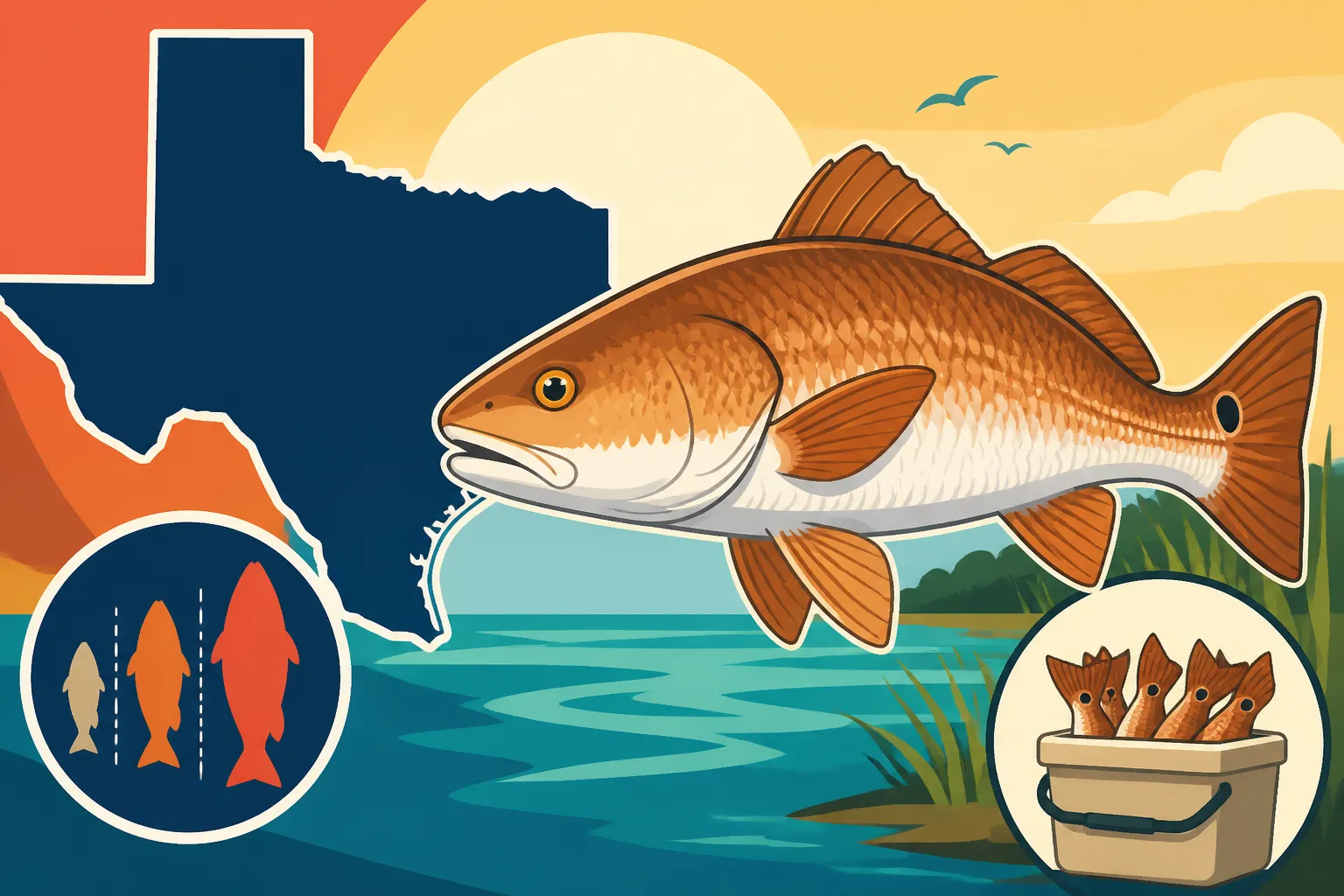
Redfish, also known as red drum, are iconic to the Texas Gulf Coast. Their bronze backs, white bellies, and tell-tale black spot (or spots!) near the tail make them instantly recognizable and a prized catch for anglers of all skill levels. They inhabit everything from shallow, grassy flats to deeper channels and nearshore reefs, making them accessible to both wade fishermen and boaters alike.
The Importance of Redfish to Texas Anglers
For many Texans, redfish fishing isn't just a hobby; it's a way of life and a significant part of coastal culture. These robust fish provide incredible sport, testing an angler's skill and patience with their powerful runs and determined fights. Beyond the thrill, redfish are also highly regarded for their culinary value, making them a popular target for those looking to bring home a delicious meal. From the expansive flats of the Laguna Madre to the murky depths of Galveston Bay, the pursuit of redfish draws thousands of anglers to the coast each year, contributing significantly to local economies through tackle shops, guide services, and tourism. When you think about Texas Saltwater Fishing Regulations, redfish are always at the forefront of the discussion because of their popularity.
Why Regulations Are Necessary for Redfish Conservation
It’s easy to get caught up in the excitement of the catch, but the reason we have these seemingly strict rules is deeply rooted in conservation. Redfish populations, like all popular game fish, can be susceptible to overfishing if not managed carefully. The Texas Parks and Wildlife Department (TPWD) implements these regulations to ensure a healthy, sustainable redfish population for future generations. Imagine a scenario where everyone kept every redfish they caught, regardless of size or quantity. It wouldn't take long for the population to dwindle, impacting not only the ecosystem but also the livelihoods and recreational opportunities of countless Texans. These limits are designed to protect spawning-age fish, allowing them to reproduce, and to manage the overall harvest, preventing depletion. It's a balance between allowing anglers to enjoy their sport and safeguarding this vital natural resource.
Decoding Texas Redfish Size Limits
Perhaps the most critical regulation to understand when targeting redfish is the size limit. This isn't just a suggestion; it's a hard and fast rule designed to protect juvenile fish and ensure that sexually mature adults have a chance to reproduce before being harvested. Get this wrong, and you could face some hefty penalties.
The Slot Limit Explained
Texas employs a "slot limit" for redfish, which means there's a specific size range within which you can legally keep a fish. Currently, the daily bag limit for red drum states that you can only retain fish that are between 20 and 28 inches in length. This is a crucial detail that often trips up new anglers. Any redfish that measures less than 20 inches from the tip of its snout to the end of its tail (with the tail compressed) must be immediately released. Similarly, any redfish that measures over 28 inches must also be released, unless you possess a special tag, which we'll discuss shortly.
The logic behind this slot limit is simple:
- Below 20 inches: These are typically juvenile fish that haven't had a chance to fully grow or reproduce. Releasing them allows them to mature and contribute to the population.
- Between 20 and 28 inches: These are often the prime eating fish and are mature enough to have reproduced at least once. This slot allows for a reasonable harvest without impacting the breeding stock too severely.
- Over 28 inches: These are typically large, mature "bull reds" or "sow reds" that are incredibly important breeders. By protecting these larger fish, the TPWD ensures that the most prolific spawners remain in the water to produce future generations. For a deeper dive, check out our guide on Texas Redfish Slot limit explained.
The One Redfish Over 28 Inches Tag
Now, here's where it gets a little nuanced. While the general rule is "no redfish over 28 inches," Texas does allow anglers to keep one redfish per annual license year that exceeds the 28-inch maximum length. This is often referred to as a "trophy" or "oversized" redfish. To legally keep such a fish, you absolutely must have a special "Red Drum Tag" or "Oversize Red Drum Tag" affixed to it immediately upon retention. This tag is issued with your annual Texas fishing license. It's a single-use tag, meaning once you've kept one oversized redfish and tagged it, you cannot keep another until the next license year (which runs from September 1 to August 31).
It's important to understand that this is a privilege, not a right, and it comes with specific responsibilities. The tag acts as a tracking mechanism for TPWD to monitor the harvest of these vital larger fish. Losing this tag or failing to affix it properly could lead to severe penalties if you're caught with an oversized redfish.
Measuring Your Catch Accurately
Proper measurement is absolutely critical to stay within the legal slot limit. A few millimeters can make the difference between a legal catch and a violation. Here’s how to do it correctly:
- Lay the Fish Flat: Place the fish on a flat surface, such as a measuring board, boat deck, or even the ground if necessary. The fish should be lying straight, not curved.
- Mouth Closed: Ensure the fish’s mouth is closed. Measure from the tip of the longest jaw.
- Tail Compressed: Gently squeeze the tail fin lobes together so that they form a straight line. This is crucial as many fish measurement errors occur here. The measurement should be taken to the absolute end of the compressed tail.
- Confirm Length: Read the measurement carefully. If it’s exactly 20 inches or exactly 28 inches, it’s legal. If it’s 19 and 7/8ths inches, it's illegal. If it's 28 and 1/8th inches, it’s oversized and requires a tag.
Having a reliable measuring device is essential. Many anglers use purpose-built measuring boards with an end stop for the mouth and clear markings. Don't rely on a flimsy tape measure that can bend or stretch. Accuracy is your best friend when it comes to complying with these limits.
Texas Redfish Daily Bag Limits
Beyond the size restrictions, you also need to be mindful of how many redfish you can keep in a single day. These "bag limits" are another vital tool for managing fish populations and ensuring everyone gets a fair shot at catching fish.
Standard Daily Limit
The standard daily bag limit for redfish in Texas is three (3) fish per person. This means that in any given 24-hour period, from midnight to midnight, you cannot retain more than three legal-sized redfish (which, as we discussed, must be between 20 and 28 inches). This limit applies whether you're fishing from a boat, pier, kayak, or wading the flats.
It's really important to distinguish between the daily bag limit and possession limit, although for redfish, they often go hand-in-hand in a practical sense. The daily bag limit refers to the number of fish you can keep in one day. The possession limit refers to the number of fish you can possess at any given time, typically after multiple days of fishing or at your residence. For redfish, the possession limit is generally twice the daily bag limit. So, if you've been on a multi-day trip and have three redfish in your cooler from Monday, you could potentially catch and keep three more on Tuesday, bringing your total possession to six. However, you can never catch and retain more than three in a single day. This is a common point of confusion for anglers, so always err on the side of caution. Remember, you also need to ensure you have a valid Texas Fishing License Requirements Explained and a Texas Saltwater Endorsement Explained to be legally fishing for these species.
Special Limits and Exemptions
While the standard daily bag limit of three redfish is pretty universal, there are a few special circumstances or rules to be aware of:
- Fishing Guides: If you are a licensed fishing guide operating a charter, you generally cannot retain the daily bag limit for yourself while acting as a guide and receiving compensation. This is to prevent guides from "doubling up" on limits and harvesting an excessive number of fish. However, this rule typically only applies to the captain of the vessel, not necessarily the paying clients. The clients themselves are each entitled to their own daily bag limit. Always confirm the most current regulations for guides, as these can be specific and subject to change.
- Youth Anglers: In Texas, youth anglers (under 17 years of age) are typically exempt from needing a fishing license to fish. However, they are not exempt from bag and length limits. If a child catches a redfish, it still must adhere to the 20-28 inch slot limit, and it counts towards their individual daily bag limit of three fish. It's a great opportunity to teach young anglers about conservation and responsible fishing practices right from the start.
- Public Fishing Piers: Some public fishing piers operate under slightly different rules, occasionally offering exemptions to the license requirement for shoreline fishing. However, these exemptions never extend to bag and length limits. If you're fishing from a pier, you still must follow the three-fish daily limit and the 20-28 inch slot. If you're interested in fishing from piers, be sure to look into Best Texas Piers for Fishing Without a Boat.
Always, and I mean always, check the current year's Texas Parks and Wildlife Outdoor Annual or their website before you head out. Regulations can be updated, and what was true last year might have changed this year. It's your responsibility as an angler to know the rules.
The Redfish Tag System and Its Nuances
We touched on the oversize red drum tag earlier, but it's such an important aspect of redfish regulations that it deserves a deeper dive. This little piece of paper, often overlooked, is your ticket to legally keeping that once-in-a-lifetime bull red.
Obtaining Your Red Drum Tag
When you purchase your annual Texas fishing license, you will typically receive a selection of tags along with it. For most saltwater anglers, this includes a "Red Drum Tag" (often labeled "Oversize Red Drum Tag"). This tag is physically attached to your paper license document or, if you bought it online, it might be a print-at-home option. You get one of these tags per license year, which runs from September 1st through August 31st.
It’s easy to stash your license and forget about those tags, but don't! They are valuable. Make sure you know where your tag is and keep it safe. If you lose your license and need to replace it, you can typically get replacement tags, but it’s an extra hassle you want to avoid. Just remember, this tag is specifically for red drum over 28 inches. It does not allow you to keep more than the daily bag limit of slot-sized fish, nor does it let you keep multiple oversized fish in a single license year.
Proper Tagging Procedures and Placement
So, you've caught that monster redfish, measured it, and it's clearly over 28 inches. Congratulations! Now, what do you do with that tag? The procedure is very specific, and following it correctly is paramount:
- Immediate Affixation: The tag must be immediately affixed to the fish as soon as you decide to retain it. "Immediately" means as soon as you've decided to keep it, not when you get back to the dock or the cleaning table. It's a common misconception that you can wait.
- Perforation: The tag has perforations. You need to tear off the correct year and month from the tag. This is important for TPWD to track harvest data.
- Placement: The tag must be affixed to the fish’s gill plate or lower jaw. There's a small hole in the tag designed for this purpose. You can use a zip tie, string, or wire to secure it. The goal is to make it visible and tamper-proof. It should be securely attached so it won't come off accidentally.
- Completion: Once affixed, the tag must remain with the fish until it reaches its final destination, whether that's your cooler, your home, or the processing plant. If you fillet the fish, the tag should remain with the carcass or the largest portion of the fillet until you are done with transport.
This might sound like a lot of steps, but it’s designed to prevent misuse and ensure accountability. It's also why many experienced anglers carry a small kit with zip ties or strong string specifically for tagging purposes.
Consequences of Improper Tagging or No Tag
Let's not sugarcoat it: the consequences of not following these regulations can be severe. Fishing without the proper license, or not adhering to bag and size limits, including the use of the oversized red drum tag, can result in significant penalties.
- Fines: You could face substantial fines. Texas wildlife violations are no joke, and they can range from hundreds to thousands of dollars depending on the severity and number of offenses.
- Confiscation: Game wardens have the authority to confiscate your catch. That prized bull red you worked so hard for could be taken away.
- License Suspension: Repeat offenses or egregious violations can lead to the suspension of your fishing license, meaning you won't be allowed to fish in Texas for a period of time.
- Criminal Charges: In some extreme cases, especially with commercial poaching or repeated, willful violations, criminal charges could be filed.
It's a lot of hassle and expense that's completely avoidable by simply knowing and following the rules. When you consider the Penalties for Fishing Without a Texas License or violating bag limits, it really drives home the importance of being fully informed. Don't let a moment of confusion ruin your fishing trip.
Best Practices for Sustainable Redfish Fishing
Beyond just following the rules, responsible anglers often adopt practices that go above and beyond the minimum legal requirements to ensure the long-term health of the redfish population. This is where personal ethics and a love for the sport truly shine.
Catch and Release Techniques for Oversized and Undersized Fish
Since you'll inevitably catch redfish that are either too small or too large (unless tagged), mastering proper catch and release techniques is essential. Your goal is to return these fish to the water in the best possible condition, giving them the highest chance of survival.
- Minimize Fight Time: While exhilarating, a prolonged fight can exhaust a fish, making it more susceptible to predators or less likely to recover. Use appropriate tackle to land fish efficiently.
- Handle Gently: Avoid touching the fish with dry hands, as this can remove their protective slime coat. If possible, keep the fish in the water while unhooking it.
- Use Barbless Hooks or De-barb: Barbless hooks are much easier to remove, reducing the time the fish is out of the water and minimizing tissue damage. You can easily de-barb a hook with a pair of pliers.
- Use a De-hooking Tool: For deeply hooked fish, a de-hooking tool allows you to remove the hook without putting your hands near sharp teeth or gills, further reducing handling time and stress on the fish.
- Support the Fish: When holding a fish for a quick photo, support its body horizontally, especially larger fish. Avoid holding them vertically by the jaw, as this can damage their spine and internal organs.
- Revive if Necessary: If a fish looks sluggish or disoriented upon release, gently hold it upright in the water, moving it back and forth to force water over its gills until it regains strength and swims away on its own.
Practicing these techniques ensures that the redfish you release have the best chance to thrive and contribute to future fishing opportunities. Many of these tools, like de-hookers and specific types of nets, can be found on sites like Amazon, making it easy to equip yourself properly.
Protecting Juvenile Redfish Habitats
The health of the redfish population starts with protecting their nurseries. Juvenile redfish, those under the 20-inch slot, spend their early lives in shallow, protected estuarine waters like seagrass beds, oyster reefs, and marsh systems. These habitats provide food and shelter from larger predators.
- Mind Your Footprint: When wading, be mindful of where you step to avoid disturbing or damaging seagrass. Propeller scars from boats can also destroy vital habitat.
- Reduce Pollution: Simple actions like properly disposing of trash, plastics, and fishing line go a long way in keeping these fragile ecosystems healthy. Microplastics and chemical runoff can severely impact young fish.
- Support Conservation Efforts: Organizations dedicated to coastal habitat restoration play a crucial role. Consider volunteering or supporting groups that work to protect and restore Texas's vital estuarine environments.
By being good stewards of these critical areas, we help ensure that there will always be a new generation of redfish growing up to eventually provide the thrill of a lifetime for anglers.
Reporting Violations and Participating in Conservation
If you witness someone violating fishing regulations, it's important to report it to the authorities. Poaching or consistent disregard for limits can severely impact fish populations that responsible anglers work hard to protect. You can discreetly contact Operation Game Thief (OGT) by calling 1-800-792-GAME (4263). This program allows you to report violations anonymously and plays a significant role in enforcing wildlife laws.
Beyond reporting, consider actively participating in conservation efforts. Many local fishing clubs and environmental organizations regularly host clean-ups, habitat restoration projects, and educational events. Being part of these initiatives is a great way to give back to the resource you love and connect with fellow conservation-minded anglers.
Beyond the Limits: Redfish Seasonality and Habits
Understanding redfish beyond just their legal limits can significantly improve your success and appreciation for this incredible species. Their behavior is often dictated by seasons and environmental factors.
Seasonal Movements and How They Affect Fishing
Redfish movements are heavily influenced by water temperature, salinity, and spawning cycles.
- Spring: As water temperatures rise, redfish become more active and start moving out of deeper wintering holes into shallower flats and marsh areas to feed. This is a fantastic time for wade fishing with artificial lures or bait. The warming waters signal an increase in their metabolism, making them more aggressive.
- Summer: During the scorching Texas summer, redfish often seek deeper, cooler water during the heat of the day. Early morning and late evening bites are generally best, or you might find them around deeper structure, passes, and guts. The sheer heat can make them lethargic, so presentation becomes key.
- Fall: This is arguably the most beloved season for redfish anglers on the Texas coast. Cooling water temperatures trigger the famous "bull red" run, where large schools of mature redfish move to the passes and nearshore waters to spawn. This is when you’re most likely to catch those oversized fish, often along jetties, surf, and deeper bay channels. Smaller slot-sized reds also become extremely active, feeding aggressively in the shallow flats to build up fat reserves for winter. Our article on How to Wade Fish for Redfish in Texas covers some great fall strategies.
- Winter: Redfish will often retreat to deeper, more stable waters like protected channels, turning basins, and deep bayous. While less active, they can still be caught on slower presentations and natural baits, especially during warmer spells or around midday. Fishing can be excellent on sunny, calm days when they warm up on dark mud flats.
Knowing these general patterns helps you target the right areas at the right time, increasing your chances of finding fish within the legal slot.
Understanding Redfish Foraging and Spawning
Redfish are opportunistic feeders with a diverse diet. They'll eat just about anything they can get their mouths around, including crabs, shrimp, mullet, shad, and even smaller game fish. Their mouths are designed for bottom-feeding, which is why you often see them "tailing" in shallow water, with their tails breaking the surface as they root around for crustaceans. Understanding their primary food sources in a given area can help you choose the most effective baits and lures.
Their spawning behavior is particularly interesting and directly relates to the oversized tag. Redfish typically spawn in the late summer and fall, primarily in the deeper passes and nearshore Gulf waters. This is when the large "bull reds" congregate. These powerful, mature fish are the future of the population, which is why the single-oversized tag and protection of the smaller slot fish are so vital. By letting the majority of these large spawners go, we ensure the continuation of the species. It's a fascinating cycle, and being aware of it makes every catch a little more meaningful. If you're keen to tell the difference between similar species, check out How to tell a redfish from a black drum or the comprehensive Texas Redfish Identification Guide.
Essential Gear for Responsible Redfish Angling
Having the right gear isn't just about catching fish; it's about fishing responsibly and within the law. From measuring devices to proper handling tools, your tackle box should be equipped for both success and compliance.
Rods, Reels, and Line for Redfish
Choosing the right setup makes a huge difference in effectively targeting and landing redfish, especially when considering catch and release.
- Rods: For slot-sized redfish, a medium-heavy spinning or baitcasting rod, typically 6'6" to 7'6" in length, is a good all-around choice. This provides enough backbone to fight powerful fish but still offers sensitivity for detecting subtle bites. For bull reds in the surf or jetties, you might step up to a heavy-action surf rod, 9-12 feet long, designed for casting heavy weights and handling stronger fish. If you're looking for specific recommendations, our guide on Best Saltwater Rods for Texas Redfish has some excellent suggestions.
- Reels: A sturdy spinning reel in the 3000-5000 size range (or a comparable baitcasting reel) is ideal for bay and flats fishing. Look for reels with good drag systems, as redfish can make powerful runs. Corrosion resistance is key for saltwater environments. Brands like Penn, Shimano, and Daiwa offer excellent options.
- Line: Braided line (15-30 lb test) is a popular choice for its sensitivity and strength, especially when paired with a fluorocarbon leader (20-40 lb test) for abrasion resistance and invisibility. The leader is crucial in clear waters and when fishing around oyster shells or docks. For detailed information, refer to Best Leader material for Redfish. Monofilament line can also work, particularly for surf fishing, but braid offers more direct contact with your lure or bait.
Tackle and Tools for Handling and Measuring
Beyond the rod and reel, a few key tools will make your redfish adventures smoother and more compliant:
- Measuring Board: As mentioned, a reliable, rigid measuring board is non-negotiable. Many are made of durable plastic or aluminum with a fixed stop for the fish's nose and clear, indelible markings. You can find a wide variety of accurate and durable options on Amazon. Having this on your boat or in your wade fishing setup ensures you can quickly and accurately measure every fish.
- Pliers/De-hooker: Long-nose pliers or a specialized de-hooking tool are essential for safely removing hooks, especially from toothy fish or deeply-hooked specimens. This minimizes stress on the fish and protects your fingers. Many excellent models are available from brands like Rapala or Berkley on Amazon.
- Fish Grips/Net: While some anglers prefer to handle redfish by hand, a good pair of lip grips (like a BogaGrip or similar) allows you to securely hold the fish without touching its body, reducing slime coat removal. A rubberized landing net is also a great investment, as it's much gentler on the fish's scales and slime than traditional nylon nets. Both are readily available through retailers on Amazon.
- Tagging Kit: If you plan on trying for an oversized redfish, keep a small, waterproof pouch with your Red Drum Tag and a few heavy-duty zip ties or strong cord. This ensures you're ready to tag your catch immediately and correctly.
- Cooler: A good cooler is essential for keeping your legal catch fresh, especially in the Texas heat. Ensure it’s large enough to accommodate your daily limit of redfish.
By assembling this essential gear, you're not just preparing for a successful trip, but also for a responsible one that respects the fish and the regulations designed to protect them.
Disclaimer
The information provided in this guide is for general informational purposes only and is subject to change. Texas fishing regulations are established by the Texas Parks and Wildlife Department (TPWD) and can be updated annually or more frequently. It is the angler's sole responsibility to consult the most current official TPWD Outdoor Annual or website to ensure full compliance with all applicable fishing licenses, endorsements, bag limits, length limits, and any other specific rules before engaging in fishing activities. Failure to do so may result in penalties.