How to Catch Crappie in Cold Water
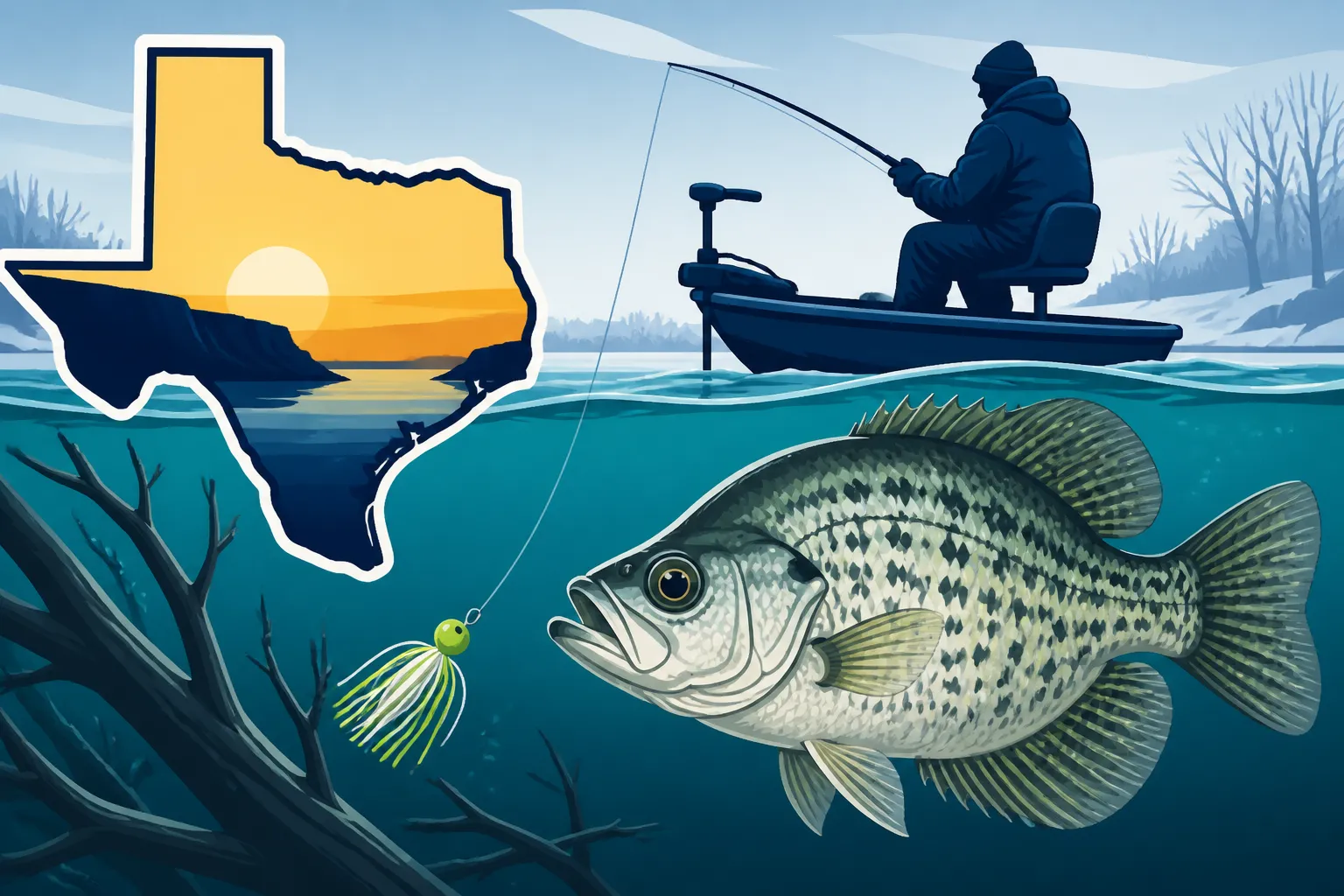
There’s a common misconception that crappie fishing shuts down once the Texas chill truly settles in. Many anglers pack up their gear, resigning themselves to a long wait until spring, frustrated by the lack of bites they experienced on colder days. But I'm here to tell you that winter crappie fishing isn't just possible; it can be incredibly rewarding, often yielding some of the biggest slabs of the year if you know how to adapt. This guide is dedicated to unlocking the secrets of catching crappie in cold water, helping you navigate the unique challenges of a Texas winter and put more fish in your boat or on your bank.
The Chill of Winter: Understanding Crappie in Cold Texas Waters
When the water temperature plummets, crappie don't just disappear; they simply change their habits drastically. Understanding these shifts in behavior is the first step to consistently finding and catching them throughout the colder months. It's a whole different ballgame than the fast-paced action of spring or summer, requiring patience and a keen eye for subtle clues.
Crappie's Cold-Blooded Nature and Metabolism
Like all fish, crappie are cold-blooded creatures, meaning their body temperature mirrors that of the surrounding water. When the water gets cold, their metabolism slows down significantly. Think of it like a bear going into hibernation, just not quite as extreme! This metabolic slowdown directly impacts their activity levels, feeding patterns, and where they choose to spend their time. They become far less active, conserving energy, and their need to feed isn't as constant or aggressive as it is in warmer water.
What this means for us anglers is that we can't expect them to chase down baits with the same vigor. A fast retrieve or erratic action that worked wonders in July will likely be ignored in January. They need to expend minimal energy to catch their prey, so your presentation has to cater to that lethargic state. This is why you'll often hear experienced winter crappie anglers talk about "finesse" techniques – delicate, slow, and precise movements that put the bait right in front of a crappie's nose, practically daring it not to bite. It's a game of inches, and understanding this metabolic shift is foundational to your success.
Where to Find Crappie When the Mercury Drops
As temperatures drop, crappie generally seek out the most stable water conditions they can find. This usually means moving deeper. Shallow coves and flats that were teeming with fish in warmer months will often be deserted in winter. Crappie migrate to deeper parts of the lake where water temperatures are more consistent and less susceptible to rapid fluctuations from cold fronts or warming trends. They are looking for thermal stability, even if it's just a few degrees warmer than the surface.
You'll typically find them congregating around specific types of structure or cover in these deeper areas. Submerged timber, brush piles, rock ledges, creek channels, bridge pilings, and even old roadbeds are all prime real estate for winter crappie. These features provide ambush points, protection from predators, and often hold baitfish, which crappie will leisurely pick off as hunger dictates. They tend to school up much tighter in winter, so when you find one, you've often found a whole group. This schooling behavior is both a challenge and an opportunity; difficult to locate, but incredibly rewarding when you hit the jackpot. Many seasoned anglers keep detailed maps or GPS waypoints of these underwater features, knowing they'll be hotspots year after year. For more on finding these fish, check out our guide on How to Find Crappie in the Winter.
Gearing Up for Cold Water Crappie Success
Successfully catching crappie in cold water demands a specific approach to your tackle. You can’t just use your everyday bass rig and expect the same results. Precision, sensitivity, and the ability to present small baits effectively are paramount. Investing in the right tools will dramatically increase your chances of success and make those frigid days much more productive.
The Right Rod, Reel, and Line for Finesse
When it comes to cold water crappie, finesse is the name of the game, and your rod, reel, and line are your primary tools for achieving it. You'll want a very light, sensitive rod, typically in the 5 to 7-foot range, with a fast action tip. This sensitive tip allows you to detect the incredibly subtle bites that lethargic crappie often deliver – sometimes it feels no more than a slight tick or the line going slack. The light power helps absorb the fight of these delicate-mouthed fish without tearing the hook out. For many, a good ultralight spinning rod is the go-to, as it handles light lines and small baits with ease. You can often find excellent options from brands like Ugly Stik or St. Croix on platforms like Amazon, perfectly suited for this style of fishing.
Pair that sensitive rod with a small, lightweight spinning reel, usually in the 1000 or 2000 series. A smooth drag system is crucial, especially when using light line, to prevent break-offs when a big slab decides to make a run. For line, stick with something light: 4 to 6-pound test monofilament or fluorocarbon. Monofilament offers a bit more stretch and shock absorption, which can be forgiving with crappie's soft mouths, while fluorocarbon offers greater sensitivity and less visibility underwater. Some anglers prefer braided line for its extreme sensitivity, often pairing it with a fluorocarbon leader for stealth. Whatever your choice, remember that light line allows your tiny baits to move naturally and helps with deeper presentations without excessive drag. Learn more about optimal choices in our Best Rods for Texas Crappie Fishing article.
Baits and Lures That Tempt Lethargic Fish
Cold water crappie are finicky eaters, so your bait selection needs to be spot-on. Live bait is often king in these conditions because it provides natural scent and subtle movement that even the most sluggish crappie can't resist. Small minnows, especially fathead or crappie minnows, are incredibly effective. Hook them lightly through the lips or just behind the dorsal fin to keep them lively. Presenting them under a small bobber or on a simple drop-shot rig can be deadly.
When it comes to artificial lures, small jigs are your best friend. Sizes ranging from 1/32 to 1/16 ounce are standard, but don't shy away from even smaller 1/80 or 1/64 ounce jigs on extremely tough days. Jig heads with bright colors like chartreuse, pink, or orange can provide an extra visual attractant, especially in murky water. Pair these jig heads with soft plastic bodies in various shapes and colors – tiny tubes, grubs, curly tails, or small minnow imitators. Natural colors like clear, smoke, or shad patterns often work well in clear water, while brighter colors excel in stained conditions. The key is slow, subtle movement. Tip your jig with a piece of a Berkley PowerBait crappie nibbler or a small piece of minnow for added scent and appeal. You can find a vast array of these specialized jigs and plastics on Amazon. For an even deeper dive into lure selection, check out our guide on Best Crappie Jigs for Texas Lakes.
Leveraging Technology to Locate Schools
In cold water, crappie often school up tightly and hold in specific, deep locations. This makes finding them a monumental task without the right technology. A good fish finder is arguably the most crucial piece of equipment for winter crappie anglers. Traditional 2D sonar can help you identify depth changes, brush piles, and even large schools of baitfish or crappie themselves, appearing as distinct arches or clouds on your screen. DownScan and SideScan imaging offer even more detail, allowing you to see submerged structure and fish with photo-like clarity, making it easier to determine if that blob on the screen is indeed a fish-holding brush pile.
However, the real game-changer for many winter crappie anglers has been forward-facing sonar, like Garmin LiveScope or Humminbird Mega Live. This technology allows you to see in real-time what's happening directly in front of and around your boat. You can spot individual crappie, watch them react to your bait, and even see if they're coming over to investigate. This takes much of the guesswork out of cold water crappie fishing, allowing for incredibly precise presentations and drastically cutting down the time spent searching. While a significant investment, the ability to "see" the fish and their reactions transforms the experience, making every cast count. Even a basic fish finder will give you an edge, helping you map depths and locate submerged structure that would otherwise remain hidden. For more on maximizing your electronics, check out our article on Best Fishing Electronics for Texas Anglers.
Mastering Cold Water Crappie Techniques
Once you understand how crappie behave in cold water and you've got the right gear, it's time to learn the techniques that will put those fish in your livewell. These methods emphasize slow, precise presentations designed to coax lethargic crappie into biting. Forget speed; think stealth and patience.
The Art of Vertical Jigging and Dropping
Vertical jigging is perhaps the most direct and effective method for cold water crappie, especially when they are schooled tightly around specific submerged structures like brush piles, standing timber, or bridge pilings. The technique is simple in concept: position your boat directly over the fish or structure you've identified with your electronics, and drop your bait straight down. The "art" comes in the presentation. Remember, these crappie are slow-moving, so your jigging motion should be equally subtle.
Instead of aggressive jerks, think tiny lifts and falls. A slow raise of just a few inches, followed by an even slower fall, is often all it takes. Let the bait pause frequently. Sometimes, simply holding the bait perfectly still at the exact depth of the crappie is the most effective approach. This is where your sensitive rod and light line become invaluable, allowing you to feel even the slightest "thump" or detect when a crappie has simply inhaled the bait and is now swimming off with it. Pay close attention to your line; often, a bite will manifest as the line going slack or twitching sideways. Experiment with different depths within the school and different jig colors until you find what triggers a bite.
Slow Trolling and Spider Rigging for Efficiency
When crappie are dispersed over a larger area, or you're trying to cover more water to locate schools, slow trolling or "spider rigging" can be incredibly productive. This technique involves using multiple rods (often 4-8 or more, resembling a spider's legs, hence the name) extended out from the front or sides of the boat. Each rod is rigged with a different bait or jig, often at varying depths. You then motor slowly, typically less than 1 mph, allowing your baits to cover a wide swath of water.
Spider rigging is particularly effective for presenting live minnows or small jigs to scattered crappie in creek channels, along ledges, or over submerged flats. The slow movement allows the baits to suspend naturally and gives sluggish crappie ample time to inspect and decide to strike. Many anglers use rod holders to keep their lines evenly spread and at the desired depth. You might have some jigs barely off the bottom, others suspended midway, and some closer to the surface. When a rod tip dips, you know you've found them. This method works well on larger Texas reservoirs like Lake Fork or Sam Rayburn where crappie might be spread out along extensive creek beds.
Targeting Cover with Dock Shooting and Pitching
For anglers targeting crappie that relate to docks, marinas, or overhanging cover, dock shooting and pitching are essential cold water techniques. Dock shooting involves using the rod's flex to "shoot" a small jig far back under docks, boats, or other low-hanging structures where crappie often seek shelter and stable water. You hold the jig between your fingers, pull back on the line, bend the rod, and then release the jig, allowing the rod's spring to propel it horizontally into tight spots. This is a skill that takes practice but can be incredibly rewarding.
Pitching is a similar, slightly less aggressive technique where you gently lob or flip a jig into specific spots under cover. Both methods are about getting your bait into areas that are difficult to reach with conventional casting, which are often untouched havens for crappie. Once your bait is in the target zone, let it slowly sink, watching your line for any signs of a bite. Work the jig with subtle twitches or a slow retrieve, pausing often. These techniques are fantastic for urban lakes or areas with lots of boat docks, providing cover and depth stability that crappie adore during colder weather.
Top Texas Spots and Strategies for Winter Crappie
Texas is a vast state with incredible fishing opportunities, and even in winter, there are numerous lakes and reservoirs that shine for crappie. Knowing where to go and what specific features to look for will save you countless hours of fruitless searching.
Premier Texas Lakes for Cold Water Crappie
Texas boasts several lakes renowned for their winter crappie fishing. These bodies of water consistently produce because they offer the deep, stable water and abundant structure that crappie seek in colder months.
- Lake Fork: While famous for its trophy bass, Lake Fork is also a crappie powerhouse. Its extensive submerged timber and deep creek channels are magnets for schooling crappie during winter. Anglers often find success vertical jigging around the numerous brush piles and standing timber.
- Toledo Bend Reservoir: Straddling the Texas-Louisiana border, Toledo Bend is another giant that offers fantastic cold water crappie action. Its vastness means there's always a productive area, with deep river channels and countless brush piles holding fish. Spider rigging is a popular technique here.
- Lake Sam Rayburn: Known as "Big Sam," this East Texas lake consistently ranks among the best for crappie. Like Fork, it has a lot of timber and creek systems that stack up crappie in winter. Locating the deepest brush piles near creek bends is often the key.
- Lake Livingston: This expansive lake on the Trinity River is excellent for both white and black crappie. The main river channel, standing timber, and bridge pilings (especially under the US-190 bridge) are winter hotspots. Its size ensures plenty of spots to explore, and you can often find good numbers of fish.
- Cedar Creek Reservoir: Located near Dallas, Cedar Creek is a popular spot that also offers solid crappie fishing. Its many docks, marinas, and submerged structures provide ample winter habitat. Dock shooting can be particularly effective here.
These lakes, and many others across Texas, have established reputations, but remember that conditions can change. Always check the latest How to Read a Texas Lake Fishing Report before heading out, as local guides and anglers will often share recent patterns and productive areas.
Identifying Productive Winter Structure and Cover
Even on the best lakes, you need to know what to look for. Crappie in cold water are slaves to structure and cover, specifically features that offer depth, protection, and a stable environment.
- Deep Water Brush Piles: These are perhaps the most classic winter crappie attractors. Crappie will huddle together inside and around these submerged brush piles. Using your fish finder to locate them and then precisely dropping jigs or minnows into the center is a top strategy.
- Standing Timber: Lakes like Lake Fork and Sam Rayburn are full of flooded trees. Crappie will suspend at various depths within the branches, often relating to the trunk or denser limbs. Vertical jigging or dropping minnows alongside these trees is highly effective.
- Creek and River Channels: These are underwater highways for crappie, especially where they intersect with submerged humps, ledges, or old roadbeds. Crappie will often stage on the edges of these channels or in deeper holes within them.
- Bridge Pilings and Marina Docks: Man-made structures often provide excellent vertical cover and depth. The pilings of large bridges can hold crappie from top to bottom, and the deep shade and cover offered by marina docks are irresistible. Dock shooting or carefully vertical jigging around these features can yield great results.
- Rock Piles and Ledges: Rocky bottoms retain heat better than mud, and rock piles or sharp ledges offer excellent ambush points and protection. These can be particularly good after a brief warming trend.
The key is to spend time scouting with your electronics to identify these features and then work them thoroughly. Remember, crappie will often be suspended at a specific depth within or above the structure, so pay close attention to your fish finder and adjust your bait depth accordingly.
Adapting to Texas Winter Weather and Safety
Texas winters, while often milder than those further north, can still throw some serious curveballs. From unexpected cold fronts to brisk winds, the weather can dramatically impact both crappie behavior and angler safety. Being prepared is not just about catching fish, it's about making sure you get home safely.
How Cold Fronts Impact Crappie Behavior
Texas is famous for its sudden weather shifts, and cold fronts are a prime example. One day it might be a pleasant 60 degrees, and the next, a blue norther blows through, dropping temperatures by 30 degrees overnight. These rapid temperature drops, often accompanied by strong winds and high pressure, can send crappie into an even deeper state of lethargy. Just before a cold front hits, crappie often experience a feeding frenzy. The falling barometric pressure seems to trigger them to feed aggressively, making it a prime time to be on the water.
However, once the front passes and the high-pressure system settles in, fishing can become incredibly tough. Crappie will often move even deeper, become less active, and tighten their schools further. They'll also be less willing to chase baits. During these post-front conditions, you need to slow down your presentation even more, use smaller baits, and focus on putting your lure directly in front of their faces. Think about it: if you were feeling sluggish and weren't very hungry, you wouldn't chase down a meal. You'd want it delivered right to you. The same applies to crappie. Patience and persistence are crucial during these challenging periods. For more insights on this, you can look into How Wind Affects Bass Fishing on Texas Lakes, as some principles apply to crappie too.
Essential Safety Tips for Winter Angling
Fishing in cold weather, especially from a boat, presents unique safety challenges. The primary concern is hypothermia, which can set in quickly if you get wet in cold temperatures. Always dress in layers, opting for synthetic or wool materials that retain warmth even when damp. Avoid cotton. Wear a waterproof outer layer to protect against wind and spray. A warm hat and gloves are also essential, as much heat is lost through your head and extremities.
Always wear a personal flotation device (PFD), even if you're an experienced swimmer. Cold water immersion can quickly incapacitate you, making it impossible to swim. Ensure your boat is in excellent working condition, especially your motor and electronics. Carry extra warm clothes in a waterproof bag, a fully charged cell phone, a first-aid kit, and plenty of hot beverages and high-energy snacks. Inform someone of your float plan – where you're going and when you expect to return. Texas winters can be beautiful on the water, but they demand respect. Never underestimate the dangers of cold water. If you're planning a boat trip, remember to check Texas Boat Safety Equipment Requirements.
Crappie Fishing in Cold Water: A Quick Reference
Here's a handy overview of the key strategies for catching crappie when the water gets cold in Texas:
| Category | Key Strategy | Specifics & Tips | Gear Recommendations |
|---|---|---|---|
| Location | Deep, Stable Water | Look for creek channels, brush piles, standing timber, bridge pilings (15-30+ ft) | Fish finder (2D, SideScan, Forward-Facing Sonar) |
| Metabolism | Slow & Lethargic | Crappie conserve energy, won't chase aggressively. Bites are subtle. | Sensitive rod, light line (4-6 lb test) |
| Presentation | Slow, Subtle, Precise | Vertical jigging, slow trolling, dock shooting. Put bait in their face. | Light jigs (1/32-1/16 oz), small minnows, crappie nibblers |
| Bait/Lures | Small & Appealing | Small minnows are often best. Tiny soft plastics, tubes, grubs, curly tails. | Assorted small jigs, minnows, PowerBait crappie nibblers |
| Retrieve | Minimal Movement | Tiny lifts & falls, long pauses, holding still at depth. Watch your line closely. | Ultralight rod, small spinning reel with smooth drag |
| Weather | Adapt to Conditions | Post-cold front: even slower, smaller baits. Pre-front: aggressive feeding. | Layers of warm clothing, waterproof outer shell |
Disclaimer
Fishing regulations, license requirements, and local conditions can change. Always consult the latest Texas Parks and Wildlife Department (TPWD) regulations before heading out on the water. This guide is for informational purposes only and does not constitute legal advice.