How to fish for stocked trout in winter
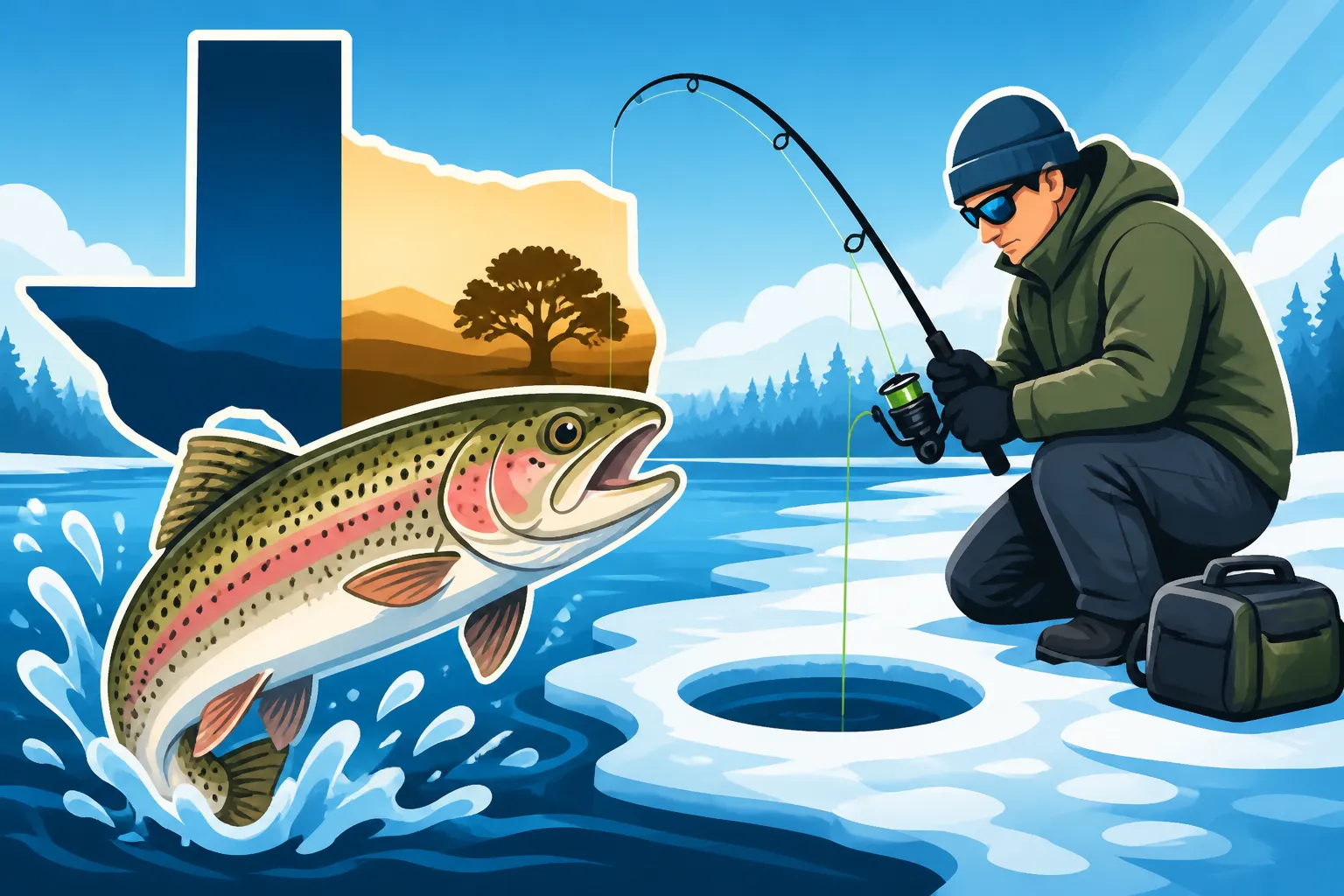
There's a special kind of chill in the air during a Texas winter, and while many anglers might be thinking about packing up their gear, a dedicated few know it's prime time for something a little different: trout fishing. If you've ever felt that frustration of trying to find good winter fishing when the bass bite slows, or wondered how those beautiful rainbow trout suddenly appear in our lakes, you're not alone. This comprehensive guide is here to unravel the mystery and help you master the art of catching stocked trout in the cooler months, turning those chilly days into rewarding angling adventures.
When Winter Brings Trout: Understanding Texas Stocking Programs
For many Texans, the idea of catching trout feels like something reserved for mountain streams out West. But here in the Lone Star State, we get a fantastic opportunity to chase these beautiful, feisty fish thanks to thoughtful stocking programs. It’s a wonderful change of pace from our usual bass and catfish pursuits, and it makes winter fishing incredibly exciting.
Why Texas Stocks Trout in Winter
The reality is, our Texas waters simply get too warm in the summer for rainbow trout to survive long-term. They're cold-water fish, and once the mercury climbs, even our deeper lakes become unsuitable. That's where the Texas Parks and Wildlife Department (TPWD) comes in with their brilliant seasonal stocking program. They bring in millions of rainbow trout each year, primarily from hatcheries, and release them into lakes, ponds, and even some rivers across the state. It's a "put-and-take" fishery, meaning they're put in for us to catch and enjoy, knowing they won't make it through the heat of summer.
This program provides a unique opportunity for anglers of all ages and skill levels to experience trout fishing without traveling far from home. It's especially fantastic for introducing kids to fishing, as trout are often quite eager to bite. Plus, who doesn't love a fresh trout dinner? It breaks up the monotony of the colder months when other species might be less active, giving us a reason to get out there and enjoy the crisp air. It's a true winter treat for Texas anglers!
Finding Stocked Locations and Schedule Updates
The million-dollar question for any aspiring winter trout angler is, "Where do they put them, and when?" Thankfully, TPWD makes this information readily available, which is crucial for planning your trips. They typically stock trout from late November through early March, aiming for locations that are easily accessible to the public, including community ponds, state parks, and larger lakes. You don't want to show up to an empty lake, right? That's why checking the stocking schedule is your first and most important step.
You'll often find that many urban and suburban parks participate in the Neighborhood Fishin' Program, making it super convenient to find a trout-filled pond close to home. Larger reservoirs might see stockings in specific areas, especially near cooler water sources or public access points. For those who enjoy a true stream experience, portions of the Guadalupe River also receive significant trout stockings, offering a completely different kind of challenge for fly anglers and spin-fishermen alike. Knowing When does Texas stock rainbow trout is key, so always check the official TPWD website for the most up-to-date schedule and specific locations. They'll tell you exactly which waters are getting fish, and often the dates, so you can plan your visit around a fresh stocking!
Essential Gear for Chasing Winter Trout
Don't let the idea of trout fishing intimidate you into thinking you need a whole new arsenal of expensive gear. While specialized fly fishing tackle has its place, you can absolutely get into winter trout fishing in Texas with gear you might already own or acquire relatively easily. The key is to think light and sensitive.
Light Tackle for Finesse Fishing
When it comes to rainbow trout, finesse is the name of the game. These fish aren't usually massive, and they can be quite line-shy, especially in clearer, colder waters. So, ditch the heavy bass rods and thick lines.
- Rods and Reels: A light to ultralight spinning rod, typically 5 to 6.5 feet long, paired with a small spinning reel (size 1000 or 2000) is absolutely perfect. This setup allows for sensitive feel, delicate presentations, and a lot more fun when fighting a smaller fish. Many anglers already have such a setup for panfish or crappie. If you're looking to upgrade, you can find excellent options for Best Rods for Texas Anglers and Best Fishing Reels for Texas Anglers on sites like Amazon, with plenty of affordable choices that won't break the bank.
- Line: Spool your reel with 4 to 6-pound test monofilament or fluorocarbon line. Monofilament is more forgiving with stretch, while fluorocarbon is virtually invisible underwater and has less stretch for better feel. Some anglers even use a braided main line with a fluorocarbon leader for maximum sensitivity and strength, but for most stocked trout scenarios, straight mono or fluoro will do just fine. Remember, trout have good eyesight, so lighter line often means more bites.
The Right Baits and Lures to Entice Trout
Trout are opportunistic feeders, and stocked trout, in particular, are often quite eager to bite. The key is to offer something they recognize or find irresistible. You’ll want a mix of natural baits and artificial lures in your tackle box.
- Natural Baits:
- PowerBait: This is the undisputed champion for stocked trout. The dough-like bait, especially in bright colors like chartreuse, orange, or rainbow, is incredibly effective. Mold it around your hook to float just off the bottom.
- Corn: Believe it or not, canned corn is a fantastic, cheap, and readily available trout bait. A few kernels on a small hook can be deadly.
- Worms: Small pieces of nightcrawlers or mealworms/wax worms are natural choices that trout find appealing.
- Shrimp: Small pieces of cooked shrimp can also be very effective, especially in community ponds.
- Artificial Lures:
- Spinners: Small inline spinners (like Rooster Tails or Mepps) in sizes #0 to #2 are classic trout getters. Gold, silver, and bright colors work well.
- Spoons: Tiny casting spoons (like Kastmasters or Little Cleos) can imitate baitfish and flash enticingly.
- Jigs: Small marabou jigs, grub jigs, or even tiny soft plastics (like Berkley Gulp! Alive! Minnows or maggots) fished under a bobber or slowly retrieved can be deadly.
- Flies: For fly anglers, traditional trout flies like Woolly Buggers, San Juan Worms, or various nymphs can be incredibly effective, especially on the Guadalupe River. If you're looking for Best flies for Guadalupe River trout, there are many local fly shops that can give you the current hot patterns.
Experiment with different baits and lures until you find what the fish are hitting on that particular day. It can make all the difference! If you're putting together your Beginner Fishing Gear Checklist for Texas, definitely stock up on a variety of these options.
Keeping Warm and Comfortable on the Water
Winter fishing in Texas, especially in the early mornings, can be surprisingly chilly. While we don't always deal with ice, cold winds and damp conditions can quickly cut a fun trip short if you're not prepared. Comfort is key to staying out longer and enjoying your time.
- Layer Up: The old adage holds true: layers, layers, layers. Start with a moisture-wicking base layer, add an insulating mid-layer (fleece or down), and top it with a waterproof and windproof outer shell. You can always shed layers if it warms up, but it's tough to get warm if you start cold.
- Head, Hands, and Feet: These are your critical extremities. A warm hat, insulated gloves (or fingerless gloves for dexterity), and wool socks are non-negotiable. For those serious about river fishing, Best waders for the Guadalupe River in Winter can keep you dry and comfortable even when standing in cold water for hours.
- Hot Drinks and Snacks: A thermos of coffee, tea, or hot chocolate can be a lifesaver, warming you from the inside out. Pack some high-energy snacks too to keep your metabolism going.
- Portable Heater (Optional): If you're fishing from a boat or a stationary spot on the bank, a small, portable propane heater can make a world of difference in staying toasty. Just make sure to use it safely and with proper ventilation. Staying comfortable helps you focus on the fishing, not the shivers!
Proven Techniques for Catching Stocked Rainbow Trout
Catching stocked trout isn't usually rocket science, but having a few techniques up your sleeve will definitely increase your success rate. These fish are generally hungry and eager to bite, but presentation can still make a huge difference.
Still Fishing: The Patience Game
Still fishing, often called "bottom fishing" or "float fishing," is probably the most common and effective method for stocked trout, especially for beginners or when fishing in ponds and calmer lake areas. It's about presenting your bait directly in the fish's feeding zone and letting them come to you.
- Bottom Rigging: This is the go-to for PowerBait and corn. Use a small egg sinker (1/8 to 1/4 ounce) above a small swivel, then a 12-18 inch fluorocarbon leader tied to a small treble hook (size 10-14) or a single salmon egg hook (size 8-10). Mold your PowerBait around the hook, covering it completely, so it floats up off the bottom. Trout often cruise the bottom looking for food, and this presents your bait perfectly in their strike zone.
- Under a Bobber: For suspended trout or when fishing in slightly deeper water, a bobber rig is excellent. Attach a small bobber to your line, usually 2-4 feet above a small split shot weight and a size 10-12 hook. You can use corn, a small piece of worm, or PowerBait nuggets. The bobber acts as a visual strike indicator and keeps your bait at a consistent depth. It’s particularly effective when trout are schooling at a specific level, or when fishing from a pier or bank where you want to keep your bait away from the very bottom structure. It's a fantastic technique for kids, too, as watching that bobber dip is pure excitement!
Casting and Retrieving: Active Presentations
Sometimes, trout want a moving target. Actively casting and retrieving lures allows you to cover more water and mimic natural prey, often triggering a predatory instinct in the trout.
- Spinners and Spoons: These are bread and butter for active trout. Cast your small spinner or spoon out, let it sink for a few seconds (adjusting for depth), and then retrieve it steadily. Vary your retrieve speed – sometimes they want it fast, other times a slow, methodical retrieve with pauses is more effective. The flash and vibration of these lures are incredibly attractive to trout. Try gold, silver, or bright chartreuse colors. Brands like Mepps and Rooster Tail are popular choices and readily available on sites like Amazon.
- Small Jigs: Tiny jigs, especially those with marabou or soft plastic bodies, can be fished in a couple of ways. You can cast them out and retrieve them with a steady slow retrieve, or you can use a "lift and drop" retrieve, imitating a wounded baitfish or an insect falling through the water column. Adding a tiny bit of PowerBait or a mealworm to the jig hook can make it even more irresistible. This technique is often effective when trout are a bit more spread out or when they're not committing to stationary baits.
Reading the Water: Where Trout Hold in Winter
Just like any other fish, trout have preferences for where they hang out. Learning to "read the water" will significantly improve your chances of success. Since these are stocked fish, they might behave a little differently than wild trout, but some principles still apply.
- Proximity to Stocking Points: Initially, trout tend to congregate near where they were stocked. If you know the stocking point, start there and fan cast the area.
- Structure and Cover: Look for any kind of structure that might offer shelter or a current break. This could be submerged brush piles, rocky areas, points, drop-offs, or even concrete structures like bridge pilings or culverts. While they don't necessarily "hide" like a bass, these spots can offer slightly different water temperatures or current flows that appeal to them.
- Deep Pockets and Drop-offs: In colder weather, fish often seek out the slightly warmer, more stable temperatures found in deeper water. Look for areas where the bottom drops off, as trout might hold along these edges. In community ponds, this could be the deepest part of the pond or near aeration fountains.
- Current (Rivers): If you're fishing a river like the Guadalupe, trout will position themselves in current breaks behind rocks, logs, or in slower eddies where food is washed to them without expending too much energy. Understanding how to interpret river currents is crucial for success here. When visiting the Guadalupe River Trout Fishing Guide, you'll learn how to identify these key holding areas. Remember, fish conserve energy in cold water, so they'll be in spots where food comes to them.
Beyond the Catch: Handling and Keeping Your Trout
Once you've hooked a beautiful rainbow trout, the adventure isn't over. Proper handling ensures the fish remains healthy if you choose to release it, or that your catch is delicious if you decide to take it home for dinner. Remember to check Texas Freshwater Fishing Regulations for specific bag and length limits before you head out, and always have your Texas Fishing License Requirements Explained in order. You wouldn't want to get a ticket over something so preventable!
Responsible Angling and Release
Many anglers enjoy the fight and the thrill of the catch, opting to release their trout. Practicing catch-and-release properly is vital for the fish's survival, even in a "put-and-take" fishery where their lifespan is inherently limited by water temperature.
- Minimize Handling: The less you handle the fish, the better. Try to keep it in the water as much as possible. Wet your hands before touching the fish to protect its delicate slime coat, which is its primary defense against disease.
- Use Barbless Hooks: Consider pinching down the barbs on your hooks. Barbless hooks make removal much easier and cause less damage to the fish's mouth. You can still hold a fish on a barbless hook, just keep the line taut!
- Quick Hook Removal: Use needle-nose pliers or a de-hooking tool to quickly remove the hook. If the fish is deeply hooked, it’s often best to cut the line as close to the hook as possible, as attempting to dig out a deep hook can cause more harm.
- Revive Carefully: If the trout seems lethargic, hold it gently in the water, facing into the current (if any), and allow water to flow over its gills until it swims away strongly on its own. Don't just toss it back; make sure it's ready. This is particularly important with colder water as fish can take longer to recover.
Keeping Your Catch Fresh and Delicious
For many, part of the joy of catching trout is the delicious meal that follows. Freshly caught rainbow trout are a culinary delight, and keeping them fresh from the moment they're caught until they hit your kitchen is paramount.
- Cooler and Ice: This is non-negotiable. Have a cooler filled with ice ready. As soon as you decide to keep a fish, dispatch it humanely and immediately place it on ice. This cools the fish rapidly, preserving its flavor and texture. A dedicated fishing cooler that seals well is ideal; you can find excellent choices for Best Coolers and Live Wells for Texas Fishing on Amazon or at any sporting goods store.
- Bleeding the Fish: For the absolute best taste, consider bleeding your trout. Immediately after catching, cut the gills or sever the artery just behind the pectoral fins (on the underside). Allow the fish to bleed out in a bucket of water or directly onto the ice (if you don't mind a little mess). This removes blood from the flesh, resulting in a cleaner, milder flavor.
- Cleaning Promptly: While they can keep on ice for a day or two, cleaning your trout as soon as you get home is always best. Remove the guts, rinse thoroughly, and pat dry. You can then cook them fresh, or wrap them tightly and freeze them for later enjoyment.
Fishing for stocked trout in Texas during the winter is a fantastic way to extend your angling season and enjoy a different kind of challenge. With the right gear, a bit of patience, and these techniques, you'll be bringing home fresh trout dinners and making lasting memories on the water in no time. So, embrace the cooler weather, grab your gear, and get ready to enjoy some truly unique Texas fishing!
Disclaimer
This article is for general informational purposes only and does not constitute professional advice. Laws, prices and regulations vary by location and change over time. Consult a qualified professional for guidance on your specific situation.