Guadalupe River Trout Fishing Guide
Ah, the Guadalupe River. For many Texas anglers, it's a bit of a miracle, a true cold-water oasis in a state known more for its scorching summers and big bass lakes. But chasing trout here isn't like fishing just anywhere else in Texas; it comes with its own set of challenges, from understanding the unique tailwater conditions to navigating access and regulations. If you've ever felt a bit overwhelmed trying to figure out how to successfully target those elusive rainbows and brown trout in the Guadalupe, you're in the right place. This guide is all about demystifying the Guadalupe River trout fishing experience, ensuring you're prepared for a rewarding day on the water.
Why the Guadalupe River is Unique for Trout Fishing
When most folks think of trout fishing, they picture snow-capped mountains or crisp, clear streams far to the north. Texas, with its typically warm climate, doesn't exactly spring to mind. Yet, the Guadalupe River, particularly the stretch below Canyon Lake Dam, is an anomaly, a true cold-water fishery right in the heart of the Hill Country. It's a special place, and understanding what makes it so unique is key to appreciating and successfully fishing it.
Tailwater Fishery Magic
The secret to the Guadalupe's trout fishery lies in its designation as a "tailwater." This simply means it's the section of a river directly downstream from a dam. In our case, it's the mighty Canyon Lake Dam that creates this magic. Here's how it works: the dam releases cold water from the bottom of Canyon Lake. This deep lake water remains consistently chilly, even during the hottest Texas summers, creating a thermal refuge that allows trout to not just survive, but thrive. Without this constant flow of cold water, the Guadalupe would be far too warm for trout, relegating it to a seasonal, put-and-take fishery at best. Instead, we have a unique, year-round trout habitat. This consistent cold flow also means the river's character changes less drastically with surface air temperatures, offering more predictable conditions for trout compared to freestone streams that warm and cool rapidly.
Trout Species You'll Encounter
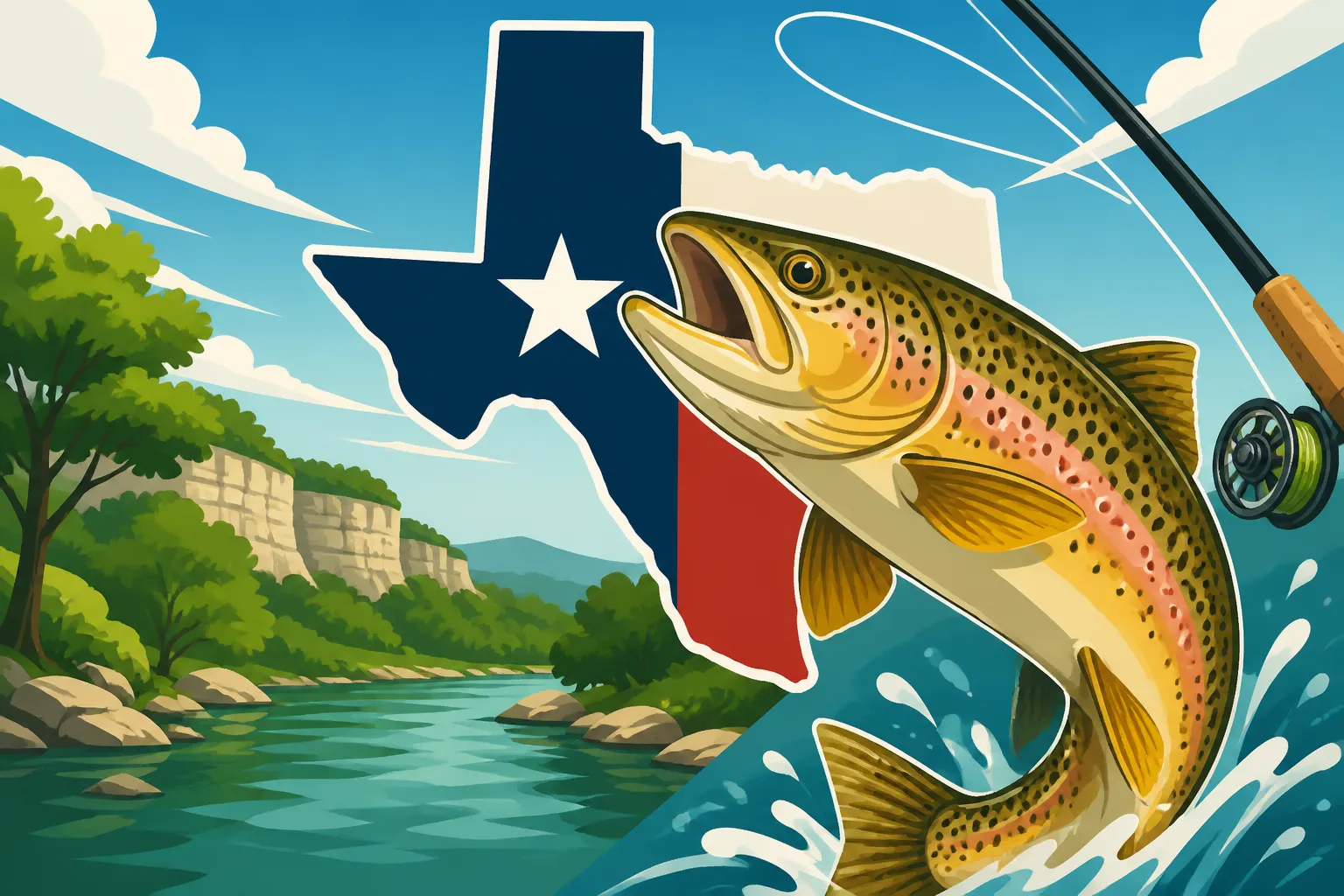
While the Guadalupe River is primarily known for its rainbow trout, you might be surprised to learn that brown trout also call these waters home. Rainbow trout are the bread and butter of the Texas Parks and Wildlife Department's (TPWD) stocking program, which is essential for maintaining the fishery. These rainbows are typically aggressive, fun to catch, and come in a range of sizes. However, what really excites many seasoned Guadalupe anglers are the wild brown trout. These elusive fish are a testament to the river's unique ecosystem, as they have actually reproduced naturally in this tailwater environment, a rare feat for brown trout in Texas. Catching a Guadalupe brown trout, often more wary and challenging, is a true trophy for many. You might also occasionally hook into a Guadalupe bass or even a smallmouth bass, especially in sections where the water warms up a bit, adding to the variety of the fishing experience.
Year-Round Opportunities
One of the most remarkable aspects of the Guadalupe River is its ability to offer trout fishing virtually year-round. While the prime season for actively targeting and catching the most trout is undoubtedly during the cooler months when stocking is heaviest, the cold water releases from Canyon Lake ensure that trout can survive through the summer. This means dedicated anglers can pursue trout even when the rest of Texas is sweltering. Of course, summer fishing requires different tactics and a greater emphasis on conservation due to higher water temperatures even within the "cold" zone. The flow rates, which are controlled by the dam, also play a huge role. Higher flows can spread fish out and make wading challenging, while lower flows concentrate them but can also make them warier. You really need to check the flow rates before you head out, as they dictate not only where fish might be holding but also your safety and accessibility.
Understanding Guadalupe River Trout Seasons and Stocking
Unlike natural trout streams, the Guadalupe River's trout population is heavily reliant on human intervention. The Texas Parks and Wildlife Department does an incredible job maintaining this fishery, but understanding their schedule and how it impacts your fishing is crucial for success. You can’t just show up any time and expect the same results.
The Winter Rainbow Trout Season
The heart of Guadalupe River trout fishing truly beats during the cooler months, typically from November through early March. This is when TPWD actively stocks the river with thousands upon thousands of rainbow trout. These fish are brought in from hatcheries, ready to be caught by anglers. The excitement of the winter season is palpable; fresh stockings mean plenty of active fish, often willing to strike at a variety of baits and lures. This makes it an ideal time for beginners and families, as the chances of success are significantly higher. The colder water during these months also means the trout are less stressed and more active. If you're wondering, "When does Texas stock rainbow trout?", you can usually find the most up-to-date schedule directly on the TPWD website, often announced in late fall. This program is why the Guadalupe is consistently ranked as one of the Best Texas Rivers for Fishing.
Warm Weather Survival Tactics
While winter is prime time, the Guadalupe still offers warm-weather trout fishing, albeit with a different set of challenges and considerations. During late spring, summer, and early fall, the natural cold water from Canyon Lake Dam becomes even more critical. Trout will seek out these coldest pockets, often in deeper runs, eddies, and areas with good current. Anglers need to adapt their techniques, focusing on finesse and making accurate presentations. It's not uncommon for water temperatures to climb, even in the tailwater, meaning extreme caution must be exercised if you plan to practice catch and release. Landing a fish quickly, minimizing its time out of the water, and releasing it gently are paramount for its survival. During these hotter months, trout are more easily stressed, so quick photos and immediate release are the standard. This is also when the wild brown trout are more likely to be encountered, as they are more acclimated to the river's year-round conditions.
Understanding TPWD Stocking Schedules
The success of your Guadalupe River trout trip often hinges on knowing the TPWD stocking schedule. These stockings are typically frequent during the winter season, replenishing the river with catchable trout. The fish are usually released at designated public access points, meaning those areas will be hot spots immediately following a stocking event. While specific dates can vary year to year due to weather, hatchery availability, or river conditions, the general window remains consistent. Keeping an eye on TPWD's press releases or fishing reports is a smart move. Remember, these stocked fish are often eager biters, making the days immediately after a fresh delivery fantastic for anglers of all skill levels. Always check the official TPWD website for the latest information on Texas freshwater trout stocking program license rules and stocking schedules.
Essential Gear for Guadalupe River Trout Fishing
Fishing for trout on the Guadalupe requires a bit of specialized gear, especially if you're planning on wading and really getting into the action. You don't need to break the bank, but having the right tools for the job will make your experience much more enjoyable and productive. From rods to waders, every piece plays a role in your success.
Rods, Reels, and Line for Delicate Presentations
For Guadalupe River trout, finesse is often the name of the game, especially if you're targeting the more wary holdovers or wild browns.
- Fly Fishing Gear: If you're diving into fly fishing, a lightweight setup is ideal. A 9-foot, 4- or 5-weight fly rod is a fantastic all-around choice, offering enough backbone for casting larger flies but still sensitive enough for delicate presentations and fighting smaller trout. Pair it with a matching fly reel and a weight-forward floating line. You'll also need a tapered leader (9-12 feet, 4X-6X) and tippet material (5X-7X) to connect your flies. For more in-depth advice on what to choose, check out our guide on Fly Fishing Gear for the Guadalupe River.
- Spin Fishing Gear: For spin anglers, a light to ultralight spinning rod, typically 5.5 to 7 feet long, is perfect. This allows for accurate casts with small lures and baits. Pair it with a small spinning reel, loaded with 4-6 pound test monofilament or fluorocarbon line. Monofilament offers a bit of stretch and is forgiving, while fluorocarbon is nearly invisible underwater and has less stretch, providing more sensitivity. Some anglers prefer a braided line with a fluorocarbon leader for maximum sensitivity and casting distance. Remember, light line is crucial for tricking these often-pressured trout. Our guide on Best Fishing Rods for Texas Anglers and Best Fishing Reels for Texas Anglers offers more general tips that can be applied here.
Flies, Lures, and Bait Recommendations
The Guadalupe River offers a diverse menu for trout, and your bait or lure choice can make a huge difference.
- For Fly Fishing: Nymphs are typically the most productive flies on the Guadalupe, imitating the aquatic insects that make up the bulk of a trout's diet. Popular patterns include Prince Nymphs, Hare's Ears, Pheasant Tails, Copper Johns, and San Juan Worms, often fished under an indicator with split shot to get them down to the fish. When conditions are right (e.g., overcast days, insect hatches), dry flies like Elk Hair Caddis, Adams, and Parachute Adams can be incredibly exciting. Streamers such as Woolly Buggers can also entice larger, aggressive trout. For a comprehensive list, see our Best Flies for Guadalupe River Trout article.
- For Spin Fishing: Small inline spinners (e.g., Panther Martin, Rooster Tail, Mepps), tiny spoons (e.g., Kastmaster, Little Cleo), and small crankbaits (e.g., Rebel Wee-Crawfish, small Rapalas) are excellent choices for active trout. Soft plastics, such as trout worms or micro jigs, fished under a bobber or with a small split shot, can also be very effective. Live bait, like corn, PowerBait (in various colors and forms), and small worms, are perennial favorites, especially for freshly stocked fish. Just be sure to check the specific regulations on bait usage, as some areas or times might have restrictions. Our general guide on Best Bait and Lures for Texas Fishing provides a good foundation.
Waders and Footwear: Staying Comfortable and Safe
Wading the Guadalupe River is an integral part of the experience, allowing you to access prime fishing lies that aren't reachable from the bank. However, the riverbed can be rocky and slick, and the water is genuinely cold.
- Waders: Breathable chest waders are essential. They keep you warm and dry, even if you spend hours in the icy water. Look for durable materials that can withstand scrapes from rocks and brush. Neoprene waders are an option for colder deep winter, but breathable ones offer more versatility.
- Wading Boots: Don't skimp on wading boots! Felt-soled boots offer the best grip on slippery rocks, though rubber soles with studs are also very effective and allowed in all waters. Make sure they fit comfortably over your wader booties. Good ankle support is critical to prevent twists and falls on uneven terrain.
- Accessories: A wading belt, worn snugly, is a must-have safety item. In case of a fall, it helps prevent your waders from filling completely with water. A wading staff is also highly recommended for stability and testing water depth and footing, especially in faster currents. Remember to dress in layers under your waders, even on cool days, as the water temperature remains constant.
Best Fishing Techniques for Guadalupe River Trout
Fishing the Guadalupe isn't just about showing up with the right gear; it's about understanding how to present your offering to these often-wary fish. Whether you prefer fly fishing or spin fishing, there are specific techniques that yield the best results on this unique river.
Fly Fishing the Guadalupe: Nymphing and Dry Flies
Fly fishing is incredibly popular on the Guadalupe, and for good reason—it’s often the most effective method, especially for larger, more educated trout.
- Nymphing: This is arguably the most consistent and productive fly fishing technique on the Guadalupe. Trout spend the vast majority of their time feeding on aquatic insect larvae and nymphs on the riverbed. Nymphing involves casting one or two weighted nymph patterns (like a Pheasant Tail or a Copper John) upstream or upstream-across, allowing them to drift naturally downstream near the bottom. You'll use a strike indicator (a small bobber-like device) to detect subtle bites, and split shot weights on your leader help get your flies to the correct depth. The key is a "dead drift" – making sure your flies move at the same speed as the current, without drag. Mending your line (flipping upstream loops of line to correct its drift) is essential to achieve this. Often, a tiny San Juan Worm or an egg pattern tied as the "point fly" (at the very bottom of your leader) can be a real game-changer, especially after a fresh stocking.
- Dry Flies: While less consistently productive than nymphing, dry fly fishing offers some of the most exhilarating moments in trout fishing. This technique involves presenting a floating fly pattern (imitating an adult insect on the water's surface) to a rising trout. Look for trout actively sipping insects from the surface, then try to match the hatch with a similar-looking dry fly. Common hatches include caddis and various mayflies. Accurate casting and a perfect, drag-free drift are critical for success. Dry fly fishing is often best on overcast days or during specific hatch periods, typically in spring or fall, but can happen anytime if conditions are right. Early mornings or late evenings can also provide opportunities when insects are most active.
Spin Fishing for Guadalupe Trout
Spin fishing is a highly effective and often more accessible method for many anglers, especially when the trout are actively feeding or recently stocked.
- Casting Small Lures: Ultralight spinning gear is your best friend here. Small inline spinners, such as a gold or silver Mepps Aglia or a Panther Martin with a yellow or black body, are deadly. Cast them upstream or across the current and retrieve them just fast enough to get the blade spinning. Vary your retrieve speed and depth until you find what the fish prefer. Tiny spoons like a 1/8 oz. Kastmaster or Little Cleo are also excellent, especially in deeper pools or faster currents. Small crankbaits, mimicking crawfish or baitfish, can also draw strikes from aggressive trout. Focus on casting to seams, eddies, and structure where trout might be holding.
- Bait Fishing: For many, especially those targeting freshly stocked trout, bait fishing is the simplest and most effective technique. PowerBait (in various colors like "chartreuse" or "rainbow"), Velveeta cheese, or even small pieces of corn are popular and highly effective. Rig your bait on a small hook (size 10-14) with a tiny split shot or two a few inches above it, allowing it to drift naturally downstream near the bottom. A small bobber can help detect strikes and control depth, especially in slower currents. Natural baits like small red worms or mealworms can also be irresistible to trout. When using bait, presentation is still key; ensure your offering drifts naturally and isn't snagging on the bottom.
Reading the Water and Locating Trout
Trout are creatures of habit and efficiency. They'll position themselves in places that offer them food with minimal effort and protection from predators and strong currents.
- Current Seams: These are areas where fast current meets slow current. Trout will often hold in the slower water, waiting for food to wash past in the faster current. Look for subtle lines on the water where the flow changes.
- Eddies and Riffles: Eddies are swirling pockets of slower water behind obstacles, offering trout a break from the main current. Riffles (shallow, fast-moving water) churn up insects and oxygen, making the calmer water directly downstream a prime feeding lie.
- Pools and Runs: Deeper pools provide cover and cooler temperatures, especially in warmer months. Runs are stretches of relatively uniform current, and trout will often spread out in these areas, particularly near the bottom.
- Structure: Any underwater structure – rocks, fallen trees, undercut banks – provides cover and creates current breaks. Trout love to hide here, ambushing passing food. Learning to "read" these features on the river will significantly increase your chances of finding fish. Don't be afraid to slow down and observe the water before you cast; watch for subtle rises, flashes, or even the movement of aquatic insects. This is how you really find those elusive fish.
Navigating Access Points and Regulations on the Guadalupe River
The Guadalupe River flows through a mix of private and public lands, which can make navigating access a bit tricky. Understanding where you can legally put in, wade, and fish is paramount to a successful and respectful trip. Moreover, specific regulations are in place to protect this fragile fishery.
Public Access vs. Private Property
Unlike many public waters, much of the Guadalupe River frontage is privately owned. This means you can't just hop into the river anywhere.
- Designated Access Points: The most reliable way to access the river is through designated public access points. These include public parks, Guadalupe River Authority (GBRA) parks, and various commercial outfitters and campgrounds that offer day-use access for a fee. Popular spots include Guadalupe River State Park, Canyon Lake Gorge (though access here is more controlled for educational tours), and numerous river outfitters along River Road such as Whitewater Sports, Tube Haus, and Guadalupe River Parks. These spots often have parking, restrooms, and clear entry points. Always look for signage to ensure you're on public land or a property that grants fishing access.
- Wading Rights: In Texas, the bed and banks of navigable rivers (which the Guadalupe is) are generally considered public property up to the 'gradient boundary' – essentially the ordinary high water mark. This means if you can legally access the river, you can often wade or float along its course without trespassing, as long as you stay within the bed and do not exit onto private property above that boundary without permission. However, casting onto or retrieving from private land is still trespassing. It's a nuanced situation, and it's always best to err on the side of caution and utilize well-established public access points. Many anglers opt for a guided trip, as the guides know exactly where the access points are and how to navigate the river legally and safely. Services like FishingBooker can help you find experienced local guides for the Guadalupe River who are well-versed in these access nuances.
Key Regulations to Know
The Guadalupe River has special regulations designed to protect its unique trout fishery, particularly the naturally reproducing brown trout. These regulations often differ from general statewide Texas Freshwater Fishing Regulations, so it's critical to review the current TPWD Outdoor Annual before your trip.
- Special Trout Zones: The most important regulation to be aware of is the "Guadalupe River Trout Management Zone" (GRTMZ), which covers the stretch from Canyon Dam to the eastern Bexar County line. Within this zone, there are often specific rules regarding minimum length limits, daily bag limits, and even tackle restrictions (e.g., artificial lures only with single, barbless hooks). For rainbow trout, there might be a lower size limit and a higher bag limit, while brown trout often have a higher minimum length limit to protect spawning adults.
- License Requirements: Everyone over the age of 17 needs a valid Texas fishing license, even for trout. If you're specifically targeting trout, you'll also need a freshwater fishing endorsement. There are different options available, and you can learn more about Texas fishing license cost for residents and nonresidents and how to obtain one. Don't forget, if you're a non-resident visiting Texas, you'll need a non-resident license, but sometimes a special one-day license might be sufficient for a short trip. Always ensure you understand Texas Fishing License Requirements Explained before you cast your first line.
- Checking for Updates: Regulations can change, so always, always consult the most current TPWD Outdoor Annual or their website before heading out. This is not just a suggestion; it's a legal requirement, and ignorance is no excuse if you get caught violating a rule. Game wardens are present on the Guadalupe, and they are diligent about protecting this resource.
Guided Trips and Their Benefits
For anglers new to the Guadalupe or those looking to maximize their experience, a guided trip can be invaluable.
- Expert Knowledge: A local guide brings years of experience and intimate knowledge of the river. They know where the fish are holding, what flies or lures they're hitting, and how to navigate the river's access points and currents safely. They can teach you the subtle nuances of specific techniques like nymphing or reading the complex currents of the Guadalupe.
- Access to Private Water: Many guides have permits or relationships with private landowners, granting access to prime, less-pressured stretches of the river that might be otherwise inaccessible to the public. This can significantly increase your chances of a successful and uncrowded day of fishing.
- Equipment and Instruction: Guides typically provide all the necessary fishing gear, from rods and reels to flies and leaders. They offer personalized instruction, which is incredibly beneficial for beginners or those looking to refine their technique. This saves you the hassle of purchasing or transporting specialized gear. If you're looking for a top-notch guide, platforms like FishingBooker are a great resource for finding reputable Guadalupe River trout fishing charters and guides who specialize in this unique fishery. Many guides offer both wade-in trips and float trips, allowing you to cover more water in a drift boat.
Conservation and Etiquette on the Guadalupe River
The Guadalupe River trout fishery is a precious and unique resource in Texas. Its continued health and accessibility rely heavily on the responsible behavior of every angler who visits. Practicing good conservation and demonstrating proper etiquette isn't just about being a good sport; it's about ensuring future generations can enjoy this special place too.
Catch and Release Practices
While it's perfectly legal to keep some fish within the bag limits, especially the numerous stocked rainbow trout, many dedicated Guadalupe River anglers practice catch and release, particularly for the wild brown trout and larger rainbows. This practice is crucial for sustaining the fishery.
- Minimize Stress: When you land a fish, try to do so quickly and efficiently. Avoid prolonged fights that can exhaust the fish. Use a net to gently scoop the fish, keeping it in the water as much as possible.
- Gentle Handling: Always handle fish with wet hands to protect their delicate slime coat, which is their primary defense against disease. Avoid squeezing the fish, especially around its gills or belly. If you plan to take a photo, do it quickly and hold the fish horizontally, supporting its weight, and keeping it above the water for only a few seconds.
- Barbless Hooks: Using barbless hooks (or crimping down the barb on your existing hooks) makes hook removal much easier and causes less damage to the fish's mouth. This is often a mandatory regulation in the special trout management zones, but it's good practice everywhere.
- Proper Release: Gently support the fish in the water, facing upstream, until it regains its strength and can swim away on its own. Never just toss a fish back into the current. If the water temperatures are high (above 70°F), trout become extremely stressed. During these periods, consider avoiding fishing for trout altogether, or fish very early in the morning and limit your catch-and-release efforts to preserve the population.
Respecting the River and Fellow Anglers
The Guadalupe River can get busy, especially during peak stocking periods and on weekends. Showing respect for the environment and other people on the water makes everyone's experience better.
- Leave No Trace: Pack out everything you pack in. This includes all your trash, fishing line, and any discarded bait. This beautiful river deserves to remain pristine. Littering isn't just unsightly; it can harm wildlife.
- Mind Your Space: If you're wading, give other anglers ample space. Don't crowd someone's fishing spot, especially if they were there first. A general rule of thumb is to give at least a cast length of distance, if not more. If you see someone fishing a run, consider starting well upstream or downstream and slowly working your way through.
- Wading Courtesy: When wading upstream or downstream, try to stay close to the bank and avoid disturbing prime fishing lies directly in the middle of the river that other anglers might be targeting. Be mindful of your footsteps, as heavy wading can stir up the bottom and spook fish.
- Noise Levels: Keep noise levels down. Excessive talking, shouting, or splashing can easily scare away fish, impacting not just your fishing but also that of others nearby. Enjoy the peace and quiet the river offers.
Dealing with Wildlife and Environmental Factors
The Guadalupe River is a vibrant ecosystem, home to much more than just trout. Being aware of your surroundings and environmental conditions is part of being a responsible angler.
- Wildlife Encounters: You might encounter deer, raccoons, various bird species, and even snakes or alligators in certain parts of the river. Observe wildlife from a respectful distance and never feed them.
- Water Levels and Flows: Always check the river's flow rates (often measured in cubic feet per second, or CFS) before you go. High flows can make wading dangerous or impossible, while extremely low flows can make fish spooky and concentrated, increasing stress. The Texas Water Data website or local guide services often provide real-time data. Remember that conditions can change rapidly, especially after heavy rains upstream.
- Temperature Awareness: As mentioned, water temperature is critical for trout survival. During hot summer months, even if the tailwater is cool, areas further downstream can warm up considerably. Knowing the water temperature can help you make informed decisions about whether to fish or not, and how to practice catch and release responsibly. Many guides and local outfitters will report on these conditions, and FishingBooker can connect you with guides who prioritize fish welfare and responsible fishing practices. This commitment to conservation helps ensure the Guadalupe Bass Texas State Fish Guide and other native species also thrive.
Disclaimer
Fishing laws and regulations, including license requirements and bag/length limits, are subject to change. Always consult the latest official Texas Parks and Wildlife Department (TPWD) Outdoor Annual or website before fishing to ensure compliance. This guide is for informational purposes only and does not constitute legal advice.