Best fishing piers with no license required
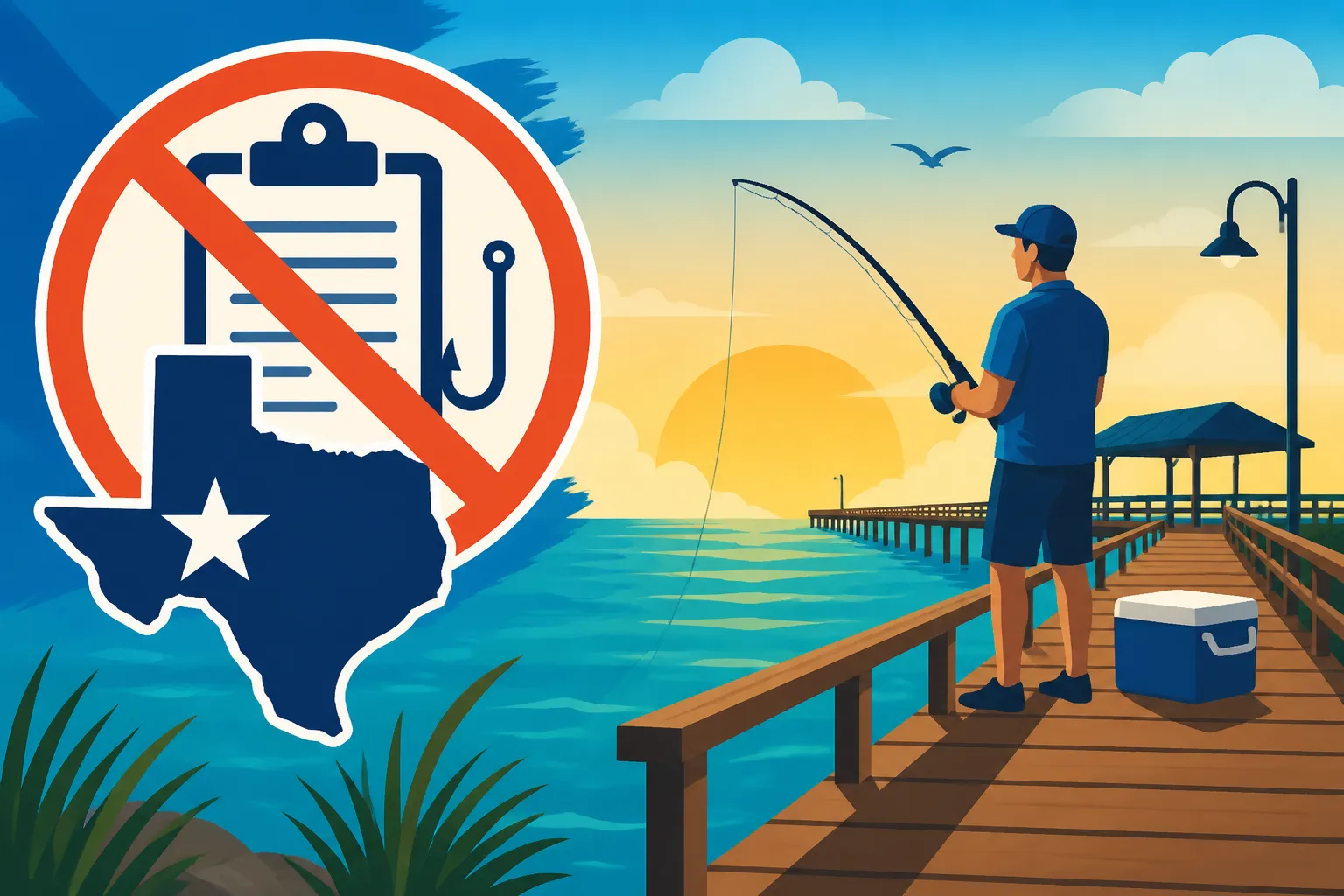
Feeling the urge to cast a line but dreading the hassle of permits and licenses? It's a common frustration, especially if you're just dipping your toes into the vast world of Texas fishing or you're visiting and don't want to commit to a full annual license. Many anglers assume you always need a license to fish, but here in Texas, there are some wonderful exceptions that let you enjoy the water without that extra step. This guide is all about uncovering those fantastic spots – specifically, the best fishing piers where you can cast away without needing a Texas fishing license.
The Magic Behind License-Free Fishing Piers in Texas
It often feels like bureaucracy is everywhere, especially when it comes to outdoor recreation. So, when you hear about fishing opportunities that don't require a license, it almost sounds too good to be true. But it’s not! Texas offers specific scenarios where you can fish certain public piers and designated areas without having a current fishing license, making it incredibly accessible for families, beginners, or anyone looking for a spontaneous fishing trip.
Understanding the TPWD Public Fishing Access Exception
The primary reason why some piers are license-free boils down to a special designation by the Texas Parks and Wildlife Department (TPWD). They have a wonderful program designed to encourage public access to fishing. Essentially, any pier, jetty, or shoreline within a Texas State Park is generally considered license-exempt for fishing from the bank or the park's designated fishing structures. This means you can show up, pay your park entrance fee (if applicable), and fish to your heart's content without purchasing a separate fishing license. It's a fantastic initiative to get more people hooked on fishing, quite literally!
This exemption is a huge relief for many, removing a significant barrier to entry. Imagine you're camping at Inks Lake State Park, and your kids suddenly decide they want to try fishing. Instead of scrambling to figure out Texas Fishing License Requirements Explained and how to get a license for everyone, you can simply grab some rods and head to the park's pier. It really opens up opportunities for spontaneous fun and removes the pressure of understanding all the intricate rules right away. It's also a boon for tourists who might only be in Texas for a short while and don't want to invest in a full annual license. For them, a quick trip to a state park pier is perfect.
Who Still Needs a License Even at Exempt Piers?
Now, before you get too excited and think all rules are out the window, it's crucial to understand that "license-free" isn't "regulation-free." While the fishing license itself is waived at these specific locations, all other state fishing regulations still apply. This is a common misunderstanding that can lead to trouble.
For instance, you still need to adhere to all Texas Fish Bag and Length Limits. If you're targeting speckled trout on a coastal state park pier, you need to know the current bag and length limits for that species. The same goes for freshwater species like largemouth bass or catfish. Exceeding these limits or keeping undersized fish can still result in fines, even if you didn't need a license to be there.
Furthermore, these exemptions typically only cover fishing from a public pier, jetty, or shoreline within the designated park boundaries. If you decide to launch a boat, kayak, or even a stand-up paddleboard to fish from the water, you will likely need a fishing license, even if you launched from a state park. The exemption is very specific to stationary fishing from the land or a fixed structure. Also, while most state park entry points allow you to fish, always double-check the specific park rules. Some might have designated fishing areas, or temporary closures, so a quick check on the park's official website or with a park ranger is always a good idea. This distinction is particularly important for anyone considering going beyond simple pier fishing, as the rules for fishing from a vessel in Texas are generally quite clear about requiring a license.
Top Texas Piers and Parks Offering License-Exempt Fishing
Texas is a big state, and luckily, it's full of fantastic fishing spots, including many where you can enjoy the sport without a license. From the sandy shores of the Gulf Coast to the tranquil inland lakes, there's a license-exempt pier waiting for you.
Coastal Gems: Saltwater Piers Without a License
The Texas Gulf Coast is a treasure trove for anglers, and several state parks along the coast offer fantastic license-free pier and shoreline fishing. These spots are perfect for targeting popular saltwater species like redfish, speckled trout, flounder, and various panfish.
One of the most popular coastal options is Galveston Island State Park. This park provides excellent opportunities for wade fishing and offers direct access to the bay. While there isn't a long pier extending far into the water, its extensive bay shoreline and small fishing piers/platforms are perfect for casting a line. You can often find anglers targeting redfish, speckled trout, and drum right off the bank or the small structures. It's a beautiful spot, and you can truly spend a whole day enjoying the coastal breeze and the thrill of a bite. For those who want to venture out onto the open water later, finding local Galveston fishing charters through FishingBooker can be a great way to experience deeper fishing without the hassle of bringing your own boat.
Another fantastic option is Mustang Island State Park near Corpus Christi. Like Galveston Island, it offers incredible beachfront and bayfront access. While it doesn't boast a massive pier, its extensive shoreline is ideal for surf fishing, and you can fish from the designated areas within the park. Anglers here often reel in redfish, black drum, and even pompano right from the surf. The experience of casting into the crashing waves, feeling the sand between your toes, is uniquely Texan and totally license-free within the park boundaries.
Down south, Port Aransas is a renowned fishing destination. While the big, famous Horace Caldwell Pier does require a fishing license (as it's a municipal pier, not a state park pier), many visitors enjoy the adjacent Port Aransas Jetty. Although the jetty itself is a public access point where license rules can sometimes be ambiguous depending on how far out you go, many nearby state park beaches and access points are generally covered by the state park exemption for shoreline fishing. Always confirm local regulations for jetties, but the general rule is that within a state park, shoreline fishing is exempt.
| Coastal License-Exempt Fishing Spots | Location | Main Features | Target Species | Notes |
|---|---|---|---|---|
| Galveston Island State Park | Galveston Island | Bay shoreline, small platforms, wade fishing | Redfish, Speckled Trout, Flounder, Drum | Excellent for families, diverse fishing opportunities from the bank. |
| Mustang Island State Park | Corpus Christi | Beachfront, bay access, wade fishing | Redfish, Black Drum, Pompano, Whiting | Great for surf fishing, beautiful scenic views. |
| Brazos Bend State Park | Needville (Inland) | Lakes, ponds, rivers | Catfish, Bass, Crappie, Sunfish | While not coastal, it's a fantastic freshwater option with multiple small bodies of water. |
| Lake Livingston State Park | Livingston (Inland) | Lake shoreline, fishing pier | Catfish, White Bass, Crappie, Largemouth Bass | A large freshwater lake with good pier access, renowned for white bass runs. |
| Inks Lake State Park | Burnet (Hill Country) | Lake shoreline, fishing pier | Catfish, Largemouth Bass, Sunfish | Scenic Hill Country lake, perfect for a relaxing family outing. |
Freshwater Havens: State Park Piers and Lake Access
It's not just the coast that offers these fantastic license-free opportunities. Many of Texas's beautiful state parks situated on inland lakes and rivers provide equally rewarding fishing experiences without the need for a license. These spots are perfect for reeling in various freshwater species.
One of the best examples is Inks Lake State Park in the gorgeous Texas Hill Country. This park boasts a fishing pier that extends into the lake, offering access to deeper water and prime fishing spots. It's a family-friendly destination where you can often catch largemouth bass, sunfish, and various species of catfish. The clear, constant-level lake makes for a pleasant fishing experience year-round. You'll often see families spending the day here, enjoying the tranquility and the excitement of a fish on the line. The park also hosts a lot of other activities, so it’s easy to make a full day or weekend trip out of it.
Another excellent choice for freshwater anglers is Lake Livingston State Park located in East Texas. Lake Livingston is one of the largest lakes in Texas, famous for its white bass runs, crappie, and catfish populations. The state park offers a fantastic fishing pier and shoreline access where you can target these species without a license. Imagine catching a stringer of white bass during their famous spring run, all without needing to flash a permit! It’s an ideal spot for anglers who enjoy a bit more action and have a good chance of taking home some table fare. Understanding the nuances of Texas White Bass Run Timing can significantly boost your success at spots like this.
Don't forget about Brazos Bend State Park southwest of Houston. While not on a massive lake, it features several lakes and ponds within its boundaries, offering diverse fishing opportunities for catfish, bass, and sunfish. Fishing from the banks of these scenic ponds, surrounded by incredible wildlife (including alligators, so always be aware!), is an experience in itself. It's a great spot for beginners and kids, as the smaller waters are often easier to manage, and the fish are typically quite cooperative. When planning a trip to a freshwater state park, it's always wise to check the Texas Freshwater Fishing Regulations to ensure you're in compliance with species-specific rules.
Maximizing Your Experience at License-Exempt Piers
Just because you don't need a license doesn't mean you shouldn't be prepared! A successful and enjoyable day of fishing, even at a license-free pier, requires a bit of planning and adherence to responsible angling practices.
Essential Gear for Pier Fishing Success
The beauty of pier fishing, especially at these accessible spots, is that you don't need a boatload of expensive gear. A simple setup is often all it takes to have a great time and catch some fish.
For beginners or casual anglers, a medium-action spinning rod and reel combo is perfect. Something in the 6 to 7-foot range with 8-12 lb test line will handle most species you'll encounter, from feisty panfish to decent-sized bass or catfish. You don't need to overthink it; an affordable setup from your local tackle shop or even a sporting goods store like Academy Sports + Outdoors will do the trick.
When it comes to bait, simplicity is key. For saltwater piers, shrimp (live or dead) is almost always a winner, attracting everything from redfish to croaker. Squid is another excellent option. For freshwater piers, worms (nightcrawlers, red wigglers), cut bait (for catfish), or even corn can be incredibly effective. Small jigs, grubs, or spoons can also be productive if you prefer artificial lures. Don't forget a tackle box with essentials like extra hooks, sinkers (various weights to account for current or depth), a few bobbers, and a pair of pliers for hook removal. A small cooler with ice for your catch (if you plan to keep fish) and plenty of water for yourself is also crucial, especially during those warm Texas days.
Remember to bring a net, especially if you anticipate catching larger fish, as trying to hoist a big one onto a pier without a net can often lead to lost fish. And, of course, a comfortable chair, some sunscreen, and a hat will make your experience much more enjoyable. If you're looking to learn more about basic setups, check out our guide on Beginner Fishing Gear Checklist for Texas to ensure you have everything you need.
Respecting Regulations and Fellow Anglers
While the license requirement is waived, respecting the environment, the fish, and your fellow anglers is absolutely non-negotiable. These public spaces are shared resources, and everyone deserves a pleasant experience.
Always adhere to the specific bag and length limits for the fish you're targeting. These rules are in place to ensure healthy fish populations for future generations of anglers. If you're unsure, it's better to release the fish. Keep a tape measure handy and know how to properly measure your catch. If you plan to release fish, handle them gently and get them back into the water as quickly as possible. For more details on what you can keep, consult the Texas Fish Bag and Length Limits.
Be mindful of your casting space, especially on crowded piers. Don't cast over someone else's line, and give other anglers enough room. If you're bringing kids, teach them proper etiquette from the start. Noise levels, litter, and respectful behavior go a long way in ensuring these fantastic license-free spots remain enjoyable for everyone. Always pack out everything you pack in, including any discarded fishing line, which can be incredibly harmful to wildlife. These public fishing areas are often monitored, and rangers are there to ensure compliance with all rules, not just license checks. Penalties for infractions can still be steep.
Planning Your License-Free Texas Fishing Adventure
A little planning can make your license-free fishing trip truly memorable. Knowing where to go, what to expect, and how to stay informed will set you up for success.
Beyond the Pier: Expanding Your Fishing Horizons
These license-exempt piers are incredible gateways into the world of fishing, offering a low-commitment way to test the waters. They're perfect for discovering if fishing is your new passion without a significant upfront investment in licenses or specialized gear. But what happens once you're hooked (pun intended) and want to explore beyond the pier?
This is where your fishing journey can truly begin to broaden. If you find yourself wanting to try fishing from a boat, explore different techniques, or target specific species in their natural habitats, then obtaining a Texas All-Water Fishing License Explained will be your next step. This allows you to fish anywhere in Texas, freshwater or saltwater, from any legal vessel or location.
Once you have your license, the possibilities are endless. You might consider hiring a local guide to show you the ropes on a specific lake or bay. Platforms like FishingBooker are excellent resources for finding highly-rated fishing charters and guides across Texas, whether you're dreaming of trophy bass on Lake Fork or redfish in Galveston Bay. A good guide can teach you advanced techniques, reveal local hotspots, and dramatically increase your chances of a successful outing. Even if you're not ready for a charter, resources like FishingBooker can help you scout potential fishing locations and see what other anglers are catching.
Staying Informed About Rules and Conditions
The world of fishing regulations can change, and water conditions are constantly in flux. It's always a good idea to stay informed, even for license-free fishing.
Before heading out, quickly check the official TPWD website for any specific alerts or temporary closures for the state park you plan to visit. Sometimes sections of parks might be closed for maintenance, or unusual weather events (like floods or droughts) might affect fishing access or conditions.
You can also check local weather forecasts and tidal charts (for coastal piers) to pick the best time for your outing. A little bit of research can help you avoid a washed-out day or a pier that's too windy to cast comfortably. For saltwater fishing, understanding the tides can make a huge difference in your success. High incoming tides often bring baitfish closer to shore, increasing your chances. For freshwater lakes, recent rainfall or water levels can impact where the fish are holding. Many state parks also have visitor centers where rangers can offer up-to-date information on fishing conditions and recent catches, which can be incredibly helpful for a successful day. Knowing the latest on Texas Saltwater Fishing Regulations or Texas Freshwater Fishing Regulations will keep you well within the legal boundaries, ensuring a stress-free experience.
Disclaimer
Please note that while this guide provides general information about license exemptions for fishing piers and state parks in Texas, regulations can change. Always verify the most current rules and requirements directly with the Texas Parks and Wildlife Department (TPWD) or the specific park or pier authority before you go fishing. This content is for informational purposes only and should not be considered legal advice.