Lake Livingston Fishing Guide
Lake Livingston, often called the "Big Sandy," can be a truly incredible fishery, but let's be honest, it can also feel like a mystery wrapped in an enigma. Many anglers, especially those new to its vast expanse, struggle to consistently find fish, whether they're after the lake's famous white bass, monster catfish, or elusive largemouth. This comprehensive guide is here to demystify Lake Livingston, helping you understand its unique characteristics, where to find the fish, and what techniques actually work to fill your cooler or land that trophy.
Understanding Lake Livingston's Unique Fishery
Lake Livingston isn't your average Texas lake; it's a massive reservoir, the second largest entirely within the state, covering roughly 83,000 acres. This immense size, coupled with its primary water source – the mighty Trinity River – gives it a distinct character that seasoned anglers have learned to appreciate and newcomers often find baffling. Its turbid waters, vast expanses of timber, and shifting sandbars present both challenges and incredible opportunities.
The Trinity River's Influence on Fishing Success
The Trinity River is the lifeblood of Lake Livingston, constantly feeding it with water, nutrients, and, crucially, fish. This constant influx means the lake's conditions are heavily influenced by rainfall upstream and the subsequent flow. When the river is running high and fast, it can create stained, muddy conditions, especially in the upper reaches of the lake and around the river channel. This turbidity might deter some anglers, but it's a goldmine for species like catfish and white bass, which thrive in these dynamic, current-rich environments. Understanding the river's flow and how it impacts water clarity and current is paramount to locating active fish. For instance, after a major rain event, the water level can rise, and current becomes a key factor, often concentrating fish in eddies, behind points, or along old river channels.
Conversely, during drier periods when the Trinity flow is minimal, the lake's waters can clear up, particularly in the lower end closer to the dam. This brings different challenges and opportunities. Clearer water often means fish are warier and may move deeper or relate more closely to cover. This is when understanding structure like submerged timber, humps, and ledges becomes even more critical. The constant push and pull of the river dictates everything from fish migration patterns to baitfish distribution, making it an ever-changing puzzle that requires adaptable strategies.
Navigating the Vast Expanses and Submerged Structure
Lake Livingston's sheer size and abundance of submerged structure can feel overwhelming. Imagine 83,000 acres of water, much of it peppered with dense stands of submerged timber – remnants of the trees that stood before the lake was impounded. This isn't just a few stumps; it's entire forests under the surface, especially in the northern and western sections. While these timber jungles provide incredible habitat and ambush points for fish, they are also notorious for snagging lures and making navigation tricky, particularly in lower light or unfamiliar areas.
Beyond the timber, the lake features numerous humps, creek channels, and sandbars that are crucial for finding fish. These structural elements act as highways and feeding grounds for various species. Learning to read your sonar and using good mapping is essential to identify these key features. For example, knowing the location of the old Trinity River channel or the submerged beds of White Rock Creek or Kickapoo Creek can put you directly on schools of fish. Often, fish will relate to the edges of these channels or suspend over deeper humps in the main lake. It's a lake where knowing the subtle contours beneath the surface pays off immensely, transforming a seemingly featureless expanse into a productive fishing zone. If you're feeling overwhelmed, booking a local guide through platforms like FishingBooker can give you an invaluable head start, as they know these underwater highways intimately.
Top Fish Species to Target in Lake Livingston
Lake Livingston is truly a multi-species paradise, offering fantastic opportunities for anglers seeking a variety of challenges. While it might be most famous for its incredible white bass runs, there's a strong population of catfish, a growing largemouth bass fishery, and even decent crappie fishing if you know where to look. Each species offers a different kind of fight and requires tailored techniques.
White Bass: The Lake Livingston Legend
If there's one fish that defines Lake Livingston, it's the white bass. Often referred to as "sand bass" by locals, these feisty fighters are abundant and provide some of the most exciting fishing action, especially during their famous spawning runs. The spring white bass run up the Trinity River and its tributaries is a spectacle, drawing anglers from all over Texas. Thousands of these schooling fish migrate upstream, creating a feeding frenzy that can be incredibly productive. These aren't just small fry either; Lake Livingston produces some truly impressive white bass.
During the run, white bass can be found schooling in the river channel, congregating in deep holes, or ambushing baitfish along submerged sandbars. Anglers often target them with small inline spinners, lipless crankbaits, or jigs fished on light tackle. When they're "schooling" on the surface, chasing bait, it's pure pandemonium and an unforgettable experience. Even outside the spring run, white bass are a year-round target. During the summer, they often form large schools in the open lake, indicated by diving birds feasting on baitfish driven to the surface. Trolling with small spoons or casting slabs can be incredibly effective when you find these schools. Understanding their schooling behavior and how they relate to current is key to consistently catching these prolific fish.
Catfish: Lake Livingston's Abundant Giants
Lake Livingston holds a well-deserved reputation as one of Texas's premier catfish lakes, boasting impressive numbers of blue, channel, and even flathead catfish. The constant flow of the Trinity River ensures a healthy, dynamic environment for these bottom dwellers, providing abundant food and optimal spawning grounds. It's not uncommon to pull out blue catfish weighing 20, 30, or even 50+ pounds, making it a dream destination for trophy cat anglers. For those keen on catching these impressive fish, our guide on How to Catch Catfish in Texas offers invaluable tips and techniques.
Blue catfish are particularly prevalent in the main lake and the lower river sections, often found congregating along the old river channel, deep humps, and points where current brings food to them. Cut bait, like shad or carp, fished on a Carolina rig or suspended under a large bobber, is a perennial favorite. Channel catfish are more widely distributed and will readily take a variety of prepared baits, shrimp, or small cut bait. Flatheads, the true ambush predators, prefer live bait like sunfish or perch and are often found relating to heavy timber or brush piles, particularly in the creek arms. Night fishing for catfish on Lake Livingston can be incredibly productive, with many anglers running trotlines or juglines to maximize their chances. Just be sure to check the specific Texas Trotline and Jugline Rules before you head out.
Largemouth Bass: A Growing Challenge
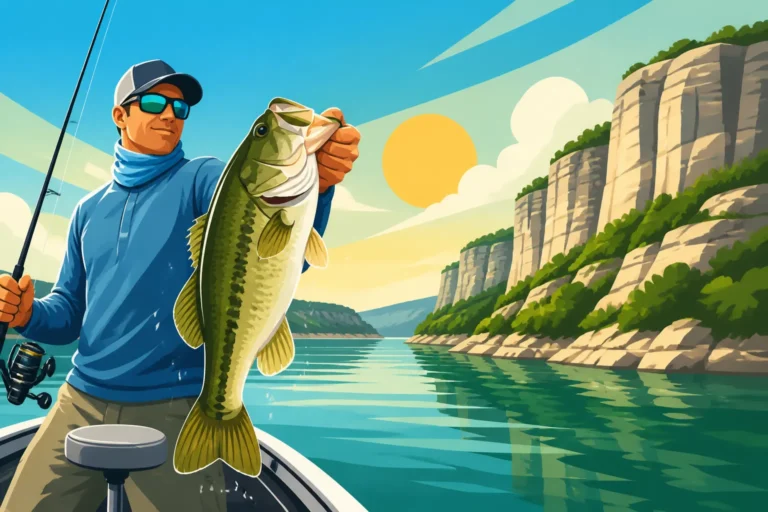
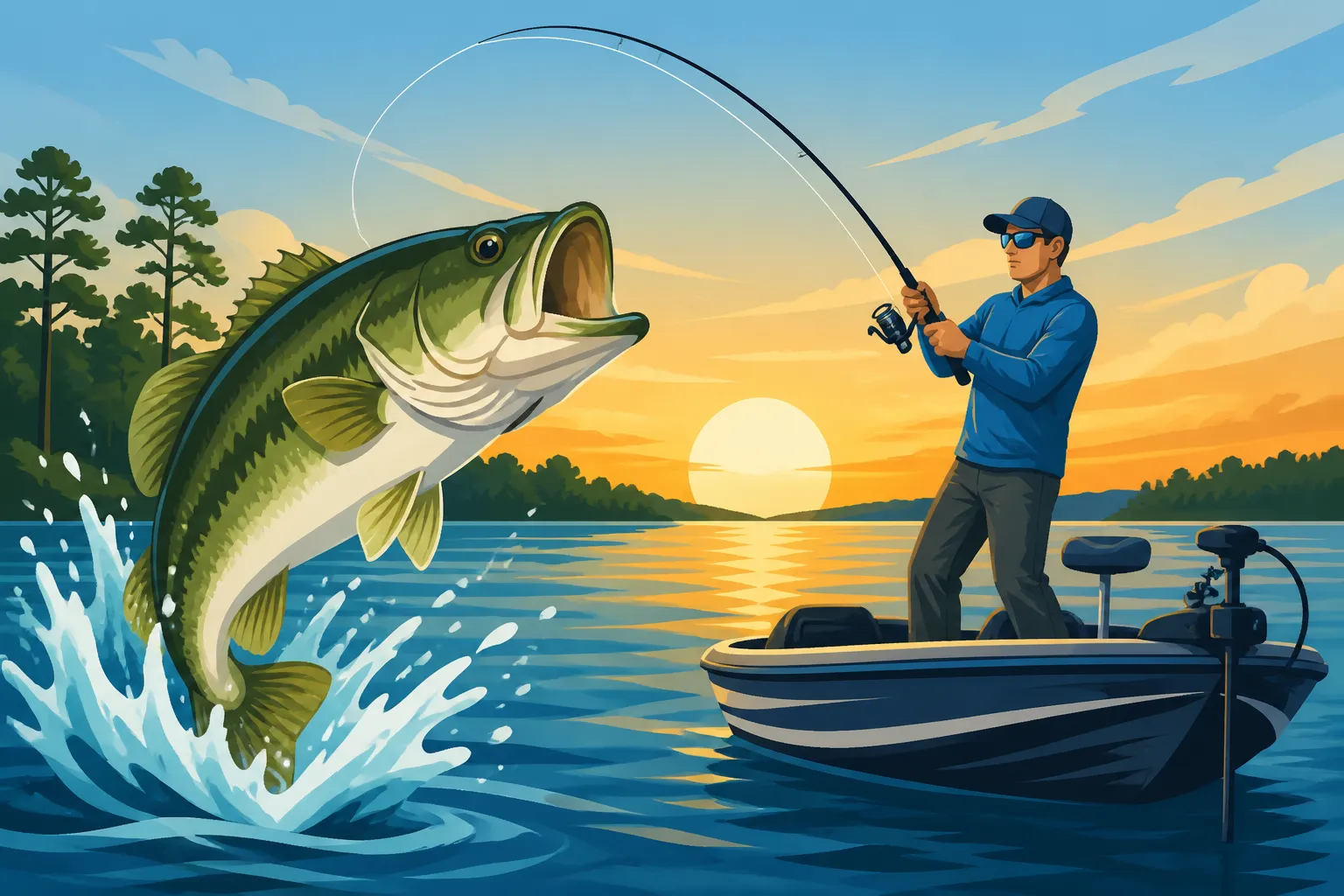
While Lake Livingston may not have the same reputation as some of Texas's other "trophy bass" lakes like Lake Fork or Sam Rayburn, its largemouth bass fishery has been steadily improving and offers a rewarding challenge. The lake's extensive submerged timber and numerous creek channels provide excellent habitat, and patient anglers who learn to navigate these areas can be handsomely rewarded. Don't expect to catch a record-breaker every trip, but a solid 5-7 pound bass is a real possibility, and larger fish are certainly present.
Largemouth bass in Lake Livingston relate heavily to cover. Think submerged timber, boat docks, lily pads in shallower coves, and the edges of creek channels. Early spring sees bass moving to shallower areas to spawn, making jigs, spinnerbaits, and soft plastics effective around isolated cover. As the Texas Bass Spawning Season Guide explains, timing is crucial. During the hotter summer months, bass will often move deeper, seeking cooler water and structure like ledges, humps, and the deeper edges of timber. Carolina rigs, deep-diving crankbaits, and shaky heads become more effective then. In the fall, they transition back to feeding heavily in shallower water, often chasing baitfish. Topwater lures, jerkbaits, and square-bill crankbaits can be deadly. Patience and precision casting into the dense cover are key to unlocking Lake Livingston's largemouth potential.
Crappie: Hidden Gems
Crappie fishing on Lake Livingston is often overlooked amidst the white bass and catfish excitement, but for those who target them, the rewards can be excellent. Both white and black crappie thrive here, providing a delicious table fare and a fun challenge on light tackle. The crappie tend to be concentrated around specific types of structure, making them a bit more predictable once you locate them.
During the cooler months, crappie will often school up around deep brush piles, submerged timber, and bridge pilings in the main lake and larger creek arms like Kickapoo Creek or White Rock Creek. They love vertical structure! Small jigs (1/16 to 1/8 ounce) tipped with a minnow or a soft plastic grub are incredibly effective when vertically jigged or slowly trolled. As spring approaches, crappie move into shallower cover for spawning, often found around boat docks, cypress trees, and submerged willows. This is a fantastic time for spider rigging or single-pole jigging with minnows or crappie jigs. You'll want to check out our guide on How to Fish for Crappie for more in-depth strategies. Remember, knowing the specific Texas Crappie Bag Limits is also essential to ensure a legal and enjoyable trip.
Top Fishing Spots and Areas on Lake Livingston
Lake Livingston's immense size means there are countless potential fishing spots, but a few areas consistently produce fish year after year due to their unique habitat and structure. Understanding these hotspots can significantly cut down on your search time and increase your chances of success. From the vast river arm to the more open main lake, each area offers distinct opportunities for different species.
The Trinity River Arm and Upper Lake
The northern end of Lake Livingston, where the mighty Trinity River flows in, is a dynamic and incredibly productive area, especially during certain seasons. This is ground zero for the famous white bass run in spring, drawing anglers far and wide. The river channel itself, with its bends, deep holes, and submerged sandbars, is a magnet for white bass, catfish, and even some largemouth. Upstream from the main body of the lake, towards the town of Trinity, the river arm narrows, and current becomes a more dominant factor.
During the spring, when white bass are migrating, fishing the various creeks and sloughs that feed into the Trinity River arm, such as Kickapoo Creek, can be phenomenal. Look for areas where the current is broken, creating eddies where fish can rest and ambush bait. Access points like those near Riverside or Trinity offer convenient launching for targeting these upstream areas. Cut bait for catfish or small jigs and spoons for white bass are primary choices here. Be prepared for strong currents and potentially muddy water, as this area is directly influenced by upstream rainfall. Navigating the numerous stumps and snags here requires attention, but the rewards are often worth the effort.
Main Lake Humps, Channels, and Points
The vast main body of Lake Livingston, extending from the dam up towards the river arm, is characterized by open water, numerous submerged humps, and the remnants of old creek channels. This area is a prime hunting ground for open-water schooling white bass and big blue catfish. The key to fishing this section effectively is using your electronics to locate structure and, more importantly, schools of fish or baitfish.
Look for defined humps that rise significantly from the surrounding bottom. These often act as congregation points for white bass and catfish, especially during the summer and fall. The old submerged channels of creeks like White Rock Creek or Harmon Creek, which once flowed into the Trinity before the lake was filled, are also excellent targets. Fish will stage along the channel edges, particularly where they intersect with points or humps. Points extending into the main lake, whether rocky or sandy, can hold various species depending on the depth and cover. Trolling with spoons or lipless crankbaits is a popular method for covering water and locating white bass schools here. For catfish, anchoring on top of or along the edges of humps and soaking cut bait can be highly effective. The lower end of the lake, closer to the dam, generally has clearer water, making sight fishing for schooling fish a possibility on calm days.
Creek Arms and Timbered Coves
Beyond the main river arm and open water, Lake Livingston has numerous creek arms and coves, many of which are heavily timbered. These areas offer a different fishing experience, often more protected from wind and current, making them ideal for targeting largemouth bass and crappie. Areas like Kickapoo Creek, White Rock Creek, and the vast expanses around Pine Island are excellent examples of these diverse habitats.
These creek arms are characterized by dense stands of submerged timber, both standing trees and fallen logs, which provide incredible cover for bass and crappie. For largemouth, target the edges of these timber fields, focusing on isolated stumps, brush piles, or small pockets of open water within the wood. Spinnerbaits, jigs, and Texas-rigged worms are excellent choices for working through this cover. Crappie will suspend within the timber, often relating to the vertical structure of tree trunks. Slow-trolling small jigs or minnows through these areas, or even spider rigging around brush piles, can yield impressive results. In shallower coves, look for lily pads, duckweed, or other emergent vegetation that provides shade and cover, especially during the warmer months. These areas are also great for topwater action during low light conditions. You might even find some excellent Lake Livingston Catfish Fishing Spots here in the deeper pockets or along the creek channels that run through the coves.
Effective Fishing Techniques for Lake Livingston
Fishing Lake Livingston successfully means being adaptable and having a diverse toolkit of techniques. What works for white bass in the river arm might be completely ineffective for largemouth in a timbered cove. Understanding the most effective approaches for each species and condition is key to consistently putting fish in the boat or on the bank.
Chasing White Bass and Hybrid Stripers
When it comes to white bass and hybrid stripers, the name of the game is often finding the schools. These fish are constantly on the move, chasing baitfish like shad. Your electronics are your best friend here. Look for large arches or bait balls on your fish finder, often accompanied by diving birds if the fish are pushing bait to the surface. Once located, several techniques can be highly effective.
One of the most popular methods is "slabbing" or "dead sticking" with metal spoons or heavy jigs. Drop your lure down to the depth where you see fish on the sonar, then vigorously rip it up a few feet before letting it flutter back down on a semi-slack line. Many strikes occur on the fall. Trolling with small spoons (like a Pet Spoon or a Hellbender) or lipless crankbaits (e.g., a Rat-L-Trap) is also incredibly effective for covering large areas of the main lake, particularly over humps and channel edges. This allows you to locate schools, after which you can stop and cast. During the spring river run, small inline spinners like a Rooster Tail, Road Runner jigs, or tiny swimbaits cast into current breaks and deep holes are dynamite. Always be ready to move; white bass are nomadic, and a productive spot can go cold quickly. If you're looking for an experienced hand to put you on fish, consider checking out available guides on FishingBooker who specialize in Lake Livingston's white bass.
Targeting Catfish with Variety
Lake Livingston's catfish population demands a variety of approaches, from traditional bank fishing to more specialized techniques for trophy blues. The key is understanding their feeding habits and preferred habitats. For the big blue cats, cut bait is king. Fresh shad, carp, or even perch cut into chunks are irresistible. Many anglers prefer to use a Carolina rig with a heavy sinker to keep the bait on the bottom in current, or a float system to suspend bait just above a known school.
When fishing from the bank or a pier, prepared stink baits, chicken liver, or shrimp can be very effective for channel catfish. These baits release a strong scent that attracts fish from a distance. For flatheads, live bait is almost a necessity. A lively sunfish or perch, hooked through the back and fished near heavy cover like submerged timber or brush piles, is a flathead magnet. Many seasoned anglers employ trotlines and juglines, particularly at night, to maximize their catfish haul. These passive methods can cover a lot of water and present multiple baits, increasing the chances of a bite. Always ensure your gear tags are properly marked and you adhere to all local regulations regarding these fishing methods.
| Catfish Species | Preferred Bait Type | Typical Habitat | Best Season | Key Technique |
|---|---|---|---|---|
| Blue Catfish | Cut Shad, Carp | Deep Channels, Humps | Year-round (Summer/Fall peak) | Carolina Rig, Float Rig |
| Channel Catfish | Stink Bait, Shrimp, Cut Bait | Creek Channels, Bank Access | Spring/Summer | Bottom Rig, Slip Sinker |
| Flathead Catfish | Live Perch/Sunfish | Heavy Timber, Brush Piles | Summer/Fall (Night) | Live Bait Rig, Trotline |
Bass Fishing in Timber and Structure
Largemouth bass fishing on Lake Livingston is all about presenting your lure effectively in heavy cover. The lake's extensive submerged timber means you need tackle that can handle the abuse and techniques that minimize snags while still enticing a bite. Texas rigs with worm weights and weedless soft plastics are fundamental. Senkos, creature baits, and worms rigged weedless can be pitched or flipped into dense timber and allowed to fall slowly, often eliciting strikes on the drop. For more on this, our guide on How to Fish a Texas Rig for Bass is a great resource.
Spinnerbaits and bladed jigs (like a Z-Man ChatterBait) are excellent for working the edges of timber or moving through sparse cover, creating flash and vibration to call fish in stained water. Crankbaits, especially square bills, can be effective in shallower timber or around boat docks, deflecting off cover to trigger反応 strikes. For deeper bass, particularly during summer, deep-diving crankbaits or a Carolina rig worked along the old river and creek channels can be productive. Keep an eye out for areas with submerged hydrilla or lily pads, as these provide excellent ambush points for bass, where topwater frogs or soft plastic toads can be devastating. Patience is a virtue here; sometimes, the biggest bass require repeated casts to the same piece of cover.
Best Times to Fish Lake Livingston
Knowing when to fish Lake Livingston can be just as crucial as knowing where and how. The lake's productivity ebbs and flows with the seasons, weather patterns, and, significantly, the migratory habits of its most popular species. Each season offers unique opportunities, but also specific challenges that require adjustments to your strategy.
Spring: The Time of Spawning Runs and Frenzies
Spring is arguably the most celebrated season for fishing on Lake Livingston, primarily due to the spectacular white bass and crappie spawning runs. As water temperatures rise, typically from late February through May, white bass begin their mass migration up the Trinity River and its tributaries. This is a period of intense feeding activity, creating a frenzy that's hard to beat. Anglers flock to the upper river arm, around areas like Riverside and Trinity, to intercept these schooling fish. The action can be fast and furious, with multiple hookups common. This is also a prime time for crappie, as they move into shallower water in creek arms and coves to spawn. Look for them around submerged brush, cypress trees, and boat docks.
For largemouth bass, spring brings them into their pre-spawn, spawn, and post-spawn phases. Early spring sees them actively feeding before the spawn, often staging on points and deeper cover near spawning flats. During the actual spawn, they'll be shallower, guarding nests. After the spawn, they're often hungry and aggressive, chasing baitfish. Water clarity can be an issue if there's heavy rainfall and river flow, but often the fish are so concentrated that they'll still bite. This is a fantastic time for both numbers and quality fish across multiple species, making it a favorite for many local anglers and visitors.
Summer: Hot Weather, Deep Fish
As the scorching Texas summer sets in, Lake Livingston fishing shifts gears. The surface water temperatures soar, often pushing fish deeper in search of cooler, more oxygenated water. This doesn't mean fishing shuts down, but it requires different tactics. White bass and hybrid stripers, while still active, will often move to the main lake's deeper humps and channels, forming massive schools. This is when watching for diving birds becomes critical, as they'll indicate baitfish being driven to the surface by predatory schools below. Trolling deep-diving lures or vertically "slabbing" spoons over detected schools are go-to methods.
Catfish, especially the big blues, remain highly active throughout the summer, often preferring the deeper river channel and humps. Night fishing for catfish becomes incredibly popular as they move shallower under the cover of darkness to feed. For largemouth bass, the summer heat often pushes them to deeper cover, such as submerged timber in 15-25 feet of water, or into the shade of boat docks and bridges. Early mornings, late evenings, and night fishing become the most productive times for bass, using deep-diving crankbaits, heavy jigs, or soft plastics. The key to summer success is adapting to the heat and depth, and focusing on low-light conditions or deeper structural elements. If you're planning a trip during the warmer months, consider hiring a guide through FishingBooker who knows the summer patterns intimately.
Fall and Winter: Transition and Cooler Bites
Fall on Lake Livingston is a fantastic time, often characterized by a "fall feeding frenzy" as fish bulk up for the cooler months ahead. As water temperatures begin to drop, fish become increasingly active, chasing baitfish in shallower waters. White bass schools will often move back into creek mouths and channels, aggressively feeding. Look for schooling activity on the surface, especially during overcast days. Largemouth bass will also become more aggressive, chasing shad in coves and along points, making topwater lures, spinnerbaits, and jerkbaits highly effective. This is a prime time for both numbers and quality bass.
Winter fishing on Lake Livingston, while often overlooked, can be surprisingly productive, especially for crappie and catfish. Crappie will school up tightly in deep brush piles, around bridge pilings, and in dense submerged timber, often requiring precise vertical jigging with small minnows or jigs. Catfish remain active, often congregating in deep holes in the river channel or off major humps, readily taking cut bait. Largemouth bass will often be slower, relating to deeper structure or moving into protected creek channels, but a slow presentation with jigs or Alabama rigs can still entice strikes. The cooler temperatures mean less boat traffic, offering a more peaceful fishing experience. Check our Texas Fishing Seasons Month by Month guide for more specific advice on what to expect throughout the year.
Essential Gear and Tackle for Lake Livingston Fishing
Approaching Lake Livingston without the right gear is like trying to wrangle a longhorn with a shoestring – it just won't end well! This lake demands versatile tackle capable of handling everything from feisty white bass to monster catfish, often in heavy cover. Having a well-rounded tackle box and appropriate rods and reels will significantly enhance your success and enjoyment.
Rods, Reels, and Line Choices
Given the diversity of species and techniques on Lake Livingston, a selection of rods and reels is truly beneficial. For white bass and crappie, light to medium-light spinning setups are ideal. A 6'6" to 7' fast-action spinning rod paired with a 2500-3000 series reel spooled with 8-10 lb monofilament or braided line (with a fluorocarbon leader) provides the sensitivity for light bites and the power for multiple hookups. The finesse and casting distance of spinning gear are perfect for throwing small jigs, spoons, and inline spinners.
For largemouth bass, especially when fishing in heavy timber, a medium-heavy to heavy power baitcasting setup is almost a necessity. A 7' to 7'6" fast-action rod, paired with a high-speed baitcasting reel (7.1:1 or higher), allows for quick line pickup after a pitch or flip and the muscle to pull bass out of cover. Spool this with 15-20 lb fluorocarbon for sensitivity and abrasion resistance, or 30-50 lb braided line when fishing the thickest stuff, perhaps with a short fluorocarbon leader. For catfish, particularly if you're targeting the bigger blues, you'll need stout gear. Medium-heavy to heavy action casting rods (7' to 9') with robust baitcasting or conventional reels (like an Ambassadeur 6500 or similar) spooled with 20-30 lb monofilament or 50-80 lb braided line are common. This allows you to handle heavy weights and battle large fish in current. For a more general overview, our guide on Best Fishing Rods for Texas Anglers can help you choose.
Lures and Baits for Every Species
Your tackle box for Lake Livingston should be as diverse as its fish population. For white bass and hybrid stripers, metal jigging spoons (1/2 to 1 ounce in chrome, white, or chartreuse), small inline spinners, and lipless crankbaits (like the infamous Rat-L-Trap) are essential. When they're actively schooling, topwater lures can also be a blast.
Catfish anglers will want a good supply of cut bait (shad, carp, even hot dogs or chicken liver), as well as commercially prepared stink baits. Circle hooks in sizes from 3/0 to 8/0 are popular for their effectiveness and ease on the fish. Crappie jigs, ranging from 1/16 to 1/8 ounce, in colors like chartreuse, white, and black, are critical, often tipped with a minnow. For largemouth bass, load up on Texas-rigged soft plastics (worms, creature baits, flukes) in green pumpkin, junebug, and black/blue. Spinnerbaits (1/2 ounce with tandem willow blades), square-bill crankbaits, deep-diving crankbaits, and frogs for topwater action are also must-haves. Don't forget a variety of weights, hooks, and swivels to rig your baits properly. Our Best Bait and Lures for Texas Fishing article provides even more detailed suggestions.
Electronics and Navigation Essentials
Given Lake Livingston's size and abundant submerged structure, quality electronics are not just a luxury; they're an absolute necessity. A reliable fish finder with good down imaging and side imaging capabilities will dramatically increase your efficiency by helping you locate schools of fish, baitfish, and hidden structure like submerged timber, humps, and old creek channels. Modern units from brands like Humminbird or Lowrance offer incredibly detailed views of the underwater world, allowing you to "see" fish relating to cover.
Beyond fish finding, a good GPS unit with detailed mapping of Lake Livingston is paramount for navigation and safety. The lake can become a maze of stumps, especially in the upper sections, and fog can roll in quickly. Having marked waypoints for hazards, productive fishing spots, and safe travel routes is crucial. Many modern fish finders integrate GPS mapping, providing an all-in-one solution. Additionally, don't forget essential safety gear like life jackets for everyone on board – remember, the Texas Life Jacket Requirements for Boats are strictly enforced. A strong anchor is also invaluable for holding position over productive spots, especially in windy conditions or current, and a well-charged trolling motor will help you silently maneuver through tight spots or hold on schools.
Disclaimer
Fishing conditions and regulations in Texas can change. Always consult the latest rules and regulations from the Texas Parks and Wildlife Department before heading out on the water. This guide is for informational purposes only and does not guarantee fishing success.