Lake Conroe Fishing Guide
Navigating a new lake can feel like a daunting task, especially one as vast and popular as Lake Conroe. You want to spend your time catching fish, not guessing where they might be or what bait to use. This comprehensive guide is designed to demystify Lake Conroe, providing you with all the insights you need to confidently tackle its waters, understand its prime fishing spots, and learn the techniques that bring success, whether you're a seasoned angler or just starting out.
Understanding Lake Conroe's Unique Appeal for Anglers
Lake Conroe, a beautiful reservoir nestled just north of Houston, holds a special place in the hearts of many Texas anglers. It's not just a pretty face; it's a dynamic fishery with a rich ecosystem that supports a variety of popular game fish. However, its popularity also means it can be heavily pressured, requiring a thoughtful approach to unlock its secrets.
Geographical Overview and Accessibility
Spanning a whopping 21,000 acres, Lake Conroe is a substantial body of water, offering plenty of room for anglers to spread out, even on busy weekends. Its average depth hovers around 20 feet, but you'll find channels dropping to over 70 feet, especially near the old riverbed. The lake was formed by impounding the West Fork of the San Jacinto River, and this river channel, along with numerous creeks, timber, and man-made structures, creates an incredibly diverse underwater landscape. The shoreline stretches for 157 miles, featuring everything from residential docks and bulkheads to natural brushy banks and submerged timber. For those looking to hit the water, the lake is highly accessible, with several public boat ramps and marinas scattered around its perimeter, making it easy to launch your boat, kayak, or even find a spot for bank fishing.
The lake is strategically located, making it a go-to destination for anglers from Houston, Dallas-Fort Worth, and beyond. This ease of access contributes to its popularity but also means that some spots can get crowded, particularly during peak seasons or major tournaments. Understanding the lake's layout, including its northern, more riverine sections and its wider, deeper southern reaches, is key to developing a successful fishing strategy.
Primary Fish Species and Popularity
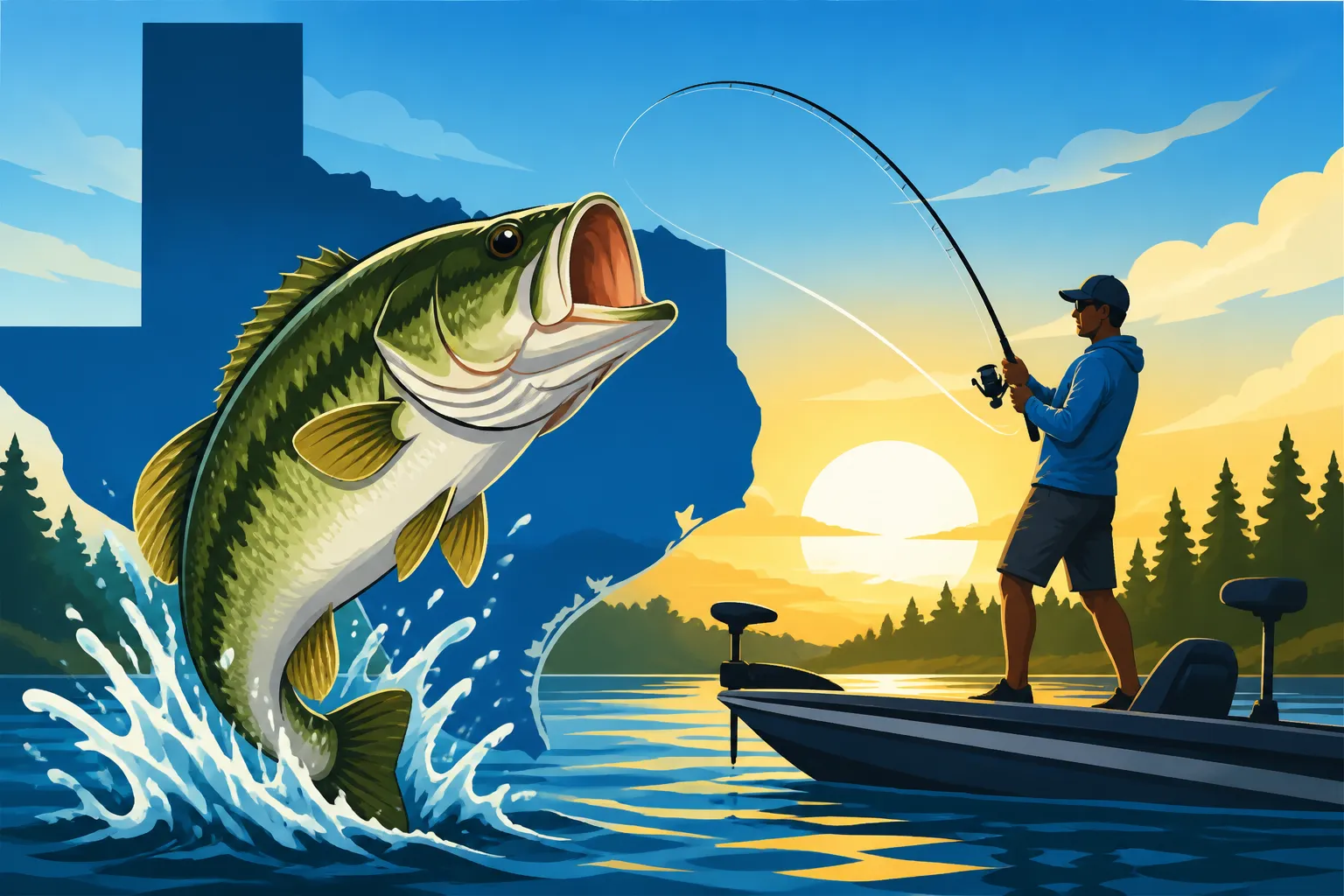
When you talk about fishing on Lake Conroe, the conversation almost always starts with largemouth bass. This lake has a fantastic reputation for producing healthy numbers of respectable bass, and even some trophy-sized giants, thanks in part to consistent stocking efforts and habitat management. Anglers specifically target largemouth bass here with a passion, making it a prominent tournament lake.
But Lake Conroe isn't a one-trick pony. It also boasts excellent populations of catfish, including channel, blue, and flathead varieties, offering a different kind of angling challenge and some fantastic table fare. Crappie fishing also draws a significant crowd, especially during cooler months when these panfish gather in large schools around brush piles and deeper structures. Beyond these mainstays, you'll find white bass, sunfish (like bluegill and redear sunfish), and even some hybrid striped bass, though the latter are less prevalent than in some other Texas reservoirs. The diversity of species means there’s almost always something biting, no matter your preferred style of fishing.
Essential Fishing Techniques for Lake Conroe
Successful fishing on Lake Conroe often boils down to adapting your techniques to the specific species you're targeting and the prevailing conditions. The lake offers such varied habitat that no single method will work everywhere or all the time.
Bass Fishing Strategies
Largemouth bass are the undisputed kings of Lake Conroe, and anglers employ a wide array of strategies to entice them. During the cooler months and into the spring spawn, many focus on shallower water, particularly around boat docks, seawalls, and flooded timber. Pitching and flipping jigs, Texas rigs with creature baits, or even weightless Senkos can be incredibly effective when bass are staging or actively spawning. You can learn more about specific tactics in our guide on Texas Largemouth Bass Fishing Guide.
As the water warms up in summer, bass tend to retreat to deeper, cooler waters. This is when techniques like deep cranking along submerged ledges, drops, and humps come into their own. Carolina rigs are also very popular for targeting bass holding near the bottom in 15-30 feet of water. Don't overlook the extensive submerged timber and brush piles that litter the lake; these are classic bass hideouts year-round. Topwater baits can be explosive during low-light conditions in summer, especially around grass lines or shallow cover first thing in the morning or just before dusk.
Catfish and Crappie Tactics
Catfish thrive in Lake Conroe's nutrient-rich waters. For channel catfish and smaller blue catfish, traditional bottom-fishing rigs with stink baits, cut bait, or shrimp are always reliable. You'll find these fish cruising the shallows and channels, often near creek mouths or areas with current. For larger blue catfish, anchoring up on deep humps or along the old river channel and presenting fresh cut bait, like shad or carp, can produce monsters. Our Texas Catfish Species Guide offers even more detailed insights.
Crappie fishing on Lake Conroe is largely a seasonal affair, peaking in spring when they move shallow to spawn. During this time, targeting brush piles, submerged timber, and bridge pilings with small jigs (like Bobby Garland crappie jigs) or live minnows under a bobber is the ticket. As the weather heats up, crappie retreat to deeper brush piles, often found in 15-25 feet of water. Specialized electronics can be incredibly helpful for locating these deeper schools. Trolling with multiple jigs at varying depths can also be effective for covering water and finding active fish. For those passionate about these tasty panfish, our Texas Crappie Fishing Guide delves into more specific methods.
Other Notable Species Approaches
While bass, catfish, and crappie get most of the attention, Lake Conroe also offers opportunities for other species. White bass, particularly during their spring spawning run up the river and major creeks, can provide fast and furious action. Small inline spinners, spoons, or Road Runners fished in these moving water areas can yield impressive catches. These aggressive feeders are a blast on light tackle.
Sunfish, like bluegill and redear sunfish, are abundant in the lake and make for excellent beginner fishing or a relaxing day for seasoned anglers. A simple setup with a small hook, a bit of nightcrawler or corn, and a bobber fished around docks, lily pads, or brushy shorelines will keep the bites coming. They're also fantastic for introducing kids to the joys of fishing.
Seasonal Fishing Breakdown on Lake Conroe
Understanding how Lake Conroe's fish behave throughout the year is crucial for consistent success. Each season presents unique challenges and opportunities, influencing where fish are found and what they're willing to bite. You might also want to consult our broader guide on the Best Time of Year to Fish in Texas for a general understanding of seasonal patterns.
Springtime Opportunities
Spring is arguably the most exciting time to fish Lake Conroe, especially for largemouth bass. As water temperatures rise, bass migrate from their deeper wintering grounds to shallower areas to spawn. Early spring sees the pre-spawn bite, where bass feed aggressively to build energy for spawning. This is prime time for throwing crankbaits, spinnerbaits, and medium-diving jerkbaits around points, secondary creeks, and submerged hydrilla beds.
Once the water hits the mid-60s, bass move onto beds. Anglers target visible beds in clear, shallow water using soft plastics like Senkos, creature baits, or lizards. While tempting to target bedding fish, remember to practice catch and release, especially for larger females, to ensure future generations. Crappie also move shallow during spring, congregating around brush piles and boat docks, making for excellent jig and minnow fishing. Catfish become more active as well, moving closer to the banks and feeding readily.
Summer Challenges and Rewards
Ah, Texas summer fishing. It's beautiful, but it can be brutally hot, and Lake Conroe is no exception. This period presents the biggest challenge for anglers, as scorching temperatures drive most fish into deeper, cooler, more oxygenated waters. Targeting bass often means focusing on the old river channel, deep humps, ledges, and the thermocline (if one develops). Techniques like deep cranking, drop-shotting, and Carolina rigging become paramount. You might also find bass relating to deeper brush piles or the shade provided by boat docks and marinas. Fishing during low-light hours – dawn, dusk, or even at night – can be incredibly productive for bass and catfish alike, as fish move shallower to feed under the cover of darkness. Our guide on How to Fish in Hot Texas Summers provides many practical tips for this period.
Catfish are a great target during the summer. They'll be found throughout the lake, but especially in deeper areas of the main lake and creek channels. Juglining or trotlining with cut bait in these deeper sections can yield substantial results, particularly for blue and flathead catfish. Crappie will be concentrated in deep brush piles or submerged timber, requiring precise boat positioning and electronics to locate them.
Fall and Winter Productive Periods
As the oppressive summer heat breaks and water temperatures begin to drop in the fall, Lake Conroe truly comes alive again. This is a favorite season for many anglers, as fish become incredibly active, feeding heavily in preparation for winter. Bass move back to shallower waters, chasing schools of baitfish. Topwater action can be phenomenal in the mornings, followed by spinnerbaits, crankbaits, and chatterbaits along points, grass lines, and channel swings. The "fall feeding frenzy" is real, and it’s a fantastic time to cover water and enjoy aggressive bites.
Winter fishing on Lake Conroe can be exceptional for those who brave the cooler temperatures. Bass will often hold tight to deeper structures like ledges, creek channels, and submerged timber. Slow-rolling spinnerbaits, jigging spoons, or using a jigging rap can be very effective for lethargic bass. Crappie fishing also remains strong, with large schools congregating in deep brush piles. Catfish will also be found in deep holes and channels, often in large groups, offering excellent opportunities for those targeting them with cut bait or punch bait.
| Season | Primary Species Targeted | Typical Locations | Effective Techniques |
|---|---|---|---|
| Spring | Largemouth Bass, Crappie | Shallow spawning flats, docks, brush piles, creek mouths | Jigs, soft plastics, crankbaits, minnows, small jigs |
| Summer | Catfish, Bass (deep) | Deep channels, humps, ledges, brush piles, shaded docks | Deep cranks, Carolina rigs, cut bait, night fishing |
| Fall | Largemouth Bass, White Bass | Points, grass lines, channel swings, river/creek mouths | Topwater, spinnerbaits, crankbaits, spoons |
| Winter | Crappie, Catfish, Bass (deep) | Deep brush piles, channels, timber, main lake structure | Jigging spoons, minnows, small jigs, cut bait (deep) |
Navigating Lake Conroe: Best Spots and Access Points
Lake Conroe's size means that understanding its topography and key features is vital for efficient and productive fishing. Knowing where to launch and which areas generally hold fish will save you precious time on the water.
Key Fishing Areas and Structure
Lake Conroe is a treasure trove of structure, both natural and man-made, that attracts and holds fish. The old river channel of the West Fork of the San Jacinto River, which meanders through the lake, is a primary highway for fish movement and a hotspot, especially when fish move deep. Look for bends, drops, and submerged timber along this channel.
Submerged timber and brush piles are abundant, particularly in the northern half of the lake, which was not cleared as extensively before impoundment. These areas are magnets for bass and crappie. Many local anglers and guides maintain their own brush piles, which can be dynamite spots if you can find them using your electronics. Boat docks and marinas offer excellent cover and shade, especially during the warmer months. Bass, crappie, and sunfish all relate to these structures, providing ambush points and protection. The pilings, cables, and associated brush underneath these docks are prime targets.
The lake also has extensive hydrilla and lily pad fields in various coves and shallow areas, particularly in the upper reaches. These vegetation beds are excellent for bass, offering food, cover, and oxygen. Punching through thick mats with heavy jigs or flipping frogs over the top can lead to explosive strikes. Also, keep an eye out for rocky points and rip-rap along bridges and causeways; these areas often hold baitfish and, consequently, predatory species.
Public Access, Ramps, and Marinas
Accessing Lake Conroe is relatively easy thanks to numerous public and private facilities.
- Scott's Ridge Boat Ramp is a popular public access point managed by the US Forest Service, located on the northern end of the lake. It offers good parking and multiple lanes, making it convenient for launching various types of boats.
- Stowaway Marina and Waterpoint Marina are excellent options, especially if you're looking for amenities beyond just a ramp, like fuel, bait, and possibly even a place to grab a bite. These larger marinas often have guides operating out of them and provide excellent access to the central and southern parts of the lake.
- The Cagle Recreation Area, also run by the US Forest Service, provides another public ramp on the north side, often less crowded than Scott's Ridge.
- Numerous residential communities around the lake also have private boat ramps, but these are generally reserved for residents and their guests.
For those without a boat, many public parks along the shoreline, such as Lake Conroe Park or the Cagle Recreation Area, offer bank fishing opportunities, picnic spots, and sometimes even fishing piers. While bank fishing can be productive for catfish and sunfish, targeting bass and crappie usually requires boat access to reach their preferred habitats.
Gear, Bait, and Local Tips for Success
Having the right gear and understanding local nuances can significantly impact your success on Lake Conroe. It's not just about what you use, but how you use it and what the local fish are accustomed to. Check out our comprehensive Beginner Fishing Gear Checklist for Texas if you’re just getting started.
Recommended Rods, Reels, and Lures
For bass fishing, a good all-around setup would be a medium-heavy to heavy action casting rod, 7' to 7'6" in length, paired with a reliable baitcasting reel. Spool up with 15-20 lb fluorocarbon or monofilament line, or 30-50 lb braided line if you're targeting thick cover. Essential bass lures include jigs (both football and flipping), Texas-rigged soft plastics (worms, craws, creature baits), crankbaits (shallow to deep divers), spinnerbaits, and topwater frogs or poppers. For crappie, light to ultralight spinning rods, 5' to 7' long, with 4-6 lb monofilament or braided line, are ideal. Small jigs (1/16 to 1/8 oz) and live minnows are standard fare. Catfish anglers will want medium-heavy to heavy action rods, 7' to 8' long, with stout spinning or conventional reels spooled with 20-50 lb monofilament. Circle hooks in sizes 2/0 to 6/0 are excellent for catfishing.
The key is versatility. Lake Conroe is diverse, so having a selection of gear that allows you to fish different depths and cover types will increase your chances. Don't be afraid to experiment with colors and retrieves; what works one day might not the next. Our guide to the Best Bait and Lures for Texas Fishing provides a great starting point for selecting your tackle.
Local Bait Shop Insights
Local bait and tackle shops are invaluable resources. Stores like Lake Conroe Bait & Tackle or Tackle Box Adventures (a popular nearby spot) aren't just places to buy worms and hooks; they're hubs of local knowledge. The folks who run these shops and frequent them are often on the water daily and can provide up-to-the-minute reports on what's biting, where, and on what.
They'll tell you if the crappie have moved into the brush piles near the FM 1097 bridge, or if the bass are hitting shaky heads around Walden. They can also recommend specific local baits or lure colors that are producing. Don't hesitate to ask about water levels, clarity, and temperature—these factors can dramatically influence fish behavior. Supporting these local businesses also helps sustain the fishing community.
Hiring a Guide and Local Knowledge
For those who want to accelerate their learning curve or simply enjoy a hassle-free day on the water, hiring a professional fishing guide on Lake Conroe is an excellent investment. A good guide knows the lake like the back of their hand, understands seasonal patterns, and can put you directly on fish. They typically provide all the necessary gear and bait, and, most importantly, share invaluable techniques and insights specific to Conroe. Many experienced guides operate on Lake Conroe, specializing in everything from trophy bass to crappie and catfish.
Platforms like FishingBooker are fantastic resources for finding and booking reputable local guides. You can browse profiles, read reviews from other anglers, and compare prices to find a guide that matches your specific fishing goals, whether it’s a full day chasing largemouth or a half-day introducing your kids to crappie fishing. Mentioning your specific interests when booking through a service like FishingBooker ensures you get a tailored experience. For those looking for the real local scoop, FishingBooker makes it simple to connect with guides who live and breathe Lake Conroe fishing, giving you an edge that a general search simply can't.
Regulations and Conservation Efforts on Lake Conroe
Being a responsible angler on Lake Conroe means more than just catching fish; it also means adhering to regulations and contributing to conservation efforts to ensure this fantastic fishery remains healthy for generations to come.
Texas Fishing License and Lake Conroe Specific Rules
First and foremost, anyone 17 years of age or older needs a valid Texas fishing license to fish on Lake Conroe, unless they meet specific exemption criteria (like being born before September 1, 1931, or fishing on Free Fishing Day). You can get your license online through the Texas Parks and Wildlife Department (TPWD), at most sporting goods stores like Academy Sports + Outdoors, or local bait shops. Our comprehensive guide, Texas Fishing License Requirements Explained, details everything you need to know about obtaining one.
Beyond the general license, Lake Conroe falls under statewide freshwater fishing regulations regarding bag and length limits for most species. However, it's critical to check the current TPWD Outdoor Annual for any lake-specific exceptions or special regulations. For instance, while most Texas lakes have a 14-inch minimum length limit for largemouth bass, some specific lakes might have slot limits or other unique rules designed to manage their particular fishery. Always double-check the latest Texas Freshwater Fishing Regulations and Texas Fish Bag and Length Limits before heading out. It's your responsibility as an angler to know and follow these rules. For example, there might be specific rules on the number of fishing rods or methods allowed, especially if you're using trotlines or juglines.
Protecting Lake Conroe's Ecosystem
Lake Conroe is a vibrant ecosystem that supports not only fish but also a diverse array of wildlife, including alligators, various bird species, and other aquatic life. Anglers play a crucial role in maintaining this balance. Practicing catch-and-release, especially for trophy-sized bass or spawning fish, helps sustain fish populations. If you do keep fish, only take what you need and adhere strictly to bag limits.
Preventing the spread of invasive species is another critical aspect of conservation. Always clean, drain, and dry your boat, trailer, and gear after each outing to prevent the transfer of harmful aquatic nuisance species like zebra mussels or giant salvinia to other water bodies. Familiarize yourself with proper waste disposal; never leave trash, fishing line, or bait containers on the shore or in the water. Participating in local clean-up efforts or reporting suspicious activities to TPWD can also make a significant difference. By being mindful of your impact, you help ensure that Lake Conroe remains a premier fishing destination for years to come.
Disclaimer
Please remember that fishing conditions, regulations, and fish behavior can change. Always consult the latest Texas Parks and Wildlife Department Outdoor Annual for the most current regulations and ensure you have the appropriate licenses before fishing. Fishing is an outdoor activity with inherent risks, so always prioritize safety on the water.