O.H. Ivie Reservoir Fishing Guide
O.H. Ivie Reservoir has a legendary reputation for producing some truly monstrous largemouth bass, but for many anglers, the thought of tackling such a famous fishery can be a bit daunting. It's easy to feel overwhelmed by the sheer size and history of a lake known for setting records, wondering where to even begin. This comprehensive guide is designed to cut through that intimidation, giving you the insider knowledge and practical advice you need to confidently explore O.H. Ivie and chase its famed lunkers, no matter your experience level.
Why O.H. Ivie is a Legend: The Allure of Trophy Bass
There are few names in Texas fishing that conjure up as much excitement and awe as O.H. Ivie. This sprawling reservoir, nestled in the heart of Texas, isn't just another big lake; it's a bona fide trophy bass factory that has redefined what's possible in the world of freshwater angling. Its reputation isn't built on tall tales, but on a consistent stream of colossal largemouth bass that have shattered records and anglers' expectations alike.
A Brief History of Ivie's Rise to Fame
For years, O.H. Ivie was a good, solid fishing lake, but nothing truly exceptional. That all began to change dramatically in the early 2000s and accelerated again after a series of severe droughts followed by heavy rains in the 2010s. The fluctuating water levels, combined with the excellent management by the Texas Parks and Wildlife Department (TPWD), created a perfect storm for growing massive bass. The lake experienced significant fish kills during droughts, which often lead to a rebound with less competition and more food for the survivors. As water levels rose, vast tracts of terrestrial vegetation, including mesquite and cedars, were flooded, creating an incredible amount of new habitat and nutrient-rich environments.
This natural phenomenon, coupled with aggressive stocking of pure Florida-strain largemouth bass, especially through the famed ShareLunker program, set the stage for Ivie's incredible run. Anglers began to haul in ShareLunker entries at an unprecedented rate, cementing the lake's status as a premier destination for trophy bass. The excitement around O.H. Ivie Reservoir big bass reports is palpable, with anglers constantly tracking new giants brought to the scales, often surpassing the 13-pound mark.
What Makes Ivie So Productive?
The secret sauce for O.H. Ivie's phenomenal bass growth lies in a combination of environmental factors and strategic stocking. Firstly, the fluctuating water levels, while sometimes challenging for boaters, are a blessing for the fishery. When the lake fills, it floods terrestrial vegetation, creating an immense amount of cover – submerged timber, brush, and grass beds – that offers protection and ambush points for baitfish and bass alike. This dense cover also provides crucial spawning habitat.
Secondly, Ivie boasts an incredibly rich forage base. The lake is teeming with threadfin and gizzard shad, abundant sunfish, and even some carp and tilapia, which provide a constant, high-protein diet for growing bass. A full belly means a big fish, and Ivie's bass have no shortage of groceries. Lastly, the genetics play a huge role. The introduction and successful propagation of pure Florida-strain largemouth bass, known for their potential to grow larger than their native counterparts, ensures that Ivie has the right stock to produce those record-breaking fish. These fish thrive in the warm Texas climate and the nutrient-rich waters, turning into absolute giants.
Navigating the Waters: Key Areas and Features
O.H. Ivie is a large reservoir, covering over 19,000 acres at conservation pool, and its fluctuating water levels can drastically change its character. Understanding the main geographical features and how to access them is crucial for a successful trip. The lake is essentially formed by the confluence of the Colorado River and the Concho River, creating distinct arms with their own unique characteristics.
Major Creek Arms and Tributaries
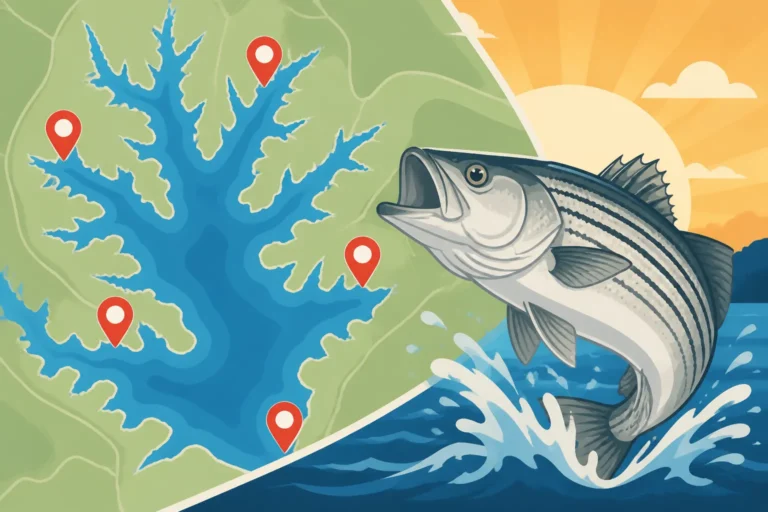
The lake is dominated by two major river arms: the Colorado River arm to the south and the Concho River arm to the north. These arms feed into the main body of the lake, offering diverse fishing opportunities. The Colorado arm tends to be deeper and rockier in places, especially closer to the dam, while the Concho arm can be shallower and have more standing timber. Additionally, numerous smaller creek arms, such as Elm Creek, Deep Creek, and Grape Creek, branch off these main arteries. These creeks are often shallower and can be excellent targets during the spawn or when bass move into shallower water to feed on baitfish.
During periods of high water, these creek arms become flooded with abundant terrestrial vegetation, creating prime habitat that holds significant numbers of bass. As water levels drop, old creek channels, roadbeds, and submerged timber become exposed, creating distinct structural elements that act as magnets for fish. Always pay attention to current water levels, as they dictate which areas are accessible and how the fish will be positioned. Many anglers keep a close eye on online resources and fishing reports to gauge the best areas at any given time.
Prime Structures and Cover
O.H. Ivie is famous for its abundant standing timber. When the lake was impounded, vast forests of mesquite, cedar, and oak trees were left to stand, providing unparalleled cover. These submerged forests are bass havens, offering shade, ambush points, and protection from predators. Learning how to effectively fish standing timber, often with heavy line and strong rods, is a key skill for Ivie anglers. You'll find timber fields in all depths, from shallow flats to deep creek channels, often near ledges or humps.
Beyond the timber, Ivie offers a variety of other productive structures. Main lake points and humps that extend into deeper water are always prime targets, especially where they intersect with old creek channels. Roadbeds and fence lines that once traversed the landscape before the lake filled are underwater highways that bass use to travel and feed. Brush piles, both naturally occurring and those sunk by anglers, also hold significant numbers of fish. In some areas, when water levels are stable, you might also find hydrilla or other submerged aquatic vegetation, which acts as excellent cover and oxygenates the water. For more general guidance on finding productive spots, our Best Places to Fish in Texas guide offers a broader perspective.
Access Points and Marinas
Accessing O.H. Ivie depends heavily on current water levels. The primary public boat ramps are typically found at Elm Creek Marina, Kennedy Park, and Concho Park. Elm Creek Marina is a popular hub, often offering fuel, bait, and a store. Kennedy Park, located on the Concho arm, provides good access to that side of the lake. Concho Park is further up the Concho River arm.
It's critical to check ahead regarding ramp conditions, especially after prolonged dry spells, as some ramps might be closed or become challenging for larger boats. Several private RV parks and campgrounds around the lake also offer boat launching facilities, which can be a good option if public ramps are difficult. Always exercise caution when navigating, especially in areas with dense standing timber or shallow humps that might not be visible. Many serious anglers rely on detailed lake maps and their boat's sonar to navigate safely and find key fishing spots.
Targeting Ivie's Lunkers: Techniques for Success
Chasing trophy bass at O.H. Ivie isn't just about showing up; it's about understanding the seasonal movements of the fish and adapting your techniques. The lake demands a certain level of commitment and often a willingness to fish heavy cover, but the rewards can be truly phenomenal.
Seasonal Bass Strategies
Ivie's bass fishing is heavily influenced by the seasons, just like any other Texas lake, but the sheer size of the fish adds an extra layer of strategy. In spring, bass transition from their deep winter haunts to shallower spawning areas. Pre-spawn sees fish staging on points and creek channel bends, feeding aggressively. During the actual spawn, they move onto flats, protected coves, and areas with flooded brush. Post-spawn fish disperse, often lingering near spawning areas before moving back to deeper cover. This whole process is crucial to understanding the Texas Bass Spawning Season Guide.
Summer fishing can be brutal with the Texas heat, pushing fish deep into the standing timber or along main lake ledges and humps. Early mornings and late evenings, or even night fishing, become prime times. For deeper insights into coping with the heat, check out our guide on How to Fish in Hot Texas Summers. Fall sees bass moving shallower again, chasing baitfish that are migrating into the creek arms. This is often a fantastic time for topwater action and reaction baits as bass fatten up for winter. Winter fishing is slower, requiring patience and finesse. Bass will often suspend in timber or hold tight to deep structure, reacting to slow, subtle presentations.
Essential Lures and Baits for Trophy Bass
When targeting Ivie's monster bass, you'll need a diverse arsenal. For fishing the abundant standing timber and heavy cover, jigs (especially big, heavy football or flipping jigs) and Texas-rigged soft plastics (like creature baits or worms) are indispensable. These can be pitched or flipped into tight cover, allowing you to penetrate the thick brush where big bass hide. A key to success here is to use heavy line and a stout rod to muscle fish out of the snags.
When bass are deeper or suspending, deep-diving crankbaits that can reach 15-25 feet, Carolina rigs with long leaders, and large swim baits can be incredibly effective. For those exhilarating topwater bites, particularly in spring and fall, big walking baits and frog lures fished over sparse grass or shallow timber can draw explosive strikes. Don't forget lipless crankbaits for covering water quickly, especially when bass are schooling or chasing shad. For a more general overview of what works across Texas, our Best Bait and Lures for Texas Fishing article provides excellent foundational knowledge.
Beyond Bass: Other Popular Species
While O.H. Ivie is unequivocally known for its largemouth bass, it's not a one-species lake. Anglers can also find good populations of catfish, including channel, blue, and flathead cats, particularly in the deeper river channels and on baited holes. Crappie fishing can also be productive, especially around submerged brush piles and standing timber in the cooler months. You'll find white bass here too, offering fast action, particularly during their spring runs up the Colorado and Concho river arms. While not the primary draw, these species offer a fun alternative if the bass bite is slow or if you're looking for dinner.
Planning Your Trip: Logistics and Local Tips
A successful fishing trip to O.H. Ivie requires a bit of planning, especially given its relatively remote location compared to some other major Texas lakes. Thinking through your accommodations, guide options, and understanding the local regulations will help ensure a smooth and enjoyable experience.
Accommodations and Amenities Near Ivie
O.H. Ivie Reservoir is situated in a more rural part of Central Texas, so you won't find bustling cities right on its shores. The closest towns offering amenities are Ballinger, Eden, and Coleman. These towns provide basic services like gas stations, small grocery stores, and a few local restaurants. For more extensive options, you might need to drive to cities like San Angelo or Abilene, which are about an hour to an hour and a half away.
Around the lake itself, you'll find several RV parks and campgrounds, many of which offer cabins or small lodging units for rent. These are often the most convenient options for anglers, providing direct lake access and a community of fellow fishermen. It's always a good idea to book accommodations in advance, especially during peak fishing seasons or weekends, as options can be limited. Many of these lakeside establishments also offer essentials like bait, ice, and sometimes even boat repairs.
Hiring a Fishing Guide for O.H. Ivie
For many anglers, especially those visiting O.H. Ivie for the first time or those specifically targeting a trophy bass, hiring a professional fishing guide is an invaluable investment. Ivie is a complex lake, and local guides possess an intimate knowledge of its ever-changing conditions, secret spots, and the most effective techniques for the current bite. They'll also have the necessary gear and boat setup to navigate the timber-filled waters safely and efficiently.
Guides can teach you specific presentations, help you understand the nuances of the lake's structure, and dramatically increase your chances of catching a trophy. Websites like FishingBooker are excellent resources for finding and booking reputable O.H. Ivie fishing guides. You can browse profiles, read reviews from other anglers, and compare prices to find the perfect match for your trip. A good guide isn't just about catching fish; it's about learning the lake and improving your skills for future trips.
Local Regulations and Conservation Efforts
Before you cast a line, always make sure you're up-to-date on all Texas fishing regulations, particularly those specific to O.H. Ivie. While most statewide rules apply, it's crucial to be aware of bag and length limits for all species you intend to target. For instance, the general statewide largemouth bass limit in Texas is five fish per day, with a 14-inch minimum length. However, always double-check the latest TPWD Outdoor Annual for any special regulations for Ivie specifically. Our comprehensive guide, Texas Fish Bag and Length Limits, provides a detailed overview of these rules.
Of course, you'll also need a valid Texas fishing license. Even if you're only fishing for a day, it's a requirement. You can learn all about this in our Texas Fishing License Requirements Explained article. O.H. Ivie is a prime example of successful fisheries management, and conservation is key to maintaining its trophy potential. Practicing catch-and-release, especially for larger bass that are vital for spawning, helps sustain the fishery for future generations. If you catch a truly exceptional fish, consider donating it to the ShareLunker program if it meets the criteria, contributing to the genetic diversity that makes Ivie so special.
Seasonal Fishing Breakdown: When to Visit
Understanding the distinct characteristics of each season at O.H. Ivie will greatly enhance your fishing success. The lake offers different challenges and rewards throughout the year, demanding adaptable strategies.
Spring: The Pre-Spawn and Spawn Frenzy
Spring is arguably the most anticipated time of year at O.H. Ivie, as it marks the period when trophy bass are most accessible and aggressive. As water temperatures begin to rise into the mid-50s to low-60s (Fahrenheit), bass move from their deeper wintering grounds towards shallower staging areas. This pre-spawn phase sees fish gorging themselves on baitfish and preparing for the arduous spawning process. Look for them on main lake points, secondary points in creek arms, and channel swings leading into spawning flats. Big jigs, deep-diving crankbaits, and large lipless crankbaits can be incredibly effective during this period.
As temperatures reach the mid-60s and 70s, the spawn kicks into full gear. Bass will move onto shallow flats, protected coves, and areas with abundant flooded timber and brush, building nests and reproducing. This is when sight fishing can be productive if water clarity allows, but more often, it involves pitching and flipping soft plastics (like lizards, creature baits, or jigs) into visible cover. Accuracy is key, trying to land your bait right in the heart of a brush pile or near a visible log. After the spawn, the post-spawn period can be a bit tougher as bass recover, but they will still be found near spawning areas before eventually migrating back to deeper summer haunts. Topwater lures can shine during this phase as bass guard fry or recuperate in shallow cover.
Summer: Battling the Heat, Finding Deep Fish
Texas summers are legendary for their heat, and O.H. Ivie is no exception. While challenging, summer fishing can still yield giants if you adapt your approach. The scorching sun and high water temperatures (often reaching the high 80s or even 90s) drive bass to seek cooler, deeper water and shade. Your best bet is to target fish early in the morning, late in the evening, or even at night. Topwater baits can still be effective during the first hour or two after sunrise, especially around main lake points or in areas with sparse submerged vegetation.
During the daytime, bass will relate heavily to deep standing timber, main lake ledges, and offshore humps. This is where your electronics become crucial for finding schools of baitfish and the bass feeding on them. Deep-diving crankbaits, large football jigs, Carolina rigs, and vertical jigging spoons are go-to baits. When fishing timber, be prepared to get snagged, and use heavy line to pull fish out of the cover. Night fishing can be incredibly productive, with bass moving shallower to feed. Large dark-colored spinnerbaits, worms, or jigs slowly worked through cover can draw strikes in the dark. Always remember to stay hydrated and wear appropriate sun protection when fishing during the summer.
Fall: The Feeding Blitz
As the relentless summer heat finally breaks and water temperatures begin to cool, O.H. Ivie's bass enter a period of aggressive feeding known as the "fall feeding frenzy." This is when baitfish, primarily shad, start to migrate into the creek arms and shallower flats, and the bass follow them. This makes for some of the most exciting and action-packed fishing of the year.
Anglers can expect to find schooling bass chasing shad on main lake points, along creek channel breaks, and in the backs of creek arms. Topwater lures can be absolutely explosive during this time, with bass blowing up on baits as they chase schools of bait. Spinnerbaits, lipless crankbaits, and swimbaits are also highly effective for covering water and mimicking fleeing baitfish. Don't be afraid to experiment with faster retrieves and different colors to match the local forage. The fish are often more spread out but actively searching for food, so covering water is key.
Winter: Challenging but Rewarding
Winter fishing at O.H. Ivie, while often slower and more challenging than other seasons, can still produce some of the largest bass of the year. The biggest fish often feed less frequently but take larger meals, making them a worthy target for dedicated anglers. As water temperatures drop into the 40s and low 50s, bass move to their deepest, most stable wintering areas. This typically means deep standing timber, rock piles, main lake channels, and sharp drop-offs.
Slow, methodical presentations are the name of the game. Jigs, often slowly dragged or hopped along the bottom, are perennial winter favorites. Carolina rigs can also be effective for working deep structure. Suspending jerkbaits, fished with long pauses, can tempt lethargic bass. Sometimes, vertical jigging spoons or blade baits dropped directly into schools of suspended fish on your sonar can trigger bites. Patience is paramount in winter, as bites can be subtle and infrequent, but the quality of the fish is often exceptional. You might not catch a lot of numbers, but the chances of a true lunker are still very high.
Essential Gear for O.H. Ivie Adventures
To truly maximize your chances and handle the challenges of fishing O.H. Ivie, you need the right tools for the job. From your rod and reel setup to your electronics and safety gear, investing wisely will make a significant difference.
Rods, Reels, and Line for Ivie's Demands
Given the size of the bass and the heavy cover they inhabit, O.H. Ivie demands robust fishing gear. For pitching and flipping jigs or Texas rigs into timber and brush, you'll want heavy or extra-heavy action baitcasting rods that are 7 to 8 feet long. These rods provide the backbone to horse big bass out of thick cover. Pair them with high-quality baitcasting reels featuring a strong drag system and a fast retrieve ratio (7.1:1 or higher) to quickly pick up slack and gain control of the fish. Our Best Fishing Rods for Texas Anglers and Best Fishing Reels for Texas Anglers guides can help you choose the right equipment.
Line choice is critical. For heavy cover applications, many anglers opt for 50-80 lb braided line for its strength, sensitivity, and resistance to abrasion. You can tie a fluorocarbon leader if water clarity demands it. For open water applications or when fishing crankbaits, 15-20 lb fluorocarbon line offers good sensitivity and low stretch. Having multiple rod and reel setups, each rigged for a different technique, is highly recommended for adapting to changing conditions on Ivie.
Electronics and Navigation
Modern fishing electronics are practically a necessity for success on O.H. Ivie. A reliable fish finder with good 2D sonar, side imaging, and down imaging capabilities will help you locate standing timber, old creek channels, humps, and schools of baitfish. Side imaging, in particular, is invaluable for scanning large areas of timber quickly and identifying hidden structure away from your boat. A detailed GPS mapping unit is equally important for navigating the lake, marking productive spots, and safely finding your way back to the ramp, especially with fluctuating water levels and abundant submerged hazards.
Many anglers upload contour maps to their units to help them identify subtle changes in depth and structure that hold fish. Learning how to effectively read your electronics will greatly reduce wasted time and increase your efficiency on the water. These tools not only help you find fish but also navigate the challenging terrain of a timber-filled lake. For more on choosing the right gear, check out our guide to Best Fishing Electronics for Texas Anglers.
Livewells, Coolers, and Safety Gear
If you plan on participating in a tournament or want to keep your catch fresh for the table, a well-functioning livewell system is essential. Ensure your livewell has adequate aeration and circulation to keep bass healthy, especially during warm Texas days. For keeping drinks and snacks cool, or for icing down other species you plan to harvest, a high-quality cooler capable of retaining ice for extended periods is a must. Brands like Yeti, RTIC, or Orca are popular for their durability and insulation.
Beyond fishing gear, don't forget the safety essentials. A properly fitted life jacket for everyone on board is non-negotiable, and remember that children 13 and under are required to wear one while underway. Other crucial safety items include a fire extinguisher, a horn or whistle, navigation lights, and a first-aid kit. Knowing Texas Boat Safety Equipment Requirements before you launch is critical for a worry-free day on the water. Given Ivie's vastness and potential for remote areas, informing someone of your float plan and carrying a fully charged cell phone (or satellite communication device) are also wise precautions.
Disclaimer
Fishing conditions and regulations can change frequently. Always consult the latest Texas Parks and Wildlife Department Outdoor Annual and local advisories before planning your trip to O.H. Ivie Reservoir. This guide is for informational purposes only and does not constitute professional advice.