Falcon Lake Fishing Guide
Falcon Lake is one of those places in Texas that truly challenges an angler, isn't it? Its vast, wild, and often remote nature can feel intimidating, especially with those dramatic water level changes that completely redefine the fishing landscape. This guide is here to help you unravel the mysteries of Falcon, offering insights into its unique environment, the incredible fishing opportunities it presents, and how to approach this magnificent South Texas reservoir safely and successfully.
Understanding Falcon Lake’s Unique Character
Falcon Lake, officially known as Falcon International Reservoir, is a beast of a lake, sitting right on the border between Texas and Mexico. It’s not your typical manicured state park lake; this place is rugged, untamed, and offers an adventure every time you launch your boat. But that wildness is precisely what makes it legendary for certain types of fishing, drawing anglers from all over who are seeking that next big challenge or record-breaking catch. When people talk about the Best Places to Fish in Texas, Falcon often comes up as a unique contender.
Geography and Environmental Challenges
Picture this: Falcon Lake sprawls across roughly 83,650 acres when full, though its size fluctuates dramatically with rainfall and drought conditions, which are a constant topic of conversation in South Texas. The Rio Grande River feeds into it, bringing with it a vast network of old creek beds, submerged brush, and standing timber that transforms into prime habitat when the water is up, or exposed, treacherous obstacles when it’s low. These constant shifts are a double-edged sword: they create incredible cover and structure for fish, but they also mean that what was a safe passage last month could be a stump field next week. Navigating these changes requires constant vigilance and up-to-date information, making it vastly different from, say, fishing a more stable reservoir like Lake Travis near Austin.
The remote location, far from major population centers, means fewer amenities and services than you might find at other popular fishing destinations. This requires anglers to be more self-reliant and prepared, bringing everything they need for a full day (or multiple days) on the water. The landscape around Falcon is arid and brushy, characterized by mesquite and huisache, which further emphasizes its wild, frontier feel. It truly is a unique jewel in the crown of Texas fisheries, demanding respect and careful preparation from all who venture out.
Primary Fish Species and Their Appeal
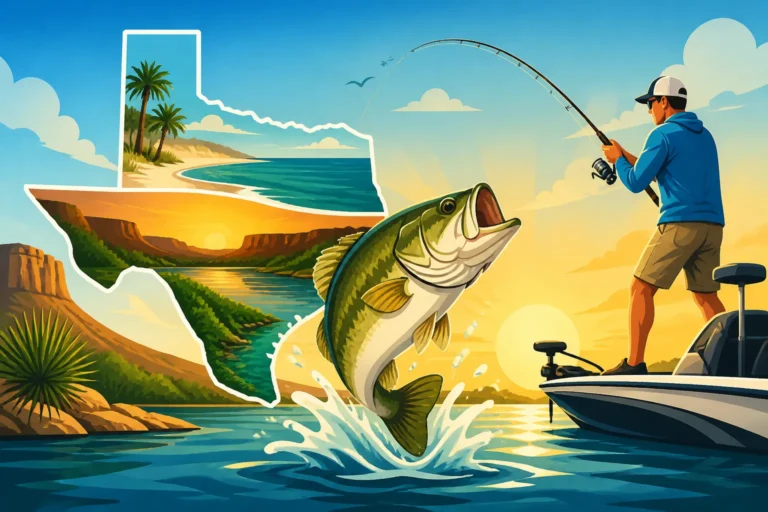
When most anglers talk about Falcon Lake, their minds immediately jump to one fish: the largemouth bass. This lake is synonymous with giant “hawgs” and regularly produces double-digit catches that make headlines in fishing magazines. It’s truly earned its reputation as one of the Best Bass Lakes in Texas. The abundant submerged cover, coupled with a warm climate and a rich forage base of shad and tilapia, creates the perfect environment for bass to grow to enormous sizes. Many anglers come here specifically hoping to land a ShareLunker-class bass, contributing to the state’s trophy bass program. If you’re serious about trophy bass, you’ll want to dive into our Texas Largemouth Bass Fishing Guide for more in-depth tips.
Beyond the bucketmouths, Falcon Lake holds another incredible draw: the alligator gar. This ancient, powerful fish can reach truly massive sizes here, providing an unparalleled fight for those seeking a unique angling challenge. Catching an alligator gar often requires specialized heavy tackle and techniques, and anglers specifically targeting these prehistoric giants will find Falcon to be a prime destination. Our Texas Alligator Gar Fishing Guide offers a deep dive into how to tackle these formidable creatures. Besides these two heavy hitters, the lake also supports healthy populations of channel catfish, blue catfish, and flathead catfish, especially in the deeper channels. Crappie and white bass are also present, offering additional angling opportunities, particularly during their seasonal runs.
Navigating Falcon Lake’s Fishing Opportunities
Fishing Falcon Lake isn’t just about casting a line; it’s about understanding its rhythm, its seasons, and how the fish react to its ever-changing environment. What works one month might be completely ineffective the next, underscoring the need for adaptability and local knowledge.
Best Seasons for Different Species
Just like any body of water, Falcon Lake has its prime times for different species. For **largemouth bass**, spring (February through April) is often considered the absolute peak, especially during the pre-spawn and spawn periods. This is when the biggest bass move shallow, gorging themselves before and during the spawn, making them more accessible to anglers. You’ll find them cruising the newly inundated brush and rocky points. As summer approaches (May through September), the bass move deeper, seeking cooler, oxygen-rich water and denser cover. Early mornings and late evenings, or even night fishing, become key. Fall (October through November) brings a feeding frenzy as bass fatten up for winter, often schooling up and chasing baitfish. Winter (December through January) can be slower, with bass holding tight to deep structure, but trophy fish are still caught by those who fish slowly and methodically.
Alligator gar are most active in the warmer months, typically from late spring through fall, when water temperatures are high. They prefer sluggish, warm waters and can often be seen basking on the surface in calmer coves or river channels. For catfish, summer nights are fantastic, especially for blue and channel cats that will readily take prepared or cut baits. Flatheads, being ambush predators, are often caught on live bait in deeper holes. White bass have their schooling runs, often in late winter and early spring, particularly up the Rio Grande arm or major creek channels when water levels allow.
Prime Fishing Spots and Structure
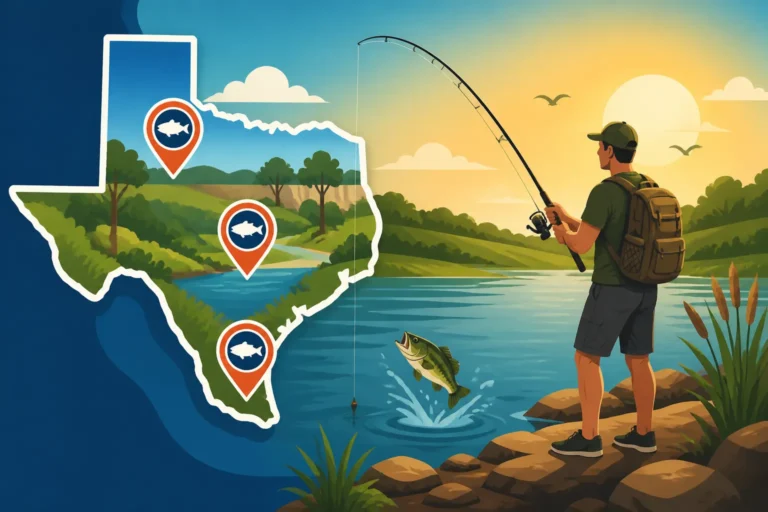
The key to finding fish on Falcon Lake lies in understanding its diverse and often hidden structure. When water levels are high, the lake is a forest of submerged mesquite trees and brush. These areas provide incredible cover for bass, offering ambush points and protection. Flipping and pitching jigs or How to Fish a Texas rig into these dense thickets is a highly effective strategy. Old creek channels, which crisscross the lakebed, act as highways for fish, especially during migration patterns or when they’re seeking deeper water. Look for drops, bends, and intersections in these channels.
Rocky points and ledges are also consistent producers, particularly when bass are transitioning between shallow and deep water. These areas can hold schooling bass and are excellent for throwing crankbaits or deep-diving lipless baits. The main Rio Grande arm, especially towards the upper reaches where the river enters the lake, offers a different fishing experience, with current and riverine structure playing a larger role. This area is often good for catfish and white bass. Always remember that water levels dictate accessibility. A spot that was hot last year might be dry land today, or a boat ramp you used before might be unusable. Always check current lake levels and recent fishing reports, and be prepared to adapt your plans.
Essential Techniques for Falcon Lake Success
Fishing Falcon Lake demands a robust approach. It’s not a place for light tackle and timid presentations. The fish are big, the cover is thick, and the conditions can be unforgiving.
Bass Fishing Strategies
To truly succeed at bass fishing on Falcon, you need to be versatile and willing to tackle heavy cover. One of the most common and effective techniques here is **flipping and pitching**. This involves using a stout rod (7′ to 8′ heavy action), a baitcasting reel spooled with 20-30 lb fluorocarbon or braided line, and heavy jigs (3/8 oz to 1 oz) or Texas-rigged soft plastics. You’re essentially dropping your bait into small openings in dense brush, aiming for bass that are holding tight to cover. Patience and precision are paramount. Learning How to Fish for Bass in Texas will greatly benefit your Falcon Lake trips.
Another highly productive method involves crankbaits and swimbaits, especially when bass are schooling on points, ledges, or chasing baitfish in open water. Deep-diving crankbaits that can reach depths of 15-20 feet are excellent for working submerged humps and channels. Large swimbaits, both hard and soft, are fantastic for targeting the true trophy bass that are often looking for a substantial meal. Topwater lures, such as frogs, poppers, and walking baits, can be incredibly exciting and effective during early morning, late evening, or overcast conditions, especially when fished over shallow brush or grass. Remember, when you get a bite on Falcon, you need to get that fish out of the cover quickly, so setting the hook hard and cranking fast is crucial.
Targeting Alligator Gar and Catfish
Falcon Lake is a prime destination for those looking to tangle with the legendary alligator gar. Unlike bass fishing, targeting gar is a game of patience and brute strength. The most common and effective method involves **large, fresh cut bait** (like carp, buffalo, or shad) fished on the bottom with heavy-duty circle hooks and extremely robust tackle – think saltwater gear. Many anglers use heavy braided line (80-100 lb test) paired with a heavy action rod and a reel with a strong drag. Placing these baits in deeper bends of old river channels or near significant drop-offs where gar are known to patrol can be highly effective. The key is to let the gar really take the bait before setting the hook, as their bony mouths can be difficult to penetrate.
For catfish, Falcon offers excellent opportunities, especially for blue and channel cats. Bottom fishing with prepared stink baits, cut bait, or shrimp is highly productive in deeper areas, along creek channels, or near river bends. You can use traditional rod and reel setups, or if you're feeling adventurous and understand the local regulations, trotlines and juglines are also popular methods for catching a significant haul of catfish. For flathead catfish, which prefer live bait, setting out live perch or sunfish in cover-rich areas during the night can yield impressive results. Regardless of your target, remember that robust gear is your friend on Falcon – light tackle simply won't cut it when dealing with these powerful fish.
Safety and Practical Considerations on Falcon Lake
Falcon Lake is a truly wild and captivating place, but its unique characteristics also demand extra layers of planning and awareness. Being prepared and respectful of your surroundings is not just good practice, it’s essential for a safe and enjoyable trip.
Navigating the Water and Border Proximity
The dynamic nature of Falcon Lake’s water levels means that hazards can appear or disappear with startling speed. Submerged timber, rocky outcroppings, and shallow areas can be perilous, especially if you’re unfamiliar with the current conditions. Always use up-to-date mapping and GPS, pay close attention to depth finders, and travel at safe speeds, especially when navigating unfamiliar stretches. It’s not uncommon for what was a clear path a month ago to be littered with stumps and debris after a drop in water levels. This constant vigilance is critical, and asking local bait shops or guides for current hazard updates is always a smart move.
Perhaps the most significant unique factor of Falcon Lake is its location directly on the U.S.-Mexico border. This proximity means that anglers need to be acutely aware of their surroundings and understand the limitations and potential risks. While most fishing activity is peaceful and recreational, there have been historical reports and concerns regarding safety in some areas. It's crucial to stay on the U.S. side of the lake, avoid venturing into Mexican waters, and always be mindful of suspicious activity. Anglers should prioritize their safety by traveling in groups if possible, informing others of their plans, and having reliable communication devices. Many people ask, Is Falcon Lake safe to fish?, and the answer is generally yes, with common sense precautions. For more details on fishing near the border, you might find our specific guide on Falcon Lake fishing near the Mexico border helpful, as it addresses many common concerns and practical advice. Always keep a close eye on your gear and maintain a situational awareness of everything around you.
Gear, Supplies, and Professional Guidance
Given the remote nature of Falcon Lake and the potential for challenging conditions, your preparation and gear are paramount. **Fuel efficiency** is a major consideration; ensure you have more than enough fuel for your planned outing, plus a significant reserve. It’s a large lake, and help can be a long way off. Always carry ample **fresh water, snacks, sunscreen, and first-aid supplies**. A fully charged cell phone (though service can be spotty in some areas) and potentially a satellite communication device are highly recommended for emergencies. Your boat itself needs to be in top condition, including a fully functional motor, navigation lights, and all required safety equipment like life jackets and a fire extinguisher.
For those new to Falcon Lake or looking to maximize their chances, hiring a professional fishing guide is an invaluable investment. A good guide will possess extensive local knowledge, understanding the ever-changing water levels, fish patterns, and safe navigation routes. They can put you on fish faster, teach you specific techniques for the lake, and provide a layer of safety and confidence, especially given the lake's unique characteristics. Services like FishingBooker allow you to easily find and book experienced Falcon Lake fishing guides, helping you tap into that crucial local expertise and ensuring a more productive and secure trip. Even experienced anglers often opt for a guide on their first few trips to truly learn the nuances of this remarkable reservoir.
Regulations and Responsible Angling at Falcon Lake
Fishing on Falcon Lake, while a grand adventure, still falls under the purview of Texas Parks and Wildlife Department (TPWD) regulations. Understanding and adhering to these rules isn’t just about avoiding fines; it’s about contributing to the long-term health and sustainability of this incredible fishery.
Licensing and Specific Lake Rules
Before you even think about launching your boat or casting a line, ensure you have a valid Texas fishing license. This is a non-negotiable requirement for almost all anglers aged 17 and older. You can find detailed information on obtaining one in our comprehensive guide, Texas Fishing License Requirements Explained. For Falcon Lake specifically, you’ll generally need a freshwater fishing license, and often a standard “All-Water” package is the most convenient if you plan to fish other Texas waters.
Beyond the license, it's critical to be familiar with the Texas Freshwater Fishing Regulations. While many regulations are statewide, some lakes can have special exceptions or unique rules for certain species. For largemouth bass on Falcon Lake, the general statewide limits usually apply: a 14-inch minimum length limit and a 5-fish daily bag limit. However, always double-check the current TPWD Outdoor Annual or website, as these can change. For those pursuing the impressive alligator gar, Falcon Lake is often a hotspot, but strict regulations exist for these ancient fish regarding length and bag limits, which can be species-specific and aim to protect their population. Our guide on Texas Largemouth Bass Length Limits and Texas Alligator Gar Size and Growth can provide specific numbers, but always verify the most current rules.
Conservation and Environmental Stewardship
Falcon Lake’s wild character relies heavily on the responsible behavior of its anglers. For trophy largemouth bass, **catch-and-release** is highly encouraged, especially for the larger “Legacy Class” fish that contribute to the ShareLunker program and the lake’s genetic potential for producing future giants. Practicing proper fish handling techniques—minimizing out-of-water time, supporting the fish horizontally, and using appropriate tools for hook removal—ensures these magnificent creatures swim away healthy to be caught another day.
Beyond fish handling, environmental stewardship extends to keeping the lake clean. Pack out everything you pack in, and avoid littering. The remote nature of Falcon means there are fewer people to clean up, so every piece of trash left behind has a greater impact. Also, be mindful of invasive species. Clean, drain, and dry your boat and gear after every trip to prevent the spread of harmful plants and animals to other waterways. Finally, as mentioned earlier, due to the border proximity, if you observe any suspicious or illegal activity, it's always best to report it to local law enforcement or TPWD game wardens rather than attempting to intervene yourself. Protecting Falcon Lake means respecting its unique environment, its fish, and its community.
Falcon Lake Fishing at a Glance
| Species Target | Best Season | Primary Lure/Bait | Key Techniques | Specific Considerations |
|---|---|---|---|---|
| Largemouth Bass | Spring (Feb-Apr) | Jigs, Texas-rigged plastics, Crankbaits, Swimbaits | Flipping/Pitching heavy cover, Deep cranking, Topwater | Watch water levels for structure access; Trophy potential; Catch & Release |
| Alligator Gar | Warm Months (May-Oct) | Large Cut Bait (carp, buffalo, shad) | Bottom fishing with heavy tackle | Patience, very strong gear; Check specific length/bag limits |
| Channel/Blue Catfish | Summer (May-Sep) | Prepared baits, Cut bait, Shrimp | Bottom fishing, Trotlines/Juglines | Excellent night fishing; Deeper channels & bends |
| Flathead Catfish | Summer (May-Sep) | Live Bait (perch, sunfish) | Bottom fishing in cover; Night fishing | Ambush predators, require active prey |
| White Bass | Late Winter/Early Spring | Small spoons, Spinners, Live minnows | Trolling, Casting to schooling fish | Often found in Rio Grande arm during runs; Fast action |
Disclaimer
Fishing conditions and regulations in Texas can change. Always check the latest Texas Parks and Wildlife Department (TPWD) regulations and local weather conditions before heading out. Safety should always be your top priority on the water. This guide is for informational purposes only.