Texas Crappie Fishing Guide
There’s nothing quite like the thrill of a crappie bite in Texas, but if you’ve ever spent hours on the water without a nibble, you know the frustration. Texas lakes are vast, and crappie can be notoriously fickle, disappearing from one day to the next, leaving anglers scratching their heads. This comprehensive guide is here to untangle the mystery, providing you with everything you need to know to consistently locate, attract, and land these delicious panfish in the Lone Star State, no matter the season or the conditions.
Understanding Crappie Species in Texas
Before we dive into the "how-to," it's crucial to understand what you're fishing for. Texas is home to two primary species of crappie: white crappie and black crappie. While they share many similarities, knowing their subtle differences can give you a significant edge, helping you tailor your approach to their specific preferences and habitats. It’s not just about catching "crappie"; it’s about understanding the individual fish in front of you.
White Crappie vs. Black Crappie: Key Differences
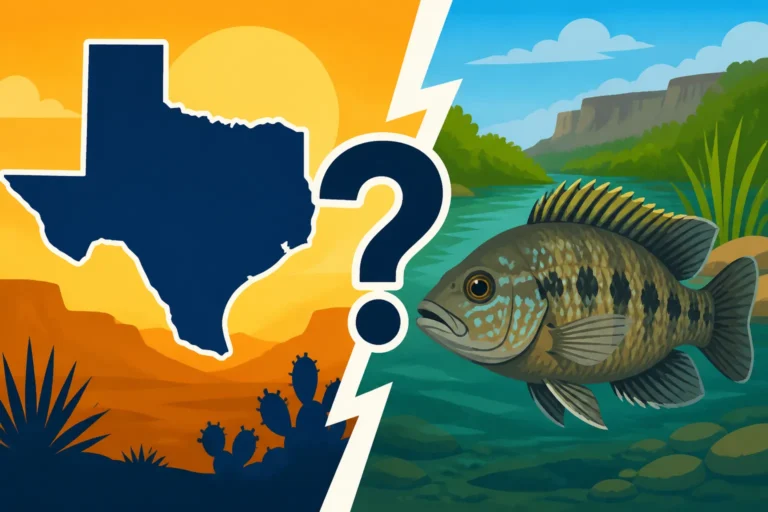
Often, anglers just call them "slab crappie" or "paper mouths," but there are distinct characteristics that set white crappie apart from their black crappie cousins. The most reliable way to tell them apart is by counting the dorsal fin spines. White crappie typically have 5 or 6 dorsal spines, while black crappie will have 7 or 8. This might sound like a minor detail, but it speaks to their evolutionary paths and often their preferred habitats.
Beyond the fin count, look at their body shape and markings. White crappie usually have a more elongated body with distinct vertical bars on their sides, giving them a somewhat tiger-striped appearance, especially when they're fresh out of the water. Black crappie, on the other hand, tend to be deeper-bodied, almost disc-shaped, with irregular, blotchy spots scattered across their sides, rather than defined bars. They often appear darker overall, hence the name. These physical traits aren't just for identification; they often correlate with where you'll find them and what they prefer to eat. For a deeper dive, check out our guide on Texas White Crappie vs Black Crappie.
These differences in appearance often translate into behavioral distinctions. White crappie are generally more tolerant of turbid (murky) water and open water habitats, often found in larger schools in reservoirs and rivers. They're common in many of Texas's larger impoundments. Black crappie prefer clearer water with more abundant aquatic vegetation, submerged timber, or other complex structures. They might be found in smaller, more isolated groups. Knowing this can help you decide which side of the lake to target or what kind of cover to focus on. If you're fishing a muddy, riverine lake, odds are you're going to encounter more white crappie. If it's a clear, stump-filled reservoir, black crappie might be the dominant species.
Crappie Biology and Behavior in Texas Waters
Crappie are fascinating fish, and understanding their life cycle and habits is key to consistent success. They are members of the sunfish family, known for their flattened, disc-like bodies and, of course, their delicious white flesh. In Texas, their behavior is heavily influenced by water temperature, which dictates everything from their spawning patterns to their feeding habits and preferred depths. Ignoring these biological cues is like trying to find a needle in a haystack – you might get lucky, but you're working against the odds.
The spawning season is arguably the most critical time for crappie anglers. In Texas, this typically occurs in spring when water temperatures rise into the mid-50s to low-70s Fahrenheit, usually from late February through May, depending on the region and specific body of water. During this period, crappie move into shallow water, often around brush, submerged logs, docks, or aquatic vegetation to build nests and lay eggs. They become highly concentrated and aggressive, making them easier to target. This is when many anglers catch their biggest "slabs."
Outside of the spawn, crappie are schooling fish. They love structure and cover, using it for ambush points and protection from predators. In warmer months, they'll often retreat to deeper, cooler waters, suspending themselves over creek channels, around submerged timber, or under bridge pilings. In cooler months, they might congregate in even deeper holes or along subtle depth changes. Their diet consists primarily of small fish (especially shad and minnows) and invertebrates like insects and crustaceans. Understanding this preference means selecting baits and lures that mimic their natural food sources. They have large mouths for their size, hence their propensity for inhaling larger baits than you might expect for a panfish.
Prime Crappie Fishing Locations in Texas
Texas is a massive state, blessed with an incredible array of lakes, rivers, and reservoirs, many of which hold fantastic crappie populations. However, not all water bodies are created equal when it comes to consistently producing those delicious slabs. Knowing where to start your search is half the battle, and it requires understanding both the general characteristics crappie prefer and the specific lakes that are known hotspots.
Top Texas Lakes for Crappie Fishing
When Texans talk about crappie fishing, certain lake names always come up. These aren't just random spots; they're bodies of water that consistently manage to grow healthy, abundant crappie populations thanks to rich forage bases, ample structure, and good management practices. Places like Lake Fork, famously known for its trophy bass, also harbor incredible crappie. The vast submerged timber, creek channels, and fertile waters provide an ideal environment for crappie to thrive and grow to impressive sizes. It’s not uncommon to pull 2-pound crappie out of Lake Fork.
Other giants like Sam Rayburn Reservoir and Toledo Bend Reservoir, both in East Texas, are also crappie factories. These immense lakes offer endless opportunities, with deep creek channels, massive brush piles, and expansive timber forests that hold crappie year-round. While intimidating in size, focusing on key areas within these lakes, often detailed in local fishing reports, can lead to incredible days. Lake Palestine and Cedar Creek Reservoir also stand out for their consistent crappie catches, often producing both quantity and quality. These lakes tend to have excellent shallow-water cover for spawning and deeper structures for summer and winter congregations. Remember, each lake has its own personality, so what works on one might need tweaking on another. Our guides on Lake Fork Fishing Guide, Sam Rayburn Reservoir Fishing Guide, and Toledo Bend Reservoir Fishing Guide offer even more specific insights into these big lakes.
Of course, beyond the giants, there are countless smaller lakes and even river stretches that offer phenomenal crappie fishing. Consider lakes like Lake Whitney in Central Texas or Lake Livingston in Southeast Texas, both known for producing solid crappie numbers. Many smaller community lakes, part of the Texas Parks and Wildlife Department's Neighborhood Fishin' program, are also regularly stocked and can be fantastic spots for a quick crappie outing, especially for beginners or those fishing with kids. The key is often local knowledge and staying updated on recent fishing reports. The best crappie lake isn't always the biggest one; sometimes, it's the hidden gem closest to home.
Identifying Crappie Hotspots and Structure
Crappie are undeniably structure-oriented fish. They don't just swim aimlessly in open water; they associate with anything that provides cover, shade, or an ambush point. If you learn to identify and effectively fish these structures, you'll be well on your way to filling your livewell. The most classic crappie hangout is a brush pile or submerged timber. These can be natural fallen trees, old stumps, or intentionally placed artificial habitats. Crappie will hold tight to these, often suspending just above or within the branches, waiting for baitfish to swim by. Learning to drop a jig or minnow precisely into these areas is a game-changer.
Bridge pilings are another massive crappie magnet, especially on larger reservoirs. The vertical structure provides shade, current breaks, and often deep water access, making them ideal year-round hangouts. Crappie will suspend at various depths around the pilings, depending on the season and time of day. Old creek channels, winding through the lakebed, act as highways for crappie, especially during seasonal migrations or when they move to deeper water. Finding where these channels intersect with other structures or depth changes can be incredibly productive.
Don't overlook docks and marinas, especially those with lights that attract baitfish at night. The pilings and shaded undersides of docks offer excellent cover, and many anglers specifically target crappie here. Aquatic vegetation, like hydrilla or pondweed, also holds crappie, particularly black crappie, offering both food and cover. Learning to "read the water" – identifying these types of structures visually or with your electronics – is a skill that develops over time, but it's essential for consistent crappie success. Sometimes, the most unassuming stick-up could be holding a school of slabs.
When to Chase Crappie: Seasons and Timing
Crappie fishing isn't a one-size-fits-all endeavor; the best time to fish for them changes dramatically with the seasons and even the time of day. Adapting your strategy to these natural cycles is paramount. What works in the chilly depths of winter won't necessarily yield results in the shallow warmth of the spring spawn. Understanding the crappie's seasonal movements and habits is the key to year-round success on Texas waters. This is where diligent observation and perhaps a good fishing calendar or app come in handy. For a more general overview, you might find our guide on the Best Time of Year to Fish in Texas helpful.
Spring Crappie Spawn: The Golden Window
Ah, the spring crappie spawn – for many, this is the most exciting time to be on the water. As Texas warms up after winter, usually from late February into May, crappie move into the shallows to reproduce. Water temperatures generally range from the mid-50s to low-70s Fahrenheit, signaling to these fish that it's time to find a mate and nest. This is often when crappie become most accessible and aggressive, congregating in large numbers in predictable locations.
During the spawn, crappie will seek out shallow, protected areas with abundant cover. Think brush piles, submerged logs, weed beds, cattail edges, and even the shallow ends of boat docks. They'll fan out circular nests, and both males and females will be present and actively feeding, making them easier to catch. The best techniques often involve light tackle, small jigs (1/32 to 1/16 oz) or live minnows suspended under a bobber. Pitching these baits right into the cover or around the edges of visible structure is incredibly effective. The bites can be light, so a sensitive rod is key. Look for those sunny, calm days in spring; the crappie will often move up even shallower, making them easier to spot and target.
While the spawn is prime time, it's important to remember that it doesn't happen all at once across an entire lake. Crappie will spawn in waves, with some fish moving up earlier than others. Pay attention to water temperature in different parts of the lake – shallower coves warm up faster than main lake points. Also, a sudden cold front can push crappie back into slightly deeper water temporarily, making them harder to find until the weather stabilizes. Persistence and adapting to daily conditions are crucial during this incredible season.
Summer Crappie Strategies: Beating the Heat
Once the Texas summer really kicks in, and water temperatures climb into the 80s and even 90s, crappie's behavior shifts dramatically. They vacate the shallow spawning grounds and retreat to deeper, cooler water. This doesn't mean crappie fishing stops; it just means you need to adjust your approach. During the scorching summer, crappie will often suspend over or around deep structure. Think about areas like the ledges of old creek channels, deep brush piles, standing timber in the main lake basin, or bridge pilings that extend into deep water. They might be anywhere from 15 to 30 feet deep, sometimes even deeper.
The key to summer crappie is precision and often vertical fishing. Using your electronics to locate schools of crappie suspended over structure is absolutely critical. Once you've marked them, you'll want to drop small jigs (again, 1/16 to 1/8 oz) or live minnows directly down to their depth. Spider rigging (trolling multiple rods with different baits at different depths) is a popular and effective summer technique, allowing you to cover water and find the fish. Night fishing can also be incredibly productive in summer. Crappie, like many other species, become more active and move shallower under the cover of darkness, especially around lights that attract baitfish.
Early mornings and late evenings are often the most productive times during the day when the sun isn't as intense. Crappie might move up slightly shallower during these periods to feed. Remember that crappie will follow their food source, so if you're marking schools of shad in deeper water, the crappie won't be far behind. Deeper brush piles that hold baitfish are always a good bet. While summer can be challenging, the rewards of finding a big school of deep-water crappie are well worth the effort.
Fall Crappie Fishing: Transition and Feeding Frenzies
Fall in Texas brings a welcome change from the summer heat, and with it, a fantastic crappie bite. As water temperatures begin to cool, usually from September through November, crappie transition from their deep summer haunts and become much more active. They're often in a feeding frenzy, trying to put on weight for the upcoming winter, making them eager to bite. This period is a personal favorite for many anglers due to the comfortable weather and aggressive fish.
During the fall, crappie often spread out more than in summer, but they're still largely structure-oriented. You'll find them in a variety of depths, from shallower creek channels and points to deeper brush piles. They might be relating to baitfish schools that are also moving shallower as the water cools. Look for concentrations of shad, and you'll often find crappie nearby. Trolling with jigs or small crankbaits can be highly effective for covering water and locating these scattered schools. Casting jigs to brush piles or vertically jigging over submerged timber also works wonders.
The beauty of fall fishing is the adaptability it offers. On warmer fall days, crappie might still be found relatively shallow, similar to early spring patterns. On cooler days, they'll hold a bit deeper. Pay attention to the weather patterns and water temperatures; a stable stretch of mild weather can lead to incredible fishing. As the season progresses towards winter, crappie will gradually move deeper, signaling the transition to cold-water tactics. This time of year often offers some of the best fishing for both numbers and size.
Winter Crappie: Slow and Deep
Winter crappie fishing in Texas, while often overlooked by fair-weather anglers, can be incredibly rewarding for those willing to brave the chill. While the overall crappie metabolism slows down, making them less aggressive, they tend to congregate in large, tight schools in predictable deep-water locations. Finding these schools is the biggest challenge, but once you do, you can often catch a limit of slabs. For specific tips on fishing during this season, check out How to Catch Crappie in Cold Water.
During the coldest months, from December through February, crappie will seek out the deepest, most stable water in a lake. This means focusing on deep creek channels, main lake points, major river channels, and deep brush piles or standing timber that extends into the depths. Crappie will often suspend tightly together, sometimes just a few feet off the bottom, sometimes mid-depth, always near a significant structure. They're conserving energy, so a slow, subtle presentation is crucial.
Vertical jigging with tiny jigs (1/32 oz or even lighter) or small live minnows is the name of the game. Your electronics become indispensable for locating these deep schools. Once you mark fish, position your boat directly over them and gently drop your bait. The bites will often be extremely light – sometimes just a subtle "thump" or a feeling of added weight on your line. A sensitive rod with a fast tip is essential to detect these faint takes. Don't be afraid to experiment with different depths within the school; sometimes they prefer the very top, other times the bottom. Patience and a keen eye on your fish finder will lead to success in the winter.
Tried-and-True Crappie Fishing Techniques
Once you've located the crappie, the next step is enticing them to bite. There's an art to crappie fishing, and mastering a few key techniques will dramatically increase your catch rate. Whether you prefer the active engagement of jigging, the classic appeal of live bait, or the efficient coverage of trolling, there's a method for every angler and every situation. Each technique has its nuances, and understanding them will help you adapt to what the crappie are telling you on any given day.
Jigging for Crappie: Precision and Presentation
Jigging is perhaps the most popular and versatile technique for crappie fishing. It involves using small, weighted lures (jigs) that are designed to mimic baitfish or insects. The beauty of jigging lies in its precision; you can drop a jig directly into a brush pile, subtly twitch it around structure, or cast it long distances. For many anglers, the feeling of a crappie thumping a jig is pure joy.
There are several ways to jig for crappie. Vertical jigging is incredibly effective when crappie are holding tight to deep structure, like submerged timber or bridge pilings, particularly in summer and winter. You use your electronics to position your boat directly over the fish, then drop your jig straight down, holding it at their depth and imparting small, subtle twitches. Experiment with how aggressive your jigging action is; sometimes they want a very active presentation, other times a barely-there quiver. Casting jigs, on the other hand, is great for shallower water, covering flats, or fishing around visible cover like docks or lily pads. You cast out, let the jig sink, and retrieve it with a slow, steady reel and occasional twitches. Different jig types, from soft plastics on lead heads to hair jigs, each have their own unique action and appeal. Our guide on Best Crappie Jigs for Texas Lakes can give you more specific recommendations.
When choosing a jig, consider both size and color. For crappie, smaller is often better, with 1/32 oz to 1/8 oz being common. Color choice can be critical; chartreuse, white, black/chartreuse, and various shad patterns are perennial favorites in Texas. However, crappie can be finicky, so always have a variety on hand. Water clarity and sunlight levels can influence what color works best. On cloudy days or in murky water, brighter colors might stand out, while in clear water, more natural or subdued colors might be preferred. The key is experimenting until you find what the fish want on that particular day.
Live Bait Rigs: Minnows are Gold
While artificial lures are incredibly effective, nothing beats live bait for crappie in many situations, especially when they're less aggressive. And when it comes to live bait for crappie, minnows are king. The natural movement, scent, and visual appeal of a struggling minnow are often irresistible to hungry crappie, making them an essential part of any crappie angler's arsenal. Always have a good minnow bucket and aerator to keep your bait lively.
One of the most common live bait setups is a slip bobber rig. This allows you to set your minnow at any depth, from inches off the bottom to suspending it mid-water, and the bobber makes it easy to detect bites. Simply thread your line through the bobber stopper, then the bobber, then tie on a small hook (typically a #2 or #4 light-wire hook) with a split shot or small sinker a few inches above the hook. Hook your minnow gently through the lips or just behind the dorsal fin to keep it lively. This setup is fantastic for fishing around brush piles, docks, or any distinct structure where crappie are holding at a specific depth.
Another highly effective live bait technique is tight-lining, often used when vertically fishing deep structure or when spider rigging. With tight-lining, you use just enough weight to get your minnow down to the desired depth, holding your rod tip steady and feeling for the bite. It requires more sensitivity and focus but can be incredibly rewarding. Whether using bobbers or tight-lining, remember to use light line (4-6 lb test monofilament or fluorocarbon) to present your minnow naturally. Crappie have delicate mouths, so a gentle hookset is usually all that's needed to secure the fish.
Trolling for Crappie: Covering Water
When crappie are scattered, or you're trying to locate schools in a new area, trolling can be an incredibly efficient and productive technique. Trolling allows you to cover a lot of water and present multiple baits at different depths simultaneously, increasing your chances of finding active fish. It's especially popular in large Texas reservoirs where crappie can roam extensive flats or follow creek channels.
There are two primary trolling methods for crappie: spider rigging and long-lining. Spider rigging involves setting up multiple rods (sometimes 6 to 10 or more) from the front and sides of your boat, fanned out like a spider's legs. Each rod presents a jig or a minnow rig at a slightly different depth and distance from the boat. You then slowly motor along at very low speeds (often less than 1 mph), watching your rod tips for bites. This method allows you to experiment with depth, bait presentation, and even jig colors until you find what the crappie prefer. It's a fantastic way to target suspended crappie over deep channels or flats.
Long-lining, on the other hand, involves trolling a few rods directly behind the boat with longer lines, often using small crankbaits or heavier jigs. This method covers more water horizontally and is often used to target crappie along contours or shallower flats, especially in spring and fall. The crankbaits create vibration and flash, enticing more aggressive crappie. Regardless of the trolling method, pay close attention to your boat speed, as even slight variations can make a big difference in how your baits perform and how the crappie react. A good GPS-enabled trolling motor is an invaluable tool for maintaining consistent speeds and tracking your productive paths.
Gearing Up for Texas Crappie Success
Having the right tools for the job can make all the difference in crappie fishing. While you don't need to break the bank, investing in quality gear tailored for crappie will enhance your experience and increase your catch rate. From the sensitivity of your rod to the effectiveness of your lures, every piece of equipment plays a role.
Rods, Reels, and Line: The Right Setup
For crappie fishing, the emphasis is on light tackle that offers sensitivity and a delicate presentation. A good crappie rod is typically a light or ultralight action spinning rod, ranging from 6 to 10 feet in length. The longer rods (8-10 ft) are excellent for spider rigging or casting light jigs a long distance, while shorter rods (6-7 ft) offer more precision for vertical jigging or fishing in tight cover. The light action is crucial for detecting subtle crappie bites, which can sometimes feel like nothing more than a slight pressure or a "mushy" retrieve.
Pair your sensitive rod with a small, lightweight spinning reel (typically a 500 to 1000 series). These reels are perfect for handling light lines and providing smooth retrieves without adding unnecessary bulk. A good drag system is also important, as crappie, despite their delicate mouths, can put up a surprisingly strong fight, especially larger slabs. On Amazon, you can find excellent budget-friendly combos that are perfect for getting started, or step up to more premium setups as you gain experience.
Line choice is critical. Most crappie anglers opt for 4 to 6 lb test monofilament or fluorocarbon. Monofilament is a popular choice for its stretch, which can help absorb the shock of a crappie's fight and prevent hooks from tearing through their soft mouths. Fluorocarbon, with its low visibility and good sensitivity, is also an excellent option, particularly in clear water. Some anglers prefer a thin braided line (6-10 lb test) for maximum sensitivity and strength, often adding a 2-4 foot fluorocarbon leader to maintain stealth. The key is matching your line to your technique and the conditions, always leaning towards lighter options for crappie.
Essential Baits, Jigs, and Lures
Beyond live minnows, artificial baits and jigs are indispensable for crappie fishing. The sheer variety available can be overwhelming, but a few categories consistently produce. Small soft plastic jigs are probably the most versatile, available in countless shapes, sizes, and colors. Curly tail grubs, straight-tail minnows, and small tubes are all highly effective. Pair these with jig heads ranging from 1/32 oz to 1/8 oz, adjusting weight based on depth, wind, and current. Carry a variety of colors, from natural shad and translucent patterns to bright chartreuse and pink, as crappie can be very particular.
Hair jigs, often made with bucktail or marabou, are another classic crappie killer. Their natural breathing action in the water is incredibly alluring, especially in cooler water or when fish are finicky. Tiny spoon lures, like those used for ice fishing, can also be deadly when vertically jigging deep schools. For aggressive crappie or when trolling, small crankbaits designed for panfish can be very productive. These mimic baitfish and offer a different presentation that can trigger strikes when jigs might not. You can easily find a fantastic selection of these lures and other crappie tackle on Amazon, making it convenient to stock up on all the essentials.
Don't forget the small but mighty details. Crappie hooks should be small (size 2 to 6), sharp, and thin-wired to penetrate easily and minimize damage to their delicate mouths. Split shot weights are essential for adjusting the sink rate of your jigs or minnows. Bobbers, both fixed and slip varieties, are key for presenting baits at precise depths. A tackle box or bag specifically organized for crappie lures, hooks, and weights will make your time on the water much more efficient.
Advanced Electronics and Accessories
While you can certainly catch crappie with basic gear, incorporating modern electronics can dramatically improve your success, especially on vast Texas lakes. A quality fish finder, ideally with side imaging or down imaging capabilities, is almost a necessity for consistently locating crappie, particularly when they're suspended in deep water or holding tight to submerged brush. These units allow you to literally "see" schools of fish, baitfish, and the structure they relate to, transforming blind casting into targeted presentations. For a deeper dive into these gadgets, check out Best Fishing Electronics for Texas Anglers.
Beyond the main fish finder, a GPS-enabled trolling motor can be a game-changer. Features like spot-lock (to hold your boat in place over a brush pile) or route tracking (to repeat productive trolling paths) are invaluable for precise crappie fishing. Good polarized sunglasses are also an often-overlooked accessory; they cut glare and allow you to spot visible structure, crappie, or baitfish in shallower water, especially during the spawn.
Lastly, don't forget essential accessories. A comfortable fishing seat or casting deck can make long days on the water more enjoyable. A quality livewell or a large cooler with plenty of ice is critical for keeping your catch fresh, especially in Texas heat. A net with rubber mesh is gentle on fish and prevents hooks from getting tangled. And of course, a good pair of fishing pliers for hook removal is a must. Building up your crappie gear over time allows you to tackle different conditions and techniques with confidence.
| Crappie Fishing Gear Type | Recommended Specs | Key Features |
|---|---|---|
| Rod | 6-10 ft, Ultralight/Light Action | Sensitive tip, strong backbone, cork or EVA handle |
| Reel | 500-1000 Series Spinning | Smooth drag, lightweight, good line capacity for light line |
| Line | 4-6 lb Monofilament or Fluorocarbon | Low visibility, good knot strength, appropriate stretch |
| Jigs (Soft Plastic) | 1/32 – 1/8 oz jig heads, 1-2 inch bodies | Curly tails, minnows, tubes; various colors (chartreuse, white, black/chartreuse, shad) |
| Live Bait | Small minnows | Kept lively in an aerated bait bucket |
| Hooks | Size #2 – #6 Light Wire | Sharp, small, easy to penetrate delicate mouths |
| Bobbers | Slip bobbers, fixed bobbers | Allows for depth adjustment, visual bite detection |
| Electronics | Fish Finder (with Down/Side Imaging) | Locates fish, bait, and submerged structure |
| Pliers | Small, needle-nose | Essential for hook removal and crimping |
| Cooler/Livewell | Well-insulated cooler or aerated livewell | Keeps catch fresh or alive, especially in Texas heat |
Navigating Texas Crappie Regulations
Fishing in Texas is a privilege, and with that comes the responsibility of understanding and adhering to the state's fishing regulations. These rules are in place to ensure healthy fish populations for future generations of anglers. Ignoring them can lead to hefty fines and a ruined fishing trip, so it's always best to be informed before you cast a line.
Understanding Bag and Length Limits
When it comes to crappie, Texas Parks and Wildlife Department (TPWD) sets specific daily bag and length limits. These limits can vary not only by species (white vs. black crappie, though they are often grouped together for limits) but also by the specific lake or water body you are fishing. Generally, the statewide daily bag limit for crappie is 25 fish, and there's a minimum length limit of 10 inches. This means you can keep up to 25 crappie per person per day, but each one must be at least 10 inches long from the tip of the nose to the end of the tail. This protects juvenile fish and allows them to grow and reproduce. Our article on Texas Crappie Bag Limits goes into more detail.
However, it’s crucial to know that many popular crappie lakes in Texas have special regulations that supersede the statewide rules. For example, some lakes might have an 8-inch minimum length limit, while others might have a 12-inch minimum, or even slot limits where you can keep fish below a certain size and one fish above a larger size, but nothing in between. Some lakes might also have different bag limits. These special regulations are often implemented to address specific conservation needs or to manage crappie populations in that particular body of water. Always check the current TPWD Outdoor Annual (available online, at sporting goods stores, or on their mobile app) for the specific lake you plan to fish before heading out. It’s your responsibility as an angler to know the rules.
Measuring your fish correctly is also important. Lay the fish flat on a ruler or measuring board with its mouth closed and its tail squeezed together to get the maximum length. If a fish is undersized, release it immediately and gently back into the water. Keeping undersized fish, or exceeding the bag limit, can result in significant penalties. It's not worth the risk. Always err on the side of caution and double-check the regulations for your specific fishing spot.
Licenses and Endorsements for Crappie Anglers
Unless you fall under a specific exemption, almost all anglers in Texas need a valid fishing license to fish for crappie, or any other fish for that matter. This applies to both residents and non-residents, and includes fishing in public waters, state parks, and often even private waters if it's connected to public waterways. There are different types of licenses available, from annual licenses to temporary ones for visitors. For comprehensive information, our Texas Fishing License Requirements Explained guide is a great resource. You can purchase licenses online, over the phone, or in person at most sporting goods stores and many Walmarts across the state.
For freshwater crappie fishing, a basic freshwater fishing license is usually sufficient. However, if your crappie adventures take you to brackish waters like the Sabine River or parts of Lake Texoma, or if you happen to catch a crappie while targeting other species in saltwater, you'll need to ensure your license covers those areas. The Texas Parks and Wildlife Department's Outdoor Annual clearly outlines all the different license types and any required endorsements. When you purchase your license, you'll typically be asked if you need a freshwater, saltwater, or all-water package. Most crappie anglers will primarily need the freshwater package. Our guide on Texas Freshwater Fishing Regulations provides more detail on specific freshwater rules.
It's important to remember that fishing licenses are valid from September 1st through August 31st of the following year, regardless of when you purchase them. So, if you buy a license in March, it will still expire on August 31st. Always carry proof of your license while fishing, either the physical copy, a printed copy, or on your mobile device via the official TPWD Outdoors App. Game wardens frequently check for compliance, and being caught without a valid license will result in a citation and fines. Stay legal, and enjoy your time on the water! You might even consider purchasing a durable, laminated copy of the annual regulations for your tackle box or boat from Amazon to have quick access to the rules.
Mastering Crappie Fishing: Advanced Strategies
Once you've got the basics down, you might feel like you're still missing something, especially on tough days. That's where advanced strategies come in. It's about moving beyond simply casting a line and starting to think like a crappie, using all the tools at your disposal to consistently outsmart these finicky fish. These tactics often involve a deeper understanding of the environment and a more nuanced approach to presentation.
Reading the Water and Interpreting Electronics
Truly successful crappie anglers don't just fish in the water; they fish with the water. This means constantly observing and interpreting everything around you. Water clarity, for instance, dictates lure color and presentation. Murky water often calls for brighter colors and more vibration, while clear water might demand more natural hues and subtle movements. Wind direction and intensity also play a huge role; wind can push baitfish, create current, or position crappie on specific structures. Learn to identify how current affects crappie positioning, especially around bridges or river channels.
Your electronics are your eyes underwater, and learning to interpret what they're telling you is crucial for advanced crappie fishing. Don't just look for "fish arches." Learn to distinguish baitfish schools from crappie schools, identify submerged timber, brush piles, ledges, and creek channels. Understand how thermoclines (layers of water at different temperatures) can hold crappie at specific depths, especially in summer. Side imaging and down imaging are particularly valuable for scanning large areas for brush piles or identifying schools of crappie holding tight to structure that might not show up well on traditional sonar. How to Read a Texas Lake Fishing Report can also offer clues about what to look for on your specific body of water.
Practice using your electronics in conjunction with physical landmarks. When you catch fish, mark the spot on your GPS. Over time, you'll start to develop patterns and understand why crappie are in certain areas under specific conditions. Look for subtle changes in bottom composition, small humps, or depressions that might not be obvious to the naked eye but are highlighted by your sonar. The more you learn to trust and interpret your electronics, the less time you'll spend searching and the more time you'll spend fishing productively.
Adapting to Weather and Water Conditions
Crappie, like all fish, are highly sensitive to changes in weather and water conditions. A sudden cold front, heavy rain, or even just a shift in barometric pressure can turn a hot bite into a tough grind. Advanced anglers understand these influences and adapt their strategies rather than sticking to a plan that's no longer working. For example, a sharp cold front after a warm spell can push crappie deeper and make them much less aggressive. In such cases, slowing down your presentation, downsizing your baits, and focusing on deeper, more stable water is often the key.
Heavy rains can muddy the water, reducing visibility. When this happens, crappie might move to the edges of the muddy water or into clearer feeder creeks. They might also become more reliant on scent and vibration. This is a good time to experiment with brighter, contrasting jig colors (like chartreuse and black) or baits with more action that displace more water. On the other hand, prolonged clear weather might call for lighter lines, more natural colors, and a stealthier approach to avoid spooking fish.
Even subtle changes in barometric pressure can affect a crappie's willingness to bite. Before a storm front moves in (falling pressure), crappie often feed actively and move shallower. After a front passes (rising pressure), they might become more lethargic and move deeper. Keeping an eye on weather forecasts and understanding these patterns allows you to anticipate crappie behavior and adjust your fishing spots and techniques accordingly. The best crappie anglers are constantly learning, observing, and adapting, always staying one step ahead of the fish.
Common Crappie Fishing Challenges and Solutions
Even the most seasoned crappie anglers face challenges. Crappie can be finicky, hard to locate, and sometimes, even when you find them, they just won't bite. It's part of the game, but understanding common problems and having a toolkit of solutions can turn a frustrating day into a successful one. Don't let a slow bite defeat you; consider it a puzzle to solve.
Dealing with Finicky Crappie
We've all been there: you're marking a huge school of crappie on your fish finder, but they just won't touch anything you throw at them. This is the definition of finicky crappie, and it's a common challenge. The first step is often to downsize your bait. If you're using a 1/8 oz jig, switch to a 1/16 oz or even 1/32 oz. Sometimes, a smaller profile is all it takes to trigger a bite. Similarly, if you're using a 2-inch plastic, try a 1-inch micro jig. The same goes for hooks; ensure your hooks are small and thin-wired, as larger hooks can deter a light bite.
Changing colors is another immediate go-to. If white isn't working, try chartreuse. If chartreuse isn't working, try a natural shad color or a darker color like black or purple. Water clarity, sunlight intensity, and the local forage base all play a role in what color crappie prefer on any given day. Don't be afraid to cycle through a dozen different colors until you find the magic one. Altering your presentation is equally important. If you're jigging aggressively, try a much slower, more subtle quiver. If your minnow is suspended, try moving it up or down a foot. Sometimes, just holding your bait perfectly still for a few seconds is what finally gets a bite. Crappie can be incredibly sensitive to the speed and action of your lure.
Finally, consider your line and leader choice. If crappie are extra spooky in clear water, a light fluorocarbon leader (2-4 lb test) can make a huge difference in getting bites. They might be able to see heavier, more visible line. If all else fails, sometimes you just need to move to a different spot. Finicky crappie in one brush pile might be actively feeding in another. Patience and persistence, coupled with a willingness to experiment, are your best friends when dealing with uncooperative crappie.
Locating Crappie in Vast Texas Lakes
Texas lakes are huge, and finding those elusive crappie can feel like searching for a needle in a haystack, especially if you're unfamiliar with the water. The solution here lies in a systematic approach, combining reconnaissance with smart use of technology. First, start with a good map – either a physical lake map or, even better, a digital mapping chip on your fish finder. Look for key features: creek channels, old river beds, sharp drops, humps, points, and areas marked with submerged timber or brush piles. These are the highways and neighborhoods for crappie.
Next, utilize your electronics to scout. Don't just drive around aimlessly; use your side imaging or down imaging to systematically scan promising areas. Look for concentrations of baitfish (often a good indicator that crappie are nearby) and distinct schools of crappie suspended over or around structure. Mark every piece of significant cover or every school of fish you see on your GPS. Over time, you'll build a personal library of crappie hotspots. Remember, fishfinders are not just for showing fish, but also for revealing the underwater landscape that holds them.
Finally, learn to pattern fish. This means recognizing trends. If you catch crappie at 15 feet deep in brush piles on the north side of the lake, chances are you'll find them doing the same thing in similar conditions elsewhere on the lake. Pay attention to the depth, type of structure, water temperature, and time of day when you get bites. Keep a mental (or even written) log of your successful spots and conditions. By understanding the patterns, you can quickly narrow down vast expanses of water to high-percentage areas, making your crappie search much more efficient and productive.
Disclaimer
This article is for general informational purposes only and does not constitute professional advice. Laws, prices and regulations vary by location and change over time. Consult a qualified professional for guidance on your specific situation.