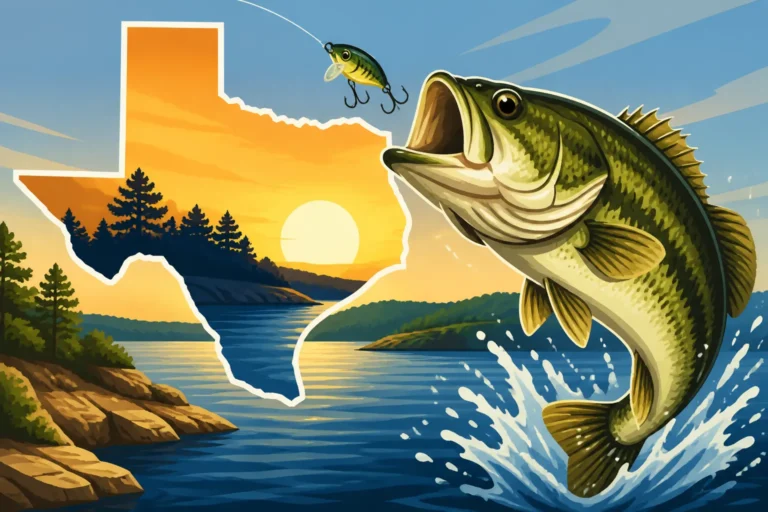
Most stocked bass lakes in Texas
It can be incredibly frustrating to hit the water, whether it's a huge reservoir or a local pond, with high hopes for some stellar bass action, only to come up empty-handed. We've all been there, casting for hours with little to show for it, wondering if the fish just aren't biting or if there aren't many to begin with. This guide is here to shed some light on the subject, specifically focusing on the most heavily stocked bass lakes in Texas, helping you understand where the Texas Parks and Wildlife Department (TPWD) puts its considerable efforts into maintaining thriving bass populations and how that can significantly boost your angling success.
Why Stocking Programs are a Game-Changer for Texas Bass Anglers
When you hear "stocked lake," you might immediately think of smaller, community ponds, but in Texas, the term applies to some of our biggest, most iconic reservoirs. The Texas Parks and Wildlife Department has an extensive and sophisticated fisheries management program, and stocking is a crucial component of that. It’s not just about throwing a few fish into a lake; it’s a strategic effort to enhance fisheries, introduce desirable genetics, and maintain robust populations that can withstand fishing pressure and environmental changes. For us anglers, this means more consistent opportunities to catch fish, and often, the chance to land that once-in-a-lifetime trophy bass.
The TPWD's Commitment to Bass Management and ShareLunker Success
The TPWD's role in bass management is nothing short of incredible, and it's a huge reason why Texas is often considered a premier destination for bass fishing. They operate several state-of-the-art fish hatcheries, like the one in Tyler and the A.E. Wood Fish Hatchery in San Marcos, where millions of bass fingerlings are raised annually. These aren't just any bass; many are Florida-strain largemouth bass, known for their potential to grow to massive sizes. The goal is often to introduce these genetics into existing populations or establish new ones, creating a better fishing experience for everyone.
One of the crown jewels of Texas bass management is the Toyota ShareLunker Program. This initiative encourages anglers to donate 13-pound-plus largemouth bass caught between January 1st and March 31st to the TPWD for spawning purposes. These "Legacy Class" fish are critically important because they possess the genetic potential for exceptional growth. The offspring from these giants are then meticulously reared and released back into Texas lakes, effectively supercharging those fisheries with big-bass genetics. So, when you're fishing a lake known for ShareLunker entries, you're literally casting into waters brimming with the progeny of some of the biggest bass ever caught in the state. Understanding how this program works can truly highlight why certain lakes consistently produce monster fish.
The Different Kinds of Bass You'll Find in Texas Waters
When we talk about "bass" in Texas, we're primarily referring to the black bass family, with the largemouth bass being the undisputed king. However, it's worth noting the nuances. The TPWD frequently stocks Florida-strain largemouth bass, which are genetically predisposed to grow larger than their native Northern-strain cousins. These Florida-strain introductions have been incredibly successful in creating the trophy bass fisheries we enjoy today.
While the focus here is largely on largemouth bass, it's also true that other "bass" species contribute to Texas's diverse fishing scene. White bass, for instance, are stocked in many reservoirs, providing fantastic schooling action, especially during their spring runs. Hybrid striped bass, a cross between striped bass and white bass, are also regularly stocked by the TPWD to provide another hard-fighting sport fish option. However, for sheer size and trophy potential, the Florida-strain largemouth bass remains the primary focus of the most intense stocking efforts, particularly for those lakes aiming to produce ShareLunker-sized fish. If you're looking for information specifically on these other species, you might want to check out our comprehensive guide on Texas White Bass Fishing Guide or the Texas Striped Bass Fishing Guide.
Top Stocked Bass Lakes Across Texas for Consistent Action
Texas is a massive state, and thankfully, the TPWD's stocking efforts are widespread, ensuring that great bass fishing opportunities exist from the piney woods of East Texas to the arid landscapes of the south. Identifying these stocked lakes is your first step toward more productive fishing trips. These aren't just random releases; they are part of ongoing strategies to maintain healthy, robust, and often trophy-producing bass fisheries.
East Texas Bass Factories That Keep on Giving
East Texas is synonymous with big bass, and many of its famous lakes owe a great deal to consistent stocking and thoughtful fisheries management. These lakes are often characterized by extensive timber, hydrilla, and deep-water structure, all perfect habitat for growing large bass.
- Lake Fork: No discussion of Texas bass fishing, especially stocked lakes, is complete without mentioning Lake Fork. Located roughly 65 miles east of Dallas, Lake Fork is arguably the most famous trophy bass lake in the world, and it's a direct result of intensive management and stocking of Florida-strain largemouth bass. Since its impoundment in 1980, it has been primarily managed as a trophy bass fishery. TPWD regularly stocks ShareLunker offspring and Florida-strain fingerlings here, ensuring a continuous supply of genetically superior fish. The lake's slot limit (16-24 inches) also helps protect the most productive breeding-size fish, further enhancing its reputation. Anglers on FishingBooker frequently highlight Lake Fork as a prime destination for trophy hunters. If you're planning a trip, be sure to delve into our full Lake Fork Fishing Guide for all the details.
- Real-World Scenario: Imagine you're out on Lake Fork in early spring, targeting prespawn bass. The sheer number of quality fish, many of which are direct descendants of ShareLunker legends, means your chances of hooking into a truly massive bass are significantly higher here than in many other lakes. You might throw a big jig or a lipless crankbait around submerged timber or grass lines, knowing that the genetics for a 10-pounder are swimming around, actively seeking a meal. The consistent stocking programs ensure that even with heavy fishing pressure, the lake continues to produce.
- Sam Rayburn Reservoir: Often called "Big Sam," this massive body of water near Jasper is another East Texas powerhouse. While it also boasts incredible natural reproduction, Sam Rayburn benefits immensely from TPWD's stocking of Florida-strain largemouth bass. These stockings ensure a robust population across its diverse habitats, from shallow grass flats to deep creek channels. It's a fantastic lake for both quantity and quality.
- Real-World Scenario: During the Texas Bass Spawning Season Guide in spring, you'll find anglers flipping soft plastics into the abundant hydrilla beds or casting crankbaits along points. The consistent introduction of Florida-strain genetics contributes to the lake's ability to kick out numerous large bass each year. Many professional tournaments are held here, a testament to its consistent productivity, much of which is bolstered by ongoing stocking efforts. Consider checking out a Sam Rayburn Reservoir Fishing Guide for more in-depth information.
- Toledo Bend Reservoir: Straddling the Texas-Louisiana border, Toledo Bend is another behemoth that regularly receives significant stockings of Florida-strain largemouth bass from both state agencies. It rivals Lake Fork in its reputation for producing trophy fish and offers an immense amount of fishable water. The lake's vast expanses of standing timber and hydrilla provide ideal nursery and growing grounds for these stocked bass.
- Real-World Scenario: You're pre-fishing for a tournament on Toledo Bend. You notice that areas with recently flooded timber, especially those near deeper channels, are holding good numbers of healthy bass. These fish, many of them stocked fingerlings that have grown into impressive specimens, are actively feeding. You might rely on a Texas rig or a Carolina rig to probe these areas, knowing the genetic potential for size is there. The cooperative stocking efforts between Texas and Louisiana ensure the entire reservoir benefits from improved bass genetics.
Central Texas Gems for Growing Big Bass
Central Texas lakes, while sometimes different in character from their East Texas counterparts (often deeper and clearer), also receive vital stocking support from TPWD, creating excellent bass fishing opportunities.
- Lake Conroe: North of Houston, Lake Conroe is a fantastic urban-adjacent fishery that consistently produces large bass. It's heavily managed with Florida-strain largemouth bass stockings, specifically aimed at sustaining a trophy fishery. The lake's abundant brush piles, docks, and hydrilla provide excellent cover for these growing bass.
- Real-World Scenario: It's a warm summer evening on Lake Conroe, and you're targeting bass around lighted docks. The lake’s strong forage base and consistent stocking of Florida-strain bass mean these fish are healthy and aggressive. You might be throwing a dark-colored worm or jig, hoping to entice one of the fat, stocked bass that patrol these ambush points. The fact that it's so close to a major metropolitan area and still offers such quality fishing speaks volumes about its management.
- Lake Travis: While known for its clear water and recreational activities, Lake Travis, near Austin, also benefits from TPWD's stocking programs, particularly after periods of low water or significant fish kills. These stockings help to bolster populations and maintain a healthy sport fishery in a highly visible and heavily fished lake.
- Real-World Scenario: After a few years of good rainfall and recovery from drought, TPWD might initiate supplemental stockings in Lake Travis. As an angler, you'd notice a gradual increase in the number of smaller, feisty bass, indicating successful stocking events. You might focus on main lake points or submerged structure, where these younger, stocked bass tend to congregate. A local guide found on FishingBooker would certainly highlight how the lake's health is improving thanks to such efforts.
North Texas's Productive Waters for Consistent Catches
North Texas also boasts several excellent stocked bass lakes, providing ample opportunities for anglers in the DFW Metroplex and surrounding areas.
- Lake Ray Roberts: Just north of Denton, Lake Ray Roberts is a jewel of North Texas bass fishing. It's a designated trophy bass lake and a significant recipient of Florida-strain largemouth bass stockings, including the celebrated ShareLunker offspring. The lake features extensive standing timber, hydrilla, and numerous points and coves, all contributing to its productivity.
- Real-World Scenario: You’re out on Lake Ray Roberts in early fall, after the summer heat has broken. The bass, many of them products of the TPWD's stocking program, are actively feeding in preparation for winter. You might find success throwing a crankbait over submerged roadbeds or flipping a creature bait into dense hydrilla. The sheer number of healthy, robust fish here, many with trophy potential, is a direct benefit of the sustained stocking efforts. For specific details on this lake, refer to our guide on Lake Ray Roberts fishing spots.
- Lake Lewisville: Another popular DFW-area lake, Lake Lewisville receives regular stockings of Florida-strain largemouth bass to ensure its population remains strong despite high recreational use. Its varied terrain, including submerged timber and numerous points, provides excellent habitat.
- Real-World Scenario: On a busy weekend on Lake Lewisville, you might be surprised by the quality of bass fishing available so close to the city. Thanks to consistent stocking, you can often find good numbers of fish. Targeting brush piles or rocky points with a shaky head or a dropshot can be very effective, especially when you know the lake is regularly replenished with strong genetics.
- Lake Grapevine: Located just northwest of Dallas, Lake Grapevine is a smaller but well-managed lake that benefits from TPWD stockings. It offers excellent bank fishing opportunities in addition to boat access, making it a great option for many anglers seeking a reliable bass bite.
- Real-World Scenario: You're taking your kids fishing from the bank at Lake Grapevine. The regular stocking ensures that there's a healthy population of younger, aggressive bass that are more willing to bite, making it an ideal spot for introducing new anglers to the sport. Simple worm and bobber rigs can often yield success here, demonstrating the immediate benefits of stocking for recreational fishing.
South Texas Hotspots for Big Bass Opportunities
Even in the drier regions of South Texas, TPWD works to maintain and enhance bass fisheries, often leveraging the unique characteristics of these reservoirs.
- Choke Canyon Reservoir: Located southwest of San Antonio, Choke Canyon is famous for its massive Florida-strain largemouth bass. While it also boasts strong natural reproduction, TPWD conducts regular stockings here to ensure the continued presence of trophy-sized fish. The lake's abundant standing timber, hydrilla, and submerged brush are prime habitat for these giants.
- Real-World Scenario: You're on a mission for a true giant at Choke Canyon. Knowing the lake's history of massive bass, largely due to Florida-strain genetics and excellent habitat, you might spend hours flipping heavy jigs into thick timber or slowly working large swimbaits along creek channels. The potential to hook into a double-digit bass is very real here, a testament to the lake's management and stocking success. The lake is known for some of the biggest ShareLunker entries.
- Falcon Lake: Down on the Texas-Mexico border, Falcon Lake is renowned for its incredible largemouth bass fishery. While its warmer climate and abundant forage contribute heavily to its productivity, TPWD has also engaged in stocking efforts, particularly to introduce additional Florida-strain genetics over the years. This helps maintain the overall quality of this world-class fishery.
- Real-World Scenario: When Falcon Lake has stable water levels, you'll find incredible numbers of healthy bass. The genetic influence from past stockings, combined with ideal conditions, means you can expect aggressive bites on everything from topwaters to deep crankbaits. Fishing guides often recommend Falcon Lake for its sheer numbers of quality bass.
Here's a quick overview of some of these top-stocked bass lakes:
| Lake Name | Primary Bass Species Stocked | Typical Stocking Goal | Key Habitat Features | Notes |
|---|---|---|---|---|
| Lake Fork | Florida-strain Largemouth Bass | Trophy Fishery, ShareLunker | Submerged timber, hydrilla, creek channels | World-renowned for trophy bass; strict slot limit. |
| Sam Rayburn Reservoir | Florida-strain Largemouth Bass | Quality & Quantity | Vast hydrilla beds, timber, points | Largest lake entirely in Texas; consistent producer of big fish. |
| Toledo Bend Reservoir | Florida-strain Largemouth Bass | Trophy Fishery, Quantity | Extensive standing timber, hydrilla, river bends | Texas-Louisiana border lake; consistently ranks high for bass fishing. |
| Lake Ray Roberts | Florida-strain Largemouth Bass | Trophy Fishery, ShareLunker | Standing timber, hydrilla, roadbeds | North Texas gem, highly managed for big bass. |
| Choke Canyon Reservoir | Florida-strain Largemouth Bass | Trophy Fishery | Standing timber, hydrilla, brush piles | South Texas hotspot known for giants; great cover. |
| Lake Conroe | Florida-strain Largemouth Bass | Trophy & Recreational | Docks, brush piles, hydrilla, open water structure | Popular near Houston; excellent opportunities for quality bass. |
| Lake Lewisville | Florida-strain Largemouth Bass | Recreational & Quality | Submerged timber, rocky points, ledges | High-use DFW lake, maintained by consistent stockings. |
| Lake Grapevine | Florida-strain Largemouth Bass | Recreational & Quality | Rock banks, coves, submerged structure | Good DFW option, provides accessible fishing for many. |
| Falcon Lake | Florida-strain Largemouth Bass | Natural & Supplemental | Brush, flooded timber, rock ledges | World-class fishery, often benefits from supplemental genetics. |
| Lake Travis | Florida-strain Largemouth Bass | Supplemental, Recovery | Clear water, steep drops, rocky points | Popular recreational lake, stocking aids post-drought recovery. |
Maximizing Your Success on Texas's Stocked Bass Lakes
Knowing which lakes are regularly stocked is only half the battle. To truly capitalize on these fantastic fisheries, you need a strategy that combines research, adaptable techniques, and a conservation mindset. These lakes offer incredible potential, but they also often see significant fishing pressure, making smart approaches even more critical.
Utilizing TPWD Reports and Local Insights
The Texas Parks and Wildlife Department is a treasure trove of information. Their website often provides detailed stocking reports, outlining which species were stocked, when, and in what quantities. This data can give you a historical perspective on a lake's management and help predict where and when certain age classes of fish might be present. For example, if you see reports of a heavy stocking of fingerlings a few years prior, you might anticipate a surge in keeper-sized bass in the current season.
Beyond official reports, local knowledge is gold. Fishing guides and local bait shops are invaluable resources. Many guides list their services on platforms like FishingBooker, offering insights into current lake conditions, recent stocking success, and effective techniques. They spend countless hours on the water and can provide real-time updates that even the most comprehensive official reports might miss. Don't underestimate the power of a quick chat with a local who knows the water inside and out; they often have the pulse of the lake.
Adapting Your Fishing Techniques for Stocked Bass
While the fundamental principles of bass fishing remain, stocked bass, especially those in heavily fished lakes, can sometimes behave differently. Freshly stocked fingerlings will generally be less wary, but as they grow and encounter more anglers, they can become quite conditioned.
- Florida Strain Behavior: Florida-strain largemouth bass, while growing larger, are sometimes perceived as a bit more finicky than their Northern counterparts, especially in clear water. They often respond well to slower presentations, more realistic baits, and a patient approach. When targeting these fish, think about finesse techniques if the bite is tough. However, when they're actively feeding, especially in the pre-spawn or fall, they can be incredibly aggressive and smash larger baits like big crankbaits or swimbaits. Consider adapting your approach based on the Best Time of Year to Fish in Texas for bass.
- Pressure-Resistant Baits: On popular, heavily stocked lakes, bass see a lot of lures. This can make them wary. Try using less common baits or colors, or present standard baits in a more subtle way. For example, instead of a brightly colored spinnerbait, try a more naturalistic jig. Or, fish a Carolina rig slower than usual. For a deeper dive into lure selection, our guide on Best Bait and Lures for Texas Fishing offers excellent advice.
- Focus on Forage and Cover: Stocked bass, like any bass, are driven by two things: food and cover. Look for areas where baitfish are abundant, such as around hydrilla beds, submerged timber, or rocky points. These are the natural ambush points where stocked bass, once released, will quickly learn to hunt. Using your electronics to locate schools of baitfish or deep structure can be a game-changer.
The Importance of Conservation and Regulation Adherence
Even on heavily stocked lakes, practicing responsible angling is paramount. The TPWD's efforts can only go so far if anglers don't do their part. This includes understanding and adhering to bag and length limits, which are often specifically designed to protect the most valuable size classes of bass (like the 16-24 inch slot on Lake Fork that protects larger breeding fish). For more details on this, check out Texas Fish Bag and Length Limits and Texas Largemouth Bass Length Limits.
- Catch and Release: For trophy-sized bass, especially those that could contribute to the ShareLunker program, careful catch-and-release is crucial. Minimize handling time, use proper tools for hook removal, and ensure the fish is revived before release. Every large bass returned to the water has the potential to spawn and contribute to future generations of big fish. Learning about the Texas ShareLunker Program Explained can provide insights into why this is so vital.
- Respecting the Resource: Whether you're fishing a local pond or a world-famous lake, remember that these fisheries are a shared resource. Pack out what you pack in, avoid damaging aquatic vegetation, and respect other anglers. The ongoing health and productivity of these stocked lakes depend on all of us doing our part to protect them.
By focusing on these well-managed, regularly stocked lakes, you're significantly increasing your odds of having a successful and rewarding day on the water. The strategic efforts of the TPWD, combined with your own informed approach, create a fantastic opportunity to experience the very best of Texas bass fishing.
Disclaimer
The information provided in this guide is for general informational purposes only and is subject to change. Always consult the official Texas Parks and Wildlife Department (TPWD) regulations before engaging in any fishing activities to ensure compliance with current laws and bag limits. Fishing conditions, stocking schedules, and lake levels can vary, so it's always best to check the latest local reports before your trip.