Sabine Lake Fishing Spots
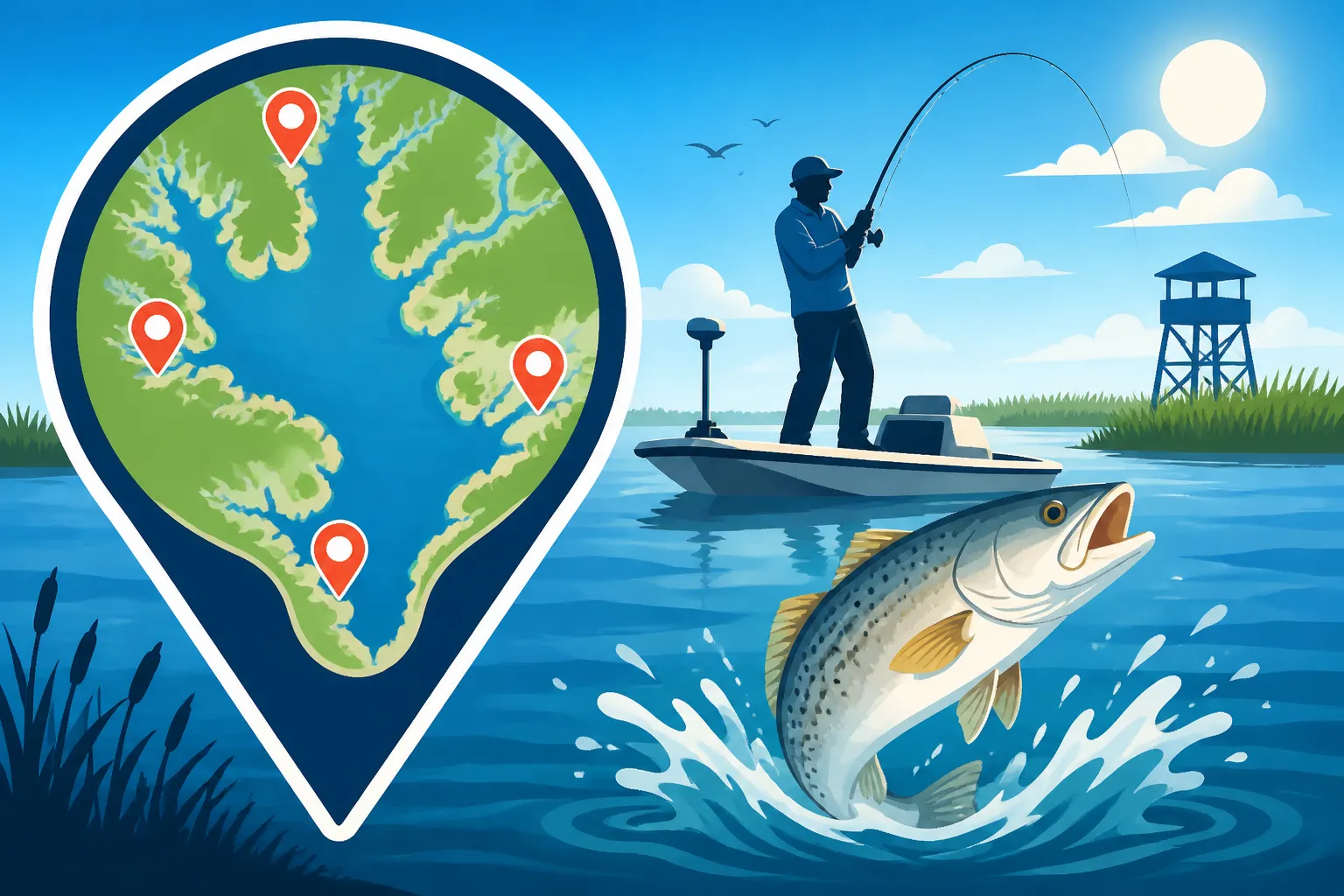
Sabine Lake, a vast and dynamic estuary on the Texas-Louisiana border, can feel overwhelming to anglers looking for the best spots to cast a line. Its sheer size, ever-changing tides, and mix of freshwater and saltwater influences make finding productive areas a real challenge for newcomers and even seasoned veterans. This comprehensive guide will break down the top fishing spots in Sabine Lake, focusing on key species and practical strategies to help you navigate its waters like a pro and increase your chances of a successful catch.
Understanding Sabine Lake A Unique Estuary Ecosystem
Sabine Lake isn't just another body of water; it's a vibrant, complex ecosystem where freshwater rivers meet the Gulf of Mexico. This unique blend creates an incredibly diverse fishery, but it also means understanding the nuances of its geography and hydrology is crucial for successful fishing.
Geography and Hydrology of Sabine Lake
Imagine a giant, shallow bowl, fed by the Sabine River and the Neches River, then directly connected to the Gulf of Mexico via Sabine Pass. That's Sabine Lake. This constant influx of freshwater, combined with the rhythmic pulse of Gulf tides, creates brackish water conditions that fluctuate significantly depending on rainfall and tidal strength. The lake itself is relatively shallow, averaging around 7-10 feet, but it features deeper channels, extensive mud flats, oyster reefs, and marsh grass along its shores. The deep water associated with the Sabine Causeway and the Intracoastal Waterway also carves important highways for fish movement.
Understanding these dynamics is key. After heavy rains, the freshwater inflow can push salinity levels down, impacting where certain saltwater species will hold. Conversely, strong incoming tides from the Gulf can bring in higher salinity water, often pulling in more redfish and speckled trout. Wind also plays a massive role here, dictating water clarity and depth on the vast, shallow flats. A steady north wind can literally drain parts of the lake, exposing mud flats that were previously productive, while a south wind can push a ton of water in, making shallow areas accessible to fish and fishermen alike.
Key Fish Species in Sabine Lake
The beauty of Sabine Lake lies in its incredible species diversity. While many anglers primarily target its famous trio – redfish, speckled trout, and flounder – the lake and its connecting rivers also host a healthy population of other sought-after species. You'll find a mix of true saltwater fish, brackish water residents, and even some freshwater species pushing down from the rivers.
- Redfish (Red Drum): These bronze-backed powerhouses are incredibly popular, known for their strong fights and preference for shallow, grassy flats and oyster reefs. They feed on baitfish, shrimp, and crabs, and can be found tailing in super shallow water or cruising deeper channels.
- Speckled Trout (Spotted Seatrout): Prized for their aggressive strikes and delicious meat, speckled trout often inhabit deeper channels, shell pads, and areas with good current. They are primarily ambush predators, feeding on baitfish and shrimp.
- Southern Flounder: Masters of camouflage, flounder lurk on sandy or muddy bottoms, waiting to ambush prey passing by. They are often found near drains, passes, and structure, especially during their famous fall migration. You can learn more about Texas Flounder Season and Limits to plan your trips.
- Black Drum: Often mistaken for redfish when small, black drum grow much larger and have distinct chin barbels. They are bottom feeders, targeting oysters, clams, and crabs.
- Sheepshead: With their distinctive "human-like" teeth, sheepshead are notorious bait stealers but offer excellent table fare. They are usually found around pilings, jetties, and oyster-covered structures.
- White Bass and Hybrid Striped Bass: While typically found further upriver, these species can occasionally be caught in the fresher reaches of Sabine Lake, especially during cooler months or after significant freshwater inflow.
- Catfish (Channel, Blue, Flathead): The upper reaches of the lake and the feeder rivers hold healthy populations of catfish, offering a different angling experience, particularly for those looking for a diverse catch.
Sabine Lake is truly a treasure trove for anglers, but knowing where and when to target these species is the real trick.
Prime Redfish Hunting Grounds in Sabine Lake
Redfish are the kings of the Sabine Lake flats, and their aggressive nature makes them a thrilling target. Finding them often involves understanding their feeding patterns in relation to the tides and seeking out specific types of habitat.
Shallow Flats and Oyster Reefs
When the tide is high enough, the vast shallow flats along the shores of Sabine Lake become prime redfish territory. These areas, often characterized by scattered grass beds, muddy bottoms, and abundant oyster reefs, are food factories for redfish. The key here is to look for signs of feeding – nervous baitfish, jumping shrimp, or, ideally, the distinctive "tails" of redfish rooting for crabs and other crustaceans in mere inches of water.
Some of the most consistent flats are found on the west side of the lake, particularly around Pleasure Island and the areas north towards the mouth of the Neches River. On the east side, closer to Louisiana, there are also numerous marshy areas and vast flats that hold redfish. When wading or poling a shallow-draft boat, focus on the edges of deeper channels where redfish might stage before moving onto the flats. Soft plastic lures rigged weedless, topwater plugs in low light, or even live or cut bait (shrimp, mullet) presented on a popping cork can be incredibly effective. Remember that a stealthy approach is paramount when fishing these shallow zones; loud noises or sudden movements can spook an entire school. For deeper dives into techniques, check out How to Wade Fish for Redfish in Texas.
The Causeway and River Mouths
The Sabine Causeway (Highway 82 bridge) that spans the lake provides a wealth of structure and deeper water that redfish, especially larger ones, love to frequent. The bridge pilings, riprap, and the shadow lines they create offer ambush points and protection from currents. This area is particularly productive on strong tides, as baitfish are pushed through the constricted waters, making it an easy feeding opportunity for hungry reds. Fishing the causeway often involves using heavier tackle and presenting baits closer to the structure. Jigs, live finger mullet, or even large spoons can work wonders here.
Additionally, the mouths of the Sabine River and the Neches River where they empty into the lake are consistent redfish hotspots. These river mouths serve as migratory paths and provide a constant supply of freshwater and food. Redfish will often stack up in these areas, especially during cooler months or when freshwater pushes a lot of bait into the lake. Look for current breaks, deeper holes, and submerged structure near these mouths. Fishing the outgoing tide here can be particularly effective, as bait is flushed out of the rivers into the main lake, attracting predatory redfish. When planning your trip, you might consider booking a local guide through platforms like FishingBooker, as they often have intimate knowledge of these dynamic river mouth patterns.
Targeting Speckled Trout Hotspots
Speckled trout are another prized catch in Sabine Lake, known for their aggressive strikes and delicious fillets. While they share some habitats with redfish, trout often prefer slightly different conditions, making them a unique challenge.
Deep Channels and Drop-offs
Unlike redfish that frequently "tail" in inches of water, speckled trout tend to prefer areas with more depth and current, especially during the brighter parts of the day or in colder weather. The numerous deep channels that crisscross Sabine Lake, including the Intracoastal Waterway (ICW) and the deeper cuts near Sabine Pass, are prime trout territory. These channels offer a pathway for migrating fish and provide stable temperature zones and easy access to bait. Look for subtle drop-offs along the edges of these channels, especially where current creates eddies or breaks.
Using a good depth finder can help you locate these contours. Once you find a promising drop-off, drift fishing with live shrimp or suspending baits like MirrOlures can be highly effective. Soft plastic jigs, like a Saltwater Assassin or a Down South Lures plastic, bounced along the bottom or retrieved with a steady twitch, also draw plenty of strikes. Tides are crucial here; an incoming tide often brings clearer, more saline water from the Gulf, activating trout along these deeper structures. Local knowledge is invaluable, and a guide found on FishingBooker could pinpoint these specific channel bends and shell pads.
Shell Pads and Structure Fishing
Sabine Lake is dotted with numerous submerged shell pads and oyster reefs that aren't visible from the surface. These shell concentrations create perfect ambush points for speckled trout. The rough texture of the shell provides habitat for shrimp and crabs, which in turn attract baitfish, creating a complete food chain. Finding these "shell roads" or "shell reefs" often requires a keen eye on your electronics or following local intel.
Key areas for shell pads include portions of the lake bottom that might appear featureless on a map but hold hidden structure. Anglers often locate these by drifting and bumping their baits along the bottom. Once a shell pad is found, fan-casting soft plastics, topwaters during low light, or slow-sinking twitch baits can produce excellent results. The structure around the Sabine Pass Jetties and the adjacent reefs also provide outstanding opportunities for larger trout, particularly during cooler months when they school up in deeper, more stable waters. Understanding Texas Speckled Trout Bag Limits is essential when fishing these productive areas.
Flounder Fishing Strategies and Locations
Flounder, with their unique flat bodies and incredible camouflage, are masters of ambush. They are a highly sought-after species in Sabine Lake, especially during their famous fall migration. Successfully targeting flounder requires a slightly different approach than redfish or trout.
Passes and Drains
Flounder are intimately linked to moving water, particularly passes, drains, and bayou mouths. These areas act as natural funnels for baitfish and provide perfect ambush points for the bottom-dwelling flounder. As the tide moves in or out, bait is swept past the waiting flounder, making these zones incredibly productive.
The Sabine Pass itself, connecting the lake to the Gulf, is a premier flounder hotspot, especially during the late summer and fall when flounder begin their migration offshore for spawning. Fishing the cuts and channels within the pass, as well as the immediate areas where bayous empty into the pass, can yield impressive results. Similarly, any small bayou or drain that connects the marsh to the main lake will hold flounder, particularly on an outgoing tide when water (and bait) is draining from the marsh. Fishing with live finger mullet or shrimp on a Carolina rig, slowly dragged along the bottom, is a classic and highly effective method. Artificial baits like Gulp! shrimp or soft plastic paddletails also entice strikes. Focus on slower retrieves and feeling for that subtle "thump" that signals a flounder has taken your bait.
Night Gigging Spots
While rod and reel fishing for flounder is popular, flounder gigging at night is an exhilarating and incredibly effective method, especially in Sabine Lake's shallower areas. Flounder will often move into very shallow, clear water after dark to feed, becoming visible with the aid of a powerful light.
Prime night gigging spots include the shallow mud flats and sandy bottoms around Pleasure Island, along the west bank of the lake, and into the various marshy pockets and bayous. The key is to look for areas with calm, clear water – often protected from strong winds – where you can easily spot the flounder lying on the bottom. Wading slowly with a strong underwater light and a gig is the most common approach. Boat-based gigging, using a flat-bottomed boat equipped with lights and a trolling motor, is also popular, allowing access to more remote areas. Remember to be mindful of Texas Fishing License Requirements Explained and specific regulations for gigging, including limits and seasons, which can sometimes differ from hook-and-line fishing. Safety is paramount when gigging at night, so always go with a buddy and be aware of your surroundings.
Bank Fishing and Public Access Points
Not everyone has a boat, and thankfully, Sabine Lake offers some excellent opportunities for bank anglers and those who prefer to fish from piers or jetties. Knowing where to access the water without a vessel is crucial for many Texas anglers.
Pleasure Island Access
Pleasure Island is a gem for public access on Sabine Lake. This long, narrow peninsula on the west side of the lake provides miles of shoreline, numerous fishing spots, and amenities, making it a favorite for bank fishermen, kayakers, and those launching small boats. The causeway connecting Pleasure Island to Port Arthur offers readily accessible spots where you can pull over and fish the riprap for redfish, black drum, and sheepshead.
Further along the island, various parks and designated fishing areas provide access to the shallow flats, which can be fantastic for wading or casting from shore. Many anglers will find success targeting the cuts and sloughs that meander through the marsh areas on Pleasure Island. Live shrimp under a popping cork, cut bait on a bottom rig, or soft plastics can all produce fish here. The main road down Pleasure Island also offers access to deeper areas near the ship channel, where you might find larger speckled trout or even flounder, especially during strong tides. For those without a boat, Pleasure Island is arguably the easiest and most productive access point on the Texas side of Sabine Lake.
State Park and Pier Options
While Sabine Lake itself doesn't have a large state park directly on its shores that offers extensive pier fishing, the surrounding areas provide excellent alternatives. The Sea Rim State Park to the west of Sabine Pass offers beach and surf fishing access to the Gulf, which, while not strictly Sabine Lake, often holds the same migratory species like redfish, speckled trout, and pompano. It's a great option for a change of pace or when conditions on the lake are tough.
Closer to the lake, smaller public piers or fishing platforms might exist in various city parks in Port Arthur or Port Neches, often catering to casual anglers looking to catch panfish, catfish, or smaller drum. For serious saltwater pier fishing, the jetties at Sabine Pass offer world-class opportunities. While requiring a boat ride or a very long walk, these jetties provide access to deep water, strong currents, and a wide array of species, including large redfish, speckled trout, sheepshead, and even kingfish or tarpon seasonally. Be sure to check Texas Saltwater Fishing Regulations before heading out, as rules can vary for different species and locations. These spots are fantastic for those seeking big fish action without needing their own vessel, though navigating the jetties can be challenging and requires caution.
Seasonal Fishing Patterns and Best Times to Visit
Fishing Sabine Lake successfully isn't just about knowing where to go, but when. The dynamic nature of this estuary means that fishing patterns can change dramatically with the seasons, influenced by water temperature, salinity, and fish spawning cycles.
Spring and Fall Feeding Frenzies
If you want to experience Sabine Lake at its best, target the spring and fall. These transitional seasons often offer the most consistent and exciting fishing opportunities.
- Spring (March-May): As water temperatures rise, fish become incredibly active. Redfish move onto the shallow flats, eagerly feeding after the cooler winter months. Speckled trout often school up in deeper channels and around shell pads, responding well to soft plastics and suspending baits. Flounder become more active and are good targets in drains and bayous. The mild weather makes for comfortable fishing conditions, and baitfish populations begin to boom. This is a fantastic time for both wade fishing and boat fishing.
- Fall (September-November): Many anglers consider fall to be the absolute prime time for Sabine Lake fishing, largely due to the famous "flounder run." As water temperatures begin to drop, flounder migrate out of the lake and into the Gulf through Sabine Pass for spawning, creating incredible gigging and rod-and-reel opportunities in the passes and drains. Redfish remain strong on the flats, often gathering in larger schools, and speckled trout move into the bayous and deeper areas of the lake, aggressively feeding to fatten up for winter. The fall also brings cooler, often drier weather, leading to clearer water in many parts of the lake. Booking a guide for a fall trip can be challenging due to high demand, so using a service like FishingBooker well in advance is a smart move.
Summer Heat and Winter Challenges
While spring and fall are peak seasons, Sabine Lake still offers plenty of action during the hot summers and chilly winters, provided you adjust your strategies.
- Summer (June-August): Texas summers mean high temperatures and often intense humidity. Fish, especially speckled trout and redfish, will adapt by seeking cooler, deeper water during the day or becoming more active during low-light periods. Early mornings, late evenings, and even night fishing become incredibly productive. Targeting deeper channels, the jetties, or areas with good current flow is key. Topwater lures can be explosive at dawn and dusk, while soft plastics and live bait fished deeper work well during the brightest parts of the day. Hydration and sun protection are paramount for anglers.
- Winter (December-February): Winter fishing on Sabine Lake can be feast or famine. Cold fronts can drastically drop water temperatures, pushing fish into deep "wintering holes" in the main river channels (Sabine and Neches Rivers) or the deeper parts of the lake. When you find them, they can be stacked up, offering incredible opportunities, especially for speckled trout and redfish. Slow-moving baits, such as soft plastics on heavy jig heads or suspending twitch baits, are often most effective. However, cold, strong north winds can make fishing the open lake unpleasant or even dangerous. On warmer, calmer winter days, redfish might still be found on sun-warmed shallow mud flats. Always check weather conditions carefully and be prepared for variable temperatures. For specific regulations during these times, refer to resources like Texas Freshwater Fishing Regulations and Texas Saltwater Fishing Regulations.
Knowing these seasonal shifts and adapting your techniques accordingly will greatly improve your success rate on Sabine Lake, no matter when you decide to visit.
Essential Gear and Tips for Sabine Lake Fishing
To maximize your chances of success on Sabine Lake, having the right gear and understanding a few key tips can make all the difference. The diverse environment of the lake calls for versatile equipment and smart angling practices.
Recommended Rod, Reel, and Line Setups
Given the variety of species and fishing scenarios on Sabine Lake, having a few different setups can be beneficial, but a versatile medium-heavy setup will cover most bases.
- For Redfish and Speckled Trout: A 7-foot medium to medium-heavy action spinning rod is a workhorse. Pair this with a 2500-3000 series spinning reel spooled with 15-20 lb braided line. Braided line offers superior sensitivity for feeling subtle bites and excellent casting distance. A 20-30 lb fluorocarbon leader (2-3 feet long) is crucial for abrasion resistance against oyster shells and for invisibility to wary fish. This setup is perfect for throwing soft plastics, topwaters, and suspending twitch baits. For those looking to upgrade, considering some of the Best Saltwater Rods for Texas Redfish might be worthwhile.
- For Flounder (Rod & Reel): A slightly lighter setup, perhaps a 6'6" to 7-foot medium-light to medium action rod with a 2000-2500 series spinning reel, works well. Spool with 10-15 lb braid and a 20 lb fluorocarbon leader. The lighter action allows you to feel the often subtle "thump" of a flounder bite.
- For Gigging (Gear): For gigging, you'll need a long, sturdy gig (often 8-12 feet, depending on water depth) with multiple prongs, a powerful waterproof light (LED headlamps or submersible boat lights are common), and comfortable wading boots or shoes with good grip. A pair of polarized sunglasses during the day is also invaluable for spotting fish and structure in the shallows.
Navigation and Safety Equipment
Sabine Lake is a large body of water, and proper navigation and safety gear are non-negotiable, especially for boaters.
- GPS and Charts: A reliable GPS unit with detailed mapping of Sabine Lake is essential. The lake has numerous shallow areas, oyster reefs, and channels that can be tricky to navigate. Many modern fish finders come with excellent GPS capabilities, helping you avoid prop-damaging obstacles and find your way back to productive spots.
- Life Jackets: By law, all vessels must have enough U.S. Coast Guard-approved life jackets for every person on board. Children under 13 are required to wear them while underway on vessels under 26 feet. Always review Texas Boat Safety Equipment Requirements to ensure compliance.
- Communication: A marine VHF radio is highly recommended for boaters, allowing communication with other vessels and emergency services. A fully charged cell phone in a waterproof case is also a good backup.
- Anchor and Trolling Motor: An anchor is crucial for holding your position over a productive spot, especially in current or wind. A trolling motor, particularly a reliable electric one, is invaluable for quietly maneuvering over shallow flats, approaching fish stealthily, and holding position with GPS-enabled spot-lock features.
Strategic Fishing Techniques for Success
Beyond gear, a few strategic approaches can significantly boost your success on Sabine Lake:
- Read the Tide: Tides are arguably the most important factor in saltwater fishing. Pay attention to tide charts and understand how incoming and outgoing tides affect fish behavior in specific areas. Often, moving water is fishing water.
- Watch the Wind: Wind directly impacts water clarity and depth on the shallow flats. A strong, sustained wind from one direction can muddy up one side of the lake while clearing up another. Fish tend to congregate on the leeward (downwind) side of points and islands, where the water is calmer and bait is concentrated.
- Stealth is Key: Especially when targeting redfish and flounder in shallow water, a quiet approach is crucial. Minimize noise in your boat, use a trolling motor, and make long casts to avoid spooking fish.
- Be Prepared for Weather Changes: Texas weather can be unpredictable. Always check the forecast before heading out and be prepared for sudden changes in wind, rain, or even temperature.
- Respect Regulations: Always know and follow current Texas Fishing License Requirements Explained and bag/length limits for all species you plan to target. Responsible angling ensures the health of Sabine Lake's fishery for future generations.
By combining the right gear with smart techniques and a solid understanding of Sabine Lake's seasonal patterns and hotspots, you'll be well on your way to enjoying some incredible Texas fishing experiences.
Sabine Lake Species and Best Approaches
To help visualize some of the key information, here’s a quick overview of primary species, their preferred habitat, and effective bait/lures in Sabine Lake.
| Species | Preferred Habitat | Common Baits/Lures |
|---|---|---|
| Redfish | Shallow flats, oyster reefs, grass lines, river mouths | Live shrimp/mullet, cut mullet, soft plastics, spoons |
| Speckled Trout | Deep channels, shell pads, jetties, drop-offs | Live shrimp, MirrOlures, soft plastics (paddletails) |
| Flounder | Drains, passes, bayou mouths, sandy/muddy bottoms | Live finger mullet, Gulp! shrimp, soft plastics |
| Black Drum | Oyster reefs, deep holes near structure, jetties | Cracked crab, dead shrimp, cut mullet |
| Sheepshead | Bridge pilings, jetties, oyster-covered structures | Fiddler crabs, live shrimp, small pieces of cut bait |
This table provides a snapshot, but remember that fish behavior can be unpredictable, and experimenting is always part of the fun!
Disclaimer
Fishing conditions and regulations in Texas can change. Always consult the official Texas Parks and Wildlife Department (TPWD) website or their current Outdoor Annual for the most up-to-date information on licenses, bag limits, and fishing regulations before heading out on your fishing trip. Ensure you have the proper Texas Fishing License Requirements Explained before casting your line.