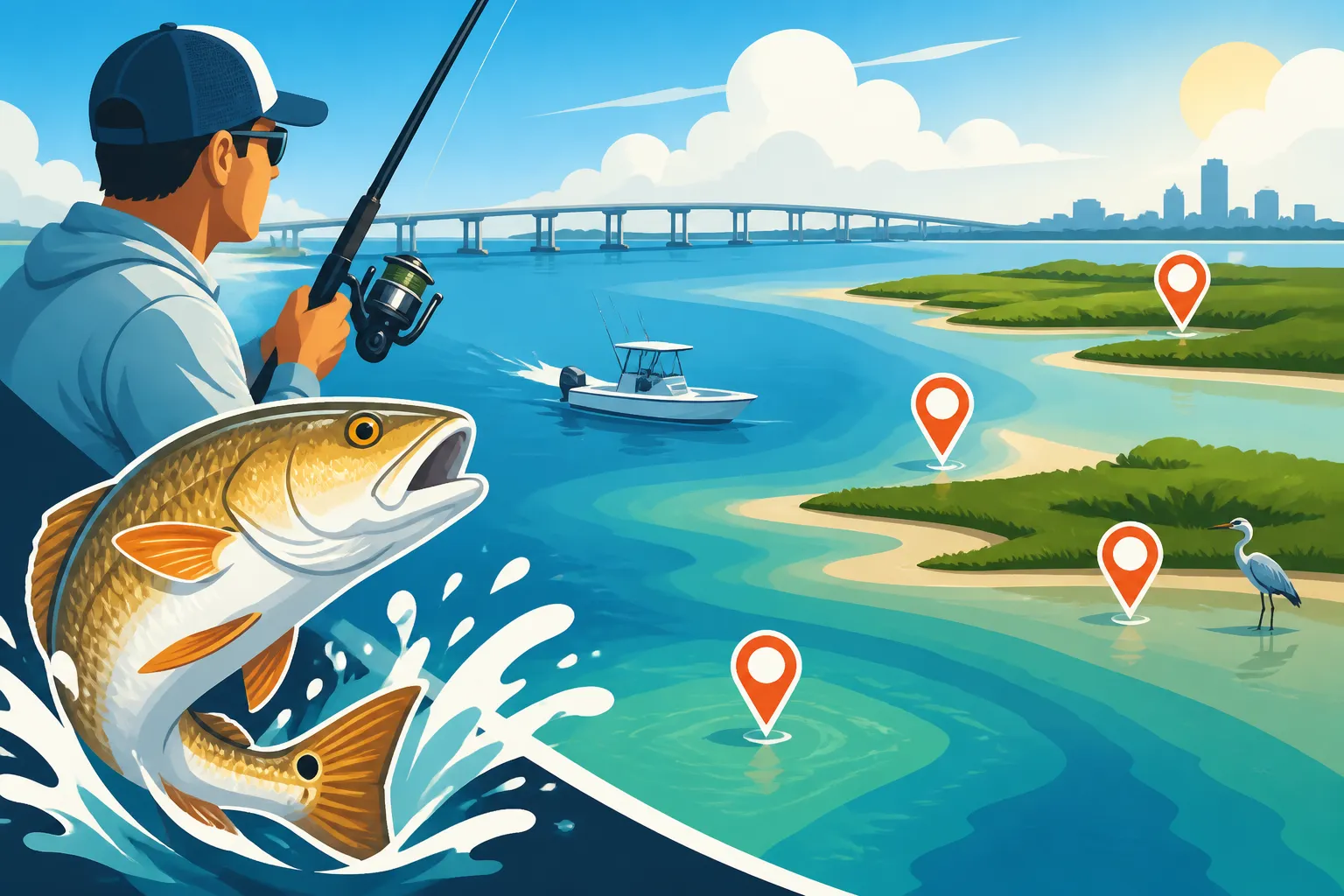
Corpus Christi Bay Fishing Spots
There's nothing quite like the feeling of hitting a new fishing spot, full of anticipation, only to be met with endless stretches of water and no idea where the fish are hiding. Corpus Christi Bay, with its vast flats, deep channels, and myriad of smaller bays, can feel incredibly overwhelming, especially if you're not a local. This guide is designed to cut through that frustration, giving you the insider scoop on the best fishing spots in Corpus Christi Bay, whether you're casting from shore, wading the flats, or exploring by boat.
Corpus Christi Bay: A Premier Texas Fishing Destination
Corpus Christi Bay isn't just a pretty face on the Texas coast; it's a thriving ecosystem that makes for some of the most dynamic and rewarding fishing experiences in the state. From its bustling city-side piers to the quiet, remote backwaters of its surrounding estuaries, this bay offers an incredible variety of angling opportunities for every skill level.
Why Corpus Christi Bay Draws Anglers Year-Round
The appeal of Corpus Christi Bay lies in its sheer diversity and consistency. Unlike some smaller bays that can be heavily impacted by a single weather event, Corpus Christi Bay's size and interconnectedness mean there's almost always a productive spot to be found. The bay system, including Upper Laguna Madre, Nueces Bay, and Oso Bay, acts as a massive nursery for juvenile fish and a year-round feeding ground for adult gamefish. This continuous cycle ensures that species like redfish, speckled trout, and flounder are almost always present.
Beyond the fish, the infrastructure for anglers is fantastic. You’ll find numerous public boat ramps, tackle shops, and even knowledgeable local guides available through services like FishingBooker. It’s a place where you can launch a full-on fishing expedition or just casually throw a line in from a pier after work. The consistent availability of baitfish, from mullet and menhaden to shrimp and crabs, keeps the predatory fish active and hungry, contributing to its reputation as a top-tier fishing locale.
Understanding the Bay's Dynamic Ecosystem
To truly unlock the secrets of Corpus Christi Bay, you need to appreciate its unique ecological characteristics. The bay is a shallow, estuarine system, meaning it’s where freshwater from rivers (primarily the Nueces River) mixes with saltwater from the Gulf of Mexico. This mixing creates a nutrient-rich environment that supports a vast food chain. The water depth averages around 10-12 feet, but you’ll find expansive flats barely knee-deep and dredged channels plunging to 40 feet or more.
Key features of this ecosystem include extensive seagrass beds, which are crucial nurseries and feeding grounds, oyster reefs, which provide structure and filter water, and tidal flats that teem with life. Understanding the tides is paramount here; incoming tides bring in clean, oxygenated water and baitfish from the Gulf, while outgoing tides can concentrate bait in channels and drains. The wind also plays a huge role in water clarity and fish behavior, with strong north winds sometimes pushing water out of the bay and making shallow areas unfishable. Knowing these dynamics helps you predict where the fish will be and what they'll be doing.
Prime Bay Fishing Spots from Shore and Piers
Not everyone has a boat, and honestly, you don't always need one to have an incredible fishing experience in Corpus Christi Bay. The area boasts some fantastic public access points, including piers and miles of wadeable shoreline, offering ample opportunities to hook into quality fish.
Fishing the Popular Piers in Corpus Christi
Piers are often the unsung heroes of urban fishing, and Corpus Christi has some real gems. They offer easy access to deeper water without needing a boat and often attract a wide array of species. The camaraderie on a busy pier can also be a joy, with fellow anglers sharing tips and stories.
Bob Hall Pier, located on Padre Island, is a legendary spot. This pier extends well into the Gulf, offering access to both bay-side and offshore species. On the bay side, you might find speckled trout, redfish, and even some smaller sharks, especially at night. On the Gulf side, expect Spanish mackerel, kingfish, red snapper (when in season), and tarpon during their migrations. The pier has lights, bait shops, and even a restaurant, making it a great family destination. Remember to check local regulations, as fishing from a pier like Bob Hall often has specific rules or requires a pier pass instead of a full Texas Fishing License Requirements Explained.
Another excellent option is the Indian Point Pier in Portland, just across the bay. While not as long as Bob Hall, Indian Point is known for its consistent catches of speckled trout and redfish, particularly during the cooler months. It's also a fantastic spot for crabbing. The pier is generally well-maintained and offers good lighting for night fishing. You'll often see families here, making it a friendly, community-oriented fishing experience.
Accessible Shoreline Hotspots for Bank Anglers
If piers aren't your style, Corpus Christi also offers numerous shoreline spots perfect for bank fishing. These locations are often less crowded than piers and provide a more natural experience. The key is to look for areas with some kind of structure or depth change, even subtle ones.
The J.P. Luby Surf Park on Padre Island is not just for surfers; it also offers great access for bank anglers looking to cast into the surf or the deeper cuts near the beach. You can find redfish, pompano, and even some good-sized speckled trout here, especially during the early morning or late evening. Just be mindful of swimmers and surfers, and always clean up your spot when you're done. Another easily accessible area is along the Corpus Christi Seawall downtown. While it might seem overly urban, the seawall and the jetties near it can hold surprisingly good numbers of baitfish, attracting speckled trout and redfish, especially around the lights at night. It's a convenient spot if you're staying in the city and want to grab a quick fishing fix.
Wade Fishing the Flats: A True Texas Experience
Wade fishing is a quintessential Texas saltwater experience, and Corpus Christi Bay, particularly the Upper Laguna Madre section, offers some of the best opportunities in the state. This technique involves slowly walking through shallow water, sight-casting to fish or fan-casting across productive grass beds.
The vast, shallow grass flats of the Upper Laguna Madre are legendary. This area is known for its clear water and abundant seagrass, which provides excellent habitat for redfish and speckled trout. Access points like the Packery Channel Park or areas along State Highway 361 on Padre Island can get you started. You'll want good polarized sunglasses to spot cruising fish and a sturdy wading staff for balance and to probe the bottom. Focusing on the edges of the grass beds, potholes, and areas with baitfish activity will significantly increase your chances. For more in-depth knowledge, check out our guide on How to Wade Fish for Redfish in Texas. Wade fishing demands patience and stealth, but the reward of sight-casting to a tailing redfish in crystal clear water is truly unforgettable.
Top Spots for Boat Anglers
For those with a boat, Corpus Christi Bay truly opens up, offering access to expansive fishing grounds that are simply unreachable from shore. Whether you have a shallow-draft bay boat or something more substantial, there are endless possibilities.
Navigating the Main Channels and Oyster Reefs
The main channels and dredged areas within Corpus Christi Bay are vital arteries for fish movement and often hold excellent concentrations of gamefish. These deeper zones provide refuge, cooler water in summer, and ambush points for predators.
The Corpus Christi Ship Channel is perhaps the most prominent. Running from the Gulf of Mexico through the bay, this deep channel offers access to significant depth changes and strong currents, which can concentrate bait and gamefish. Anglers often target the channel edges and drop-offs, especially around the turning basin or where smaller bayou channels feed into it. Here, you'll find large schools of speckled trout, redfish, and even occasional tarpon or black drum. Using live shrimp or croaker fished on a Carolina rig can be incredibly effective. Always be mindful of commercial vessel traffic in this busy channel.
Beyond the main channels, the bay is dotted with countless oyster reefs. These natural structures are magnets for baitfish, crabs, and shrimp, which in turn attract larger gamefish. Reefs are often found in relatively shallow water and can be identified by shell fragments washing up on shore or by changes in depth readings on your fish finder. Popular reef systems like those near the Intracoastal Waterway (ICW) can be fantastic, especially during tidal movements. Casting soft plastics, twitch baits, or live bait around the perimeter of these reefs is a common and highly effective strategy.
Exploring the Smaller Bayside Bays and Estuaries
One of the great joys of fishing Corpus Christi Bay by boat is the ability to explore its numerous smaller, interconnected bays and estuaries. These hidden gems often offer more serene fishing experiences and can be incredibly productive, especially when the main bay is churned up by wind.
Nueces Bay to the northwest is a prime example. While shallower and often a bit murkier than the main bay, Nueces Bay is a superb nursery and feeding ground for redfish and large quantities of speckled trout. The bay's many flats and marshy shorelines provide excellent habitat. Focus on the mouths of small creeks and drains, or deeper cuts within the flats, particularly on an outgoing tide. Soft plastic paddle tails or weedless spoons are excellent choices here. Another highly productive area is Oso Bay, located on the south side of Corpus Christi Bay. Oso is known for its extensive oyster reefs and marsh grass, making it a redfish paradise. Its relative remoteness compared to other areas means less pressure from recreational boaters, though you'll still find plenty of local knowledge being shared.
Then there's the Upper Laguna Madre, a truly unique hypersaline lagoon that stretches south of Corpus Christi Bay. It's famous for its crystal-clear waters and expansive grass flats, which are ideal for sight-casting to redfish and big speckled trout. This area requires a shallow-draft boat or a good understanding of navigation due to its very shallow nature. It's often best fished by poling or with a very quiet trolling motor to avoid spooking fish in the clear water. Guides often specialize in this area, and a trip with a local expert booked via FishingBooker can be an invaluable experience for newcomers.
Nearshore Rigs and Artificial Structures
While much of the fishing in Corpus Christi Bay focuses on the bay itself, boat anglers also have the advantage of accessing the nearshore waters of the Gulf of Mexico, especially if they have a bay boat capable of handling some chop. Just outside the jetties and passes, you'll find a different kind of fishing altogether.
The waters just offshore from Packery Channel and the Port Aransas Jetties hold a variety of species that migrate in and out of the Gulf. During certain times of the year, you can find king mackerel, Spanish mackerel, tarpon, and even cobia patrolling these waters. Trolling spoons or live bait around the jetties can be very effective. Additionally, there are numerous artificial reefs and oil and gas rigs scattered in the nearshore Gulf. These structures act like underwater oases, attracting baitfish and, consequently, larger predators. While many of the larger rigs are further out, some smaller, closer-in structures can be productive for snapper (check seasons and limits carefully), kingfish, and even ling. Always prioritize safety when heading into the Gulf, monitoring weather and sea conditions closely.
Targeting Specific Species in Corpus Christi Bay
Corpus Christi Bay is a multispecies haven, but most anglers arrive with specific targets in mind. Understanding the behavior and preferred habitats of redfish, speckled trout, and flounder will dramatically improve your success rate.
Chasing the Elusive Redfish
Redfish are arguably the most iconic gamefish of the Texas coast, and for good reason. They're powerful fighters, beautiful to look at, and fantastic table fare. Corpus Christi Bay is absolutely brimming with them, from small "rat reds" to trophy-sized bulls.
Redfish are primarily found in shallow water, often rooting around in the grass flats for crabs and shrimp. Look for them tailing in shallow water, particularly during calm conditions and strong tides. The Upper Laguna Madre and the extensive flats of Nueces Bay and Oso Bay are prime redfish territory. When wade fishing, presentation is key; a quiet approach and accurate cast with a weedless spoon, soft plastic jig (like a Down South Lures Super Model in Bone Diamond), or a topwater plug in low light can be irresistible. For boat anglers, casting along marsh edges, around oyster reefs, and into potholes in the grass are proven tactics. Remember to check Texas Redfish Size and Bag Limits as regulations are crucial for sustainable fishing. These fish are opportunists, so if you see bait busting the surface, there's a good chance a redfish is nearby.
Hunting for Speckled Trout
Speckled trout (often just called "specks") are another cornerstone of Corpus Christi Bay fishing. Known for their aggressive strikes and aerial acrobatics, they are a blast to catch and equally delicious. Unlike redfish, trout tend to prefer slightly deeper water, often holding along grass edges, over shell pads, or in channels.
During cooler months, especially in winter, speckled trout will often school up in deeper channels and around major passes like the Packery Channel or the Corpus Christi Ship Channel. When the water warms up in spring and summer, they spread out over the grass flats and shell reefs. Early mornings and late evenings are prime times for topwater action, especially with lures like Heddon Super Spooks or MirrOlure She Dogs. During the day, soft plastics on a 1/8 to 1/4 oz jig head, suspended under a popping cork, or free-lined live shrimp are deadly. The clarity of the water in areas of the Upper Laguna Madre makes it a fantastic place to target trout with lighter tackle and finesse presentations. Our guide on Texas Speckled Trout Bag Limits provides detailed information on what you can keep.
Flounder and Other Bottom Dwellers
While redfish and speckled trout get most of the glory, targeting flounder and other bottom dwellers offers a different kind of thrill and a delicious reward. Flounder are ambush predators, masters of camouflage, and catching them requires a specific approach.
Flounder are typically found lying on sandy or muddy bottoms, often near structure like jetties, oyster reefs, or channel edges, waiting for unsuspecting baitfish or shrimp to swim by. The fall flounder run, when they migrate offshore to spawn, is a particularly exciting time for anglers in Corpus Christi Bay. The Port Aransas Jetties, the deeper parts of Packery Channel, and the mouths of smaller drains leading into the main bay are excellent places to target them. Live mud minnows or finger mullet fished on a Carolina rig, slowly dragged across the bottom, are highly effective. You can also target them by slowly jigging soft plastics or bucktail jigs. Always refer to Texas Flounder Season and Limits as their season often has specific closures to protect spawning populations. Besides flounder, anglers can also target species like black drum, sheepshead, and even some large catfish in the bay's deeper channels and around structures, often using cut bait or dead shrimp on the bottom.
Seasonal Considerations and Best Times to Fish
The ever-changing seasons in Texas mean that fishing in Corpus Christi Bay is a dynamic affair. What works in spring might not be effective in summer, and understanding these shifts is key to consistent success.
Spring and Fall Feeding Frenzies
If you had to pick the absolute best times to fish Corpus Christi Bay, spring and fall would be at the top of the list. These transitional seasons offer comfortable weather, active fish, and often spectacular catches.
Spring (March-May) is when the bay truly comes alive after the cooler winter months. Water temperatures rise, triggering widespread spawning activity among baitfish and pushing gamefish into shallow water to feed aggressively. Speckled trout begin moving from deeper channels onto the grass flats and shell reefs, and redfish are incredibly active. Topwater lures can be explosive during early morning hours, and soft plastics are consistently effective throughout the day. This is also a great time for flounder as they return from offshore spawning grounds. The generally calmer winds of spring also make wade fishing and exploring the open bay a joy.
Fall (September-November) is equally, if not more, prolific. As water temperatures begin to drop from the summer highs, fish sense the coming winter and engage in a massive feeding frenzy to build up reserves. The famous "fall run" for flounder sees these flatfish migrating towards the passes and jetties, making them easier targets. Redfish can be found schooling up in large numbers, often called "bull reds," in the deeper parts of the bay and near the passes as they too prepare for offshore spawning. Trout also feed voraciously. This is a fantastic time for all artificial lure types, from topwaters and spoons to soft plastics and twitch baits. The mild temperatures and generally stable weather make for pleasant fishing conditions. To learn more about how seasons impact fishing across the state, read our Best Time of Year to Fish in Texas guide.
Summer Strategies for the Texas Heat
Summer fishing in Corpus Christi Bay can be challenging due to the intense Texas heat, but it can also be incredibly rewarding if you adjust your tactics. The key is to understand how the heat affects fish behavior and to adapt your approach accordingly.
During the scorching months of June, July, and August, fish tend to be most active during the cooler parts of the day. This means early mornings, late evenings, and even night fishing become prime times. Topwater action at dawn can be absolutely fantastic, as the water is coolest and baitfish are active. As the sun climbs high, fish will often retreat to deeper water, shaded areas, or areas with stronger currents that provide more oxygen. Focus your efforts on the edges of channels, around deeper oyster reefs, shaded boat docks, or under pier lights at night. Live bait, like shrimp or croaker, can be exceptionally effective when fish are lethargic and less willing to chase artificials. Always prioritize your own safety in the heat; stay hydrated, wear sun protective clothing, and consider wearing good polarized sunglasses.
Winter Tactics for Cooler Waters
Don't let the idea of "cold" deter you from winter fishing in Corpus Christi Bay. While it's certainly different from the spring and fall bite, winter can offer some of the most consistent and exciting action for those who know where to look.
During December, January, and February, the bay's waters cool down, which causes many species to school up in predictable patterns. Speckled trout, in particular, will congregate in deeper channels, holes, and around warm water discharges (if available). Look for them in the Corpus Christi Ship Channel or the deeper sections of Nueces Bay. Slow-moving baits are often the ticket – think soft plastics fished slowly on the bottom, suspending twitch baits, or even live shrimp under a popping cork. Redfish can still be found on shallow flats, especially during sunny afternoons when the water has warmed slightly, but they will be less active and require more precise presentations. Our How to Catch Speckled Trout in Winter article provides even more detail. A key factor in winter is finding stable weather patterns; a few consecutive days of calm, sunny weather after a cold front can turn a slow bite into a hot one.
Essential Gear and Local Insights
Having the right gear and understanding local nuances can make all the difference between a frustrating trip and a memorable one in Corpus Christi Bay. A little preparation goes a long way!
Rods, Reels, and Line for Bay Fishing
For most Corpus Christi Bay fishing, you don't need highly specialized gear, but having versatile setups will serve you well. A medium to medium-heavy spinning rod or baitcasting rod, typically 6'6" to 7'6" in length, is a great all-around choice.
- Rods: Look for rods with a fast action tip, which provides sensitivity for feeling subtle bites and enough backbone to handle a strong redfish or a good-sized trout. A popular choice among local anglers is a 7-foot medium-heavy fast action rod.
- Reels: Pair your rod with a reliable 2500-4000 series spinning reel or a low-profile baitcasting reel. Make sure it has a smooth drag system, as these fish can make powerful runs. Quality reels from brands like Shimano, Daiwa, or Penn are always a solid investment.
- Line: Braided line is highly favored for its sensitivity and strength. A 10-20 lb braided main line is common, often tied to a 20-30 lb fluorocarbon leader. The leader provides abrasion resistance against shell, oyster reefs, and fish teeth, and its low visibility is crucial in the clear waters of the bay. For a deep dive into options, consider checking out Best Bait and Lures for Texas Fishing for specific recommendations.
Recommended Baits and Lures
Corpus Christi Bay fish aren't terribly picky, but some baits and lures consistently outperform others. It often comes down to matching the hatch and understanding what the fish are currently feeding on.
- Live Bait: This is almost always a surefire bet. Live shrimp, especially under a popping cork or free-lined, are irresistible to trout, redfish, and flounder. Live finger mullet or croaker are also excellent, particularly for larger redfish and trout. You can often buy these at local bait shops around the bay.
- Soft Plastics: These are the workhorses of artificial lures. Paddle tails (like those from Down South Lures or MirrOlure Provoker), shrimp imitations, and jerk shads rigged on a jig head are incredibly versatile. Popular colors include "Bone Diamond," "Chicken on a Chain," "Limbo Slice," and various shades of pink and chartreuse. Jig heads typically range from 1/8 to 1/4 ounce.
- Topwater Lures: Nothing beats the excitement of a topwater strike. Spook-style baits (Heddon Super Spook Jr., MirrOlure She Dog), walk-the-dog lures, and popping corks with a soft plastic tail are deadly, especially during low-light conditions or when fish are aggressively feeding on the surface.
- Spoons and Twitch Baits: Weedless gold or silver spoons are fantastic for covering water on shallow flats, attracting redfish with their flash and wobble. Suspending twitch baits (MirrOlure MR17 or Paul Brown Fat Boy) are excellent for targeting trout and redfish in slightly deeper water, mimicking struggling baitfish.
Navigational Tools and Safety in the Bay
Navigating Corpus Christi Bay, especially for boat anglers, requires more than just a map. The bay has numerous shallow areas, oyster reefs, and submerged structures that can quickly ruin a good day if you're not careful.
A reliable GPS unit with detailed charts (like those from Garmin or Humminbird) is essential. These modern units often integrate with fish finders, allowing you to mark productive spots, navigate channels, and avoid hazards. Always keep an eye on your depth sounder, especially when exploring new areas. For safety, ensure your boat is equipped with all required safety gear, including life jackets for everyone on board (check Texas Boat Safety Equipment Requirements), a fire extinguisher, and a whistle or horn. A VHF radio is also a smart investment for communication in case of an emergency. When exploring the shallower bay systems, understanding how the tides affect water levels is paramount. An area that's easily navigable at high tide might be completely dry at low tide, leaving you stranded. Always let someone know your float plan, especially if you're heading to more remote areas. Remember, safety first, so you can always come back for more of that fantastic Corpus Christi Bay fishing!
Disclaimer
Fishing regulations, bag limits, and licensing requirements can change. Always consult the latest official Texas Parks and Wildlife Department (TPWD) regulations before heading out. This guide is for informational purposes only and does not constitute legal advice.