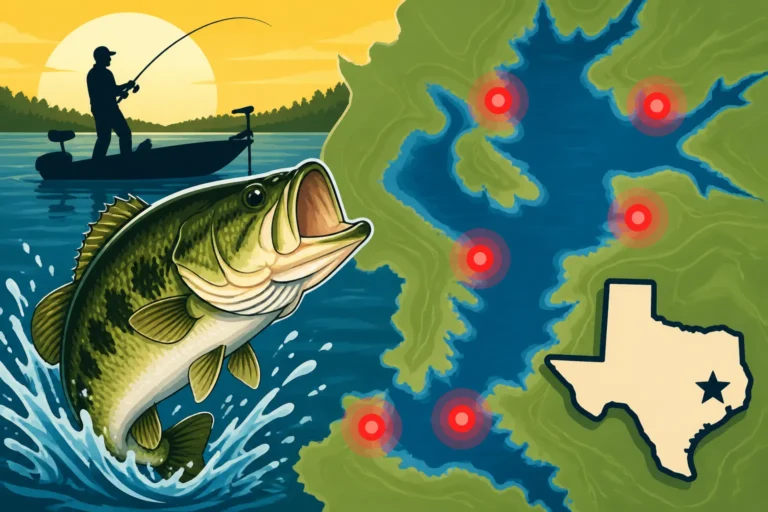
Aransas Bay Fishing Spots
Many Texas anglers dream of casting a line into the legendary waters of Aransas Bay, but knowing where to start in such a vast and dynamic ecosystem can feel overwhelming. From the bustling Rockport shorelines to the quiet, shallow flats, this guide is designed to cut through the noise, offering you a comprehensive breakdown of the best fishing spots in Aransas Bay, tailored to your preferred fishing style and target species.
Understanding Aransas Bay's Unique Charm and Geography
Aransas Bay is far more than just a large body of water; it's a sprawling, intricate network of diverse habitats that creates a truly exceptional fishery. Its unique geographical features and ecological characteristics are what make it such a beloved destination for anglers from all over. Understanding this dynamic environment is the first step toward consistent success on the water.
The Interconnected Waterways
Aransas Bay is a complex system of interconnected bays, shallow grass flats, deeper channels, and numerous smaller inlets. This labyrinthine geography is precisely what makes it so incredibly productive. It's strategically bordered by protective barrier islands, such as San Jose Island and Mustang Island, which shield the bay from the direct impact of the open Gulf of Mexico. This natural barrier creates a calmer, more stable environment, allowing crucial seagrass beds and oyster reefs to thrive, which in turn provide shelter and food for countless baitfish and juvenile game fish.
While the bay is generally shallow, averaging around 5-10 feet in depth, it also features significant deeper channels, especially near the passes. This provides vital depth changes that fish utilize for migration, feeding, and seeking refuge from extreme temperatures. The intricate system means fish are constantly on the move, adapting to tides, weather fronts, and food availability. For instance, redfish might be found "tailing" in the super shallow grass flats on a high tide, but they'll quickly retreat to deeper channels or guts as the tide begins to fall. Speckled trout often hold along the edges of these deeper pockets or near oyster reefs, waiting to ambush prey. It's a living, breathing ecosystem that rewards the observant and adaptable angler.
The bay also receives freshwater input from the Aransas River and Copano Creek. This influx influences salinity levels, creating gradients that attract various species and concentrate baitfish. This vital mix of fresh and saltwater zones, combined with the extensive seagrass and oyster communities, forms an ideal nursery and feeding ground for a rich diversity of fish, solidifying Aransas Bay's reputation as a premier destination for targeting aggressive redfish, elusive flounder, and trophy speckled trout.
Key Towns and Access Points
The charming coastal town of Rockport, affectionately known as the "Charm of the Texas Coast," is situated directly on Aransas Bay and serves as a bustling hub for local and visiting anglers alike. This vibrant community offers a wealth of resources, including numerous public boat ramps, well-maintained fishing piers, fully stocked bait shops, and a strong contingent of experienced fishing charter services. Just north of Rockport, the town of Fulton provides an equally appealing, albeit slightly more laid-back, atmosphere, with its own historic fishing pier and a range of waterfront amenities. These towns aren't just convenient points of access; they are communities deeply interwoven with the fabric of Texas fishing culture.
Beyond these primary towns, Aransas Bay boasts several other crucial access points. Goose Island State Park, located a bit further north, stands out with its extensive fishing pier and excellent kayak launching facilities, offering a unique vantage point on the bay's northern reaches. Additionally, various smaller roadside parks and public boat launches are scattered along the coastline, providing anglers with diverse entry points to explore different sections of the bay. Knowing these varied access points is particularly beneficial during peak fishing seasons when main ramps can become quite crowded. Before heading out, it’s always wise to check local conditions and ensure boat ramp availability, as factors like weather or maintenance can sometimes affect access. Many anglers opt to stay in these welcoming coastal towns, enjoying not only the easy access to the water but also the vibrant local dining and entertainment options.
Top Fishing Piers and Public Access Points
Not every great fishing trip needs a boat. Aransas Bay offers fantastic opportunities for bank anglers and those who prefer the simplicity and accessibility of public piers. These spots are not only productive but also offer a great way to enjoy the bay's beauty without needing extensive gear or a vessel.
Rockport Beach Park and Pier
For families, beginners, or anyone looking for a convenient and productive fishing experience without a boat, the Rockport Beach Park and its renowned fishing pier are absolutely essential stops. This pier is meticulously maintained and provides ample space, ensuring a comfortable fishing experience for anglers of all skill levels. It's worth noting that if you're fishing from the shore or a pier within an officially designated "Public Fishing Structure" or State Park, you generally don't need a fishing license. However, for fishing in other areas, be sure to understand the Texas Fishing License Requirements Explained.
The waters surrounding the Rockport Pier are well-known for yielding a variety of popular species, including speckled trout, redfish, black drum, and a range of smaller panfish. These species are particularly active during the transitional seasons of spring and fall. The facilities here are excellent, with bait shops often conveniently located nearby, and you're within easy walking distance of other park amenities and restrooms. It's an ideal location for introducing children to the joys of fishing, as the consistent action helps keep them engaged and excited. For the best chances of success and to avoid the largest crowds, try to visit during the early morning hours or in the late evenings. Live shrimp, cut bait, or even artificial lures like soft plastics suspended under a popping cork are often highly effective here. Just remember that its popularity means it can get busy, especially on weekends and holidays, so plan your visit accordingly.
Fulton Pier
Just a short and scenic drive north from Rockport, the Fulton Pier presents a slightly different ambiance. While still popular, it often experiences less congestion than Rockport's primary pier, yet it consistently provides excellent fishing opportunities. Historically, this pier has been a hotspot for speckled trout and redfish, especially during periods when shrimp are actively moving through the bay. It's also a fantastic location to cast a net for fresh baitfish or simply to unwind and take in the tranquil bay views while you wait for a bite. The pier's specific location gives anglers access to slightly different currents and depths compared to Rockport, which can sometimes lead to varying fishing patterns and species concentrations.
Anglers at Fulton Pier frequently aim for larger species that might be cruising the deeper sections near the pier. Employing heavier tackle and using larger baits can occasionally result in some truly impressive catches. Beyond the usual suspects, you might be surprised to hook into sheepshead, or even encounter small sharks that follow the bait schools. The pier is also a favored spot for crabbing, so don't be surprised to see families dropping crab traps from the railings. Like any pier fishing, success often hinges on timing; outgoing tides, in particular, can be highly productive as they flush baitfish and crustaceans out from the shallows, making them easier targets for predatory fish.
Goose Island State Park
For those anglers willing to venture a bit further north, Goose Island State Park is an absolute treasure. This beautiful park features a lengthy fishing pier that extends directly into Aransas Bay, providing access to deeper water and productive oyster reefs. What truly sets Goose Island apart is its diverse fishing environment; you have the option to fish from the pier, wade the nearby shallow flats, or launch a kayak into more secluded and serene areas of the bay. The park is also famous as the home of the "Big Tree," an ancient live oak that adds a touch of natural majesty to the surroundings.
The pier at Goose Island State Park is particularly productive for speckled trout and redfish, and it sees good numbers of flounder passing through during their seasonal migrations. During the cooler months of the year, species like black drum and sheepshead become more prevalent catches, often congregating around the pier pilings and the nearby reefs. A park entrance fee typically covers your fishing access, and the park's somewhat more secluded location often translates to a more peaceful and less crowded fishing experience compared to some of the busier urban piers. If you plan to explore the surrounding areas, which might include both fresh and saltwater influences, it's always wise to familiarize yourself with both the Texas Freshwater Fishing Regulations and the Texas Saltwater Fishing Regulations.
Prime Wade Fishing Locations in Aransas Bay
Wade fishing offers a truly immersive and intimate angling experience, allowing you to stealthily stalk fish in their natural habitat. Aransas Bay boasts some of the finest wade fishing opportunities on the Texas coast, particularly its vast, shallow flats that teem with game fish.
Estes Flats
Estes Flats, located just west of Rockport and accessible from various points, holds an almost legendary status among wade fishermen. This immense expanse of shallow seagrass flats is a veritable smorgasbord for redfish and speckled trout, especially during high tides when these predatory fish move up into the skinny water to forage. The bottom throughout Estes Flats is generally firm and sandy, making it relatively comfortable for wading, though it's always crucial to shuffle your feet to avoid inadvertently stepping on stingrays. The sheer size of Estes Flats is a significant advantage, as it means you can often find your own undisturbed stretch of water, even on days when the bay is bustling with other anglers.
Wade fishing here provides an incredibly immersive experience that simply can't be replicated from a boat. You're at eye-level with the water, allowing you to observe the subtle movements of baitfish, the nervous flick of a shrimp, and the tell-tale signs of a feeding predator. Soft plastics, weedless spoons, and topwater lures are all highly effective, depending on the time of day and water conditions. For those who relish the challenge of sight casting, Estes Flats offers abundant opportunities, particularly on calm, clear days when visibility is at its best. Remember to equip yourself properly: pack light, stay well-hydrated, and dress in sun-protective clothing. A high-quality pair of polarized sunglasses is absolutely non-negotiable for spotting fish and submerged structure in these clear shallows. Learning specific techniques on How to Wade Fish for Redfish in Texas can significantly boost your success rate in these productive waters.
Little Bay
Tucked discreetly within the town of Rockport itself, Little Bay stands out as a protected, calmer body of water that is a fantastic choice for a variety of anglers. It’s particularly well-suited for beginners, kayakers, and anyone seeking a more sheltered and less intimidating fishing experience. Its smaller size and generally shallower depths make it less daunting than the sprawling main bay, yet it consistently holds a healthy population of fish. You'll regularly find redfish, speckled trout, and even some flounder cruising its extensive grass beds and oyster shell bottoms. Little Bay is also a central location for local events, notably the annual Rockport TroutFest.
This serene bay is often most productive during the cooler months when larger, more exposed bays can become too choppy or when fish seek out more protected, stable waters. The extensive seagrass beds within Little Bay provide exceptional cover and rich feeding grounds for various species. Kayak anglers, in particular, find this area ideal for quietly paddling and targeting fish in areas that are often inaccessible to larger, motorized boats. Live shrimp under a popping cork often works wonders here, as do smaller soft plastics retrieved slowly. Little Bay truly offers an urban oasis for anglers, providing consistent action throughout the year in a calm, beautiful setting.
East Flats near Aransas Pass
On the eastern flank of Aransas Bay, closer to the critical Aransas Pass, lies a series of highly productive flats often referred to as the East Flats or sometimes the San Jose Island Flats. These areas feature a diverse bottom composition, mixing extensive grass beds with sandy pockets, and benefit from slightly stronger tidal currents due to their proximity to the pass. This increased water movement translates to a more consistent flow of bait and often more aggressive, actively feeding fish. Access to these flats typically requires a boat or a sturdy kayak, as they are usually reached by traversing the Intracoastal Waterway from the Rockport/Fulton side, or via launching points closer to Port Aransas if you're coming from the southern end of the bay.
The East Flats are renowned for their potential to yield larger redfish and impressive trophy-sized speckled trout, especially during outgoing tides when bait is naturally funneled towards the pass. Anglers frequently target the pronounced edges of the flats, where the depth abruptly changes, or cast around the numerous scattered oyster reefs. Topwater lures can provide incredibly exciting strikes here during the low-light hours of early morning or late evening. Due to the significant currents in this area, waders should exercise extra caution, and a reliable sense of direction and good navigation tools are paramount. This specific region is a firm favorite among experienced wade fishermen who are specifically hunting for those bigger, harder-fighting fish that inhabit the more dynamic parts of the bay.
Best Boat Fishing Hotspots and Channels
For anglers with access to a boat, Aransas Bay truly opens up, offering a vast playground of deep channels, sprawling flats, and productive structures. Navigating these waters with a vessel allows you to reach remote hotspots and fish areas inaccessible to bank or wade anglers.
The Aransas Pass and Adjacent Channels
For boat anglers, the Aransas Pass serves as a vital artery, connecting the nutrient-rich Aransas Bay directly to the abundant waters of the Gulf of Mexico. This pass acts as a major highway for migrating fish and bait, making it an undeniable prime location, particularly during the explosive spring and fall runs. The strong, consistent currents flowing through the pass create exceptional feeding grounds, attracting a wide array of species. From large speckled trout and robust redfish to pelagic visitors like tarpon and kingfish that sometimes venture close to shore, the pass is a dynamic and unpredictable environment. It's an area best navigated by those with some experience and a keen eye on tide charts, as the currents can be quite powerful.
Fishing the jetties that dramatically flank the pass can be incredibly productive, both on the calmer bay side and the more rugged Gulf side. Live bait, such as frisky croaker or plump pigfish, drifted naturally along the rocks, or robust artificials like heavy jigs and spoons, are common and highly effective choices. Deeper holes and swirling eddies within the main channel itself can hold large schools of game fish, especially during strong tidal flows. Always remain acutely aware of boat traffic, which can be heavy, particularly on busy weekends, and keep a constant watch on weather conditions, as strong winds can make navigating the currents extremely challenging. Many local fishing charters, often booked through convenient services like FishingBooker, specifically focus on this area due to its consistent and often spectacular action.
Intracoastal Waterway (ICW) and Spoil Islands
The Intracoastal Waterway (ICW) is a prominent feature that carves its way directly through Aransas Bay, serving as a vital navigable channel for boats. The process of dredging this waterway created a series of artificial landmasses known as spoil islands, which have since become incredibly effective fishing magnets. The deeper channel of the ICW provides a crucial migration route and a stable holding area for fish, particularly during periods of extreme temperatures. Meanwhile, the adjacent shallow slopes and the nascent reef structures that have formed around these spoil islands offer prime feeding grounds for a variety of species.
The true beauty of the ICW and its associated spoil islands lies in their year-round fishing potential. In the cooler winter months, fish often congregate in the deeper, more temperature-stable waters of the channel, seeking refuge from the cold. As the weather warms, they readily move onto the shallower flats surrounding the islands to actively feed. When targeting these areas, focus your efforts on the grass edges, areas with oyster shell bottom, and any discernible structure. Drifting live shrimp or soft plastics along these edges is a classic and highly effective method. You'll commonly encounter redfish, speckled trout, and black drum inhabiting these productive areas. It's also an important reminder that Texas Boat Registration Requirements must be meticulously met for any motorized vessel operating on the ICW or any other public waters.
Deep Grass Beds and Oyster Reefs
Beyond the more obvious structures, Aransas Bay is rich with vast, submerged grass beds and countless oyster reefs. These vibrant underwater ecosystems are absolutely vital to the bay's overall health and serve as primary ambush points for a wide array of predatory fish. Learning how to effectively identify and interpret these areas on your fish finder, or by studying detailed navigation charts, is a crucial skill for consistent success. The deeper grass beds provide excellent cover and expansive foraging areas for larger speckled trout and robust redfish, particularly during periods of high sun when fish seek cooler, shaded environments.
Oyster reefs, on the other hand, are natural fish attractors of the highest order. They create complex three-dimensional habitats that shelter and feed a multitude of baitfish, crabs, and shrimp, thereby establishing a constant and rich food source for game fish. You will frequently find speckled trout, redfish, flounder, and black drum holding tightly to these intricate reef structures. Fishing the edges of these reefs, or casting weedless lures over their top, can be incredibly productive. A highly effective technique is to drift your boat parallel to a reef, systematically casting a variety of baits and lures to cover the different depths and sections. For a truly insightful and productive trip, you might even consider hiring a local fishing guide, many of whom are listed on platforms like FishingBooker, as they possess an intimate knowledge of these intricate underwater patterns and can lead you directly to the action.
Targeting Specific Species in Aransas Bay
Aransas Bay is a diverse fishery, offering anglers the chance to pursue several highly sought-after species. Each fish has its preferred habitat, diet, and seasonal patterns, making every catch a unique challenge and reward.
Redfish Red Drum
Redfish, scientifically known as red drum, are arguably the most iconic and beloved game fish in Aransas Bay. They are celebrated for their powerful, drag-screaming fights and their distinctive bronze coloration, often accented with one or more prominent "eyespots" near their tail. Redfish are incredibly abundant throughout the bay system, inhabiting a wide range of environments from the extreme shallow grass flats and oyster reefs to deeper channels and the intricate structures around jetties. Their diet is primarily composed of shrimp, crabs, and various small fish, making them aggressive feeders. A thrilling experience for many anglers is spotting "tailing" redfish in ultra-shallow water, where their tails break the surface as they feed head-down on crustaceans along the bottom.
Catching redfish can be achieved through a diverse array of methods, appealing to various angling styles. In the shallow flats, the excitement of sight casting with weedless spoons, soft plastic presentations, or aggressive topwater lures is hard to beat. For targeting redfish in deeper areas or around pronounced structure, employing live or cut bait, such as fresh mullet or blue crab, on a simple bottom rig is often highly effective. It is absolutely critical to be aware of and adhere to the Texas Redfish Size and Bag Limits. These slot limits are carefully designed to ensure the long-term sustainability and health of this immensely popular species. Many conservation-minded anglers choose to release the larger "bull reds" that are often over the slot limit, understanding their crucial role in the spawning population.
Speckled Trout Spotted Seatrout
Speckled trout, also known as spotted seatrout, represent another highly prized catch in Aransas Bay, celebrated for their aggressive strikes, impressive acrobatics, and their delectable white meat. These sleek predators typically prefer habitats characterized by healthy grass beds, firm shell bottoms, and areas near structure where baitfish tend to congregate. Speckled trout are classic ambush predators, often positioning themselves just off current breaks or along distinct grass lines, patiently waiting to intercept an unsuspecting meal. Unlike redfish, they generally prefer to stay suspended in the water column rather than hugging the bottom.
Artificial lures are exceedingly popular and highly effective for targeting speckled trout. Soft plastics, such as paddle tails, shrimp imitations, and jerkbaits, rigged on lightweight jig heads (typically 1/8 to 1/4 ounce) or suspended under a popping cork, are incredibly versatile and a staple for many anglers. Topwater lures, like the MirrOlure She Dog or Heddon Super Spook, are nothing short of phenomenal during low-light conditions (dawn, dusk, or overcast days), producing explosive and heart-stopping strikes. For natural bait enthusiasts, live shrimp or frisky croaker are virtually irresistible to hungry specks. Understanding and strictly adhering to the Texas Speckled Trout Bag Limits is crucial for all anglers to help preserve the population. During the cooler months, trout frequently move into deeper channels and the more protected waters of Little Bay, while in warmer periods, they tend to spread out across the main bay's expansive grass beds.
Flounder Southern Flounder
Flounder, specifically the Southern Flounder in these waters, are truly fascinating flatfish that present a unique angling challenge and are highly sought after for their delicate, flaky white meat. They are absolute masters of camouflage, capable of burying themselves almost entirely in sandy or muddy bottoms, making them nearly invisible as they patiently wait to ambush passing baitfish. In Aransas Bay, you'll discover flounder in a variety of ambush locations: in tidal guts, nestled close to pier pilings, along the subtle edges of channels, and within sandy pockets interspersed throughout grass flats.
The most effective way to target flounder is often through a slow, deliberate retrieve of a jig-and-soft-plastic combo, mimicking a small baitfish or shrimp scooting along the bottom. Alternatively, drifting live mullet or mud minnows slowly across the bottom is another highly successful tactic. The eagerly anticipated "flounder run" in the fall, when these fish migrate offshore to spawn in the Gulf, is a peak period for both traditional rod-and-reel angling and the popular night gigging (spearing) method, often yielding larger specimens. It is absolutely imperative to always check the latest Texas Flounder Season and Limits, as regulations frequently change to ensure the protection and sustainability of this species, especially during their critical spawning season. Patience is an essential virtue when flounder fishing, as their bite is notoriously subtle, often feeling more like a slight weight on the line or a gentle "thump" than an aggressive strike.
Seasonal Considerations and Best Times to Fish
The dynamic nature of Aransas Bay means that fishing success often hinges on understanding the seasonal patterns and how they influence fish behavior. Each season presents unique opportunities and challenges, requiring anglers to adapt their strategies for the best results.
Spring Fishing Opportunities March-May
Spring in Aransas Bay marks a vibrant period of transition and often explosive fishing action. As the ambient air and water temperatures gradually begin their ascent, baitfish species become increasingly active, drawing game fish out from their deeper, more sluggish winter haunts. Redfish and speckled trout, in particular, become notably more aggressive, moving onto shallower flats to actively feed and sun themselves. This time of year is especially renowned for exciting topwater lure action during the early mornings and late evenings, as predators eagerly chase baits near the surface.
The warming waters also serve as a crucial trigger for the significant movement and increased activity of other key species within the bay. Crabs and shrimp, fundamental components of the inshore food chain, become more abundant, which in turn attracts and fuels larger predatory fish. Consequently, spring is an outstanding time for wade fishing across the expansive grass flats of Estes Flats and the East Flats. Anglers should actively seek out strong incoming tides, as these bring fresh, oxygenated water and new bait into the bay system, stimulating feeding frenzies. While spring weather can be somewhat unpredictable, with occasional fronts moving through, the overarching trend is towards longer, warmer days and incredibly productive fishing. For a broader understanding of how this season fits into the annual fishing cycle, you might want to review the Best Time of Year to Fish in Texas.
Summer Fishing Challenges and Rewards June-August
Texas summers are famously hot, and Aransas Bay is certainly no exception. While the intense midday heat can make fishing a formidable challenge, the opportunities for great catches remain abundant, especially if you adapt your schedule. The most productive times during summer are typically the cooler periods of early mornings, late evenings, and, perhaps most notably, at night. During the peak heat of the day, fish often seek refuge in deeper, cooler water or tuck themselves into any available shade from docks or mangroves. Despite the heat, the bay is absolutely teeming with baitfish, ensuring a rich and constant food source for predators.
Night fishing becomes an incredibly popular and highly effective strategy during the summer months. Anglers often target areas under dock lights and pier lights, where baitfish are drawn to the illumination, creating perfect ambush opportunities for speckled trout and redfish. For those who prefer daytime angling, focusing on deeper channels, the spoil islands along the Intracoastal Waterway (ICW), and oyster reefs is generally more productive. Live bait, such as frisky croaker or lively shrimp, tends to be king when the fish are less inclined to chase artificial lures in the oppressive heat. Hydration and comprehensive sun protection are not just recommendations but absolute necessities for any summer outing. To truly master angling in these conditions, consider diving into How to Fish in Hot Texas Summers for detailed strategies and essential tips.
Fall and Winter Productivity September-February
Fall is widely regarded as arguably the best time to fish Aransas Bay, and for very good reason. The significant drop in temperatures, coupled with the onset of migratory patterns, invigorates both baitfish populations and game fish, leading to aggressive and sustained feeding frenzies as they instinctively prepare for the leaner winter months. This period is famously when the redfish "bull run" occurs, characterized by large schools of mature redfish migrating along the coast and through the passes. The much-anticipated flounder run also reaches its peak during the fall, offering exceptional opportunities for both traditional rod-and-reel angling and the popular method of gigging.
Winter fishing, while undoubtedly demanding a more strategic and often patient effort, can still be profoundly rewarding. During the colder months, fish tend to concentrate themselves in deeper, more temperature-stable holes within channels, seek refuge in protected areas like Little Bay, and gather around the warmer outflows of power plants. Slower retrieves of lures and meticulous targeting of distinct structures become absolutely key tactics for success. Black drum and sheepshead, in particular, become highly active and abundant in the cooler months, frequently found congregating around oyster reefs and pier pilings. This season is an excellent time for bottom fishing with live or cut bait, providing steady action when other methods might be slower.
| Species | Peak Seasons | Preferred Habitat | Common Baits/Lures | Notes |
|---|---|---|---|---|
| Redfish | Spring, Fall (especially) | Shallow grass flats, oyster reefs, channels | Live/cut shrimp, crab, mullet, soft plastics, spoons, topwater | Strong fight, often tailing in shallows |
| Speckled Trout | Spring, Fall, Summer (early/late) | Grass beds, shell bottoms, channel edges | Live shrimp, croaker, soft plastics, topwater, suspending twitchbaits | Aggressive strikes, great eating |
| Flounder | Fall (especially), Spring | Sandy/muddy bottoms, channel edges, pier pilings | Live mud minnows, shrimp, small jigs/soft plastics | Ambush predators, subtle bite |
| Black Drum | Fall, Winter (especially) | Oyster reefs, deeper channels, pier pilings | Live/cut shrimp, crab, cut mullet | Often found in schools, powerful fighters |
Essential Gear and Tactics for Aransas Bay Success
Having the right gear and knowing how to use it effectively are fundamental to a successful and enjoyable fishing trip in Aransas Bay. The specific conditions of the bay, from its shallow flats to deeper channels, demand a versatile approach to tackle and technique.
Rod and Reel Setups
Equipping yourself with the appropriate rod and reel combination can make a substantial difference in your fishing success in Aransas Bay. For the vast majority of inshore species you'll encounter, such as redfish and speckled trout, a medium-light to medium-action spinning rod, typically ranging from 6'6" to 7'6" in length, is incredibly versatile. This should be paired with a reliable 2500-3000 series spinning reel. This setup strikes an excellent balance, offering sufficient backbone to handle powerful runs from strong fish while maintaining enough sensitivity to detect even the most subtle bites. For anglers who prefer wade fishing, a slightly shorter rod can prove easier to manage and cast in tight spaces. Conversely, when fishing from a boat, a longer rod often provides superior casting distance, allowing you to cover more water.
Many seasoned anglers favor using braided line (typically 10-20 lb test) as their main line. Its benefits include superior sensitivity, virtually no stretch, and exceptional casting distance. This is almost always paired with a fluorocarbon leader (usually 20-30 lb test), which offers crucial abrasion resistance against oyster shells and fish teeth, as well as being virtually invisible underwater. Should you decide to target larger species like formidable black drum or the massive bull reds, you might want to upgrade to a medium-heavy action rod and a 4000 series reel, spooled with heavier line for the extra pulling power. Investing in quality gear is a wise decision; well-made equipment will not only last longer but also perform significantly better, especially in the corrosive saltwater environment. If you're specifically focused on those iconic redfish, exploring recommendations for the Best Saltwater Rods for Texas Redfish can guide you to an ideal setup.
Top Baits and Lures
The array of baits and lures suitable for Aransas Bay is extensive, allowing for diverse fishing approaches. However, a select few staples consistently prove their worth, ensuring productive outings for various species. For live bait enthusiasts, live shrimp are an almost universally effective choice, attracting nearly everything that swims, from eager speckled trout to powerful redfish and elusive flounder. During the warmer summer months, frisky live croaker become an irresistible offering, particularly for larger trout. Similarly, live mud minnows are excellent for targeting flounder. For those pursuing robust black drum or larger redfish, fresh cut mullet or blue crab presented on a bottom rig are highly effective options.
When it comes to artificial lures, soft plastics reign supreme in Aransas Bay. Paddle tails, realistic shrimp imitations, and jerkbaits, rigged on appropriate jig heads (typically 1/8 to 1/4 ounce) or suspended tantalizingly under a popping cork, are incredibly versatile and should be a cornerstone of your tackle box. For the thrilling experience of surface strikes, topwater plugs such as the Heddon Super Spook or MirrOlure She Dog are phenomenal during low light conditions (early morning or late evening), consistently producing explosive takes from aggressive speckled trout and redfish. Spoons, like the classic Johnson Silver Minnow, also prove to be excellent for targeting redfish cruising the shallow flats. To further expand your knowledge and selection, consider reviewing a broader guide on the Best Bait and Lures for Texas Fishing. Carrying a diverse selection of both live and artificial options will ensure you're prepared for whatever Aransas Bay throws your way.
Safety and Navigation
Prioritizing safety should always be your absolute paramount concern, especially when venturing into a large and complex bay system like Aransas Bay. Before every outing, particularly if you're heading out in a boat or kayak, always take the crucial step of informing someone of your float plan. This includes providing details of your intended destination, your expected route, and your anticipated return time. It is imperative to carry all legally required safety equipment, which includes Coast Guard-approved life jackets for everyone on board, a functional whistle or horn, and a fully stocked first-aid kit. A VHF radio or a fully charged cell phone (protected in a waterproof case) is absolutely essential for reliable communication in case of an emergency. The notoriously shallow nature of much of Aransas Bay means you must maintain constant awareness of depths and be vigilant for submerged oyster reefs, which can inflict significant damage to boat props and lower units.
For effective navigation, a reliable GPS unit equipped with detailed bay charts is an invaluable tool, whether it's integrated into your boat's console or utilized through a robust app on your smartphone. Thoroughly studying these charts before you depart will greatly assist you in identifying main channels, locating known reefs, and pinpointing potential hazards. A deep understanding of the local tides is also critically important; an unexpected low tide can expose vast mud flats, potentially leaving your vessel stranded if you haven't planned carefully. If you're new to saltwater boating, seriously consider taking a comprehensive boating safety course. If you opt for the convenience and expertise of a fishing guide, they will expertly handle all these navigational and safety details, allowing you to focus purely on the exhilarating fishing experience. Platforms like FishingBooker make it straightforward to find experienced and reputable local guides who are intimately familiar with Aransas Bay's intricacies.
Disclaimer
The information provided in this guide is for general informational purposes only and is subject to change. Fishing regulations, local conditions, and fish behavior can vary significantly, so always consult the latest Texas Parks and Wildlife Department (TPWD) regulations and local advisories before your trip. Exercise extreme caution and consistently practice safe boating and fishing habits to ensure a responsible and enjoyable experience on the water.