Best jetty fishing spots on the Texas coast
It can be incredibly frustrating to hear about amazing fishing opportunities along the Texas coast but feel limited without access to a boat. Many anglers wonder if they can truly experience that incredible saltwater action from the bank, or at least without a significant investment in watercraft. This guide is here to tell you that you absolutely can, and it will walk you through the very best jetty fishing spots on the Texas coast, detailing what makes them special and how to make the most of your visit.
Why Texas Jetties are Angler Paradises
Jetties are unsung heroes for many Texas anglers. These long rock structures, often extending miles into the Gulf of Mexico, serve as crucial navigational aids for ships but, more importantly for us, they create vibrant, productive fishing ecosystems. They act like magnets, concentrating baitfish and, subsequently, the predatory game fish we love to catch.
Understanding the Unique Ecosystem Jetties Create
Imagine a barren stretch of sandy bottom. Now, introduce a massive line of rocks. This sudden change in topography provides immediate shelter and ambush points for smaller fish, crustaceans, and other marine life. The rocks disrupt currents, creating eddies and calm spots where bait gathers, while also channeling the stronger currents along their lengths. This constant movement of water brings in nutrients and oxygen, further enriching the environment. As a result, jetties become bustling underwater cities, drawing in everything from tiny minnows to massive sharks. The structure itself is a haven, offering refuge from strong waves and predators, and a substrate for algae and barnacles to grow, which in turn feed other species. You'll find different depths along a jetty's length, from shallow inner sections perfect for wading to deeper offshore ends that might hold pelagic species.
The Accessibility Factor
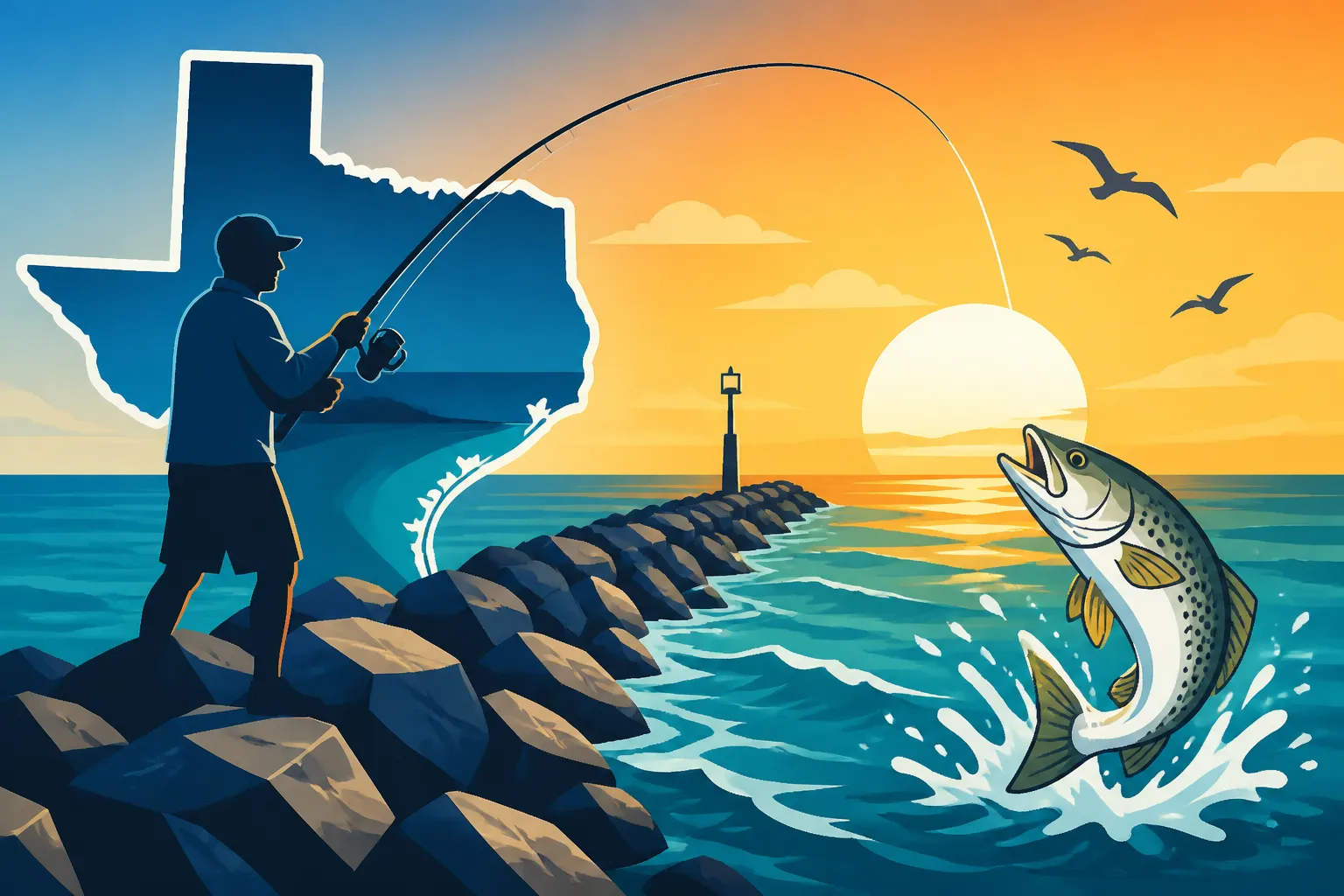
One of the biggest advantages of jetty fishing is its accessibility. You don't need a fancy bay boat or an offshore rig to get in on the action. Many jetties are accessible by simply walking out onto them, offering incredible opportunities for wade anglers or those who prefer to fish from solid ground. For those with kayaks or smaller boats, the sheltered waters near the jetties provide relatively calm launching points and allow access to slightly more remote parts of the structure, or even the surf zones adjacent to them. Even larger boats often fish the deeper ends or the passes near the jetties. This means that whether you're a seasoned angler with all the gear or a family looking for a fun day out with minimal investment, jetty fishing can be a fantastic option. It democratizes saltwater fishing in a way that few other types of spots can.
Top Texas Jetty Fishing Destinations and What to Expect
The Texas coast boasts several impressive jetties, each with its own character, challenges, and rewards. Knowing what makes each one tick can greatly improve your chances of a successful outing.
Galveston Jetties North and South
The Galveston Jetties are arguably the most famous and most frequently fished jetties in Texas, and for good reason. They flank the entrance to Galveston Bay, stretching for miles into the Gulf. The North Jetty is typically accessed by a ferry ride across Bolivar Roads, which can be part of the adventure in itself, while the South Jetty is easily reached from Galveston Island. Both jetties offer incredible fishing for a wide variety of species.
On the North Jetty, anglers often target speckled trout and redfish closer to the bay side, especially during tidal changes. As you venture further out, you might encounter bull redfish, sheepshead, flounder, and even king mackerel or tarpon on the deeper Gulf side, particularly in late summer and fall. The rocks themselves can be quite slippery, so proper footwear is crucial. The sheer length means you can often find a quiet spot even on crowded days if you're willing to walk a bit. For those looking to explore the surrounding waters, Galveston Bay Fishing Spots can provide more insight into the area.
Port Aransas Jetties and Horace Caldwell Pier
The Port Aransas Jetties, situated at the mouth of the Aransas Pass, are another premier destination. They are easily accessible from Mustang Island and are incredibly popular among both locals and tourists. The Horace Caldwell Pier actually sits adjacent to the South Jetty, offering a fantastic option for those who prefer pier fishing but still want to be near that productive jetty structure.
These jetties are renowned for their consistent catches of speckled trout and redfish, especially during the fall and spring migrations. Many anglers enjoy wade fishing the sandy areas near the jetty tips or casting directly into the pass. You'll also find sheepshead, black drum, flounder, and various species of snapper and mackerel further out. The Port Aransas area also offers many opportunities for charter fishing, and platforms like FishingBooker can help you find a local guide who knows these jetties like the back of their hand, especially if you want to fish the deeper, less accessible sections or learn the best times and tides.
Sabine Pass Jetties
Located near the Texas-Louisiana border, the Sabine Pass Jetties are a bit more remote for many Texans but offer some truly unique fishing experiences. These jetties protect the Sabine Pass, which connects Sabine Lake to the Gulf. Their extensive length and the deep shipping channel they guard mean they can hold some really impressive fish.
Anglers here often target large redfish, speckled trout, and flounder. However, due to the deeper water and proximity to offshore influences, you also have a better chance of encountering king mackerel, ling (cobia), and even sharks. Access can be a bit more challenging than Galveston or Port Aransas, often requiring a boat ride to the furthest reaches, but the rewards can be substantial. Just remember, when fishing near state borders, it’s always good to be aware of any special rules, though the Texas Saltwater Fishing Regulations generally cover this area.
Matagorda Jetties
The Matagorda Jetties, guarding the entrance to Matagorda Bay, offer a more secluded fishing experience compared to the bustling jetties further north and south. This relative tranquility can be a huge draw for anglers looking to escape the crowds and enjoy a more peaceful day on the water. Access to the jetties typically involves driving through the Matagorda Bay Fishing Spots area or a boat shuttle across the pass.
These jetties are famous for producing large bull redfish, especially during the fall run when these powerful fish migrate through the pass. Speckled trout, flounder, and various drum species are also common catches. The deeper waters on the Gulf side can also yield Spanish mackerel and even small sharks. The less pressured environment here can sometimes translate to more aggressive bites, making it a favorite for those willing to make the drive.
Other Notable Jetties and Passes
While Galveston, Port Aransas, Sabine, and Matagorda are the heavy hitters, don't overlook other significant fishing spots like the Freeport Jetties and the Packery Channel Jetties.
The Freeport Jetties, guarding the Brazos River and Freeport Harbor, offer similar diverse fishing opportunities to Galveston, though with perhaps slightly less foot traffic. They are known for redfish, trout, and seasonal pelagics.
Packery Channel Jetties, located between Corpus Christi and Mustang Island, provide excellent access and are particularly good for wade fishing. The channel itself is a major thoroughfare for fish moving between Corpus Christi Bay Fishing Spots and the Gulf, making the jetties prime ambush points. These are popular spots for both bait and artificial lure enthusiasts.
Mastering Jetty Fishing Techniques and Tackle
Successfully fishing a Texas jetty requires a combination of the right gear, effective techniques, and a healthy respect for the environment.
Essential Gear for Jetty Anglers
When heading out to the jetties, your tackle selection should be robust enough to handle powerful fish and the sometimes-rough conditions.
- Rods and Reels: For most jetty fishing, a medium-heavy to heavy action spinning or baitcasting rod, between 7 to 9 feet in length, is ideal. This length helps with casting distance over the rocks and provides leverage for fighting larger fish. Pair it with a sturdy reel spooled with 30-50 lb braided line, which offers superior casting distance and sensitivity. A fluorocarbon leader (20-40 lb test) is essential for abrasion resistance against the sharp rocks and for invisibility to wary fish. Check out the guide on Best Saltwater Rods for Texas Redfish for more specific recommendations.
- Terminal Tackle: You'll need a variety of hooks (kahle, circle, treble), swivels, and sinkers (pyramid, egg, or Sputnik weights ranging from 1/2 oz to 4 oz, depending on current). Always bring more than you think you'll need, as snags are common.
- Baits and Lures: Live bait is often king on the jetties. Mullet, shrimp, croaker, and pinfish are excellent choices. For artificials, consider heavy spoons, large soft plastics on jig heads, topwater plugs, and slow-sinking twitchbaits. Diving plugs can also be effective near the deeper ends. If you're wondering what to stock your tackle box with, the Best Bait and Lures for Texas Fishing guide has comprehensive details.
- Safety Gear: Non-slip, closed-toe footwear is an absolute must due to slippery rocks. A PFD (personal flotation device) is wise if you plan on wading near strong currents. Sun protection (hat, sunglasses, long sleeves) is also crucial under the intense Texas sun.
Targeting Specific Species
Each species has its preferred haunts and feeding habits around the jetties.
- Redfish: These powerful fighters love structure and current. Cast live or cut bait (mullet, cracked crab) on the bottom, especially near the ends of the jetties or where currents create eddies. Gold spoons or large soft plastics also work well. For dedicated redfish techniques, refer to How to Wade Fish for Redfish in Texas.
- Speckled Trout: Often found on the bay side of the jetties or in shallower, calmer sections, particularly during cooler months. Live shrimp or artificials like soft plastics (paddle tails, swimbaits) under a popping cork, or twitchbaits, are highly effective.
- Flounder: These ambush predators lie in wait on the bottom. Target sandy patches adjacent to the rocks or the channel edges. Live finger mullet or mud minnows fished slowly on a Carolina rig, or jigging soft plastics, are your best bet. Remember to be aware of Texas Flounder Season and Limits as they can be quite specific.
- Sheepshead and Drum: These "convict fish" are structure lovers. Fish directly against the rocks with small pieces of shrimp, crab, or fiddler crabs on a small hook with minimal weight. They have small mouths, so a quick hookset is key.
- King Mackerel and Tarpon: During warmer months, these pelagic species can be found near the deepest ends of the jetties. Live baitfish freelined or slow-trolled, or large spoons, are effective. A sturdy wire leader is essential for kings due to their razor-sharp teeth.
Safety and Etiquette on the Jetties
Fishing jetties can be immensely rewarding, but it comes with responsibilities.
- Slippery Rocks: This cannot be stressed enough. The rocks are often covered in slick algae, especially after rain or when wet. Wear sturdy, non-slip shoes with good ankle support. A wading staff can also be a lifesaver.
- Currents: The currents around jetties, especially near the passes, can be incredibly strong and dangerous. Be aware of tidal changes and never wade into areas with powerful currents.
- Weather: Texas weather can change rapidly. Keep an eye on the forecast for thunderstorms, strong winds, and extreme heat. Know when to call it a day and head back.
- Respect Others: Jetties can get crowded. Give other anglers ample space, avoid casting over their lines, and keep noise levels down. Pack out everything you pack in, including discarded fishing line and bait containers. We all share these precious resources.
- Regulations: Always carry your valid Texas fishing license and be familiar with the Texas Saltwater Fishing Regulations, including bag and length limits for the species you're targeting. An Texas All-Water Fishing License Explained will cover you whether you fish the bays or the Gulf.
Here’s a quick overview of some of the major Texas jetties:
| Jetty Name | Location | Primary Access | Key Species (Common) | Special Notes |
|---|---|---|---|---|
| Galveston North Jetty | Galveston Island | Bolivar Ferry, Walk-on | Redfish, Trout, Flounder, Sheepshead | Long, can be crowded, ferry access |
| Galveston South Jetty | Galveston Island | Drive-up, Walk-on | Redfish, Trout, Flounder, Kingfish | Easy access, popular, close to amenities |
| Port Aransas Jetties | Port Aransas | Drive-up, Walk-on | Trout, Redfish, Drum, Flounder | Horace Caldwell Pier nearby, excellent wading |
| Sabine Pass Jetties | Sabine Pass | Limited land access, Boat | Large Redfish, Trout, Kingfish, Ling | More remote, deeper water, near LA border |
| Matagorda Jetties | Matagorda | Boat shuttle, Drive-up | Bull Redfish, Trout, Flounder | More secluded, known for big reds, can require travel |
| Freeport Jetties | Freeport | Drive-up, Walk-on | Redfish, Trout, Snapper | Good for all skill levels, less crowded than Galveston |
| Packery Channel Jetties | Corpus Christi | Drive-up, Walk-on, Wading | Trout, Redfish, Flounder, Drum | Excellent wade fishing, busy channel |
Whether you're after a trophy bull redfish or just a relaxing day catching speckled trout, the jetties along the Texas coast offer incredible opportunities for every angler. With the right preparation and respect for these unique environments, you're sure to have a memorable experience. And if you ever feel like expanding your horizons beyond the jetties, remember that there are also many Best Boats for Texas Saltwater Fishing options to consider, from kayaks to bay boats.
Disclaimer
Fishing conditions and regulations in Texas can change. Always consult the latest Texas Parks and Wildlife Department (TPWD) regulations before heading out to fish. The information provided in this guide is for general informational purposes only and should not be considered legal advice.