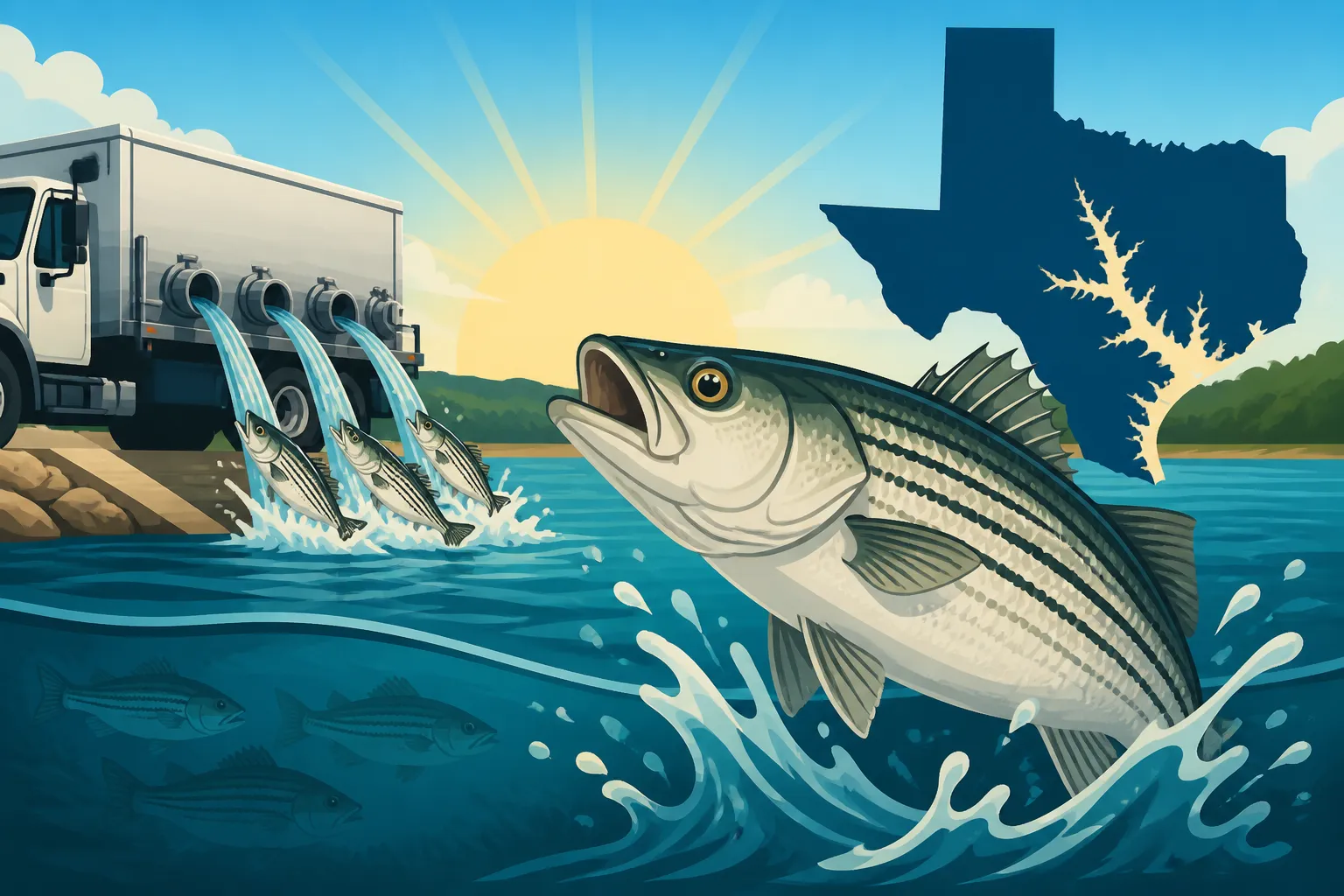
Lake Whitney striped bass stocking history
If you've ever cast a line into the deep, clear waters of Lake Whitney and felt that thrilling tug of a powerful striped bass, you might have wondered, "How did these incredible fish get here?" It's a common question, especially when you consider that stripers aren't native to most Texas lakes. This guide will take a deep dive into the fascinating history of striped bass stocking in Lake Whitney, unraveling the efforts that have created one of Texas's premier striper fisheries.
The Allure of Striped Bass Fishing in Texas
There's something truly special about chasing striped bass, especially here in Texas. These hard-fighting anadromous fish, known for their powerful runs and schooling behavior, were introduced to many landlocked reservoirs across the state to create exciting new sportfishing opportunities. For many anglers, the thrill isn't just in the catch, but in the chase itself – often involving open water trolling, casting topwater lures during feeding frenzies, or dropping live bait to deep schools. Their sheer size and strength can be awe-inspiring, often leaving anglers with sore arms and unforgettable stories. The Texas Parks and Wildlife Department (TPWD) saw the potential for this kind of sportfishing, and Lake Whitney, with its deep, cool waters and ample forage, quickly became a prime candidate for a robust stocking program.
This desire to bring the excitement of big game fishing to inland waters is what drives much of the state's stocking efforts. Without these programs, many of the trophy fisheries we enjoy today simply wouldn't exist. It's a testament to dedicated fisheries management that we can consistently target these magnificent fish. If you're looking for more general information on these incredible fish, our comprehensive Texas Striped Bass Fishing Guide offers a wealth of knowledge.
A Deep Dive into Lake Whitney's Striped Bass Introduction
The story of striped bass in Lake Whitney isn't one of natural migration; it's a testament to strategic fisheries management by the Texas Parks and Wildlife Department. TPWD began introducing striped bass into various Texas reservoirs in the mid-20th century, and Lake Whitney quickly emerged as a suitable candidate due to its depth, size, and thermal stratification during the summer months, which provides the cooler, oxygenated water stripers need to thrive.
The initial goal was straightforward: to create a put-grow-and-take fishery. Unlike native species, landlocked striped bass in most Texas lakes, including Whitney, rarely reproduce successfully on their own. This means that maintaining a viable population relies almost entirely on consistent stocking. TPWD's biologists carefully assessed the lake's ecological characteristics, including its existing forage base, water quality, and angler demand, to determine the feasibility and optimal stocking rates. Early efforts involved releasing thousands of fingerlings, often just a few inches long, hoping they would adapt and grow into the formidable game fish we know today. These pioneering stockings laid the groundwork for what has become a celebrated fishery, drawing anglers from all corners of the state.
TPWD's hatcheries, like the Dundee State Fish Hatchery and the Possum Kingdom State Fish Hatchery, play a crucial role in producing the millions of striped bass fingerlings needed for these programs. They carefully manage broodstock, spawn fish, and raise the fry to fingerling size before releasing them into designated lakes. This meticulous process ensures a steady supply of healthy young fish to sustain the populations, allowing anglers to enjoy the benefits year after year.
Evolution of Stocking Strategies and Their Impact
Over the decades, TPWD's stocking strategies for Lake Whitney have evolved, adapting to changing environmental conditions, angler feedback, and advancements in fisheries science. Initially, stocking might have been more experimental, with biologists learning what worked best for survival and growth in this particular reservoir. As data accumulated, including creel surveys, fish sampling, and growth rates, the department refined its approach.
Factors such as the availability of forage fish, particularly gizzard shad and threadfin shad, are critical. If the shad population is robust, stripers have plenty to eat, leading to faster growth and healthier fish. Conversely, a decline in forage might necessitate adjustments in stocking numbers to prevent overpopulation and stunting. Water quality, especially dissolved oxygen levels in deeper waters during summer, also plays a significant role in determining how many stripers the lake can support. TPWD constantly monitors these environmental variables, adjusting stocking decisions to maintain a healthy balance within the ecosystem.
Another significant evolution has been the size of fish stocked. While fingerlings remain a staple, sometimes advanced fingerlings (larger, more robust juveniles) are released. These larger fish often have a higher survival rate, though they are more expensive to produce. The consistent effort to understand and adapt to the lake's dynamics has ensured a vibrant and sustainable striped bass fishery. Understanding how these powerful fish develop is key to appreciating the fishery; our Texas Striped Bass Identification Guide offers excellent insights into their characteristics.
Understanding Stocking Cycles and Numbers
TPWD maintains a rigorous stocking schedule for Lake Whitney, reflecting their commitment to keeping it a prime striped bass destination. While stocking numbers can fluctuate slightly year to year based on hatchery production, lake conditions, and biological assessments, the general trend has been consistent, aiming to provide a thriving population for anglers.
Historically, Lake Whitney has seen significant stocking numbers, often in the hundreds of thousands of fingerlings annually. These consistent releases ensure a continuous supply of fish growing into different year classes, providing opportunities for anglers to catch various sizes, from smaller "schoolie" stripers to impressive trophy-sized fish. This ongoing cycle is vital because, as mentioned, natural reproduction is minimal in landlocked Texas lakes.
Here's a look at some representative stocking data for Lake Whitney's striped bass over recent years, illustrating the dedication to maintaining this fishery:
| Year | Species | Number of Fish Stocked | Average Size (Inches) | Location |
|---|---|---|---|---|
| 2023 | Striped Bass | 600,000 | 1.5 | Lake Whitney |
| 2022 | Striped Bass | 550,000 | 1.5 | Lake Whitney |
| 2021 | Striped Bass | 625,000 | 1.5 | Lake Whitney |
| 2020 | Striped Bass | 580,000 | 1.5 | Lake Whitney |
| 2019 | Striped Bass | 610,000 | 1.5 | Lake Whitney |
Note: These numbers are illustrative and based on typical TPWD stocking reports for Lake Whitney. Exact figures vary year by year.
These numbers highlight a substantial investment in the Lake Whitney fishery. When compared to other notable striper lakes in Texas, like Lake Texoma, which boasts a naturally reproducing population (a rare occurrence for landlocked stripers), Whitney stands out as a prime example of a successful put-grow-and-take model. Knowing when and where to find these fish can greatly improve your chances, so be sure to check out our guide on the Best Time to Catch Striped Bass in Texas. For those interested in comparing approaches, exploring the Lake Texoma Striped Bass Fishing Spots can offer a fascinating contrast.
The Role of Forage and Habitat in Striper Survival
The success of any striped bass stocking program hinges critically on the availability of a robust forage base and suitable habitat. For Lake Whitney's stripers, their primary diet consists of schooling baitfish, predominantly gizzard shad and threadfin shad. These silvery, high-energy fish provide the fuel stripers need to grow quickly to impressive sizes. A healthy shad population means healthy, growing stripers, leading to a vibrant fishery. TPWD often conducts sampling to monitor the health and abundance of these crucial baitfish populations, as it directly impacts the carrying capacity of the lake for game fish.
Beyond food, striped bass require specific habitat conditions, especially during the harsh Texas summers. Lake Whitney's deep, clear waters are essential because they provide thermal refuge. During the warmer months, the lake stratifies, meaning layers of water with different temperatures form. Stripers, being cold-water fish, seek out the cooler, oxygenated waters found deeper in the lake, often in what's known as the "thermocline" – the layer where water temperature changes rapidly. Structure, such as submerged humps, ledges, and creek channels, also plays a vital role, offering ambush points for schooling stripers and concentrating baitfish.
Water quality is another non-negotiable factor. Adequate dissolved oxygen levels are paramount, particularly in the deeper, cooler zones where stripers retreat. If oxygen levels drop too low, it can stress the fish and lead to die-offs. TPWD continuously monitors these conditions, ensuring that the lake remains a hospitable environment for its striped bass population. This symbiotic relationship between the stocked fish, their food source, and their environment is a delicate balance that fishery managers work tirelessly to maintain.
Angler Experience and Future Outlook for Lake Whitney Stripers
The extensive stocking history of Lake Whitney directly translates into the exciting angling experience that thousands enjoy today. Knowing that the lake is regularly replenished with healthy striped bass fingerlings gives anglers confidence that there's always a good chance of a successful outing. This consistency has fostered a community of dedicated striper anglers who frequent Lake Whitney, developing specialized techniques and patterns to target these powerful fish.
During certain times of the year, particularly in spring and fall, stripers can be found shallower, often chasing schools of shad near the surface, providing thrilling topwater action. In the scorching Texas summer, they move to deeper, cooler water, requiring different tactics like downrigging, jigging, or live bait fishing with shad or gizzard shad. Many anglers consult fishing reports or even hire professional guides who specialize in Lake Whitney stripers to improve their chances. Services like FishingBooker can connect you with experienced local guides who know the lake's patterns and the best techniques for catching these hard-fighters, leveraging years of experience built on a consistently stocked fishery.
The future of Lake Whitney's striped bass fishery looks promising, largely due to TPWD's ongoing commitment to adaptive management. While challenges like drought years, which can impact water levels and thermal stratification, do occur, biologists continue to monitor the lake's health and adjust stocking schedules as needed. Anglers play a crucial role too, by adhering to Texas Fish Bag and Length Limits and reporting their catches, which provides valuable data to fisheries managers. If you're planning a trip, consider exploring our dedicated Lake Whitney Fishing Guide for more localized tips and insights. For those who want to get serious about finding those deeper schools, investing in quality gear can make a huge difference, so check out our guide on the Best Fishing Electronics for Texas Anglers. Staying informed through resources like How to Read a Texas Lake Fishing Report is also key to consistent success on the water.
In essence, the diligent stocking program over the years has cultivated a resilient and exciting striped bass fishery at Lake Whitney. It's a prime example of how scientific management combined with consistent effort can create and sustain world-class angling opportunities in Texas. Whether you're a seasoned striper hunter or new to the sport, Lake Whitney continues to offer incredible potential. Looking for a guide who knows the ins and outs? Many exceptional guides on platforms like FishingBooker specialize in Lake Whitney and can put you on fish, often sharing insights derived from years of fishing the lake’s stocked populations.
Disclaimer
Please remember that fishing regulations, stocking schedules, and lake conditions can change. Always consult the latest official Texas Parks and Wildlife Department (TPWD) Outdoor Annual for the most up-to-date rules and information before planning your fishing trip. This guide is for informational purposes only and should not be considered a substitute for official regulations.