Best fishing spots in the Texas Hill Country
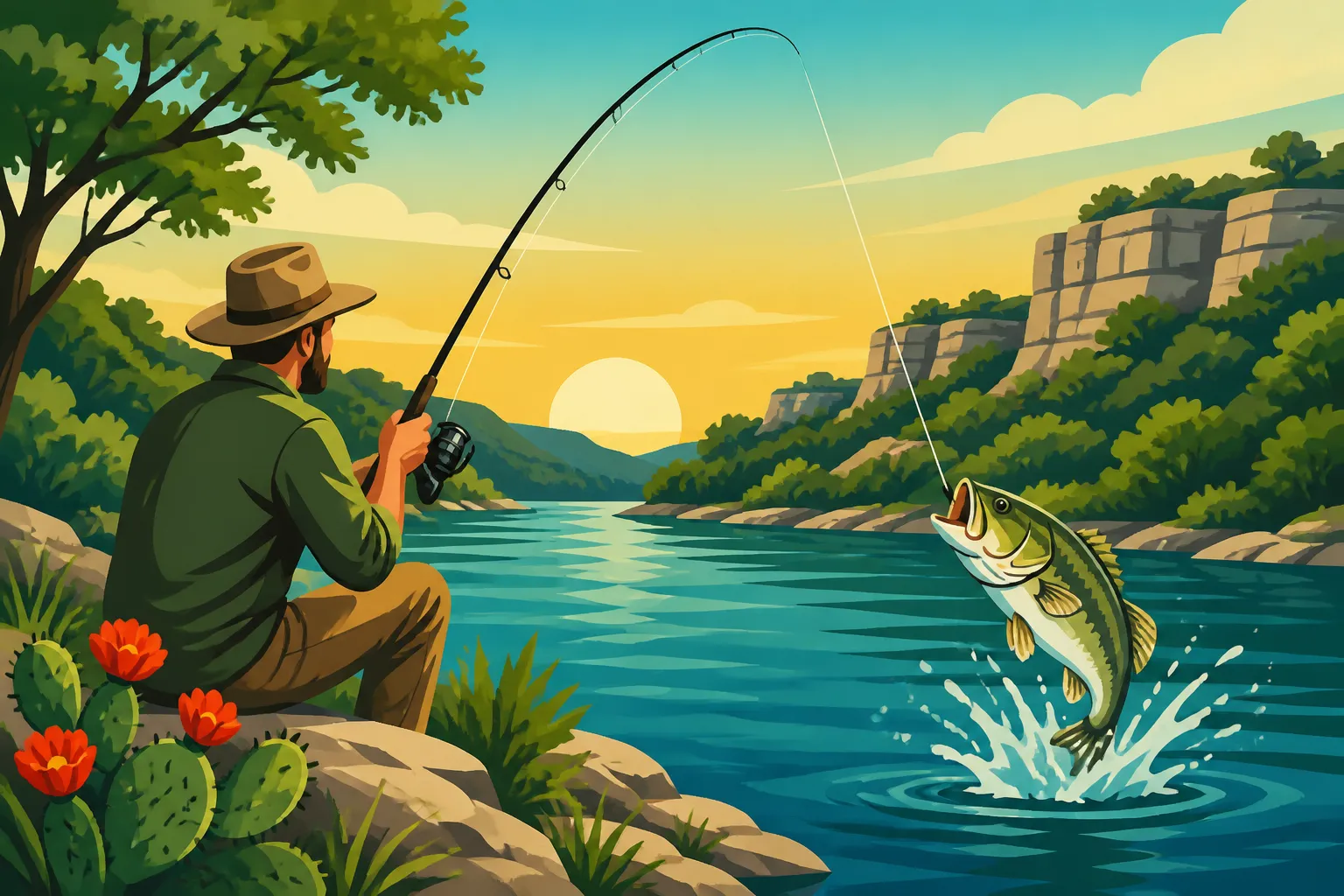
Trying to figure out where to cast your line in the vast and beautiful Texas Hill Country can feel like a delightful but overwhelming puzzle. With so many clear rivers winding through limestone canyons and gorgeous lakes nestled among rolling hills, it's tough to know which spot will offer the best chance at a memorable catch. This guide is here to untangle that knot for you, detailing some of the absolute best fishing spots the Hill Country has to offer, from famed trout streams to bass-rich reservoirs.
Understanding the Unique Allure of Hill Country Fishing
The Texas Hill Country isn't just a pretty landscape of limestone bluffs and oak trees; it's a unique fishing ecosystem that stands apart from the sprawling reservoirs of East Texas or the brackish bays of the Gulf Coast. Anglers often face different challenges and enjoy distinct rewards here, making it a must-visit for anyone who loves wetting a line.
The Clear Water Challenge and Reward
One of the most striking features of Hill Country rivers and many of its lakes is the incredible water clarity. Unlike the often stained or murky waters found elsewhere, these spring-fed systems are crystal clear, often revealing every rock, fish, and piece of submerged timber. This clarity is a double-edged sword. On one hand, it’s absolutely stunning. You can often sight fish for bass or watch schools of panfish dart around your bait. It’s an immersive experience that connects you more directly with the underwater world.
However, this clarity also means fish are much warier. They can see you, your line, and your presentation more easily, making stealth and finesse crucial. Light line, natural baits, and subtle approaches become your best friends. It’s a challenge that sharpens your skills and makes every successful hook-up feel incredibly earned. The reward isn't just the fish; it's the satisfaction of outsmarting an alert, wild adversary in its pristine habitat. For more general advice, our guide on how to fish clear water lakes in Texas might offer some helpful insights.
Diverse Habitat for Diverse Species
The geology of the Hill Country, with its limestone beds and granite outcroppings, creates varied underwater structures. From shallow riffles and deep pools in rivers to dramatic drop-offs and submerged creek channels in lakes, there's a huge range of habitats. This diversity supports a fantastic array of fish species. You're not just limited to one or two types of fish; you can target anything from the native and feisty Guadalupe bass to trophy largemouth bass, robust channel catfish, and even rainbow trout in specific areas.
The blend of cool, clear water and abundant natural forage provides ideal conditions for healthy fish populations. Anglers can switch between targeting different species depending on the season, water conditions, and their preferred fishing style. Whether you enjoy fly fishing for Guadalupe bass, casting for largemouth, or setting up for catfish, the Hill Country offers a rich tapestry of fishing opportunities.
Premier River Fishing Destinations
Texas rivers in the Hill Country are legendary for their beauty and their unique fishing opportunities. These aren't your typical slow, muddy rivers; they're often fast-flowing, clear, and full of character.
The Mighty Guadalupe River
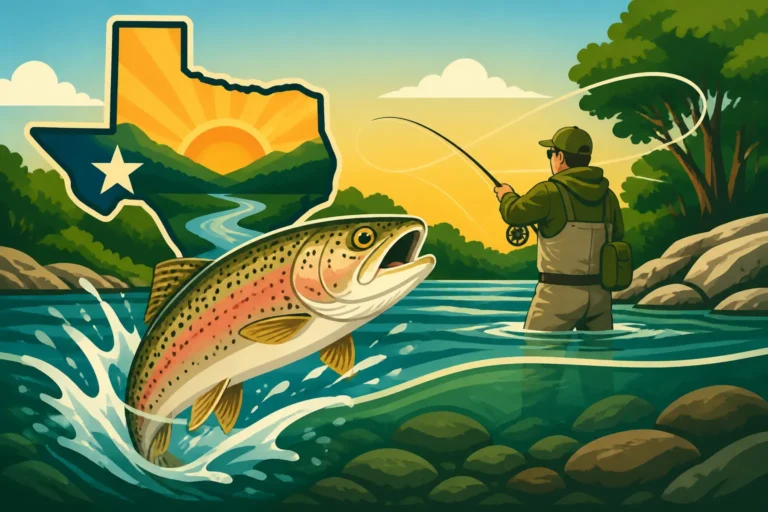
When people talk about river fishing in the Texas Hill Country, the Guadalupe River is almost always the first name that comes up, and for good reason. Below Canyon Lake, the "Guad" transforms into a truly unique fishery: the southernmost trout fishery in the United States. Thanks to the cold water discharged from the bottom of Canyon Lake, the Texas Parks and Wildlife Department (TPWD) regularly stocks it with rainbow trout throughout the cooler months (typically November to March). This makes for an incredible winter fly fishing destination, drawing anglers from all over.
But it’s not just about trout. The Guadalupe is also the native home of the Guadalupe bass, the official State Fish of Texas. These feisty, stream-dwelling black bass are smaller than largemouth but fight like champions, often found in rocky runs and rapids. You'll also find largemouth bass, particularly in slower pools, along with various species of sunfish and catfish. Whether you're wading, floating in a kayak, or hiring a guide, the Guadalupe offers an unparalleled river experience. You can delve deeper into this specific fishery with our comprehensive Guadalupe River Trout Fishing Guide.
The Pristine Llano River
The Llano River, particularly its North and South forks converging near the town of Llano, is another crown jewel of Hill Country river fishing. Known for its granite slab bottoms, clear water, and stunning scenery, the Llano is a favorite for those seeking the quintessential Hill Country experience. It's a prime location for Guadalupe bass, which thrive in its rocky, flowing waters. Anglers can also find excellent populations of largemouth bass, smallmouth bass, and various catfish species.
Wading is a popular technique here, navigating the shallow rapids and targeting deeper pools and undercut banks. Kayak fishing is also fantastic, allowing you to cover more ground and access remote stretches. The Llano’s beauty is undeniable, and its fish populations are robust, offering consistent action for those who know how to read the river. For broader river insights, check out our guide on the Best Texas Rivers for Fishing.
Other Notable Hill Country Rivers
While the Guadalupe and Llano often steal the spotlight, other rivers contribute significantly to the Hill Country's fishing reputation.
- Pedernales River: Running through Pedernales Falls State Park, this river offers challenging but rewarding fishing. Its rocky terrain and varying water levels make it a bit tougher to access and navigate, but patient anglers can find good populations of largemouth bass and Guadalupe bass, especially in the deeper pools. It’s more of a wild, untouched experience.
- Blanco River: Flowing near Wimberley and Blanco, the Blanco River is generally shallower and known for its scenic beauty. It's a great spot for panfish like sunfish and modest largemouth bass. Ideal for families and beginners, especially for bank fishing or light tackle.
- San Marcos River: Spring-fed and incredibly clear, the San Marcos River, particularly its upper stretches, holds a healthy mix of largemouth bass, sunfish, and Guadalupe bass. It’s a popular river for kayaking, tubing, and paddleboarding, so finding quieter stretches early in the morning or on weekdays can enhance the fishing experience.
Top Hill Country Lakes and Reservoirs
Beyond the rivers, several large reservoirs in and around the Hill Country offer fantastic lake fishing, often with different species and techniques in play.
Canyon Lake: The Jewel of the Hill Country
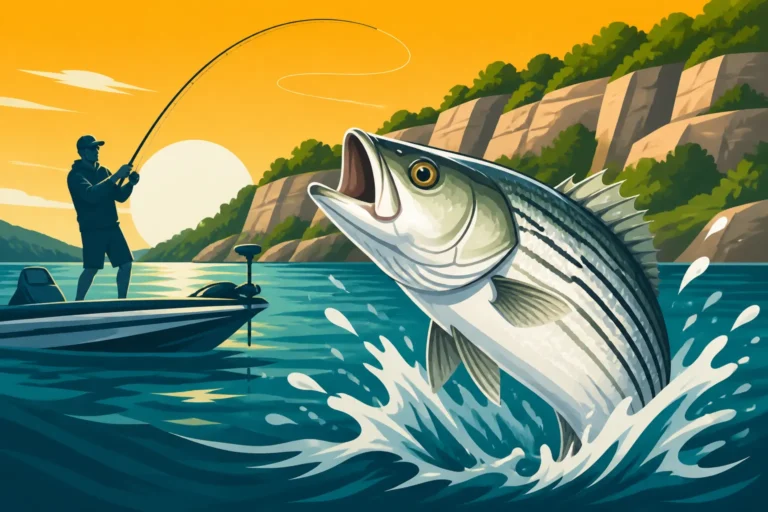
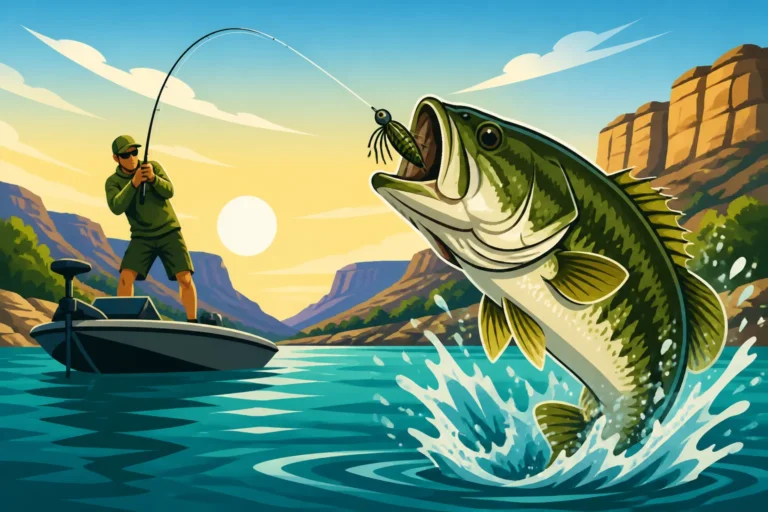
Canyon Lake, situated on the Guadalupe River, is perhaps the most iconic lake in the Hill Country. Known for its deep, clear, emerald-green waters and dramatic limestone bluffs, it's a paradise for boat anglers. The lake is famous for its striped bass fishery, with healthy populations providing exciting action, especially in cooler months. White bass also stage impressive runs in the spring up the Guadalupe River arm.
Largemouth bass are abundant, thriving in the lake's extensive timber, rocky points, and submerged structure. Catfish are also plentiful. The sheer size and depth of Canyon Lake mean you can find solitude even on busy days, and its diverse structure supports various fishing techniques. Whether you're trolling for stripers, casting plastics for bass, or drift-fishing for catfish, Canyon Lake has it all. If you're planning a trip, our dedicated Canyon Lake Fishing Guide is a must-read.
Lake Buchanan: A Vast and Diverse Fishery
To the north of Austin, Lake Buchanan is one of the oldest and largest of the Texas Highland Lakes. While not as clear as Canyon Lake, it still offers excellent fishing, particularly for striped bass and white bass. Buchanan is a prime destination for those who enjoy chasing these schooling fish, especially during their spring and fall feeding frenzies. The lake's expansive open waters are perfect for trolling or targeting schools of fish actively chasing bait.
Beyond the schooling species, Lake Buchanan also holds significant populations of largemouth bass, catfish, and crappie. Its varied shoreline, with rocky areas, timber, and creeks, provides diverse habitats. Fishing guides often operate on Buchanan, and if you're looking to book a trip, checking platforms like FishingBooker can help you find experienced captains who know the lake inside and out. For those interested in multiple species, our Texas Freshwater Fishing Regulations will be useful.
Inks Lake: Family-Friendly and Full of Fish
Nestled within Inks Lake State Park, Inks Lake is a smaller, constant-level lake known for its calm, clear waters and family-friendly atmosphere. It’s an ideal spot for anglers of all ages and skill levels, making it one of the Best Texas Lakes for Family Fishing.
Inks Lake provides excellent opportunities for largemouth bass, white bass, crappie, and various sunfish. The state park offers easy access for bank fishing, a fishing pier, and boat ramps. Because it’s smaller, it can be easier to navigate for new boaters or kayakers. The clear water makes sight fishing for sunfish and bass a fun activity, especially for kids. For more detailed information, our Inks Lake State Park fishing guide provides an in-depth look.
Species to Target and Techniques to Master
The Hill Country's unique environment means you'll often encounter a different mix of species and require specialized tactics compared to other regions of Texas. Knowing what to target and how to approach it will greatly increase your success.
Chasing Guadalupe Bass: The State Fish
The Guadalupe bass is a true Hill Country icon. These aggressive, hard-fighting fish are generally smaller than their largemouth cousins but make up for it with their tenacious spirit. They thrive in flowing water, preferring rocky runs, riffles, and undercut banks.
Techniques:
- Light Tackle: A spinning rod with 6-8 lb fluorocarbon or monofilament line is ideal. Their clear-water habitat demands finesse.
- Small Lures: Think small crankbaits, topwater poppers (especially early morning or late evening), small spinnerbaits, and soft plastic grubs or worms on lightweight jig heads. Brands like Rebel Crawfish or Strike King Bitsy Bug jigs are excellent choices.
- Fly Fishing: This is a fantastic way to target Guadalupe bass. Small streamers, poppers, and subsurface nymphs can be incredibly effective. A 3-5 weight fly rod is perfect.
- Wading & Kayaking: These are often the best ways to access prime Guadalupe bass habitat in the rivers. Stealthy approaches are key.
Finding an experienced guide familiar with Guadalupe bass on the Llano or Guadalupe rivers, perhaps through FishingBooker, can be a game-changer for your first time targeting this unique species. Our Guadalupe Bass Texas State Fish Guide offers even more insight into this special fish.
Largemouth Bass: Hill Country Style
While largemouth bass are ubiquitous across Texas, fishing for them in the Hill Country often requires a slightly different approach due to the clear water and rocky structures. They'll still hide in cover, but that cover might be natural rock formations or sparse cedar trees rather than dense hydrilla beds.
Techniques:
- Finesse: Drop shots, Neko rigs, and weightless wacky worms are highly effective, especially when fish are pressured. Try natural colors like green pumpkin or watermelon red.
- Jigs & Plastics: Football jigs in darker colors work well on rocky bottoms. Texas-rigged or Carolina-rigged soft plastics are also staples for working deeper structure. For more on this, our guide on How to Fish for Bass in Texas has excellent general tips.
- Topwater: In low-light conditions or over submerged cover, topwater lures like poppers, walking baits, or hollow-body frogs can draw explosive strikes.
- Electronics: On the deeper lakes like Canyon or Travis, a good fish finder is invaluable for locating submerged brush piles, ledges, and creek channels where bass congregate.
Striped and White Bass: Schooling Action
Lakes like Canyon Lake and Lake Buchanan are renowned for their schooling stripers and white bass. These fish are nomadic, following baitfish schools, and can provide fast-paced action once located.
Techniques:
- Trolling: Using deep-diving crankbaits or umbrella rigs can be effective for covering large areas and finding schools.
- Slabs & Spoons: When stripers or white bass are schooling and pushing bait to the surface, casting metal spoons or Sassy Shad swimbaits into the frenzy can result in multiple hook-ups.
- Live Bait: Live shad is incredibly effective for catching larger striped bass, especially drifted over humps and ledges.
- Electronics: A fish finder with good side-scan or down-imaging can help you spot bait balls and the fish feeding on them. Keep an eye out for birds diving, as this often indicates schooling fish below.
Other Species: Crappie, Catfish, and Trout
Don't overlook the other fantastic fishing opportunities!
- Crappie: Lakes like Inks Lake and Buchanan hold good populations of crappie. They often relate to submerged brush piles, standing timber, and bridge pilings. Small jigs (1/16 to 1/8 oz) tipped with minnows or soft plastics are deadly. Our Texas Crappie Fishing Guide has all the details.
- Catfish: Channel, blue, and flathead catfish are found throughout the Hill Country's rivers and lakes. They're often targeted using traditional bottom-fishing rigs with stink bait, cut bait, or live perch. Fishing at night can be particularly productive.
- Trout: As mentioned, the Guadalupe River below Canyon Lake is the primary trout fishery. Light spinning gear with small inline spinners or PowerBait, or fly fishing with nymphs and streamers, are the best methods.
Essential Gear for Hill Country Fishing
Equipping yourself correctly for the diverse conditions of the Hill Country can make a huge difference in your enjoyment and success.
Rods, Reels, and Line
Given the clear water and varied species, versatility is key.
- Spinning Gear: A medium-light to medium power spinning rod (6'6" to 7'0") with a 2500-3000 series reel spooled with 8-10 lb braided line and a 6-10 lb fluorocarbon leader is a fantastic all-around setup. This will handle most bass, crappie, and even smaller stripers.
- Casting Gear: For larger bass lures or heavier cover, a medium-heavy casting rod (6'10" to 7'4") with a baitcasting reel spooled with 12-17 lb fluorocarbon or monofilament.
- Fly Rod: If targeting trout or Guadalupe bass with a fly, a 3-5 weight fly rod is ideal.
Baits and Lures
Your tackle box should reflect the clear water and rocky environment.
- Soft Plastics: Green pumpkin, watermelon, and natural crawfish colors in various forms (worms, grubs, creature baits) are essential.
- Jigs: Football jigs (1/4 to 1/2 oz) for bass, and small hair jigs or soft plastic jigs (1/16 to 1/8 oz) for crappie and panfish.
- Crankbaits: Medium-diving crankbaits in crawfish or baitfish patterns, and lipless crankbaits for covering water.
- Topwaters: Poppers, walking baits, and small prop baits.
- Live Bait: Minnows for crappie, shad for stripers, and worms or cut bait for catfish are always effective. Our guide on Best Bait and Lures for Texas Fishing covers more options.
Kayaks and Wading Gear
For river fishing, these are often more effective and enjoyable than a traditional boat.
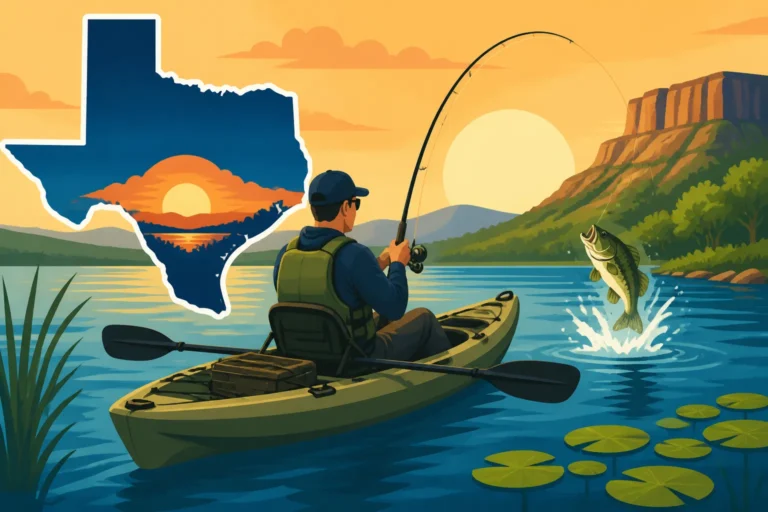
- Fishing Kayak: A stable sit-on-top fishing kayak allows you to navigate shallow rivers and access spots larger boats can't reach. Look for models with good storage and comfortable seating. Our guide on the Best Kayaks for Texas Fishing offers some great recommendations.
- Wading Boots & Staff: Essential for safely navigating rocky riverbeds. Felt soles or sticky rubber soles provide excellent grip. A wading staff offers stability.
Essential Accessories
Don't forget the little things that make a big difference.
- Polarized Sunglasses: Absolutely crucial for spotting fish in clear water and protecting your eyes from glare.
- Sun Protection: Wide-brimmed hats, long-sleeve shirts, and sunscreen are vital under the Texas sun.
- Water: Stay hydrated, especially during the warmer months.
- First-Aid Kit: Always a good idea to have on hand.
Comparative Table of Hill Country Fishing Spots
Here's a quick look at some key characteristics of the top Hill Country fishing spots:
| Fishing Spot | Primary Fish Species Targeted | Best Fishing Method(s) | Water Type | Typical Water Clarity | Ideal For |
|---|---|---|---|---|---|
| Guadalupe River | Rainbow Trout, Guadalupe Bass, Largemouth Bass | Fly fishing, Wading, Kayak fishing | River | Clear | Trout enthusiasts, Fly anglers, River rats |
| Llano River | Guadalupe Bass, Largemouth Bass, Smallmouth Bass | Wading, Kayak fishing, Light Tackle | River | Clear | Native bass seekers, Scenic fishing |
| Canyon Lake | Striped Bass, Largemouth Bass, White Bass | Boat fishing, Trolling, Jigging | Reservoir | Clear | Power fishing, Striper fans, Deep water |
| Lake Buchanan | Striped Bass, White Bass, Largemouth Bass | Boat fishing, Trolling, Live bait | Reservoir | Stained to Clear | Schooling fish, Large lake exploration |
| Inks Lake | Largemouth Bass, Crappie, Sunfish | Bank fishing, Kayak fishing, Light Tackle | Reservoir | Clear | Families, Beginners, Relaxed angling |
Hiring a Guide in the Hill Country
For anglers new to the Hill Country or those looking to specifically target a challenging species like Guadalupe bass or trophy stripers, hiring a local fishing guide can be an invaluable investment. These guides know the water intimately, understand seasonal patterns, and can quickly put you on fish.
Platforms like FishingBooker are excellent resources for finding and booking guides in the Hill Country. You can filter by species, location (e.g., Canyon Lake or Guadalupe River), and read reviews from other anglers to ensure you find the perfect fit for your trip. A good guide will provide all the necessary gear, bait, and most importantly, share their knowledge, helping you learn the nuances of Hill Country fishing. This can save you a lot of trial and error and significantly enhance your overall experience, making your trip more productive and enjoyable.
Responsible Angling in the Hill Country
The pristine nature of the Texas Hill Country's waters is part of its charm, and it's up to all of us to keep it that way. Practicing responsible angling is crucial for preserving these unique fisheries for generations to come.
Respecting Regulations and Limits
Always familiarize yourself with the current Texas Fishing License Requirements Explained and specific regulations for the waters you plan to fish. This includes bag and length limits, especially for sensitive species like Guadalupe bass, and any seasonal closures. TPWD periodically updates these, so a quick check of their official website before each trip is a smart habit. Overlooking these rules can not only lead to fines but also negatively impact fish populations. It’s also important to understand Texas Fish Bag and Length Limits to ensure you're compliant.
Catch and Release Best Practices
Many anglers in the Hill Country practice catch and release, especially for the more prized species or for fish that are out of slot limits. If you plan to release fish:
- Minimize Handling: Reduce the time the fish is out of the water.
- Wet Hands: Always wet your hands before touching a fish to protect its protective slime coat.
- Use Barbless Hooks: Or pinch down barbs on your hooks to make removal easier and reduce damage.
- Proper De-hooking: Use pliers or a de-hooking tool to quickly and cleanly remove hooks.
- Revive Gently: If a fish is stressed, hold it gently in the water, facing into a mild current, until it regains strength and can swim away on its own.
Leave No Trace
The clear waters and scenic beauty of the Hill Country deserve to be kept clean. Pack out everything you pack in, including all trash, broken fishing lines, and discarded baits. Avoid disturbing wildlife or damaging sensitive vegetation along riverbanks. Being mindful of your impact ensures that these beautiful fishing spots remain enjoyable for everyone.
Disclaimer
Please note that fishing conditions and regulations can change. Always consult the official Texas Parks and Wildlife Department website for the most current information before heading out on your fishing trip.