Best kayak fishing lakes in Texas
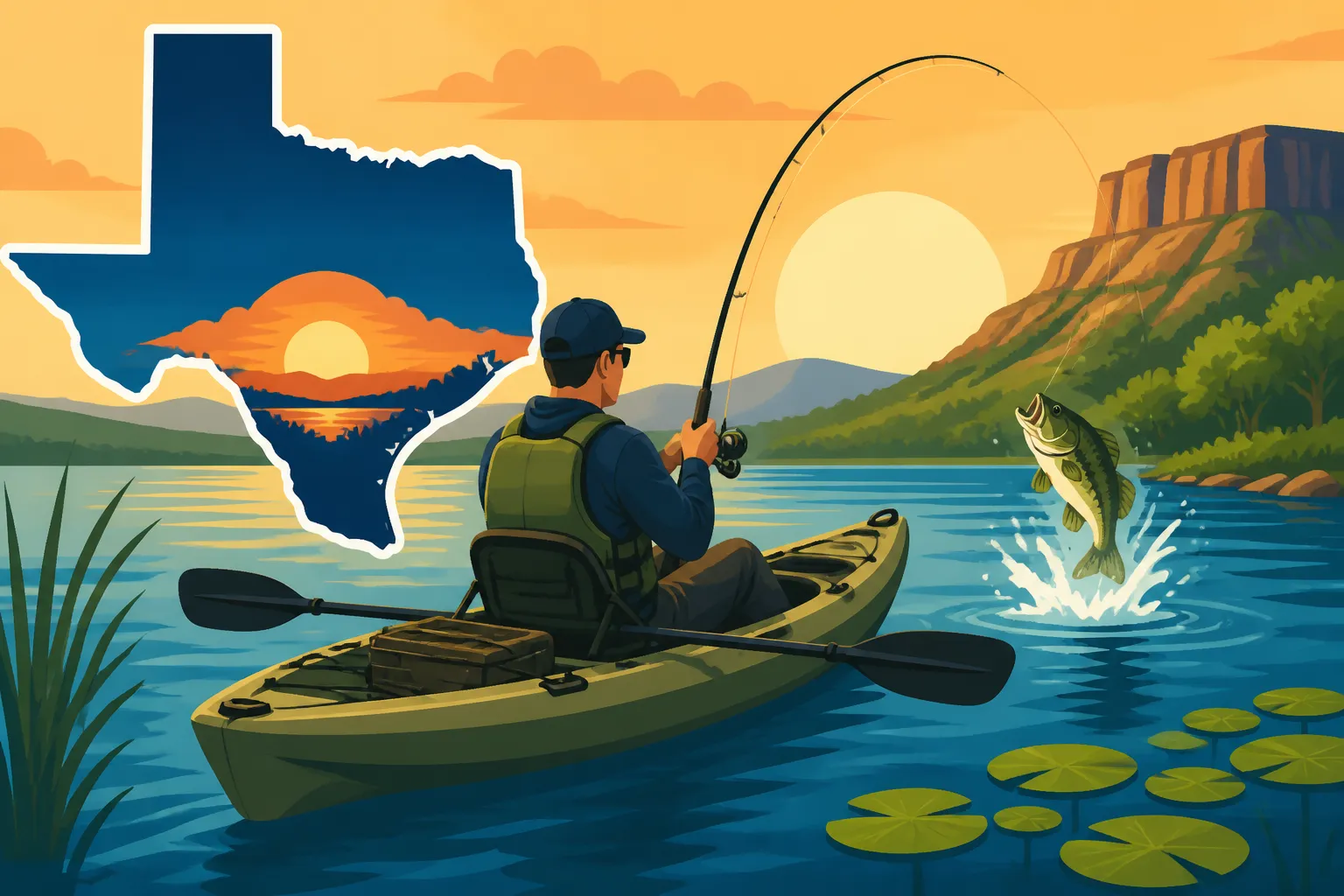
There's nothing quite like the freedom of paddling out onto a glassy Texas lake at dawn, knowing you can slip into those hidden coves and quiet backwaters that the big powerboats can only dream of reaching. Kayak fishing in Texas offers an incredible blend of tranquility, challenge, and access to some phenomenal angling, but knowing which lakes truly shine for a paddle-powered adventure can be a real head-scratcher. This guide is here to cut through the confusion and steer you toward the best kayak fishing lakes across our vast state, helping you unlock incredible experiences on the water.
Why Kayak Fishing is a Game Changer in Texas
Kayak fishing has exploded in popularity over the last decade, and for good reason, especially here in Texas. While many dream of owning a decked-out bass boat, the reality of ramp fees, fuel costs, and maintenance can quickly dampen the enthusiasm. That's where kayaks truly shine, offering an accessible, intimate, and often more effective way to connect with our state's diverse fisheries.
The Appeal of Kayak Fishing for Texas Anglers
For many Texans, the appeal of kayak fishing goes far beyond just catching fish. It's about finding peace and quiet away from the roar of outboard motors and crowded public access points. Imagine gliding silently through a cypress-laden cove on a calm morning, the only sounds being your paddle dipping into the water and the occasional splash of a jumping fish. It's a primal connection to nature that's hard to replicate from a larger vessel. Moreover, it's fantastic exercise, allowing you to combine your passion for fishing with a healthy dose of physical activity. The lower barrier to entry in terms of cost is also a huge draw; a quality fishing kayak and basic gear are significantly more affordable than even a modest powerboat setup. This versatility also extends to the types of fishing you can do. Whether you're targeting largemouth bass in a freshwater reservoir, chasing redfish in an inshore bayou, or exploring a clear Hill Country river for Guadalupe bass, a kayak can be your ideal platform.
Maneuverability and Access: Reaching Unfished Waters
One of the biggest frustrations for many anglers is the inability to reach prime fishing spots due to shallow water, dense cover, or lack of boat ramps. This is precisely where kayaks become a game-changer. Their shallow draft allows you to glide over submerged timber, navigate through dense hydrilla mats, and sneak into skinny water coves that a traditional bass boat could never even approach. Think about those frustrating moments you've seen a bass explode in a lily pad field, knowing you couldn't get close. In a kayak, those spots become your personal playground.
Furthermore, kayaks don't require fancy boat ramps. You can often launch from a small patch of shoreline, a designated canoe/kayak launch, or even a simple bank access point, completely bypassing busy main ramps and their associated waiting times. This means less time trailering and more time fishing. This enhanced access not only opens up new fishing grounds but also allows you to target fish that rarely see a lure, potentially leading to more consistent catches and bigger trophies. For those looking to escape the crowds, a kayak offers unparalleled freedom to explore the road less traveled on the water.
Top Kayak Fishing Lakes Across Texas
Texas boasts an incredible array of lakes, rivers, and coastal waters, making it a kayak angler's paradise. From the bass-heavy reservoirs of East Texas to the unique fisheries of the southern border, there's a perfect paddling destination for every skill level and fishing preference.
East Texas Gems: Piney Woods and Big Bass
East Texas is practically synonymous with big bass, and its heavily timbered, vegetation-rich lakes are absolutely fantastic for kayak fishing. The ability to silently navigate dense cover and shallow backwaters gives kayak anglers a distinct advantage here.
- Lake Fork: Widely recognized as a trophy bass factory, Lake Fork is an incredible destination for kayak anglers. Its abundance of standing timber, submerged hydrilla, and countless coves are tailor-made for silent, stealthy approaches. Kayakers can meticulously work creek channels, explore flooded timber, and pick apart dense vegetation, targeting the monster largemouth that call this lake home. Getting away from the main boat lanes and into the shallow, woody cover near points and humps is key here. Check out Lake Fork Bass Fishing Hot Spots for specific areas that big bass love.
- Toledo Bend Reservoir: Straddling the Texas-Louisiana border, Toledo Bend is an enormous lake renowned for its bass and crappie fishing. Kayaks excel at exploring the vast cypress tree forests, submerged brush piles, and shallow backwater creeks that define this reservoir. The sheer size of Toledo Bend means there are endless areas for kayak anglers to discover, offering a new adventure on every trip. Whether you're pitching jigs to crappie in brush or flipping soft plastics for bass, the kayak allows you to penetrate areas larger boats can't. You can find more targeted information on Toledo Bend Bass Fishing Spots to help plan your outing.
- Sam Rayburn Reservoir: Another colossal East Texas lake, "Big Sam" is another legendary bass fishery with immense potential for kayak anglers. Its sprawling coves, vast timber stands, and extensive shoreline are perfect for quiet exploration. Kayakers can easily access areas of thick hydrilla and lily pads, or navigate through flooded timber where bass often hide. The ability to move silently through these areas and present baits with precision is a significant advantage. Learning the nuances of this massive lake can be an ongoing journey, and resources like Sam Rayburn Reservoir Bass Fishing Spots can point you in the right direction.
Central Texas Classics: Hill Country and Diverse Fisheries
Central Texas offers a different flavor, with clearer, deeper lakes carved into the beautiful Hill Country. While known for bass, these lakes often have diverse fisheries including catfish, crappie, and even rainbow trout in downstream sections.
- Canyon Lake: Tucked into the scenic Hill Country, Canyon Lake is known for its clear, deep waters and dramatic cliffs. While it's a popular recreational lake, kayak anglers can find excellent fishing for largemouth and smallmouth bass along its rocky shorelines, coves, and submerged structure. The crystal-clear water demands a stealthy approach, making kayaks ideal for sight fishing or slowly working baits along ledges. Below the dam, the Guadalupe River offers fantastic winter trout fishing, easily accessible by kayak or wading. Learn more about the opportunities by exploring the full Canyon Lake Fishing Guide.
- Lake LBJ: As one of the constant-level lakes in the Highland Lakes chain, Lake LBJ is a favorite for many due to its stable water levels, which simplifies finding fish habitat. It’s excellent for family outings and offers solid fishing for largemouth bass, catfish, and crappie. Kayakers can explore its numerous coves, docks, and submerged aquatic vegetation without worrying about fluctuating water depths, providing consistent access to productive areas. The ample shoreline structure and residential docks offer endless targets for pitching and flipping baits.
- Lady Bird Lake: This urban gem right in the heart of Austin is a standout kayak fishing destination, primarily because motorized boats are prohibited, ensuring a peaceful paddling experience. Lady Bird Lake is regularly stocked and boasts a healthy population of largemouth bass, sunfish, and even some surprisingly large carp. It's incredibly accessible for kayak anglers, with multiple launch points along the hike and bike trail. It’s an ideal spot for a quick after-work paddle or a weekend trip with the family, offering a unique urban fishing adventure. For more specific details on this metropolitan fishery, check out Lady Bird Lake fishing in downtown Austin.
North Texas Favorites: Metroplex Access and Trophy Potential
For anglers living in or around the DFW Metroplex, North Texas lakes offer convenient access to excellent kayak fishing for various species, including trophy bass and the popular striped bass.
- Lake Ray Roberts: Located just north of Dallas, Lake Ray Roberts is a fantastic option for kayak anglers seeking largemouth bass, crappie, and white bass. Its expansive timber stands, numerous creek arms, and submerged brush piles provide abundant cover for fish and endless spots for kayakers to explore. The lake's clear-to-stained water often allows for diverse fishing techniques, and escaping the main lake boat traffic in a kayak is relatively easy. Dedicated sections for kayak fishing are not uncommon, and knowing the best spots can be crucial, so check out Lake Ray Roberts fishing spots.
- Lake Grapevine: Another DFW-area lake, Lake Grapevine is a popular spot for bass, catfish, and crappie. Its winding coves, rocky shorelines, and standing timber offer plenty of structure for kayak anglers to target. While it can get busy with recreational boaters, early mornings and weekdays offer peaceful paddling and excellent fishing opportunities. Kayaks can navigate the smaller inlets and back of coves where bass often hold, especially during spawning seasons.
- Lake Texoma: While famously known for its striped bass and its significant size, Lake Texoma offers unique kayak fishing opportunities, especially for those targeting stripers along the shoreline, around rocky points, and near river mouths. Kayakers can work shorelines with topwater lures during the early morning or fish live bait near current breaks. The Red and Washita River arms provide excellent, more protected waters for kayak exploration, particularly during the white bass run. Due to its size, planning your launch and target areas is crucial. Discover more about specific tactics for this big lake at Lake Texoma Striped Bass Fishing Spots.
South Texas Powerhouses: Warm Waters and Unique Species
South Texas lakes are characterized by their warmer climates, which often lead to longer growing seasons for fish and the presence of unique species like alligator gar, alongside monster largemouth bass.
- Falcon Lake: Down on the U.S.-Mexico border, Falcon Lake is legendary for producing giant largemouth bass, and it's an incredible destination for kayak fishing. Its vast amounts of submerged brush, standing timber, and shallow water structure make it perfectly suited for silent kayak navigation. Anglers can pitch and flip baits into dense cover, targeting monster bass that thrive in this warm-water fishery. The ability of a kayak to penetrate dense cover and work every inch of a flooded brush patch is a significant advantage here. While remote, the rewards can be truly spectacular. Ensure you're aware of the specific regulations and area conditions, especially when considering Falcon Lake fishing near the Mexico border.
- Choke Canyon Reservoir: Located southwest of San Antonio, Choke Canyon is a prime destination for bass, catfish, and, notably, massive alligator gar. Its expansive stands of standing timber, submerged vegetation, and numerous coves create an ideal habitat for these species and a perfect playground for kayak anglers. The quiet approach of a kayak allows you to get close to the ambush points where bass hide or drift silently over prime catfish holes. For those seeking the ultimate challenge, targeting alligator gar from a kayak is an unforgettable experience, as the quiet approach can often lead to close encounters. Find out more about fishing these unique giants at Choke Canyon Reservoir alligator gar fishing.
For any of these fantastic fishing destinations, if you're looking to explore with a guide who knows the kayak fishing nuances of a specific lake, online platforms like FishingBooker can connect you with experienced kayak fishing guides. They can provide valuable local insights and ensure you make the most of your trip.
Here's a quick comparison of some of these top kayak fishing lakes:
| Lake Name | Primary Target Species | Key Kayak Fishing Features | Best Time to Visit |
|---|---|---|---|
| Lake Fork | Largemouth Bass | Abundant timber, hydrilla, coves, shallow access | Spring, Fall |
| Toledo Bend Reservoir | Largemouth Bass, Crappie | Cypress trees, vast backwaters, diverse structure | Spring, Fall |
| Sam Rayburn Reservoir | Largemouth Bass, Crappie | Extensive coves, standing timber, vegetation | Spring, Fall |
| Canyon Lake | Largemouth Bass, Smallmouth Bass, Catfish | Clear water, rocky shorelines, deep ledges, Guadalupe River access | Spring, Fall, Winter (for trout) |
| Lady Bird Lake | Largemouth Bass, Sunfish | No motorized boats, urban access, peaceful paddling | Year-round |
| Lake Ray Roberts | Largemouth Bass, Crappie | Expansive timber, creek arms, less crowded areas | Spring, Fall |
| Lake Texoma | Striped Bass, Largemouth Bass | Rocky points, river mouths, accessible shorelines | Spring, Fall (Stripers), Summer (Bass) |
| Falcon Lake | Largemouth Bass | Submerged brush, shallow flats, remote exploration | Fall, Winter, Early Spring |
| Choke Canyon Reservoir | Largemouth Bass, Catfish, Alligator Gar | Standing timber, vegetation, unique big game opportunities | Year-round |
Essential Gear and Safety Tips for Texas Kayak Anglers
Getting out on the water in a kayak is an incredible experience, but a successful and safe trip requires the right gear and a solid understanding of safety protocols, especially when dealing with Texas's diverse and sometimes challenging conditions.
Must-Have Kayak Fishing Gear
Equipping yourself properly for kayak fishing doesn't have to break the bank, but there are a few essentials that will greatly enhance your experience and safety. First and foremost, choose a fishing-specific kayak, often a sit-on-top model, known for its stability, ample storage, and easy access to gear. These are generally more forgiving and comfortable for long hours of fishing than traditional sit-in kayaks. Next, a good quality, lightweight paddle is crucial; it’s your engine, so invest in one that’s comfortable and efficient. A Personal Flotation Device (PFD) is not just recommended, it's legally required to be readily accessible, and wearing it is always the safest practice, especially in unpredictable Texas waters.
Beyond the basics, consider essential fishing-specific accessories. Rod holders are a must-have for hands-free paddling and managing multiple lines. A simple anchor system (like a small grapnel anchor or a stake-out pole for shallow water) will keep you positioned over fish. Don't forget storage solutions: a milk crate modified with rod holders is a classic, along with dry bags for valuables and electronics. For your actual fishing, opt for a versatile, lightweight rod and reel combo that can handle various lures and baits, and remember to pack plenty of sun protection: a wide-brimmed hat, polarized sunglasses to spot fish and protect your eyes, and long-sleeved UPF clothing. A detailed Beginner Fishing Gear Checklist for Texas can help you ensure you have all the necessities before your first outing.
Navigating Texas Waters Safely in a Kayak
Safety should always be your top priority when kayak fishing in Texas. Our weather can change rapidly, with sudden thunderstorms, strong winds, or extreme heat being common occurrences. Always check the forecast before you go, and be prepared to cut your trip short if conditions deteriorate. Visibility is another key factor; consider attaching a bright flag on a pole to your kayak, especially on larger lakes with powerboat traffic. Wearing bright clothing helps, and if you plan to be out during dawn, dusk, or at night, navigation lights are legally required and critical for safety. You can also learn more about specific requirements by checking out the Texas Boat Safety Equipment Requirements.
Hydration is non-negotiable in the Texas heat. Carry plenty of water and drink it consistently, even if you don't feel thirsty. Always tell someone your float plan – where you're going, when you expect to return, and what your emergency contact is. Keep a fully charged cell phone in a waterproof dry bag. A basic first aid kit is also a smart addition for minor scrapes or cuts. Lastly, be acutely aware of other boat traffic, especially in busy channels or near boat ramps. Give larger vessels a wide berth, as they may not see a low-profile kayak. Remember, a comfortable and safe trip also means wearing the right PFD, and there are many excellent options designed specifically for anglers, like those discussed in Best PFD for kayak fishing in summer.
Disclaimer
Always consult the latest Texas Parks and Wildlife Department (TPWD) regulations before fishing, as rules and limits can change. This guide is for informational purposes only and does not constitute legal advice. Fishing conditions and accessibility can vary, so always exercise caution and good judgment when on the water.