Best bank fishing spots near Dallas
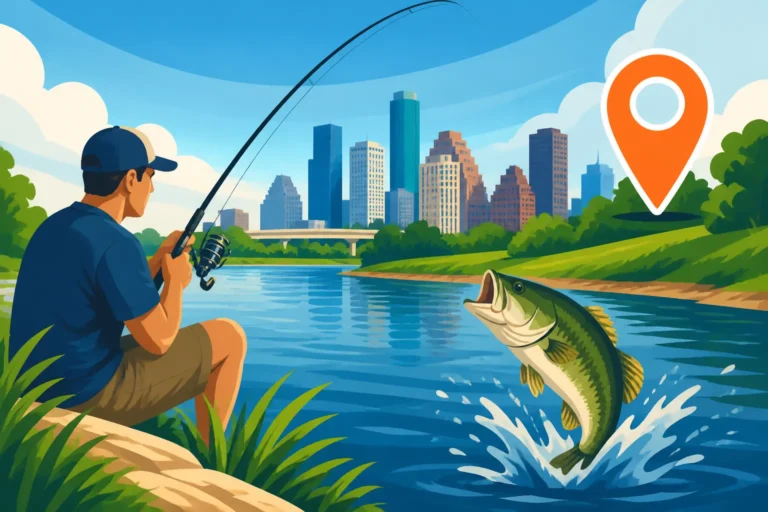
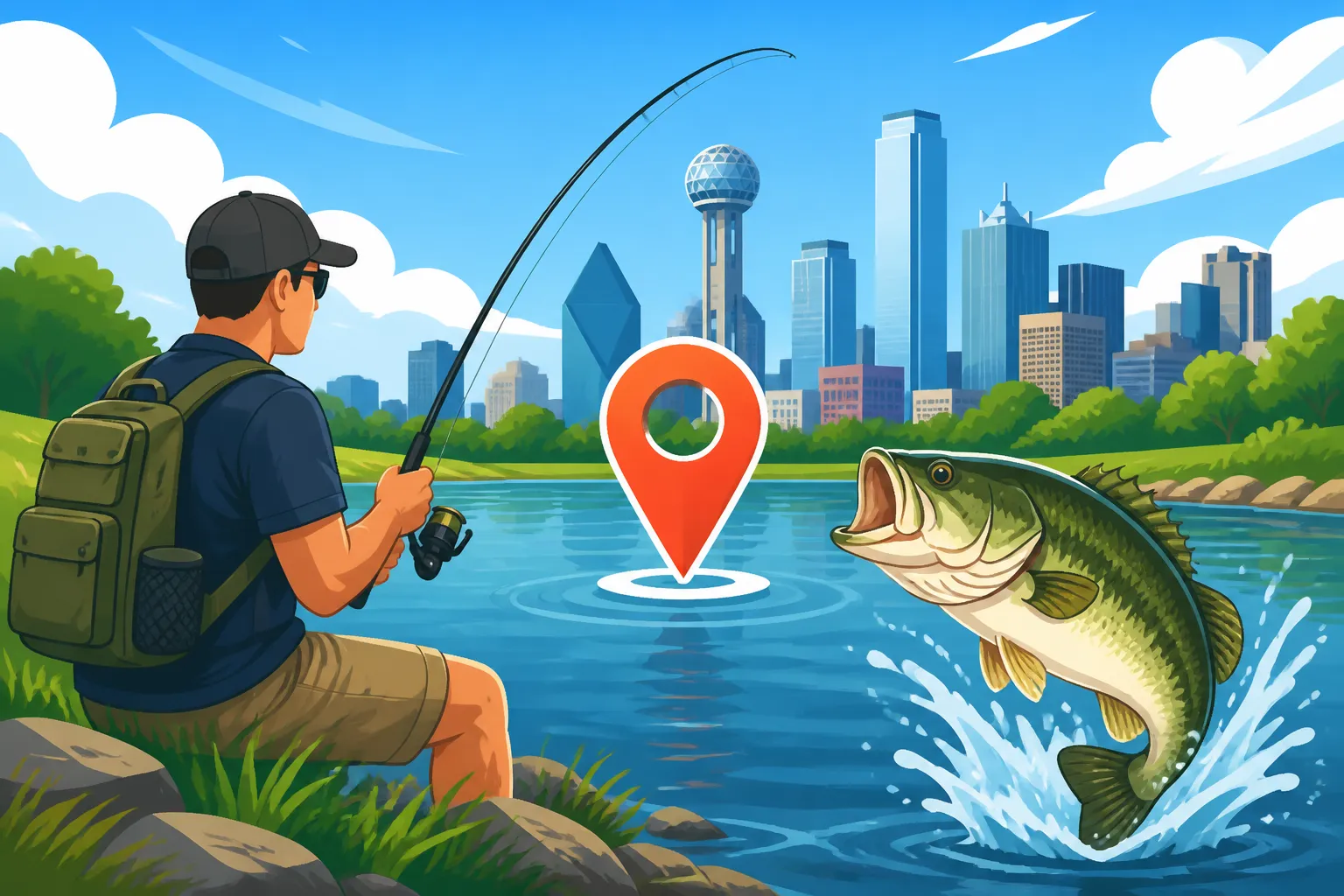
It's incredibly frustrating when you're itching to cast a line in the Dallas area, but you don't own a boat or simply prefer the simplicity of fishing from shore. You see all those amazing catches from the middle of the lake, but what about us folks who rely on good old terra firma? Finding accessible, productive bank fishing spots around a bustling metropolis like Dallas can feel like searching for a needle in a haystack, especially when you're not sure where to start or what to expect. This guide is here to cut through that confusion, giving you the lowdown on the best, most accessible bank fishing spots near Dallas, complete with tips and tricks to make your next outing a success.
The Quest for Easy Access: Why Bank Fishing Matters in Dallas
For many of us, the idea of a serene day by the water, rod in hand, is pure bliss. But let's be real: not everyone has a fancy bass boat or even a kayak to get out on the vast Texas lakes. The cost of boat ownership, maintenance, and storage can be prohibitive, not to mention the hassle of launching and retrieving. That's where bank fishing truly shines. It democratizes the sport, making it accessible to families, beginners, and seasoned anglers who just want a quiet escape without all the fuss.
The Boatless Angler's Dilemma: Overcoming Access Challenges
The biggest hurdle for bank anglers in a place like Dallas is often sheer access. Many of our larger reservoirs, while teeming with fish, are designed primarily for boating, with public access points often limited to boat ramps or private marinas. Trying to find a spot where you can simply pull up, park, and walk to the water without trespassing or navigating dense brush can be a genuine challenge. You might drive for miles, only to find gated communities or steep, inaccessible banks. It’s enough to make anyone want to give up before they even start. The key is knowing which areas have intentionally developed shoreline access or natural features that lend themselves to easy bank fishing.
Benefits of Shoreline Fishing: Simplicity and Serenity
Beyond just accessibility, bank fishing offers a unique charm. There’s a beautiful simplicity to it – just you, your rod, and the water. You don't have to worry about boat traffic, gas prices, or mechanical issues. It's a fantastic way to introduce kids to fishing, as they can run around, explore, and still be within sight. Plus, bank fishing often puts you in tune with the subtle nuances of the shoreline ecosystem. You're observing birds, watching turtles sunbathe, and appreciating the quieter side of nature. It's less about covering vast amounts of water and more about patiently understanding a specific stretch of habitat. For many, it's a meditative experience, a chance to unwind and reconnect, even in the shadow of a major city.
Top Picks for Bank Fishing Near Dallas
Dallas might be a concrete jungle in some parts, but it's surrounded by fantastic fishing opportunities, many of which are perfectly suited for bank anglers. You just need to know where to look. From smaller urban ponds to expansive reservoir shorelines, there's a spot waiting for your next cast.
Urban Oases: City Parks and Ponds
Believe it or not, some of the most convenient and well-maintained bank fishing spots are right within the city limits or just a stone's throw away. These spots are often managed by the city or the Texas Parks and Wildlife Department (TPWD), making them angler-friendly.
-
Lake Cliff Park (Dallas): This isn't your sprawling reservoir, but it's a fantastic little gem right near downtown Dallas. Lake Cliff Park offers a tranquil setting with paved walking paths right along the water's edge, making access incredibly easy. It's regularly stocked with rainbow trout in the winter months as part of the TPWD's Neighborhood Fishin' program, which is a huge draw. During warmer months, you can expect to find catfish, sunfish, and sometimes even a decent largemouth bass lurking in the shadows. The ease of access, combined with the chance to catch diverse species, makes it a top pick for a quick fishing trip. You can literally be fishing within minutes of leaving work downtown.
-
Bachman Lake (Dallas): Located just northwest of Love Field, Bachman Lake is another urban favorite. It boasts a long, accessible shoreline with plenty of grassy areas, fishing piers, and even some concrete banks. While it sees its fair share of recreational activity (kayaking, paddleboarding), there are ample quieter spots for anglers. You'll find a healthy population of largemouth bass, catfish, sunfish, and even some crappie here. The lake is generally shallower, making it a good spot for beginners learning to cast or families looking for consistent bites. The convenience of its location cannot be overstated; it's a true urban fishing haven.
-
Kiest Park Pond (Dallas): South Dallas has some great local options too, and Kiest Park Pond is one of them. Similar to Lake Cliff, this pond is often included in the TPWD's stocking programs, meaning you might find trout in the colder months. Year-round, it’s a reliable spot for sunfish and catfish, offering plenty of action for younger anglers or anyone looking for some consistent tugs on the line. The park environment is clean and safe, with amenities nearby. Always check the latest How to find TPWD stocking reports for Texas lakes to see what's currently being stocked.
-
White Rock Lake (Dallas): This iconic Dallas landmark is more than just a place for scenic runs and sailing. White Rock Lake offers extensive bank access, especially on its eastern and western shores. There are numerous parks and natural areas around the lake where you can find a quiet spot to fish. Bass, crappie, and catfish are plentiful, with some truly large specimens pulled from its waters over the years. Look for areas around the White Rock Lake spillway, fishing piers, or any of the numerous small coves and points that dot the shoreline. While it can get busy, its sheer size means you can usually find a secluded spot, making it one of the Best places to fish in Texas for urban anglers.
Larger Reservoirs with Shoreline Access
Venturing a little further from the immediate urban core opens up access to some of Texas's larger, more famous reservoirs. While these are predominantly boat-fishing lakes, several have fantastic, well-developed bank fishing areas that are worth the drive.
-
Lake Ray Roberts (Denton County): North of Dallas, Lake Ray Roberts offers some excellent bank fishing opportunities, particularly within the Isle du Bois State Park and Johnson Branch State Park areas. These state parks provide designated fishing piers, lighted fishing areas, and miles of accessible shoreline. You can walk along sandy beaches, fish from jetties, or find a quiet cove. Lake Ray Roberts is renowned for its largemouth bass, but also offers abundant crappie, catfish, and white bass. The state parks have amenities like restrooms and picnic areas, making it a great destination for a full day trip. Remember that standard state park entrance fees apply, but the fishing access is fantastic. You'll need to be familiar with Texas Largemouth Bass Fishing Guide if you're targeting those big ones here.
-
Grapevine Lake (Grapevine): Conveniently located near DFW Airport, Grapevine Lake provides several parks with good bank access. Murrell Park and Oak Grove Park are popular choices, offering walking trails along the lake and various points and coves from which to cast. Fishing from the bank near the dams or along causeways can also be productive. Grapevine Lake is known for its largemouth bass, white bass, and catfish. The lake can get quite busy with recreational boaters, especially on weekends, so early mornings or weekdays often provide a more peaceful experience. Look for submerged timber or rock piles close to shore as prime fish-holding structure.
-
Lewisville Lake (Lewisville): Another massive lake north of Dallas, Lewisville Lake has plenty of shoreline that can be accessed by foot, especially in areas like Lewisville Lake Park or along the scenic Highway 121 causeway. The fishing barges on the lake, like the one at Lake Park, also offer fantastic bank-like fishing experiences, providing lighted, covered platforms with easy access to deeper water. Lewisville Lake is a powerhouse for white bass, hybrid striped bass, largemouth bass, and catfish. During the white bass run, fishing from the bank near creeks can be incredibly productive. Just be mindful of private property when exploring shoreline access points.
Hidden Gems and Community Spots
Beyond the well-known parks and large reservoirs, the Dallas area is peppered with smaller, often overlooked community ponds and creeks that can offer surprisingly good fishing. These spots might not be as well-advertised, but they can be fantastic for a quick, low-key outing.
-
TPWD Neighborhood Fishin' Program Ponds: TPWD actively stocks smaller community ponds across Texas, and several are located in and around the Dallas-Fort Worth metroplex. These ponds are specifically managed to provide easy, family-friendly fishing opportunities. Stocked species often include channel catfish and rainbow trout (in winter). Always check the TPWD website for the most current list of participating ponds and stocking schedules. These are truly hidden gems for consistent action and easy access. Some examples might include locations like Fort Worth's Krauss Baker Park or Arlington's Bowman Springs Park, though their exact inclusion in the program can vary year to year. You might be surprised to find that for these specific ponds, you might not even need a license if you meet certain criteria, but always double-check the Texas Fishing License Requirements Explained for the most up-to-date information.
-
Local City Parks with Ponds: Many smaller suburban cities surrounding Dallas have their own local parks with small ponds. While not always stocked by TPWD, these can hold surprising populations of sunfish, catfish, and smaller bass. Places like Plano's Bob Woodruff Park, Frisco's Frisco Commons Park, or McKinney's Towne Lake often have accessible ponds with walking trails. These are perfect for teaching kids to fish or for a quick evening trip after work. A quick search on Google Maps for "fishing ponds near [your Dallas suburb]" can often reveal these lesser-known spots.
-
Creek Access: While often requiring more adventurous exploration, certain creeks and streams that feed into the larger lakes can offer excellent bank fishing, especially during periods of higher water or fish migrations. Places like the Elm Fork of the Trinity River can provide access to species like catfish and sunfish. Always be mindful of private property and ensure you have public access. FishingBooker might not directly list creek access points, but it's a great resource for finding local guides who know these secret spots if you decide to explore a different fishing adventure.
Gear Up for Dallas Bank Fishing Success
You don't need a boatload of expensive gear to have a successful bank fishing trip near Dallas. In fact, one of the joys of bank fishing is its simplicity. However, having the right basic setup can significantly improve your chances and make your experience much more enjoyable.
Essential Tackle for Shoreline Anglers
For most bank fishing scenarios in Dallas, a versatile medium-light to medium action spinning rod and reel combo is your best friend. This setup allows you to cast lighter baits for sunfish and crappie, but also has enough backbone to handle a decent largemouth bass or catfish.
- Rods and Reels: A 6 to 7-foot spinning rod paired with a 2500 or 3000 series reel is a fantastic all-around choice. Spool it with 8-12 lb monofilament or fluorocarbon line, or even braided line with a fluorocarbon leader for added sensitivity and strength. Consider a simple tackle box with a few essentials.
- Baits and Lures: For the diverse species you'll encounter, a mixed bag of baits is ideal.
- Live Bait: Worms (nightcrawlers, red wigglers), crickets, and small minnows are universally effective for sunfish, crappie, and catfish.
- Prepared Baits: Stink baits, punch baits, or dough baits are catfish magnets. Brands like Berkley PowerBait or Catfish Charlie are popular choices.
- Artificial Lures: For bass and crappie, a selection of small jigs (1/16 to 1/8 oz), soft plastic worms (Texas-rigged, of course!), small crankbaits, and spinnerbaits will serve you well. Don't forget some topwater lures for early morning or late evening bass action. Our Best Bait and Lures for Texas Fishing guide has more detailed recommendations.
- Terminal Tackle: You'll need an assortment of hooks (sizes #6 to 2/0), bobbers (slip bobbers are great for varying depths), split shot weights, and swivels. A pair of needle-nose pliers for hook removal, a small cutting tool for line, and a stringer or cooler for keeping your catch fresh are also highly recommended.
Smart Strategies for Bank Fishing Different Species
Knowing what you're targeting and how to approach it from the bank can make all the difference.
- Targeting Catfish: Catfish are perhaps the most popular bank fishing target. They prefer deeper holes, channels, and areas with submerged structure. Cast your prepared bait or a live worm/cut bait onto the bottom, often using a "Carolina rig" style setup (weight above a swivel, then a leader to your hook). Fishing at dawn, dusk, or even at night can be incredibly productive for catfish. If you're looking for different species, check out our Texas Catfish Species Guide.
- Pursuing Bass: Largemouth bass will often hug cover near the shoreline. Look for docks, fallen trees, brush piles, lily pads, or any change in bottom structure. Cast your soft plastics, jigs, or spinnerbaits to these areas, working them slowly and methodically. Early mornings and late evenings are prime bass times. For specific techniques, refer to How to Fish for Bass in Texas.
- Catching Crappie and Sunfish: These panfish often school around brush piles, submerged timber, or bridge pilings in slightly deeper water. A small jig tipped with a minnow or a tiny piece of plastic, fished under a bobber, is a deadly combination. For sunfish, a simple hook with a worm or cricket under a bobber near any structure will usually get you bites quickly. Read our Texas Crappie Fishing Guide for more in-depth advice.
| Spot Name | Primary Species | Key Features | Best For |
|---|---|---|---|
| Lake Cliff Park | Trout (winter), Catfish, Sunfish | Paved paths, easy access, stocked | Beginners, families, quick trips |
| Bachman Lake | Bass, Catfish, Sunfish, Crappie | Extensive shoreline, piers, shallow areas, urban convenience | General angling, consistent bites |
| Kiest Park Pond | Trout (winter), Catfish, Sunfish | Park amenities, often stocked, family-friendly | Families, beginners |
| White Rock Lake | Bass, Crappie, Catfish | Large, diverse shoreline, piers, scenic, potential for trophy bass | Experienced anglers, full-day trips, variety |
| Lake Ray Roberts SPs | Bass, Crappie, Catfish, White Bass | State park access, piers, jetties, extensive natural shoreline | Serious bank anglers, multi-species |
| Grapevine Lake | Bass, White Bass, Catfish | Park access, varied shoreline, some structure, recreational hub | Active anglers, targeting specific species |
| Lewisville Lake | White Bass, Bass, Catfish | Large, diverse lake, park access, fishing barges, potential for big numbers | White bass run, various species |
| TPWD Neighborhood Ponds | Catfish, Trout (winter) | Regularly stocked, community-focused, easy access | Kids, high catch rates, learning |
Important Considerations for Dallas Area Anglers
While the thrill of the catch is paramount, responsible angling involves more than just casting a line. Understanding local rules and respecting the environment are crucial for preserving these precious fishing spots for everyone.
Understanding Regulations and Licenses
Before you even wet a line, it's absolutely vital to understand the rules. For most public waters in Texas, including city parks and reservoirs, you'll need a valid Texas fishing license if you are 17 years old or older. The good news is, getting one is easy – you can purchase them online, over the phone, or at many sporting goods stores like Academy Sports + Outdoors or Walmart. Ensure you understand Texas Freshwater Fishing Regulations as they pertain to bag and length limits for different species, as these can vary. For instance, specific rules might apply to Texas Largemouth Bass Length Limits or Texas Catfish Bag Limits.
There are a few exceptions to the license requirement, such as Free Fishing Day, typically in June, or if you're fishing on private property that you own or have permission to fish on. However, it's always safest to assume you need a license. It's also important to note that your Texas fishing license is valid from September 1st to August 31st of the following year, regardless of when you purchase it. Check out Texas fishing license year explained: why it ends August 31 for more details on this unique cycle. If you're a tourist, you can find specific information on Texas fishing license requirements for tourists. Don't forget to check if you need a license to fish from a Texas city park pond.
Respecting the Environment and Fellow Anglers
One of the biggest challenges for urban bank fishing spots is keeping them clean and enjoyable for everyone. We all want to fish in a pristine environment, so let's do our part to maintain it.
- Leave No Trace: Always pack out everything you pack in. That includes all your trash, discarded fishing line, bait containers, and any other litter. Fishing line, in particular, is a hazard to wildlife. Many parks have designated trash receptacles, so use them!
- Practice Catch and Release: While it's great to take home a meal, consider practicing catch and release, especially for larger game fish like bass, to help sustain fish populations. If you do keep fish, only take what you'll eat and adhere strictly to all bag and length limits.
- Be Mindful of Others: Bank fishing spots can get crowded, especially on weekends. Be considerate of other anglers, give them space, and keep noise levels down. If you're fishing near a walking trail, be aware of pedestrians and avoid casting in a way that could endanger them.
- Report Violations: If you see someone poaching, polluting, or violating fishing regulations, don't hesitate to report it to the Texas Parks and Wildlife Department. This helps protect our natural resources for everyone.
By following these guidelines, you're not just being a responsible angler; you're contributing to a better fishing experience for the entire Dallas community. FishingBooker and other platforms highlight the beauty of Texas fishing, and it's up to all of us to maintain that image.
Disclaimer
The information provided in this guide is for general informational purposes only and is subject to change. Always consult the official Texas Parks and Wildlife Department (TPWD) website for the most current regulations, license requirements, stocking schedules, and public access information before planning your fishing trip. Fishing conditions and fish populations can vary.