How to find TPWD stocking reports for Texas lakes
It's incredibly frustrating when you're eager to hit the water, but feel like you're just guessing where the fish might be biting. Texas is huge, and with so many lakes and rivers, finding that perfect spot can feel like a shot in the dark, especially if you're hoping to capitalize on fresh fish populations. This comprehensive guide will illuminate the path, showing you exactly how to access and interpret the Texas Parks and Wildlife Department (TPWD) stocking reports, so you can transform guesswork into genuinely successful fishing expeditions.
Why TPWD Stocking Reports Are Your Secret Weapon
Knowing when and where the Texas Parks and Wildlife Department is stocking fish can dramatically improve your chances of a successful fishing trip. It’s not just about luck; it's about smart planning and using the resources available to you. These reports are a direct line to some of the most consistent fishing opportunities across the state, ensuring that even on a slow day, you stand a better chance of reeling something in.
Understanding the "Put, Grow, and Take" Program
The TPWD's stocking program is a massive undertaking, designed to enhance fishing opportunities for anglers statewide. It's often referred to as a "put, grow, and take" program, especially for species like channel catfish and rainbow trout. Essentially, TPWD biologists raise millions of fish in their hatcheries and then release them into public waters. For many urban and community fishing lakes, these stockings mean consistent action, providing readily available targets for anglers of all skill levels.
Consider the winter months: many native warm-water species slow down, becoming less active. This is precisely when TPWD steps in with its incredible rainbow trout stocking program. From December through early March, thousands of feisty rainbow trout are released into dozens of community fishing lakes, state park ponds, and even some rivers across Texas. Imagine bundling up on a crisp January morning, heading to a local pond like Blue Hole Park in Georgetown, and casting into waters that were just teeming with fresh trout a day or two before. It's a fantastic opportunity for families and beginners, offering a high probability of catches when other fishing might be tough. Beyond trout, TPWD regularly stocks channel catfish, particularly in urban "Neighborhood Fishin'" lakes, and sometimes even largemouth bass or hybrid striped bass in larger reservoirs to boost populations or establish new fisheries. These efforts aren't random; they're strategically planned to maximize angler enjoyment and ecological balance.
How Stocking Enhances Your Fishing Success
There’s nothing quite like the excitement of a bending rod, and stocking reports significantly increase your odds of experiencing that thrill. For many anglers, especially those just starting out or families with young kids, the frustration of going home empty-handed can be a real deterrent. Stocked fish, particularly those released into smaller, easily accessible bodies of water, are often less wary and more aggressive, making them easier to catch. This translates into higher catch rates and a much more rewarding experience.
Think about a Saturday morning where you’ve promised the kids a fun fishing outing. Instead of randomly picking a spot, imagine checking the TPWD stocking report and finding that your local community pond just received a fresh delivery of channel catfish. You head out with some simple worms or punch bait, knowing that the fish are there and actively feeding. This targeted approach transforms a potentially disappointing trip into a memorable success. Even experienced anglers benefit, as knowing about recent stockings can point them to overlooked hotspots or provide a reliable backup plan when their usual spots are slow. It’s about being informed and strategic, rather than just hoping for the best. To really make the most of your time on the water, understanding Beginner Fishing Techniques for Texas Anglers can pair perfectly with leveraging these stocking reports.
Navigating the TPWD Website for Stocking Information
The Texas Parks and Wildlife Department has done a commendable job of making stocking information accessible through its official website. While it might seem a little daunting at first glance with all the information available, a few key pages will become your go-to resources for planning your next trip.
The Official TPWD Fish Stocking Schedule Page
Your absolute first stop should always be the official TPWD Fish Stocking Schedule page. This is the main hub for all planned and completed stockings. It's typically updated regularly, so you’ll want to bookmark it and check back frequently, especially if you’re planning a trip around specific species or locations.
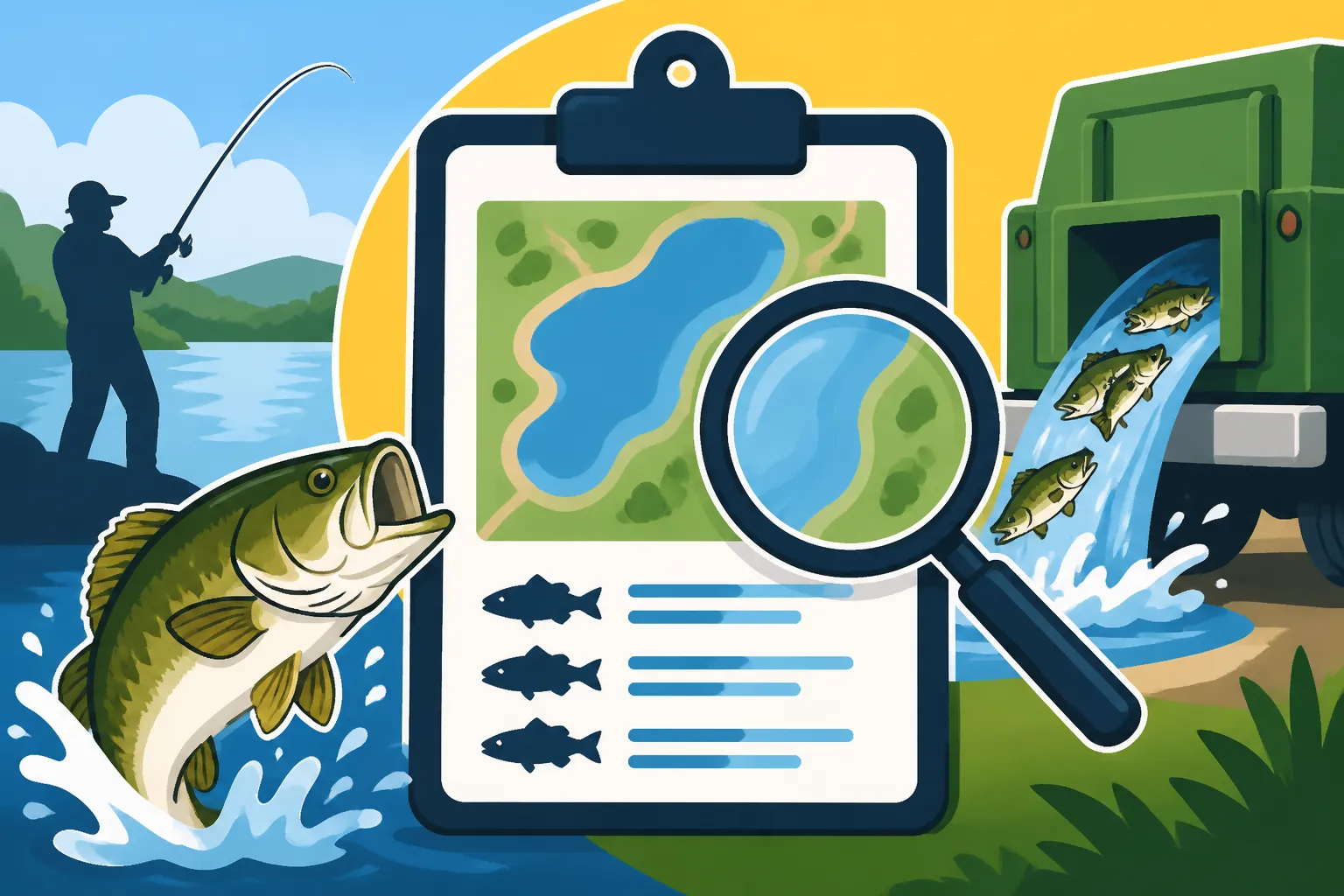
When you land on this page, you’ll usually find options to filter the stocking data. You can often sort by county, specific water body (like Lake Ray Hubbard or the Guadalupe River), or even by species (such as Rainbow Trout, Channel Catfish, or Largemouth Bass). The report will typically list:
- Species: The type of fish being stocked (e.g., Rainbow Trout, Channel Catfish, Hybrid Striped Bass).
- Stocking Date: The actual date the fish were released. This is crucial for timing your visit!
- Water Body: The specific lake, pond, or river section.
- County: The county where the water body is located.
- Number of Fish: An approximate count of how many fish were stocked.
- Average Size: Sometimes, the average size or weight of the stocked fish is included, giving you an idea of what to expect.
Let's say you're looking to catch some trout in Central Texas during the cooler months. You would navigate to the stocking schedule, select "Rainbow Trout" or filter by a specific county like Travis or Hays, and see upcoming or recent stockings. If you see that Zilker Park in Austin was stocked with 1,000 rainbow trout last Tuesday, you know that this weekend could be prime time for a visit. Keep in mind that "recent" is key; fish tend to spread out quickly, but the first few days to a week after a stocking are often the most productive. Always make sure you understand the Texas Freshwater Fishing Regulations that apply to these stocked species and locations.
Here's a simplified example of what a stocking report table might look like:
| Species | Stocking Date | Water Body | County | Number Stocked | Avg. Size (inches) |
|---|---|---|---|---|---|
| Rainbow Trout | 2024-01-15 | Discovery Lake, Dallas | Dallas | 1,200 | 10-12 |
| Channel Catfish | 2024-02-01 | Hermann Park Lake, Houston | Harris | 800 | 10-14 |
| Largemouth Bass | 2024-03-10 | Lake Athens | Henderson | 10,000 | Fingerlings |
| Rainbow Trout | 2024-01-22 | South Concho River, San Angelo | Tom Green | 500 | 10-12 |
| Hybrid Striped Bass | 2024-04-05 | Lake Whitney | Bosque | 15,000 | Fingerlings |
Using the TPWD Lake Finder and Fishing Reports
While the direct stocking schedule is fantastic, the TPWD website offers other complementary tools that can significantly enhance your trip planning. Two particularly useful resources are the Lake Finder and the weekly Fishing Reports.
The TPWD Lake Finder is an invaluable resource for any Texas angler. It’s essentially a comprehensive database for almost every public lake in the state. For each lake, you'll find detailed information including:
- Primary Fish Species: What you can expect to catch.
- Fishing Regulations: Specific rules for that lake, which can sometimes differ from statewide regulations. This is vital because bag and length limits for species like Texas Largemouth Bass Length Limits or Texas Catfish Bag Limits can vary by water body.
- Boat Ramps and Access Points: Where you can launch a boat or access the shoreline.
- Lake Characteristics: Depth maps, vegetation, structure, and habitat information.
- Stocking History: While not the current schedule, it provides historical data on what species have been stocked there over the years, giving you a good idea of what populations are regularly maintained.
Let's say you've seen a stocking report for a lake you're unfamiliar with, perhaps Lake Tyler. You can then jump over to the Lake Finder, search for Lake Tyler, and immediately get a feel for its size, best fishing spots, and any unique regulations that might apply.
The TPWD Fishing Reports are another goldmine of current information. These reports are typically updated weekly by local fisheries biologists and professional guides. They offer insights into:
- Current Conditions: Water temperature, clarity, lake level.
- What's Biting: Specific species that are active and where.
- Successful Techniques: What baits, lures, or methods are working best.
- Recent Stockings: Often, these reports will mention recent stockings and how the newly introduced fish are biting. This provides real-time feedback that might not yet be fully reflected on the main stocking schedule, or it can confirm good fishing days shortly after a stocking.
By cross-referencing these resources, you gain a powerful advantage. You identify a recently stocked lake, then use the Lake Finder to understand its unique features and regulations, and finally consult the Fishing Reports for up-to-the-minute tips on how to effectively target those fish. This layered approach ensures you're going into your trip armed with the best possible information.
Beyond the Official Website: Other Avenues for Stocking News
While the TPWD website is your primary and most reliable source, it's not the only way to stay in the loop about fish stockings. Savvy anglers often tap into a network of resources that can provide even more immediate or localized intel.
TPWD Social Media Channels and News Releases
In today's digital age, official agencies like TPWD understand the power of social media for rapid communication. They frequently use platforms like Facebook, X (formerly Twitter), and Instagram to announce recent fish stockings, especially for popular community fishing programs or special events. Following their official accounts is a fantastic way to get real-time updates directly in your feed.
For instance, if TPWD plans an impromptu stocking of large channel catfish in a specific urban pond for a holiday weekend, they might post about it on Facebook just a day or two before. These posts often include photos, specific dates, and sometimes even tips for catching the newly released fish. Beyond social media, TPWD also issues press releases and has an email subscription service for news updates. Signing up for these newsletters means you'll receive important announcements, including major stocking events or changes in regulations, directly in your inbox. This proactive approach ensures you don't miss out on prime opportunities. It's a great way to stay ahead of the curve and know about fishing events statewide, like Texas Free Fishing Day, where these stockings often play a big role.
Local Bait Shops, Guides, and Community Forums
Sometimes, the best information comes from the folks closest to the water. Local bait and tackle shops are often the heartbeat of the fishing community. The owners and staff are usually avid anglers themselves, and they hear everything. They know which lakes were just stocked, what the fish are biting on, and even how quickly the stocked fish are being caught. A quick chat with the folks at Academy Sports + Outdoors or your favorite mom-and-pop bait shop in a town near a recently stocked lake can yield invaluable, fresh insights that you won't find anywhere online.
Similarly, professional fishing guides are constantly on the water and make it their business to know exactly what's happening. They track stocking reports, water conditions, and fish movements as part of their daily routine. If you're looking for an expert opinion or want to learn specific techniques, booking a trip with a local guide is an excellent idea. Many guides list their services on platforms like FishingBooker, making it easy to find someone with local expertise. These guides are often the first to know about a good bite after a stocking and can put you right on the fish. You can find guides experienced in specific areas, whether you're targeting Texas Redfish Size and Bag Limits on the coast or Texas Largemouth Bass Fishing Guide on a major reservoir.
Finally, online fishing forums and local fishing clubs are vibrant communities where anglers share information. Websites dedicated to Texas fishing, or local Facebook groups for specific lakes, can be excellent sources for angler-submitted reports about recent stockings and their success rates. Just remember to take forum information with a grain of salt and always verify critical details with official TPWD sources. Engaging with these communities can also offer tips on How to Fish for Crappie or other species that might be targeted in stocking programs.
Maximizing Your Strategy with Stocking Report Data
Finding the stocking report is just the first step. The real magic happens when you use that information strategically to plan your trip, choose your gear, and employ the right techniques. It's about turning data into actual fish in your net!
Timing Your Trip for Optimal Results
Timing is absolutely everything when it comes to fishing recently stocked waters. When fish are first released, especially in cooler water temperatures, they are often a bit disoriented but also quite hungry. This typically creates a "golden window" for anglers.
For species like rainbow trout, which are often stocked in smaller, cold-water environments, the best fishing is usually within the first few days to a week after the stocking date. These fish are eager to feed and haven't yet learned to be overly wary of anglers. As time goes on, they can become more spread out and accustomed to their new environment, making them a bit harder to target. If you’re planning a trip to a heavily stocked urban lake for channel catfish, aiming for the first week after a stocking will likely lead to higher catch rates. It's a fantastic way to ensure a memorable outing, especially for beginners or kids who need a bit of action to stay engaged. Remember, you might still need a Texas Fishing License Requirements Explained to participate, even in these community lakes.
Always keep an eye on the weather, too. A sudden cold front can make newly stocked fish sluggish, while stable, mild weather often keeps them active. Use the stocking date as your primary guide, but also factor in current conditions for the best possible experience.
Gear and Techniques for Recently Stocked Fish
Different fish species and different environments call for different approaches. While stocked fish might be less picky initially, having the right gear and techniques will only amplify your success.
- Rainbow Trout: When targeting recently stocked rainbow trout, simplicity often reigns supreme. Small inline spinners (like Rooster Tails or Mepps), tiny spoons, or classic baits like PowerBait (often molded into a small ball around a treble hook), corn, or worms under a bobber are incredibly effective. A light spinning rod with 4-6 lb test line is perfect. They’re often found cruising the shallower areas or congregating near the stocking points.
- Channel Catfish: For stocked channel catfish in community ponds, prepared baits like stink bait, punch bait, or simple nightcrawlers and cut bait fished on the bottom are proven winners. Use a medium spinning or baitcasting rod with 8-15 lb test line, a slip sinker rig, and a circle hook. Cast near deeper pockets, drop-offs, or around any submerged structure. Learning How to Catch Catfish in Texas will definitely boost your success rate.
- Largemouth Bass/Hybrid Striped Bass: If larger reservoirs are stocked with fingerling bass or hybrid stripers, it might take a while for them to grow to catchable size. However, if catchable-sized fish are stocked, they will often respond well to traditional bass lures like small crankbaits, spinnerbaits, or soft plastics. For hybrid stripers, chrome spoons, jigs, or live shad can be incredibly effective. A medium-heavy rod with 10-20 lb test line is generally appropriate for these bigger, stronger fish. Understanding How to Fish for Bass in Texas is crucial for these species.
By matching your tackle and technique to the species and the fact that they've been recently introduced, you’re setting yourself up for a truly enjoyable and productive day on the water. Don't forget, an Texas All-Water Fishing License Explained will cover you for both freshwater and saltwater opportunities across the state, ensuring you're ready for any stocking report that catches your eye.
Disclaimer
The information provided in this guide is for general informational purposes only and is not intended as legal advice. Fishing regulations and stocking schedules in Texas can change frequently. Always consult the official Texas Parks and Wildlife Department (TPWD) website or their most current Outdoor Annual before heading out to fish to ensure compliance with all applicable laws and regulations.