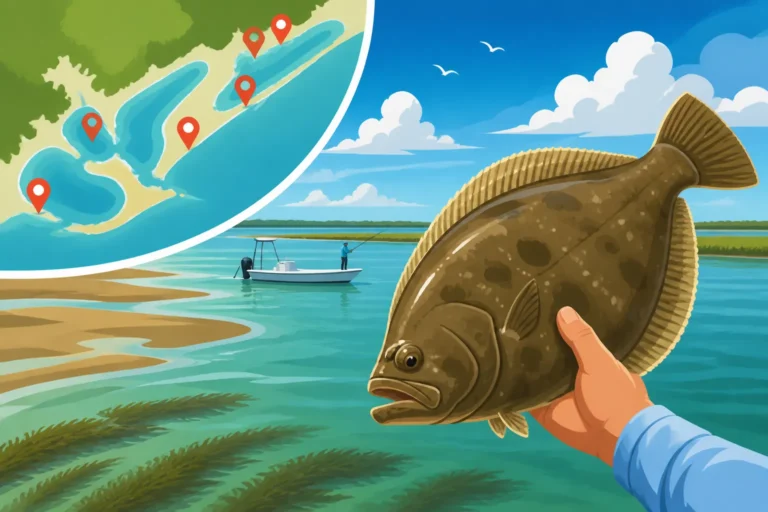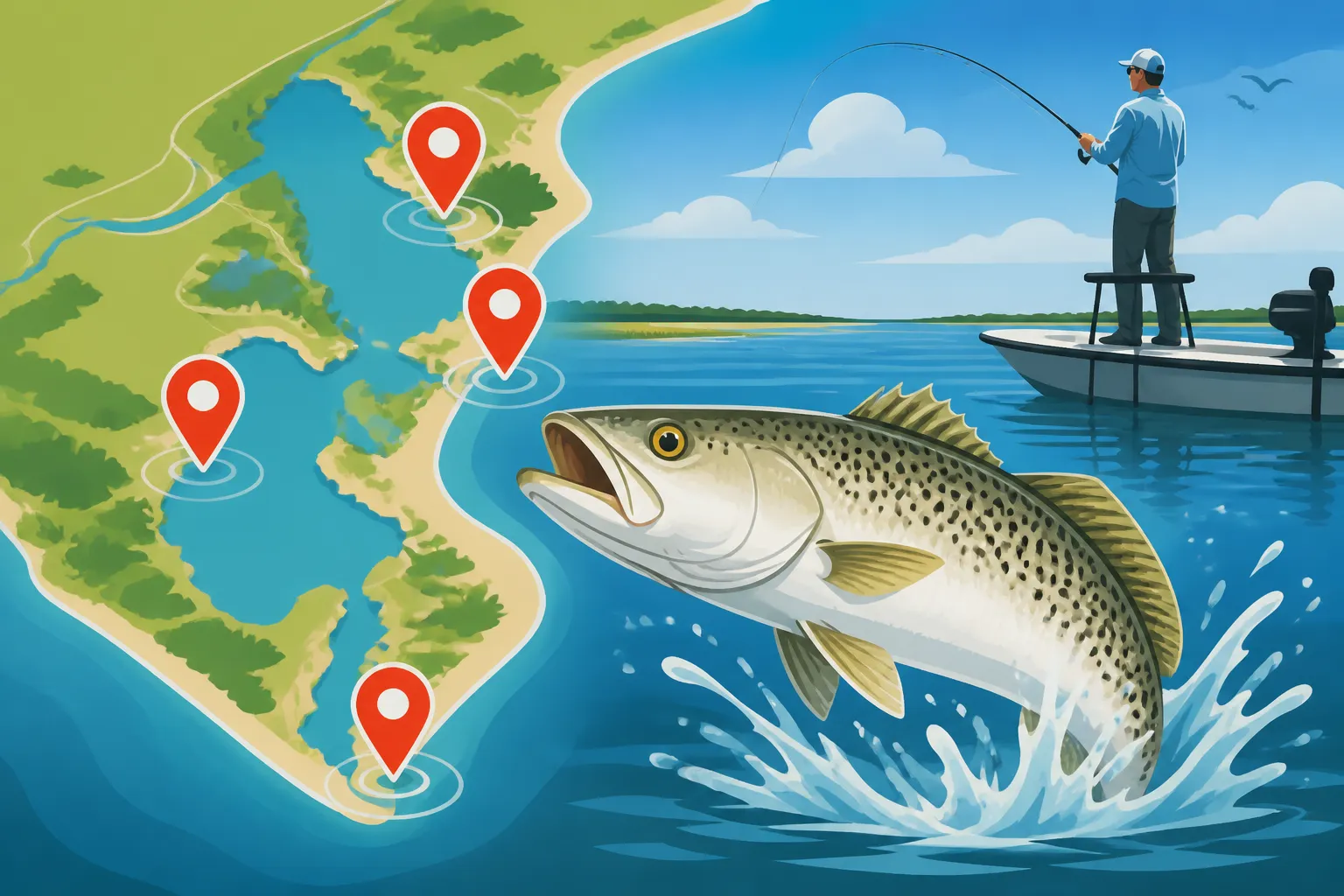
Aransas Bay speckled trout fishing spots
Many anglers, myself included, have stood on the shores of a vast Texas bay, eager to catch some speckled trout, only to feel completely lost about where to even cast a line. The sheer size of a place like Aransas Bay can be intimidating, making it seem impossible to find those elusive "specks." This guide is designed to cut through that confusion, offering clear, actionable advice on the best spots, proven methods, and crucial insights you need to confidently target and catch speckled trout in the bountiful waters of Aransas Bay.
Why Aransas Bay Shines for Speckled Trout
Aransas Bay isn't just another body of water; it's a vibrant ecosystem that consistently ranks among the top destinations for speckled trout in Texas. It's a place where the conditions naturally align to create a haven for these prized game fish, offering both abundant populations and the potential for true trophy catches. Understanding why it's so good will give you a significant advantage before you even wet a line.
Ideal Habitat and Abundant Forage
What makes Aransas Bay such a speckled trout magnet? It boils down to perfect habitat and a smorgasbord of food. The bay system is blessed with extensive shallow seagrass flats, crucial for both baitfish and trout. These submerged meadows of turtle grass and shoal grass provide excellent cover for trout to ambush prey, and they also host a thriving community of shrimp, crabs, and smaller fish like mullet and pinfish – all prime menu items for hungry specks. Imagine yourself as a trout, lurking in the shadows of the grass, waiting for an unsuspecting shrimp to swim by. That's the reality in Aransas Bay.
Beyond the grass, you'll find numerous oyster reefs scattered throughout the bay. These natural structures are like underwater apartment complexes for marine life, attracting everything from tiny invertebrates to the baitfish that trout love to gorge on. The rough, uneven surfaces of these reefs break up currents and provide additional ambush points, making them prime targets for anglers. These conditions mean that trout don't have to expend much energy to find a meal, allowing them to grow larger and healthier.
The combination of lush seagrass, oyster reefs, and interconnected channels creates a rich, productive environment. This biodiversity ensures a stable and plentiful food supply year-round, which is why Aransas Bay consistently supports a healthy population of speckled trout, offering exciting opportunities for anglers seeking both quantity and quality. When you understand the underlying ecological reasons, you can better predict where the fish will be, regardless of the season.
Accessibility for Every Angler
One of the often-underestimated benefits of Aransas Bay is its remarkable accessibility, catering to almost every type of angler. Whether you’re a seasoned boater with a high-end bay boat, a dedicated wade fisherman with just a rod and a stringer, or someone just looking to cast from a pier, Aransas Bay welcomes you. Towns like Rockport and Fulton serve as fantastic hubs, offering numerous public boat ramps, bait shops stocked with live shrimp and croaker, and plenty of lodging options. It’s comforting to know that after a long day on the water, you have a comfortable place to relax and recount your catches.
For those without a boat, don't despair! Aransas Bay offers ample opportunities for bank and pier fishing that can be incredibly productive. Public access points along the shore, particularly around Rockport and Fulton, provide direct routes to promising waters. The Rockport Beach Park and Fulton Fishing Pier are well-known spots where you can often hook into speckled trout, especially during cooler months or early mornings. You're not just limited to these; countless smaller, less-known public access areas exist if you’re willing to do a bit of exploring.
The beauty of Aransas Bay’s accessibility means you don’t need an expensive rig to find success. Kayak anglers can easily launch from various points and silently paddle into shallow grass flats where larger boats might struggle to go. Wade fishing, a popular and highly effective technique in these waters, allows you to stealthily approach trout holding in skinny water, feeling the bottom with every step. This versatility ensures that regardless of your budget or preferred fishing style, Aransas Bay has a spot waiting for you.
Prime Speckled Trout Hotspots in Aransas Bay
While the entire Aransas Bay system is teeming with potential, certain areas consistently produce better results for speckled trout. Knowing these hotspots and understanding why trout congregate there is key to planning a successful trip. It’s not just about showing up; it’s about knowing where to show up and what to look for.
Extensive Seagrass Flats and Productive Channels
The vast network of seagrass flats throughout Aransas Bay is the undisputed champion for speckled trout. These lush, green underwater meadows, particularly areas like Estes Flats and those surrounding Traylor Island, are essentially nurseries and feeding grounds for trout. Speckled trout love to hide along the edges of these grass beds, waiting to ambush baitfish and shrimp as they move in and out with the tides. Imagine a predator in a jungle, perfectly camouflaged and ready to strike – that's your speck in the grass.
When you're targeting these flats, focus on the subtle changes in depth and grass density. Trout often congregate where the grass transitions from sparse to thick, or along "potholes" – bare sand spots within the grass – where baitfish can be cornered. During higher tides, trout will push further up into the shallower grass, while lower tides might find them retreating to the slightly deeper edges. Pay close attention to any visible baitfish activity; if you see schools of mullet skipping across the surface, you can bet there are predatory trout lurking nearby.
Interspersed within these expansive flats are deeper channels and guts. These aren't just navigation routes for boats; they act as highways for baitfish and deeper holding areas for trout, especially during extreme temperatures or strong tidal flows. Fish will often stage in these channels, waiting for the optimal time to move onto the flats to feed. Targeting the intersections of these channels with the grass flats can be incredibly productive, as trout often move between the two. Understanding how to read these subtle shifts in depth and structure is a fundamental part of a successful outing, especially if you're exploring beyond the well-known Texas Speckled Trout Fishing Guide advice.
Productive Shorelines and Public Piers
You don't always need a boat to find excellent speckled trout action in Aransas Bay. Many of the productive shorelines and public piers offer fantastic opportunities, particularly for anglers who prefer to keep their feet on solid ground or who want a more relaxed fishing experience. The Rockport Beach Park and Fulton Fishing Pier are prime examples, providing easy access to waters where speckled trout frequently cruise, especially during dawn, dusk, or under the cover of night. These spots are often illuminated, attracting baitfish and, consequently, hungry trout.
Shoreline fishing can be surprisingly rewarding if you know what to look for. Focus on areas with natural structure: rocky points, submerged oyster shell beds close to the bank, or even man-made features like docks and bulkheads. These structures provide cover and ambush points for trout, much like the grass flats do further out in the bay. During cooler weather, trout will often move into these shallower, protected areas to escape strong winds or seek warmer water, making them excellent targets.
Consider the dynamics of the tide when fishing from shore or a pier. An incoming tide can bring fresh baitfish closer to the bank, while an outgoing tide might concentrate them in channels or around deeper pilings. Don't be afraid to experiment with different baits and lures; soft plastics, live shrimp, or even small topwater lures can be effective. Remember, patience is a virtue, and observing local conditions will significantly increase your chances of hooking into a nice speckled trout right from the comfort of the shore.
Artificial Reefs and Oyster Formations
Beneath the surface of Aransas Bay lies a treasure trove of structure in the form of artificial reefs and natural oyster formations, both of which are phenomenal for speckled trout. Oyster reefs, in particular, are vibrant ecosystems, attracting a host of smaller organisms that form the base of the food chain for speckled trout. These reefs act as natural magnets for baitfish, and where there's bait, there are usually hungry trout. Identifying these spots can sometimes be done visually during low tide, but a good depth finder on your boat or kayak will reveal their true extent.
Artificial reefs, often created from old barges, concrete rubble, or purpose-built structures, provide similar benefits. They offer vertical relief and complex hiding spots that are irresistible to both baitfish and predatory trout. These areas can hold large schools of speckled trout, especially during periods when fish are seeking deeper water or strong current breaks. Fishing around these structures requires a keen understanding of your sonar and careful boat positioning to avoid snags, but the rewards can be well worth the effort.
Navigating around these structures is crucial. You'll want to pay close attention to marine charts and perhaps even consult local guides or bait shops for information on specific reef locations. Remember that running aground on a shallow oyster reef can quickly turn a fantastic fishing day into a frustrating ordeal. Respecting these natural formations, and knowing their locations, is paramount for both successful fishing and safe navigation in Aransas Bay.
Strategies for Consistent Speckled Trout Success
Catching speckled trout consistently in Aransas Bay isn't just about showing up at a known hotspot; it's about understanding their behavior, adapting your techniques, and respecting the environment. It involves a blend of knowledge about seasons, tides, and the right gear.
Understanding Seasonal Patterns and Tides
Speckled trout behavior in Aransas Bay is heavily influenced by the changing seasons and, perhaps most critically, by the tides. Just like us, trout respond to environmental shifts, moving and feeding differently throughout the year. During the chilly winter months, trout often seek refuge in deeper guts, channels, and protected bayous where water temperatures are more stable. Fishing these areas slowly with suspending lures or soft plastics can be incredibly effective. As spring rolls in, the fish begin to move onto shallower flats, especially during an incoming tide, as the warming water and abundant bait signal a feeding frenzy. This is a time when they are often very aggressive. For a broader understanding of how these patterns unfold, it’s worth checking out guides like Texas Fishing Seasons Month by Month.
Summer brings the heat, pushing trout into deeper grass beds during the day or prompting them to feed more actively during the cooler hours of dawn, dusk, or even at night. This is when topwater action can be explosive, particularly in the low light. Fall is a prime time, as trout school up and gorge on migrating baitfish, moving into intermediate depths and chasing bait into back lakes and bayou mouths. This "fall feeding frenzy" is a favorite among many Texas anglers.
Beyond the seasons, tides are the pulse of the bay, dictating when and where trout will feed. An incoming tide often pushes baitfish onto the flats and into the grass, making trout more active. Conversely, an outgoing tide can concentrate bait and trout in channels or along the edges of flats. It's not just about high or low tide; it's about the movement of water. Strong tidal flows are generally more productive than slack tides. Always check local tide charts, and understand that strong winds can significantly alter predicted water levels in the shallow bay system, as detailed in articles like Best Tides for Fishing Texas Bays. Mastering these tidal nuances will unlock many secrets to consistent trout fishing.
Top Baits, Lures, and Tackle Choices
When it comes to speckled trout in Aransas Bay, having the right arsenal of baits and lures is paramount. Soft plastics are arguably the most versatile and effective lures. Brands like MirrOlure, Norton Sand Eels, and DOA Shrimp in various colors (chartreuse, pink, clear/glitter) are staples. Rig them on a 1/8 to 1/4 ounce jighead and work them slowly along the bottom or just above the grass. For those explosive strikes, topwater lures like Heddon Super Spooks or One Knockers are deadly, especially during low light conditions or when fish are actively feeding on the surface. Suspending twitchbaits, such as the MirrOlure MirrOdine, are also fantastic for mimicking injured baitfish and can be particularly effective in cooler water. If you're looking for specific cold-water tactics, consider reading up on Best Lures for Speckled Trout in Winter.
While artificials are highly effective, sometimes live bait is just what the doctor ordered, especially when the bite gets tough. Live shrimp, fished under a popping cork or free-lined, is almost always irresistible to a speckled trout. Live croaker, especially during the warmer months, can also be a phenomenal bait for enticing larger trout. Pinning a live croaker to a circle hook and letting it swim freely can result in some truly memorable bites. Always choose fresh, lively bait for the best results.
Your tackle setup should match the conditions and the fish. A medium-light to medium action spinning rod, 7 to 7.5 feet in length, paired with a 2500 or 3000 series reel, offers the perfect balance of casting distance, sensitivity, and fighting power. Spool your reel with 10-15 lb braided line for sensitivity and casting distance, and always use a 2-3 foot fluorocarbon leader (15-20 lb test) for abrasion resistance and stealth. This setup is quite versatile and can even be adapted for species like redfish, as discussed in Best Saltwater Rods for Texas Redfish. Remember, sharp hooks are non-negotiable for speckled trout, as their mouths can be surprisingly delicate.
Wade Fishing Versus Boat Fishing
Deciding between wade fishing and boat fishing in Aransas Bay largely depends on your personal preference, the conditions, and the specific spots you intend to target. Wade fishing offers an unparalleled sense of stealth and connection to the environment. By slowly walking the flats, you can cover ground meticulously, feeling the bottom for subtle changes in depth or shell that might hold trout. This quiet approach often spooks fewer fish, allowing you to get closer to your quarry. Essential gear for wade fishing includes good wading boots (to protect against oyster shells and stingrays), a sturdy stringer, and polarized sunglasses to spot fish and structure, much like what's needed for How to Wade Fish for Redfish in Texas. It's a truly immersive experience, perfect for those who enjoy the solitude and challenge of hunting fish on foot.
On the other hand, boat fishing provides the obvious advantage of covering vast distances quickly and accessing remote spots that are unreachable by foot. With a bay boat or a shallow-running skiff, you can navigate expansive flats, deep channels, and offshore reefs, opening up a wider range of opportunities. A boat allows you to carry more gear, including multiple rod setups, a cooler full of drinks and snacks (perhaps a Best Coolers for Texas Summer Fishing Trips setup), and essential electronics like GPS and a depth finder. These tools are invaluable for locating submerged structure and marking productive fishing areas. For insights into suitable vessels, an article on Best Bay Boats for the Texas Coast could be helpful.
Ultimately, both methods have their merits. Many seasoned Aransas Bay anglers utilize a hybrid approach, using their boat to reach a promising flat, then anchoring up and wading to fish the area thoroughly. The choice between wade fishing and boat fishing often comes down to the wind, tide, and the specific characteristics of the chosen fishing spot. Experimenting with both will help you discover which method yields the best results for you.
Maximizing Your Aransas Bay Trout Experience
To truly make the most of your speckled trout adventure in Aransas Bay, it's beneficial to tap into local knowledge, ensure you're well-equipped, and always adhere to fishing regulations. These elements combine to create not just a successful trip, but a responsible and enjoyable one.
Engaging Local Expertise and Charters
For anyone looking to quickly get up to speed on speckled trout fishing in Aransas Bay, or simply wanting to maximize their chances of a banner day, hiring a local fishing guide is an invaluable investment. These seasoned professionals spend hundreds of days a year on the water, intimately understanding the bay's nuances – from tidal currents and seasonal fish movements to the latest hotspots. They can teach you specific techniques, help you identify productive water, and even share local secrets that would take years to discover on your own. It's like getting a fast-track education in bay fishing.
You can find reputable guides through local bait and tackle shops in Rockport or Fulton, at marinas, or by browsing online platforms that specialize in booking fishing trips. For instance, websites like FishingBooker provide a convenient way to search for and connect with experienced Aransas Bay fishing charters, allowing you to compare options and read reviews before you commit. Booking a trip through a service like FishingBooker can offer peace of mind, knowing you're linking up with a vetted professional.
A guided trip isn't just about catching fish; it's about learning. Guides provide all the necessary gear, bait, and often share valuable insights into reading the water, identifying baitfish, and understanding trout behavior. Even if you're an experienced angler, a half-day or full-day charter can open your eyes to new areas and refined tactics. Mentioning a local guide from FishingBooker to help navigate Aransas Bay and its specific characteristics, as covered in Texas Saltwater Fishing Techniques, can be a game-changer for improving your skills and success rate. It’s an investment in your fishing future, ensuring you develop confidence and knowledge for future solo trips.
Essential Gear and Regulatory Compliance
Beyond your rod and reel, a few other pieces of gear are absolutely essential for a comfortable and productive day fishing for speckled trout in Aransas Bay. Polarized sunglasses are non-negotiable; they cut through the glare on the water, allowing you to spot baitfish, subtle changes in bottom structure, and even cruising trout. Sun protection is also critical in the intense Texas sun – think long-sleeved shirts, wide-brimmed hats, and plenty of sunscreen. A reliable GPS unit or a chart plotter on your boat can help you navigate the bay safely and mark productive fishing spots for future trips. Don't forget a quality cooler, perhaps one reviewed in Best Coolers for Texas Summer Fishing Trips, to keep your catches fresh on ice throughout the day.
Most importantly, every angler needs to be fully aware of and strictly adhere to all Texas Parks and Wildlife Department (TPWD) regulations. This includes understanding the specific bag and length limits for speckled trout in the coastal waters. These rules are in place to ensure the sustainability of the fishery for future generations, and wardens patrol regularly to enforce them. Ignoring these rules can result in hefty fines and even loss of fishing privileges, so it's not worth the risk. You can easily find comprehensive information on Texas Saltwater Fishing Regulations and specific details on Texas Speckled Trout Bag Limits through the TPWD website.
Finally, and this cannot be stressed enough, a valid Texas fishing license with a saltwater endorsement is mandatory for almost everyone. There are very few exceptions, and ignorance of the law is not an excuse. You can purchase your license easily online, by phone, or at most sporting goods stores and bait shops. Ensuring you have your license on your person (or accessible on your phone via the Outdoors TX app) before you even cast your first line is a fundamental responsibility of every angler. You can find more details on obtaining one in our guide, Texas Fishing License Requirements Explained. Being prepared, knowledgeable, and compliant ensures a stress-free and enjoyable fishing experience every time you hit the water.
| Season | Typical Location | Preferred Lures/Bait | Optimal Conditions & Tips |
|---|---|---|---|
| Spring (March-May) | Shallow grass flats (3-5 ft), oyster reefs, mouths of bayous | Soft plastics (light colors like 'Chicken on a Chain', chartreuse), slow-sinking twitchbaits, live shrimp | Incoming tides, clear water, focus on areas with bait schools. Mornings and evenings often best. |
| Summer (June-August) | Deeper grass flats (4-8 ft), channels, near passes; nocturnal shallow feeding | Topwater lures (chrome/white), soft plastics (darker colors like 'New Penny', 'Root Beer'), live croaker/pinfish | Early morning/late evening, night fishing around lights. Target drop-offs and current breaks. |
| Fall (Sept-Nov) | Intermediate depths (3-7 ft), back lakes, mouths of bayous, open bay | Soft plastics (darker colors, 'Avocado'), suspending twitchbaits, live mullet or larger shrimp | Look for schooling baitfish (mullet run), follow diving birds. Fish windy shorelines with cover. |
| Winter (Dec-Feb) | Deep guts, channels (6-12 ft), protected coves, mudflats with dark bottoms | Slow-moving soft plastics (dark colors like 'Purple Demon', 'Motor Oil'), suspending twitchbaits, live shrimp (fished slowly) | Fish slowly and methodically. Target warmest parts of the day. Trout are less active, requiring patience. |
Disclaimer
Fishing conditions and regulations can change. Always consult the latest Texas Parks and Wildlife Department (TPWD) regulations before your trip. This guide is for informational purposes only and does not guarantee fishing success. Exercise caution, especially when wading, and prioritize safety on the water.