Best Coolers for Texas Summer Fishing Trips
Oh, the brutal Texas summer! It's a special kind of heat, isn't it? The kind that makes a cold drink feel like a miracle and fresh fish, well, a necessity, not a luxury. If you've ever spent a glorious morning on Lake Fork or battled redfish in Galveston Bay, only to discover your carefully packed lunch is warm or, even worse, your hard-earned catch is already suspect, then you know the unique frustration. This guide is all about helping you beat that Texas heat and keep your provisions and your prized fish perfectly chilled, no matter how high the mercury climbs.
Why a Quality Cooler is Non-Negotiable for Texas Fishing
Fishing in Texas is an experience like no other, but it comes with its own set of challenges, especially when that blazing sun decides to make an appearance. A cooler isn't just an accessory here; it's a critical piece of gear that can make or break your day on the water, both for your comfort and for the quality of your catch.
Battling the Extreme Texas Heat
Texas summers aren't just warm; they're often downright scorching, with temperatures easily soaring into the upper 90s and often well into the triple digits. Coupled with high humidity, this creates an environment where ice melts at an astonishing rate, and food or drinks can spoil faster than you can say "fish on!" Imagine heading out at dawn, the air already thick and heavy, knowing you'll be on the water for hours. A flimsy cooler with subpar insulation simply won't stand a chance against that kind of relentless heat.
The heat isn't just a comfort issue; it's a safety one. Keeping your drinks and snacks cold helps you stay hydrated and energized throughout a long day of casting and reeling. More importantly, if you're planning on keeping any fish, maintaining a proper cold chain is absolutely paramount. No one wants to bring home a beautiful stringer of crappie or a prize-winning bass only to find it's gone bad before you even get back to the cleaning station.
Preserving Your Catch and Sustaining Yourself
For many of us, fishing isn't just about the thrill of the fight; it's about bringing home a fresh meal for the family. A good cooler ensures that your hard-won catch, whether it's a limit of speckled trout from the coast or a mess of catfish from the Trinity River, stays in pristine condition until you can get it on ice or into the freezer at home. Proper handling starts the moment the fish hits the deck, and that means immediate, sustained cold.
Beyond the fish, think about your own well-being. There's nothing quite like cracking open an icy-cold drink after a particularly intense battle with a Guadalupe bass or a long session of casting in the sun. Warm water or soda just doesn't cut it when you're parched and sweaty. Your cooler acts as your personal oasis, keeping everything from sandwiches to hydrating beverages perfectly chilled, allowing you to focus on the fishing and enjoy your time outdoors. It's about maintaining your energy and preventing heat exhaustion so you can make the most of your adventure.
The Cost of a Cheap Cooler
It's tempting to grab the cheapest cooler you see at the store, especially when you're trying to save a few bucks. However, in the unforgiving Texas climate, this often turns into a classic case of "you get what you pay for." A budget cooler might seem like a good deal upfront, but the recurring costs and frustrations quickly add up. You'll be constantly buying bags of ice, which, over the course of a summer, can easily eclipse the cost difference between a cheap cooler and a high-quality one.
Then there's the sheer inconvenience. Having to cut a fishing trip short because your ice has completely melted and your drinks are lukewarm, or worse, worrying about the freshness of your fillets, is incredibly frustrating. You also run the risk of spoiled food, which is not only wasteful but can also pose health risks. A cheap cooler might also be less durable, prone to cracking or latch failures, meaning you'll be replacing it more often. Investing in a quality cooler from the start is truly a long-term money-saver and a huge boost to your overall fishing experience, ensuring every trip is as enjoyable and productive as possible.
Types of Coolers: What's Right for Your Angling Style?
The world of coolers has expanded dramatically over the years, offering a wide array of options designed to meet different needs. Understanding the pros and cons of each type is key to choosing the best companion for your Texas fishing adventures. From rugged, multi-day workhorses to lightweight, portable options, there's a cooler out there perfect for your angling style.
Rotomolded Hard Coolers (The Workhorses)
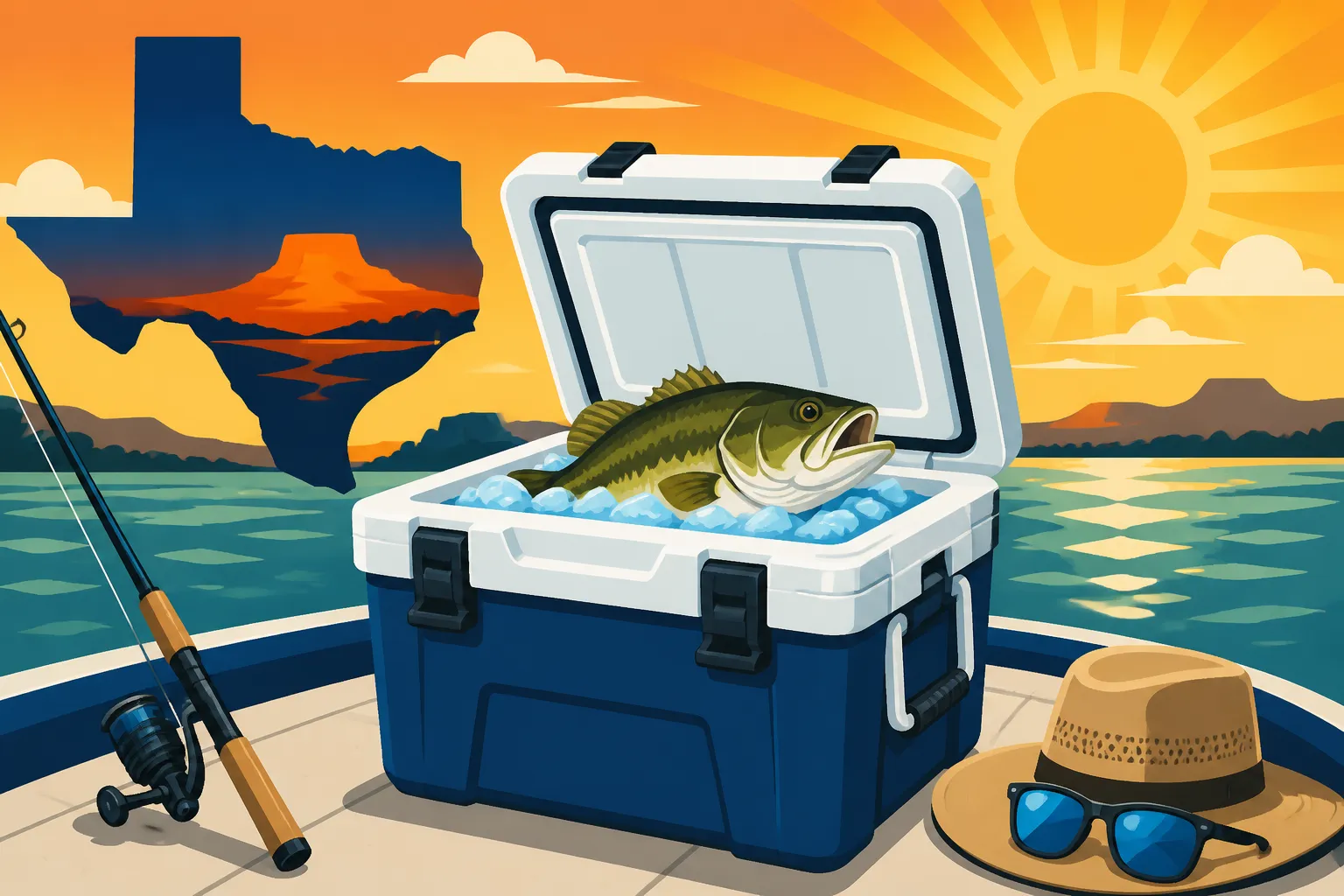
When you hear people talk about "premium" coolers, they're usually referring to rotomolded hard coolers. These are the tanks of the cooler world, built for extreme durability and unparalleled ice retention. They get their name from the rotational molding process used to create them, which results in a single, seamless piece of plastic for the cooler body. This construction, combined with thick, pressure-injected insulation (often polyurethane foam), makes them incredibly robust.
The major benefits of rotomolded coolers are their superior ability to hold ice for days, even in brutal heat, and their almost indestructible construction. They can take a beating, stand up to rough boat rides, and often double as a casting platform or extra seat. Many models feature heavy-duty latches and freezer-grade gaskets, creating an airtight seal that locks the cold in. The downside? They are typically quite heavy, even when empty, and often come with a higher price tag. They can also be bulky, taking up significant space in a smaller boat or vehicle. However, for serious anglers heading out on multi-day trips, offshore excursions, or just needing ice to last all weekend, these coolers are worth every penny. You'll find a great selection of these robust coolers at places like Bass Pro Shops, where you can compare different sizes and features firsthand.
Soft-Sided Coolers (The Grab-and-Go Favorites)
For those shorter trips, or when portability is paramount, soft-sided coolers have become incredibly popular. These coolers are lighter, more flexible, and often come with comfortable shoulder straps or handles, making them easy to carry down to the bank or out onto a kayak. They typically feature insulated liners, often with leak-proof zippers or roll-top closures, to keep contents chilled.
Soft-sided coolers excel in convenience. They're perfect for a quick afternoon of fishing at a local pond or lake, for stashing drinks and snacks on a kayak, or as a secondary cooler for bait or specific items on a larger boat. While they won't hold ice for as long as their rotomolded counterparts, many high-quality soft coolers can keep ice for a full day, especially if properly packed and pre-chilled. Their flexibility also means they can often be squished into tight spaces or collapsed for easier storage when not in use. The trade-off is often less overall durability against punctures or abrasions compared to hard coolers, though advancements in materials have made many models quite tough. If you're looking for a convenient option for your next outing, you'll find a huge variety of soft-sided coolers with excellent reviews on Amazon, making it easy to compare features and prices. Best Kayaks for Texas Fishing often benefit from a good soft-sided cooler.
Electric Coolers (The Game Changers?)
Electric coolers, sometimes called powered coolers or 12-volt coolers, offer a fascinating alternative to traditional ice chests. The main draw here is their ability to chill contents without any ice whatsoever. These units plug into a 12-volt outlet in your vehicle or boat, or sometimes a standard AC outlet at home or camp, and use thermoelectric or compressor technology to keep the interior cool.
The "no ice needed" factor is a huge plus, eliminating the recurring cost and hassle of buying and managing ice. This can be particularly appealing for longer road trips or for keeping bait at a consistent temperature without dilution from melting ice. However, they do have limitations. Thermoelectric models typically only cool to a certain number of degrees below the ambient temperature (often 40-50°F), which might not be cold enough on a truly scorching Texas day if the cooler is in direct sun. Compressor models are more efficient and can achieve colder temperatures, similar to a refrigerator, but they are also more expensive and heavier. Both types require a constant power source, which means you need to be mindful of your vehicle or boat battery, as they can drain it if left running for extended periods without the engine on. For those who frequently fish spots with vehicle access or have robust power systems on their boat, an electric cooler can be a very convenient option, especially for How to Fish in Hot Texas Summers where every degree counts.
| Cooler Type | Ice Retention | Portability | Durability | Typical Cost | Best Use Case |
|---|---|---|---|---|---|
| Rotomolded Hard | Excellent (3-10 days) | Low (Heavy/Bulky) | Excellent | High | Multi-day trips, offshore, trophy fish, heavy usage |
| Soft-Sided | Good (1-2 days) | High (Light/Flex) | Moderate | Moderate | Day trips, kayak fishing, bank fishing, secondary cooler |
| Electric | N/A (Powered Cooling) | Moderate (Needs power) | Good (Variable) | Moderate to High | Long drives, camping with power, consistent bait cooling |
Key Features to Look for in a Texas Fishing Cooler
Choosing the right cooler for Texas fishing isn't just about picking a brand; it's about understanding the features that truly matter when facing our unique climate. A cooler loaded with smart design choices and robust construction will perform miles ahead of a generic box, ensuring your ice lasts longer and your contents stay colder.
Unrivaled Ice Retention Capabilities
This is arguably the single most important factor for any cooler used in Texas. The ability to keep ice frozen for extended periods directly translates to fresher fish and colder drinks. Look for coolers that boast thick, pressure-injected insulation, typically polyurethane foam, in both the walls and the lid. The thicker the insulation, the better the thermal barrier against the external heat.
Beyond the insulation, the quality of the gasket seal is critical. High-end coolers use freezer-grade gaskets that create an airtight, watertight seal when the lid is closed, preventing any warm air from seeping in and cold air from escaping. Weak or poorly fitted gaskets are often the Achilles' heel of cheaper coolers. Secure, heavy-duty latches are also essential, not just for keeping the lid closed during transport, but for compressing that gasket to maintain the seal. Lastly, a good drain plug, preferably a large one that's easy to open and close, allows you to quickly remove meltwater without having to tip over the entire cooler, which is surprisingly convenient after a long day of fishing or a trip to Lake Texoma Fishing Guide.
Durability and Construction for the Texas Outdoors
Texas fishing can be tough on gear. Whether your cooler is bouncing around in the back of a truck, sliding on a boat deck, or enduring constant exposure to the sun and elements, it needs to be built to last. For hard coolers, look for UV-resistant, impact-resistant polyethylene plastic. This material won't warp or degrade under the intense Texas sun and can withstand bumps and drops that would shatter lesser coolers. The hinges and latches should also be heavy-duty, preferably molded-in or made of robust rubber or stainless steel, rather than flimsy plastic that can snap under stress.
For soft-sided coolers, focus on the outer shell material and zipper quality. Many come with puncture-resistant fabrics like TPU (thermoplastic polyurethane) or vinyl, which can handle being brushed against sharp objects or fish fins. Waterproof and leak-proof zippers or roll-top closures are also vital to ensure no cold air escapes and no meltwater leaks out. Reinforced handles and shoulder straps, securely stitched or riveted, are also a must, especially when you're lugging a full cooler across uneven terrain or onto a boat. These robust materials ensure your cooler can stand up to the rigors of fishing, whether you're navigating Texas Freshwater Fishing Regulations or enjoying the Texas Saltwater Fishing Regulations.
Practicality and Angler-Friendly Design
A great cooler isn't just about keeping things cold; it's about making your fishing trip easier and more enjoyable. Consider the size and capacity. A 45-quart cooler might be perfect for a solo day trip, but if you're planning a weekend camping and fishing expedition with friends, or targeting species with generous Texas Fish Bag and Length Limits, you'll need something much larger. Many anglers even opt for two coolers: a smaller one for drinks and snacks, and a larger one exclusively for fish.
Look for thoughtful features that cater to anglers. Integrated rulers on the lid are incredibly handy for quickly measuring your catch to ensure it meets legal length limits. Non-slip feet are crucial for stability on a wet boat deck or the bed of a truck, preventing the cooler from sliding around. Some coolers even offer accessories like internal baskets to keep items dry, cupholders, or even built-in cutting boards. Tie-down slots are also a major plus for securing your cooler, especially if you're navigating rough waters or bumpy roads. Easy-to-clean interiors, often with antimicrobial liners, simplify post-trip cleanup and help prevent lingering fish odors, making sure your cooler is always ready for the next adventure.
Maximizing Cooler Performance in Texas's Scorching Summers
Even the best cooler in the world won't perform to its full potential if you don't use it correctly, especially when battling the oppressive Texas heat. A few smart strategies can significantly extend your ice life and keep everything inside colder for longer, turning a good cooler into a fantastic one.
Pre-Chilling is Your Best Friend
This is perhaps the most overlooked, yet most effective, trick for maximizing ice retention. Think about it: if you put ice into a warm cooler, a significant portion of that ice's cooling power is immediately wasted just bringing the cooler's internal temperature down. That initial "thermal load" is a silent ice killer. To combat this, always pre-chill your cooler.
The night before your trip, toss a sacrificial bag of ice into the cooler or, better yet, fill it with frozen water bottles. Let it sit overnight, absorbing the heat from the cooler's walls. In the morning, dump out the sacrificial ice or remove the water bottles, and then pack your fresh ice and contents. This simple step can add hours, or even a full day, to your ice retention. If you have the space, storing your cooler in an air-conditioned garage or inside your home rather than a hot shed or truck bed before packing can also make a huge difference. This strategy is especially important when preparing for a long day targeting Texas Largemouth Bass Fishing Guide or Texas Crappie Fishing Guide.
The Ice Game: Quality and Quantity
Not all ice is created equal, and how you use it matters. For maximum longevity, a combination of block ice and cubed ice often works best. Block ice melts much slower due to its larger mass and smaller surface area, providing long-lasting cooling. Cubed ice, on the other hand, fills in the gaps, making excellent contact with your items and chilling them quickly. Dry ice is another option for extreme conditions, but it requires careful handling and specific cooler compatibility. Always check manufacturer recommendations before using dry ice in your cooler.
When packing, aim for a good ice-to-contents ratio, generally around 2:1 by volume for optimal long-term retention. Don't skimp on the ice! Layer your ice and contents, placing a layer of ice on the bottom, then your items, then more ice on top. Cold air sinks, so having a good layer of ice on top helps push cold down through your cooler. If you're planning on fishing a Texas Free Fishing Day, you'll want to ensure you have plenty of ice to keep your potential bounty fresh!
Smart Packing and Usage Habits
Once your cooler is packed, how you treat it throughout the day will largely determine its performance. The golden rule is simple: "If you're looking, you're losing." Every time you open the lid, you allow warm air to rush in and cold air to escape. Try to minimize openings by thinking ahead about what you need. Consider having a separate, smaller cooler for frequently accessed drinks or snacks.
Secondly, pack your cooler as full as possible. Air is a poor insulator inside a cooler, so empty spaces allow for more rapid temperature fluctuations. If you have extra space, fill it with additional ice, frozen water bottles, or even crumpled newspaper to reduce air pockets. Finally, and crucially for Texas, keep your cooler out of direct sunlight whenever possible. Even a rotomolded cooler will struggle if it's baking in the sun all day. Use shade, a towel, or a reflective cover to protect it from direct solar radiation. Positioning it in the coolest part of your boat or vehicle, perhaps under a seat or leaning against a console, can also make a noticeable difference in ice life. Following these tips will help you beat the heat even when you're out there fishing during How to Fish in Hot Texas Summers.
Cooler Maintenance for Longevity
A good cooler is an investment, especially in a state like Texas where it's a vital piece of gear. Just like your rods, reels, and boat, your cooler needs a little love and care to ensure it performs at its best for years to come. Proper cleaning and storage habits will prevent odors, mold, and premature wear, keeping your cooler ready for every adventure.
Post-Trip Cleaning and Odor Control
The moment you get home, resist the urge to just leave your cooler in the garage until the next trip. If you've had fish in it, or even just melting ice, it's a prime breeding ground for bacteria and odors. As soon as you've unloaded your catch and remaining items, give your cooler a thorough cleaning. First, rinse it out completely with fresh water to remove any fish slime, dirt, or debris.
Next, use a mild dish soap and warm water, along with a soft brush or sponge, to scrub down all interior surfaces. Pay special attention to corners, gaskets, and drain plugs where gunk can accumulate. For stubborn fishy odors, a solution of baking soda and water or a diluted vinegar solution can work wonders. Simply mix, spray or wipe, and let it sit for a bit before rinsing thoroughly. Avoid harsh chemical cleaners, as they can damage liners or leave behind residues. Proper cleaning ensures your cooler smells fresh and is ready to store your next batch of groceries or a Texas Redfish Fishing Guide catch without transferring unwanted scents.
Storage Tips for Off-Season and Between Trips
Once cleaned, the way you store your cooler is just as important as the cleaning itself. The biggest mistake people make is sealing the lid immediately after cleaning. This traps any residual moisture, creating a perfect environment for mold and mildew to grow, leading to nasty odors and discoloration. Always store your cooler with the lid slightly ajar or completely open, allowing for good airflow and complete drying.
Choose a cool, dry place for storage, away from direct sunlight or extreme temperatures. A garage or shed is fine, but avoid leaving it directly exposed to the sun's rays for prolonged periods, as this can degrade the plastic over time. For soft-sided coolers, ensure they are completely dry before folding or collapsing them for storage to prevent mildew. Periodically check the latches and hinges on hard coolers, and the zippers and seams on soft coolers, for any signs of wear or damage. This proactive approach will extend the life of your cooler, just as keeping up with your Texas Fishing License Renewal Rules ensures you're always ready to hit the water legally.
Disclaimer
This article is for general informational purposes only and does not constitute professional advice. Laws, prices and regulations vary by location and change over time. Consult a qualified professional for guidance on your specific situation.