Best Kayaks for Texas Fishing
Trying to pick the perfect kayak for fishing here in Texas can feel like trying to choose a lure in an entire Bass Pro Shops aisle – overwhelming, right? We've got everything from vast freshwater reservoirs and winding rivers to the sprawling coastal bays and open Gulf waters. What works for chasing largemouth bass on Lake Fork might not be ideal for sight casting redfish in the Laguna Madre, and that's precisely why a "one-size-fits-all" approach just doesn't cut it. This guide is going to walk you through everything you need to know to find the absolute best fishing kayak to conquer any Texas water you set your sights on.
Why Kayak Fishing is Exploding in Popularity Across Texas
It's no secret that kayak fishing has seen a massive surge in popularity, and nowhere is that more evident than right here in our beloved Lone Star State. There's just something incredibly liberating about silently gliding across the water, getting into those skinny, hard-to-reach spots that bigger boats simply can't access. It connects you to the water in a way that's hard to replicate, offering an intimate fishing experience that seasoned anglers and newcomers alike are falling in love with.
The Appeal of Stealth and Accessibility
One of the biggest draws of kayak fishing is its inherent stealth. Imagine approaching a glassy cove on Lake Sam Rayburn at dawn, paddling quietly into a patch of submerged timber where trophy bass are lurking. A traditional powerboat would likely spook those fish before you even got close enough to cast. With a kayak, you become part of the environment, a silent hunter easing into prime fishing territory without a sound. This stealth factor is incredibly effective, especially in calm, clear waters where fish are easily alarmed by engine noise or hull slap.
Beyond stealth, accessibility is a game-changer. Texas is blessed with an incredible network of smaller rivers, creeks, and shallow backwater areas, particularly in our coastal marsh systems or up the winding reaches of the Brazos River. These places are often impenetrable for larger vessels due to low water levels, dense vegetation, or narrow passages. A kayak, however, can slip through these natural barriers with ease, opening up entirely new fishing grounds that have seen far less pressure. This means more untouched honey holes for you to discover, offering a truly wild and rewarding angling adventure.
Cost-Effectiveness and Low Maintenance
Let's be real, boat ownership can be a significant investment, not just in the initial purchase but in ongoing costs like fuel, insurance, storage, and maintenance. That's where kayak fishing shines as a far more budget-friendly alternative. While a top-of-the-line fishing kayak can still be an investment, it pales in comparison to the price tag of a bass boat or bay boat. Even better, your "fuel" is your own paddle power or pedal stroke, and storage is often as simple as keeping it in your garage or backyard. You can often find great deals on quality kayaks and accessories through retailers like Amazon or by checking out dedicated fishing sections at Bass Pro Shops.
Maintenance is also incredibly straightforward. There's no engine to service, no complex electronics to troubleshoot, and no trailer tires to worry about. A quick rinse after each trip to remove mud, sand, or saltwater residue, and a check for any dings or scratches, is usually all it takes. This low-hassle aspect means more time on the water and less time working on your gear, which, for many Texas anglers juggling busy lives, is a huge win. The lower barrier to entry makes it an appealing option for beginners who want to get into fishing without a massive financial commitment.
Understanding the Core Types of Fishing Kayaks
Before you even start looking at specific models, you need to understand the fundamental differences between the main types of fishing kayaks available. Your choice here will heavily influence your comfort, stability, and effectiveness on the water, depending on where and how you plan to fish in Texas.
Sit-on-Top Kayaks: The Texas Angler's Workhorse
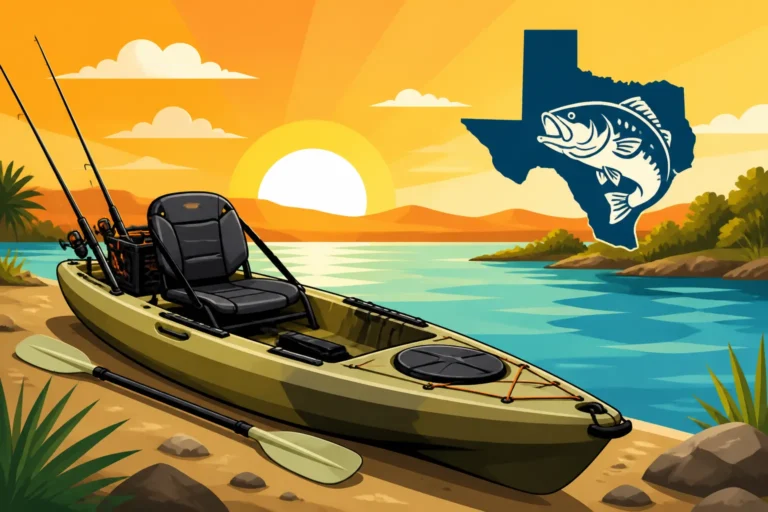
Without a doubt, sit-on-top (SOT) kayaks are the most popular choice for fishing in Texas, and for good reason. They're designed with stability, comfort, and open deck space in mind, making them incredibly versatile for both freshwater and saltwater environments. You sit on top of the kayak's hull rather than inside it, which provides a higher center of gravity and excellent visibility, crucial for spotting fish or submerged structure.
One of the primary benefits of SOT kayaks is their inherent stability, often featuring wider hulls and sometimes even pontoon-style designs. This makes them much easier to get in and out of, especially on the water, and provides a secure platform for casting, rigging baits, or even standing up to sight fish. This stability is a huge confidence booster, particularly for beginners or those who prefer a solid platform underfoot. They also tend to be self-bailing, meaning any water that splashes into the cockpit drains out through scupper holes, a major advantage when dealing with coastal chop or unexpected waves on a big lake. The open deck also means plenty of room for gear like tackle boxes, coolers, and even a small crate for extra storage, all easily accessible while you're fishing.
Sit-in Kayaks: For Specific Conditions and Paddling Performance
While less common for dedicated fishing, sit-in kayaks still have their place, especially for anglers who prioritize paddling efficiency or desire more protection from the elements. With a sit-in kayak, you sit inside a cockpit, with your legs covered by the hull. This design typically results in a narrower, more streamlined hull, allowing for faster paddling and better tracking through the water, which can be advantageous on longer paddles or in strong currents.
The enclosed cockpit offers a couple of distinct benefits. Firstly, it provides excellent protection from spray, wind, and even the sun, which can be a real plus during cooler Texas winter days or on breezy coastal mornings. Secondly, the lower center of gravity can actually make them feel more stable in rougher, choppier conditions, as your body is more integrated with the boat. However, sit-in kayaks do have their drawbacks for fishing. Re-entry after a capsize can be challenging, and there's generally less open deck space for mounting accessories or easily accessing tackle. For freshwater anglers targeting rivers with strong currents, a sit-in kayak might be a viable option, but for most Texas fishing scenarios, the sit-on-top often wins out in terms of pure fishing utility.
Inflatable Kayaks: Portability for the Lone Star State
Don't let the word "inflatable" fool you; modern inflatable kayaks, particularly those designed for fishing, are incredibly durable and stable, making them a surprisingly good option for many Texas anglers. Constructed from rugged PVC or Hypalon materials, they are resistant to punctures and abrasions, capable of handling stumps, rocks, and oyster shells with surprising resilience. The biggest advantage, of course, is portability. These kayaks can be deflated, rolled up, and stored in a car trunk or closet, eliminating the need for roof racks or trailers.
This ease of transport makes them fantastic for anglers who live in apartments, have limited storage space, or frequently travel to different fishing spots, from urban ponds to remote river access points. Setting up usually takes only 10-15 minutes with an electric pump. While they might not track as straight or paddle as fast as a rigid hull kayak, many fishing-specific inflatables offer impressive stability and feature D-rings and mounting points for rod holders and other accessories. They are especially suited for calm lakes, slow-moving rivers, or even protected bayou systems where their portability outweighs the need for maximum speed or standing stability. Just imagine throwing your kayak into the back of your truck and heading out to explore a new stretch of the Brazos River without worrying about a trailer.
Pedal Drive vs. Paddle Kayaks: Hands-Free Fishing Freedom
This is one of the biggest decision points for many aspiring kayak anglers: do you want to paddle, or do you want to pedal? Both have distinct advantages and disadvantages, especially when considering the varied fishing environments across Texas.
The Power of Pedal Drive Kayaks
Pedal drive kayaks have revolutionized kayak fishing, offering a hands-free propulsion system that allows anglers to focus entirely on fishing. Instead of paddling, you use your leg muscles, similar to riding a bicycle, to turn a propeller or displace water with fins underneath the kayak. This innovation provides continuous forward motion, even in windy conditions or strong currents, freeing up your hands to cast, reel, and manage your tackle.
The benefits of a pedal drive are numerous, particularly for Texas fishing. Imagine battling a strong Gulf breeze while trying to hold position over a oyster reef in Galveston Bay. With a pedal drive, you can maintain your spot, slowly troll a lure, or even fight a fish, all while keeping your hands on your rod. This hands-free operation dramatically increases your efficiency and comfort on the water, reducing fatigue on long days. It also allows for much more precise boat control, letting you creep along a shoreline, maneuver around submerged timber, or hold steady against a river current. Brands like Hobie and Old Town are pioneers in this space, offering robust pedal systems that are both efficient and durable. While pedal kayaks typically come with a higher price tag and can be heavier to transport, many anglers find the investment well worth it for the enhanced fishing experience. For more on this, check out Do you need a trolling motor on a kayak?, as pedal drives offer similar hands-free advantages.
The Simplicity and Versatility of Paddle Kayaks
Traditional paddle kayaks, while requiring constant use of your arms, remain an excellent and often more affordable choice. They rely on a double-bladed paddle for propulsion, offering a direct and intimate connection with the water. For many purists, there's a certain satisfaction in the rhythmic stroke of a paddle and the silent glide it provides.
One of the main advantages of paddle kayaks is their simplicity and often lighter weight. Without the complex pedal drive system, they are generally less expensive, easier to maintain, and simpler to transport. They excel in shallow water and areas with dense vegetation, as there's no propeller or fins extending below the hull to get snagged. Many Texas rivers, especially those with rocky bottoms or submerged logs, are perfectly suited for paddle kayaks. They also offer a fantastic workout, which some anglers appreciate. While they might require you to set down your rod to reposition, skilled paddlers can develop techniques to maintain control while fishing. For anglers on a budget, those who frequently fish very shallow or heavily obstructed waters, or those who simply prefer the traditional paddling experience, a high-quality paddle kayak offers superb versatility and performance.
| Kayak Type | Propulsion Method | Primary Advantages | Best Use Case in Texas | Considerations |
|---|---|---|---|---|
| Sit-on-Top | Paddle or Pedal | Stable, open deck, easy re-entry, self-bailing | Most versatile: lakes, bays, slow rivers | Can be heavier, prone to wind drift without propulsion assist |
| Sit-in | Paddle | Fast, efficient, protected cockpit, good tracking | Touring, strong river currents, cooler weather | Limited deck space, difficult re-entry, less stable for standing |
| Inflatable | Paddle (some pedal) | Portable, lightweight, durable, easy storage | Calm lakes, slow rivers, travel, limited storage | Slower, less tracking, can be affected by wind, setup time |
| Pedal Drive | Pedals | Hands-free, precise control, efficient, less fatigue | Larger lakes, windy bays, trolling, sight casting | Higher cost, heavier, maintenance of pedal system, propeller/fin snagging |
| Paddle Kayak | Paddle | Simple, lightweight, less expensive, good exercise | Shallow rivers, calm lakes, budget-friendly, traditional | Hands-occupied for propulsion, can be tiring in wind/current |
Key Features to Prioritize in a Texas Fishing Kayak
Once you've narrowed down your preferred kayak type and propulsion, it's time to dive into the specific features that will make your fishing trips more enjoyable and productive. Not all features are created equal, and some will be far more critical depending on your target species and preferred fishing grounds.
Stability and Hull Design
Stability is often the number one concern for kayak anglers, especially when fishing Texas waters. Whether you're standing up to spot redfish in a shallow bay or aggressively fighting a trophy bass on Lake Travis, a stable platform is paramount. Look for kayaks with wider beams (width) and flatter hulls, often described as pontoon-style or tunnel hulls. These designs displace more water, providing excellent initial stability, meaning they feel very solid when you first step into them or shift your weight.
However, stability isn't just about width. Hull design also influences secondary stability – how stable the kayak feels when it's rocked or tilted. Some kayaks might feel a bit tippy initially but become incredibly stable once they lean slightly into a turn or wave, making them very forgiving in choppy conditions. For sight casting or standing to paddle, often for bass or speckled trout, look for models specifically marketed as "stand-up stable." These often have integrated standing platforms and even assist straps. Test paddling is ideal, but reading reviews from other Texas anglers who fish similar waters can provide great insight into a kayak's real-world stability. The choice here is a trade-off: ultra-stable kayaks might be a bit slower to paddle, but the confidence they provide can be invaluable.
Storage and Gear Management
Serious kayak fishing involves a surprising amount of gear, from multiple rods and reels to tackle boxes, coolers, safety equipment, and personal items. Efficient and accessible storage is absolutely critical. Look for kayaks with ample open deck space, particularly behind the seat, to accommodate a fishing crate or a cooler. Dedicated rod holders (flush mounts or adjustable surface mounts) are a must, allowing you to carry multiple rods safely and securely. Many fishing kayaks come with at least two flush-mount rod holders, but consider adding more adjustable ones for versatility.
Beyond the main deck, sealed hatches for dry storage are invaluable for protecting your phone, wallet, keys, and extra layers of clothing from spray and moisture. Large front or rear hatches can also store gear that you don't need immediately at hand, like rain gear or extra tackle. Bungee cords, gear tracks (like those from YakAttack or Wilderness Systems), and integrated attachment points (D-rings) are also important. These allow you to customize your setup with rod holders, fish finders, camera mounts, and other accessories exactly where you need them. Think about how you organize your gear in a larger boat or for bank fishing; you'll want similar accessibility and security on your kayak.
Comfort and Seating
If you plan on spending hours on the water chasing fish, comfort is not a luxury; it's a necessity. Early fishing kayaks often came with molded-in seats that quickly led to discomfort and fatigue. Thankfully, modern fishing kayaks have vastly improved in this area. Prioritize models with adjustable, framed seating that elevates you off the deck. These stadium-style seats offer much better back support, allow for better leg circulation, and often feature breathable mesh material, which is a blessing during hot Texas summers.
Adjustability is key. Being able to slide the seat forward or backward can help you trim the kayak for optimal paddling or pedaling performance, or simply to get closer to your tackle. The height of the seat can also be important; some offer high/low positions for paddling efficiency versus improved visibility. If you're on a budget, remember that you can often upgrade a basic seat with aftermarket options. Don't underestimate the impact of a comfortable seat – it can genuinely make or break a long day of fishing, especially when you're trying to stay focused on that next bite.
Kayaks for Freshwater Texas Lakes and Rivers
Texas freshwater fishing offers incredible diversity, from the sprawling open waters of Toledo Bend and Lake Fork, known for their trophy bass, to the winding, cypress-lined bayous of East Texas and the clear, spring-fed rivers of the Hill Country. Your kayak choice will greatly depend on the specific freshwater environment you frequent most.
Best Kayaks for Texas Bass Lakes
Chasing largemouth bass on legendary Texas lakes like Lake Fork, Sam Rayburn, or Lake Conroe requires a kayak that offers a blend of stability, speed, and ample storage for a variety of tackle. These big lakes can get windy, and covering water efficiently is often key to finding fish. For these conditions, pedal drive sit-on-top kayaks truly shine. Their hands-free propulsion allows you to constantly adjust your position while casting, working a retrieve, or fighting a fish, which is invaluable when pitching jigs into submerged timber or burning crankbaits along a main lake point.
Look for models with a stable, wide platform that allows you to stand comfortably for sight fishing shallow coves or pitching into dense cover. Brands like Hobie, Old Town, and Native Watercraft offer excellent options in this category, with features like integrated rod holders, large storage areas for tackle crates (think Bass Mafia or Plano boxes), and sturdy gear tracks for mounting fish finders and GPS units. The ability to cover miles of shoreline, then quickly hold position against a breeze to pick apart a brush pile, makes pedal kayaks a dominant force on these larger, wind-prone bass fisheries. While the initial investment might be higher, the fishing efficiency and reduced fatigue are often considered well worth it by serious bass anglers. Lake Fork Fishing Guide mentions the importance of covering water, and a pedal kayak helps immensely with that.
Kayaks for Texas River and Smaller Lake Fishing
For the winding rivers of Texas, like the Guadalupe, Brazos, or Trinity, or smaller, calmer lakes, your priorities might shift slightly towards maneuverability, durability, and ease of transport. Here, paddle sit-on-top kayaks or even durable inflatable kayaks can be excellent choices. Rivers often have currents, submerged obstacles like rocks and logs, and tighter turns that require nimble handling.
A shorter, more maneuverable paddle kayak (typically 10-12 feet in length) will allow you to navigate these waterways with greater ease. Look for rugged construction that can withstand scrapes against rocks and sandbars. While pedal drives can be used, the fins or propellers can sometimes get snagged in shallow, rocky stretches or dense river grass, making a paddle kayak a more practical choice for many river excursions. Inflatables also offer incredible portability for accessing remote river put-ins that might not have a developed boat ramp. For family-friendly outings on smaller, calmer lakes or fishing the numerous ponds in the Texas Parks and Wildlife Department's Neighborhood Fishin' program, a simpler, durable paddle SOT or inflatable provides a perfect balance of fun and function without breaking the bank. Best Texas Rivers for Fishing are often perfect for these types of kayaks.
Kayaks for Texas Coastal and Bay Fishing
The Texas coast, with its vast network of bays, estuaries, and shallow flats, presents its own unique challenges and opportunities for kayak anglers. Redfish, speckled trout, and flounder are prime targets, often found in extremely shallow water where stealth and sight-fishing capabilities are paramount.
Kayaks for Shallow Water Redfish and Speckled Trout Flats
When you're chasing redfish tailing in inches of water or sight casting to cruising speckled trout on the grass flats of Aransas Bay or the Lower Laguna Madre, your kayak needs to be specifically designed for shallow water performance and stealth. Pedal drive sit-on-top kayaks with shallow-draft fin drives (like Hobie's MirageDrive 360 or Native's Propel Drive) are incredibly popular here. The ability to slowly creep along, eyes scanning the water for movement, while maintaining hands-free control is an absolute game-changer for sight fishing.
These kayaks often feature lighter colors on the hull to reduce heat absorption and minimize their silhouette against the sky, helping them blend into the environment. They'll also typically have a very stable platform, allowing you to stand up and get a better vantage point over the shallow water. Gear tracks and ample deck space for a small cooler to keep your catch fresh are essential. The ability to quickly retract the pedal fins or propeller when entering extremely shallow water or poling through dense grass is a critical feature to look for. For more dedicated wade fishermen, a highly stable, lower-profile kayak that allows for easy entry and exit to wade alongside your kayak is also a strong consideration. How to Wade Fish for Redfish in Texas really highlights the benefits of a shallow-draft kayak.
Kayaks for Coastal Bays and Light Offshore Trips
For fishing larger, open bays like Galveston Bay or Matagorda Bay, where you might encounter more chop, longer paddles, or even venture a short distance offshore on a calm day, your kayak needs to prioritize stability in rougher water and efficient paddling/pedaling. While the shallow-water stealth is still important, the ability to handle larger swells and cover greater distances becomes more prominent.
Here, a slightly longer (13-16 feet) pedal drive sit-on-top kayak that offers good tracking and secondary stability (how stable it feels when rocking side-to-side) will serve you well. These kayaks are designed to punch through waves and maintain a straight course, reducing fatigue on longer runs to distant fishing spots. Ample storage, including large, sealed hatches, is crucial for carrying extra safety gear, bait buckets, and a larger cooler for potential limits of fish. Some anglers even venture into nearshore Gulf waters on exceptionally calm days, targeting kingfish or snapper, in which case a robust, ocean-capable fishing kayak with excellent tracking and safety features is paramount. Always check the weather meticulously and carry all necessary safety equipment when heading into larger coastal waters. Texas Boat Safety Equipment Requirements apply to kayaks too, so make sure you're properly equipped.
Essential Kayak Fishing Accessories for Texas Anglers
Once you've got your kayak picked out, it's time to think about the accessories that will make your fishing trips safer, more comfortable, and more successful. These aren't just "nice-to-haves"; many are essential, especially given the unique conditions we experience in Texas.
Safety Gear You Absolutely Need
Safety should always be your top priority on the water, and fishing kayaks are no exception. The most important piece of gear is a personal flotation device (PFD), or life jacket. In Texas, adults are not required to wear a PFD on a kayak, but it must be readily accessible. Children under 13 must wear one. My advice? Wear it. Always. A sudden tip-over can happen to anyone, and having your PFD on means you're already safe. Look for a fishing-specific PFD that offers good arm mobility for casting and reeling, as well as pockets for small tackle or a whistle.
Beyond a PFD, you'll need a whistle or horn to signal other boaters, especially in busy channels or foggy conditions. A paddle leash is a smart investment, preventing your paddle from floating away if you drop it while fighting a fish. For coastal or larger lake fishing, a small anchor with a quick-release system is invaluable for holding position over a promising spot or when you need to take a break. Finally, carry a first-aid kit, plenty of water, and a fully charged cell phone in a waterproof bag for emergencies. For trips further offshore or into remote areas, consider a VHF radio and a personal locator beacon (PLB). These items aren't just recommendations; they're vital for a safe day on the water.
Rod Holders, Fish Finders, and GPS
The right accessories can transform your kayak from a simple paddle craft into a fully rigged fishing machine. Rod holders are a fundamental necessity. Beyond the flush-mounted ones that often come integrated into the kayak, consider adjustable, surface-mounted rod holders (often mounted on gear tracks) that allow you to troll, hold a rod while retying, or even carry additional rods. Brands like Scotty and Ram Mounts offer versatile options.
A fish finder is almost a mandatory accessory for serious kayak anglers, especially on our deeper Texas lakes and coastal bays. These compact units, often paired with small 12V batteries, can reveal depth, water temperature, structure (like brush piles or ledges), and, of course, fish. Many units now come with GPS capabilities, allowing you to mark waypoints, track your path, and navigate back to productive areas. Consider a unit with side imaging or down imaging for a more comprehensive view of the underwater world. How to use a fish finder for bass fishing can really level up your game. When shopping, consider units from trusted brands like Lowrance, Garmin, or Humminbird, and always check reviews for their performance in typical Texas water temperatures and conditions.
Comfortable Seating and Storage Solutions
We touched on comfortable seating already, but it's worth reiterating the importance of investing in a high-quality, elevated seat if your kayak doesn't come with one. An aftermarket stadium-style seat can dramatically improve your comfort and extend your fishing day. As for storage, a fishing crate is almost a universal accessory for kayak anglers. These simple plastic crates, often milk crates, can be customized with PVC rod holders, bungee cords, and tackle box organizers. They fit perfectly behind most SOT seats, keeping your essential tackle and gear within easy reach.
For smaller items, waterproof dry bags or tackle boxes that clip onto your seat or sit securely in a tank well are indispensable. A quality cooler is also non-negotiable for keeping drinks cold and, more importantly, preserving your catch. Look for rotomolded coolers from reputable brands that offer excellent insulation, crucial for battling the Texas heat. Having a dedicated space for everything prevents clutter, makes things accessible, and minimizes the risk of losing valuable gear overboard, which is a common frustration for new kayak anglers.
Maintaining Your Texas Fishing Kayak for Longevity
Investing in a good fishing kayak means you'll want it to last through countless adventures across Texas. Proper care and maintenance aren't just about preserving its looks; they're about ensuring its structural integrity and functionality, keeping you safe and on the water for years to come.
Cleaning and Storage Best Practices
After every trip, whether you've been on a muddy river or in salty bay water, a thorough cleaning is essential. For saltwater fishing, this is especially critical. Rinse your kayak immediately with fresh water, paying close attention to any nooks, crannies, scupper holes, and especially your pedal drive system if you have one. Saltwater residue can be incredibly corrosive and abrasive, causing hardware to seize up and plastic to degrade over time. A mild soap and brush can help remove stubborn grime, mud, or algae. Don't forget to rinse your paddle, PFD, and any other gear that came into contact with the water.
When it comes to storage, protecting your kayak from the harsh Texas sun is paramount. UV rays can cause plastic to become brittle, fade colors, and warp over time. Ideally, store your kayak indoors, in a garage or shed. If outdoor storage is your only option, always use a UV-resistant kayak cover or at least keep it in a shaded area. Store it on its side or on a dedicated kayak rack to prevent flat spots on the hull. Never leave it upside down on a hot surface like concrete, as the heat can easily warp the hull. Proper storage not only prolongs the life of your kayak but also keeps it looking good and ready for your next adventure.
Inspecting and Repairing Common Wear and Tear
Regular inspection of your kayak can catch small issues before they become big problems. After cleaning, take a few minutes to visually inspect the hull for any deep scratches, gouges, or cracks. For rotomolded polyethylene kayaks, minor scratches are normal and rarely a concern. Deeper gouges, however, might need a plastic welding repair or a DIY patch. Inspect all hardware, including screws, rivets, rudder cables, and seat attachments, to ensure they are secure and free from corrosion. If you have a pedal drive, follow the manufacturer's recommendations for regular maintenance, which often includes lubricating moving parts and checking for wear on cables or propellers.
The rudder system is also prone to wear, especially if you fish in shallow or obstacle-rich waters. Check the rudder blade for damage and ensure the steering cables are taut and free of fraying. Over time, plastic will flex and fasteners can loosen, so keeping a small toolkit on hand for minor adjustments or tightening can be really helpful. Addressing these small issues promptly will save you headaches and potentially costly repairs down the line, ensuring your kayak remains a reliable partner on all your Texas fishing expeditions.
Budgeting for Your First Texas Fishing Kayak
Getting into kayak fishing doesn't have to break the bank, but it's helpful to understand the general cost ranges so you can set a realistic budget. Prices vary widely based on type, features, brand, and whether you're buying new or used.
Entry-Level Kayaks: Getting Your Feet Wet Affordably
For anglers just starting out or those on a tighter budget, there are plenty of excellent entry-level options that can get you on the water without a huge financial commitment. Basic paddle sit-on-top kayaks, often 10-12 feet long, can be found for a modest price. These models typically feature molded-in seats, basic rod holders, and limited gear tracks, but they are perfectly capable of catching fish on calmer lakes and slow-moving rivers. Brands like Perception, Lifetime, and Pelican often offer solid, durable entry-level kayaks that are widely available at sporting goods stores and online retailers like Amazon.
Inflatable fishing kayaks can also fall into this affordable category, offering incredible portability for the price. While they might lack some of the advanced features of more expensive rigid kayaks, they are a fantastic way to experience kayak fishing. Remember that "entry-level" doesn't mean "bad quality"; it just means fewer bells and whistles. Many seasoned anglers start with a basic model, learn the ropes, and then upgrade if they find the passion truly takes hold. This approach allows you to test the waters, so to speak, and determine exactly what features are most important to you before making a larger investment. For more information on initial costs, see How much does a fishing kayak cost.
Mid-Range and High-End Options: Investing in Features
As you move into the mid-range and high-end categories, you'll start to see a significant jump in features, comfort, and specialized design. Mid-range kayaks (often paddle SOTs with upgraded seating, more integrated storage, and better hull designs for specific fishing styles) offer a great balance of performance and value. These might include models from brands like Wilderness Systems, Jackson Kayak, or Old Town, providing enhanced stability, comfort, and rigging options for a more dedicated fishing experience.
High-end kayaks, especially pedal drive models, represent the pinnacle of kayak fishing technology. These are typically from premium brands like Hobie, Native Watercraft, and certain Old Town models, featuring advanced pedal systems, ultra-stable hulls designed for standing, extensive gear track systems, integrated transducer mounts for fish finders, and luxurious, adjustable seating. While the price tag is significantly higher, these kayaks offer unparalleled efficiency, comfort, and hands-free fishing capabilities, making them the choice for serious tournament anglers or those who spend countless hours on the water. They are built for performance and durability, designed to handle the diverse and often challenging conditions found across Texas, from the Gulf Coast to the vast freshwater reservoirs. Consider these an investment in your passion, providing a superior fishing experience that can truly elevate your game.
Disclaimer
This article is for general informational purposes only and does not constitute professional advice. Laws, prices and regulations vary by location and change over time. Consult a qualified professional for guidance on your specific situation.