How much does a fishing kayak cost
The dream of casting a line from a peaceful kayak on a Texas lake or bay is incredibly appealing, but often, the first question that pops into an aspiring angler's mind is a very practical one: "How much is this going to set me back?" It's a valid concern, because the world of fishing kayaks is vast, and prices can range from surprisingly affordable to "maybe I should just buy a small boat instead." This guide will help you navigate the various costs associated with getting into kayak fishing, from the vessel itself to all the essential gear you’ll need to hit the water safely and effectively.
Factors Influencing Fishing Kayak Costs
When you start looking at fishing kayaks, you'll quickly notice that the prices aren't one-size-fits-all. There's a whole spectrum, and understanding what drives those differences is key to setting a realistic budget. It's not just about the brand name; it's about the design, the materials, and the specialized features built for anglers.
Kayak Type and Propulsion System
One of the biggest cost differentiators is the kayak's propulsion system. You essentially have three main choices, each with its own price tag:
- Paddle Kayaks: These are the traditional workhorses, propelled by a double-bladed paddle. They tend to be the most budget-friendly option, making them a popular choice for beginners or those who enjoy the simplicity and physical exercise. Within paddle kayaks, you'll find both sit-in and sit-on-top models. Sit-on-top kayaks are overwhelmingly preferred for fishing due to their stability, ease of re-entry, and open deck space for gear. Generally, the simpler the design, the lower the cost.
- Pedal Kayaks: These kayaks feature a pedal-driven propeller or fin system, allowing you to propel the kayak using your legs while keeping your hands free for fishing. This hands-free advantage is a game-changer for many anglers, especially when trolling or fighting a fish. However, this convenience comes at a significantly higher cost. The technology involved in the pedal drive system, combined with the often more robust hull designs needed to support it, pushes these into the mid-to-high price range.
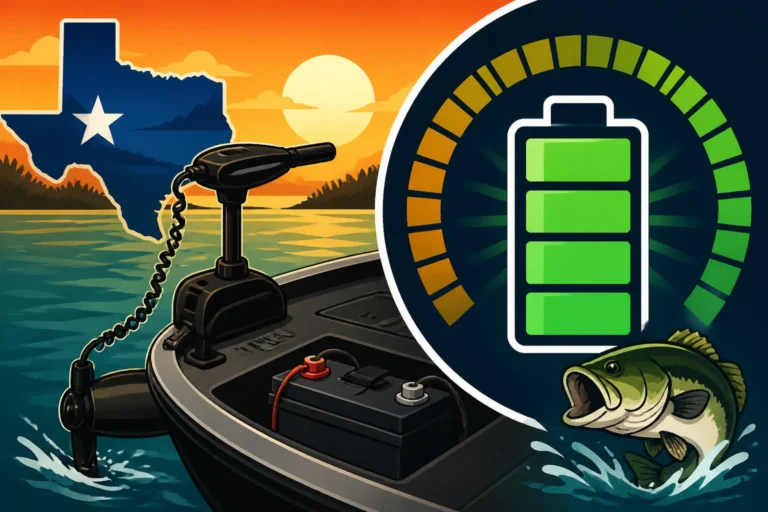
- Motorized Kayaks: While less common as a factory-installed option, many anglers add electric trolling motors to their kayaks for effortless propulsion, particularly on larger lakes or for covering long distances. Some kayaks are specifically designed with motor mounts and battery storage in mind. Adding a motor, battery, and associated wiring adds another layer of expense on top of the kayak's base price. This setup offers maximum convenience but also represents the highest investment. If you're wondering, Do you need a trolling motor on a kayak?, it really depends on your fishing style and the waters you plan to tackle.
Construction Materials and Quality
The materials used to build a kayak directly impact its durability, weight, and ultimately, its price. Most fishing kayaks are made from polyethylene, a durable plastic, but even within this category, there's a range.
- Rotomolded Polyethylene: This is the most common and cost-effective material. It's incredibly tough and resistant to impacts, making it ideal for dragging over rough terrain or bumping into submerged logs. The downside is that it can be heavier than other materials, and prone to "oil canning" (slight warping) in extreme heat, though this rarely affects performance. Most entry to mid-range kayaks are rotomolded.
- Thermoformed ABS: A step up from rotomolded, thermoformed kayaks are generally lighter, stiffer, and have a smoother finish, which glides through the water more efficiently. They also tend to be more UV resistant. This improved performance and aesthetic comes with a higher price tag.
- Composite Materials (Fiberglass, Carbon Fiber): Found in premium, high-performance kayaks, composites offer the lightest weight and highest rigidity, leading to exceptional speed and glide. They are also the most fragile and by far the most expensive. These are typically chosen by serious anglers or those who prioritize performance above all else, often for long distances or competitive fishing.
Size, Stability, and Features
Larger kayaks generally cost more. A longer, wider kayak offers more stability, carrying capacity, and deck space for gear, but it also requires more material and can be harder to transport. Fishing-specific features also add to the price:
- Advanced Seating: Comfortable, elevated seats that are adjustable and allow for all-day fishing make a huge difference, but they're more expensive to integrate than a molded-in seat pad.
- Gear Tracks and Mounting Systems: These allow for easy attachment of rod holders, fish finders, and other accessories. While seemingly small, robust factory-installed tracks are a mark of a more thought-out design, which contributes to the cost.
- Storage Options: Dry storage hatches, tackle box compartments, and large tank wells for coolers or crates add functionality and complexity to the mold, increasing the price.
- Integrated Electronics: Some high-end kayaks come with pre-installed wiring, transducer mounts, and even battery boxes, making it easier to add a fish finder or GPS. This saves you time and effort on rigging but adds to the initial purchase price.
Consider your needs carefully. If you're just looking for a simple way to get on the water for some casual fishing, a basic paddle kayak might be perfect. But if you plan to fish large reservoirs or coastal bays, or you want the hands-free advantage for serious angling, a more feature-rich or pedal-driven model will be a better long-term investment, even with the higher upfront cost.
Breaking Down the Price Tiers: Entry-Level to Premium Kayaks
Let's talk numbers, or at least ranges, to give you a clearer picture of what to expect when you walk into a Bass Pro Shops or browse online. Remember, these are general categories, and sales, used markets, and specific features can always shift things around.
Entry-Level Kayaks: Getting Your Feet Wet
- Price Range: Roughly a few hundred dollars to around the lower thousands.
- What to Expect: These are typically shorter (10-12 feet), rotomolded sit-on-top paddle kayaks. They'll have basic molded-in rod holders, some bungee storage in the stern, and a simple padded seat. Don't expect a lot of bells and whistles, but they are perfectly capable of getting you on the water and catching fish.
- Ideal for: Anglers on a strict budget, those new to kayak fishing who want to try it out without a huge commitment, or anyone primarily fishing calm, protected waters like small ponds, slow-moving rivers, or close to shore in larger lakes. They are generally lightweight enough for one person to car-top.
- Brands/Models: You'll find many reputable brands offering solid entry-level options. These might include models from Pelican, Lifetime, or basic offerings from larger brands. If you're specifically looking for Best entry-level kayak for Texas fishing, these types of paddle kayaks are often the recommended starting point.
Mid-Range Kayaks: Stepping Up Your Game
- Price Range: Typically from the upper hundreds to several thousand dollars.
- What to Expect: This is where you start seeing significant upgrades. Kayaks in this range are often longer (12-14 feet) for better tracking and speed, more stable, and boast improved comfort features. You'll likely get a more advanced, adjustable frame seat that gets you off the deck, offering better visibility and comfort. Integrated gear tracks (like those from Hobie, Jackson Kayak, or Old Town) become standard, allowing for easy accessory customization. Many kayaks in this price range will still be paddle-driven, but you'll start to see basic pedal-drive options emerge at the higher end of this segment.
- Ideal for: Anglers who are serious about kayak fishing and want more features and comfort without breaking the bank. These kayaks handle a wider range of conditions and are suitable for larger lakes, rivers, and even some protected bay fishing on the Texas coast.
- Brands/Models: Many popular fishing kayak brands offer excellent options here, focusing on specific fishing needs. For example, some might be optimized for Best Kayaks for Texas Bass Fishing with specific layouts for tackle, while others might focus on Best Kayaks for Texas Saltwater Flats with low profiles and stable platforms for stand-up fishing.
Premium & High-End Kayaks: The Ultimate Fishing Machine
- Price Range: From several thousand dollars up to five figures, depending on features and accessories.
- What to Expect: These are the flagship models, often featuring advanced pedal drive systems (like Hobie's MirageDrive or Old Town's PDL Drive), integrated motor options, superior hull designs for speed and stability, and top-tier construction materials. Comfort is paramount, with highly adjustable, ergonomic seating. You'll find abundant, well-thought-out storage, advanced rigging options for multiple fish finders, live wells, and even dedicated battery compartments. Some might even feature lightweight composite construction for ultimate performance.
- Ideal for: Tournament anglers, those who fish frequently and demand the best performance and features, or individuals targeting specific species or environments where every advantage counts. These kayaks often become substitutes for small powerboats for many dedicated anglers.
- Brands/Models: Hobie, Old Town, Native Watercraft, Jackson Kayak, and other specialized kayak manufacturers dominate this segment with their most advanced and feature-packed models. If you're serious about hands-free fishing, a Best pedal kayak for Texas bass fishing will likely fall into this premium category.
Here's a quick overview of what you might generally find across the tiers:
| Feature/Category | Entry-Level Kayak | Mid-Range Kayak | Premium Kayak |
|---|---|---|---|
| Price Range | A few hundred – ~$1,000 | ~$1,000 – ~$3,500 | ~$3,500 – $8,000+ (Kayak only) |
| Propulsion | Paddle only, sit-on-top or sit-in | Paddle, or entry-level pedal drive systems | Advanced pedal drive, or integrated motor-ready |
| Length (approx.) | 10-12 feet | 12-14 feet | 13-16+ feet |
| Construction | Basic rotomolded polyethylene | Improved rotomolded, some thermoformed | High-end rotomolded, thermoformed, or composite |
| Seating | Molded-in with basic padding | Adjustable, elevated frame seat (comfortable) | Highly adjustable, ergonomic, all-day comfort seats |
| Storage | Bungee deck, small dry hatch | Larger hatches, open tankwells, gear pockets | Extensive integrated storage, tackle management systems |
| Rod Holders | 2-4 molded-in | 2-4 flush mount, sometimes 1-2 adjustable | Multiple flush mount, robust gear tracks for customization |
| Accessory Mounts | Minimal or none | Gear tracks (e.g., universal tracks) | Extensive gear tracks, power poles/trolling motor mounts |
| Stability | Decent, primarily for sitting | Very good, often stand-up capable | Exceptional, designed for stand-up fishing and heavy loads |
| Best Use | Calm water, casual fishing, learning | Versatile, lakes, rivers, protected bays | Open water, serious angling, tournaments, specific techniques |
Please remember, these ranges are estimates. Always check current prices from retailers like Bass Pro Shops or specific manufacturer websites.
Beyond the Kayak: Essential Gear Costs to Consider
Buying the kayak is just the first step. To safely and effectively go fishing, you'll need additional gear, and these costs can add up quickly. Don't overlook these in your initial budget planning, or you might find yourself with a shiny new kayak and no way to launch it or stay safe!
Mandatory Safety Equipment
Safety should always be your top priority, and some items aren't just good practice; they're often required by law in Texas.
- Personal Flotation Device (PFD): You absolutely need one, and it must be readily accessible or worn. While basic PFDs are relatively inexpensive, an angler-specific PFD with pockets and a comfortable fit for paddling can be a bit more. Expect to spend a decent chunk here for comfort and utility. Texas law requires PFDs for all on board, and kids typically have stricter wearing requirements. For details, you can read more about Are life jackets required for kayaks in Texas?.
- Whistle/Horn: Essential for signaling, especially if you're in an area with boat traffic or in distress. These are very affordable.
- Light Source: If you plan on being on the water after sunset or before sunrise, you'll need a white light (like an all-around navigation light) visible from 360 degrees. A simple battery-powered light can suffice.
Propulsion and Control
Unless you bought a top-tier pedal drive kayak that comes with everything, you’ll need to think about how you’ll move.
- Paddle: Even with a pedal kayak, a paddle is your essential backup or for maneuvering in very shallow water. For paddle kayaks, this is your primary means of propulsion. Don't skimp here; a good quality, lightweight paddle that fits you can make a world of difference in your energy levels and enjoyment. Cheaper paddles are heavy and less efficient. Expect costs to vary significantly based on material (aluminum, fiberglass, carbon fiber) and brand.
- Anchor System: For holding your position in current or wind, an anchor is indispensable. This usually involves a small grapnel or mushroom anchor, rope, and a cleat or anchor trolley system on the kayak. These are relatively inexpensive but crucial for controlling your drift. Looking for advice on Best anchor for a fishing kayak? There are many options to consider.
Fishing Specific Accessories
Now we get to the fun stuff that makes kayak fishing truly effective and enjoyable.
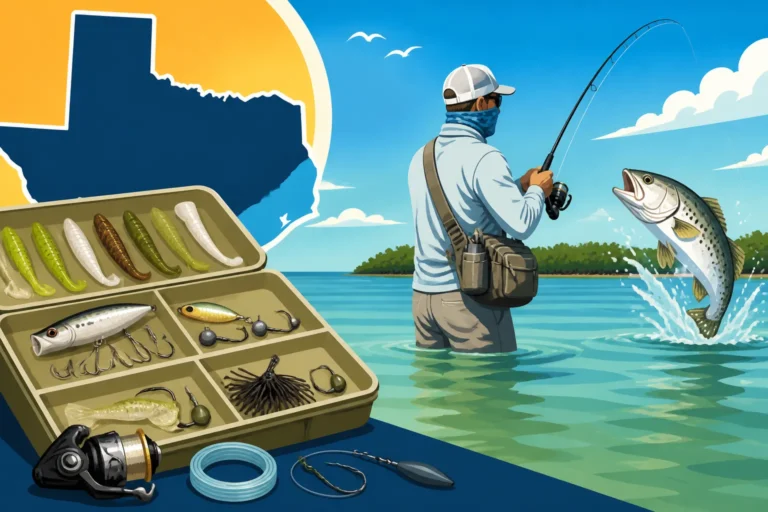
- Rod Holders: While many fishing kayaks come with molded-in or flush-mount rod holders, you might want adjustable, aftermarket ones for trolling, holding a second rod, or positioning your rod exactly where you need it. Brands like Scotty and Ram Mounts make excellent options.
- Fish Finder/GPS: This is a big one. A good fish finder can drastically improve your success by showing you depth, structure, and fish. Many models are designed specifically for kayak use, being compact and battery-efficient. The cost varies wildly depending on features like side imaging, down imaging, and built-in GPS mapping. Don't forget the cost of a dedicated battery and charger, which will also add to your budget.
- Tackle Management: You'll need dry bags or a fishing crate to keep your tackle organized and protected from water. Companies like YakAttack offer specialized crates and organizational systems for kayaks. A good Best dry bag for kayak fishing gear is invaluable for protecting electronics and personal items.
- Transportation Gear: Unless you live right on the water, you'll need a way to get your kayak to and from your fishing spot.
- Roof Rack: For car-topping, a proper roof rack and kayak cradles or J-bars are essential to safely transport your kayak without damaging your vehicle or the kayak.
- Kayak Cart/Trolley: These are lifesaesavers for moving a heavy kayak from your vehicle to the launch. A good quality cart can save your back and energy. If you're often launching alone, a Best kayak cart for launching solo can make a huge difference.
- Trailer: For heavier kayaks, especially pedal drive models, a small dedicated kayak trailer might be necessary, eliminating the need to lift the kayak onto a roof rack. This is a significant additional cost.
When budgeting, consider these accessory costs. They can easily add several hundred to over a thousand dollars to your total investment, depending on how fancy you get with your electronics and transportation setup.
Where to Find Your Perfect Fishing Kayak
Once you have a good handle on your budget and the type of kayak you're looking for, it's time to start shopping! You have several avenues, each with its own pros and cons regarding price, selection, and customer service.
Big Box Retailers and Sporting Goods Stores
Stores like Bass Pro Shops are fantastic starting points, especially if you want to see kayaks in person and talk to knowledgeable staff.
- Pros: Wide selection of popular models, often have kayaks on display you can sit in, staff can offer advice, and you can buy most of your accessories in one go. You might even find package deals that include a paddle or PFD. They also often have models that cater to specific regional needs, like those for Texas's diverse waters.
- Cons: Prices are typically MSRP (Manufacturer's Suggested Retail Price), though sales do happen. Stock can vary, and specialized high-end models might not be available.
- Brands you might find: Pelican, Lifetime, Ascend (Bass Pro Shops' house brand), Hobie, Old Town, and more. They often carry a good range of options, from entry-level to mid-range.
Specialty Kayak and Outdoor Shops
These independent stores often cater to paddling enthusiasts and can offer a more curated selection and expert advice.
- Pros: Highly knowledgeable staff who often paddle and fish themselves, broader selection of premium and niche brands, excellent customer service, and often offer demo days where you can try out a kayak on the water. They are a great resource for learning about different models and understanding the nuances of various designs.
- Cons: Typically higher prices than big box stores (though they may match online prices), fewer locations, and might not carry the absolute cheapest entry-level options.
Online Retailers
Websites like Amazon, the manufacturers' direct sites, and large outdoor gear retailers offer an enormous selection.
- Pros: Convenient browsing, often competitive pricing (especially for older models or during sales), customer reviews can be very helpful, and direct shipping to your home (though shipping costs for kayaks can be substantial).
- Cons: You can't physically see or sit in the kayak before buying, which is a huge drawback for such a significant purchase. Shipping can be expensive or limited for larger kayaks. Customer service can be less personal. Buying online is great for accessories, but for the kayak itself, I always recommend trying to sit in it first if possible.
- Brands you might find: Almost anything. From cheaper brands on Amazon to high-end models directly from manufacturer websites.
The Used Market
For the truly budget-conscious, or those looking for a premium kayak at a discount, the used market is a treasure trove.
- Pros: Significantly lower prices, you can often find high-end kayaks that would otherwise be out of reach, and sometimes they come bundled with accessories like paddles, PFDs, or fish finders.
- Cons: Limited selection, condition can vary wildly, no warranty, and you need to be very diligent in inspecting the kayak for damage (cracks, major oil canning, bent pedal drive components). You might also need to be quick to jump on good deals, as they don't last long.
- Where to look: Online marketplaces like Facebook Marketplace, Craigslist, local fishing forums, and even bulletin boards at local marinas or bait shops. Always try to meet in a public place, and bring a knowledgeable friend if you're not confident in inspecting a used kayak yourself.
Finding the right fishing kayak is a journey that involves balancing your budget, your fishing ambitions, and your comfort. Whether you go for a simple paddle kayak to start or invest in a full-blown pedal-powered fishing machine, the key is to be realistic about all the costs involved. Doing your homework and maybe even trying a few models through rentals or demo days will help ensure you make an informed decision and get the most out of your Texas fishing adventures.
Disclaimer
This article is for general informational purposes only and does not constitute professional advice. Laws, prices and regulations vary by location and change over time. Consult a qualified professional for guidance on your specific situation.