Best Tackle for Texas Saltwater Wade Fishing
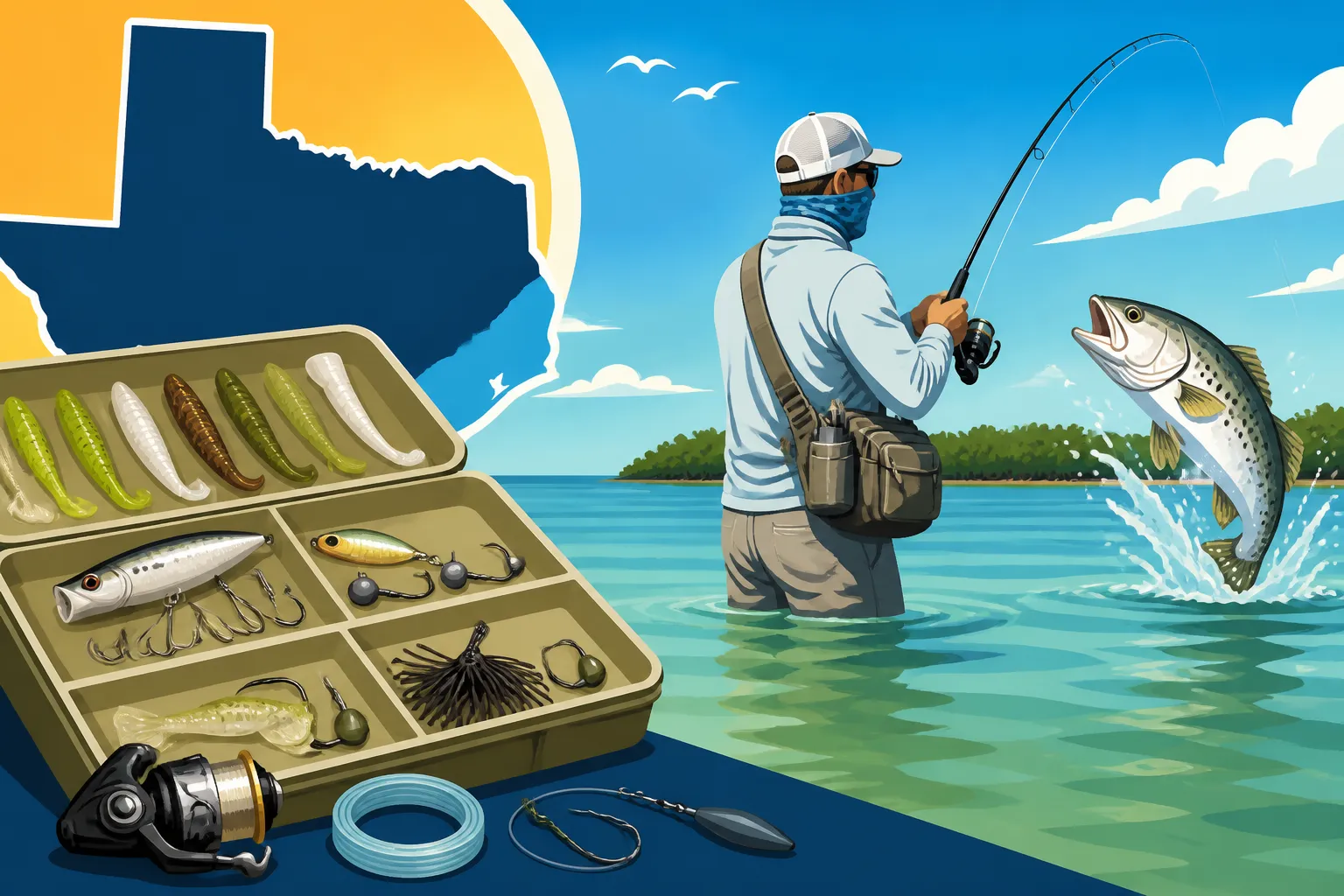
Ah, the serene yet exhilarating world of wade fishing on the Texas coast! There's nothing quite like feeling the sand beneath your feet, the salty breeze on your face, and the anticipation of a big redfish or speckled trout lurking just ahead. But let's be real, stepping into the bay with the wrong gear can turn a dream day into a frustrating struggle, leaving you battling tangled lines, missed strikes, and even uncomfortable conditions. This comprehensive guide is here to equip you with the absolute best tackle and essential gear specifically tailored for a successful and enjoyable saltwater wade fishing experience in the diverse waters of Texas.
Choosing the Right Rods for Texas Saltwater Wade Fishing
When you're out there on the flats, chest-deep in the bay, your rod isn't just a tool; it's an extension of your arm and your senses. It needs to be durable, sensitive, and capable of handling whatever the Texas coast throws your way, from subtle bites to powerful runs. The wrong rod can lead to fatigue, missed fish, and a general sense of exasperation, which is the last thing you want when you’re out enjoying the beautiful Texas coastline.
Rod Length, Power, and Action
For wade fishing, balance is key, and that starts with your rod's specifications. A rod that's too long or too short, too stiff or too flimsy, will hinder your casting and fighting ability. Think about the types of lures you'll be throwing and the species you're targeting. Most Texas wade anglers are primarily after speckled trout and redfish, both of which can put up a serious fight.
Generally, a rod in the 6'6" to 7'6" range is ideal. This length provides excellent casting distance, which is crucial for reaching those distant schools of bait or isolated potholes without spooking the fish. It also offers enough leverage to fight stronger fish while remaining manageable in the water, preventing the tip from dragging or getting caught on your person. When it comes to power, a medium to medium-heavy rod is usually perfect. This offers the backbone needed to set a hook firmly into a redfish's tough mouth or to turn a charging speckled trout, while still being limber enough to cast lighter artificials effectively. The action, which describes where the rod bends, should typically be fast to extra-fast. This means the rod bends mostly in the tip section, providing exceptional sensitivity for feeling subtle bites and excellent responsiveness for quick hook sets. If you're feeling every little bump and tic on your line, you're more likely to react quickly when a trout inhales your bait.
Material and Construction Considerations
The material your rod is made from significantly impacts its performance and durability in the harsh saltwater environment. Graphite rods are overwhelmingly popular among serious wade fishermen, and for good reason. They are incredibly lightweight, which is a huge benefit when you're casting all day, reducing arm fatigue and allowing you to fish longer. More importantly, graphite offers superior sensitivity, letting you feel everything from the texture of the bottom to the most tentative tap from a fish. High-modulus graphite rods amplify these qualities, providing an almost telepathic connection to your lure.
However, graphite can be more brittle than fiberglass, so a blend of graphite and fiberglass, often found in composite rods, can offer a nice compromise of sensitivity and durability, especially for anglers who might be a bit rougher on their gear or frequently fishing around oyster reefs or heavy cover. Regardless of the material, look for rods with high-quality components, such as stainless steel guides with ceramic inserts (like Fuji K-guides), which are essential for handling braided lines and resisting corrosion from saltwater. The reel seat should be robust and securely hold your chosen reel without wobbling. Paying a little extra for a well-built rod from a reputable brand will save you headaches and heartbreak in the long run. Many anglers find great options available through retailers like Bass Pro Shops, which often carry a wide array of specialized saltwater rods.
Selecting the Best Reels for Saltwater Wade Fishing
Just like your rod, your reel is going to take a beating in the saltwater environment. It's exposed to corrosive salt, abrasive sand, and the relentless pull of strong fish. Skimping on your reel will inevitably lead to grinding gears, sticky drags, and a prematurely retired piece of equipment. A reliable reel is paramount for enjoying those long days stalking the flats.
Corrosion Resistance and Smooth Drag
Saltwater is an incredibly corrosive force, and any reel you take wade fishing needs to be built to withstand it. Look for reels specifically designed for saltwater use, which means they'll feature sealed bearings, corrosion-resistant internal components, and durable exterior finishes. Many reels today incorporate advanced sealing technologies to prevent water and sand intrusion, which is absolutely critical when you're wading and the reel is constantly getting splashed or even briefly submerged. A reel with a good IPX (Ingress Protection) rating can offer peace of mind.
Equally important is a smooth, consistent drag system. When a big redfish decides to peel line, you need a drag that pays out smoothly without sticking or jerking, which can snap your line or pull the hook. Carbon fiber drag washers are a common feature in quality saltwater reels, known for their durability and smooth performance under pressure. A reel in the 2500 to 3000 size range is generally perfect for wade fishing, offering a good balance of line capacity for braided line, retrieve speed, and manageable weight. Brands like Shimano, Daiwa, and Penn are often highly recommended for their saltwater durability and drag systems. Don't be afraid to ask for recommendations at your local tackle shop, as they'll know what holds up best in our specific Texas waters.
Gear Ratio and Retrieve Speed
The gear ratio of your reel dictates how quickly you can retrieve your line with each turn of the handle. For most saltwater wade fishing scenarios, a versatile gear ratio is preferred, typically in the 5.0:1 to 6.2:1 range. This range offers a good balance, allowing you to work topwater lures at a brisk pace to create enticing actions, retrieve soft plastics with a moderate "swim," and still have enough power to fight a strong fish back to you. High-speed reels (6.2:1 or higher) are fantastic for quickly picking up slack line, which is crucial for staying in contact with a fish that might swim towards you or for making follow-up casts rapidly. They also excel when you need to burn a lure across the surface.
Conversely, a slightly lower gear ratio (around 5.0:1) can provide more cranking power, which is beneficial when you're fighting larger fish or slowly working a heavier lure along the bottom. Many anglers opt for a reel that leans slightly towards the higher speed to maximize their ability to work a variety of artificial baits effectively. Ultimately, the best gear ratio for you will depend on your preferred fishing style and the types of lures you most frequently throw. Experimentation and talking to other experienced wade fishermen can help you dial in your personal preference. Best Fishing Reels for Texas Anglers can give you even more insights into choosing the right one.
Line and Leader Systems for Stealth and Strength
Your line is the direct connection between you and the fish, and in wade fishing, where clear water and wary fish are common, it needs to be as invisible as possible while maintaining maximum strength and abrasion resistance. A good line and leader system can mean the difference between landing that trophy fish and telling a story about the one that got away.
Braided Main Line Advantages
For the main line on your spinning reel, braided line is almost universally recommended for Texas saltwater wade fishing. Its advantages are numerous and significant. First, braid has virtually no stretch, which provides incredible sensitivity. You'll feel every bump, tick, and subtle bite, even from a cautious trout mouthing your lure a hundred feet away. This sensitivity translates directly into more hook-ups. Second, braided line offers exceptional strength-to-diameter ratio. You can use a much thinner line for a given breaking strength compared to monofilament, which allows for longer casts and less wind resistance, both crucial for wade fishing expansive flats.
A common choice for wade fishing is 10-20 lb test braided line. The lighter end (10-15 lb) is great for smaller reels and situations where maximum casting distance and stealth are paramount, while the heavier end (15-20 lb) offers a bit more security when fishing around abrasive oyster shells or for targeting larger redfish. Popular brands like PowerPro, Sufix, and Berkley offer excellent braided lines. While braid is incredibly strong, it's also very visible to fish, which is why a leader is absolutely essential. Many anglers purchase their braided line from online retailers like Amazon, often finding competitive pricing and quick delivery.
Fluorocarbon Leader Material
Because braided line is so visible, a fluorocarbon leader is non-negotiable for wade fishing. Fluorocarbon has a refractive index very similar to water, making it nearly invisible once submerged. This stealth factor is critical for fooling wary redfish and speckled trout in clear bay waters. Beyond its invisibility, fluorocarbon is also much more abrasion-resistant than monofilament, providing a crucial buffer against oyster shells, barnacles, and the rough mouths of game fish.
The typical leader strength for wade fishing ranges from 20 to 30 lb test. For general trout and redfish, 20-25 lb is a solid all-around choice. If you're specifically targeting larger bull reds or fishing in areas with heavy structure, bumping up to 30 lb test can provide added confidence. The length of your leader is also important; aim for 2-4 feet. This length provides enough invisible line near your lure without making casting difficult, and it allows for several re-ties after snags or toothy encounters before needing to replace the entire leader. Brands like Seaguar and Berkley offer high-quality fluorocarbon leaders. Mastering a strong, reliable knot to connect your braid to your fluorocarbon leader, such as the FG knot or a Double Uni knot, is absolutely vital. Texas Saltwater Fishing Techniques delves deeper into these rigging strategies.
Essential Lures and Baits for Wade Fishing
The right lure can entice even the most finicky fish, and having a diverse selection is key to adapting to changing conditions and fish preferences on the Texas flats. Wade fishing often means covering a lot of ground, so portable and effective lures are your best friends.
Topwater Lures for Explosive Strikes
There’s nothing quite like the thrill of a redfish or speckled trout exploding on a topwater lure, especially when you can see the whole thing happen in shallow, clear water. Topwater lures are incredibly effective, particularly during low light conditions (dawn and dusk), on calm days, or when fish are actively feeding on the surface. "Walk-the-dog" style baits, like the Heddon Super Spook Jr. or MirrOlure She Dog, are staples in any Texas wade fisherman's tackle box. Their side-to-side sashaying action perfectly mimics a struggling baitfish, driving predatory fish wild.
Other effective topwater options include prop baits, which create a commotion on the surface with spinning blades, and poppers, which gurgle and splash. When selecting topwaters, consider natural baitfish colors like silver, bone, or chartreuse combinations. The key to using these lures effectively is a rhythmic retrieve, keeping slack out of your line, and imparting subtle twitches to create that irresistible walking action. Don't be afraid to pause your retrieve; sometimes that hesitation is all it takes to trigger a strike. Keep your treble hooks sharp and be ready for a fight, because those topwater strikes are often violent!
Soft Plastics and Jig Heads
Soft plastic lures rigged on jig heads are arguably the most versatile and consistently productive baits for Texas saltwater wade fishing. They can imitate a wide variety of baitfish and shrimp, and their action can be customized simply by changing the jig head weight or retrieve style. Paddle tail grubs, like the Egret Wedgetail or Z-Man DieZel MinnowZ, are fantastic for imitating swimming baitfish and create a lot of vibration. Jerk shads, such as the Saltwater Assassin Sea Shad or MirrOlure Provoker, are great for a more erratic, darting action.
Colors are crucial with soft plastics. Natural colors like "new penny," "pearl," "chartreuse," or "plum" are often go-to choices. However, don't be afraid to experiment with brighter colors in stained water or darker colors on cloudy days. Jig head weights typically range from 1/16 oz to 1/4 oz for wade fishing. Lighter jig heads (1/16-1/8 oz) are perfect for very shallow water or when fish are suspended, allowing the bait to sink slowly and naturally. Heavier jig heads (1/8-1/4 oz) are better for deeper water, strong currents, or when you need to make longer casts. Pairing the right jig head size with your soft plastic and retrieving it with a lift-and-drop, steady retrieve, or twitch-and-pause action will often yield excellent results. These baits are relatively inexpensive and can be bought in bulk from retailers like Amazon, making them a cost-effective choice for covering a lot of water. For more specific recommendations, check out Best Lures for a Texas Tackle Box.
Hard Baits and Live Bait Options
While soft plastics and topwaters dominate, having a few hard baits and the option for live bait can really round out your wade fishing arsenal. Suspending twitchbaits, like the MirrOlure MirrOdine or Paul Brown's Original Corky Fat Boy, are deadly in cooler water or when fish are holding tight to structure. They imitate a wounded baitfish perfectly, suspending tantalizingly in the water column during pauses. Spoons, especially gold or silver weedless spoons, are excellent for covering ground and fishing around grass beds without snagging. They cast a mile and flash enticingly as they wobble through the water.
When artificials aren't cutting it, or you simply prefer the natural approach, live bait can be a game-changer. Live shrimp are a universal fish magnet in Texas bays, effective for trout, redfish, flounder, and just about anything else that swims. You can freeline them, fish them under a popping cork, or use a small split shot to get them down. Live mullet, croaker, or finger perch are also prime baits for targeting larger redfish and trout. The challenge with live bait in wade fishing is carrying it effectively, often requiring a specialized bait bucket that floats or a portable aerated cooler. While artificials offer greater mobility, having live bait as a backup plan, especially for slow days, can make all the difference.
Essential Terminal Tackle for Wade Fishing
The little things often make the biggest difference, and nowhere is this more true than with terminal tackle. These are the small but critical components that connect your line to your lure or bait, and their quality and correct application are paramount for success.
Hooks and Jig Heads
Choosing the right hook for your specific bait or lure is essential. When using live bait, circle hooks are highly recommended, especially for catch-and-release, as they typically hook fish in the corner of the mouth, minimizing gut hooks. Sizes will vary based on your bait, but 2/0 to 4/0 are common for live shrimp or small baitfish. For artificials, the hooks are usually pre-rigged, but always check their sharpness and integrity. Replacing dull or bent treble hooks on topwater lures can drastically improve your hook-up ratio.
Jig heads are your soft plastic's best friend. As mentioned, 1/16 to 1/4 oz are standard weights for wade fishing. The hook size on the jig head needs to match the soft plastic body – typically a 1/0 to 3/0 hook for smaller plastics, and 4/0 to 5/0 for larger jerk shads or paddle tails. Look for jig heads with stout, sharp hooks that can withstand strong hooksets and the fight of a powerful fish. Lead jig heads are common and effective, but tungsten jig heads, though more expensive, offer increased sensitivity due to their density and a smaller profile for a given weight. Don't overlook weedless jig heads or swimbait hooks when fishing in grassy areas to minimize snags and frustration.
Swivels, Snaps, and Leader Lines
For most artificial lure presentations in wade fishing, minimizing terminal tackle directly attached to your leader is best for stealth. Many anglers prefer to tie their fluorocarbon leader directly to their lure with a strong knot like a loop knot (e.g., Rapala knot) for maximum action. However, there are times when snaps or small, high-quality swivels can be useful. A small, strong snap can allow for quick lure changes, which is beneficial when you're trying to quickly cycle through different baits to find what the fish are hitting. Ball bearing swivels can be useful when using lures that cause line twist, such as spoons, or when fishing live bait under a popping cork to prevent the leader from twisting around the main line.
The key is to use the smallest and lightest hardware possible to avoid inhibiting lure action or spooking fish. Always opt for dark, non-reflective finishes on snaps and swivels. When using a leader and main line, the connection knot is critical. The FG knot is a favorite among many saltwater anglers for its slim profile, strength, and ability to pass through rod guides smoothly. The Double Uni knot is another reliable option, though a bit bulkier. Practice these knots at home until you can tie them quickly and correctly, because a faulty knot is a sure way to lose a trophy fish.
Essential Wading Gear and Apparel
Wade fishing is inherently hands-on, and the right gear worn on your body can make a world of difference in your comfort, safety, and overall success. From protecting your feet to keeping your tackle organized, thoughtful gear selection is paramount.
Wading Boots and Foot Protection
This might be the most crucial piece of gear for any Texas wade fisherman. The bottoms of our bays are home to sharp oyster shells, jagged rocks, and, most importantly, stingrays. Stepping on a stingray is an excruciating experience that can quickly end your day and ruin your trip. High-quality wading boots or shoes with thick, puncture-resistant soles are non-negotiable. Look for boots that come up past your ankles for support and protection. Neoprene wading socks worn inside your boots can add an extra layer of comfort and protection, especially if you're going to be in the water for extended periods. Brands like Simms, Orvis, and other outdoor apparel companies offer excellent wading boot options designed for rugged use.
Many experienced wade anglers also incorporate a "stingray shuffle" technique when walking through the water, sliding their feet along the bottom instead of lifting them. This prevents you from stepping directly onto a ray, as they will usually swim away from the disturbance. Investing in solid footwear is an investment in your safety and enjoyment. Do not ever wade without proper foot protection in Texas saltwater.
Wading Belts, Stringers, and Tackle Management
A good wading belt isn't just for keeping your pants up; it's a critical safety device. Many wading belts are designed to provide extra buoyancy, acting as a personal flotation device in an emergency. They also cinch tightly around your waist, forming a seal with your shirt or waders that helps prevent water from filling your waders should you accidentally step into a deeper hole. Always wear your wading belt properly and securely.
For keeping your catch, a sturdy stringer is a must. Modern stringers often feature a clip or ring that attaches directly to your wading belt, keeping your fish close and secure. Look for stringers with a durable rope or cable and robust clips that won't rust in saltwater. If you plan to release fish, or prefer not to string them, a small, collapsible landing net can be handy for quickly subduing and unhooking fish. For tackle management, less is more when wade fishing. You'll want a small, waterproof tackle box or a couple of specialized wading boxes that fit securely in your wader pockets or clip to your belt. These should hold just the essential lures, jig heads, and terminal tackle you anticipate needing. A small waterproof dry bag can be invaluable for carrying your phone, keys, and other valuables. Companies like Bass Pro Shops offer a range of tackle management solutions specifically for wade anglers.
Safety and Comfort on the Texas Flats
Beyond the fishing tackle itself, your personal safety and comfort are paramount for an enjoyable and successful wade fishing trip. The Texas sun, variable weather, and inherent risks of being in the water demand careful preparation.
Sun Protection and Hydration
The Texas sun is no joke, especially when you're spending hours exposed on the open bay. Sun protection is absolutely vital to prevent sunburn, heat exhaustion, and long-term skin damage. Start with UPF-rated long-sleeve shirts and pants, which offer excellent sun protection. A wide-brimmed hat or a neck gaiter (buff) can protect your face, ears, and neck. High-quality polarized sunglasses are also a must. They not only protect your eyes from harmful UV rays but also drastically improve your ability to see fish, structure, and potential hazards beneath the water's surface. Best Sunglasses for Sight Fishing in Texas goes into more detail on how these can give you an edge.
Staying hydrated is equally important. Always carry plenty of water, even on cooler days. Insulated water bottles or hydration packs that can be clipped to your wading belt or carried in a small backpack are ideal. Electrolyte drinks can also be beneficial, especially during hot Texas summers, to help replenish what your body loses through sweat. Dehydration can quickly lead to fatigue, impaired judgment, and even heatstroke, so make hydration a priority.
First Aid and Communication
Accidents can happen even to the most careful angler. A basic, waterproof first-aid kit is an absolute must-have for wade fishing. It should include essentials like band-aids, antiseptic wipes, pain relievers, gauze, and any personal medications. Knowing how to treat minor cuts, scrapes, or stings (like from a jellyfish) quickly can prevent them from becoming bigger issues and allow you to continue your day safely.
Communication is another critical safety component. Always let someone know where you're going and when you expect to return. Carry a fully charged cell phone in a waterproof case or dry bag. While cell service can be spotty in some remote areas, it's invaluable in an emergency. A small whistle attached to your PFD or wading belt can be used to signal for help if you're in distress. For those venturing further offshore or into very remote areas, a personal locator beacon (PLB) or satellite messenger might be a worthwhile investment. Never wade fish alone, especially in unfamiliar waters or challenging conditions. Having a fishing buddy makes the experience more enjoyable and significantly safer.
Wading Safety Tips
Beyond the gear, practicing smart wading habits can greatly enhance your safety. Always be aware of the tide, current, and weather conditions. A strong outgoing tide can make wading challenging, and sudden changes in weather can create dangerous situations. Pay attention to the bottom contour; use a wading staff or your rod to probe the bottom ahead of you to avoid unexpected drop-offs or deep holes. The Texas coast can be deceptive, with shallow flats quickly transitioning to deeper channels or sloughs.
If you encounter soft mud or "gumbo," shuffle your feet gently rather than lifting them to avoid getting stuck. If you do find yourself bogged down, try to keep calm, lean back, and slowly work your feet free. Never panic and thrash, as this can embed you deeper. Having a partner who can assist you is another reason why fishing with a buddy is so important. By combining the right gear with smart safety practices, you can focus on the fishing and fully enjoy the incredible wade fishing opportunities that the Texas coast offers. Remember, knowing Texas Fish Bag and Length Limits and keeping an eye on local regulations is also part of being a responsible angler.
| Gear Category | Item | Key Considerations for Wade Fishing | Brands to Consider (Examples) |
|---|---|---|---|
| Rods | Spinning Rod | 6'6" – 7'6" length, Medium to Medium-Heavy power, Fast to Extra-Fast action, Graphite material for sensitivity. | St. Croix, G. Loomis, Falcon, Waterloo, Shimano |
| Reels | Spinning Reel | 2500-3000 size, sealed and corrosion-resistant, smooth carbon fiber drag, 5.0:1 – 6.2:1 gear ratio. | Shimano, Daiwa, Penn, Quantum |
| Line | Braided Main Line | 10-20 lb test, high strength-to-diameter ratio, no stretch for sensitivity. | PowerPro, Sufix, Berkley, P-Line |
| Fluorocarbon Leader | 20-30 lb test, 2-4 ft length, nearly invisible in water, high abrasion resistance. | Seaguar, Berkley, Yo-Zuri | |
| Lures | Topwater Lures | "Walk-the-dog" style (e.g., Super Spook Jr.), prop baits, poppers. | Heddon, MirrOlure, Tsunami, One Knocker |
| Soft Plastics | Paddle tails (e.g., Wedgetail), jerk shads (e.g., Sea Shad), various colors. | Egret Baits, Z-Man, Saltwater Assassin, Gulp! | |
| Jig Heads | 1/16 – 1/4 oz, stout sharp hooks, various hook sizes to match plastics. | VMC, TT Lures, Z-Man, DOA | |
| Wading Gear | Wading Boots/Shoes | Puncture-resistant soles, ankle support, comfortable for long walks. | Simms, Orvis, Hodgman, Patagonia |
| Wading Belt | Buoyancy for safety, tight fit, secure attachment points for stringer/accessories. | NRS, Astral, Fishpond, Orvis | |
| Tackle Storage | Small waterproof tackle boxes, wading bags, dry bags for valuables. | Plano, Bass Pro Shops, Yeti, Simms | |
| Safety/Comfort | Polarized Sunglasses | UV protection, amber/gray lenses for shallow water sight fishing. | Costa Del Mar, Maui Jim, Oakley |
| Sun Protection | UPF-rated clothing, wide-brimmed hat, neck gaiter, sunscreen. | Columbia, Huk, Simms, Outdoor Research | |
| Hydration | Insulated water bottle, hydration pack. | Hydro Flask, CamelBak, Yeti | |
| First-Aid Kit | Waterproof, basic supplies (band-aids, antiseptic, pain relief). | Adventure Medical Kits, waterproof dry bag kit |
Disclaimer
This article is for general informational purposes only and does not constitute professional advice. Laws, prices and regulations vary by location and change over time. Consult a qualified professional for guidance on your specific situation.