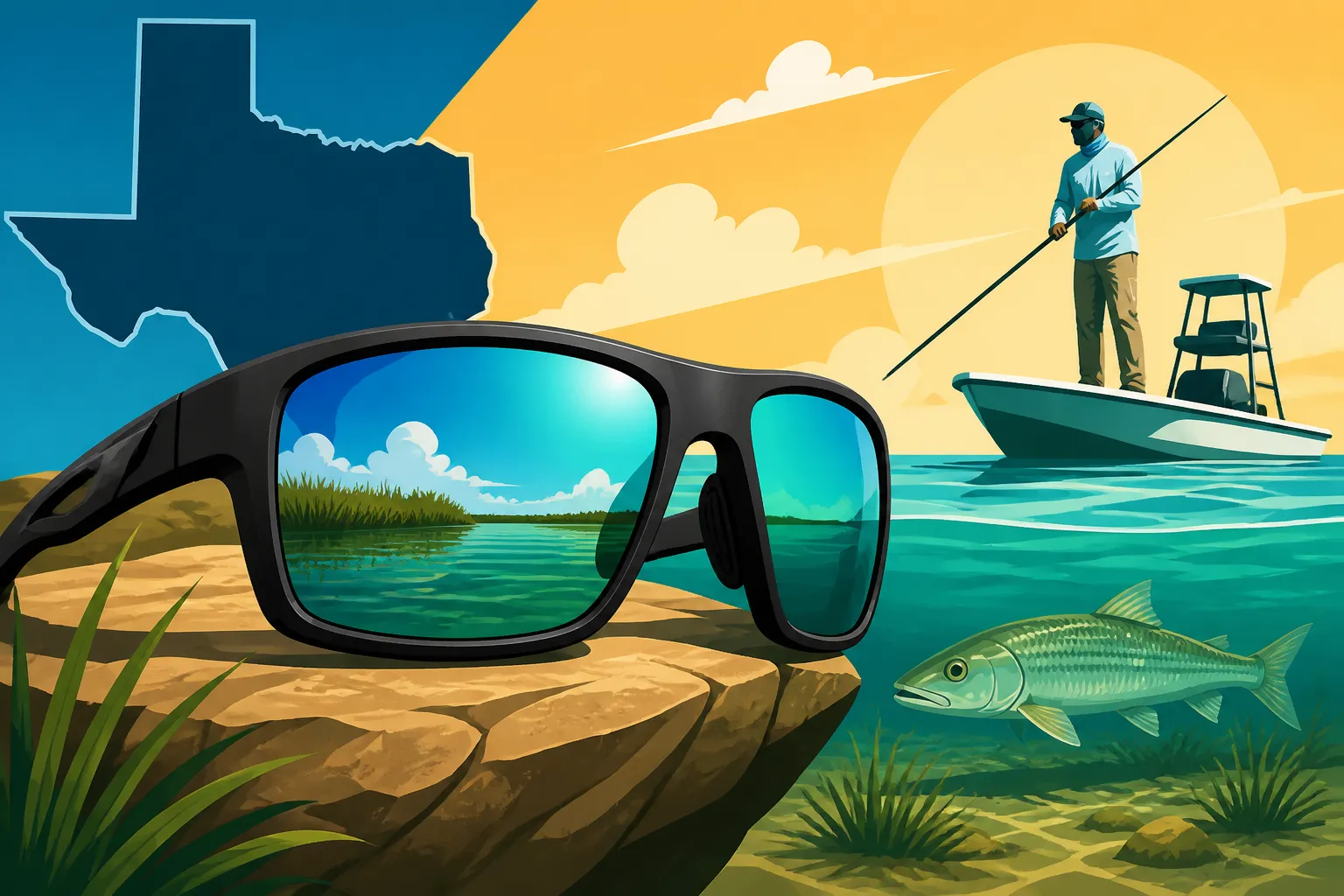
Best Sunglasses for Sight Fishing in Texas
One of the most frustrating things about fishing in Texas, especially when you're trying to spot fish in clear water or along the shallows, is battling relentless glare. That blinding shimmer off the water's surface can turn what should be an exciting sight-fishing opportunity into a frustrating guessing game. This comprehensive guide will cut through the confusion, helping you understand exactly what to look for in the best sunglasses to give you a true advantage on the water.
Why Quality Sunglasses are Absolutely Critical for Texas Sight Fishing
You might think any old pair of sunglasses will do, but when you're sight fishing in Texas, that couldn't be further from the truth. The intense sun, wide-open spaces, and often clear water conditions across our lakes, rivers, and coastal flats demand more than just basic eye protection. Without the right pair, you're not just missing fish; you're also putting your eyes at risk and reducing your overall enjoyment of the sport.
The Problem of Glare on Texas Waters
Imagine you're stalking redfish in a shallow bay or trying to spot a cruising largemouth bass along a clear lakebed. You know they're there, but every ripple, every glint of sunlight bouncing off the surface, creates a blinding mirror effect. This isn't just annoying; it literally obscures your view into the water, making it impossible to see structure, movement, or even the fish themselves. This is where glare becomes your biggest enemy. It's not just sunlight; it's light reflecting off flat surfaces like water, creating horizontal waves of light that scatter and overwhelm your vision. In Texas, where the sun can be brutal from dawn till dusk, this glare is a constant adversary. For those moments when you're trying to make a precise cast to a fish you've spotted, or navigate tricky shallow water, glare can completely ruin your day.
The frustration is palpable when you hear your buddy call out, "Did you see that redfish cruising by that grass line?" and all you saw was a blinding sheet of light. It takes away the tactical advantage and the sheer joy of the hunt. This is particularly true when you are trying to perfect techniques like How to Sight Cast for Redfish or when you're fishing in pristine, clear bodies of water. The right sunglasses don't just reduce glare; they eliminate it, letting your eyes penetrate the water's surface as if it were glass.
Eye Health and Strain for the Dedicated Angler
Beyond just seeing fish, protecting your eyes is paramount. Long hours on the water, especially under the intense Texas sun, expose your eyes to harmful UVA and UVB rays. Over time, this exposure can lead to serious eye conditions like cataracts and macular degeneration. Regular sunglasses might offer some UV protection, but they often lack the comprehensive coverage and glare reduction needed for prolonged outdoor activity. Squinting against the sun and glare all day also leads to significant eye strain, headaches, and overall fatigue, cutting your fishing trip short or making the experience miserable.
Think about a full day of chasing fish on Best Fishing Spots for Wade Fishing in Texas or navigating the expansive Best Kayaks for Texas Saltwater Flats. Your eyes are constantly working, adjusting to varying light conditions, and trying to focus through a shimmering surface. Without proper protection, you'll feel the burn and strain by midday. Investing in quality fishing sunglasses is an investment in your long-term eye health and your ability to enjoy fishing for many years to come. It’s not just about comfort; it's about preserving your vision.
Key Features to Look for in Sight Fishing Sunglasses
When you're trying to pick out the perfect pair of shades for battling the Texas glare, it’s not just about how cool they look on your face. There are some serious technical features that make all the difference between a decent pair and a game-changing tool. Let’s dive into what truly matters for cutting through the water and protecting your peepers.
Understanding Polarization: The Core Technology
This is, hands down, the single most important feature for sight fishing. Polarization works by filtering out horizontal light waves, which are the primary cause of glare reflecting off flat surfaces like water. Imagine light traveling in all directions, and then hitting the water's surface; some bounces back horizontally, creating that blinding shimmer. Polarized lenses have a special filter that blocks these horizontal waves, allowing only vertical light to pass through. The result? That mirror-like glare disappears, and you can see directly into the water, spotting fish, submerged structure, and subtle changes in depth with remarkable clarity.
Without polarization, even dark lenses will just make everything darker, forcing you to squint and still battle the glare. With truly effective polarized lenses, like those found at a reputable outdoor retailer such as Bass Pro Shops, you’ll suddenly see the world beneath the surface of the water open up. You'll be able to make out a log that was previously invisible, or track a bass swimming along a weed line. This ability to see into the water is what transforms your fishing experience from guessing to strategic targeting, especially when trying to discern the nuances of How to Fish Clear Water Lakes in Texas. Always double-check that the sunglasses explicitly state "polarized" and don't confuse them with mere UV protection, which is good but doesn't handle glare.
Superior UV Protection: Shielding Your Eyes from the Sun
While polarization tackles glare, UV protection is all about safeguarding your eyes from harmful ultraviolet radiation. The sun in Texas is no joke, and prolonged exposure to UVA and UVB rays can cause irreversible damage to your eyes over time. Look for sunglasses that offer 100% UV protection or block UV400, which means they block all light rays with wavelengths up to 400 nanometers. This covers both UVA and UVB rays, giving your eyes the comprehensive shield they need.
It’s crucial to understand that UV protection and polarization are distinct features, though most quality fishing sunglasses will include both. You can have non-polarized lenses with 100% UV protection, and while they'll protect your eyes from the sun's damaging rays, they won't cut the glare on the water. For serious sight fishing, you absolutely need both. Think of UV protection as your sunscreen for your eyes – non-negotiable for long days under the Texas sky, especially during hot periods when you might be out there How to fish during a Texas heat advisory.
Lens Material and Durability: Built for the Bumps and Drops
Fishing can be rough on gear, and sunglasses are no exception. They get dropped, scratched, stepped on, and generally put through the wringer. This is why lens material and overall durability are so important. The two most common lens materials are polycarbonate and glass.
- Polycarbonate lenses are lightweight, impact-resistant, and more affordable. They are an excellent choice for anglers who are prone to dropping their glasses or who need maximum safety from errant hooks or lures. While generally scratch-resistant, they can still scratch if not cared for properly.
- Glass lenses offer superior optical clarity and are highly scratch-resistant, but they are heavier and can shatter upon impact. Many anglers swear by the clarity of glass, especially those who spend hours meticulously scanning the water. However, the risk of breakage is a real concern if you're particularly active or clumsy on the boat or shore.
Beyond the lens, consider the coatings. Hydrophobic coatings repel water, making raindrops and spray bead off, while oleophobic coatings resist oils and smudges, keeping your vision clearer. An anti-reflective (AR) coating on the inside of the lens can also prevent light from bouncing off the back of the lens into your eye, which is another source of distraction. The right combination of materials and coatings ensures your sunglasses can stand up to the rigors of a Texas fishing adventure.
Understanding Lens Colors and Their Applications
Choosing the right lens color is like picking the right lure for the conditions – it can make a huge difference in your success. Different tints are designed to enhance contrast, clarity, and depth perception under specific lighting and water conditions. What works perfectly on a sunny day in clear saltwater might be detrimental in an overcast, murky freshwater lake.
Gray Lenses: All-Purpose for Bright Days
Gray lenses are often considered the most versatile and natural-looking option, making them an excellent all-around choice for many Texas anglers. They reduce overall brightness without distorting colors, so everything you see maintains its true hue. This makes them ideal for bright, sunny days, whether you're out on a sprawling reservoir or navigating the dazzling glare of the Gulf Coast. If you only plan to own one pair of fishing sunglasses, a good gray lens is often the safest bet.
These lenses are fantastic for reducing eye fatigue over long periods in intense sun. They cut down the total light transmission significantly, allowing your eyes to relax. While they excel in bright conditions, they might not offer the same level of contrast enhancement in low light or heavily overcast situations as some other colors. For someone primarily fishing wide-open lakes or the coast on typical sunny Texas days, gray lenses provide consistent performance and comfort, helping you spot everything from a distant breaking school of white bass to structure on a bright flat. They are particularly useful when conditions are consistent and you don't need highly specialized contrast.
Brown/Amber Lenses: Boosting Contrast in Varying Conditions
Brown and amber lenses are champions of contrast, making them incredibly popular among sight fishermen, especially in freshwater or varied coastal environments. These tints enhance reds, greens, and browns, which are often the colors of fish, vegetation, and structure underwater. They’re excellent for medium to low light conditions, or when there's a mix of sun and clouds. If you're fishing a lake with stained water, or trying to pick out subtle differences in bottom contour, a brown or amber lens can be a game-changer.
Imagine fishing in a tannin-stained East Texas lake; a brown lens will make that submerged timber or brush pile "pop" into view, where a gray lens might just make everything appear darker. They provide exceptional depth perception, helping you judge distances underwater more accurately. This makes them invaluable for targeting species that hold tight to structure or for navigating murky waters. Many anglers find these lenses superior for early morning or late afternoon fishing, or on overcast days when you need all the help you can get cutting through less-than-ideal light. They are fantastic when you’re trying to use Best Lure Colors for Stained Water effectively because they help those colors stand out underwater.
Green Mirror Lenses: Enhancing Definition in Bright Coastal Waters
Green mirror lenses are essentially a brown/amber base lens with a reflective green coating on the outside. This combination gives you the best of both worlds: the contrast enhancement of the brown/amber tint, plus an extra layer of glare reduction from the mirror coating. The green mirror is particularly effective in extremely bright conditions, often favored by saltwater anglers. The mirror coating reflects even more light away from your eyes, further reducing eye strain and glare.
When you're out on the Texas coast, perhaps wade fishing for redfish on a brilliant sunny day, a green mirror lens will help you penetrate the water with incredible clarity. It excels at defining edges and enhancing natural colors, making it easier to spot fish camouflaged against seagrass or sandy bottoms. This specialized tint helps immensely in situations demanding precise vision over vast, bright expanses of water. Many high-performance fishing sunglasses, often available through online retailers like Amazon or specialized fishing tackle shops, will feature this lens color for serious saltwater enthusiasts.
Yellow/Copper Lenses: Low Light and Overcast Performance
While not as common for general bright-day fishing, yellow or copper lenses shine in specific, challenging conditions: very low light, heavy overcast days, or even fog. These lenses are designed to brighten your field of view and significantly boost contrast, making details more visible when there's minimal ambient light. They filter out blue light, which can scatter and cause haze, resulting in a sharper, clearer image.
If you find yourself fishing a lot at dawn, dusk, or on consistently cloudy days, a yellow or copper lens can provide a distinct advantage. They are not suitable for bright sunlight as they can be too intense and even cause eye fatigue. However, for those specific moments when every bit of light gathering and contrast enhancement counts – perhaps when How to fish topwater lures early in the morning and the sun hasn't fully broken through – these lenses can dramatically improve your ability to see what's happening beneath the surface. They’re often a secondary, specialized pair for dedicated anglers who want to maximize their vision in all conditions.
Frame Materials and Styles for Durability and Comfort
Beyond the lenses, the frame of your sunglasses plays a massive role in their performance, durability, and comfort. A fantastic lens is useless if the frame falls apart, slips off your face, or causes discomfort after an hour on the water. Texas anglers need frames that can withstand heat, sweat, saltwater, and the occasional bump or drop.
Lightweight and Durable Frame Materials
The material of your sunglass frame directly impacts its weight, flexibility, and overall toughness. You want something that can take a beating without feeling heavy on your face.
-
Nylon/Grilamid TR-90: This is perhaps the most common and popular material for fishing sunglass frames. Nylon frames are incredibly lightweight, flexible, and durable. Their flexibility makes them resistant to breaking, bending, or deforming under stress, which is perfect for active anglers. They can also withstand extreme temperatures, meaning they won't warp in the scorching Texas summer sun or become brittle in colder weather. Many top brands use Grilamid TR-90, a high-quality thermoplastic, for its superior strength-to-weight ratio and ability to retain its shape. This material is excellent for creating frames that stay comfortable for hours, making them ideal for long days out on Lake Fork Fishing Guide or the bays.
-
Propionate: Another type of plastic, propionate is a bit stiffer and heavier than nylon but still offers good durability and a comfortable feel. It's often used in frames that require a more rigid structure or a specific aesthetic. While not as flexible as nylon, propionate frames can still be a good choice for anglers who prefer a more traditional, solid feel to their eyewear.
-
Metal (e.g., Titanium, Monel): While less common for dedicated fishing sunglasses due to weight and potential for corrosion (especially in saltwater), some anglers prefer metal frames for their sleek look and perceived durability. If you opt for metal, ensure it's corrosion-resistant, like titanium, and designed for active use with comfortable nose pads and temple tips. Generally, for serious fishing, plastic composites like nylon are usually the superior choice for practical reasons.
Secure Fit and Wrap-Around Design
A sunglass frame's fit and style are crucial for both comfort and effective glare protection. You don't want your shades slipping down your nose every time you sweat or turn your head.
-
Wrap-Around Design: This style is highly recommended for fishing because it provides maximum peripheral protection. The lenses extend around the sides of your face, blocking light and glare from sneaking in through the sides. This is critical for sight fishing, as even a small amount of peripheral light can diminish the effectiveness of your polarized lenses and cause distractions. A good wrap-around fit also helps protect your eyes from wind, dust, and even stray splashes of water.
-
Secure Fit: Look for frames with rubberized nose pads and temple tips. These materials grip your skin, preventing the sunglasses from sliding off your face, especially when you're sweating profusely in the Texas heat. Many frames also feature integrated spring hinges that allow for a bit of flex, ensuring a snug yet comfortable fit on a variety of head sizes without pinching. Trying on sunglasses is incredibly important to ensure a secure, comfortable fit that won't distract you during a long day of casting and reeling. You can often find a wide selection of styles and sizes to try in person at stores like Bass Pro Shops.
Ventilation and Comfort Features
Fishing in Texas can get hot and humid, and uncomfortable sunglasses can quickly ruin a day. Good ventilation and thoughtful comfort features can make all the difference.
-
Ventilation: Some high-performance fishing sunglasses incorporate small vents in the frames, typically near the temples or above the lenses. These vents help prevent fogging, which can be a real issue when transitioning from air conditioning to humid outdoor conditions, or simply from heavy exertion. Fogged-up lenses are not only annoying but can be dangerous, obscuring your vision at critical moments.
-
Comfort: Look for lightweight designs that minimize pressure points. Adjustable nose pads are a huge bonus, allowing you to customize the fit to your face and prevent the frames from resting uncomfortably on your nose. The overall balance of the sunglasses is also important; they should feel secure without being too tight or heavy on any part of your face. For extended wear, especially if you're wearing a hat, the temple arms should be thin enough to fit comfortably without causing pressure headaches. These small details contribute significantly to your overall comfort and ability to focus on the fishing, not on your eyewear.
Care and Maintenance for Longevity
You've invested in a quality pair of sight fishing sunglasses, and you want them to last. Just like your favorite rod and reel, they need a little love and proper care to ensure they perform at their best and stand up to the rigors of frequent use in the challenging Texas environment. Neglecting them can quickly lead to scratched lenses, loose frames, and diminished performance.
Proper Cleaning Techniques to Avoid Scratches
It might seem obvious, but how you clean your lenses can be the difference between crystal-clear vision and a perpetually smudged, scratched mess. Never, ever wipe your lenses with your shirt, a paper towel, or any abrasive material, especially when they're dry. Dust, salt spray, or grime on the lens can act like sandpaper when rubbed, creating micro-scratches that degrade optical clarity.
The best method involves a two-step process:
- Rinse First: If your lenses have dried salt spray, dirt, or sand on them, always rinse them thoroughly under lukewarm running water. This dislodges any abrasive particles without rubbing them across the lens surface. If you're out on the water, a bottle of fresh water works in a pinch.
- Gentle Cleaning: After rinsing, use a mild lens cleaning spray designed for optics (many sunglass brands sell their own, or you can find general-purpose options) and a clean, soft microfiber cloth. Gently wipe the lenses in a circular motion. If you don't have spray, a drop of mild dish soap and water can work, followed by a thorough rinse. Make sure the microfiber cloth is dedicated only to your lenses and is washed regularly to remove embedded dirt. This technique ensures maximum clarity and prevents those annoying swirl marks that can accumulate over time.
Safe Storage to Protect Your Investment
Where you store your sunglasses when you're not wearing them is just as important as how you clean them. Leaving them loose in a tackle box, tossed on a boat deck, or crammed into a console compartment is a surefire way to invite scratches and damage.
- Hard Case: Always store your sunglasses in a hard, protective case. This shields them from impacts, pressure, and abrasive contact with other gear. Many quality sunglasses come with a good case, or you can purchase one separately. Keep this case accessible, so it's easy to use every time you take your shades off.
- Microfiber Pouch: Many sunglasses also come with a soft microfiber pouch. While this isn't enough protection against impact, it's great for keeping dust off your lenses when inside the hard case, or for a quick, gentle wipe if the lenses are already clean.
- Avoid Extreme Temperatures: Don't leave your sunglasses on the dashboard of your car or boat in direct sunlight, especially in Texas. Intense heat can warp plastic frames and even damage lens coatings. Similarly, rapid temperature changes can stress lens materials. A cool, dry place is always best. Taking these simple steps, just like you would with your most valuable fishing reels, ensures your sunglasses will be ready for action every time you hit the water.
Addressing Common Issues: Loose Screws and Salt Build-Up
Even with the best care, fishing sunglasses face unique challenges. Being proactive about these common issues will extend their life.
- Loose Screws: Over time, the tiny screws in sunglass hinges can loosen from vibration and repeated opening/closing. Most quality sunglasses come with a small repair kit, often including a mini screwdriver. Periodically check these screws and gently tighten them. Don't overtighten, as you could strip the screw or damage the frame. If you notice a hinge feeling wobbly, address it immediately before a screw falls out and is lost forever.
- Salt Build-Up: For those who frequently fish the Texas coast, salt can accumulate in hinge mechanisms and around the lens edges. This can lead to stiffness, corrosion, and even structural damage. After saltwater use, always rinse your sunglasses thoroughly with fresh water. Pay extra attention to the hinges, gently flexing them to allow water to flush out any salt crystals. A quick spray of silicone lubricant (safe for plastics) in the hinges can also help keep them moving smoothly and prevent corrosion, but ensure it's a product that won't damage plastics or lens coatings. Regular rinsing, especially after a day of Texas Saltwater Fishing Techniques, is your best defense against salt-related wear and tear.
Top Considerations When Buying Sunglasses
Choosing the perfect pair of fishing sunglasses isn't just about technical specs; it's also about personal preference, budget, and making sure they actually work for your face and fishing style. It’s a bit like picking out Best Fishing Rods for Texas Anglers – you need to consider what feels right in your hand and performs best in your specific conditions.
The Importance of Trying Them On (Seriously!)
This might seem basic, but it's probably the most overlooked step. You wouldn't buy a fishing rod without holding it, would you? Sunglasses are the same. Fit is paramount for comfort, effectiveness, and preventing fatigue. A poorly fitting pair can cause headaches, constantly slip down your nose, or allow light to seep in from the sides or top, defeating the purpose of polarization.
When you try them on, pay attention to:
- Nose bridge fit: Do they sit comfortably on your nose without pinching or sliding down? Adjustable nose pads are a huge plus here.
- Temple arm pressure: Do the arms feel too tight behind your ears or temples? You want a snug fit that doesn't cause pressure points over time.
- Weight distribution: Do they feel balanced, or heavy on one side? Lightweight frames are a blessing for long fishing days.
- Peripheral vision: Does the wrap-around design truly block light from the sides? Any gaps mean glare can still get in.
- Hat compatibility: If you wear a fishing hat, make sure the sunglasses fit comfortably underneath without pushing on your ears or temples.
Visiting a store like Bass Pro Shops or a dedicated eyewear retailer can provide you with a wide selection to try on in person. Walk around, shake your head, mimic casting motions – ensure they stay put and feel good. What looks good online might feel terrible on your face.
Balancing Budget and Quality
Fishing sunglasses can range from surprisingly affordable to eye-wateringly expensive. It's easy to get caught up in the hype, but finding the right balance between cost and quality is key.
- Entry-Level (Under $50-75): You can find polarized options in this range, often from brands available on Amazon. They might offer decent glare reduction and UV protection, but often compromise on lens clarity, frame durability, and advanced coatings. These can be a good starting point for casual anglers or as a backup pair. However, don't expect them to stand up to heavy abuse or offer truly superior optics.
- Mid-Range ($75-200): This is often the sweet spot for many serious anglers. Here you'll find brands known for their quality polarized lenses (often polycarbonate), durable nylon frames, and good UV protection. You'll notice a significant improvement in optical clarity and build quality compared to entry-level options. Many anglers find this range provides excellent performance and value for regular use.
- Premium ($200+): These are the top-tier options, often featuring glass lenses for unparalleled optical clarity, advanced proprietary polarization technologies, superior scratch resistance, and highly durable, ergonomic frames. They might include hydrophobic, oleophobic, and anti-reflective coatings as standard. While a significant investment, for the dedicated angler who spends countless hours sight fishing, the enhanced vision, comfort, and longevity can be well worth the price.
Remember, the most expensive pair isn't always the "best" for you. Consider how often you fish, the conditions you fish in, and what features truly benefit your style. A great mid-range pair might outperform a premium pair that doesn't fit your face correctly.
Assessing Your Primary Fishing Environment (Freshwater vs. Saltwater)
While many sunglasses are versatile, your primary fishing environment in Texas can influence your best choice.
-
Saltwater Fishing: If you spend most of your time on the coast, targeting redfish, speckled trout, or flounder, you'll face intense sun, extreme glare, and corrosive salt spray. Look for:
- Green mirror or gray lenses: Excellent for bright, open water.
- Hydrophobic coatings: Essential for repelling saltwater and spray.
- Corrosion-resistant materials: Especially if any metal components are present (though nylon is still preferred).
- Robust wrap-around frames: To block maximum peripheral light and offer protection from the elements.
Having sunglasses specifically designed for saltwater use can make a huge difference in clarity and durability in a harsh coastal environment. Texas Saltwater Fishing Regulations can also guide you to the types of fishing where these lenses become indispensable.
-
Freshwater Fishing: Lakes and rivers often present more varied light conditions, from bright, open reservoirs to shaded, tree-lined creeks or tannin-stained waters. You might also encounter clearer water for species like bass or crappie.
- Brown/amber lenses: Often preferred for enhancing contrast and seeing structure in varied light and stained water.
- Gray lenses: Still a solid choice for sunny days on large, clear reservoirs.
- Polycarbonate lenses: Often favored for their impact resistance if you're fishing around docks, trees, or rocky banks where drops are more likely.
While general-purpose fishing sunglasses work well, tailoring your lens color to the typical water clarity and light levels of your favorite freshwater spots (like Lake Fork Fishing Guide or Sam Rayburn Reservoir Fishing Guide) can give you a significant advantage.
No matter where you cast your line in Texas, the right pair of sunglasses isn't just a fashion statement; it's a critical piece of gear that enhances your vision, protects your eyes, and ultimately makes you a more effective and comfortable angler.
| Feature | Importance for Texas Sight Fishing | Key Benefits | Best Lens Colors |
|---|---|---|---|
| Polarization | Essential (Highest Priority) | Eliminates glare, allows vision into water, reduces eye strain. | All colors (function of lens, not tint). |
| 100% UV Protection | Critical | Protects eyes from harmful UVA/UVB rays, prevents long-term damage. | All colors (function of lens material/coating). |
| Lens Material | High | Durability, optical clarity, impact resistance. | Polycarbonate (impact) / Glass (clarity) |
| Frame Material | High | Lightweight, flexible, durable, heat-resistant. | Nylon/Grilamid TR-90 |
| Wrap-Around Design | High | Blocks peripheral light/glare, offers wind/splash protection. | N/A (frame style). |
| Rubberized Grips | High | Prevents slipping from sweat, ensures secure fit. | N/A (frame feature). |
| Lens Color: Gray | Versatile, consistent. | Reduces brightness, true color perception, good for bright sun. | Bright, open water; general purpose. |
| Lens Color: Brown/Amber | Contrast-boosting. | Enhances contrast, improves depth perception, good for varied light/stained water. | Varied light, overcast, stained freshwater, inshore saltwater. |
| Lens Color: Green Mirror | Specialized for bright. | Maximum glare reduction, high contrast, ideal for intense sun. | Very bright coastal/open water. |
| Lens Color: Yellow/Copper | Specialized for low light. | Brightens vision, boosts contrast in low light, fog, overcast. | Dawn/dusk, heavily overcast, foggy. |
Disclaimer
This article is for general informational purposes only and does not constitute professional advice. Laws, prices and regulations vary by location and change over time. Consult a qualified professional for guidance on your specific situation.