Best fishing spots for wade fishing in Texas
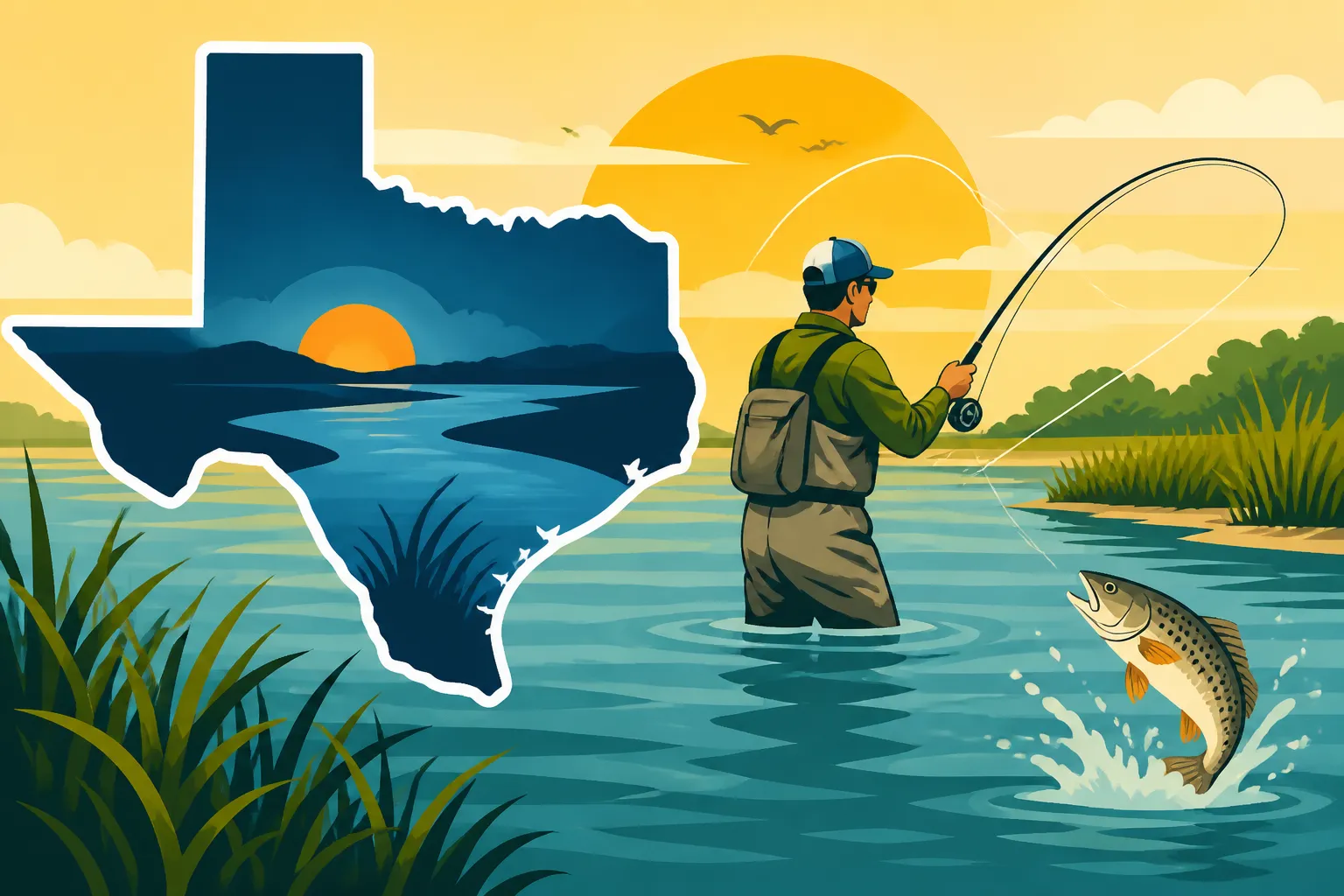
There's nothing quite like the feeling of the salty Texas bay water lapping at your waders as you stealthily stalk redfish and speckled trout. For many of us, the idea of getting out on the water often conjures images of expensive boats and complicated gear, but the truth is, some of the most rewarding angling experiences come from simply wading into the shallows. However, knowing where to wade can be the biggest challenge, especially with our vast coastline. This guide is all about uncovering those prime Texas wade fishing spots, helping you step into the perfect shallow-water adventure.
Why Wade Fishing is a Game Changer in Texas
When you think about fishing, a boat often comes to mind, right? But here in Texas, especially along our extensive coast, there's a whole other world of opportunity waiting for you if you're willing to get your feet wet – literally. Wade fishing isn't just a different technique; it's an immersive experience that connects you to the environment in a way a boat just can't.
The Undeniable Appeal of Getting in the Water
One of the biggest draws of wade fishing is the stealth factor. Imagine being able to approach a schooling group of redfish or a pothole holding a monster trout without the noise of a trolling motor or the slap of waves against a hull. When you're wading, you become part of the environment, moving slowly and quietly, which can make all the difference in spooky, clear shallow water. This quiet approach often translates to more bites from fish that might otherwise be scared off. It's about blending in, becoming a less intrusive predator, and experiencing the bay on its own terms.
Beyond stealth, there's a unique sense of accomplishment when you catch a fish while wading. You've scouted the area, read the water, felt the bottom with your feet, and made the perfect cast, all while being intimately connected to the habitat. It's a primal, satisfying feeling. Plus, it's often more accessible. You don't need a boat ramp, a boat, or even a trailer. Many fantastic wade fishing spots are reachable from public access points like parks, roadside turnouts, or even just pulling off the highway where permissible. This makes it a great option for those who might not have a boat or are looking for a simpler, more direct connection to the fish. It's just you, your rod, and the bay, making for a truly personal fishing journey.
Overcoming Common Wading Hurdles
Now, let's be realistic, wade fishing isn't always sunshine and trophy fish on every cast. It comes with its own set of challenges that can deter beginners or even seasoned anglers if they're not prepared. The biggest concern for many is safety. Stingrays are a very real threat in our Texas bays, and shuffling your feet (the "stingray shuffle") is non-negotiable. Other worries include encountering deeper channels, soft muddy bottoms, or strong currents, especially in areas influenced by tides. Knowing the bottom composition and depths of an area before you commit to wading can save you a lot of grief – and potentially a painful sting.
Another common hurdle is simply knowing where to go. Our Texas coast is enormous, and not all shallow water is created equal for wading. Finding productive areas that are safe, have firm bottoms, and hold fish requires local knowledge or a lot of trial and error. This is where researching local conditions and consulting fishing reports truly pays off. Additionally, comfort is key. Spending hours in the water means you need the right gear to protect you from the sun, the cold (in winter), and any sharp oyster shells or debris underfoot. Investing in good wading boots and appropriate clothing makes a world of difference. It's about being prepared, both physically and mentally, for the unique demands of this rewarding style of fishing.
Upper Texas Coast: Prime Wading Opportunities
The upper Texas coast, stretching from Sabine Lake down to Matagorda Bay, offers an incredible array of wade fishing opportunities. This region is characterized by extensive marsh systems, oyster reefs, and large bay complexes, providing ideal habitats for redfish, speckled trout, and flounder. The landscape here can be a bit muddier in spots, but the rewards are often well worth the effort.
Galveston Bay Complex
The Galveston Bay complex is a massive system, and within its vast reaches lie countless wade fishing goldmines. Areas like West Bay, East Bay, and Trinity Bay all have excellent shallow-water flats, drains, and shorelines perfect for wading. For instance, the flats along the Galveston Causeway in West Bay are famous for holding schooling redfish and hungry speckled trout, especially during spring and fall. The bottom can vary, but many areas offer a solid sand or shell mix, making for comfortable wading. Access points are plentiful, from public parks to roadside shoulders. The key here is to look for changes in depth, oyster shell concentrations, or baitfish activity, as these are all indicators of where game fish will be lurking.
Further into West Bay, particularly around the areas near Galveston Island State Park, you can find phenomenal wade fishing. The park itself offers excellent public access, allowing you to venture out into the vast grass flats. During cooler months, these areas can hold impressive numbers of trout and redfish, often concentrating in slightly deeper potholes or along drop-offs. Be mindful of boat traffic, especially on weekends, but early mornings or weekdays can offer serene and productive experiences. Remember to check local tide charts, as falling tides can often pull bait and fish out of the grass onto the edges of channels, making them easier targets for wade anglers. It's a dynamic system, and understanding the nuances can really boost your success.
Matagorda Bay System
Moving southwest, the Matagorda Bay system is another jewel for wade fishermen. Comprised of East Matagorda Bay and West Matagorda Bay, this area is renowned for its consistent populations of trophy speckled trout and robust redfish. East Matagorda Bay, in particular, is a favorite among wade anglers due to its extensive shallow flats and numerous bayous that feed into it. Popular spots include the "Jaws" area, where the Colorado River dumps into the bay, and the extensive grass flats lining the northern shore. These areas are prime for sight-casting to cruising redfish on calm days.
West Matagorda Bay also has fantastic wading, particularly around areas like Big Boggy and the Intracoastal Waterway spoil islands. The spoil islands create excellent structure and current breaks, drawing in baitfish and, subsequently, predators. The bottoms here are often firmer, a mix of sand and shell, which is a huge plus for comfortable wading. When planning a trip to Matagorda, consider hiring a local guide if you're unfamiliar with the area; they can pinpoint safe and productive wading zones, making your trip more efficient. You can even find reputable guides on platforms like FishingBooker who specialize in wade fishing these productive bays. Always remember to understand the Texas Saltwater Fishing Regulations before you head out, as limits and seasons can change.
Sabine Lake Area
At the very northeastern tip of the Texas coast, bordering Louisiana, lies Sabine Lake. While sometimes overlooked by anglers from other parts of the state, Sabine Lake offers fantastic wade fishing, especially for speckled trout and flounder. Its marshy shorelines and numerous cuts and drains create a labyrinth of shallow water perfect for anglers on foot. The bottoms can be softer here due to the marsh influence, so sturdy wading boots are a must. Areas around Pleasure Island and the mouth of the Sabine River offer diverse habitats.
Wading the marsh edges and around the numerous shell pads scattered across Sabine Lake can be incredibly productive. These shell pads act as natural fish attractors, holding baitfish and providing ambush points for trout and redfish. Fishing during cooler months can be particularly rewarding for speckled trout, as they tend to school up in these shallower areas. Additionally, during the fall flounder run, many wade anglers target the mouths of drains and bayous where flounder stage before moving offshore. Just be aware of the currents, especially near the main channels, and always shuffle your feet. For those targeting flounder, knowing the Texas Flounder Season and Limits is crucial, as their season is often regulated for conservation.
Lower Texas Coast: Shallow Water Paradises
As we venture further south along the Texas coast, the waters often become clearer, the bottoms firmer, and the flats even more expansive. The lower Texas coast is a wade fisherman's dream, known for its pristine shallow-water ecosystems and incredible sight-casting opportunities.
Aransas Bay and Rockport Flats
The Aransas Bay system, including St. Charles Bay, Copano Bay, and Mesquite Bay, offers some of the most picturesque and productive wade fishing on the entire coast. The town of Rockport, often dubbed the "Charm of the Texas Coast," serves as a perfect base camp for exploring these waters. The flats here are characterized by clear water, firm sand and grass bottoms, and abundant oyster reefs. This clarity makes sight-casting to redfish an exhilarating experience. Imagine spotting a tailing redfish in inches of water, making a perfect cast, and watching it engulf your lure! It’s what many wade anglers live for.
Popular wading spots include the extensive grass flats around Estes Flats, Traylor Island, and the numerous small islands and reefs scattered throughout the system. Look for areas with good grass growth interspersed with sandy potholes; these are magnets for redfish and speckled trout. On calm days, you can wade for miles, exploring different structures and patiently looking for fish. For those new to the area, or looking for a special trip, consider booking a wade fishing guide. Using a service like FishingBooker can help you find experienced captains who know the local waters intimately and can put you on fish, especially if you're interested in refining your skills on How to Wade Fish for Redfish in Texas.
Laguna Madre: The Ultimate Wade Fishing Destination
The Lower Laguna Madre is, without a doubt, a world-class wade fishing destination. This hypersaline lagoon, stretching from Corpus Christi to Port Isabel, is famous for its incredibly clear, shallow water and its phenomenal populations of trophy speckled trout and "golden" redfish. The sheer expanse of wadable flats here is mind-boggling, often with hard sand and grass bottoms that make for easy walking. It truly feels like walking on an endless playground designed for anglers.
Key areas include the vast flats around Port Mansfield, South Padre Island, and the Land Cut. The clarity of the water means you'll often be sight-fishing for cruising reds and trout, making for an incredibly visual and exciting experience. It's not uncommon to see a stringer-full of fish you've caught purely by sight. While the water is usually very shallow, covering large areas effectively can be a challenge. Many anglers use kayaks or shallow-draft boats to get to remote flats and then exit to wade. The Laguna Madre is a sensitive ecosystem, so always practice catch and release for larger trout, and be mindful of the Texas Speckled Trout Bag Limits and Texas Redfish Size and Bag Limits to ensure the future of this incredible fishery. The rewards of fishing here are immense, but so is the responsibility to protect it.
Baffin Bay's Unique Challenges and Rewards
Connected to the Lower Laguna Madre, Baffin Bay stands alone as a truly unique wade fishing experience. Known globally for its monstrous speckled trout, Baffin Bay presents a more rugged and challenging environment than its southern neighbor. The bay is famous for its rocky formations, called "rock reefs" or "karst formations," which are actually ancient oyster reefs that have solidified over time. These sharp, jagged rocks provide incredible habitat but demand extra caution when wading.
Wading in Baffin means navigating these treacherous rock formations, often interspersed with muddy bottoms. Heavy-duty wading boots with thick soles are absolutely essential here to protect your feet. The rewards, however, can be legendary. These rock formations act as prime ambush points for some of the largest speckled trout in Texas. Anglers targeting Baffin's "gator trout" will often spend hours patiently working a single rock system, knowing that a single cast could connect them with a fish of a lifetime. The challenge adds to the allure, making every successful wade in Baffin Bay a truly earned victory. If you're planning an ambitious trip, seeking a specialized guide through FishingBooker who understands Baffin's unique terrain is highly recommended.
Essential Gear and Safety for Texas Wade Fishing
Successful and enjoyable wade fishing in Texas isn't just about finding the right spot; it's also about having the right gear and, most importantly, prioritizing your safety. Our coastal environment can be unforgiving, and being prepared makes all the difference between a fantastic day on the water and a miserable one.
Must-Have Wading Gear and Tackle
Let's talk gear. First and foremost, you need good quality waders and wading boots. While some hardy souls might wet wade in shorts during the scorching summer, waders protect you from sun, abrasions, and colder water temperatures, especially during fall, winter, and spring. Neoprene waders are excellent for colder months, while breathable waders are better for the warmer seasons. Your boots should be comfortable, provide excellent ankle support, and have thick, puncture-resistant soles to protect against oyster shells, sharp rocks, and stingray barbs. Don't skimp here; your feet will thank you.
Next up, your rod and reel setup. For wade fishing, you're typically casting artificials, so a medium-light to medium-heavy spinning or baitcasting rod, about 6'6" to 7'6" in length, is ideal. Pair it with a corrosion-resistant reel spooled with 10-20 lb braided line and a fluorocarbon leader. For more specific recommendations, check out our guide on Best Rods for Texas Redfish. A small tackle box or a wading belt with pockets is crucial for carrying a selection of lures, leader material, and pliers. Speaking of lures, a variety of soft plastics (like the popular Gulp! shrimp or Bass Assassin sea shads) rigged on jig heads, topwater plugs, and perhaps a MirrOLure or two, will cover most situations. Our detailed article on Best Tackle for Texas Saltwater Wade Fishing offers even more insights. Finally, a stringer or a small cooler on a floating sled is vital for keeping your catch fresh; consider one of the Best Coolers for Texas Summer Fishing Trips if you're planning on keeping fish in the heat.
Staying Safe in the Texas Shallows
Safety is paramount when wade fishing. The number one rule in Texas bays is the "stingray shuffle." Always shuffle your feet as you walk, dragging them along the bottom rather than lifting them high. This disturbs any stingrays lying hidden in the sand or mud, giving them a chance to swim away before you step directly on them. A stingray wound is not only incredibly painful but can ruin your day – or even your whole trip. Some anglers also use a wading staff to probe the bottom ahead of them, especially in unfamiliar areas, to test for soft mud, sudden drop-offs, or hidden obstacles.
Beyond stingrays, always be aware of your surroundings. Check weather forecasts before you go, and be prepared for sudden changes. Pop-up thunderstorms, strong winds, or rapidly dropping temperatures can quickly turn a pleasant outing into a dangerous situation. Inform someone of your plans, including where you're going and when you expect to return. Carry a fully charged cell phone in a waterproof bag, and consider a personal locator beacon (PLB) if you're venturing into remote areas. Hydration is also key, especially in the Texas heat; bring plenty of water. And don't forget sun protection! A wide-brimmed hat, long-sleeved UPF clothing, and a good pair of polarized Best Sunglasses for Sight Fishing in Texas are essential. Remember, a Texas Saltwater Endorsement Explained is required in addition to your regular fishing license for saltwater fishing. Always prioritize your well-being over catching fish, ensuring you have many more safe and productive wade fishing trips in the future.
Disclaimer
The information provided in this guide is for general informational purposes only. Fishing regulations, conditions, and access points can change frequently. Always consult the official Texas Parks and Wildlife Department (TPWD) website for the most current regulations, licensing requirements, and safety guidelines before heading out on any fishing trip. The author and publisher are not responsible for any accidents, injuries, or legal issues that may arise from the use of this information. Fish responsibly and always prioritize safety.