How to fish during a Texas heat advisory
Oh, the brutal Texas summer heat! If you've spent any time on our lakes or bays from June through September, you know that feeling when the air is thick, the sun feels like a laser beam, and the forecast screams "heat advisory." It can feel like Mother Nature is actively trying to discourage you from wetting a line, making you wonder if it's even worth the effort or if the fish have simply evaporated. But don't pack away your rods just yet! Fishing during a Texas heat advisory is absolutely possible, and this guide will walk you through exactly how to adapt your strategy, stay safe, and still reel in some great catches when the mercury climbs.
Understanding the Challenges of a Texas Heat Advisory for Anglers
Let's be real, fishing in extreme heat isn't just about being a little uncomfortable. It presents significant challenges for both you, the angler, and the fish you're targeting. Ignoring these realities can lead to a miserable day, or worse, a dangerous one. We've all been there, pushing a little too hard, only to feel drained and defeated by midday.
The Human Factor: Staying Safe in Extreme Heat
When a heat advisory is issued, it means conditions are ripe for heat-related illnesses like heat exhaustion and heat stroke. The Texas sun is no joke, and combined with high humidity, it can quickly overwhelm your body's ability to cool itself. Dehydration is a sneaky enemy; you might not even realize how much fluid you're losing until it's too late. Sunburn isn't just uncomfortable; it's a serious burn that adds to your body's heat burden and long-term health risks. It’s absolutely critical to prioritize your well-being over catching that trophy fish.
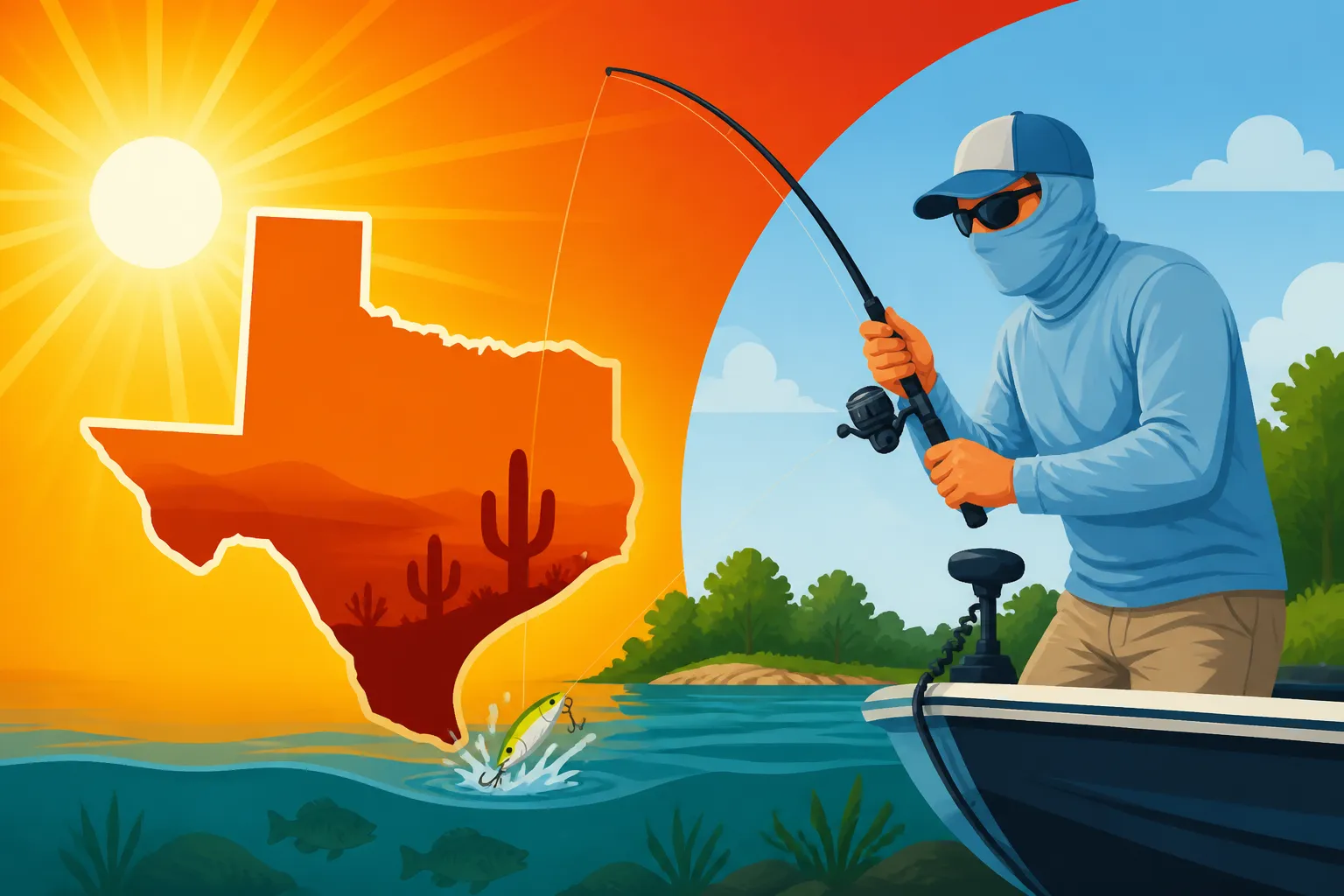
Planning for personal safety means more than just throwing a bottle of water in your cooler. Think about your clothing: light-colored, loose-fitting, and made from moisture-wicking materials are your best friends. Many anglers invest in high-quality UPF (Ultraviolet Protection Factor) clothing, which is like wearing sunscreen that never wears off. A wide-brimmed hat and sunglasses are non-negotiable for protecting your head, face, and eyes. Don't forget a neck gaiter or cooling towel, which you can often find readily on sites like Amazon, to keep that delicate skin protected and your core temperature down.
Beyond clothing, consistent hydration is key. Don't wait until you're thirsty; by then, you're already behind. Sip water or electrolyte drinks frequently throughout the day. It’s a good idea to bring more than you think you’ll need, and perhaps a little extra for good measure. Finding shade whenever possible, whether it's under a boat canopy, a bridge, or a large tree on the bank, gives your body a much-needed break from the direct sun and can make a huge difference in your endurance and overall comfort. You'll thank yourself later for taking those short, shaded breaks. This foresight is crucial to ensure you know How to stay safe fishing in Texas summer heat.
How Heat Affects Fish Behavior and Location
Fish, much like us, don't enjoy overheating. As surface water temperatures soar during a heat advisory, the water holds less dissolved oxygen, which is vital for fish survival. This change in their environment triggers a significant shift in their behavior. Fish become lethargic, their metabolism slows down, and they'll actively seek out more comfortable conditions, often moving from their usual shallow haunts.
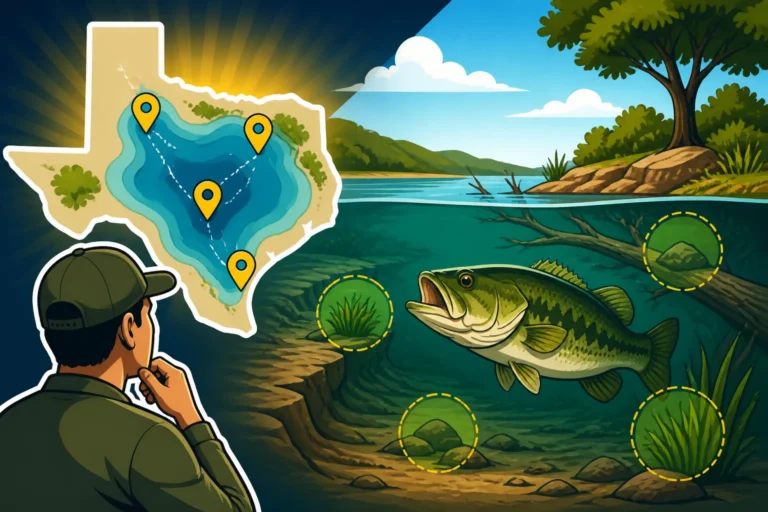
You'll find that fish will typically retreat to deeper, cooler water where temperatures are more stable and oxygen levels are generally higher. This might be in the main lake basin, deep creek channels, or river bends. They'll also gravitate towards any available shade, such as underneath boat docks, large cypress trees, bridge pilings, or submerged structure. This quest for refuge means they're no longer spread out in the shallower areas, requiring you to really pinpoint their new hideouts.
Understanding these instinctual movements is paramount. If you're still casting shallow crankbaits in the middle of the afternoon during a heat wave, you're likely to come up empty-handed. The fish are there, but they've just moved to more hospitable real estate. Your job as an angler is to anticipate these moves and adjust your presentation accordingly, effectively playing a high-stakes game of hide-and-seek.
Impact on Bait and Gear
The extreme heat isn't just tough on anglers and fish; it also takes a toll on your bait and gear. If you're using live bait like shad, minnows, or shrimp, they'll perish much faster in a poorly aerated or hot baitwell. Keeping live bait viable requires extra effort in hot weather, often needing ice, aerators, and frequent water changes to maintain cooler, oxygenated conditions. A dead bait isn't going to fool anything!
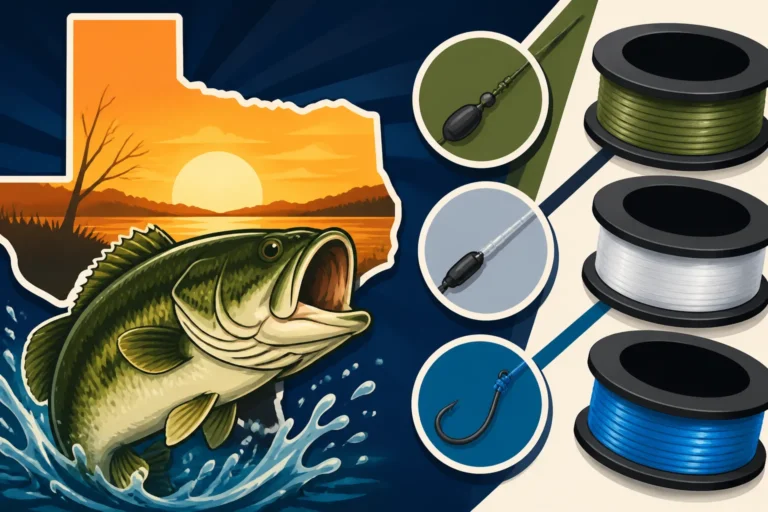
Even your artificial lures can be affected. Soft plastic baits, especially those left in direct sunlight, can become overly soft, sticky, and even deform, making them less effective or even unusable. Certain types of fishing line, particularly fluorocarbon, can become more brittle or lose some knot strength if consistently exposed to extreme heat and UV rays. It’s always a good idea to keep your tackle boxes and bait coolers out of direct sunlight as much as possible, perhaps stowing them under a seat or in a shaded compartment.
Furthermore, your boat's electronics, such as fish finders, GPS units, and trolling motor batteries, can suffer in prolonged high temperatures. Screens can overheat, leading to temporary shutdowns or reduced performance. Batteries can drain faster or even get damaged if not properly managed and charged. Keeping sensitive electronics shaded and ensuring good air circulation can help extend their life and reliability on those scorchers.
Strategies for Success: Adapting Your Fishing Approach
Fishing during a Texas heat advisory isn't about giving up; it's about changing your tactics to match the conditions. The fish are still eating, but they're doing it on their terms, usually when and where it's cooler. By making smart adjustments, you can turn a challenging day into a productive one.
Timing is Everything: Early Mornings and Late Evenings
One of the most crucial adjustments you can make is simply changing when you fish. During a heat advisory, the middle of the day is often the least productive and most dangerous time to be on the water. The sun is at its highest, water temperatures peak, and both you and the fish are likely feeling the strain. This is when the wise angler considers a siesta or tackles boat maintenance, rather than casting lines.
Instead, focus your efforts on the bookends of the day: the early morning and the late evening into night. The first few hours after sunrise, before the sun climbs too high and really starts baking the water, are often the most active feeding times for many species. Fish that have been hunkered down in deeper, cooler water overnight will often venture into shallower feeding grounds for a brief window. These are often considered the Best early morning fishing spots in summer.
Similarly, as the sun begins to set and atmospheric and water temperatures start to drop, another bite window can open up. This can extend well into the night, especially for species like catfish, crappie, and even bass. Night fishing not only offers more comfortable conditions for you but can also be incredibly productive as fish become bolder under the cover of darkness. Many experienced anglers swear by How to catch bass at night in summer, finding success with dark-colored topwaters or slow-moving jigs.
Locating Fish in Heat-Stressed Waters
Once you've decided on the optimal time to fish, the next challenge is finding where the fish have gone. They're not just randomly swimming around; they've actively sought out specific thermal refuges. Your ability to locate these spots will directly impact your success. Don't be afraid to leave your typical summer spots if they're too shallow or exposed.
Think deep, dark, and shady. Look for main lake points that drop off quickly into deeper water, submerged creek channels, deep timber, brush piles, or rock formations that offer both depth and structure. The thermocline, a layer of water where the temperature changes rapidly with depth, can be a key zone, as fish will often suspend just above or within it, seeking cooler, oxygenated water. Understanding How to fish deep structure in Texas reservoirs is vital for hot weather success.
Utilizing your boat's electronics becomes absolutely indispensable in these conditions. Your fish finder isn't just a fancy gadget; it's your eyes underwater. Use it to locate baitfish schools, identify schools of game fish, and pinpoint changes in depth and structure. Side imaging and down imaging can reveal hidden brush piles or rock formations that are holding fish. Learning How to use a fish finder for bass fishing effectively can save you hours of fruitless casting. Don't be afraid to spend time idling around, mapping out contours, and searching for those deeper pockets where fish are congregating.
Lure Selection and Presentation Adjustments
When the fish are lethargic due to heat stress, they're generally not going to chase down a fast-moving, aggressive lure. You need to adjust your lure selection and presentation to match their reduced activity levels. Think subtle, slow, and easy meals. A sluggish fish isn't going to expend a lot of energy pursuing something unless it's practically handed to them.
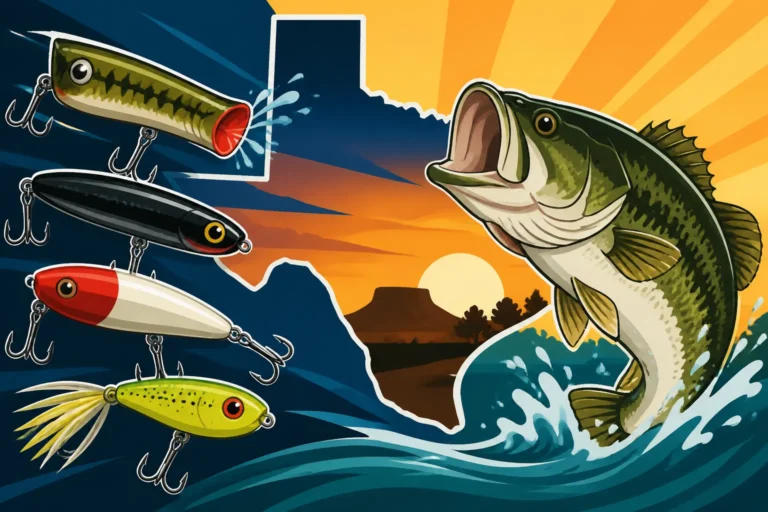
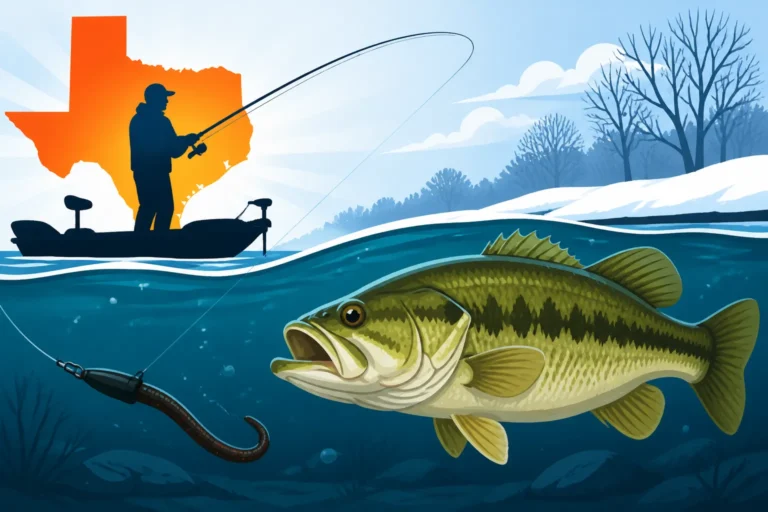
Finesse techniques truly shine in these conditions. Think about slow-rolling deep diving crankbaits that mimic a struggling baitfish, or slowly dragging a jig or a How to fish a Texas rig for bass along the bottom. Worms, creature baits, and jigs fished with minimal movement can be incredibly effective when fish are holding tight to cover and aren't willing to chase. Sometimes, the key is to literally just let the bait sit there for several seconds after it hits bottom, giving a less active fish time to notice and commit.
Color choice can also play a role. In low-light conditions (early morning, late evening, or deep water), darker colors like black, blue, or purple can provide a better silhouette. In clearer water, more natural baitfish patterns or subtle greens and browns might be more effective. Consider using a How to fish a Carolina rig in deep water to cover more bottom area with a slower, more natural presentation, or try a How to fish a drop shot for bass to present a bait vertically to suspended fish with minimal movement. These subtle approaches often outperform aggressive tactics when the heat is on.
Essential Gear and Safety Practices for Hot Weather Fishing
Fishing in a Texas heat advisory demands more than just a change in technique; it requires a proactive approach to your personal safety and gear management. Neglecting these aspects can turn a challenging day into a dangerous or frustrating one. Preparation is key to ensuring you have a safe and enjoyable experience, even when the heat feels oppressive.
Hydration and Sun Protection are Non-Negotiable
Seriously, I cannot stress this enough: your health comes first. Dehydration can creep up on you, even if you don't feel thirsty. Symptoms can range from mild headaches and fatigue to severe heat stroke, which is a life-threatening emergency. Bring plenty of water – more than you think you’ll need. Consider freezing some bottles to keep your cooler cold longer and provide icy relief later in the day. Electrolyte drinks, like sports drinks or rehydration packets, are also excellent for replenishing essential minerals lost through sweat.
Beyond hydration, relentless sun protection is paramount. Invest in high-quality UPF fishing apparel: long-sleeve shirts, pants, and even gloves are available from brands like Simms or Columbia. These fabrics block harmful UV rays, preventing sunburn and keeping your skin cooler. A wide-brimmed hat that shades your face and neck, along with polarized sunglasses to protect your eyes from glare, are absolutely essential. Don't forget sunscreen for any exposed skin, reapplying every few hours, especially after sweating. Using a cooling towel soaked in water and draped around your neck can also provide continuous relief, and you can find many options on Amazon. Always prioritize knowing How to stay safe fishing in Texas summer heat.
Keeping Your Catch Healthy (and Yourself Cool)
If you're practicing catch and release, especially for bass, minimizing stress on the fish is crucial in hot water. Warm water holds less oxygen, and handling a fish for too long can be fatal. Land the fish quickly, use barbless hooks if possible, and keep it in the water or wet your hands before handling. Take your photo fast and get it back in the water gently, allowing it to recover before swimming off. If a fish struggles to swim away, cradle it in the water until it regains its strength.
For fish you plan to keep, immediate and proper cooling is essential for quality and safety. A good cooler filled with plenty of ice is your best friend. Don't just toss fish on a few cubes; layer them with ice to bring their temperature down quickly and keep it low. A slushy mix of ice and water can cool fish even faster. Consider an insulated fish bag if space is an issue, or simply ensure your existing cooler is up to the task. Choosing from the Best ice chests for keeping fish fresh in Texas heat can make a world of difference. Always have more ice than you think you'll need; the Texas sun melts it surprisingly fast.
Boat and Gear Management in the Heat
Your boat and fishing gear also need some hot weather TLC. Before heading out, always check your engine's cooling system to ensure it's in top working order. An overheated engine on a hot day is a quick way to ruin a trip and potentially leave you stranded. Batteries, especially for your trolling motor and electronics, can work harder in the heat and drain faster. Make sure they are fully charged and consider the benefits of a Best battery upgrade for a trolling motor in Texas summer heat if you find yourself struggling with power on long, hot days.
Protect your sensitive electronics from direct sun exposure. Screens on fish finders can overheat and temporarily shut down, or suffer long-term damage. Use sun covers if available, or simply drape a wet towel over them when not actively in use. Stash your soft plastic lures and other temperature-sensitive items in shaded compartments or a cooler to prevent them from melting or deforming. Always keep a basic tool kit and an emergency contact list handy, just in case the heat exacerbates a mechanical issue.
Common Species and Hot Weather Tactics
While the heat changes things, it doesn't mean the fish disappear. Different species react to the warmth in unique ways, and by understanding their hot-weather habits, you can tailor your approach for a more successful day on the water.
Largemouth Bass: Deep and Shady Tactics
When a Texas heat advisory hits, largemouth bass become masters of evasion, seeking refuge from the blistering sun and warming water. They'll abandon shallow flats and gravitate towards the coolest, most oxygenated water available. This usually means retreating to deeper structure, like submerged roadbeds, humps, ledges, or the deepest parts of creek channels. Don't be surprised to find them suspended over deep water, especially if there's a thermocline present.
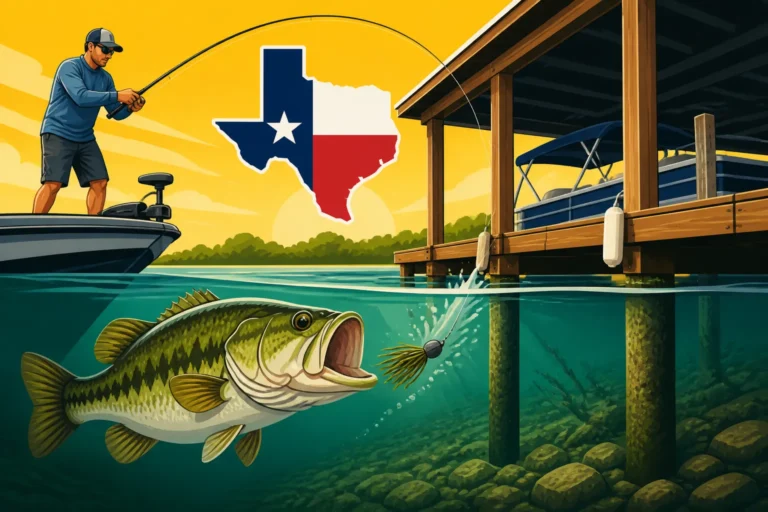
Shade is also a major draw. Look for bass tucked tight under dense boat docks, submerged timber, or the canopy of large cypress trees. These areas offer both a temperature break and ambush points for passing baitfish. Your tactics should shift from fast-moving power fishing to slow, deliberate presentations. Deep diving crankbaits that mimic a baitfish struggling in the depths, heavy jigs pitched into thick cover, or finesse techniques like a drop shot or a slow-dragged Texas rig can be incredibly effective. Remember, a hot bass isn't going to chase far, so put your bait right on their nose. Mastering How to catch bass in the heat of a Texas summer is crucial for summer success.
Catfish and Crappie: Often More Active in Heat
While bass might get sluggish, certain species actually seem to thrive or become more active in the heat. Catfish, for example, are often quite tolerant of warm water and can be excellent targets during a heat advisory. Blue cats and channel cats will often be found in deeper holes, river bends, or creek channels, especially where there's a current or inflow that brings in slightly cooler, more oxygenated water.
Baiting those deeper holes with cut bait, punch bait, or stink bait can yield fantastic results. Fishing at night can be particularly productive for catfish, as they move into shallower feeding areas under the cover of darkness. Understanding How to catch catfish at night in Texas can open up a whole new world of hot-weather fishing. Crappie also respond well to structure, but they'll often suspend in deeper brush piles, under bridges, or beneath boat docks where they can find cooler water and ambush baitfish. Vertical jigging small jigs or minnows directly into these cover spots is a highly effective method, and knowing the Best depth to find crappie in summer will be key.
Saltwater Species: Adapting to Coastal Heat
Along the Texas Gulf Coast, a heat advisory brings its own set of challenges, but opportunities still abound for species like redfish and speckled trout. Just like their freshwater cousins, these fish will seek cooler water and shade during the hottest parts of the day. This means focusing your efforts on the early morning hours, late evenings, or even night fishing when temperatures are more forgiving.
Look for redfish and speckled trout in deeper channels, around shaded mangrove shorelines, under piers, or near jetty rocks where tidal currents can provide cooler, oxygenated water. The deeper guts and channels of the bays, or areas where bayous flow into the main bay system, can also hold cooler water. Wade fishing can be very productive during the cooler parts of the day, allowing you to stealthily approach fish holding in shallow grass flats that might be too hot midday but are productive during the prime low-light hours. Understanding Best tides for fishing Texas bays will also play a critical role, as strong incoming tides can bring in slightly cooler, more oxygenated water from the Gulf.
| Hot Weather Fishing Strategy | Why it Works | Key Tactics & Gear | Best Times | Target Species |
|---|---|---|---|---|
| Early Morning/Late Evening | Avoids peak heat; fish are more active in cooler water. | Focus on low-light feeding zones; topwater or slow presentations. | First 2-3 hours after sunrise; last 2-3 hours before sunset, into night. | Bass, Catfish, Crappie, Redfish, Speckled Trout |
| Deep Structure Fishing | Fish seek cooler, stable water with higher oxygen levels. | Use fish finders; target humps, ledges, channels, timber. Slow jigs, deep crankbaits, Texas rigs. | Midday (when fish are deepest), but still safer in cooler parts of day. | Bass, Catfish, Crappie, Striped Bass |
| Shade Fishing | Provides thermal refuge for fish; ambush points. | Pitch jigs, worms, creature baits under docks, bridges, cypress trees, thick cover. | Midday, but more productive during peak feeding times if shade is available. | Bass, Crappie, Redfish |
| Finesse Techniques | Matches lethargic fish behavior; easy meals. | Drop shots, Ned rigs, slow-dragged Texas rigs, subtle jig presentations. | Any time, but particularly effective when fish are inactive. | Bass, Crappie |
| Heavy Hydration/UPF Gear | Essential for angler safety and comfort. | Water, electrolytes, wide-brimmed hat, UPF clothing, sunscreen, cooling towels. | All day, every day in hot weather. | Angler (YOU!) |
Disclaimer
This article is for general informational purposes only and does not constitute professional advice. Laws, prices and regulations vary by location and change over time. Consult a qualified professional for guidance on your specific situation.