How to stay safe fishing in Texas summer heat
Oh, Texas summers. We love our fishing, don't we? But let's be real, stepping out onto a lake or a bay in July or August can feel like walking into a blast furnace. The relentless sun, the stifling humidity, and the sheer intensity of the heat can turn a relaxing day on the water into a dangerous ordeal if you're not prepared. Many of us have pushed it too far, felt that dizzy spell, or ended up with a nasty sunburn, and nobody wants that. This comprehensive guide is here to help you navigate those brutal Texas summer days, ensuring you can still enjoy your passion for fishing while staying safe, healthy, and comfortable.
Understanding the Texas Summer Heat Challenge
Texas summers are legendary, and not always in a good way when it comes to outdoor activities. It’s not just about discomfort; it’s about a very real threat to your health. Ignoring the conditions or underestimating the sun’s power can lead to serious consequences, quickly ruining a planned trip and putting you in harm’s way. We've all seen those days when the thermometer seems stuck above 95 degrees, and the humidity makes it feel even hotter.
The Reality of Texas Summer Temperatures
From the humid coastal plains to the dry heat of West Texas, and the sweltering reservoirs in between, the summer months bring extreme temperatures that demand respect. Air temperatures can easily soar into the high 90s and even triple digits, but that's just part of the story. On the water, especially on open lakes or bays, the sun's rays reflect off the surface, effectively doubling your exposure. This reflective heat intensifies the feeling, making it feel several degrees hotter than the official forecast.
The sheer duration of these heatwaves is also a factor. It's not just a single hot afternoon; it's weeks, sometimes months, of consistently high temperatures with little relief. This prolonged exposure can tax your body's ability to regulate its temperature, making you more susceptible to heat-related illnesses even on days that might not feel as extreme. We're talking about conditions that can lead to rapid dehydration and exhaustion if you're not actively counteracting them.
Moreover, the heat doesn't always dissipate completely overnight. Often, warm nights mean your body doesn't get a full chance to cool down and recover, leading to a cumulative effect of heat stress. This is particularly true for those who fish multiple days in a row or live in areas with persistent high nighttime temperatures. Understanding this relentless nature of Texas summer heat is the first step in genuinely preparing for it.
Common Heat-Related Illnesses and Their Symptoms
It's crucial to know what you're up against. The most common heat-related issues anglers face are dehydration, heat exhaustion, and in severe cases, heat stroke. Dehydration often starts subtly – you might feel a little thirsty, perhaps a slight headache. But it can quickly escalate, impairing your judgment and physical performance, which is dangerous when you're on the water.
Heat exhaustion is a more serious condition. Symptoms include heavy sweating, cold, pale, and clammy skin, muscle cramps, fatigue, dizziness, headache, nausea, and a faint feeling. You might feel irritable or confused. If you experience these symptoms, it’s your body screaming for help. Ignoring them can lead to heat stroke, a life-threatening emergency.
Heat stroke occurs when your body temperature rises rapidly and your body can't cool itself down. Symptoms include a body temperature of 103°F or higher, hot, red, dry or damp skin, a throbbing headache, dizziness, nausea, confusion, slurred speech, and loss of consciousness. This is not something to mess around with. If you suspect heat stroke, it's a medical emergency, and immediate action is required. We'll dive into what to do if these situations arise a little later.
Why Anglers Are Particularly Vulnerable
As anglers, we often put ourselves in unique positions that increase our vulnerability to heat. First, we're typically outdoors for extended periods, directly exposed to the sun's powerful UV rays. Whether you're casting from the bank, wading through shallow flats, or drifting in a boat, there's usually little natural shade. This constant sun exposure heats your body and skin rapidly.
Second, the physical exertion of fishing, even light casting or reeling in a fish, adds to your body's heat production. Fighting a trophy bass or reeling in a hefty redfish under the midday sun can push your internal temperature much higher than you might realize. This is compounded by the fact that many of us are so focused on the bite, we forget to take breaks or properly hydrate.
Finally, many fishing environments themselves intensify the heat. Water surfaces reflect sunlight, amplifying UV exposure and radiant heat. If you're fishing on a boat, the deck can get incredibly hot, radiating heat upwards. Even concrete piers or sandy beaches absorb and reflect heat, creating a relentless, oven-like environment. This combination of prolonged exposure, physical activity, and environmental factors makes us particularly susceptible, meaning preparedness isn't just a good idea, it's absolutely essential.
Essential Gear and Preparations for Beating the Heat
You wouldn't head out on the water without your rod and reel, right? Well, in Texas summer, the right heat-beating gear is just as important as your fishing tackle. It's about creating a personal cooling system and a protective barrier against the elements. Trust me, a little preparation goes a long way in turning a potentially miserable outing into a manageable, even enjoyable, one.
Hydration, Hydration, Hydration
This is arguably the most critical aspect of summer fishing safety. You need to be proactive about drinking water, not reactive. Don't wait until you're thirsty; by then, you're already starting to dehydrate. Start hydrating the day before your trip, drinking plenty of water, and continue throughout your outing. The general recommendation is to drink at least a quart of water every hour, or even more if you're actively exerting yourself or it's excessively hot.
Pure water is great, but consider supplementing with electrolyte-rich drinks. Sports drinks (in moderation) or electrolyte packets mixed into water can help replenish salts and minerals lost through sweating, which is vital for maintaining proper body function. Avoid sugary sodas, caffeinated beverages, and alcohol, as these can actually contribute to dehydration. Pack a quality cooler, like those you might find on Amazon, filled with ice and an abundance of water and electrolyte solutions. You can also freeze some water bottles to serve as extra ice packs that become cold drinks later in the day. Learn more about Best Coolers and Live Wells for Texas Fishing to choose the right one for your needs.
It's not just about what you drink, but how you drink it. Sip frequently rather than chugging large amounts at once. Keep your drinks easily accessible so you don't have to break your fishing rhythm to rehydrate. A hands-free hydration pack can be a game-changer, allowing you to drink on the go. Remember, proper hydration is your first line of defense against heat stress, and it starts long before you even cast your first line.
Sun Protection Strategies
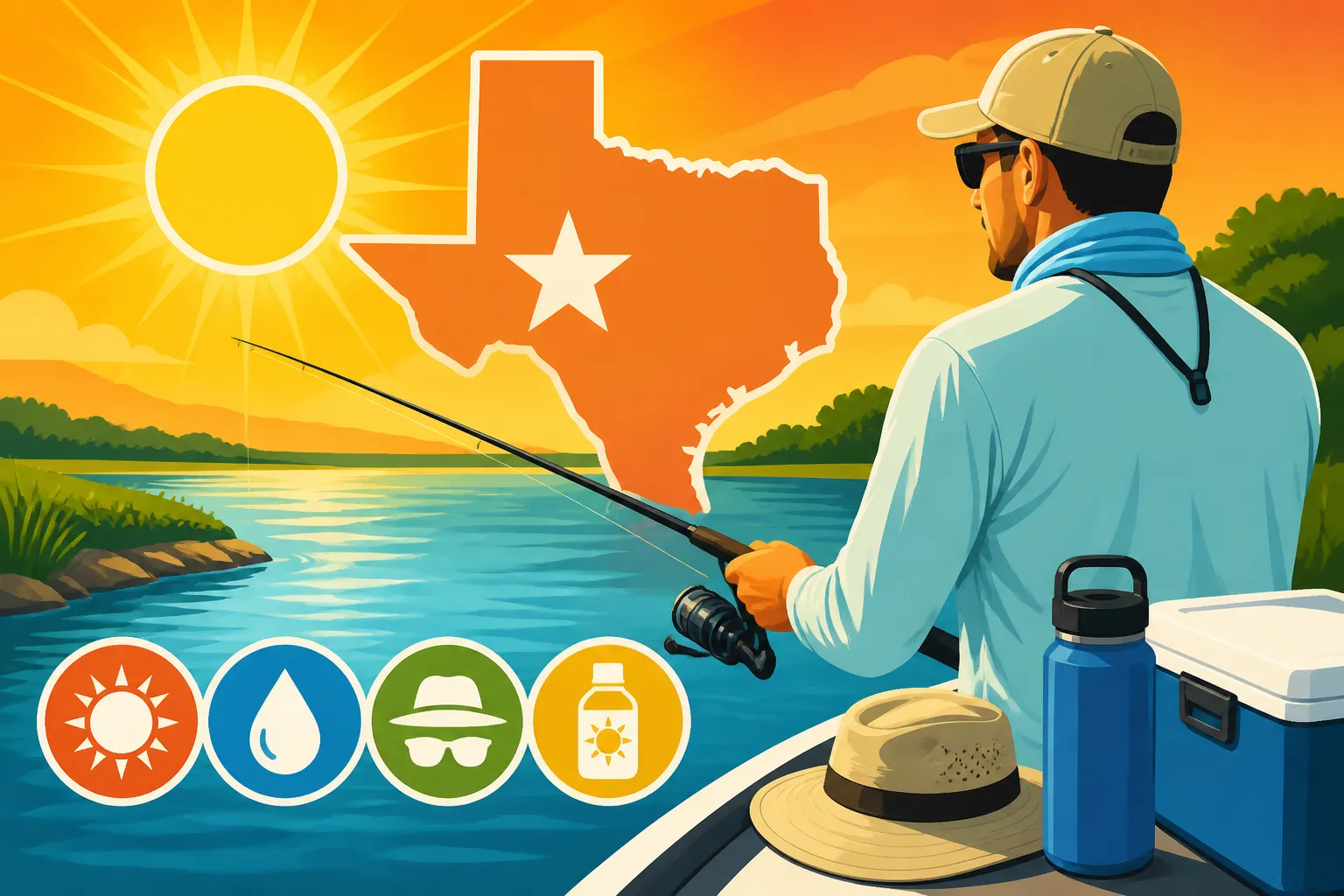
Beyond staying hydrated, protecting your skin and eyes from the sun's harsh UV rays is paramount. Sunburn isn't just painful; it causes skin damage and can severely impede your body's ability to cool itself, making you more vulnerable to heat stroke. High SPF sunscreen, at least 30 SPF and preferably higher, should be applied generously to all exposed skin. And don't forget areas like the back of your neck, ears, and the tops of your feet if you're wearing sandals.
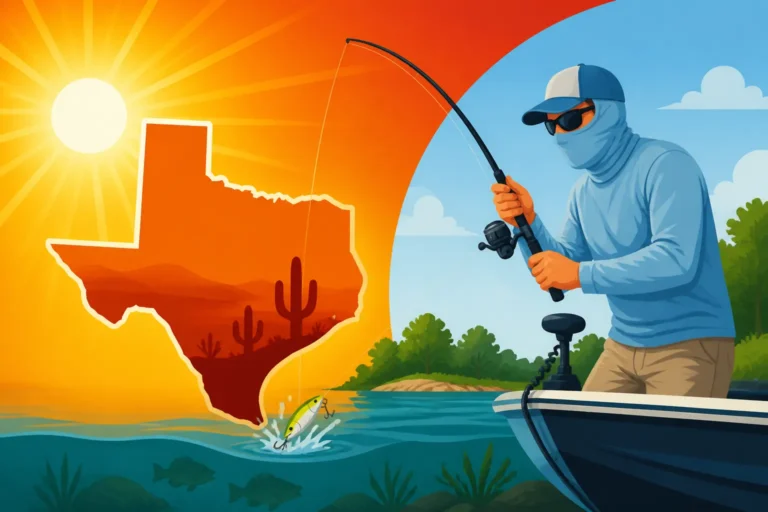
Reapply sunscreen every couple of hours, especially after sweating profusely or getting wet. For added protection, consider a wide-brimmed hat or a fishing cap with a neck gaiter (often called a "buff") to cover your face and neck. These items are readily available on Amazon and make a huge difference. Best sun protection clothing for Texas summer fishing and Best hat for fishing in Texas sun provide more specific recommendations.
Your eyes are also at risk. Prolonged UV exposure can lead to cataracts and other eye damage. Invest in a good pair of polarized sunglasses. Not only do they protect your eyes, but they also cut glare off the water, allowing you to see fish and structure much better, which is a huge advantage for any angler. You can find excellent options and compare features in our guide to Best Sunglasses for Sight Fishing in Texas.
Smart Apparel Choices
What you wear can significantly impact your body's temperature regulation. Forget cotton for summer fishing; once it gets wet with sweat, it stays wet and heavy, often feeling hotter rather than cooler. Instead, opt for lightweight, breathable fabrics designed for outdoor activity. Look for clothing made from synthetic materials like polyester or nylon, often labeled as "performance" or "moisture-wicking" fabric. These materials draw sweat away from your skin, allowing it to evaporate and cool you down.
Believe it or not, long sleeves and pants are often your best friends in the summer sun, as long as they're made from the right material. Many modern fishing shirts offer UPF (Ultraviolet Protection Factor) ratings, similar to SPF for sunscreen, blocking harmful UV rays more effectively than regular clothing. Wearing long sleeves protects your skin from direct sun exposure, reducing the need for constant sunscreen reapplication and keeping your skin cooler. These types of shirts, along with convertible pants, are widely available from various brands and stores like Amazon.
Light colors are also key. Dark colors absorb sunlight, while light colors reflect it, helping to keep you cooler. Think white, light blue, or tan. Consider a ventilated shirt with mesh panels to maximize airflow. Don't forget your feet! Breathable, quick-drying socks and shoes designed for water use will prevent blisters and keep your feet more comfortable throughout the day.
Adjusting Your Fishing Strategy for Cooler Conditions
Sometimes, all the gear in the world won't make a midday summer fishing trip comfortable or safe. That's when you need to be smart about when and where you fish. Changing your approach isn't admitting defeat; it's a strategic move that can lead to more successful catches and a much more enjoyable experience. The fish are often just as sensitive to the heat as we are!
Timing Your Trips
The most impactful change you can make is adjusting your fishing schedule. The hottest part of the day in Texas is typically between 11 AM and 4 PM. This is when the sun is highest, and the heat index peaks. Avoid fishing during these peak hours whenever possible. Instead, embrace the dawn and dusk.
"First light" isn't just a cliché; it's often the coolest and most productive time to be on the water. The air is still relatively cool from the night, the sun isn't directly overhead, and many fish species are actively feeding before the intense heat sets in. Similarly, fishing during the late evening, as the sun begins to dip below the horizon, offers a reprieve from the heat and can bring renewed fish activity. Our guide on Best early morning fishing spots in summer can give you some great ideas.
For the truly dedicated (or heat-averse), night fishing is an incredible alternative during Texas summers. The temperatures drop significantly, and the absence of direct sun makes for a much more comfortable experience. Many species, particularly catfish and certain bass, become more active after dark. You can learn more about this exciting option in our article on Night Fishing Techniques for Texas Lakes. It might require a different set of gear and tactics, but the comfort and unique experience are well worth it.
Seeking Shade and Cooler Waters
When you simply can't avoid fishing during warmer parts of the day, actively seek out natural or artificial shade. On lakes, this might mean positioning your boat under an overhanging tree line, near a bridge, or next to a tall bluff. For bank anglers, look for parks with plenty of large shade trees. Even a small patch of shade can offer a significant temperature drop and a crucial break from the direct sun.
Fish also seek cooler water, so targeting deeper areas or those with natural springs can put you on fish and keep you cooler. Cooler, deeper water is often found near creek channels, submerged structure, or dam outflows. For saltwater anglers, shaded mangrove tunnels or deeper channels can hold more active fish. Consider how to fish deep structure in Texas reservoirs; this strategy often aligns with finding personal comfort.
If you're wade fishing in a river, look for areas with current or deep pools. The moving water can feel much cooler, and the fish will often congregate there. Just be mindful of slippery bottoms and strong currents. Thinking about the fish's comfort zone will often lead you to your own. Check out How to catch bass in the heat of a Texas summer for more in-depth strategies on where to find fish when the mercury rises.
Managing Physical Exertion
It's easy to get caught up in the excitement of fishing, but during a Texas summer, you need to consciously manage your energy levels. Pacing yourself is crucial. Avoid sprinting to a hot spot or frantically casting for hours on end without a break. Take frequent rests, even if it's just sitting down in the shade for a few minutes.
Breaking your trip into shorter segments or planning for a midday break is a smart move. Go out early, fish for a few hours, then head back to shore for lunch and an air-conditioned break, returning in the late afternoon or evening. This strategy allows your body to fully cool down and recover, preventing the cumulative heat stress that can creep up on you.
Consider the intensity of your fishing style. If you're constantly casting heavy lures or fighting big fish, you're exerting more energy. On exceptionally hot days, you might consider switching to a more passive fishing method, like soaking baits for catfish from a shaded spot, or using lighter tackle that requires less physical effort. Remember, the goal is to enjoy the experience, and that means taking care of yourself first.
Recognizing and Responding to Heat Emergencies
Even with the best preparations, accidents and emergencies can happen. Being able to recognize the signs of heat-related illness in yourself or your fishing buddies and knowing how to respond quickly could be a lifesaver. Don't let pride or a desire to keep fishing prevent you from taking immediate action.
Spotting the Warning Signs
We already covered the symptoms, but it's worth reiterating and emphasizing how critical it is to be aware. Pay attention to your own body and those around you. Are you feeling unusually tired, dizzy, or nauseous? Is your head throbbing? Are you cramping up? These aren't just minor inconveniences; they are your body's alarm system. Early signs like excessive sweating, muscle cramps, and lightheadedness should be taken seriously.
Look for changes in behavior in your companions. Are they becoming irritable or confused? Are they stumbling or showing signs of disorientation? Sometimes, the person experiencing heat stress is the least aware of their own condition. This is why having a fishing buddy who is also clued into these symptoms is invaluable. If someone stops sweating on a hot day, especially if their skin is hot and red, that’s a dire warning sign of heat stroke, and it needs immediate attention.
Regularly check in with yourself and others. A simple "How are you feeling?" can open the door for someone to admit they're not doing well. Don't dismiss these symptoms. They are not signs of weakness; they are signs that your body is struggling against extreme environmental conditions.
First Aid for Heat Exhaustion
If you or a fishing companion start exhibiting symptoms of heat exhaustion, immediate action is necessary to prevent it from escalating to heat stroke.
- Move to a Cooler Place: Get out of the sun immediately. Head for shade, an air-conditioned vehicle, or any available shelter.
- Lie Down and Loosen Clothing: Have the person lie down. Loosen or remove any tight or unnecessary clothing to help the body cool.
- Apply Cool, Wet Cloths: Place cool, wet cloths or ice packs (if available) on the skin, especially on the neck, armpits, and groin. A cool, damp towel over the forehead and neck can feel incredibly soothing and help lower body temperature.
- Sip Cool Water: If the person is conscious and not nauseated, encourage them to sip cool water or an electrolyte drink slowly. Do not give them alcohol or caffeine.
- Fan the Person: Use a fan or simply wave something to create airflow, aiding in evaporative cooling.
- Monitor Symptoms: Stay with the person and continue to monitor their condition. If symptoms worsen or don't improve within an hour, seek emergency medical help.
Remember, early intervention is key. Don't try to tough it out.
When to Seek Professional Help
Recognizing when a situation has become too serious for self-treatment is critical. If you suspect heat stroke, or if symptoms of heat exhaustion do not improve despite your best efforts, you need to get professional medical help immediately.
Call 911 (or your local emergency number) immediately if:
- The person’s body temperature reaches 103°F or higher.
- They have hot, red, dry or damp skin (heat stroke can sometimes present with damp skin).
- They are experiencing a throbbing headache, dizziness, or confusion.
- They are slurring their speech.
- They lose consciousness.
- They are experiencing seizures.
- Symptoms of heat exhaustion do not improve within one hour of applying first aid.
While waiting for emergency services, continue to cool the person using all available methods (cool cloths, fanning) and stay with them. Never leave someone alone who is experiencing severe heat-related illness. A quick response can make all the difference in a Texas summer heat emergency. Always have your phone charged and easily accessible, and make sure someone knows where you are fishing.
Here's a quick checklist to help you stay safe out there:
| Safety Category | Essential Items/Actions | Why It's Important |
|---|---|---|
| Hydration | Abundant water (1 qt/hr min), Electrolyte drinks, Cooler | Prevents dehydration, maintains body function, keeps drinks cool |
| Sun Protection | High SPF sunscreen (30+), Wide-brimmed hat, Neck gaiter | Protects skin from UV rays, reduces skin temperature |
| Eye Protection | Polarized sunglasses | Prevents eye damage, reduces glare, improves visibility |
| Apparel | UPF-rated, light-colored, long-sleeve performance clothing | Wicks sweat, blocks UV, reflects heat, keeps skin cooler |
| Timing | Fish early mornings, late evenings, or at night | Avoids peak heat hours, aligns with active fish periods, more comfortable |
| Shelter | Seek natural shade (trees, bridges) or bring a canopy | Provides direct relief from sun, lowers body temperature |
| Exertion Mgmt. | Take frequent breaks, pace yourself, consider passive methods | Prevents heat stress buildup, conserves energy |
| Emergency Prep. | Know heat illness symptoms, charged phone, first-aid kit | Enables rapid response to heat emergencies, allows for communication in a crisis |
| Buddy System | Fish with a partner | Allows someone to monitor your condition and assist in an emergency |
Disclaimer
This article is for general informational purposes only and does not constitute professional advice. Laws, prices and regulations vary by location and change over time. Consult a qualified professional for guidance on your specific situation.