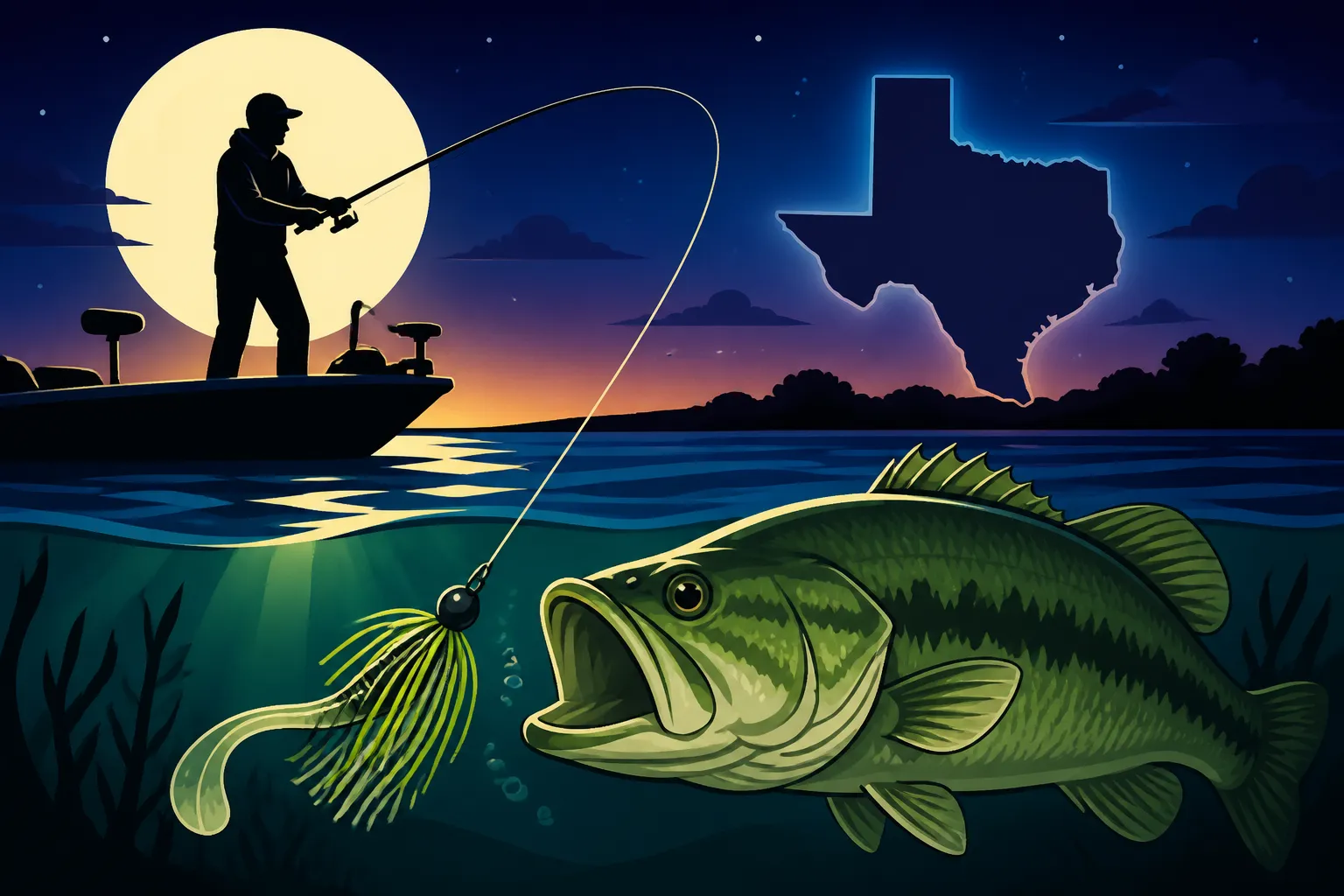
Night Fishing Techniques for Texas Lakes
There's nothing quite like the relentless Texas sun beating down on a mid-summer afternoon, making the water feel like bathwater and sending most anglers scrambling for the air conditioning. If you've ever found yourself wishing for cooler temperatures, fewer crowds, and a whole new challenge on the water, then you're in the right place. This comprehensive guide is dedicated to unlocking the secrets of night fishing on Texas lakes, providing you with the techniques, gear, and wisdom to turn those scorching days into memorable, serene nights on the water.
Why Embrace the Darkness? The Allure of Night Fishing in Texas
For many Texas anglers, the idea of fishing after sunset might seem a little daunting, but let me tell you, it opens up a whole new world of angling possibilities. The reasons to trade your sunglasses for a headlamp are compelling, offering both comfort and strategic advantages that daytime fishing simply can't match.
Escaping the Texas Summer Heat and Sun
Let's be honest, the summer heat in Texas can be brutal. Temperatures frequently soar into the high 90s and even triple digits, making a full day on the water not just uncomfortable, but potentially dangerous. The sun's glare can be blinding, requiring constant vigilance with sunscreen and hydration. Night fishing, however, offers a glorious reprieve. As the sun dips below the horizon, air temperatures drop significantly, creating a much more pleasant environment to be out on the lake.
More importantly, these cooler air temperatures translate to cooler water temperatures, especially in the shallower areas. Fish, particularly species like bass, tend to become sluggish and seek deeper, cooler water during the scorching midday hours. But as the surface water cools down at night, these fish often move into shallower feeding grounds, becoming more active and accessible. It's like flipping a switch; the lake comes alive in the dark, and you can comfortably fish for hours without feeling like you're slowly baking. This makes night fishing a prime strategy, especially during the peak of summer, as detailed in our guide on How to Fish in Hot Texas Summers.
Beating the Crowds on Popular Lakes
Another common frustration for Texas anglers, especially on well-known reservoirs and state parks, is the sheer volume of boat traffic and bank anglers during the day. Popular ramps can have long lines, prime fishing spots are often occupied, and navigating crowded waters can be a stressful experience, particularly on weekends. The constant buzz of pleasure boats, jet skis, and other anglers can spook fish and make it difficult to concentrate.
Night fishing provides a tranquil escape from this hustle and bustle. The vast majority of recreational boaters and fair-weather anglers are tucked into bed, leaving the lake largely to those who appreciate its nocturnal beauty. You'll find boat ramps empty, your favorite coves serene, and a profound sense of solitude on the water. This lack of pressure often translates into more relaxed fish and, consequently, better fishing opportunities. It's a chance to truly connect with the environment, listening to the sounds of crickets and frogs, and enjoying the stillness that only night can bring to a busy lake.
Targeting Nocturnal Predators and Bigger Bites
Perhaps the most exciting aspect of night fishing is the potential to encounter trophy-sized fish. Many species, especially predatory ones, become significantly more active under the cover of darkness. The low light conditions give them an advantage over their prey, making them bolder and more willing to venture out from their daytime hiding spots to feed aggressively. This phenomenon is particularly true for several popular Texas game fish.
Largemouth bass, for instance, often transition from deeper, shaded areas to shallower flats, points, and grass beds to hunt baitfish and crawfish. Catfish, including the massive blue catfish and flatheads, are inherently nocturnal feeders, and their activity peaks after dark. Even crappie, which might seem like a daytime staple, can be effectively targeted at night, often congregating under lights that attract baitfish. This makes night fishing not just a comfortable alternative, but a strategic move for anglers aiming for that personal best or simply a more action-packed outing. If you're looking for strategies to land these species, guides like our Texas Largemouth Bass Fishing Guide or Texas Catfish Species Guide offer great foundations.
Essential Gear for Your Texas Night Fishing Adventure
Stepping out onto the lake after dark requires a bit more than just your usual rod and reel. Safety, visibility, and effective presentation in low-light conditions depend heavily on having the right gear. Don't worry, it's not an overwhelming list, but each item serves a crucial purpose.
Lighting Solutions: Beyond the Headlamp
Your primary concern at night is always going to be visibility – for yourself, for navigation, and often, to attract fish. While a reliable headlamp is non-negotiable, it's just the starting point. I always recommend a headlamp with a red-light option. Red light preserves your night vision far better than white light, allowing your eyes to adjust quickly between illuminated tasks and observing the dark water. You can find excellent options from brands like Black Diamond or Petzl readily available on Amazon.
For illuminating your immediate workspace or boat deck, a small, hands-free lantern or a clip-on light can be invaluable. However, for actually attracting fish, you'll want to think bigger. Submersible fishing lights, often green or white, are game-changers, especially for crappie and catfish. These lights are dropped into the water and emit a glow that draws in plankton, which then attracts baitfish like shad and minnows. This entire food chain then brings in the larger predatory fish you're after. Floating lights serve a similar purpose, often casting a wider glow on the surface. For boaters, ensure your navigation lights are working perfectly, and consider an additional stern light or floodlight for safety when moving slowly or setting up. Remember, adhering to Texas Boat Safety Equipment Requirements is critical for any nighttime boating.
Rods, Reels, and Line Choices for Low Light
When you can't rely on your eyes to see subtle line twitches or your lure's action, you have to lean heavily on your other senses, particularly touch. This makes your rod, reel, and line choices even more important for night fishing.
For rods, think sensitivity. A medium-heavy to heavy power rod with a fast or extra-fast action made from high-modulus graphite will transmit even the lightest tap directly to your hands. This sensitivity is crucial for detecting those barely-there bites that might go unnoticed in the dark. For reels, your personal preference for baitcasters or spinning reels applies, but ensure they are smooth and well-maintained. A reliable drag system is paramount when you hook into a larger fish that you can't see. When it comes to line, braided line is a fantastic choice for night fishing due to its zero-stretch properties, which enhance sensitivity. For some techniques, a high-visibility monofilament or fluorocarbon leader might be useful, especially if you're trying to see the line against a submersible light, but generally, feel is king. Brands like Berkley or PowerPro offer excellent braided lines you can easily find on Amazon. If you're looking for more general gear advice, check out Best Bait and Lures for Texas Fishing.
Safety and Navigation Must-Haves
Safety should always be your top priority, and even more so when fishing in the dark. Personal flotation devices (PFDs) are non-negotiable for everyone on board, and it's a good practice to wear them, especially if you're moving around the boat or fishing alone. A well-stocked first-aid kit is essential, along with plenty of insect repellent – those Texas mosquitoes love the night air as much as we do!
For boaters, beyond the required navigation lights, always carry a spare set of batteries for your lights, a loud air horn, and a reliable spotlight for scanning the water for debris or navigational hazards. A fully charged marine battery for your trolling motor and electronics is also critical. When it comes to navigation, a good GPS unit or a depth finder with detailed mapping capabilities is a lifesaver. Mark your waypoints during the day, pay attention to channel markers, and always know your route, especially on unfamiliar lakes. Many modern fish finders and GPS units from brands like Humminbird or Lowrance (available through various marine retailers and Amazon) offer excellent nighttime displays and detailed charts that can make navigating the dark much safer. For more on these, our guide on Best Fishing Electronics for Texas Anglers is a great resource.
Top Night Fishing Techniques for Texas Bass
Bass fishing at night is a thrilling experience, offering a unique challenge and often the chance to land some truly impressive fish. The key is to understand how bass behavior changes in low light and adapt your techniques and lure choices accordingly.
Slow-Rolling Spinnerbaits and Bladed Jigs
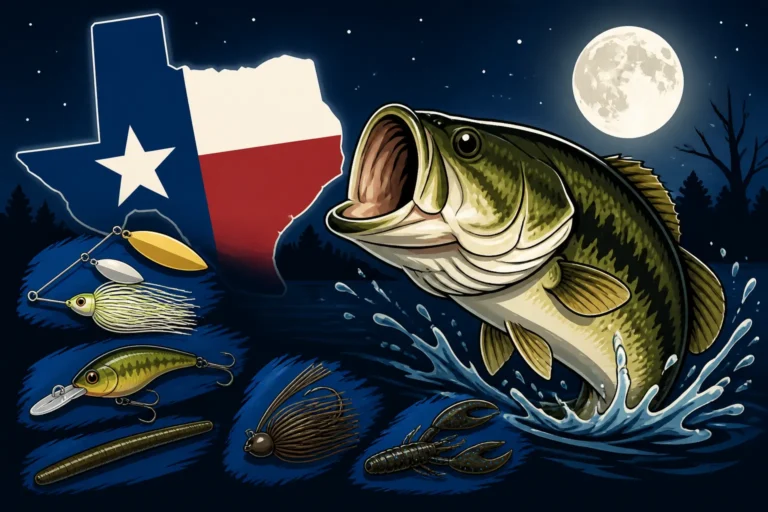
When the sun goes down, bass often become less wary and more focused on feeding. This is where lures that create a strong vibration and a subtle flash excel. Slow-rolling spinnerbaits are absolute killers at night. The thumping blades send out powerful vibrations that bass can detect with their lateral lines, even in complete darkness. Opt for larger blades (Colorado or Indiana styles are great for maximum thump) and dark colors like black, blue, or purple, which create a stronger silhouette against the lighter sky or water surface.
Fish these lures slowly, just fast enough to keep the blades turning, along points, ledges, humps, and the edges of grass lines. Bass will often ambush these lures from cover, so be ready for a solid strike. Similarly, bladed jigs, often called ChatterBaits, are incredibly effective. Their unique vibrating action combined with a skirted profile mimics baitfish or crawfish perfectly. Again, dark colors are preferred, and a slow, steady retrieve is usually best. Many anglers prefer to add a soft plastic trailer, like a Keitech swimbait or a Netbait Paca Craw, to enhance the profile and action.
Pitching and Flipping Dark-Colored Jigs and Worms
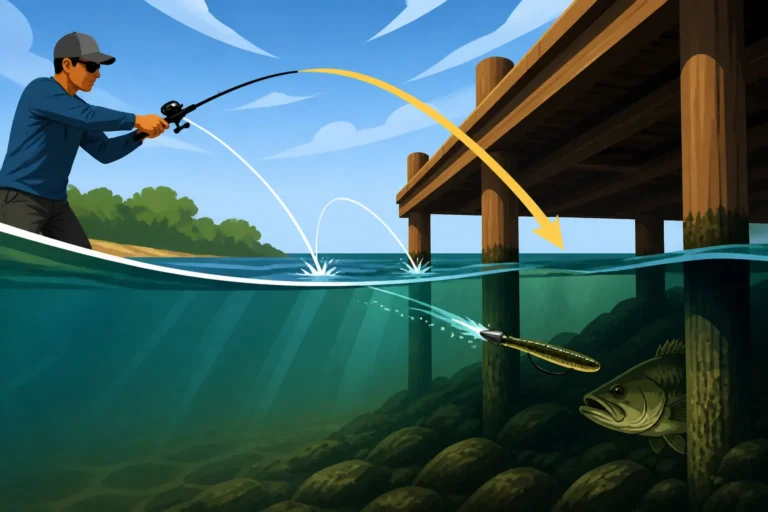
Just because it's dark doesn't mean bass abandon their cover. In fact, many trophy bass will hold tight to brush piles, fallen trees, docks, and submerged vegetation, especially if baitfish are nearby. Pitching and flipping techniques become even more tactile at night. You're relying entirely on feel to detect the weight of your lure, the texture of the cover, and the subtle "thump" of a bass inhaling your bait.
Dark-colored jigs, such as black-and-blue or junebug, are excellent choices. Pair them with a bulky soft plastic craw or creature bait trailer to add bulk and displacement, making it easier for bass to locate. Cast or pitch your jig into tight cover, letting it sink slowly. Pay close attention as it falls; many bites happen on the initial descent. For soft plastics, Texas-rigged worms or creature baits in dark colors like black, junebug, or plum are also highly effective. Choose a heavier weight than you might use during the day to ensure good contact with the bottom and to help penetrate cover. The key here is patience and concentration; every little change in line tension or resistance could be a bite.
Topwater Frogs and Buzzbaits for Thrills
For sheer excitement, nothing beats a topwater strike at night. The sudden explosion on the surface, often heard before it's seen, is an adrenaline rush that keeps anglers coming back for more. Bass will often move into very shallow water after dark to feed on frogs, mice, and other critters that might fall into the water, making topwater lures incredibly effective.
Hollow-bodied frog lures, fished over lily pads, hydrilla mats, or any heavy surface vegetation, are fantastic. Their weedless design allows them to glide over cover where other lures would snag. Work them with short twitches and pauses, mimicking a struggling frog. Buzzbaits are another excellent choice, especially on calmer nights. The gurgling and splashing action of a buzzbait can draw bass from a surprising distance. Retrieve them at a steady pace, just fast enough to keep the blades turning and creating surface commotion. Again, dark colors are often preferred, as they create a clearer silhouette against the night sky. The auditory cue of these lures is what truly makes them shine in the dark, giving bass something to hone in on.
Catfish and Crappie: Nighttime Feast for the Patient Angler
While bass fishing at night is exhilarating, it's often the catfish and crappie anglers who truly dominate the nocturnal hours on Texas lakes. These species are naturally more active in low light, making night fishing the absolute prime time to target them.
Setting Up for Catfish: Baits and Rigs
Texas is renowned for its fantastic catfishing, and the bite often gets red hot after dark. Whether you're targeting giant blue catfish, feisty channel cats, or elusive flatheads, the night offers unparalleled opportunities.
Blue catfish and channel catfish are often found cruising shallow flats, humps, and river channels, scavenging for food. Your bait choices are crucial here: fresh cut bait (shad, carp, perch are favorites), prepared stink baits (especially effective for channel cats), and even shrimp or punch bait can be deadly. For rigs, a simple Carolina rig with a heavy sinker to hold bottom is effective for bank fishing or anchored boats. If you're looking to cover more water or set out multiple lines, trotlines and juglines are highly productive night fishing methods, though you must be intimately familiar with Texas Trotline and Jugline Rules to ensure you're fishing legally. Remember to use sturdy rods, strong line, and sharp, appropriately sized hooks to handle these powerful fish. For a deeper dive into these whisker-faced beauties, our Texas Catfish Species Guide is a must-read. If you're specifically curious about night strategies, we also have a guide dedicated to How to Catch Catfish at Night in Texas.
Crappie Under the Lights
Crappie, often called "sac-au-lait" or "papermouths," are a beloved panfish in Texas, and they can provide incredible action at night, especially with the right setup. The secret to successful night crappie fishing often lies in attracting their food source.
Submersible or floating crappie lights are your best friends here. Drop them into the water, and within minutes to an hour, tiny plankton will be drawn to the light. These plankton attract small baitfish like minnows and shad, and where the baitfish go, the crappie follow. You'll often see schools of minnows circling the light, and shortly after, the crappie will move in to feast. Fish around bridge pilings, submerged brush piles, standing timber, and boat docks – any structure that offers cover near deeper water. Small jigs (1/32 to 1/8 ounce) in chartreuse, white, or black, tipped with a small minnow or a scented soft plastic, are usually irresistible. Vertical jigging directly under the light is a common and effective technique, as crappie will often suspend at specific depths within the illuminated zone. Pay attention to your fish finder to locate the schools and adjust your depth accordingly.
Navigating the Night: Tips for a Safe and Successful Trip
Night fishing offers incredible rewards, but it also demands extra caution and preparation. Reduced visibility means you need to be more deliberate in your actions and hyper-aware of your surroundings.
Pre-Trip Planning and Scouting
The most crucial step for a safe night fishing trip happens before you even leave your driveway: thorough planning. Never venture onto an unfamiliar lake at night. If possible, scout the area you plan to fish during daylight hours. Pay attention to submerged hazards, shallow spots, channel markers, and potential docking areas. Mark these on your GPS or a physical map.
Always check the weather forecast carefully. A clear, calm night is ideal. High winds, thunderstorms, or dense fog can turn a pleasant outing into a dangerous situation very quickly. Before you go, tell someone exactly where you're going, your planned route, and when you expect to return. Share your boat's registration information and a description of your vessel. Finally, get all your gear ready and organized before it gets dark. Rig your rods, tie your knots, charge all your batteries, and pack your cooler. Fumbling for tackle or tying knots in the dark is frustrating and time-consuming. When preparing your tackle box, consider what specific lures and weights you'll need for your target species, keeping in mind the details from our Best Bait and Lures for Texas Fishing guide.
Boat Handling and Docking in the Dark
Operating a boat at night requires a completely different mindset than during the day. Go slow, much slower than you think you need to. Your depth perception is severely limited, and hazards can appear out of nowhere. Keep a keen eye out for floating debris, other boats (whose navigation lights might blend into shore lights), or unlit obstacles. Use your GPS with caution; while it's an invaluable tool, it only tells you where you are, not what's directly in front of you.
When approaching a dock or ramp, take it extra slow. Use your spotlight judiciously to illuminate the area, but avoid shining it directly into the faces of other boaters or anglers. Have your docking lines and fenders ready. If possible, fish near a well-lit dock or ramp if you're uncomfortable with navigating in total darkness. The calmness of the night is a huge draw, but it requires diligent and cautious boat handling.
Interpreting Bites and Setting Hooks in Low Light
Without the ability to see your line or a bobber clearly, you'll need to sharpen your sense of touch and, sometimes, sound. Many night bites are subtle – a slight bump, a feeling of "mush" or weightlessness, or simply a deviation from your lure's normal retrieve.
This is where sensitive rods and braided line really shine. Keep your rod tip slightly elevated and maintain a constant, light tension on your line to feel everything that's happening at the business end. For some techniques, especially those involving submersible lights, a high-visibility monofilament or fluorocarbon leader might help you see any line movement against the illuminated background, but generally, trust your hands. If you feel anything out of the ordinary, set the hook! It's better to set on a phantom bite than miss a trophy. After the hook set, rely on your drag and the feel of the fish's movements to guide you. Landing a big fish in the dark is an exciting challenge that tests your angling instincts.
Seasonal Considerations for Texas Night Fishing
While night fishing is a viable option throughout the year in Texas, certain seasons definitely stand out, offering different opportunities and challenges. Understanding these seasonal nuances can significantly improve your success.
Summer Night Fishing Dominance
Without a doubt, summer is the undisputed king of Texas night fishing. The oppressive daytime heat makes fishing miserable for many, but as soon as the sun goes down, the lakes come alive. Water temperatures, particularly in the upper layers, cool enough to bring baitfish and predators out of their deep-water haunts. This is prime time for bass, catfish, and crappie to move onto shallower flats, points, and humps to feed aggressively.
During peak summer, focus on the first few hours after sunset, as fish are often most active during this initial cooling period. As the night progresses and water temperatures continue to drop, fish might move slightly deeper or shift their patterns. Fishing the hours before dawn can also be highly productive, as fish often have one last feeding binge before the sun rises and pushes them back into deeper, cooler water. This is when you can really put into practice the tips from our How to Fish in Hot Texas Summers article, reversing the daytime struggle into a nighttime triumph. Many of the Best Places to Fish in Texas become even more enjoyable and productive after dark in the summer.
Spring and Fall Opportunities
While summer gets all the glory, don't overlook the spring and fall for excellent night fishing. These transitional seasons offer a different dynamic but can be incredibly rewarding.
In spring, as water temperatures are on the rise, fish are often moving shallower for spawning or pre-spawn feeding. Night fishing can still be productive, especially on cooler spring nights when daytime fishing might be slow. Bass, in particular, will cruise shallow spawning flats and coves under the cover of darkness. Crappie will also be staging in brush piles and near cover, and can be easily targeted with lights. Fall is another fantastic season, as cooling water temperatures trigger a major feeding frenzy for many species, preparing for winter. Bass and crappie will often school up and actively chase baitfish, making them excellent targets at night. The temperatures are more moderate than summer, making for very comfortable evening outings, and there's often less boat traffic even during the day, further reducing pressure.
Winter Challenges and Rewards
Winter night fishing in Texas is certainly more challenging, but it can yield some truly exceptional results for the dedicated angler. The key here is understanding that fish metabolism slows down considerably in cold water, meaning they feed less frequently and less aggressively.
Your techniques will need to adapt to a slower, more deliberate presentation. Focus on deeper water where temperatures are more stable. Bass might be found suspended over deep structure or hunkered down on ledges. Catfish can still be caught at night in winter, often in deep holes or channels, but they'll be less active, requiring patience and the use of natural baits. Crappie can be targeted under lights in deep brush piles. The biggest challenge in winter is the cold, both for the angler and the fish. Dress in layers, stay warm, and be mindful of hypothermia. While the bites might be fewer and farther between, the fish you do catch can often be larger, as bigger fish tend to tolerate colder conditions better and require less frequent feeding. Just be prepared for a long, cold, but potentially rewarding night.
| Species Targeted | Preferred Night Techniques | Recommended Gear Highlights | Key Bait/Lure Types |
|---|---|---|---|
| Largemouth Bass | Slow-rolling Spinnerbaits/Bladed Jigs, Pitching/Flipping Jigs & Worms, Topwater Frogs/Buzzbaits | Sensitive graphite rod, Baitcasting reel, Braided line, Headlamp with red light | Dark-colored spinnerbaits (Colorado blades), Black/Blue jigs with craw trailers, Dark hollow-body frogs, Black buzzbaits, Junebug worms |
| Catfish | Bottom fishing with cut bait, Trotlines/Juglines | Heavy-action rod, Large spinning or baitcasting reel, Heavy mono/braid, Strong hooks, Bank holders | Fresh cut shad, Carp, Perch, Stink baits, Punch bait, Live bluegill |
| Crappie | Vertical jigging under lights | Light spinning rod, Small spinning reel, Light mono/fluoro line, Submersible/Floating lights | Small jigs (chartreuse, white), Live minnows, Scented crappie soft plastics |
Disclaimer
The information provided in this guide is for general informational purposes only. Fishing regulations, license requirements, and safety guidelines can change. Always consult the official Texas Parks and Wildlife Department (TPWD) website or publications for the most current and accurate information before heading out on the water. Ensure you have all necessary licenses, such as those detailed in Texas Fishing License Requirements Explained, and adhere to all local, state, and federal laws. Safety should always be your top priority.