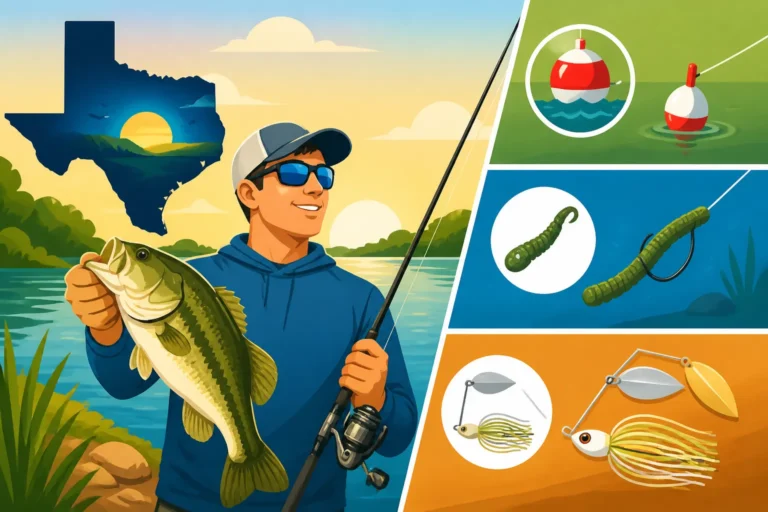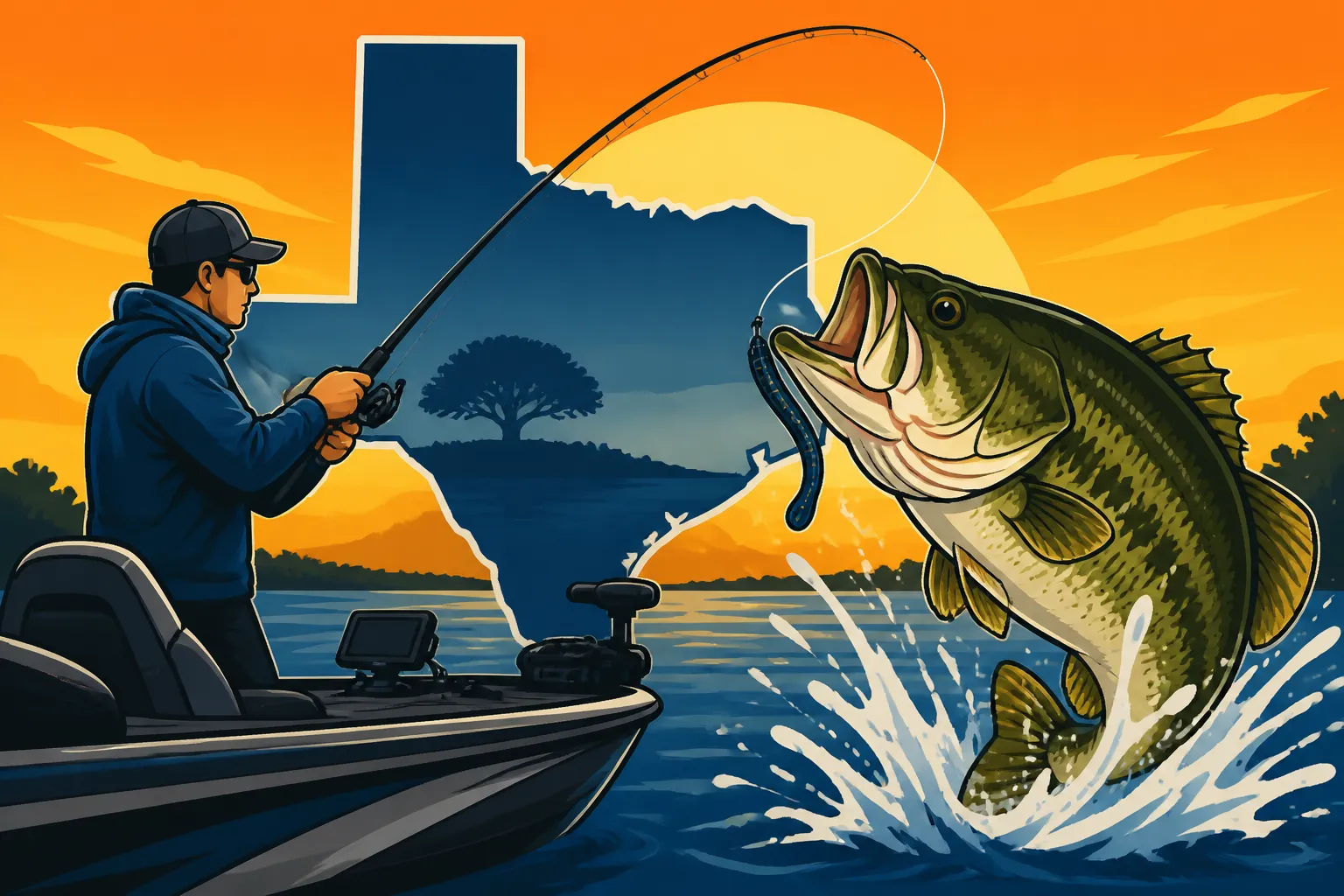
How to Fish a Texas Bass Tournament
Alright, let's talk about the exhilarating, often frustrating, but always rewarding world of Texas bass tournaments. If you've ever dreamt of weighing in a monster stringer or just want to test your skills against some of the best anglers in the state, you know the immense pressure and planning involved. It's not just about catching fish; it's about strategy, endurance, and knowing how to adapt on the fly. This guide is going to peel back the layers on what it truly takes to compete successfully in a Texas bass tournament, from the first thought of signing up to the moment you leave the weigh-in stage.
Understanding the Texas Tournament Landscape
Texas offers a truly diverse and challenging environment for bass fishing, and that diversity extends right into its tournament scene. Whether you're a weekend warrior or a seasoned pro, there's a level of competition out there for you.
Different Tournament Formats and Levels
The tournament world in Texas isn't a one-size-fits-all kind of deal. You've got everything from small, friendly local club tournaments to high-stakes national circuits, each with its own flavor and level of competition.
- Local Club Tournaments: These are often the grassroots level, perfect for beginners or those who prefer a more relaxed competitive environment. Clubs like the Anglers of Houston Bass Club or various community-based groups hold monthly events on local lakes such as Lake Conroe or Lake Livingston. Entry fees are usually modest, and the atmosphere is generally supportive. These are fantastic proving grounds where you can learn the ropes, hone your skills, and connect with other passionate anglers without the intense pressure of larger events. The rules tend to be straightforward, usually focusing on overall weight for a five-fish limit.
- Regional Circuits: Step it up a notch, and you'll find regional circuits like Bass Champs, the Toyota Series (part of Major League Fishing), or the Texas Team Trail. These are more serious, with higher entry fees, bigger payouts, and a significantly stiffer level of competition. You'll often find seasoned local sticks, aspiring pros, and even some national names competing here. These circuits typically visit a variety of popular tournament lakes across Texas, from Lake Fork to Sam Rayburn Reservoir, demanding a more comprehensive skill set and extensive travel. The pressure to perform is palpable, and a bad day can be very costly.
- Major National Events: At the pinnacle are the big national events from organizations like Major League Fishing (MLF) and Bassmaster (B.A.S.S.). While these don't always have Texas-specific circuits, Texas lakes are frequently chosen as venues for national Opens, Classics, or tours due to the state's incredible bass fishing. These events feature the absolute best anglers in the world, with massive prize purses and intense media coverage. Competing at this level requires years of experience, a deep understanding of bass behavior, top-tier equipment, and mental fortitude that few possess.
Each level offers a unique learning experience. Starting small and working your way up allows you to gradually build confidence, knowledge, and the necessary gear. You’ll quickly learn that Texas lakes are as diverse as the tournaments themselves. Fishing a deep, clear Hill Country reservoir like Canyon Lake requires a completely different approach than a shallow, stained East Texas powerhouse like Lake Fork or Sam Rayburn. The ability to adapt your strategies to these varied environments is paramount.
Key Regulations and Rules for Texas Events
Before you even think about launching your boat, it’s critical to understand that tournament fishing operates within a framework of both state regulations and specific event rules. Ignorance of either can lead to disqualification or even legal trouble.
First and foremost, all Texas Parks and Wildlife Department (TPWD) regulations apply. This means adhering to statewide Texas Freshwater Fishing Regulations, ensuring you have a valid fishing license (and any necessary endorsements), and respecting all bag and length limits. For instance, understanding the Texas Largemouth Bass Length Limits is absolutely vital. Many lakes have slot limits or minimum size requirements, and accidentally keeping an undersized or oversized fish can immediately disqualify your entire catch. It's not uncommon for a lake to have a 14-inch minimum length limit for bass, meaning any bass shorter than that cannot be retained for weigh-in.
Beyond state laws, each tournament organization will have its own specific rulebook. These typically cover:
- Livewell Requirements: Tournaments strictly enforce the use of functional livewells designed to keep fish alive and healthy. Losing fish due to an inadequate livewell isn't just bad for the fish; it often results in penalties (e.g., a weight deduction per dead fish). This is why investing in a quality livewell system is crucial.
- Culling Rules: Culling is the practice of releasing smaller fish to replace them with larger ones caught later. Tournaments have strict rules on how and when culling can occur. For example, most mandate immediate release once you've decided to cull, and some prohibit culling at the ramp or once you've entered the weigh-in line. It’s important to know the specific culling device rules, too.
- Off-Limits Periods: Many larger tournaments will have "off-limits" periods before the official practice days begin. This means no fishing on the tournament waters during this time to ensure fair play and prevent anglers from gaining an unfair advantage through extended scouting.
- No-Information Rules: Some tournaments prohibit anglers from receiving or sharing fishing information about the tournament waters from specific dates leading up to the event. This prevents teams from hiring guides or using local intel to gain an edge.
- Weigh-in Procedures: These include designated check-in times, proper handling of fish during transport to the scales, and respect for the weigh-in crew. Dead fish penalties are standard, and healthy fish release is always the goal.
Always, always read the official rulebook for every tournament you enter. Don't just skim it; internalize it. A small oversight could cost you the tournament, your entry fee, and perhaps even your reputation.
Pre-Tournament Preparation: The Foundation of Success
Success in a bass tournament isn't just about what happens on the water during the event. It's largely built on the meticulous preparation that happens beforehand. This phase is where you gather intelligence, optimize your gear, and formulate a plan.
Intensive Lake Research and Scouting
Think of yourself as a detective, piecing together clues about the lake and its bass population. This isn't just "going fishing"; it's a strategic information-gathering mission.
First, dive into maps. Detailed contour maps from providers like Navionics or C-MAP are your best friends. These maps reveal hidden creek channels, humps, ledges, old roadbeds, and submerged timber – all prime bass habitat. Pay attention to depth contours, especially areas where changes occur rapidly (drop-offs, points). Combine this with satellite imagery (Google Earth is excellent) to identify visible cover like boat docks, standing timber, lily pads, or specific areas of grass. Look for unique features like rock veins, isolated cover, or transitional areas where different types of habitat meet.
Next, research historical data. Look up past tournament results for that lake and time of year. What patterns were successful? What depths were fish caught in? Were they targeting specific cover? Read recent fishing reports, but take them with a grain of salt, as conditions can change quickly. Understanding Texas Bass Spawning Season Guide and Texas Fishing Seasons Month by Month is also crucial. Bass behavior shifts dramatically throughout the year based on water temperature and spawn cycles. Knowing if the fish are in pre-spawn, spawn, or post-spawn will dictate your entire approach.
Finally, there's on-the-water scouting, often called pre-fishing. This is your chance to physically explore the lake. The goal isn't necessarily to catch a ton of fish, but to eliminate unproductive water and confirm your theories. Look for signs of baitfish, water clarity changes, temperature variations, and the presence of cover indicated on your maps. Use your electronics extensively: side imaging and down imaging can reveal hidden structure and fish schools that aren't visible on the surface. When you do get a bite, note the depth, cover, bait, and conditions precisely. The trick here is to be efficient and avoid "burning" your best spots – catching too many fish from a small area can make them wary for tournament day. Sometimes, it’s better to just get a bite, understand the pattern, and move on.
Gear Selection and Optimization for Texas Waters
Your equipment is an extension of your skill. Having the right tools for the job, and ensuring they're in perfect working order, is non-negotiable.
- Rods and Reels: Texas bass fishing demands versatility. You'll need a range of rod and reel setups to tackle different techniques. For flipping heavy cover like hydrilla or dense timber, a heavy action, fast tip rod (7'6" to 8'0") paired with a high-speed baitcasting reel (8.1:1 or higher) is essential. For cranking deep ledges, a moderate action, medium-heavy rod (7'0" to 7'6") with a slower gear ratio reel (5.4:1 to 6.3:1) is ideal. Don't forget spinning setups for finesse techniques like drop-shotting or shaky heads, particularly useful on highly pressured lakes or in clear water. Always have backups! A broken rod or a tangled reel can derail your day.
- Tackle Organization: A well-stocked tackle box is good; a well-organized tackle box is better. You need to be able to find exactly what you need in seconds, without digging through a jumbled mess. Utilize clear plano boxes, label them by bait type, color, or weight, and keep only what you realistically plan to use for the conditions you expect. You might find great deals on specific baits or bulk terminal tackle on platforms like Amazon, allowing you to stock up efficiently. For instance, having various weights of tungsten for a How to fish a Texas rig for bass is crucial for adapting to different depths and cover densities.
- Boat Readiness: Your boat is your mobile fishing platform, and it needs to be flawless. Ensure your outboard motor is serviced and running perfectly. Your livewell system is paramount – check pumps, aeration systems, and drain plugs. A failing livewell means dead fish and penalties. Your fishing electronics, particularly your Best Fishing Electronics for Texas Anglers like your fish finder, GPS, and mapping units, must be up-to-date and functioning optimally. Make sure your trolling motor has fresh batteries and is performing at its peak; you’ll rely on it heavily for stealth and boat control. Even small details, like having a fully charged phone and a reliable GPS unit with updated maps, can make or break your day.
Before tournament day, take the time to spool fresh line on all your reels, check all your knots, and ensure hooks are razor-sharp. A dull hook can cost you a tournament-winning fish.
Tournament Day Strategies: Execution Under Pressure
The alarms go off before dawn. Adrenaline is pumping. This is what all the preparation has led to. Now, it's about executing your plan, staying focused, and adapting to whatever the lake throws at you.
Developing a Game Plan and Adapting to Conditions
The best laid plans often go awry on tournament day, which is why flexibility is as important as preparation.
Start with a solid "Plan A" based on your pre-fishing and research. This should be your most confident pattern or spot. But don't put all your eggs in one basket. You absolutely need a "Plan B" and even a "Plan C." Plan B might be a completely different depth range, cover type, or technique. For example, if your primary shallow water pattern isn't producing, Plan B might involve moving to deeper ledges with a crankbait. Plan C could be a high-percentage "junk fishing" approach, hitting isolated cover with a jig, or even targeting a completely different species if the bass bite is truly dead, just to put something in the livewell.
Crucially, you need to be a keen observer of the conditions. The weather can change dramatically in Texas, from clear skies to sudden thunderstorms, wind shifts, or drastic temperature drops. How wind affects bass fishing on Texas lakes, for example, can be profound; a strong breeze can position fish on certain banks or blow baitfish into pockets, activating a bite. Pay attention to water clarity (did the lake muddy up overnight?), water temperature (did a cold front drop it dramatically?), and lake levels (are they falling, impacting shallow cover?). If your Plan A isn't producing within the first hour or two, don't stubbornly stick to it. Be brave enough to cut your losses and move to Plan B, or even C. Sometimes, the most successful tournament anglers are those who can quickly diagnose a dead pattern and pivot to something new.
Trust your intuition. Sometimes you just get a "feeling" about an area or a certain bait. While data and logic are important, don't ignore that gut feeling, especially when the fishing is tough.
Efficient Fishing Techniques and Pattern Identification
Tournament fishing isn't just about catching fish; it's about catching the right fish consistently, and quickly.
One of the biggest dilemmas is whether to cover vast amounts of water or slow down and thoroughly pick apart a smaller area. Early in the day, especially if you have a strong pattern, covering water with faster baits like crankbaits, spinnerbaits, or topwaters can help you quickly locate active fish. Once you get a few bites, you might then slow down, perhaps using a How to fish a Texas rig for bass or a jig, to meticulously work that productive area and catch any remaining fish. When the bite is tough, slowing down with finesse techniques is often the key.
The ultimate goal is to identify a "pattern." This isn't just a spot; it's a repeatable set of conditions where bass are consistently biting. A pattern could be "bass are holding on deep hydrilla edges in 15 feet of water, biting a Carolina rig in chartreuse," or "bass are tucked under boat docks on north-facing banks, hitting a black and blue jig." Once you identify a pattern, you can replicate it across the lake, hitting similar areas and expecting similar results. For example, if you find fish on one main lake point with rock and timber, look for other main lake points with similar characteristics. This systematic approach allows you to efficiently find and catch more fish.
Texas offers fantastic opportunities for a variety of species. While the focus is usually largemouth, understanding species-specific behaviors can be key. A Texas Largemouth Bass Fishing Guide can give you an edge in understanding their typical habits and preferred habitats across the state. Remember to match your lure size, color, and action to the forage and water conditions. Sometimes, a subtle change in retrieve speed or a different presentation is all it takes to trigger bites. You can also explore the Best Tackle for Texas Bass Fishing for specific recommendations tailored to the diverse fishing conditions across the state.
Managing Your Catch and Livewell
Keeping your fish alive and healthy is paramount in tournament fishing. Dead fish not only incur penalties but are also a disservice to the resource.
- Livewell System: A high-quality livewell system is non-negotiable. Ensure it has excellent aeration (multiple aerators or a recirculating pump) and can maintain a stable, cool water temperature, especially during the brutal How to Fish in Hot Texas Summers. Consider using livewell additives like G-Juice or Rejuvenade to reduce stress on the fish, neutralize harmful chemicals, and add electrolytes. Regularly check your water quality throughout the day.
- Culling Strategies: When you've caught your limit (typically five bass in Texas), you'll need to start culling. This means releasing a smaller fish to replace it with a larger one. Use a non-penetrating culling system (clip or stringer) that minimizes harm to the fish. Know your Texas Fish Bag and Length Limits for the specific lake you're on, as releasing a fish that is undersized or oversized for a slot limit can cause issues if you're not careful. Weigh your fish accurately with a hand scale before making a cull. The goal is to maximize your total weight while minimizing stress on the fish. Avoid culling too frequently or excessively handling the fish. Make quick, decisive culls.
- Fish Handling: Practice good fish handling. Wet your hands before touching fish, support their body weight, and get them back into the livewell or released as quickly as possible. During transport to the weigh-in, make sure your livewell is topped off and aerated.
Remember, the goal is for those fish to swim away healthy after weigh-in, ready to fight another day. It's not just about winning; it's about conservation and respecting the fish that provide us with so much enjoyment.
Post-Tournament Analysis and Continuous Improvement
The tournament might be over, but the learning should never stop. The post-tournament phase is critical for growth and future success.
Reviewing Performance and Learning from Experience
A thoughtful debriefing after each event is invaluable. Don't just pack up and forget about it.
- Debriefing: Whether you fished solo or with a partner, take time to talk through the day. What worked well? What didn't? Where did you make good decisions, and where might you have gone wrong? If you fished with a partner, compare notes honestly. Sometimes, an outside perspective can highlight things you missed. Even if you had a terrible day, there are lessons to be learned. Was it a bad pattern choice? Did you misread conditions? Did equipment fail?
- Analyzing Data: Go back through your GPS tracks. Which areas did you fish? How long did you spend there? Did your fish finder record anything interesting that you missed in the heat of the moment? Review the baits you used, the colors, the sizes, and the retrieve speeds. Did you stick with a certain lure too long, or did you switch too quickly? Document all of this information. Building a personal fishing journal or database can be incredibly helpful over time, especially when you return to the same lake or face similar conditions. This will help you refine your understanding of "What month do bass spawn in Texas" or "Best time of year to fish Lake Fork for bass".
- Documenting Findings: Create a system for documenting your findings. This could be as simple as notes in a notebook or a more sophisticated digital log. Record lake, date, weather, water conditions, successful baits/patterns, depths, and any insights you gained. This historical data will become a powerful tool for future tournaments, helping you build a library of knowledge specific to Texas lakes and their seasons. What you learn from an unsuccessful day can be just as valuable, if not more so, than the lessons from a winning day.
Sportsmanship and Community Engagement
Beyond personal improvement, tournament fishing offers opportunities for community and camaraderie.
- Emphasize Good Sportsmanship: This should be a given. Respect other anglers, whether they're competing or just out enjoying the lake. Follow the rules, be courteous on the water and at the ramp, and genuinely congratulate those who perform well. A handshake and a "good job" go a long way, regardless of whether you won or lost. Good sportsmanship reflects positively on you and the sport as a whole.
- Networking: The tournament community is full of passionate people. Don't be afraid to strike up conversations, ask questions (respecting any "no information" rules), and learn from more experienced anglers. You'll often find invaluable insights, whether it's about a particular lake, a new technique, or simply how to stay calm under pressure. Sharing your own experiences, within reason, can also build lasting friendships and help grow the sport.
- Conservation Efforts: Be an advocate for conservation. Practice responsible fish handling to ensure high survival rates for released bass. Participate in or support efforts to improve fish habitat or water quality. Organizations like TPWD and local lake associations work tirelessly to maintain the health of Texas fisheries, and anglers have a vital role to play in supporting those efforts.
Common Challenges and Troubleshooting in Texas Tournaments
No tournament day is ever perfect. You will encounter obstacles. The true test of an angler often comes down to how well they navigate these inevitable challenges.
Dealing with Fishing Pressure and Crowded Waters
Texas lakes, especially popular tournament venues like Lake Fork, Sam Rayburn, or Toledo Bend, can get incredibly crowded during events. Dealing with this pressure effectively is a skill in itself.
- Strategies for Fishing Behind Others: Sometimes, your best spots will already have boats on them. Instead of getting frustrated, think strategically. Fish often get pressured into different moods or positions. Can you fish deeper or shallower than the boat ahead of you? Can you use a different presentation (e.g., a finesse bait when everyone else is throwing power lures)? Sometimes, giving a spot a little time and then fishing it from a different angle or with a different technique can produce surprising results. Or, identify a similar, less obvious piece of structure nearby that might hold unpressured fish.
- Finding Less Pressured Areas: This often requires going off the beaten path or focusing on less obvious patterns. While everyone else is hammering the main lake points, maybe the fish are tucked way back in a creek. Or, instead of throwing a popular bait, try something completely different that the fish haven't seen. This could mean a subtle color change, a unique retrieve, or even a different lure category entirely. For instance, using a niche bait you found on Amazon that isn't widely used can give you an edge.
- Patience and Persistence: When the fishing is tough and the lake feels crowded and sterile, it's easy to get frustrated. But frustration leads to poor decisions. Stay patient, trust your plan, and keep making productive casts. Sometimes, one key bite can unlock a pattern for the rest of the day. Persistence often pays off, especially in tournaments where many anglers give up mentally.
Equipment Failures and Unexpected Issues
Murphy's Law loves tournament day. Something will go wrong at some point. Being prepared for the unexpected is key to minimizing its impact.
- Having a Backup Plan: This applies to everything. Blown outboard motor? Have a plan for getting to safety or calling for assistance. Trolling motor dies? Can you still fish effectively with your main engine or a small paddle? Electronics glitch out? Can you navigate and find spots using old-school map knowledge or a backup GPS on your phone? Always carry spare props, fuses, and basic tools.
- Carrying Essential Tools and Repair Kits: A small tool kit with screwdrivers, pliers, wire cutters, electrical tape, spare fuses, and extra line is non-negotiable. You might need to re-tie a knot, fix a loose connection, or untangle a nasty bird's nest. A prop wrench and spare prop are vital, especially on lakes with lots of shallow stumps or rocks. Even carrying a small first-aid kit for minor cuts or hook punctures is a good idea.
- The Mental Game: When something breaks, it's incredibly stressful. The key is to stay calm and methodical. Panic only makes things worse. Take a deep breath, assess the problem, and work through your troubleshooting steps. A positive mindset, even when facing adversity, can make all the difference in salvaging your day. Remember that everyone faces challenges, and how you respond to them defines you as an angler.
Being prepared for everything, from finding the Best Places to Fish in Texas to understanding the intricacies of tournament rules, will set you up for success.
| Tournament Level | Typical Entry Fee | Prize Structure | Competition Level | Primary Goal |
|---|---|---|---|---|
| Local Club | $20 – $100 | Small cash payouts, club points, bragging rights | Beginners to experienced weekend anglers | Fun, learning, camaraderie |
| Regional Circuit | $250 – $1,000 | Larger cash payouts, product prizes, AOY points | Seasoned local anglers, aspiring pros, some national | Competitive ranking, stepping stone to higher levels |
| National Tour | $2,000 – $10,000+ | Major cash, boats, sponsor deals, Angler of the Year | Professional anglers, highly skilled competitors | Career, significant earnings, national recognition |
Disclaimer
Please remember that fishing regulations, tournament rules, and licensing requirements can change. Always consult the official Texas Parks and Wildlife Department website and the specific rulebook for any tournament you plan to enter before heading out. Safety should always be your top priority on the water.