How to catch trophy bass for the ShareLunker program
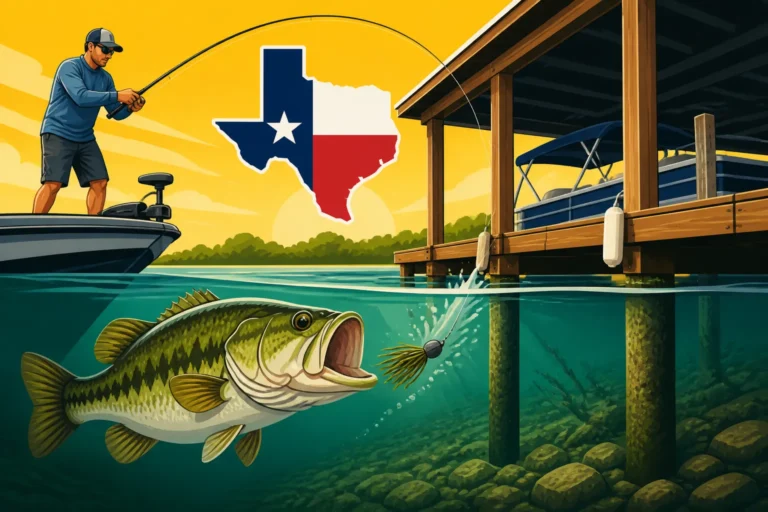
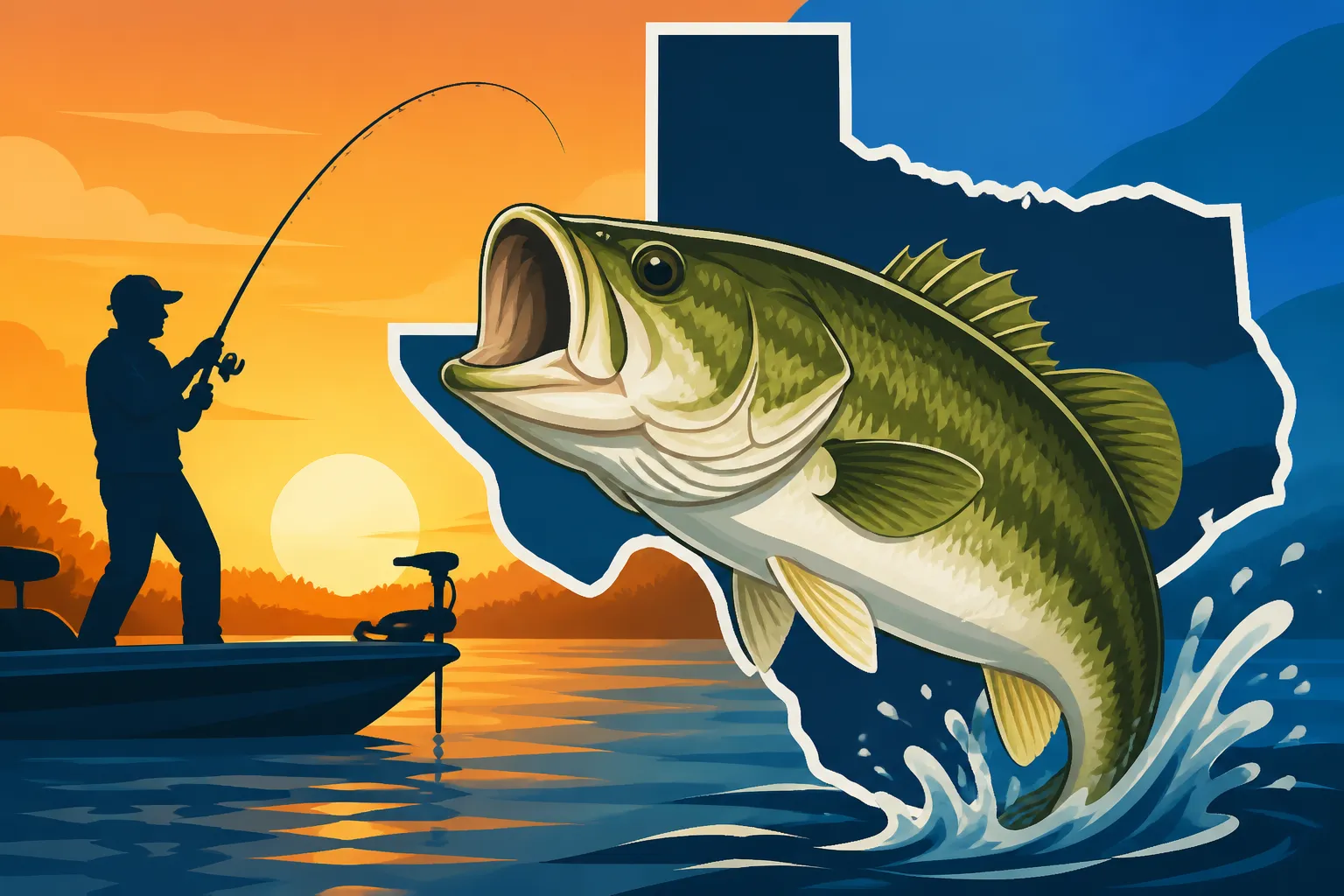
The dream of catching a trophy largemouth bass, especially one big enough to qualify for the Texas Parks and Wildlife Department's (TPWD) Toyota ShareLunker program, is a powerful motivator for countless anglers across the Lone Star State. It's not just about a big fish; it's about contributing to the future of our sport and being part of something truly special. This guide isn't about luck; it's about strategy, understanding fish behavior, and equipping yourself with the knowledge to consistently target these elusive giants. We're going to dive deep into what it takes to put a Legacy Class ShareLunker on your line, from understanding the program itself to the precise techniques and gear that give you the best shot.
Decoding the Texas ShareLunker Program
Before you even cast a line, it's crucial to understand the significance of the ShareLunker program. It's more than just a contest; it's a vital conservation initiative that has profoundly shaped Texas bass fishing for decades.
What is the ShareLunker Program?
The Toyota ShareLunker program, initiated in 1986, is a partnership between TPWD and Texas anglers to enhance the state's trophy bass fishery. Its primary goal is to collect largemouth bass weighing 13 pounds or more during the spawning season for selective breeding. These "Legacy Class" fish, once spawned, are returned to the wild, often back to the very lake they came from, while their offspring are raised and stocked back into Texas public waters. This genetic contribution is instrumental in producing the next generation of giants.
It's not just about the Legacy Class anymore, though. The program has expanded to include other classes, allowing more anglers to participate:
- Legacy Class: These are the true titans, 13 pounds or heavier, caught between January 1st and March 31st. These are the fish TPWD collects for spawning. When you catch one, it's a major event! You can find more details about what specifically makes a bass eligible in our guide on what qualifies a bass for the Texas ShareLunker program.
- Lunker Class: Bass between 8 pounds and 12.99 pounds, caught any time of year.
- Catch & Release Class: Bass under 8 pounds, caught any time of year.
- Junior Class: For anglers under 17, catching a bass of any size.
Even if you don't catch a 13-pounder, reporting your Lunker, Catch & Release, or Junior class fish still contributes valuable data to TPWD. Every reported fish helps scientists understand population dynamics, growth rates, and geographical distribution across our massive state.
Why Your Trophy Bass Matters to Texas
Every angler dreams of catching a fish that breaks records or puts their name in the local hall of fame. But with the ShareLunker program, catching a Legacy Class bass transcends personal achievement. It becomes a direct contribution to the genetic improvement of largemouth bass in Texas. Imagine catching a fish whose genes will populate lakes across the state, potentially leading to future generations of trophy bass for other anglers to enjoy. It’s a pretty incredible legacy to leave.
This isn't just theory; the program has demonstrably improved the quality of bass fishing here. Many of the biggest bass caught in Texas today are descendants of previous ShareLunkers. By participating, you're not just bragging about a big catch; you're helping TPWD continue their groundbreaking research and stocking efforts. It’s an investment in the future of Texas fishing. Your successful catch helps ensure that the next generation of anglers can also experience the thrill of battling a true Texas giant.
The Seasonal Science of Targeting Giants
Trophy bass don't just swim around waiting to be caught. They follow patterns, dictated largely by the seasons and their biological imperative to spawn. Understanding these rhythms is the biggest secret to success.
Understanding the Prime ShareLunker Season
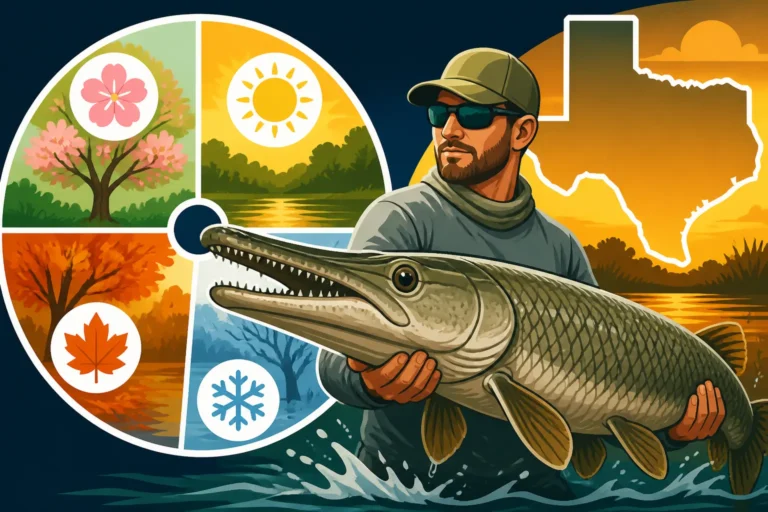
If your goal is a Legacy Class ShareLunker, you absolutely have to focus your efforts during the prime season: January 1st to March 31st. This is when the largest female bass, heavy with roe, move shallow to prepare for spawning. They are at their absolute heaviest and often most aggressive, making them susceptible to anglers.
During these cooler months, water temperature is your best friend and fiercest foe. Big bass will start to stage in slightly deeper water adjacent to prime spawning flats when water temperatures are in the upper 40s to low 50s. As the water warms into the mid-50s to low 60s, these fish will begin to migrate onto those shallow flats, looking for suitable bedding areas. Our comprehensive guide on the best months to catch a Legacy Class ShareLunker bass delves deeper into these critical windows.
This pre-spawn and early spawn period is when these fish are actively feeding to build energy reserves for the strenuous spawning process. They're looking for substantial meals, which means you need to be throwing larger baits that mimic their preferred forage, like big gizzard shad or crappie. The transition periods – particularly after a warm front pushes water temperatures up for a few days – can be absolute dynamite. Conversely, a sharp cold front can send them scurrying back to deeper water, making them harder to tempt. Patience and persistence during this unpredictable window are paramount.
Where Trophy Bass Live and Hunt
You won't find 13-pound bass just anywhere. They require specific habitat that provides ample food, cover from predators, and suitable spawning grounds. Texas is blessed with several lakes known for producing these giants, often because they have excellent forage bases, diverse underwater structure, and strong genetic strains.
Lakes like Lake Fork are legendary for a reason. Its standing timber, submerged hydrilla, and creek channels provide perfect ambush points and staging areas. Similarly, Sam Rayburn Reservoir and Toledo Bend Reservoir are perennial powerhouses, offering vast expanses of hydrilla, timber, and deep ledges where big bass thrive. Other consistent producers include O.H. Ivie Reservoir, which has exploded with giant bass in recent years, and Falcon Lake down south, known for its sheer numbers of big fish, though its water levels can be challenging.
When looking for trophy bass, focus on areas adjacent to deep water access. This could be:
- Deep creek channels or river beds: Bass use these as highways to move from deep wintering holes to shallow spawning flats.
- Standing timber or brush piles: These provide excellent ambush cover and shade.
- Hard bottom areas: Rocks, shell beds, or clay points on spawning flats are preferred for beds.
- Hydrilla or other submerged vegetation edges: These create natural feeding lanes and hideouts.
You can often find detailed information on these hotspots in our various fishing guides, such as the Lake Fork Fishing Guide or the Sam Rayburn Reservoir Fishing Guide, which pinpoint specific areas known for larger bass. Remember, these big fish are often solitary or in small groups; they aren't schooling up like white bass. You're looking for quality over quantity in these prime locations.
Mastering Techniques and Tackle for Big Bass
Catching a truly massive bass requires more than just knowing where and when to go; it demands the right tools and the finesse to use them effectively. You can't bring a knife to a gunfight when you're after a fish that could potentially weigh more than your toddler.
Heavy Gear for Heavyweights
Forget your medium-action spinning rod if you're serious about ShareLunkers. These fish are powerful, and they live in gnarly cover. You need heavy-duty gear to get them out.
- Rods: Opt for heavy or extra-heavy power baitcasting rods, typically 7'6" to 8' in length, with a fast or extra-fast action. This provides the backbone to horse a big fish out of thick brush or hydrilla and the sensitivity to detect subtle bites. Rods from brands like Dobyns, G. Loomis, or even more budget-friendly but sturdy options you can find on Amazon, are often preferred by serious trophy hunters. Our guide to the Best Fishing Rods for Texas Anglers offers some great choices for different techniques.
- Reels: Pair your heavy rod with a baitcasting reel that has a strong, smooth drag system and a high line capacity. A gear ratio around 7.1:1 or 8.1:1 is excellent for quickly taking up line after a bite and getting the fish away from cover. Look for models from Shimano, Daiwa, or Lew's.
- Line: This is not the place to skimp. Use heavy fluorocarbon (20-30 lb test) for most applications due to its abrasion resistance and low visibility, or braided line (50-65 lb test) when flipping heavy cover, often with a fluorocarbon leader. Braided line offers superior sensitivity and strength, crucial when fishing deep timber.
Lures That Tempt the Giants
Trophy bass are looking for a meal, not a snack. Your lure selection should reflect this. Think big, bulky, and realistic.
- Large Swimbaits: These are arguably the most effective lures for tempting true giants. Hard-bodied swimbaits, soft paddle-tail swimbaits, and even glide baits that imitate large shad or trout can be incredibly effective, especially in clear to stained water. Learning How to fish a swimbait for big bass effectively is a game-changer.
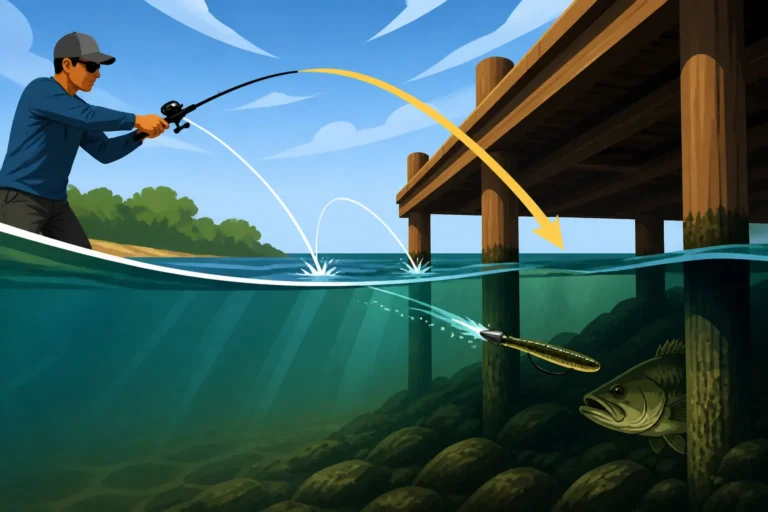
- Jigs: Big football jigs (3/4 oz to 1 oz) or flipping jigs (1/2 oz to 1 oz) with bulky creature bait trailers are excellent for mimicking crawfish or bluegill. Pitch them into thick cover, along ledges, or deep timber. Darker colors like black and blue, or natural tones like green pumpkin, are often winners.
- Big Crankbaits: Deep-diving crankbaits that reach depths of 15-25 feet can entice big bass holding on offshore structure. Look for models with aggressive wobbles and realistic baitfish patterns. For shallower presentations, larger squarebill crankbaits fished around laydowns and stumps can be deadly.
- Alabama Rigs: While controversial in some circles, these multi-lure rigs can be deadly in Texas, especially for pre-spawn staging fish, mimicking a school of baitfish. Just be sure to check local regulations on the number of hooks allowed.
When you're browsing for these specialized baits, online retailers like Amazon often have a wider selection of sizes and colors that might not be available at every local tackle shop, especially for niche trophy bass baits.
| Lure Type | Best Season | Typical Depth | Key Retrieve Technique | Optimal Conditions |
|---|---|---|---|---|
| Large Swimbaits | Pre-Spawn, Spawn | Shallow to Mid | Slow, steady retrieve; occasional pause | Clear to Stained Water, Calm/Light Wind |
| Heavy Jigs | Pre-Spawn, Spawn | Shallow to Deep | Flip/Pitch into cover, slow drag/hop on bottom | Heavy Cover, Stained Water |
| Deep Crankbaits | Pre-Spawn, Post-Spawn | Mid to Deep | Fast retrieve to reach depth, contact structure | Offshore Humps, Ledges, Points |
| Carolina Rigs | Pre-Spawn, Post-Spawn | Mid to Deep | Slow drag along bottom; pause, subtle twitches | Open Water, Points, Humps |
| Texas Rigs | Year-Round | Shallow to Mid | Pitch/Flip into cover, drag/hop on bottom | Heavy Cover, Vegetation, Wood |
Precision Presentations and Patience
Catching trophy bass often comes down to precise presentations and an almost superhuman level of patience. These aren't necessarily the most active fish; they're often lurking, waiting for an easy meal.
- Slow it Down: Most trophy bass strikes happen on a slow, deliberate retrieve. Whether you're dragging a Carolina rig across a point (How to fish a Texas Carolina rig), slowly crawling a jig through timber, or working a large swimbait with long pauses, resist the urge to rush.
- Hit the High-Percentage Spots: Don't waste casts on unproductive water. Focus on areas where you know big bass hold, especially transition lines, contour changes, and isolated pieces of cover. If you suspect a giant is there, make multiple, accurate casts from different angles.
- Stealth is Key: Especially during the pre-spawn and spawn, trophy bass can be incredibly wary. Use your trolling motor minimally, avoid loud noises, and keep your silhouette low. Polarized sunglasses (available widely, including on Amazon) are a must for spotting beds or submerged cover without spooking fish.
- Work the Cover: These big fish love dense cover. Don't be afraid to pitch your jig or Texas rig (How to fish a Texas rig for bass) right into the thickest part of a brush pile, standing timber, or hydrilla mat. That's often where the biggest fish are hiding.
- Patience, Patience, Patience: You might make hundreds of casts for just one bite. That's the nature of trophy bass fishing. Stay focused, trust your instincts, and keep working those prime areas. That one monstrous tug on your line will make all the effort worthwhile.
Ethical Angling and Fish Care
Successfully catching a ShareLunker is an incredible achievement, but the work isn't over when the fish is in the net. Proper fish care is paramount to ensure the fish's survival and its ability to contribute to the ShareLunker program.
Minimizing Stress and Maximizing Survival
A 13-pound bass is likely an older fish and can be quite delicate. Every minute out of the water, every bump, and every handling mistake reduces its chances of survival and successful spawning.
- Quick Handling: Once landed, get the fish measured and photographed as quickly and gently as possible. Have your scales, measuring board, and camera ready before you even cast.
- Proper Support: Always support the fish's full body weight, especially with larger specimens. Never hold a large bass purely by the jaw in a vertical position, as this can severely damage its jaw and internal organs. Cradle its belly with one hand while supporting the jaw with the other.
- De-hooking: Use appropriate tools like long-nose pliers or de-hookers to remove hooks quickly and cleanly. If the hook is deeply ingested, it's often better to cut the line as close to the hook as possible rather than tearing internal organs.
- Livewell Management: If you intend to report a Legacy Class ShareLunker, your livewell must be optimized. Ensure it's large enough, well-aerated, and kept at an appropriate temperature. Carrying a livewell additive like Rejuvenade or Please Release Me can help reduce stress and improve oxygen uptake. Having a large insulated cooler with ice on hand is also crucial for transporting a potential ShareLunker to a rendezvous point with TPWD staff, ensuring its vitality.
The ShareLunker Process in Action
If you're fortunate enough to catch a potential Legacy Class ShareLunker, act quickly and calmly.
- Verify Weight: Weigh the fish on a certified scale if possible, or a reliable digital scale. If it's close to or over 13 pounds, proceed with reporting.
- Contact TPWD: Immediately call the ShareLunker hotline (1-888-784-5592). This hotline is staffed 24/7 during the prime season. Provide them with your location, and they will coordinate meeting you to pick up the fish.
- Prepare for Transport: Keep the fish in your well-maintained livewell. If you have an ice chest large enough, you might place the fish in it with aerated, cooled water, or even some ice to lower the water temperature gradually, especially if it's a warmer day. This helps keep the fish calm and healthy during transport.
- Documentation: Take clear photos and videos, but prioritize the fish's health. The TPWD staff will handle all official measurements and documentation.
The entire process, from hookset to release (or transfer to TPWD), is an incredible experience. By following these steps, you not only maximize your chances of catching a trophy bass but also ensure you're contributing positively to the future of Texas's world-class bass fishery. It's a testament to the dedication of anglers and the commitment of TPWD to keep Texas fishing truly legendary.
Disclaimer
The information provided in this guide is for general informational purposes only and does not constitute professional advice. Fishing regulations, license requirements, and safety guidelines can change. Always consult the official Texas Parks and Wildlife Department website and local authorities for the most current and accurate information before engaging in any fishing activities. Adhere to all federal, state, and local laws and regulations. Fishing inherently carries risks, and participation is at your own discretion and risk.