How to Catch Catfish at Night in Texas
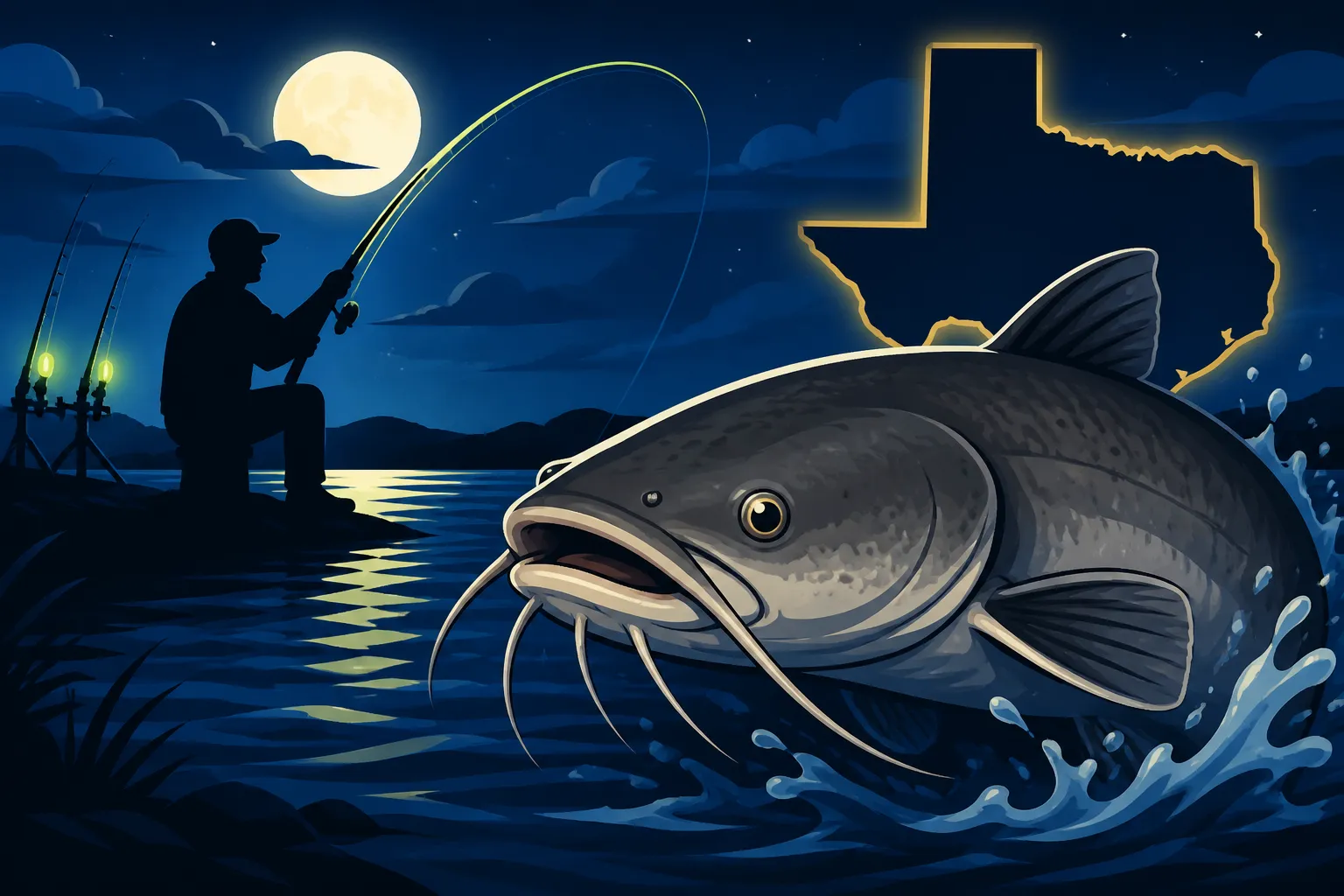
When the brutal Texas sun beats down, many anglers pack up their gear, but that's exactly when the really dedicated catfish hunters get ready. Trying to wrestle a big blue cat or a hefty flathead in the scorching heat of a Texas summer day isn't just uncomfortable, it's often unproductive. Catfish, like a lot of us, prefer to avoid the midday blaze, becoming more active and much more catchable once the sun dips below the horizon and the water cools. This guide is your complete roadmap to mastering the art of catching catfish at night in Texas, ensuring you make the most of those cooler, quieter hours.
Why Night Fishing for Catfish in Texas is a Game Changer
There's a magic that happens on the water when the sun goes down in Texas. The world quietens, the air cools, and a whole new ecosystem comes alive. For catfish anglers, this isn't just a pleasant change of scenery; it's a strategic advantage that can dramatically increase your success rate.
Escaping the Texas Heat and Crowds
Let's be real, summer in Texas is no joke. The daytime temperatures can easily soar into the upper 90s, often topping 100 degrees Fahrenheit. Not only is this uncomfortable for anglers, but it also makes fish lethargic. Just like us, fish can suffer from heat stress. During the day, many species, especially larger catfish, retreat to deeper, cooler waters, making them harder to find and entice. The thought of spending hours under that relentless sun, getting burnt and sweating through your clothes, is enough to deter even the most passionate angler.
But as twilight fades into darkness, a wonderful transformation occurs. The air temperature drops significantly, making for a much more enjoyable experience. The water surface begins to cool, and this temperature change often signals to catfish that it's time to forage. Moreover, the crowds dissipate. You'll find boat ramps less congested, popular fishing spots less occupied, and a general sense of peace on the water that's rarely found during daylight hours. This means more prime spots available to you and a much more relaxing environment to focus on the bite. It’s a win-win, offering both comfort and increased opportunity.
Catfish Behavior After Dark
Understanding how catfish behave at night is key to consistently catching them. Unlike many game fish that rely heavily on sight, catfish are equipped with an incredible array of senses perfectly adapted for low-light conditions. They possess an exceptional sense of smell, highly sensitive barbels (whiskers) that can detect minute vibrations and chemical cues in the water, and a lateral line system that picks up pressure changes and movement.
As darkness settles, catfish, particularly larger blue cats and flatheads, venture out of their deep-water sanctuaries. They move into shallower flats, creek channels, and even onto ledges and points, actively hunting for food. This nocturnal foraging behavior is driven by several factors: reduced light allows them to ambush prey more effectively without being seen, cooler water temperatures increase their metabolism and activity, and many of their preferred prey items (like shad and smaller fish) are also more active or vulnerable at night. Targeting these shallower feeding grounds is a stark contrast to the deep-water tactics often required during the day, giving anglers a distinct advantage in terms of accessibility and finding active fish.
The Thrill and Serenity of Night Fishing
There's an undeniable allure to night fishing that goes beyond just catching fish. It's an experience in itself. The world around you takes on a different character. The sounds of crickets, frogs, and distant owls replace the hum of boat engines and human chatter. The sky, unpolluted by the sun's glare, often puts on a spectacular show of stars, creating a truly serene backdrop for your angling adventure.
The anticipation of a bite in the dark is also incredibly heightened. When your rod tip slowly bends, or your bell alarm suddenly shrieks, it's a jolt of adrenaline that feels distinct from a daytime strike. Battling a strong catfish in the pitch black, relying on the feel of the fight and the subtle glow of your headlamp, adds an extra layer of challenge and excitement. It's a primal experience, connecting you more deeply with the environment and the pursuit. Many seasoned anglers will tell you that some of their most memorable fishing trips happened under the cloak of night, not just because of the fish caught, but because of the unique atmosphere and tranquility.
Essential Gear for Texas Night Catfishing
Successful night catfishing in Texas demands a bit more preparation and specialized gear than your average daytime trip. You're not just fishing; you're operating in low-light conditions, which requires careful consideration for safety, visibility, and efficiency. Having the right tools won't just make your trip more comfortable; it will make it significantly more productive and safer.
Lighting the Way: Headlamps and Lanterns
When you're out on the water or bank after dark, proper lighting is paramount. It’s not just about seeing your bait; it’s about navigating safely, tying knots, unhooking fish, and avoiding unseen obstacles.
A headlamp is arguably your most crucial piece of night fishing gear. Its hands-free operation is invaluable, allowing you to focus on rigging, baiting, or handling a fish without fumbling for a flashlight. Look for models with adjustable brightness settings and, importantly, a red-light option. Red light preserves your night vision, which is critical for scanning the water for subtle rod movements or navigating without blinding yourself or your fishing buddies. Many excellent headlamps can be found on platforms like Amazon, offering a range of features from waterproof designs to long battery life.
In addition to a headlamp, a lantern can provide ambient light for your fishing station. Whether it's a battery-powered LED lantern or a propane-fueled one (be mindful of open flames near flammables), a lantern creates a comfortable zone for sorting tackle, preparing snacks, or just relaxing between bites. For boat anglers, dedicated boat lights are essential for navigation and safety, meeting Coast Guard requirements. Always ensure your boat's navigation lights are functioning correctly, and consider adding floodlights for deck illumination when anchored. The goal is enough light to work safely, but not so much that it spooks fish or disrupts the natural ambiance.
Rods, Reels, and Line for the Night Shift
Catfishing often means battling powerful fish, and that doesn't change after dark. In fact, some of the biggest blues and flatheads are caught at night. Your tackle needs to be robust and reliable.
For rods, medium-heavy to heavy power rods, typically in the 7 to 10-foot range, are ideal. This length provides good casting distance from the bank or boat and offers leverage for fighting larger fish. A moderate-fast action is often preferred, allowing for enough give to absorb powerful runs while still having the backbone to set a hook firmly. Brands like Ugly Stik and Berkley offer durable and sensitive rods perfect for the job.
Reels should match your rod's power. A robust spinning reel in the 6000-8000 size range or a sturdy baitcasting reel is appropriate. The key features to look for are a smooth, powerful drag system and sufficient line capacity. You don't want your reel locking up or running out of line when a monster decides to make a run for it in the dark.
When it comes to line, there are two main contenders: monofilament and braided line.
- Monofilament (Mono): Offers stretch, which can act as a shock absorber against powerful runs, reducing the chance of hooks pulling free. It's also more abrasion-resistant in some situations and generally less visible underwater. For catfish, 20-30 lb test mono is a common choice.
- Braided Line: Has virtually no stretch, providing incredible sensitivity to detect subtle bites in the dark. Its thinner diameter for a given breaking strength means you can spool more line or use heavier test. Many anglers prefer 50-80 lb braided line for its brute strength, especially when fishing around heavy cover. If using braid, a fluorocarbon leader of 2-4 feet can be beneficial for abrasion resistance and stealth. No matter your choice, ensure your line is fresh and regularly inspected for nicks or fraying.
Specialized Night Fishing Tackle and Accessories
Beyond the basics, a few specialized items can significantly enhance your night catfishing experience.
- Rod Holders: Whether you're fishing from the bank or a boat, sturdy rod holders are essential. They keep your rods secure, prevent them from being pulled into the water by a hard-hitting fish, and allow you to set multiple lines. Bank anglers often use spike-style holders, while boat anglers can choose from clamp-on or flush-mount options.
- Bite Alarms: These are a night angler's best friend. Small bells that clip onto your rod tip are a classic and effective method, announcing a bite with an unmistakable jingle. Electronic bite alarms, which sense line movement and emit a sound or light, are also popular, especially for those who want more precise detection.
- Glow Sticks/LEDs: Attaching a small glow stick or a specialized LED light to your rod tip makes it incredibly easy to spot subtle bites in the dark. These are inexpensive and can be found in multi-packs on Amazon, saving you from constantly shining your headlamp on your rods.
- Comfortable Seating: A comfortable chair or boat seat makes long hours in the dark much more enjoyable.
- Bug Spray: Texas nights, especially near water, often come with mosquitoes and other biting insects. Don't forget a good insect repellent!
- Landing Net or Gaff: A large, sturdy landing net is crucial for safely bringing in big catfish, especially in the dark where visibility is limited. For truly massive fish, a gaff might be considered, but use with caution and only if experienced.
- Cooler: A quality cooler, like those offered by Yeti or Igloo, is essential not just for keeping your catch fresh, but also for storing drinks and snacks. On hot Texas nights, staying hydrated and fueled is important. You can find excellent options for durable, ice-retaining coolers on Amazon.
Prime Locations for Texas Night Catfishing
Texas is a vast state with an abundance of fantastic fishing opportunities, and catfish are no exception. Knowing where to go after dark is just as important as knowing how to fish. Catfish are found in nearly every body of water, from large reservoirs to small creeks, but some locations are consistently more productive for night anglers targeting big cats.
Productive Freshwater Lakes and Reservoirs
Texas boasts numerous large lakes and reservoirs that are absolute goldmines for night catfishing. These expansive bodies of water offer diverse habitats where blue, channel, and flathead catfish thrive.
Lake Livingston is a prime example, renowned for its incredible blue cat fishery. At night, these massive blues move out of the deeper main lake channels and onto the numerous humps, submerged roadbeds, and shallow flats to feed on shad. Targeting areas where current flows, such as near the Trinity River channels or along main lake points, can be highly effective. The lower end of the lake, closer to the dam, often sees strong current that draws bait and predators.
Lake Texoma, straddling the Texas-Oklahoma border, is famous for its striped bass, but don't overlook its phenomenal catfishing. The Red and Washita River arms feed into Texoma, creating nutrient-rich environments. At night, look for catfish in the channels of these river arms, on the edges of flats, or around submerged timber. They'll often follow schools of baitfish into shallower waters. Remember to check special regulations for Lake Texoma fishing license rules if you plan to cross state lines.
Other notable lakes include Lake Conroe, where channel cats and blues are abundant, especially around brush piles and creek channels; Toledo Bend Reservoir, known for its massive flatheads lurking in timber-rich areas and deep bends of the Sabine River; and Cedar Creek Reservoir, which offers excellent channel cat fishing in its extensive shallow flats and creek arms. When fishing these lakes at night, focus on transitional areas: where deep water meets shallow flats, the edges of submerged river channels, and structures that hold baitfish. Many of these lakes have ample public access points, and some even have fishing piers that remain open after dark.
Rivers and Creeks Under the Stars
While lakes offer expansive opportunities, Texas rivers and larger creeks provide unique challenges and rewards for the night angler. The consistent current of a river creates predictable holding patterns for catfish, making them easier to locate if you know what to look for.
The Trinity River is a legendary catfish destination. Its slow, meandering stretches are perfect for channel and blue catfish, while its deeper holes and logjams can hold trophy flatheads. At night, focus on outside bends in the river where deeper holes are scoured out by the current. Structure like fallen trees, brush piles, and rock formations provide ambush points. Catfish will often sit just out of the main current, waiting for food to wash by. Pay close attention to areas downstream of dams or rapids, as these can concentrate baitfish and, in turn, catfish.
The Brazos River and Colorado River are also excellent choices. Look for similar patterns: deep pools, log jams, and the mouths of feeder creeks that dump into the main river. These areas often have slightly cooler water and higher oxygen levels, making them attractive to catfish after dark. Fishing these rivers from the bank can be highly productive; find a stable bank with access to deeper water and set up your rod holders. Don't forget that Texas Freshwater Fishing Regulations still apply, even at night.
The Advantages of Pier and Bank Fishing at Night
For many anglers, especially those without a boat, pier and bank fishing after dark offer accessible and often highly productive options for catching catfish.
Public fishing piers, particularly those on larger lakes or rivers, are fantastic night spots. They often extend out into deeper water or over productive channels, giving you access to areas that are otherwise only reachable by boat. Many piers are also equipped with lights, which not only aid in visibility but also attract baitfish, drawing in predatory catfish. Popular choices include piers on Lake Grapevine near Dallas, Lake Bryan near College Station, or various piers along the Texas coast for freshwater species that venture into brackish areas. Check to see which Best Texas Piers for Fishing Without a Boat are open 24/7.
Bank fishing provides incredible flexibility. You can target a vast array of locations from creek banks, river edges, to lake shores. After dark, catfish often move into surprisingly shallow water close to the bank as they forage. Look for access points near drop-offs, submerged timber, or anywhere you suspect baitfish might congregate. Many Texas State Parks offer fantastic opportunities for Free Shoreline Fishing at Texas State Parks, and some have designated areas accessible at night. Just be sure to check park hours and regulations before you go. The quiet nature of bank fishing at night also allows for a more focused and relaxing experience, away from the hustle and bustle. Remember to scout your chosen bank location during daylight hours to familiarize yourself with the terrain and potential hazards.
Top Baits and Rigs for Nocturnal Catfish
When the sun goes down, catfish rely even more heavily on their incredible senses of smell and vibration to locate food. This means your bait selection and presentation are paramount to success. Forget the subtle lures you might use for bass; for night catfishing in Texas, you want something that screams "eat me!" to a hungry whiskered hunter.
Stink Baits and Prepared Baits: The Olfactory Advantage
Catfish have an exceptional sense of smell, far superior to most other freshwater fish. At night, in lower visibility, this olfactory ability becomes their primary hunting tool. This is where stink baits and prepared baits truly shine. Their potent aromas disperse through the water, creating a scent trail that catfish can follow from a considerable distance.
There's a vast array of commercially available stink baits, each with its own unique blend of putrid ingredients.
- Punch Baits: These thick, fibrous baits are designed to be "punched" onto a treble hook, where their consistency allows them to hold on well. Brands like Sure Shot, Junnie's, or Sonny's Super Sticky are popular in Texas. They release a strong, lingering scent.
- Dip Baits: These liquid or paste-like baits are typically used with a specialized worm or sponge on a treble hook that absorbs and slowly releases the scent.
- Dough Baits/Preformed Baits: Some come in a more solid, moldable form, often infused with strong scents like cheese or garlic.
You can also create your own homemade concoctions, often involving ingredients like chicken liver, cheese, garlic, and even fermented grains. The key is to create a strong, attractive scent that will draw catfish to your hook. You can find a wide selection of these prepared baits, including various brands and forms, readily available on Amazon, making it easy to experiment with different options. When using stink baits, always keep them sealed until ready to use, and be mindful of their pungent odor – it can linger on your hands and gear!
Live and Cut Baits: Natural Selection
While stink baits are fantastic, nothing beats the natural appeal of live bait or fresh cut bait for enticing larger, more wary catfish, especially flatheads. Flatheads, in particular, prefer live, struggling baitfish over almost anything else.
- Live Bait: Small sunfish (perch), shad, or small carp are excellent choices. Hook them through the back or lips, ensuring they can swim naturally. The frantic movements and vibrations of a live baitfish are irresistible to a hungry flathead. Be sure to check Texas Freshwater Fishing Regulations regarding legal baitfish species and collection methods.
- Cut Bait: For blue and channel catfish, fresh cut bait is incredibly effective. Shad is perhaps the most popular cut bait in Texas, whether it's gizzard shad or threadfin shad. Cut them into chunks or strips; the blood and oils released into the water create a powerful scent trail. Other effective cut baits include small carp, perch, and even chicken livers. The smell of fresh blood and natural oils is a powerful attractant. When considering Best Catfish Bait for Texas Lakes, fresh cut bait is almost always at the top of the list. Remember that How to Rig Cut Bait for Catfish properly is crucial for presentation and hook-up ratios.
Table: Popular Catfish Baits for Night Fishing in Texas
| Bait Type | Target Species | Key Advantage | Best Rigging | Notes |
|---|---|---|---|---|
| Punch/Dip Baits | Channel, Blue Catfish | Strong, lingering scent; easy to use | Treble hook with sponge/fiber; light weights | Great for general catfishing; attracts many fish. |
| Cut Shad | Blue, Channel, Flathead | Strong natural oils and blood; very effective | Carolina rig, slip sinker rig | Extremely versatile; readily available. |
| Live Sunfish/Perch | Flathead Catfish | Movement and vibrations of live prey | Carolina rig (larger hook), suspend rig | Preferred by flatheads; check bait size regulations. |
| Chicken Livers | Channel Catfish | Potent scent; inexpensive | Treble hook, egg sinker | Messy but highly effective for channel cats; tends to fall off easily. |
| Shrimp (Fresh) | Channel Catfish | Natural scent; readily available | Carolina rig, small hooks | Good for smaller channel cats; can attract other species. |
Effective Rigging for Night Success
The right rig ensures your bait is presented effectively and your hook-up ratio is maximized. Simplicity and strength are key when fishing in the dark.
- Carolina Rig (or Slip Sinker Rig): This is perhaps the most popular and versatile rig for catfishing. It consists of an egg sinker (or barrel sinker) sliding freely on your main line, followed by a swivel, and then a leader (1-3 feet of monofilament or fluorocarbon) tied to a hook. The sliding sinker allows the catfish to pick up the bait without feeling immediate resistance, which can lead to more solid hooksets. This rig is excellent for fishing on the bottom in lakes and slow-moving rivers.
- Suspend Rig (Float Rig): When catfish are suspended off the bottom, or you're fishing over snaggy terrain, a suspend rig is ideal. This involves a slip float that allows you to present your bait at a precise depth above the bottom. A small weight might be added near the hook to keep the bait down. Lighted floats are available, making it easy to see bites at night.
- Three-Way Swivel Rig: This rig is useful in currents. One eye of the swivel attaches to your main line, another to a short leader with a weight (e.g., a bank sinker), and the third to a longer leader with your bait. This keeps your bait near the bottom while allowing it to drift slightly in the current.
For hooks, circle hooks are highly recommended for catfishing, especially when fishing at night. They dramatically reduce gut-hooking, ensuring a healthier release if you're practicing catch and release. When a fish bites, simply reel tight; the hook is designed to slide into the corner of the fish's mouth. Sizes ranging from 5/0 to 10/0 are common, depending on the size of your bait and target species. Make sure your hooks are sharp and strong enough to handle large, powerful fish.
Remember that when you're setting up your rigs in the dark, using a headlamp with a red-light setting will help preserve your night vision and make tying knots a bit easier. Having pre-tied leaders can also save valuable time when the bite is hot.
Tactics and Techniques for Nighttime Success
Night catfishing isn't just about showing up with the right gear and bait; it's about executing a well-thought-out plan. The darkness adds an element of mystery and challenge, but with proper tactics, you can turn those moonlit hours into some of your most memorable fishing experiences.
Setting Up Your Night Catfishing Station
Preparation is key, especially when you're dealing with reduced visibility. A well-organized fishing station will save you frustration and allow you to react quickly when a bite happens.
Before you even cast your first line, take some time to set up your area. If you're bank fishing, ensure your chosen spot is clear of debris and trip hazards. Position your rod holders securely, making sure they're easily accessible. For boat anglers, anchor in a way that minimizes swing and allows you to cover your desired fishing zone effectively. Arrange your tackle box, cooler, and other essential gear within easy reach but not in the way. Having everything organized means you won't be fumbling around in the dark for a new hook or a pair of pliers when you're trying to land a fish.
Deploy your lighting strategically. Your headlamp will be your primary source of personal light, but consider a lantern for ambient light in your immediate area. Keep the lantern on a low setting or position it to avoid casting harsh shadows that could make things harder to see. Minimal noise and disturbance are also important. While catfish aren't as skittish as some other species, excessive commotion can still put them off, especially if they are in shallower feeding areas. Set out all your lines, paying attention to the various depths and structures you want to target. Many anglers will deploy multiple rods, each with a different bait or at a slightly different depth, to maximize their chances. Don't forget your bug spray; mosquitoes are often most active at night!
Reading the Water and Catfish Behavior
Even in the dark, understanding the water and anticipating catfish behavior can give you a significant edge. While you can't rely on visual cues like during the day, your other senses and knowledge of fish patterns become even more crucial.
Listen carefully. The sounds of baitfish splashing on the surface, or the subtle ripples of a feeding fish, can indicate active areas. These are the sounds of opportunity. Pay attention to changes in current, especially in rivers. Catfish will often position themselves in current breaks or behind structure, allowing food to wash to them with minimal effort.
Utilize your knowledge of structure. Even if you can't see it, you should know from daytime scouting or maps where the submerged humps, creek channels, and drop-offs are. Catfish will use these transitional areas to move from deeper holding zones to shallower feeding grounds. For instance, knowing How deep do you fish for catfish in summer can guide you to areas where they transition from deep, cool water during the day to shallower, food-rich areas at night. Target the edges of these structures. If you have a fish finder with GPS, even at night, you can use its mapping capabilities to pinpoint these key features and make precise casts.
And don't underestimate the power of scent trails. With stink baits and cut baits, you're essentially creating an invisible beacon for catfish. Position your baits where currents will carry their scent downstream, effectively "chumming" the area. This is a critical aspect of night fishing for catfish.
Patience and Persistence: The Night Angler's Virtues
Catfishing, especially for larger specimens, often requires a healthy dose of patience. This is particularly true at night when bites might be more spaced out, or a large fish might simply "mouthing" the bait before committing.
Bite detection at night needs a keen eye and ear. If you're using bells, listen for their distinctive chime. If you're relying on rod tip movement, watch for the subtle bend or twitch that indicates a curious fish. Resist the urge to set the hook at the first sign of movement. With circle hooks, it's often best to let the fish take the bait, and then simply reel down firmly to engage the hook. If you're using J-hooks, allow the fish to really commit before a strong, sweeping hookset. Learning Best Time of Day to Catch Catfish often means understanding that the best times can vary greatly, even within the nighttime hours. Sometimes the bite is hot right after sunset, other times it picks up in the pre-dawn hours.
Persistence pays off. If one spot isn't producing, don't be afraid to move a short distance, change your bait, or adjust your depth. Catfish can be highly localized, and a small shift can make a big difference. Night fishing also presents the challenge of battling a fish in the dark. Keep your drag set correctly – not too tight, not too loose – and use your headlamp to illuminate the water as you fight the fish. Be prepared for strong runs and sudden changes in direction. Landing a trophy catfish under the stars is an exhilarating experience that makes all the patience worthwhile. Knowing How to Catch Catfish from the Bank effectively often boils down to these two qualities: patience and persistence.
Disclaimer
Fishing inherently involves risks. Always prioritize safety, understand local regulations, and exercise caution. The information provided in this guide is for informational purposes only, and individuals should fish at their own risk. It's recommended to check current weather conditions, local fishing reports, and Texas Parks and Wildlife Department regulations before any fishing trip.