Best time of day to catch catfish
It's a question almost every angler has grappled with: when exactly are catfish most willing to bite? You've spent hours out on the water, baking in the midday sun or shivering through a cool evening, sometimes with fantastic results, other times with nothing but a few nibbles and a growing sense of frustration. Figuring out the best time of day to catch catfish in Texas isn't just about luck; it's about understanding their natural rhythms, their feeding habits, and how environmental factors play a huge role. This comprehensive guide will pull back the curtain on when these whiskered wonders are most active, helping you plan your next fishing trip for maximum success.
Understanding Catfish Behavior Throughout the Day
Catfish, whether you're after the robust Blue Catfish, the ubiquitous Channel Catfish, or the elusive Flathead Catfish, are opportunistic feeders. Their activity levels aren't constant; they ebb and flow with the sun, the temperature, and the availability of food. Knowing these patterns is your first step to consistently reeling them in.
Dawn and Dusk: The Golden Hours for Catfishing
Ask any seasoned catfisherman, and they'll likely tell you that the periods around sunrise and sunset are often the most productive. This isn't just an old wives' tale; there's solid biological reasoning behind it. As the sun begins its ascent or descent, several factors converge to create ideal feeding conditions for catfish. The light levels are lower, which benefits catfish as they have excellent low-light vision, giving them an advantage over much of their prey. This reduced visibility also makes them feel safer, encouraging them to move into shallower waters or more open areas to forage.
During these twilight hours, water temperatures often reach a comfortable sweet spot. If it's been a scorching Texas summer day, the water starts to cool down, making shallower areas more appealing. Conversely, after a cold night, the rising sun can warm the water just enough to stimulate their metabolism. Think about those glassy smooth mornings on Lake Ray Roberts, just as the first rays of light hit the water, or the serene evenings on Lake Livingston as the last bits of color fade from the sky. These are prime times when catfish are actively on the prowl, making them a fantastic target for anglers using a variety of baits, from cut bait to stink bait.
Daytime Catfishing Strategies
While dawn and dusk might be "golden," that doesn't mean you should pack up your gear once the sun is high in the sky. Catfish absolutely can be caught during the day, especially if you adapt your approach. The key here is understanding that their behavior shifts dramatically. When the sun is high and temperatures are peaking, particularly in the sweltering Texas summer, catfish tend to retreat to deeper, cooler waters or seek refuge in shaded structures. They become less active, conserving energy, but they will still eat if an easy meal presents itself.
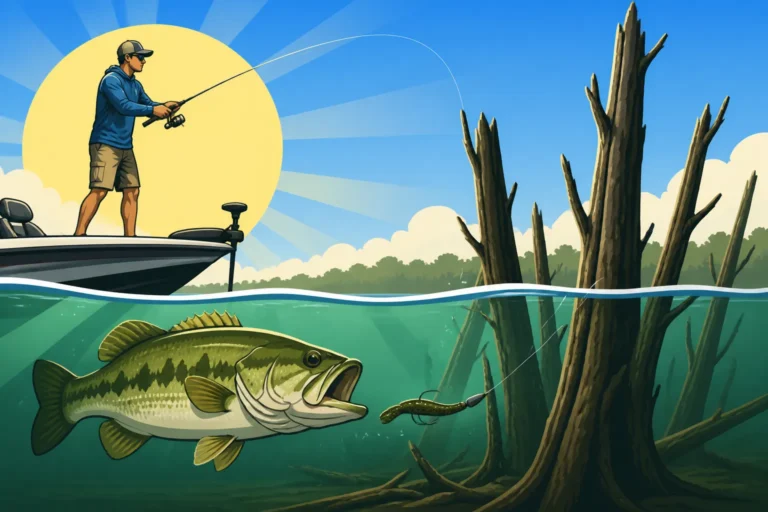
During midday, you'll want to focus your efforts on areas that offer protection from the intense sun. This could mean fishing deep channels, submerged timber, bridge pilings, or the shaded sides of steep drop-offs. If you're on a smaller body of water, even the shade cast by large trees along the bank can hold fish. For those pursuing bigger specimens, specifically larger Blue Catfish and Flathead Catfish, some of the biggest trophy fish are actually caught during the hottest parts of the day by anglers who precisely target these deep, cool sanctuaries with substantial baits like live shad or large cut bait. This is a game of patience and precision, often requiring heavier tackle and good electronics to locate those deep-water hideouts.
The Magic of Night Fishing for Catfish
For many serious catfishermen, night fishing is not just an option; it's the preferred method. Catfish are, by nature, nocturnal or crepuscular (most active during twilight). Their excellent sense of smell and touch, thanks to those prominent barbels, allows them to navigate and hunt effectively in complete darkness. When the sun goes down, the underwater world transforms, and catfish often become incredibly bold and active. They move out of their daytime hiding spots and into shallower feeding flats, along ledges, and into areas where baitfish are congregating.
Night fishing offers a unique experience, often cooler and quieter than daytime excursions, which can be a relief during the hot Texas months. This is when you can really target active fish in areas that might be too exposed during the day. Consider fishing under a full moon on Canyon Lake, or setting up juglines in a quiet cove on Lake Fork after dark. Lights are essential for safety and efficiency, and a good headlamp or boat light (many anglers find durable, waterproof options on Amazon) can make all the difference. When it comes to how to catch catfish at night in Texas, you'll often find them more aggressively taking baits like punch bait, chicken livers, or live perch, making for some truly memorable battles.
Environmental Factors Influencing Catfish Activity
It's not just the clock that dictates when catfish bite; Mother Nature plays a massive role. Understanding how external factors impact their behavior will give you an even greater edge in predicting the best times.
Temperature and Weather Patterns
Texas weather is notoriously unpredictable, and catfish are highly sensitive to these changes. Water temperature is arguably the most critical factor. Catfish are cold-blooded, so their metabolism and activity levels are directly tied to the water temperature. They generally prefer water temperatures ranging from the mid-60s to the mid-80s Fahrenheit.
- Warm Water (Summer): In the extreme heat of a Texas summer, surface water temperatures can soar. When this happens, catfish will seek out cooler, deeper water or areas with thermal refuges like springs or shaded banks. Their feeding activity might slow during the hottest parts of the day, picking up significantly during the cooler periods of early morning, late evening, and night. Rapid temperature spikes can also put them off the bite temporarily.
- Cooler Water (Fall/Spring): Spring and fall often offer some of the most consistent catfishing, as water temperatures are usually within their optimal range for longer periods. Catfish will be more spread out and active throughout the day, making them easier to target. This is a fantastic time for anglers wondering Best time of year to fish in Texas for many species, including catfish.
- Cold Water (Winter): While challenging, catfishing in winter is possible. Catfish become sluggish in very cold water, concentrating in deep holes, channels, and near power plant discharges where water is warmer. During a cold front, catfish often become less active, sometimes for several days, as they adjust to the sudden drop in temperature. Conversely, a stable period of warmer winter weather can spark a feeding frenzy.
Understanding these temperature preferences is crucial. If you're wondering how deep do you fish for catfish in summer, the answer is usually much deeper than in spring or fall.
Water Conditions and Current
Catfish are keenly aware of their aquatic environment, and factors like water clarity, oxygen levels, and current all influence their daily movements and feeding patterns.
- Water Clarity: Catfish, with their superb senses of smell and touch, thrive in turbid or stained water. Unlike sight-feeding predators, they don't rely on clear visibility to hunt. In fact, murky water can be an advantage for them, as it disorients baitfish and hides the catfish from their prey. After heavy rains, when rivers and lakes become muddy, catfish often become highly active, especially in areas where new food sources are washed into the water.
- Oxygen Levels: Healthy oxygen levels are vital for all fish. In stagnant, warm water, oxygen can deplete, making fish lethargic. Areas with good current or incoming fresh water, such as tributary mouths or around dam discharges, often have higher oxygen content and attract active fish.
- Current: Catfish absolutely love current. It brings food directly to them and often correlates with higher oxygen levels. In rivers, current seams, eddies, and the slower water behind structure are prime ambush points. Even in lakes, wind-driven currents or the outflow from dams can concentrate catfish. Fishing areas with some discernible current, especially during periods when catfish are generally active, can significantly improve your chances. This is especially true when targeting blue catfish, which are strong current-oriented feeders.
Moon Phases and Tides
While perhaps less universally impactful than temperature and current, moon phases and tidal movements can definitely influence catfish behavior, especially in coastal rivers and bayous connected to the Gulf.
- Moon Phases: Many anglers swear by the moon's influence on fishing, and catfish are no exception. During full moon and new moon phases (the "solunar periods"), the gravitational pull is strongest, leading to more significant tidal movements. This heightened activity can sometimes trigger more aggressive feeding. Anecdotally, some anglers find night fishing to be exceptionally good during a full moon, as the increased ambient light allows catfish to venture into even shallower areas with confidence. However, other anglers argue that bright moonlight can make catfish more wary. The best approach here is often to simply go out and see what works for your specific body of water and local fish population.
- Tides: For fishing in tidal waters, like the lower Trinity River or the Sabine River, understanding the tides is paramount. Moving water, whether incoming or outgoing, creates current, which, as we discussed, catfish love. During tidal changes, baitfish are often disoriented or pushed through choke points, making them easy targets for catfish. The periods just before and after a high or low tide, when the water is moving most rapidly, are often prime feeding times. You'll want to check local tide charts religiously if you're fishing these types of systems.
Gear and Techniques for Different Times
Having the right gear and knowing how to adjust your techniques for different times of day (and the environmental conditions that come with them) is what separates a consistent angler from one who simply hopes for the best.
Essential Gear for Day and Night Fishing
While the basic principles of catfishing gear remain consistent, there are some specific considerations for different times.
- Rods and Reels: For most Texas catfishing, you'll want sturdy medium-heavy to heavy action rods (around 7-8 feet) paired with robust spinning or baitcasting reels capable of handling heavy line and powerful fish. Brands like Ugly Stik offer durable options that can take a beating. For bigger fish, especially the trophy blue catfish found in lakes like Texoma or Conroe, a heavy-duty conventional reel spooled with 30-80 lb braided line is common.
- Line: Braided line is popular for its sensitivity and strength, often paired with a fluorocarbon or monofilament leader. For how to rig cut bait for catfish, a heavy monofilament or fluorocarbon leader helps prevent cut-offs from their abrasive mouths and provides some stretch.
- Hooks and Sinkers: Circle hooks are highly recommended for catfishing, as they are designed to hook fish in the corner of the mouth, reducing gut-hooking and making for easier, safer releases. Sizes typically range from 5/0 to 10/0, depending on bait size and target species. Sliding egg sinkers (1/2 oz to 4 oz+) are common for bottom fishing rigs. For juglines or trotlines, you might use specialized hooks and weights; just be sure to check the Texas trotline hook limit rules and Texas jugline regulations explained to stay legal.
- Night Fishing Specifics:
- Lighting: This is non-negotiable for safety and convenience. A good quality headlamp with red light options (to preserve night vision) is a must. Many anglers also use lanterns or boat-mounted LED lights. You can find excellent, highly-rated options for these on Amazon.
- Rod Holders: Whether you're fishing from the bank or a boat, sturdy rod holders are crucial for keeping your rods secure while you wait for a bite.
- Glow-in-the-Dark Gear: Some anglers use glow-in-the-dark weights, bobbers, or even line markers to help see bites in the dark.
Choosing the Right Bait for the Time of Day
The "best" bait for catfish is a never-ending debate, but adjusting your bait choice based on the time of day can make a difference.
- Morning/Evening (Active Feeding): During peak feeding times, catfish are often more aggressive and less picky.
- Cut Bait: Fresh cut bait (shad, carp, perch, skipjack herring) is a perennial favorite, mimicking injured baitfish. It's incredibly effective for all species, especially large Blue and Flathead Catfish.
- Live Bait: Live perch or sunfish are deadly for Flathead Catfish, particularly at dawn and dusk when they're actively hunting.
- Prepared Baits: Stink baits, punch baits, and dip baits work well for Channel Catfish, often drawing them in with their potent scent. Brands like Catfish Pro or Sonny's Super Sticky are popular.
- Midday (Slower Feeding/Deep Water): When fish are less active and deeper, scent becomes even more crucial.
- Stronger Scented Baits: Double down on really pungent cut baits or highly potent prepared baits.
- Larger Baits: For the truly big catfish that might be lethargic in the depths, a substantial, easy-to-find meal like a large piece of cut carp or a big live perch can be the trigger.
- Night (Highly Active Feeding): Catfish are kings of the night, relying heavily on scent.
- Scent-rich Baits: Chicken livers, shrimp, nightcrawlers, and prepared baits become exceptionally effective. Their strong odor travels far in the dark water.
- Live Bait: Again, live perch or sunfish are fantastic, as their movements create vibrations that catfish can detect in the dark. Just remember to check the Texas Freshwater Fishing Regulations for bait fish rules.
- Glow Baits: Some anglers experiment with glow-in-the-dark soft plastics or jigs tipped with traditional baits, believing the subtle light helps attract curiosity.
Putting It All Together: A Daily Catfishing Plan
Now that we've covered the whys, let's talk about the hows. Here’s how you might strategize your catfishing efforts throughout a typical Texas day.
Morning and Midday Tactics
When that alarm goes off before sunrise, resist the urge to hit snooze! Those early morning hours are often some of the most productive.
- First Light: Get on the water before the sun peeks over the horizon. Target shallower flats adjacent to deeper channels, points, or creek mouths where catfish might have been feeding actively overnight. Use cut bait, prepared baits, or even large worms. This is a great time for how to catch catfish from the bank as they might be closer to shore.
- Sunrise to Mid-Morning: As the sun rises, catfish might linger in these shallower areas for a while, especially if the water is still cool. Continue to work these edges, but start moving towards slightly deeper water or areas with developing shade. For example, if you're on a lake like Lake Somerville, you might start on a flat near a flooded timber line and then gradually move to the deeper side of the timber as the sun climbs.
- Midday to Early Afternoon: This is when patience becomes a virtue. Catfish will retreat to their deep-water sanctuaries. Focus on main river channels, deep holes, structure like submerged brush piles or rock piles, and the base of bridge pilings. Heavy cut bait or live bait fished directly on the bottom in these deep zones is your best bet. This is not the time for fast-paced fishing; it's about soaking baits and waiting for that tell-tale tap or slow pull on your line. Ensure your leader is robust; for Best Line for Texas Catfish Rigs, many prefer at least 30lb test.
Afternoon and Evening Opportunities
As the afternoon progresses and the sun begins its descent, conditions start to favor the catfish angler once more.
- Late Afternoon to Sunset: This is another transition period. As temperatures begin to drop and light levels decrease, catfish will start moving out of their deep-water hideouts and into shallower feeding grounds. Begin targeting the same areas you found success in during the early morning—points, creek mouths, ledges, and flats where baitfish are likely to gather. The bite can really turn on right as the sun hits the horizon.
- Nightfall and Beyond: For many, this is the prime time. Once darkness truly sets in, catfish often become their most aggressive. They’ll be on the prowl in a wider range of depths, from shallow flats to the edges of channels. This is when setting up multiple rods with different baits, or even deploying Texas jugline regulations explained, can lead to incredible action. Remember your lights, bug spray, and a good cooler for your catch. When you're fishing for Texas Blue Catfish Identification Guide at night, they are often found cruising shallow humps and ledges, actively hunting.
- All Night: Some dedicated anglers will fish through the entire night, especially if targeting truly massive Blue Catfish or Flathead Catfish. These giants often feed in extended windows after dark. Just ensure you have all your safety gear and are aware of your surroundings, especially on bigger lakes or rivers.
| Time of Day | Catfish Activity Level | Preferred Locations | Recommended Baits | Key Considerations |
|---|---|---|---|---|
| Pre-Dawn to Sunrise | High (transitioning) | Shallow flats, creek mouths, ledges, shoreline edges | Cut bait, live bait, prepared baits (stink/punch) | Cooling water, low light, active foraging |
| Morning (Sunrise-10 AM) | Moderate-High | Edges of deeper water, shaded structure | Cut bait, live bait, prepared baits | Catfish moving deeper, still good feeding |
| Midday (10 AM-4 PM) | Low-Moderate | Deep channels, holes, submerged structure, shade | Large cut bait, live bait (fished deep) | Hot temperatures, seek cool, oxygenated water |
| Late Afternoon (4 PM-Sunset) | Moderate-High (transitioning) | Ledges, points, re-emerging shallow flats | Cut bait, live bait, prepared baits | Cooling water, increasing activity, fish moving shallower |
| Night (Sunset-Pre-Dawn) | High (peak activity) | Shallow flats, ledges, creek mouths, any feeding area | Strong-scented prepared baits, chicken liver, live bait | Catfish feel safer, excellent senses, use lights |
Always remember that these are general guidelines, and local conditions, recent weather patterns, and specific species behavior can all influence the bite. The best advice is always to get out on the water, observe, and learn the rhythms of your chosen fishing spot. Don't forget that a valid Texas Fishing License Requirements Explained is essential before you head out!
Disclaimer
Fishing conditions and regulations in Texas can change. Always consult the latest Texas Parks and Wildlife Department (TPWD) regulations before heading out on the water. This guide is for informational purposes only and does not constitute legal advice.