Best months to catch a Legacy Class ShareLunker bass
Trying to pinpoint the absolute best time to catch a truly massive, record-contending bass in Texas—the kind that qualifies for the prestigious Legacy Class ShareLunker program—can feel like searching for a needle in a haystack, especially with Texas's diverse climate and countless amazing lakes. This guide is here to cut through the guesswork and give you the real scoop on when these lunkers are most likely to bite, helping you plan your next trophy hunt with confidence.
Unlocking the Mystery of Legacy Class ShareLunkers
For many Texas anglers, catching a bass that tips the scales at 13 pounds or more is the ultimate dream. It's not just about the fight; it's about joining an elite club and contributing to the conservation efforts that keep Texas at the forefront of trophy bass fishing. Understanding what you're aiming for is the first step in planning your strategy.
What Exactly is a Legacy Class ShareLunker?
The Texas Parks and Wildlife Department (TPWD) has a remarkable program called ShareLunker, dedicated to enhancing trophy bass fisheries in the state. The program encourages anglers to loan their 13-pound-plus largemouth bass to TPWD for selective breeding. The "Legacy Class" is specifically for those giants caught during the prime spawning season, generally from December through March. These are the fish that directly contribute to the genetic pool, ensuring future generations of monster bass in Texas lakes. When you catch a fish of this caliber, it's not just a personal best; it's a contribution to the entire angling community. The excitement of reporting a potential Legacy Class fish, knowing it could help produce even more giants, is truly unparalleled. It's a testament to the fact that these aren't just big fish; they're vital to the future of Texas bass fishing. You can learn more about what qualifies a bass for the Texas ShareLunker program on our other pages.
The Significance of the Spawning Season
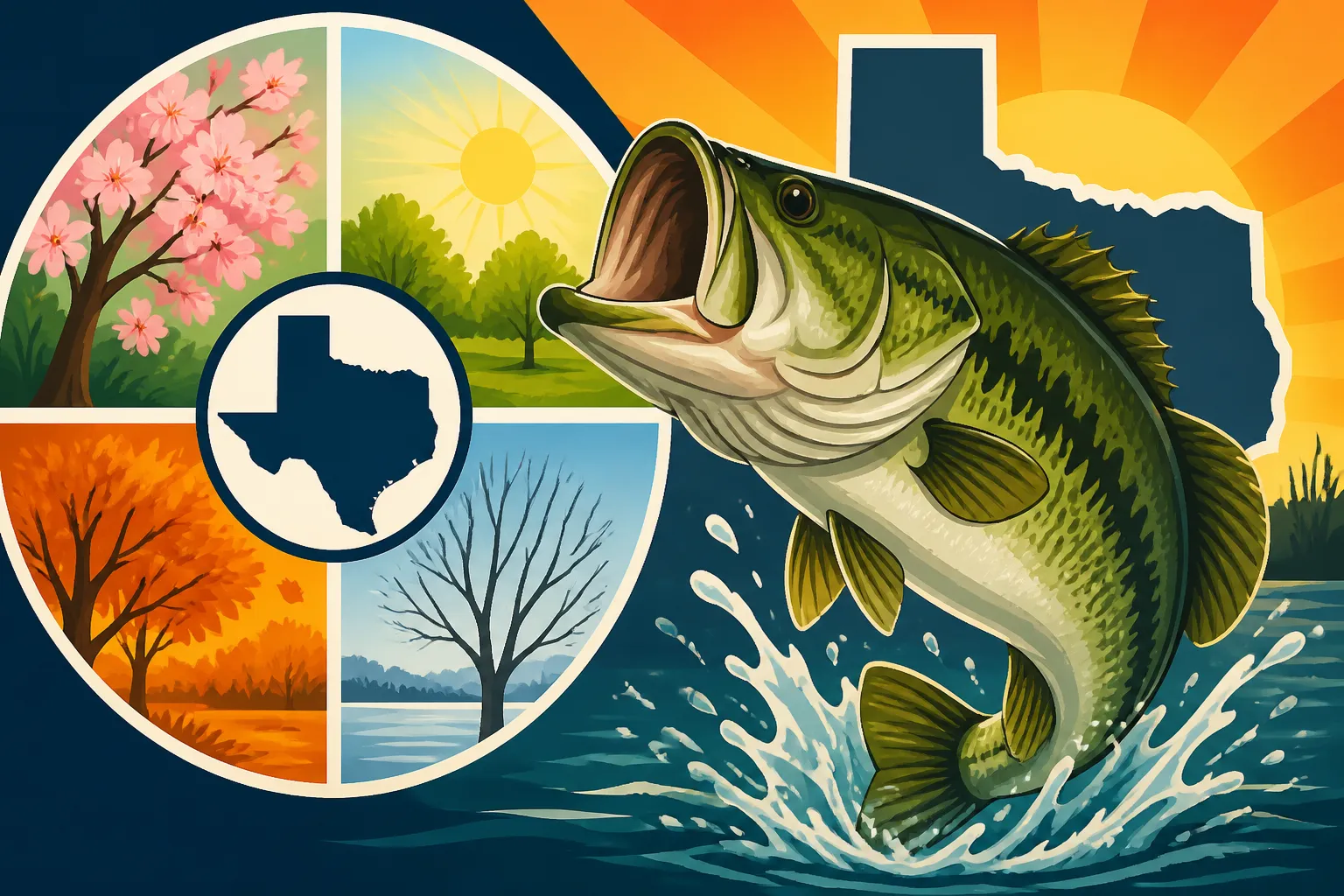
The reason the Legacy Class focuses on bass caught during December through March is intimately tied to the largemouth bass spawning cycle. This is when the biggest, healthiest female bass are at their heaviest, full of eggs, and actively moving into shallower waters for their reproductive rituals. These fish are driven by an instinctual need to feed heavily before and during the spawn, making them more accessible and aggressive to anglers. They're also less wary during this period, often guarding their nests, which can present unique opportunities for a skilled angler. Understanding this biological imperative is fundamental to predicting their behavior and, consequently, your chances of a successful trophy catch. The entire process of the Texas Bass Spawning Season Guide reveals why these months are so crucial for both the fish and the anglers pursuing them.
The Prime Window: The Best Months for Trophy Bass
If you're serious about landing a Legacy Class ShareLunker, you absolutely need to focus your efforts on the cooler months of the year. This isn't just anecdotal angler lore; it's backed by decades of data from the ShareLunker program itself. The vast majority of 13-pound-plus bass are caught when the water temperatures begin to drop and then warm up slightly, signaling the approach of the spawn.
December through January: The Cold Water Advantage
While many anglers might pack up their gear as winter rolls in, dedicated trophy hunters know that December and January offer incredible, albeit challenging, opportunities. During these months, water temperatures are typically colder, causing bass to school up tighter and relate more to deep structure. They often stage in deep creek channels, submerged timber, or along sharp drop-offs near potential spawning areas. While they might not be as active, their metabolism slows, meaning they’re looking for a substantial, easy meal. This is when slower presentations, larger baits, and targeting those deep, isolated structures can pay off big time. These pre-spawn giants are looking to bulk up for the upcoming spawn, and if you can put a bait in front of them, they're likely to strike. Learning how to catch bass when the water is cold is a skill that will greatly increase your chances during this period.
February and March: The Peak Spawning Frenzy
Without a doubt, February and March are the absolute prime months for catching Legacy Class ShareLunkers in Texas. This is the heart of the pre-spawn and spawning period for largemouth bass across much of the state. As water temperatures steadily climb into the high 50s and low 60s, those big females start making their move from deeper winter haunts into shallower coves, points, and flats. They’re actively looking for mates and building nests.
During February, many of these giants are in a heavy pre-spawn feeding mode, gorging themselves before the rigors of spawning. They are at their absolute heaviest, packed with roe, and incredibly aggressive. By March, many will be on beds, making them visible targets in clear water, or cruising nearby, protecting their territory. This is when you see a huge surge in ShareLunker entries. Lakes like Lake Fork, O.H. Ivie, and Falcon Lake consistently produce giants during this window. If you're planning a trip to catch a trophy, these are the months to book it. For those looking for more specific guidance, our guide on how to catch bass in spring in Texas offers detailed strategies for this pivotal time.
Why the Cooler Months Dominate
It's a simple biological truth: the heaviest, healthiest female bass are carrying their full complement of eggs during the winter and early spring. This makes them significantly heavier than they would be at other times of the year. While a 12-pound bass in July might be a 13-pounder in February, the extra pound from eggs can make all the difference in qualifying for the Legacy Class. Moreover, the cooler water temperatures mean these fish aren't expending as much energy, and they’re concentrated in predictable patterns around spawning grounds. As the water warms, they become more active but also disperse more, making them harder to target consistently.
Think about it this way: a female bass in prime spawning condition has maximized her weight. If you're aiming for that 13-pound threshold, you want to catch her when she's at her absolute biggest. This table illustrates the general trends of bass behavior and weight throughout the year, reinforcing why the cooler months are paramount for trophy hunters.
| Month Range | General Water Temperature (approx.) | Bass Behavior | Average Weight Potential (Relative) | Legacy Class Opportunity |
|---|---|---|---|---|
| December-January | 45-55°F | Deep staging, pre-spawn feeding, schooling up | Very High (eggs developing) | High |
| February-March | 55-65°F | Pre-spawn gorging, spawning, aggressive nest guarding | Highest (full of eggs) | Very High (Peak Window) |
| April-May | 65-75°F | Post-spawn recovery, scattered feeding | Moderate-High (after spawn) | Moderate |
| June-August | 75-90°F+ | Deep summer patterns, less active in heat, nocturnal | Moderate (spawn complete) | Low |
| September-November | 60-75°F | Fall feeding frenzy, recuperation, scattered | Moderate (replenishing) | Low-Moderate |
Key Factors Beyond the Calendar
While knowing the prime months is crucial, simply hitting the water in February won't guarantee a Legacy Class lunker. There are several other critical factors that play a huge role in successful trophy bass fishing, often intertwining with the seasonal patterns to create the perfect storm for a giant bite.
Water Temperature is Your Best Friend
You'll hear it again and again from seasoned anglers: water temperature dictates everything for bass. For Legacy Class fish, the magic window often hovers between 55 and 68 degrees Fahrenheit.
- Below 55°F: Bass will be deeper, holding tight to structure. They're sluggish but will eat a large, slow-moving bait. Think deeper ledges, timber, and creek channels.
- 55-62°F: This is prime pre-spawn. Big females are moving shallower, staging on points and creek bends leading into coves. They are actively feeding to build energy for the spawn and are very aggressive. This is often called the "staging phase."
- 62-68°F: Spawning time! Bass will be on beds in shallow, protected coves and pockets, often visible. While some anglers debate the ethics of targeting bedding fish, these females are fiercely protective and will strike at anything perceived as a threat to their nest.
Paying close attention to lake reports and carrying a reliable thermometer or fish finder with temperature readings can be invaluable. Knowing what water temperature for bass fishing in Texas is optimal for different stages can truly give you an edge. Many anglers use advanced electronics, often purchased through retailers like Amazon, to track these subtle changes and gain a competitive advantage.
Lake Selection Matters Immensely
Texas is blessed with an abundance of fantastic bass lakes, but not all of them consistently produce ShareLunkers. Certain lakes have a proven track record of growing true giants, thanks to rich forage bases, good habitat, and excellent management by TPWD.
- Historical Powerhouses: Lakes like Lake Fork, Sam Rayburn Reservoir, and Toledo Bend Reservoir have legendary reputations for producing massive bass year after year. Their rich environments and strong genetics make them perennial favorites. Our Lake Fork Fishing Guide and Sam Rayburn Reservoir Fishing Guide offer detailed insights into these spots.
- Emerging Giants: Keep an eye on lakes like O.H. Ivie Reservoir and Falcon Lake. O.H. Ivie, in particular, has had an explosive run of massive bass in recent years, proving that new trophy fisheries can emerge. Our O.H. Ivie Reservoir Fishing Guide gives you the lowdown on this incredible lake.
- Why Specific Lakes Excel: These lakes often have a combination of factors: hydrilla or other healthy vegetation for ambush points, abundant baitfish (like gizzard shad and tilapia), minimal fishing pressure in key areas, and a genetic predisposition for growing large bass due to stocking programs and natural selection. Choosing the right lake dramatically increases your odds. You can also explore the best bass lakes in Texas for a broader view.
Weather Patterns and Fronts
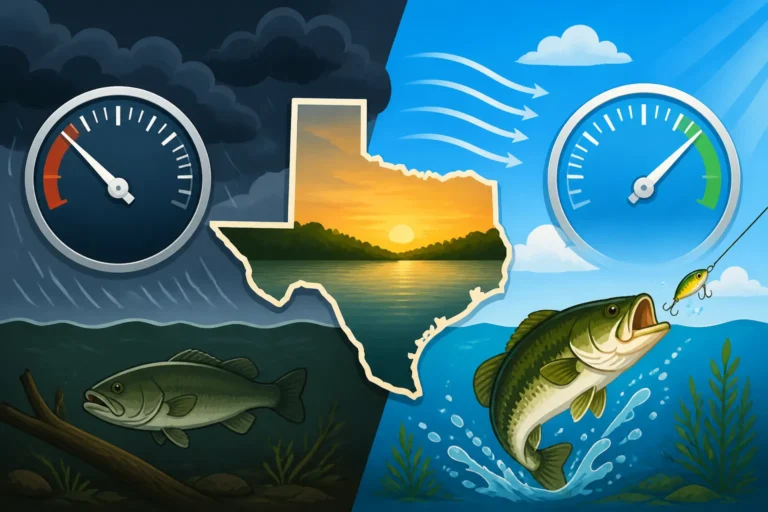
Weather can either be your best friend or worst enemy when hunting for a ShareLunker. Stable weather patterns, especially a few days of consistent warm, cloudy weather in late winter/early spring, can trigger intense feeding frenzies as bass move shallow.
- Warm Fronts: A few consecutive days of rising air temperatures, especially after a cold snap, will rapidly warm the shallow water and pull big bass up. This is often an ideal scenario.
- Cold Fronts: Conversely, a strong cold front can shut down the bite fast. Fish will often retreat to deeper, more stable water, becoming sluggish and harder to entice. Fishing before a cold front moves through can be phenomenal, as bass sense the change and feed heavily.
- Wind: A consistent, moderate wind can be beneficial, creating a "chop" on the water that makes bass less wary and can push baitfish into coves. However, extreme winds can make boat control and fishing difficult. Understanding how wind affects bass fishing on Texas lakes is a valuable skill.
Paying attention to long-range forecasts and planning your trips around favorable weather windows is paramount. Don't be afraid to adjust your plans if a major cold front is on its way.
Strategies for Landing Your Dream ShareLunker
Catching a Legacy Class ShareLunker requires more than just being on the right lake at the right time. It demands specific strategies, the right gear, and a whole lot of persistence. These fish are big, old, and wise, so you need to be at the top of your game.
Target Specific Locations
During the prime months, big bass aren't just swimming anywhere. They're usually relating to specific types of structure and cover, especially those leading to or in spawning areas.
- Creek Channels and Main Lake Points: In late winter, big bass often stage in the deeper bends of creek channels or on main lake points that offer a clear path to shallower spawning flats. Use your electronics to find these subtle depth changes and baitfish concentrations.
- Protected Coves and Pockets: As water temperatures rise, especially in February and March, look for north-facing coves that receive more sunlight and warm up faster. These protected areas are prime spawning grounds. Pay attention to hard bottom spots, submerged timber, or even old roadbeds within these coves.
- Vegetation Edges: Hydrilla, pondweed, and other healthy aquatic vegetation provide excellent ambush points and cover for bass. Fish the edges of these grass lines, particularly where they meet a depth change or a creek channel.
- Transition Areas: Look for areas where different types of bottom or cover meet—rock to sand, timber to grass. These transition zones are often highways for bass moving from deeper water to spawning areas. Learning how to read lake contour maps for bass fishing can give you a significant advantage in identifying these key spots.
Optimal Baits and Techniques
While bass will hit a wide variety of lures, certain baits and techniques are historically more effective for targeting truly large, pre-spawn and spawning bass.
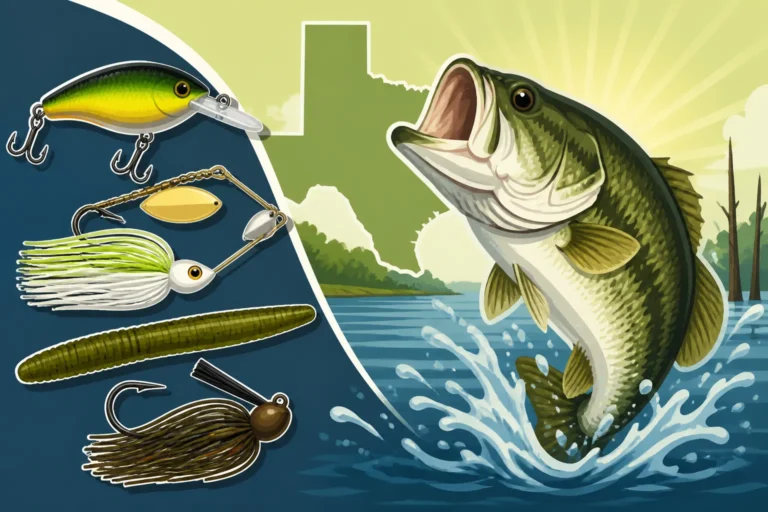
- Large Swimbaits: These mimic the large forage that trophy bass prefer. Brands like Huddleston Deluxe, Megabass, or Roman Made offer exceptional swimbaits. Fish them slowly around deep structure or along the edges of grass lines. Learning how to fish a swimbait for big bass is an art form that can pay huge dividends. Many anglers rely on specific swimbait models which can often be found on Amazon.
- Jigs: Heavy jigs (1/2 to 1 oz) with large trailers are excellent for fishing deep timber, brush piles, and rock structure where big bass often stage. Slowly hop or drag them along the bottom.
- Carolina Rigs and Texas Rigs: These are classic choices for fishing plastics on deeper structure. A Carolina rig allows the bait to float tantalizingly above the bottom, while a Texas rig is perfect for working through heavy cover. Our guide on how to fish a Texas Carolina rig provides comprehensive instructions.
- Crankbaits (Deep Diving): In colder water, slow-rolling a deep-diving crankbait along creek channels or ledges can entice a strike.
- Bladed Jigs/Spinnerbaits: When bass are more active in slightly warmer, stained water, a bladed jig or large spinnerbait can be incredibly effective for covering water and triggering reaction strikes, especially around grass.
Remember, presentation is key. These big fish are often sluggish or wary, so a slower, more deliberate retrieve is usually better. Our comprehensive guide on how to fish for bass in Texas covers a wide array of techniques suitable for different conditions.
Persistence and Patience are Paramount
Catching a Legacy Class ShareLunker is rarely easy. It demands immense persistence and an almost unwavering level of patience. You might spend days, weeks, or even years without seeing a fish that size.
- Dedication: Trophy hunters often brave less-than-ideal weather conditions, spending long hours on the water, meticulously working prime areas. It's a grind, but the reward is worth it.
- Attention to Detail: Pay attention to every little detail—the feel of your bait, subtle changes in depth or bottom composition, minute twitches in your line. These can all signal a bite from a giant.
- Learn from Every Trip: Even if you don't catch a ShareLunker, every trip offers valuable lessons. Observe baitfish activity, water clarity, changes in water temperature, and how bass react to different baits and presentations. Keep a detailed log of your trips.
- Proper Gear: Make sure your gear is up to the task. A stout rod, a reliable reel with a smooth drag, and strong line are essential for fighting and landing a truly massive bass. You can find excellent options for the best rod and reel setup for Texas bass fishing, including many reviewed on platforms like Amazon, to ensure you're prepared.
The journey to a Legacy Class ShareLunker is a marathon, not a sprint. It's about combining knowledge, skill, and sheer will. When that monster finally strikes, all the cold mornings and fruitless hours will melt away, replaced by the adrenaline of a lifetime catch and the immense satisfaction of achieving a truly challenging goal.
Disclaimer
Fishing conditions and regulations in Texas can change. Always consult the latest Texas Parks and Wildlife Department (TPWD) Outdoor Annual for the most up-to-date information on fishing licenses, bag limits, length limits, and any specific rules for the body of water you plan to fish. Always prioritize safety on the water.