Best lures for Lake Fork bass in spring
Spring on Lake Fork is a magical, yet sometimes maddening, time for bass anglers. You know those days when the weather's perfect, the lake looks gorgeous, but the bass seem to have vanished into thin air? It's incredibly frustrating when you're hoping for that trophy bite during the peak season, only to come up empty-handed. This comprehensive guide is here to cut through the confusion and pinpoint the best lures and techniques to tackle Lake Fork's legendary largemouth bass during the crucial spring months.
Understanding Lake Fork Bass Behavior in Spring
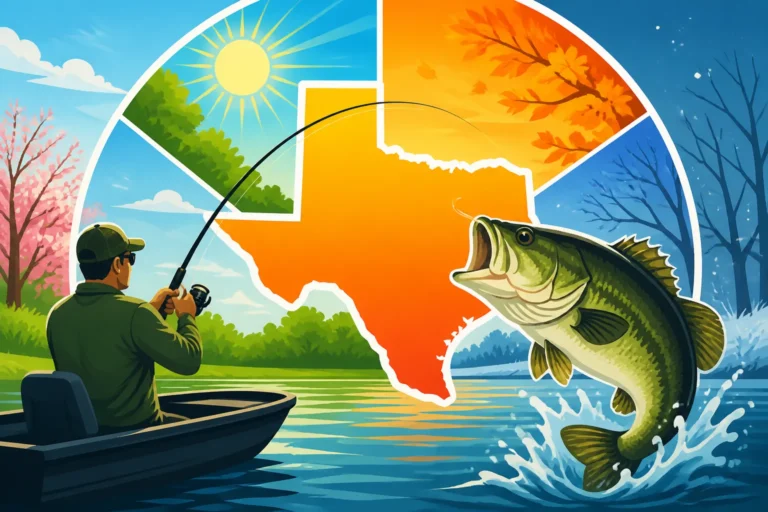
To truly pick the right lure, you first have to get inside the head of a Lake Fork bass. Spring isn't just one static period; it's a dynamic transition from the chill of winter to the heat of summer, marked by distinct phases of bass behavior driven by water temperature and the urge to reproduce. Missing this nuance means you might be throwing the perfect lure at the wrong time or in the wrong place.
Pre-Spawn Aggression and Staging Areas
As the water temperatures on Lake Fork begin to climb, typically from the low 50s into the low 60s, bass shake off their winter lethargy and enter the pre-spawn phase. This is arguably one of the most exciting times to fish, as bass are actively feeding to bulk up before the energy-intensive spawning ritual. They're usually found in what we call "staging areas"—places where they can easily access both deeper winter haunts and shallower spawning flats.
Think about creek channels, submerged roadbeds, long tapering points, and areas with standing timber or brush piles that offer cover at varying depths. These spots act like highways, allowing bass to move up and down the water column as conditions change throughout the day or week. During this phase, bass are often incredibly aggressive. They're looking for substantial meals—large shad, robust crawfish—to fuel their reproductive cycle. This means they're willing to chase down and strike fast-moving, reaction-style baits. A common frustration is thinking you need to fish slowly because it's still "early spring," but often, a faster retrieve can trigger those aggressive pre-spawn strikes.
The Spawning Period and Bed Fishing
Once Lake Fork's water temperatures consistently hit the mid-60s, usually from late February through April, depending on the year and specific coves, the bass officially move into their spawning phase. This is when they move onto the shallow flats, into protected coves, and backwater pockets to build their nests, or "beds." They're looking for hard bottom areas, often near some form of cover like stumps, logs, or even just a subtle change in bottom composition. The sight of a big female bass locked onto a bed is what dreams are made of for many anglers, especially on a lake known for giant bass like Lake Fork.
During this time, their primary focus isn't feeding in the traditional sense, but protecting their eggs. They're incredibly territorial. This means your lure selection shifts from baits that mimic prey to those that provoke an instinctual strike as an intruder. It can be incredibly challenging to get a bedded bass to bite, as they might just "nose" the bait or move it off the bed without actually engulfing it. Patience is key here, along with precise presentations. Understanding the exact Texas Largemouth Bass Spawning Months can give you a significant advantage. It's a delicate dance, trying to annoy them into biting without spooking them entirely.
Post-Spawn Recovery and Feeding Habits
After the rigors of spawning, both male and female bass enter the post-spawn phase. The females, especially, are often exhausted, thin, and need time to recover. Water temperatures typically range from the late 60s into the 70s during this period. While some bass might linger near spawning areas for a short while, many will gradually move to slightly deeper cover adjacent to the flats they just vacated. They're still near food sources, but they're not always as aggressive as during pre-spawn.
Males, on the other hand, often stay to guard the fry for a period, making them more accessible on the shallower edges. Eventually, both sexes will begin to feed more actively to regain their strength. This stage can be tricky because bass might be scattered, suspended, or tucked into heavy cover as they transition. The frustration here comes from inconsistent patterns; one day they're biting everything, the next they're nowhere to be found. Lures that mimic small baitfish or crawfish are generally effective, but the retrieve often needs to be a bit more subtle than in pre-spawn. They're still eating, but they're not always chasing down a meal with the same intensity.
Top Lure Categories for Lake Fork Spring Bass
Now that we've charted the behavioral shifts, let's dive into the lures that consistently produce on Lake Fork during these critical spring phases. Knowing what to throw is half the battle; knowing when and where to throw it is the other.
Reaction Baits for Pre-Spawn
When those Lake Fork bass are transitioning from deep water and starting to stage, they're hungry and ready to ambush. This is prime time for reaction baits – lures that draw strikes through speed, flash, and vibration rather than subtle presentation.
Lipless Crankbaits
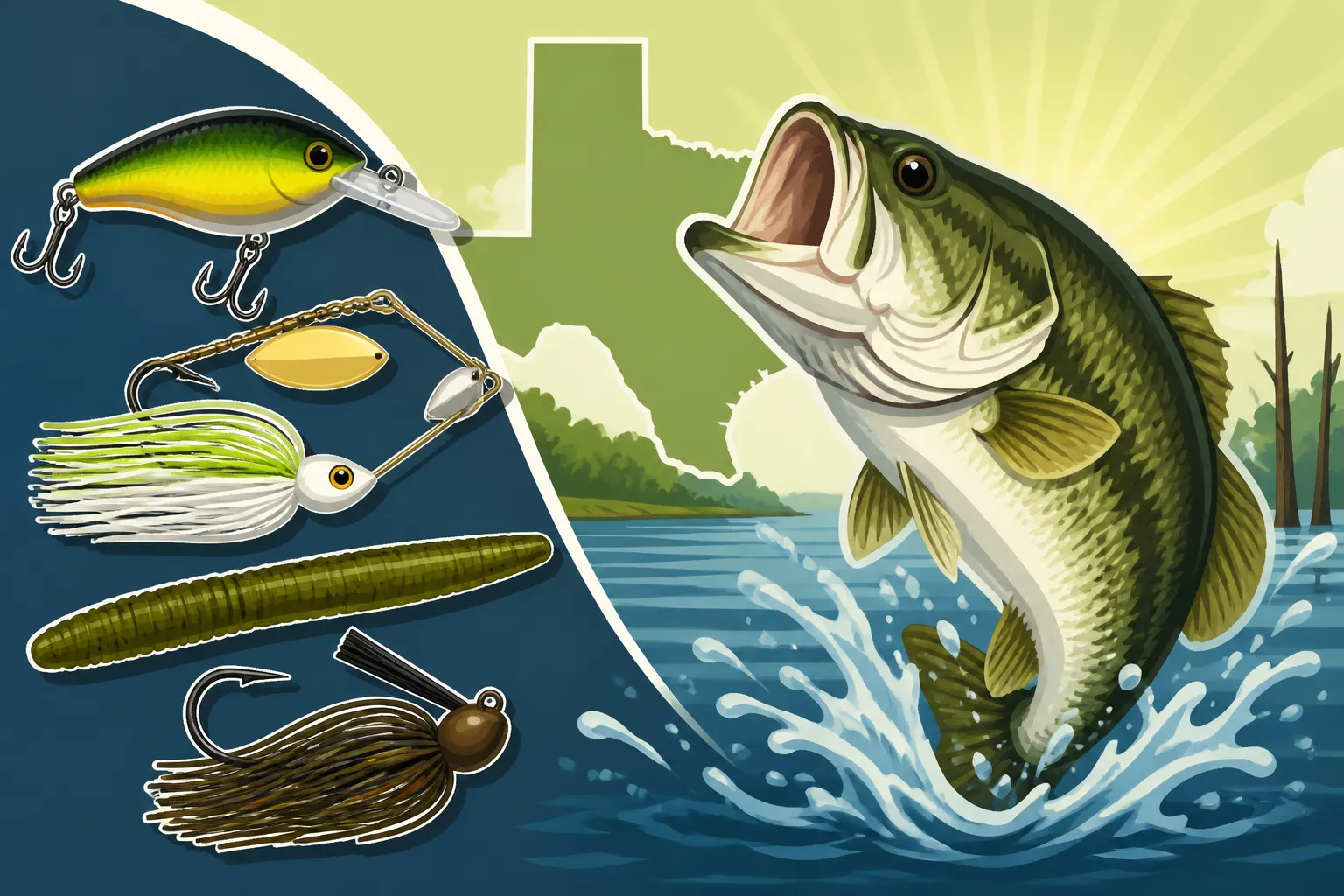
Few lures scream "pre-spawn aggression" like a lipless crankbait. These baits are fantastic for covering water quickly, especially over shallow grass flats, along hydrilla edges, or around submerged timber. The key on Lake Fork is often a retrieve that causes the bait to "tick" the top of the grass or bounce off wood. Colors that imitate crawfish (like reds, browns, and oranges) or shad (chrome with blue or black backs) are perennial favorites. Brands like Rat-L-Trap or Strike King Redeye Shad are staples. You can pick up a wide selection of these versatile lures on Amazon, ensuring you have the right color for whatever Lake Fork throws at you. The vibration these baits put out is a huge draw in the often-stained waters of Lake Fork, acting like a dinner bell for hungry bass.
Bladed Jigs (Chatterbaits)
The bladed jig, often generically called a "Chatterbait" after the Z-Man original, has become an absolute must-have for spring bass fishing, especially on lakes like Fork with abundant grass and wood cover. Their unique vibration and erratic action perfectly mimic a fleeing baitfish or crawfish. They excel in conditions where you need to move a bait relatively quickly but still want a strong vibration to cut through murky water. Pair them with a suitable trailer, like a swimbait or a craw imitation, to add bulk and further enhance the action. Chartreuse and white for shad imitation, or green pumpkin and black/blue for a crawfish look, are excellent starting points. Fish them around stumps, submerged brush, along grass lines, and even through sparse hydrilla. Their snag resistance makes them ideal for these environments.
Spinnerbaits
Spinnerbaits have been catching bass for generations, and for good reason. They offer flash, vibration, and can be retrieved at various depths and speeds. For Lake Fork in the spring, consider blade combinations that match the conditions: a Colorado blade for maximum thumping vibration in stained water or deeper retrieves, and willow leaf blades for more flash and a faster, shallower presentation. A tandem setup with both is often a great compromise. Colors typically range from chartreuse/white for shad to darker patterns like black/blue or green pumpkin in dingier water. They are excellent for slow-rolling along creek channels or burning over submerged vegetation, making them incredibly versatile for different stages of the pre-spawn.
Jerkbaits
When bass are suspended in staging areas or are a bit more lethargic due to a passing cold front, a jerkbait can be deadly. These baits suspend in the water column when paused, mimicking a dying or disoriented baitfish—an easy meal for a pre-spawn bass. Experiment with the retrieve: a "rip, rip, pause" cadence is common, but the length of the pause can be crucial. Sometimes a long, almost agonizing pause is what it takes to trigger a strike from a hesitant bass. Shad patterns, chrome, or even some subtle ghost patterns work well. Brands like the Lucky Craft Pointer or the Megabass Vision 110 are highly regarded, but there are many effective options available to ensure you're covered for any water clarity or light conditions.
Soft Plastics for Spawning and Post-Spawn
As bass move onto beds or recover from the spawn, their feeding preferences often shift towards more subtle presentations and slower-moving baits. Soft plastics are king during these phases because they can be presented slowly and precisely, often mimicking prey that are either easy to catch or provoking a defensive strike.
Creature Baits and Texas Rigs
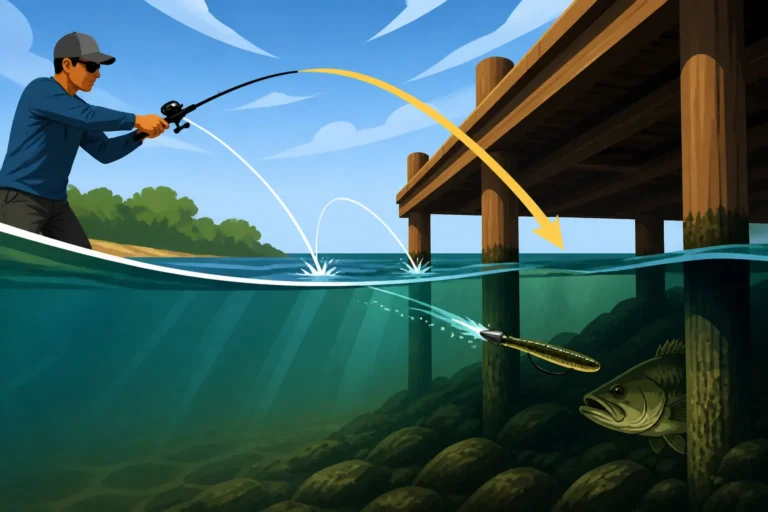
When bass are on the beds, protecting their nests, or holding tight in heavy cover post-spawn, a Texas-rigged creature bait is incredibly effective. The Texas rig is designed to be weedless, allowing you to pitch into the thickest hydrilla, submerged brush, or standing timber without snagging. The bulk and flapping appendages of creature baits like the Zoom Brush Hog or Strike King Rage Craw can really annoy a bedded bass or entice a recovering fish seeking a crawfish meal. Colors like Junebug, green pumpkin, and black/blue are staples. Flipping and pitching these baits into likely looking cover or onto a visible bed requires precision and patience. Mastering How to fish a Texas rig for bass is a fundamental skill for spring Lake Fork angling.
Wacky Rigs and Senkos
For bed fishing, or when bass are particularly finicky during post-spawn, the subtle, undulating fall of a weightless Senko (or a similar stick bait) on a wacky rig can be irresistible. The bait wiggles tantalizingly as it sinks, often prompting a strike as it passes the bass's nose. This technique is fantastic for presenting a bait in a "non-threatening" way, which can be crucial for wary fish. It's often best fished on spinning gear with lighter line for a more natural fall. Green pumpkin, watermelon red, and even black are popular colors. Keep an eye on how the bait falls; often, the bite comes on the initial drop.
Flipping and Punching Jigs
When Lake Fork's notorious hydrilla or other matted vegetation becomes prevalent in the spring, flipping or punching jigs into these impenetrable mats is a prime tactic for catching big bass. A heavy jig (1/2 to 1 oz) with a compact crawfish trailer is used to penetrate the thick cover, getting down to where the bass are hiding. Bass often relate to the shade and cover provided by these mats, especially as the sun gets higher. Darker colors like black/blue, junebug, or green pumpkin are usually the most effective. This is a power fishing technique that requires heavy rod, reel, and braided line to get those big bass out of the salad. Many anglers purchase their jigs and heavy-duty trailers from Amazon for convenience and selection.
Swimbaits (Soft and Hard)
For those truly targeting trophy bass, especially during the post-spawn recovery when big females are looking to replenish their energy with a substantial meal, swimbaits shine. Both soft plastic paddle-tail swimbaits (rigged on a weighted swimbait hook or jig head) and larger hard-bodied swimbaits can entice a massive strike. They mimic larger shad or bream, which are common forage on Lake Fork. Slow-roll soft swimbaits along creek channel edges or over deep humps where post-spawn bass might be cruising. Hard swimbaits are often thrown around known big-fish haunts. Natural baitfish colors are generally best.
Topwater and Frogs for Later Spring
As spring progresses into late May and early June, and water temperatures continue to climb into the 70s, topwater fishing becomes explosive. There's nothing quite like the thrill of a big bass blowing up on a surface lure.
Walking Baits and Poppers
When the conditions are right—calm mornings, overcast skies, or late evenings—topwater walking baits like a Heddon Super Spook or a Lucky Craft Sammy can be incredibly effective. The "walk-the-dog" action draws bass from surprising distances. Poppers, with their spitting and gurgling action, are fantastic when bass are feeding on baitfish near surface or in tight cover. Shad patterns, bone, and chrome are popular colors. Don't be afraid to pause these baits, letting the ripples dissipate before twitching them again; often, the strike comes on the pause. You can find a wide array of topwater lures, including different sizes and colors, on Amazon.
Frogs
If you're fishing areas with matted vegetation, lily pads, or thick grass, a hollow-bodied frog is your go-to. These baits are virtually snag-proof and can be worked right over the top of the heaviest cover where bass love to hide. The key is to make it look like a real frog or rodent struggling on the surface. When a bass blows up on a frog, resist the urge to set the hook immediately. Wait until you feel the weight of the fish, as they often just "eat" the bait and turn under the mat. Green, black, and white patterns are common.
Strategies for Lure Presentation and Selection on Lake Fork
Having the right lure is only half the battle. How you present it, and how you choose it based on prevailing conditions, can make all the difference between a productive day and a frustrating one. The subtleties matter, especially on a heavily fished lake like Fork, where bass can be particular.
Matching the Hatch and Water Conditions
One of the oldest pieces of fishing advice, "match the hatch," holds immense truth on Lake Fork. Take a moment to observe your surroundings. Are there schools of shad flickering on the surface? Are you seeing crawfish scuttling along the bank or signs of them being preyed upon? If the primary forage is shad, lean towards lures that imitate baitfish in terms of color, profile, and action – chrome, white, silver, and slender profiles. If crawfish are abundant, opt for reds, browns, green pumpkin, and chunkier, bottom-dwelling baits like jigs and creature baits.
Lake Fork's water clarity can vary significantly from one arm to another, or even from day to day after heavy rains. The south end, particularly near the dam, might be clearer, while the upper ends or creeks can be quite stained or muddy. In clearer water, more natural colors and subtle presentations are often best. Think translucent greens, blues, and realistic shad patterns. In stained or murky water, bass rely more on vibration and contrast. This is where brighter colors (chartreuse, fire-tiger), darker colors (black/blue), and lures with strong vibration (bladed jigs, lipless crankbaits, spinnerbaits with large Colorado blades) truly shine. Always have a variety in your tackle box, purchased from stores or even online at Amazon, to adapt to whatever conditions you encounter.
Depth Control and Retrieve Speed
The depth at which you present your lure and the speed of your retrieve are just as critical as the lure choice itself. In pre-spawn, bass might be staging anywhere from 5 to 20 feet deep, often suspended around structure. A slow-rolled spinnerbait or a carefully worked jerkbait can be effective here. If they're shallower, chasing bait near the surface, a faster retrieve with a lipless crankbait or even a reaction bait can be the ticket.
During the spawn, your focus shifts to very shallow water, typically 1 to 5 feet, targeting beds. Your lure should be presented slowly and precisely, often left to sit for extended periods to provoke a defensive strike. Post-spawn, bass might scatter, sometimes moving back to slightly deeper cover (8-15 feet) or suspending near baitfish schools. Here, a vertical presentation like a dropshot or a swimbait fished slowly through the water column might be best. Don't be afraid to experiment with your retrieve; sometimes a slight variation in speed or a sudden pause is what triggers a bite from a hesitant fish. Understanding How to fish deep structure in Texas reservoirs can be vital in the post-spawn transition.
Experimentation and Local Knowledge
While guides like this offer excellent starting points, the truth is that bass fishing, especially on a dynamic lake like Fork, is never an exact science. What worked yesterday might not work today. Conditions change—weather fronts move in, water levels fluctuate, and fishing pressure increases. The most successful anglers are those willing to experiment. If a particular lure isn't producing, don't be afraid to switch it up: try a different color, a different size, a different retrieve, or even a completely different lure category.
Talking to local tackle shops, reading current fishing reports, or even hiring a reputable Lake Fork fishing guide for a day can provide invaluable, up-to-the-minute insights. They live and breathe Lake Fork and can tell you what the bass are currently doing and what baits have been most effective. Sometimes, just having a conversation with another angler at the boat ramp can reveal a critical piece of the puzzle. The Lake Fork Fishing Guide will offer more in-depth knowledge for your next trip.
Essential Gear and Tackle Tips for Spring Bass Fishing
Having the right lures is crucial, but they're only as good as the tools you use to present them. Spring bass fishing on Lake Fork often means encountering big fish and needing versatile setups to handle various techniques.
Rod and Reel Pairings
For spring bass fishing on Lake Fork, you'll want a versatile arsenal of rod and reel setups. For power techniques like flipping jigs, throwing bladed jigs, or working heavy spinnerbaits, a medium-heavy to heavy power baitcasting rod (6'10" to 7'6") paired with a high-speed baitcasting reel (7.1:1 or higher gear ratio) is ideal. This combination gives you the backbone to pull big bass out of heavy cover and quickly pick up slack line. For moving baits like lipless crankbaits or jerkbaits, a medium-heavy rod with a moderate-fast action can be more forgiving, helping to keep fish hooked.
When it comes to soft plastics, especially for more subtle presentations like a wacky rig or a weightless Senko, a medium-light to medium power spinning rod (6'6" to 7'0") with a matching spinning reel is perfect. This setup allows for lighter lines, longer casts with lighter baits, and a more sensitive feel for delicate bites. For more on matching your gear, check out Best rod and reel setup for Texas bass fishing.
Line Choices
Your choice of fishing line is paramount, as it's your direct connection to the fish. Each type has its advantages and disadvantages, and the best anglers understand when to use which.
- Braided Line: For flipping and punching heavy cover, or fishing frogs over mats, braided line (30-65 lb test) is almost mandatory. Its zero stretch provides incredible sensitivity and hook-setting power, allowing you to drive hooks through thick plastic and pull bass out of dense vegetation. Just remember to use a fluorocarbon leader (15-20 lb) in clearer water or when targeting more wary fish, as braid can be highly visible.
- Fluorocarbon Line: This is a fantastic all-around line for baitcasting applications. Its low stretch offers good sensitivity, and its near-invisibility underwater makes it ideal for clear to stained water. Use 12-20 lb test for most crankbaits, jigs, and Texas rigs. It sinks, which can be beneficial for getting baits deeper.
- Monofilament Line: While less common for many bass techniques today, monofilament (8-15 lb test) still has its place. Its stretch can be an advantage for topwater baits or crankbaits with treble hooks, providing a little give that prevents hooks from tearing out of a fish's mouth. It also floats, which is a plus for topwater lures.
A deeper dive into line choices can be found in Braided line vs fluorocarbon for Texas lakes.
Terminal Tackle and Accessories
Don't overlook the smaller, yet crucial, components of your tackle box. Having the right hooks and weights is just as important as the lure itself.
- Hooks: For Texas rigs, use heavy-duty, wide-gap hooks (3/0 to 5/0) that can handle big bass and penetrate plastics effectively. For wacky rigs, a small, light wire circle hook or octopus hook (1/0 to 2/0) is perfect. Ensure your treble hooks on crankbaits and jerkbaits are sharp; upgrading to quality trebles can significantly improve your hook-up ratio.
- Weights: For Texas rigs, tungsten weights (1/4 to 1 oz) are preferred over lead because they're denser (smaller profile for the same weight) and more sensitive, helping you feel subtle bites and bottom composition. For punching mats, you'll need heavy tungsten weights (1 oz to 2 oz or more) to get through the thick stuff.
- Pliers/Forceps: A good pair of long-nosed pliers or fishing forceps is essential for removing hooks safely from bass, especially those deeply hooked or with multiple treble hooks. Look for rust-resistant options, readily available on Amazon, to withstand the elements.
- Line Cutters: Keep a sharp pair of line cutters or small scissors handy for tying knots and making quick lure changes.
- Sun Protection: Don't forget polarized sunglasses, a wide-brimmed hat, and sunscreen. The spring sun can be intense, and polarized lenses will help you spot bass on beds or identify underwater structure.
This table summarizes some of the key lure types and their optimal spring applications on Lake Fork:
| Lure Type | Primary Spring Phase | Key Characteristics | Typical Colors for Lake Fork | Best Application |
|---|---|---|---|---|
| Lipless Crankbait | Pre-Spawn (Early/Mid) | Fast-moving, high vibration | Red Craw, Chrome/Blue, Gold/Black | Covering water, hydrilla edges, creek channels |
| Bladed Jig | Pre-Spawn (Mid) | Strong vibration, erratic action | Chartreuse/White, Green Pumpkin/Blue | Stumps, grass lines, stained water |
| Spinnerbait | Pre-Spawn (Early/Mid) | Flash & vibration, versatile retrieve | Chartreuse/White, White, Black/Blue | Slow-rolling deep, burning shallow, varying clarity |
| Jerkbait | Pre-Spawn (Early) | Suspended action, dying baitfish | Shad, Chrome, Ghost patterns | Suspended bass, cold fronts, clear water |
| Creature Bait (TX Rig) | Spawning, Post-Spawn | Weedless, crawfish/forage imitation, bulky | Green Pumpkin, Junebug, Black/Blue | Pitching into cover, bed fishing, heavy hydrilla |
| Senko (Wacky Rig) | Spawning, Post-Spawn | Subtle, natural fall, delicate presentation | Green Pumpkin, Watermelon Red, Black | Bed fishing, finicky bass, open water transitions |
| Flipping/Punching Jig | Spawning, Post-Spawn | Heavy cover penetration, crawfish imitation | Black/Blue, Junebug, Green Pumpkin | Thick mats, brush piles, standing timber |
| Swimbait (Soft/Hard) | Post-Spawn (Later) | Large profile, baitfish imitation | Shad, Bream, Gold/Black | Targeting trophy bass, offshore structure, schooling fish |
| Topwater Popper/Walker | Later Spring | Surface disturbance, aggressive strikes | Shad, Bone, Chrome, Frogs | Calm conditions, shallow flats, morning/evening |
| Hollow-Body Frog | Later Spring | Weedless, works over mats/lily pads | Green, Black, White | Heavy matted vegetation, lily pads, thick grass |
Disclaimer
The information provided in this guide is for general informational purposes only and is not intended as legal advice regarding fishing regulations. Texas Parks and Wildlife Department (TPWD) regulations can change frequently. Always consult the official TPWD Outdoor Annual or their website for the most current and specific fishing regulations, bag limits, and license requirements before heading out on your fishing trip. Safety should always be your top priority on the water.