How to Catch Striped Bass on Lake Texoma
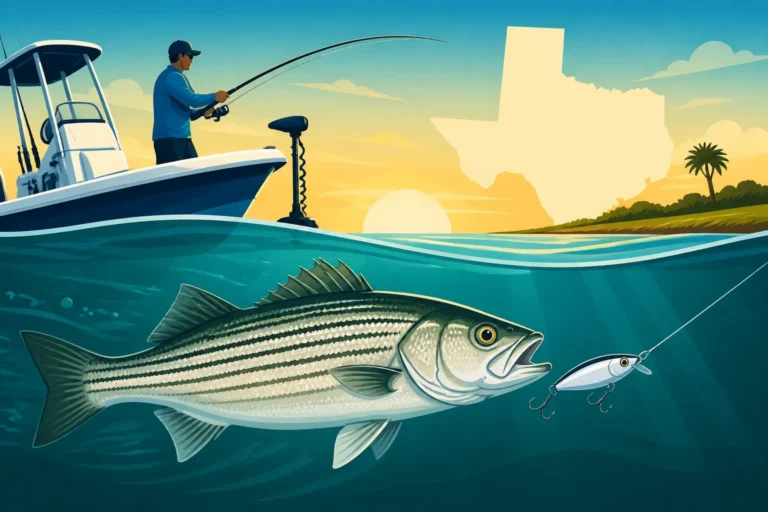
Fishing for striped bass on Lake Texoma is an experience unlike any other in Texas, often leaving anglers scratching their heads about where to even begin on such a massive and diverse body of water. Many folks struggle with finding the fish, choosing the right baits, or understanding the seasonal movements of these powerful fighters. This comprehensive guide is here to unravel those mysteries, offering seasoned insights and practical strategies to help you consistently hook into Lake Texoma's legendary striped bass.
Understanding Lake Texoma's Striped Bass Fishery
Lake Texoma isn't just a big lake; it's a striped bass haven, famously known as the "Striper Capital of the World" for good reason. Understanding its unique characteristics and how stripers behave within this environment is the first step to successful fishing. This massive reservoir, straddling the Texas and Oklahoma border, provides the perfect habitat for striped bass to thrive, even naturally reproducing, which is a rarity for stripers in inland lakes.
The Unique Environment of Lake Texoma
Texoma's sheer size and varied bottom structure make it incredibly rich, but also challenging. We're talking about almost 90,000 surface acres with a mix of rocky bluffs, sandy flats, submerged timber, and deep river channels where the Red and Washita Rivers feed in. This diverse topography creates endless opportunities for stripers to find baitfish, ambush points, and comfortable water temperatures throughout the year. The constant flow from the rivers also brings in nutrients and oxygen, keeping the ecosystem vibrant. Because it crosses state lines, anglers sometimes get confused about the rules. It's crucial to remember that a special reciprocal agreement is in place, allowing you to fish the entire lake with either a valid Texas or Oklahoma fishing license, but always check the most current regulations for Lake Texoma itself, as they can sometimes differ from general state rules. For more details on this, be sure to check out our guide on Lake Texoma Fishing License Rules.
What makes Texoma truly special for stripers is its slightly brackish water. While it's a freshwater lake, the Red River carries a higher salt content from its journey through ancient Permian deposits. This slight salinity actually benefits striped bass, as they are an anadromous species by nature, meaning they typically live in saltwater and spawn in freshwater. Texoma provides a unique inland environment that mimics their natural preferences, allowing them to reproduce successfully without needing to be stocked annually like in many other reservoirs. This means a healthy, self-sustaining population, offering fantastic fishing opportunities year-round.
Striped Bass Behavior and Seasonal Patterns
Striped bass are highly migratory and schooling fish, always on the move in search of baitfish like gizzard shad, threadfin shad, and sometimes even small sunfish. Their behavior changes dramatically with the seasons, influenced by water temperature, baitfish availability, and spawning instincts. In general, they prefer cooler water, which means they'll seek out deeper, cooler sections of the lake during the scorching Texas summer months.
During the spring, as water temperatures begin to rise, stripers become incredibly active, pushing into the shallower creek arms and river channels to spawn. This is often when you'll find them in large, aggressive schools, making for some exciting fishing. As summer approaches, the fish move to deeper, more stable water, often congregating around the thermocline (the layer where warm surface water meets cooler deep water) where oxygen levels are optimal and baitfish are plentiful. Fall brings a renewed feeding frenzy as temperatures drop, and stripers will chase baitfish in vast schools, often pushing them to the surface in spectacular "boils." Winter sees them retreat to deeper channels, slowing down but still actively feeding, making them a target for vertical jigging techniques. Understanding these broad patterns is key to knowing where to start your search throughout the year on this vast lake. For a general overview of striper fishing, check out our Texas Striped Bass Fishing Guide.
Essential Gear and Tackle for Texoma Stripers
You wouldn't head into a prizefight with a feather duster, and you shouldn't tackle Lake Texoma stripers with inadequate gear. These fish are powerful, hard-fighting, and can reach impressive sizes, so having the right rods, reels, line, and electronics is absolutely paramount. Skimping on tackle here will lead to frustration and lost fish.
Rods, Reels, and Line Selection
For Lake Texoma stripers, you're generally looking for a sturdy setup that can handle strong runs and the weight of larger fish.
Rods:
A medium-heavy to heavy action rod, typically in the 7 to 8-foot range, is ideal. This length gives you good casting distance and enough leverage to fight a big striper. Whether you prefer a baitcasting or spinning setup often comes down to personal preference and the specific technique you're employing. For trolling or throwing heavy lures, a baitcasting rod with a strong backbone is a solid choice. If you're casting lighter jigs or live bait, a spinning rod offers versatility. Look for rods with durable guides and comfortable grips, especially if you're going to be battling multiple fish throughout the day. Many anglers find excellent options available on retailers like Amazon, offering a wide range of brands and price points suitable for striper fishing. If you're looking for more general guidance, our Best Fishing Rods for Texas Anglers provides a broader perspective.
Reels:
Pair your rod with a robust reel. For spinning reels, a 4000 to 6000 series size is a good starting point, offering sufficient line capacity and a smooth, powerful drag system. Brands like Shimano, Penn, and Daiwa offer reliable models. If you prefer baitcasting, a 300 to 400 series low-profile or round baitcaster with a high retrieve rate is excellent for quickly taking up slack and battling fish. A good drag system is non-negotiable; you'll be thankful for it when a 15-pound striper decides to make a powerful run. Again, checking out options on Amazon can reveal a great selection to fit your budget and needs. Our general guide on Best Fishing Reels for Texas Anglers offers more detail on different types.
Line:
Braided line is almost universally preferred for striper fishing on Texoma due to its strength, sensitivity, and lack of stretch. A 30 to 50-pound test braided line is a good all-around choice. The low stretch allows you to feel subtle bites and set the hook effectively, even in deep water. Always add a fluorocarbon leader of 15 to 30-pound test (depending on water clarity and fish activity) to your braided mainline. Fluorocarbon is less visible to fish and offers good abrasion resistance, which is important around Texoma's rocky structures. This combination provides strength and stealth, a winning combination for these wary predators.
Baits and Lures That Get Bites
Lake Texoma stripers are aggressive feeders, but they can also be picky. Having a variety of baits and lures on hand is crucial.
Live Bait:
Hands down, live gizzard shad are the king of baits for Texoma stripers. They are the natural forage, and stripers can't resist them. Catching your own gizzard shad with a cast net can be part of the adventure, or you can often buy them from local bait shops. Hook them through the nose or the back, depending on how you're fishing them (e.g., free-lining, under a float, or downrigging). Other live baits like threadfin shad or even small sunfish can work, but gizzard shad are usually the most effective. The effectiveness of live bait, especially gizzard shad, cannot be overstated when the bite is tough.
Artificial Lures:
- Slab Spoons: These heavy metal lures, like a 1 oz to 3 oz "Slab" from brands such as S&S Tackle Co. or Johnson Fishing, are fantastic for vertical jigging over schools of fish. Drop them down, rip them up, and let them flutter back down. Stripers often hit them on the fall.
- Swimbaits/Grub Tails: Soft plastic swimbaits, particularly those resembling shad in white, silver, or chartreuse colors, are highly effective. Rig them on a jig head (1/2 oz to 1 oz) and cast them to schooling fish, or even troll them. The Sassy Shad is a classic choice.
- Topwater Lures: During fall "boils" or early morning summer feeding frenzies, topwater plugs like Heddon Super Spooks or Pencil Poppers can be explosive. The sight of a striper blowing up on a topwater lure is unforgettable.
- Crankbaits: Deep-diving crankbaits can be effective when trolling, especially those designed to imitate shad. Look for models that dive to 15-25 feet or more, depending on the depth you're targeting.
- Umbrella Rigs: These multi-lure rigs, often pulled behind a boat while trolling, simulate a school of baitfish. They consist of a main wire with several arms, each typically rigged with a swimbait or grub. They can be incredibly effective for locating and triggering strikes from large schools of stripers.
- Jigs: Heavy bucktail jigs or plastic curly-tail jigs on lead heads can also work, especially when fish are holding near structure.
For a deeper dive into bait and lure specifics, take a look at our article on the Best Bait and Lures for Texas Fishing.
Electronics and Navigation Aids
On a massive lake like Texoma, your electronics are your best friends. They can mean the difference between a frustrating day of searching and a productive day of catching.
Fish Finders and Sonar:
A high-quality fish finder with Side Imaging, Down Imaging, and 2D sonar is almost a necessity. These technologies allow you to scan wide areas for bait balls and striped bass schools, identify submerged structures, and pinpoint fish holding tight to the bottom or suspended in the water column. Brands like Humminbird (with their MEGA Imaging) and Garmin (with their Panoptix LiveScope) offer cutting-edge technology that gives you a significant advantage. Learning to interpret what your sonar is showing you—whether it's arches indicating fish, bait balls, or changes in bottom composition—is a skill that will pay dividends. Many anglers find great deals and a wide selection of these advanced units, often bundled with necessary transducers, on platforms like Amazon. Our guide on Best Fish Finders for Texas Lakes can offer more in-depth advice.
GPS and Mapping:
Integrated GPS with detailed lake maps is invaluable for navigating Texoma's vast waters, marking productive spots, and safely returning to your launch ramp. You can mark waypoints where you find schools of fish, successful trolling passes, or hazardous submerged structures. Many fish finders come with excellent GPS capabilities, and you can often upload more detailed mapping cards. Knowing the contours, creek channels, and humps on a map helps you predict where fish might be holding based on seasonal patterns. This is especially useful for quickly getting back to a hot bite or avoiding running aground in unfamiliar areas.
Trolling Motors (with GPS Spot-Lock):
While not strictly "electronics," a quality trolling motor, especially one with GPS Spot-Lock technology (like those from Minn Kota's Ulterra or Garmin's Force series), can dramatically improve your ability to stay on schools of fish once you find them. Spot-Lock allows you to virtually anchor your boat in place, even in windy conditions, freeing you up to cast, jig, or manage lines without constantly having to control the boat manually. This feature is a game-changer for working a hot spot effectively.
Top Techniques for Landing Texoma Stripers
Once you have your gear sorted and an understanding of the lake, it's time to put some techniques into practice. Striped bass fishing on Lake Texoma often involves a combination of methods, adapting to how the fish are behaving on any given day.
Trolling for Open Water Success
Trolling is perhaps the most common and effective method for covering large expanses of Lake Texoma and locating scattered schools of stripers, particularly when they're suspended in the open water. This technique involves dragging lures or baits behind your boat at a slow, consistent speed.
The Strategy:
You'll typically rig multiple rods, often using planer boards to spread your lines out wide, covering a broader swath of water. Downriggers are also very effective for getting lures to precise depths, especially when stripers are holding deep along the thermocline in summer. The key is to match your lure depth to where the fish are holding, which is where your fish finder comes in. Experiment with different depths until you start getting bites. Many anglers use a variety of lures simultaneously to see what the fish are preferring on that particular day – perhaps an umbrella rig on one line, a deep-diving crankbait on another, and a large bucktail jig on a third.
Effective Trolling Setups:
Umbrella rigs are exceptionally popular for trolling on Texoma because they mimic a small school of baitfish, making them irresistible to stripers. They usually consist of several wire arms with jigs or swimbaits attached, with one "stinger" lure in the center designed to get the most strikes. Slabs, deep-diving crankbaits, and even large swimbaits can be trolled effectively. Pay close attention to your boat speed; generally, 2-4 mph is a good starting point, but subtle adjustments can make a big difference. Don't be afraid to make turns; changing direction can cause your lures to change depth and speed, often triggering a strike from following fish. Trolling is a fantastic way to find the fish, and once a school is located, you can switch to other techniques to maximize your catch.
Live Baiting for Finicky Fish
When stripers are being particularly finicky, or when you know they are in a specific area but aren't hitting artificials, live bait is almost always the answer. Nothing beats the real thing for convincing a wary striper to bite.
Targeting with Live Bait:
The most common and effective live bait for Texoma stripers is undoubtedly the gizzard shad. These baitfish are abundant in the lake and form the primary diet of the striped bass. There are a few ways to present live shad. One popular method is free-lining them with just a hook and possibly a small split shot for weight, allowing the shad to swim naturally in the water column. This works well when stripers are actively feeding near the surface or in shallower areas. Another effective technique is to use a slip bobber rig, which allows you to suspend your live shad at a precise depth above a school of fish you've located on your sonar.
For deeper presentations, a Carolina rig with a heavier sinker can get your live shad down to where the fish are holding on the bottom or near deep structure. Always use a circle hook when live baiting, as it's much better for the fish if you plan to release them, typically hooking in the corner of the mouth rather than deep in the gullet. Being able to catch your own fresh shad with a cast net is a huge advantage, as fresh, lively bait is always more enticing. Keep your live bait well-aerated in a large livewell to ensure they remain vigorous and attractive to stripers.
Jigging and Casting Structures
When stripers are holding tightly to specific structures, schooling up in deeper channels, or erupting in a surface "boil," jigging and casting become incredibly effective and exciting techniques.
Vertical Jigging:
Vertical jigging is lethal when you locate schools of stripers suspended beneath your boat, especially in deeper water or during cooler months. This involves dropping a heavy slab spoon, jig, or bucktail jig directly down to the fish you see on your sonar. The action is usually a sharp upward rip of the rod, followed by letting the lure flutter back down on a semi-slack line. Stripers often strike as the lure falls, so pay close attention to any slack in your line or subtle taps. The key here is precise boat control, often achieved with a GPS-enabled trolling motor set to Spot-Lock, allowing you to stay directly over the fish. This method requires a good feel for your tackle and the ability to interpret your fish finder, but the rewards can be immense.
Casting to Boils and Structure:
When stripers push baitfish to the surface, creating a chaotic feeding frenzy known as a "boil," casting topwater lures or fast-retrieved swimbaits into the melee is an adrenaline-pumping experience. These boils can pop up quickly and disappear just as fast, so quick action is essential. Casting also comes into play when stripers are relating to specific structures like submerged humps, ledges, or rocky points. Throwing soft plastic swimbaits, Sassy Shads, or even heavy jigs to these areas and working them back can draw aggressive strikes. Watch for birds diving; often, seagulls or terns will betray the location of a feeding frenzy, as they too are after the fleeing baitfish. Casting demands accuracy and the ability to quickly work your lure through the strike zone, mimicking an injured or fleeing baitfish. This technique is particularly popular during the fall months when stripers are in their intense feeding patterns.
Seasonal Strategies for Striped Bass
Striped bass fishing on Lake Texoma is a year-round affair, but your most effective strategies will shift dramatically with the seasons. Understanding these changes is critical to consistently finding and catching fish. Our Texas Fishing Seasons Month by Month guide offers a broader look, but here, we'll dive into Texoma's specifics.
Spring and Summer Tactics
These seasons bring distinct challenges and opportunities, largely driven by rising water temperatures and the stripers' spawning cycle.
Spring: As the water temperatures begin to climb in late winter and early spring (typically February through April), striped bass initiate their annual spawning run up the Red and Washita River arms. This is a highly anticipated time for many anglers, as stripers congregate in vast numbers. They'll push into the shallower sections of these river channels, often found near bends, sandbars, and submerged timber. Topwater action can be explosive in the mornings and evenings, with stripers aggressively chasing lures. Jigging with slabs or casting swimbaits into visible schools are also highly effective methods. This is often when you'll find some of the largest concentrations of fish, making it a prime time for multiple hookups. Remember to observe bag and length limits, as spawning season can attract many anglers.
Summer: The intense Texas summer heat (May through September) drives stripers deep as they seek cooler, more oxygenated water. They'll often congregate around the thermocline, typically found in the main lake body or deeper river channels. Trolling becomes a dominant strategy here, using downriggers to present umbrella rigs or deep-diving crankbaits at precise depths. Look for structure in deeper water—humps, ledges, and channels—where baitfish also seek refuge. Early mornings and late evenings can also offer brief windows of opportunity for stripers to move shallower to feed, sometimes resulting in topwater action. Live bait, especially gizzard shad, fished on slip bobbers or Carolina rigs in these deeper areas, is often the most consistent producer when the sun is high and temperatures soar. The key is to find the thermocline and the baitfish, and the stripers won't be far behind.
Fall and Winter Approaches
Don't hang up your rods after summer! Fall and winter can offer some of the most spectacular striper fishing on Lake Texoma, though with different techniques.
Fall: As water temperatures begin to drop in autumn (October through December), the stripers enter a massive feeding frenzy, packing on reserves for the cooler months. This is arguably the most exciting time for striper fishing on Texoma. The famous "boils" become common occurrences, with huge schools of stripers corralling shad on the surface. Spotting these boils from a distance and getting to them quickly to cast topwater lures, swimbaits, or Sassy Shads is thrilling. If surface activity isn't apparent, trolling umbrella rigs or large crankbaits is highly effective for covering water. Stripers will be more spread out but actively chasing baitfish throughout the water column. The fishing can be incredibly consistent during this period, with both numbers and size potential. For targeting larger fish during this prime feeding time, consider using larger profile swimbaits or live gizzard shad.
Winter: While colder, winter (January through February) still offers excellent opportunities for determined anglers. Stripers typically retreat to the deeper river channels and main lake basins, often schooling tightly near the bottom or suspended over deep water. They become less active but are still feeding. Vertical jigging with heavy slab spoons or large bucktail jigs is the primary method. Look for schools of fish and baitfish on your fish finder, often in 30-60 feet of water or more. Live bait, particularly large gizzard shad, can also be drifted or slowly trolled near these deeper schools. The bite might be more subtle, and patience is key, but the fish you catch in winter are often healthy and robust. Don't let the cold deter you; some of the biggest stripers are caught by anglers who brave the winter chill.
Navigating Regulations and Conservation
Fishing on Lake Texoma, being a border lake, comes with its own set of rules and a special responsibility to conserve this incredible fishery. Understanding the specific regulations is paramount, not just to avoid fines, but to ensure the long-term health of the striped bass population.
Understanding Lake Texoma's Specific Rules
While both Texas and Oklahoma honor each other's fishing licenses on Lake Texoma, the bag and length limits for striped bass can sometimes differ from the general state regulations, and they are often specific to Texoma itself. For instance, the daily bag limit and minimum length for striped bass on Lake Texoma usually reflect a joint effort between the two states to manage the shared resource effectively. It’s not uncommon to find a limit of 10 stripers per person per day, with only two fish over a certain length (e.g., 20 inches). However, these specific numbers can change, so always consult the most current Texas Parks and Wildlife Department (TPWD) Outdoor Annual or the Oklahoma Department of Wildlife Conservation (ODWC) regulations before you head out. Websites for both departments are updated regularly, and many tackle shops around the lake will have current printed materials. Familiarize yourself with these rules to avoid any unexpected penalties. Our guide on Texas Fish Bag and Length Limits gives a broader overview of state regulations, but Texoma often has its own carve-outs.
Another important consideration is the use of certain gear, like trotlines or juglines, and their specific rules regarding tagging and placement. While general Texas Fishing License Requirements Explained are important, specific gear rules and catch limits for Lake Texoma ensure that everyone can enjoy the fishery responsibly.
Here’s a simplified table comparing common Texoma striper regulations (always verify current year's rules):
| Regulation Aspect | Common Lake Texoma Striped Bass Rule (Approximate) | Important Note |
|---|---|---|
| License | Valid Texas OR Oklahoma Fishing License | Either license is valid for the entire lake. |
| Daily Bag Limit | 10 fish per angler | This number can fluctuate, always check current year. |
| Minimum Length | 18 inches | Always verify for current year. |
| "Over Size" Limit | Only 2 fish over 20 inches (within 10 fish bag) | This is a common conservation measure. |
| Seasonal Closures | Generally none for striped bass | Specific gear or bait restrictions might apply. |
Practicing Responsible Catch and Release
Lake Texoma's striped bass fishery is a precious resource, and practicing responsible catch and release is vital for its sustainability, especially for the larger, breeding-size fish.
Handling Fish Properly:
When you land a striper, try to minimize the time it spends out of the water. Handle the fish gently with wet hands to protect its slime coat, which is crucial for its health and disease resistance. If possible, use a net with rubberized mesh to minimize scale damage. Avoid dragging fish onto boat decks or dry ground. If you're going to take a picture, do it quickly and support the fish horizontally, especially larger ones, to avoid internal organ damage. Don't suspend a large striper vertically by its jaw, as this can dislocate its jaw and damage its spine. A pair of fish grippers can be helpful for control without excessive handling, and are easily available on Amazon.
Hook Removal and Release:
Use pliers or a dehooking tool to quickly remove hooks. If the fish is deeply hooked and removing the hook would cause too much damage, it's often better to cut the line as close to the hook as possible. Circle hooks are excellent for live baiting precisely because they usually hook in the corner of the mouth, making removal easy and reducing gut-hooking. When releasing the fish, gently place it back into the water, headfirst, and hold it upright until it regains its strength and swims away on its own. If it's struggling, slowly move it back and forth to help water flow over its gills. By following these simple practices, you contribute directly to the health and future of Lake Texoma's incredible striped bass fishery, ensuring that this fantastic resource remains for generations of anglers to come.
Disclaimer
Fishing regulations and conditions can change rapidly. Always consult the latest official Texas Parks and Wildlife Department and Oklahoma Department of Wildlife Conservation resources before planning your fishing trip to Lake Texoma. This guide is for informational purposes only and should not be considered a substitute for current regulations.